What the Repair Takes
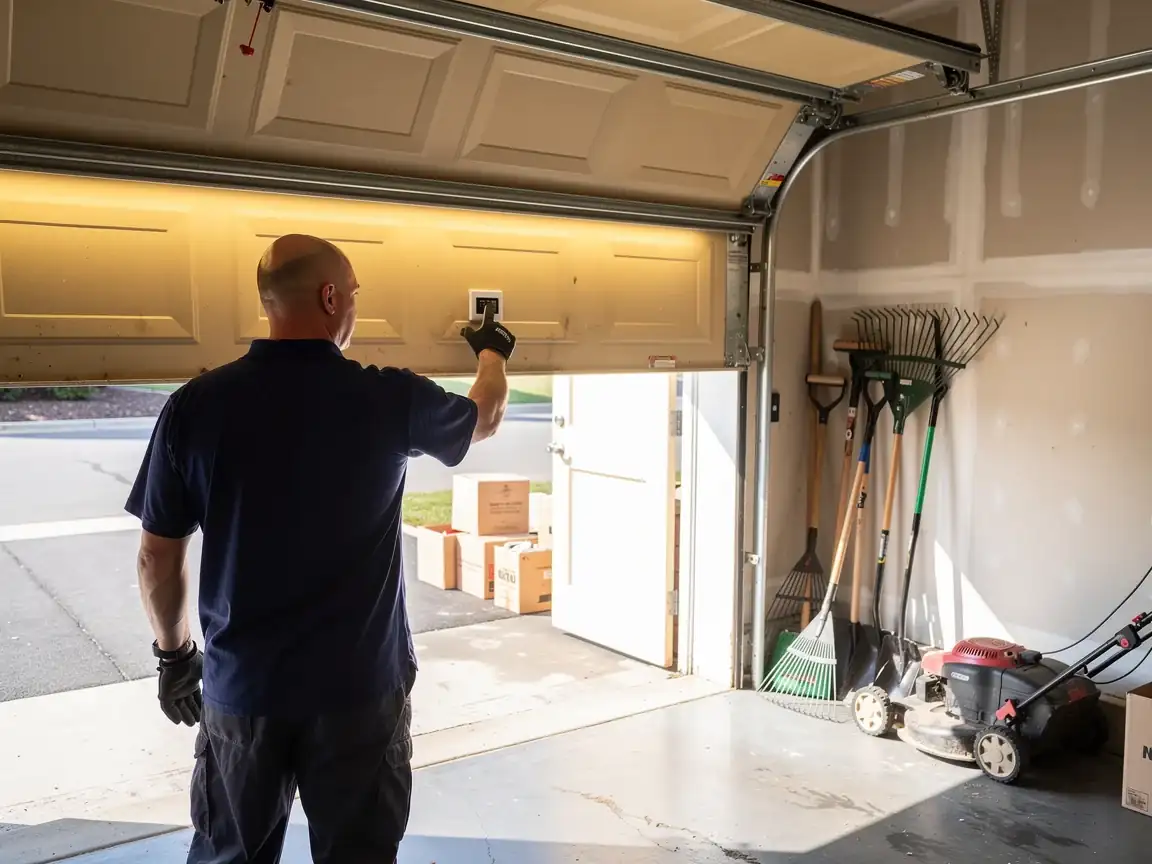
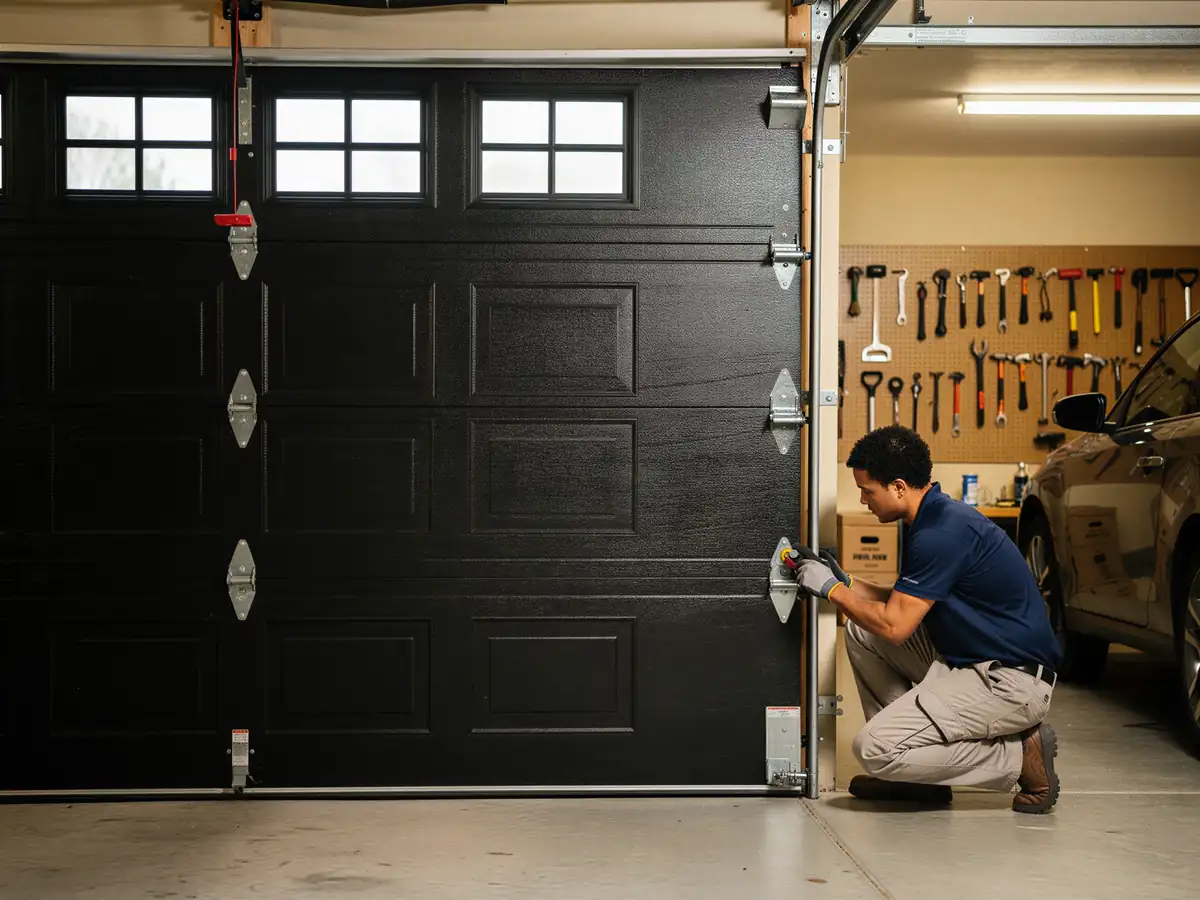
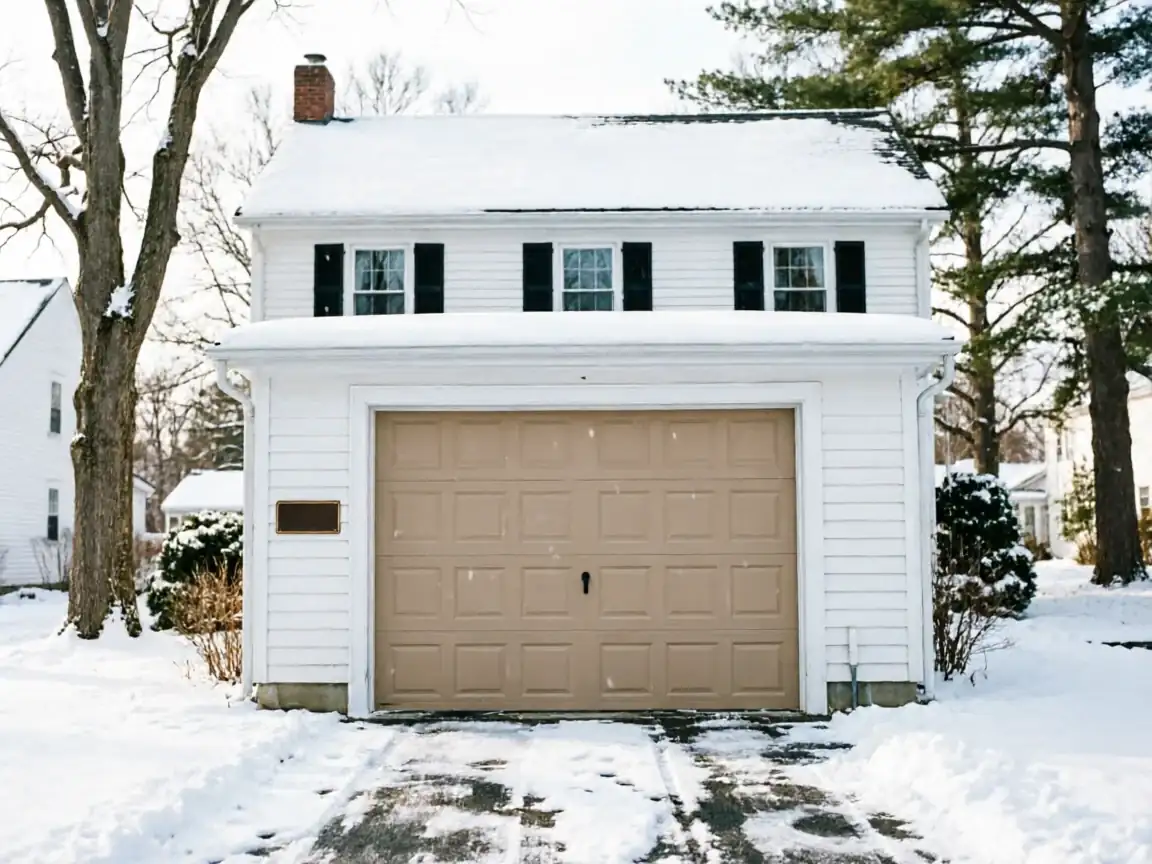
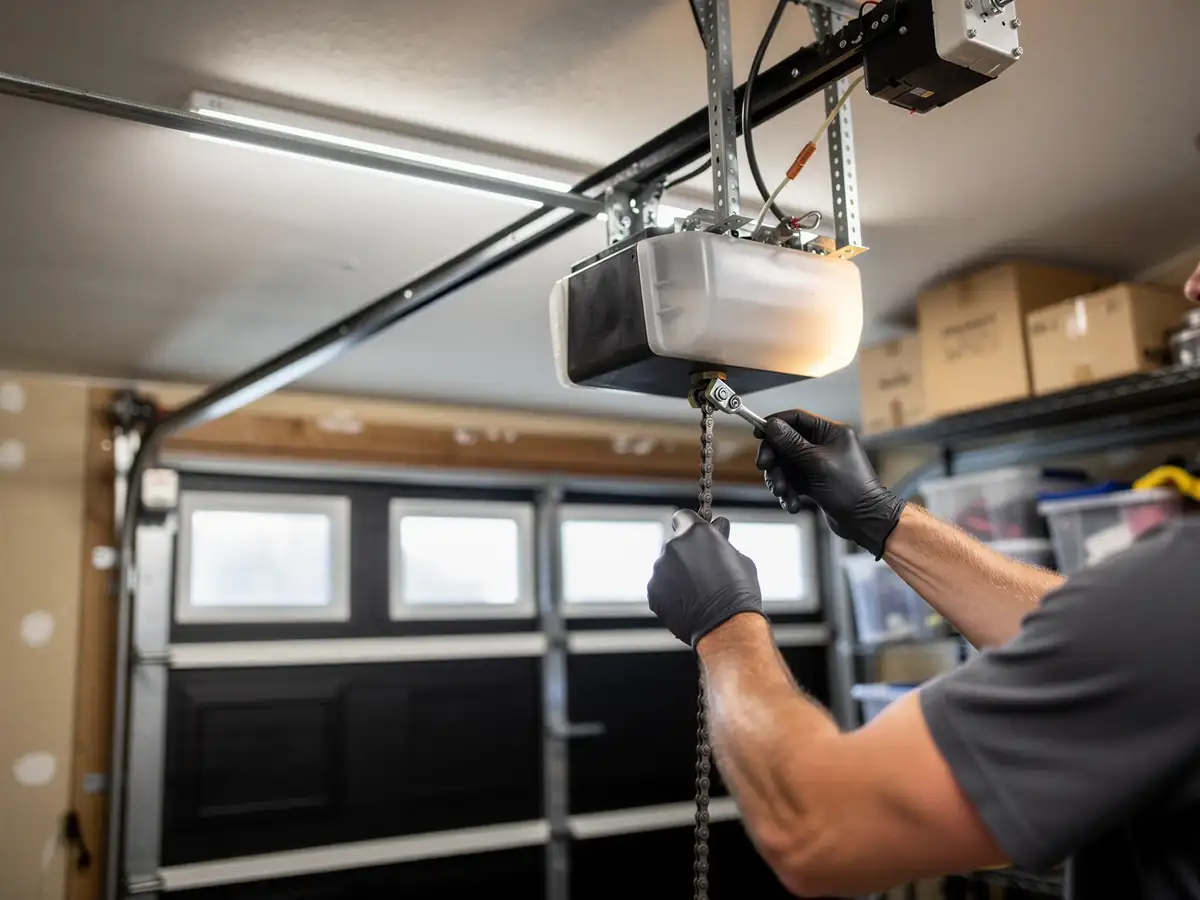
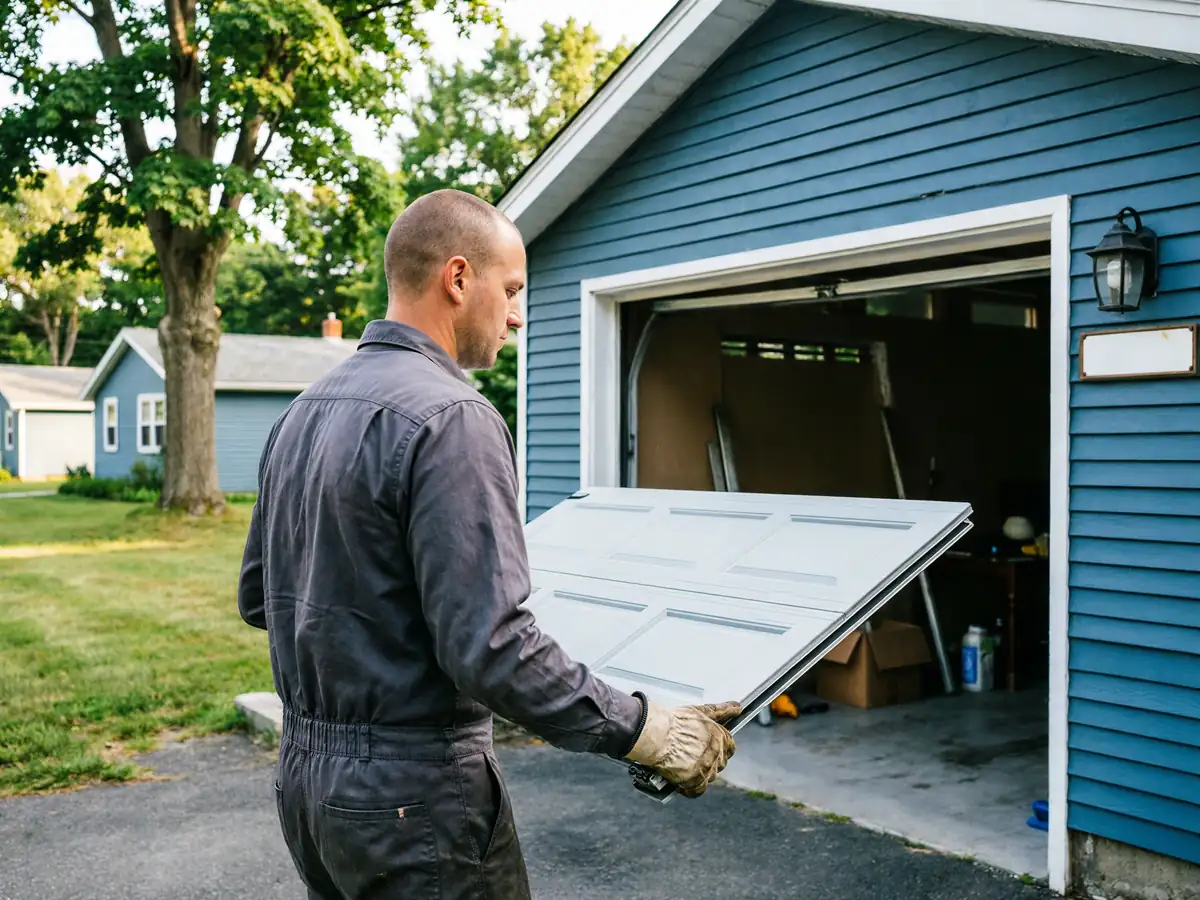
A house in Belmont built around 1966 usually has a door that's either steel with a baked enamel finish or, less often, a wood composite panel set on a frame that's held up fine for fifty-some years until one section takes a hit. We pull the damaged panel, check the hinges and rollers on either side of it for play, and match width and the panel's ridge pattern before anything goes back on. On a double-wide door, the horizontal seams between sections matter more than people expect - if the replacement panel doesn't sit flush with its neighbors, the whole door reads crooked even though it opens fine. We also check the track alignment while the panel's off, since a door from this build era was hung on hardware that wasn't engineered for today's spring tension ratings, and loosening one section sometimes reveals wear further down the track that's been there for years, unnoticed.
How Long You Are Without the Door
We don't promise a same-day turnaround, because an exact match on an older panel sometimes means a special order rather than something off the truck shelf. What we can tell you is that the door gets secured before we leave, even if the final matched panel is still a day or two out - you're not left with an open bay overnight waiting on a part. If your door and track are standard sizing, which most mid-1960s single-car doors in Belmont are, we often carry a panel that fits on the first visit. Double doors and anything with a non-standard width take longer to source. We'll tell you straight on the call which category your door falls into, rather than quote a number we can't back up.
What You Pay
We don't post a flat rate here because panel jobs vary too much by door width, finish, and whether the replacement is a stock match or a special order. What we can tell you is that the quote you get on the call is the one we work from - no add-ons discovered halfway through unless something unexpected turns up once the panel's off, like a bent track we flag before touching it. Belmont households run a median income a touch above the wider service area figure, and we price the same regardless of which side of that line a job falls on.
What Can Go Wrong
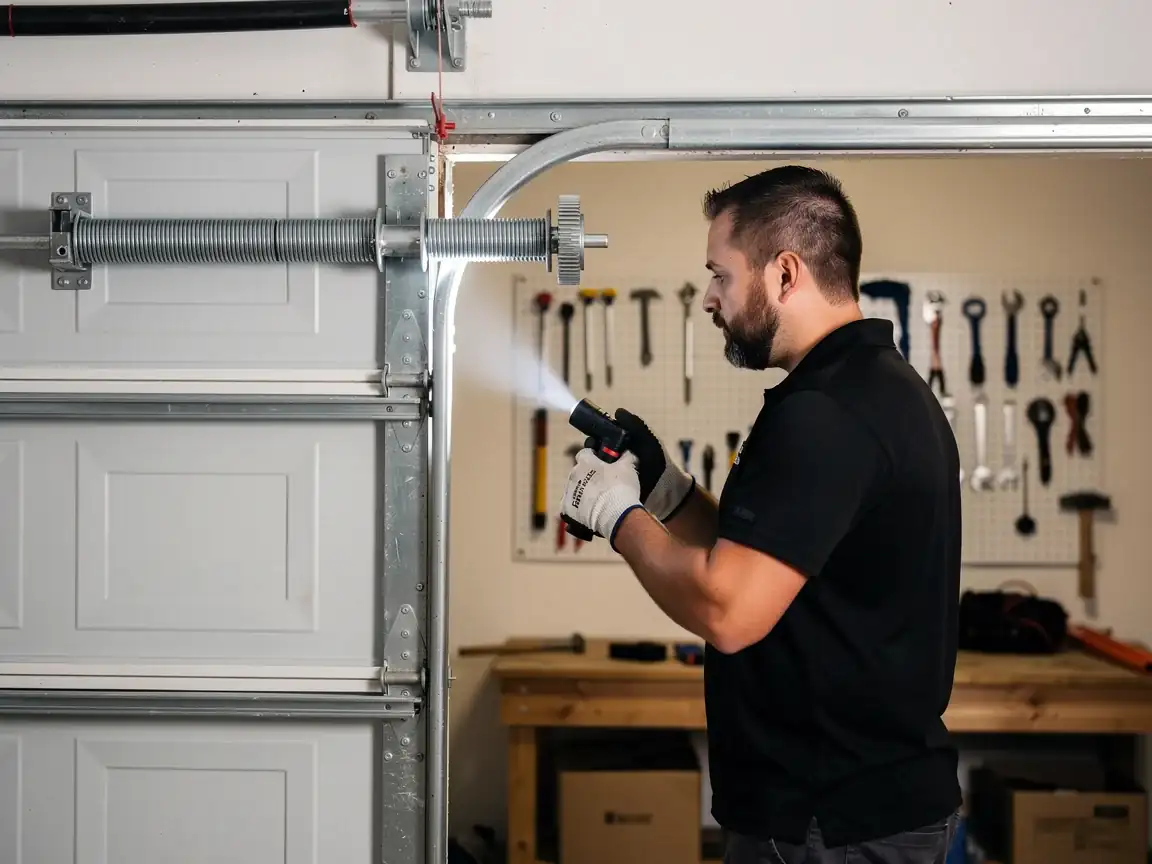
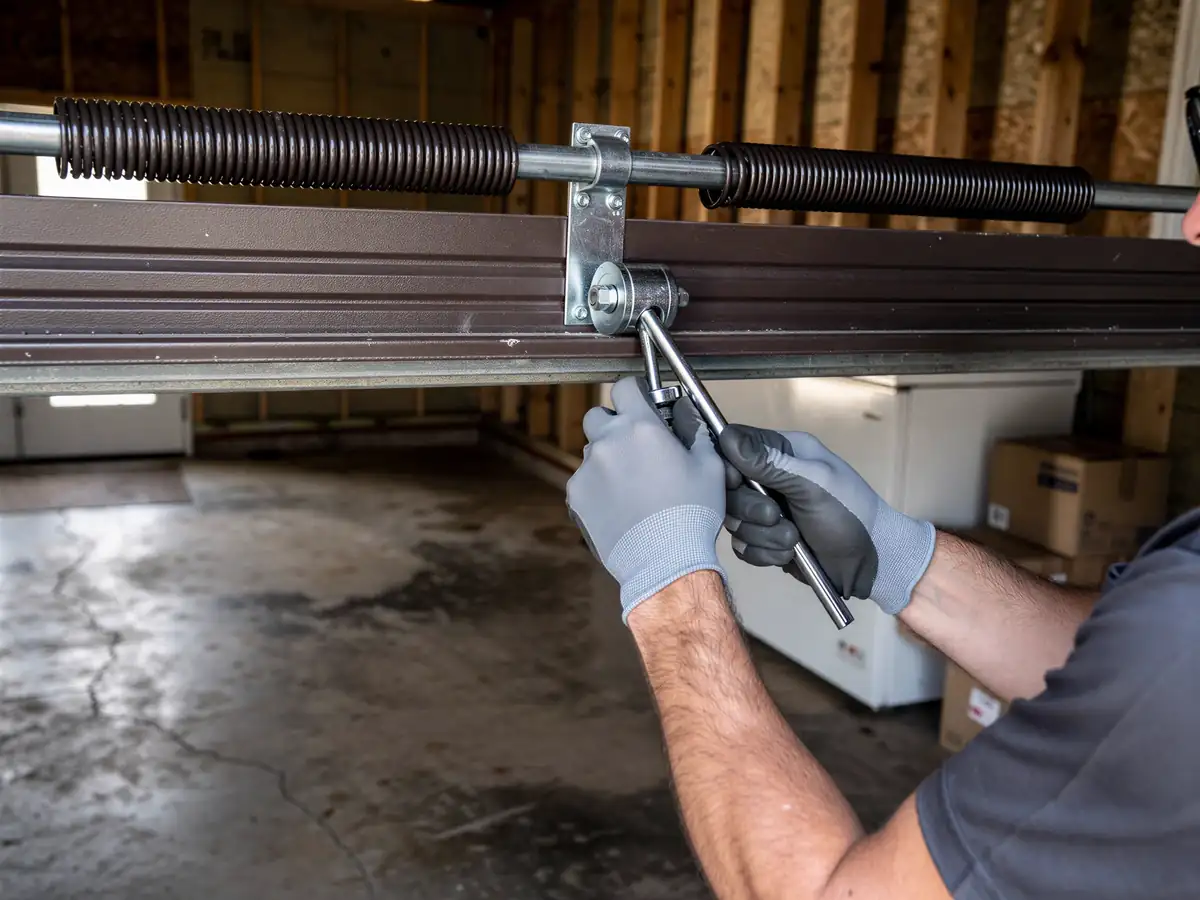
The most common surprise on a door this age is that the replacement panel fits the opening but not the finish - a 1966 steel door that's been repainted once or twice over the decades rarely matches a new section without a full repaint of the door, and we'll say so before you commit to a swap rather than after. The other issue is torsion spring tension: pulling one panel off a double door changes the balance just enough that an old, fatigued spring sometimes fails during reassembly rather than months later. When that happens on-site, we'll tell you plainly - sometimes the honest move is replacing the spring at the same time rather than coming back for a second call. We don't push a full door replacement when a panel swap solves it, but a door with three or four mismatched repairs already on it is usually past the point panel work can fix cleanly.