What the Repair Takes
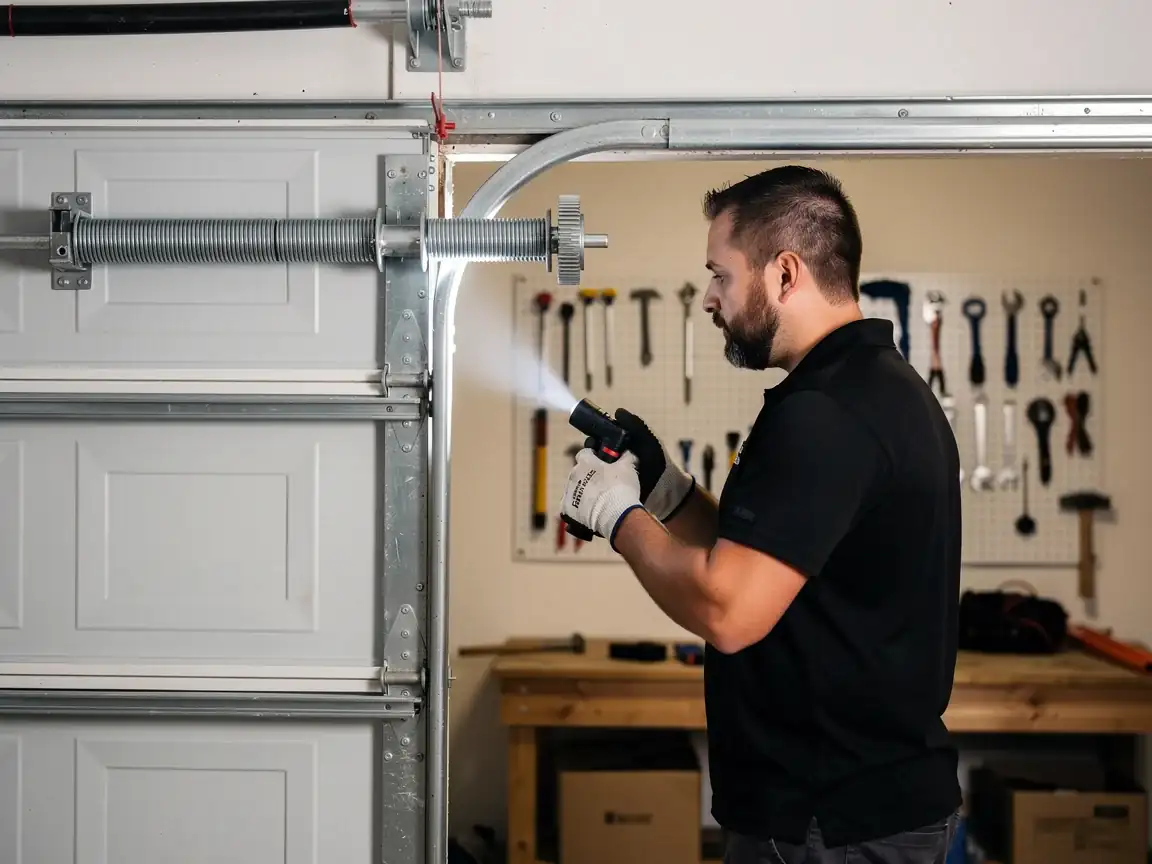
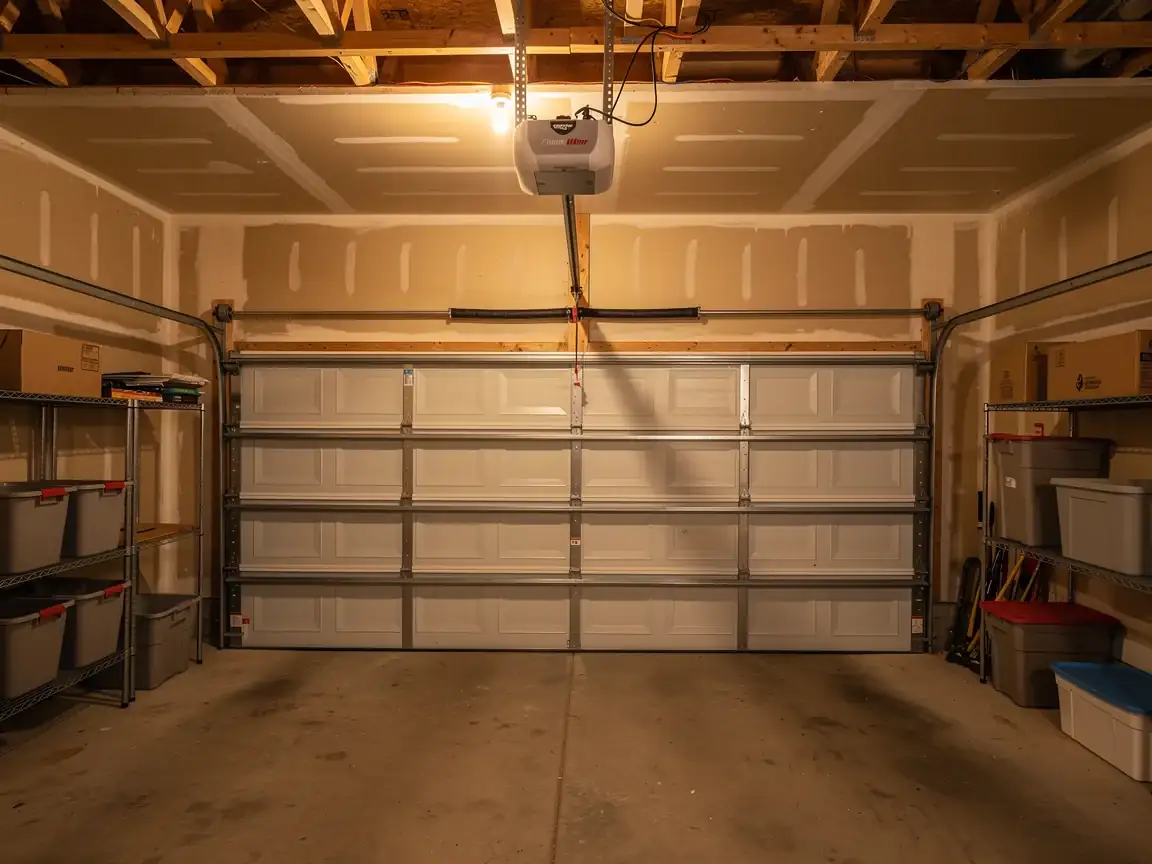
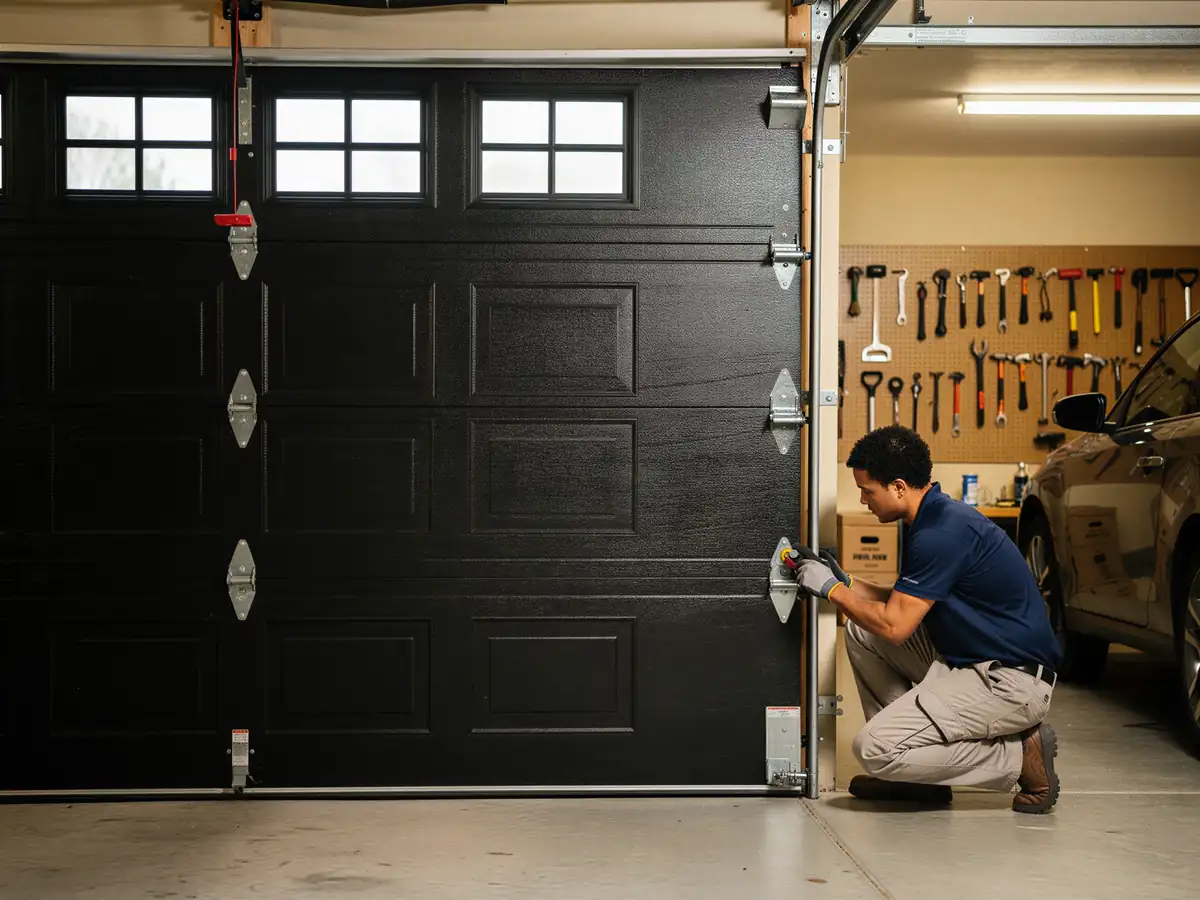
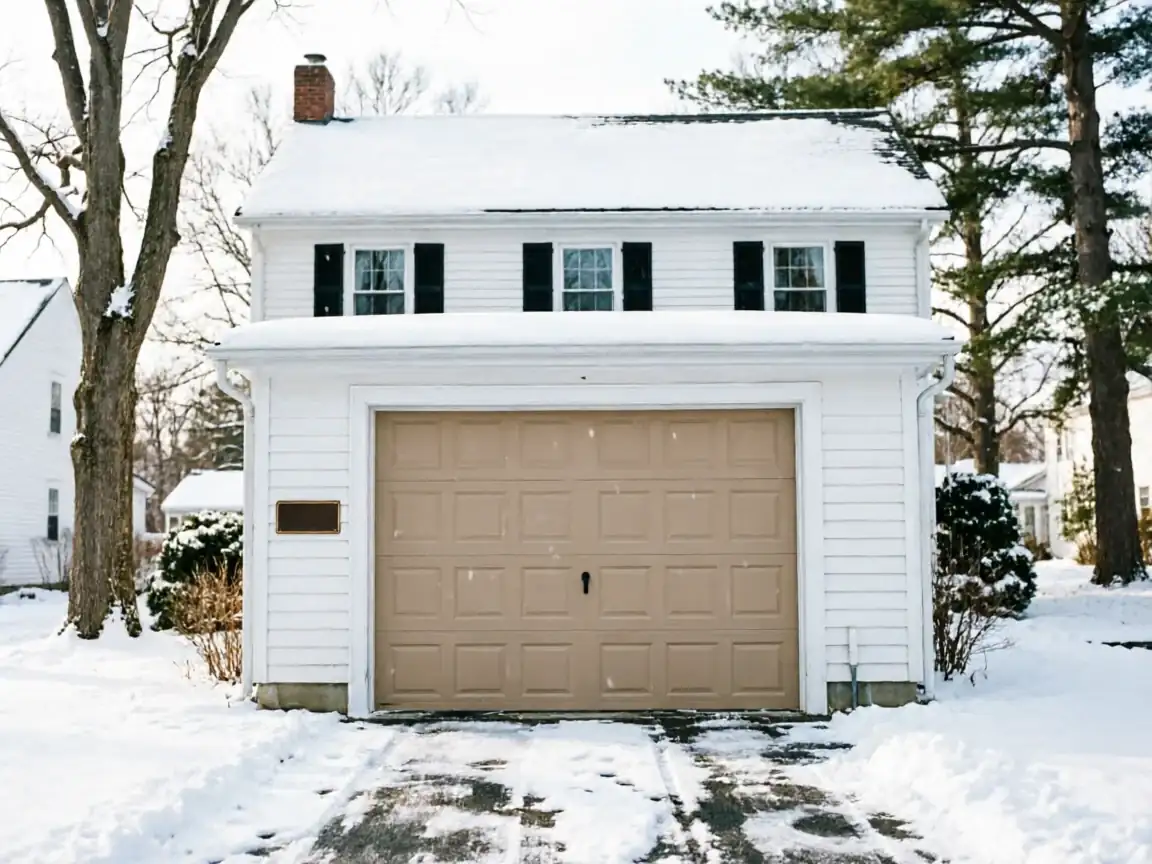
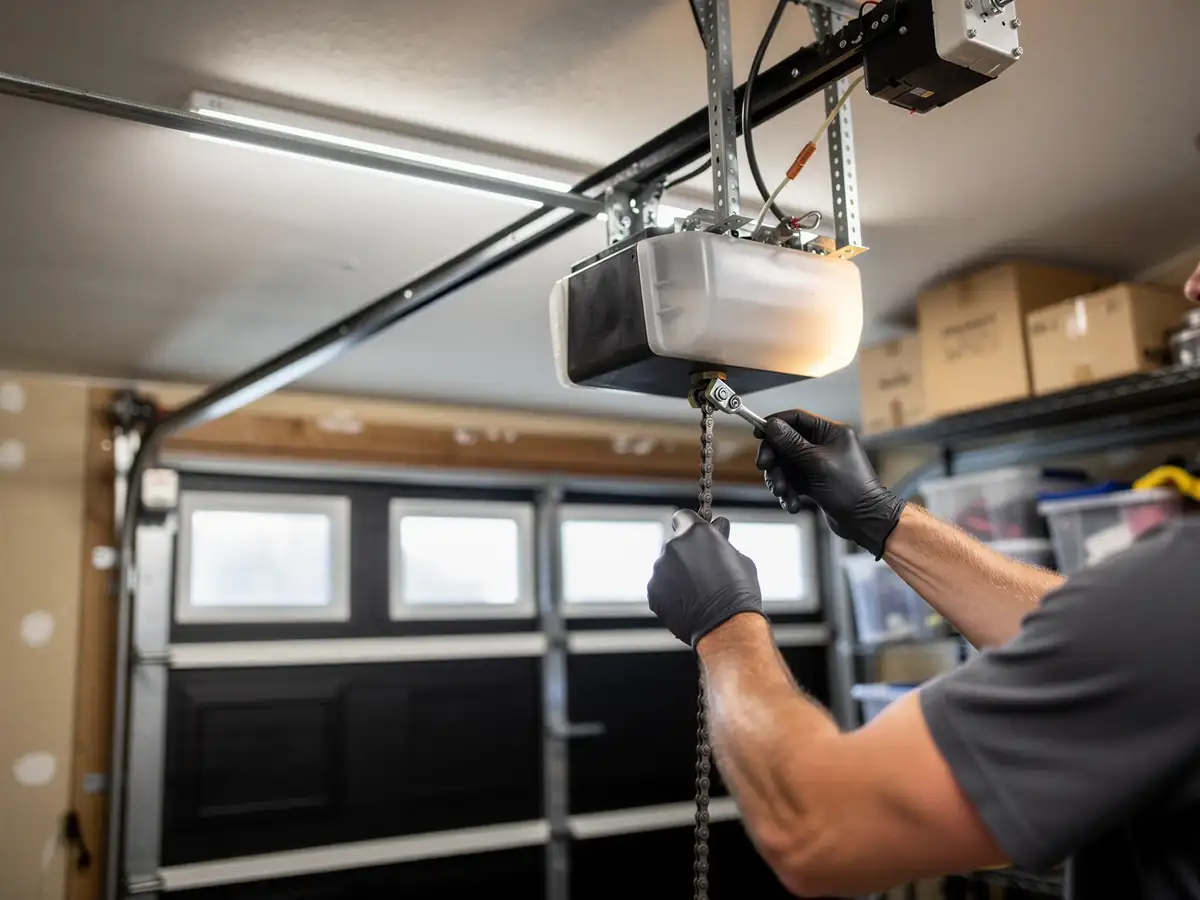
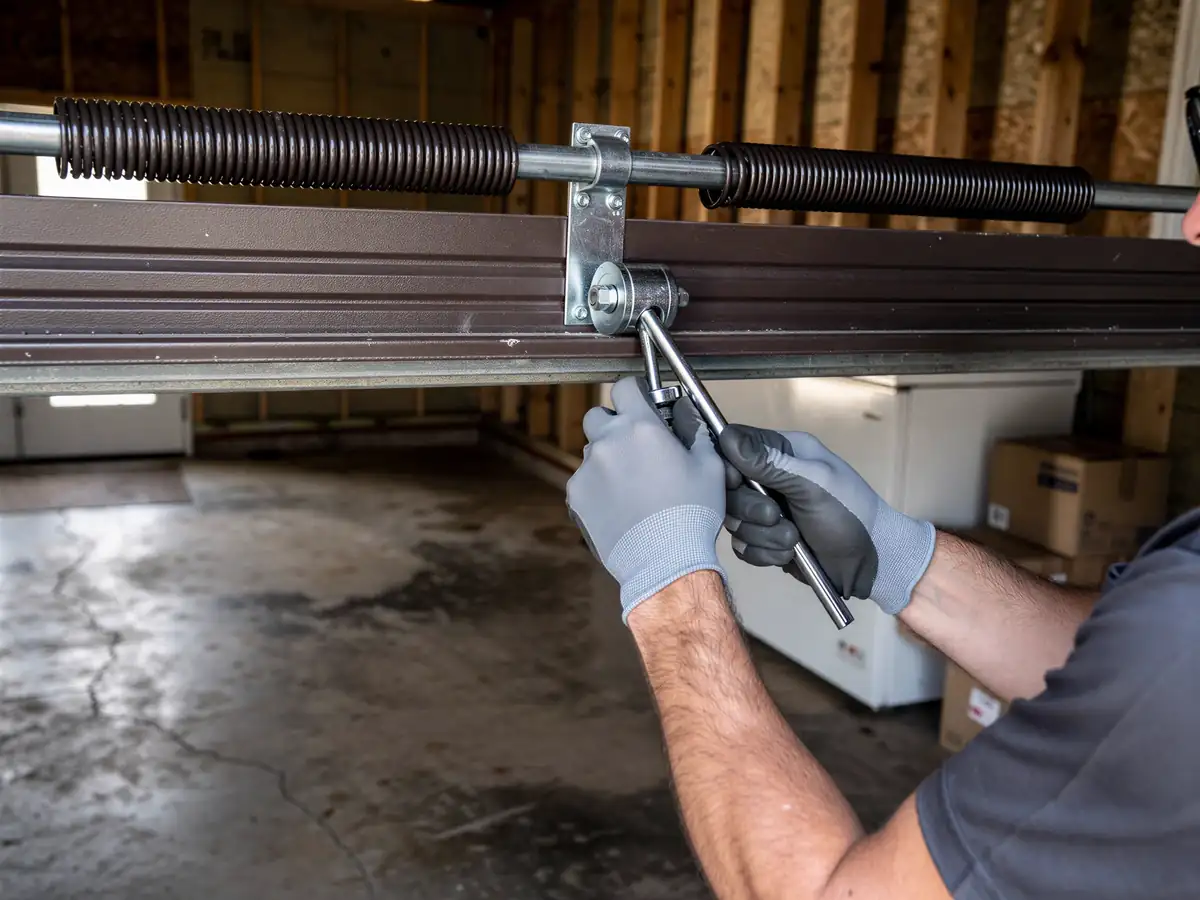
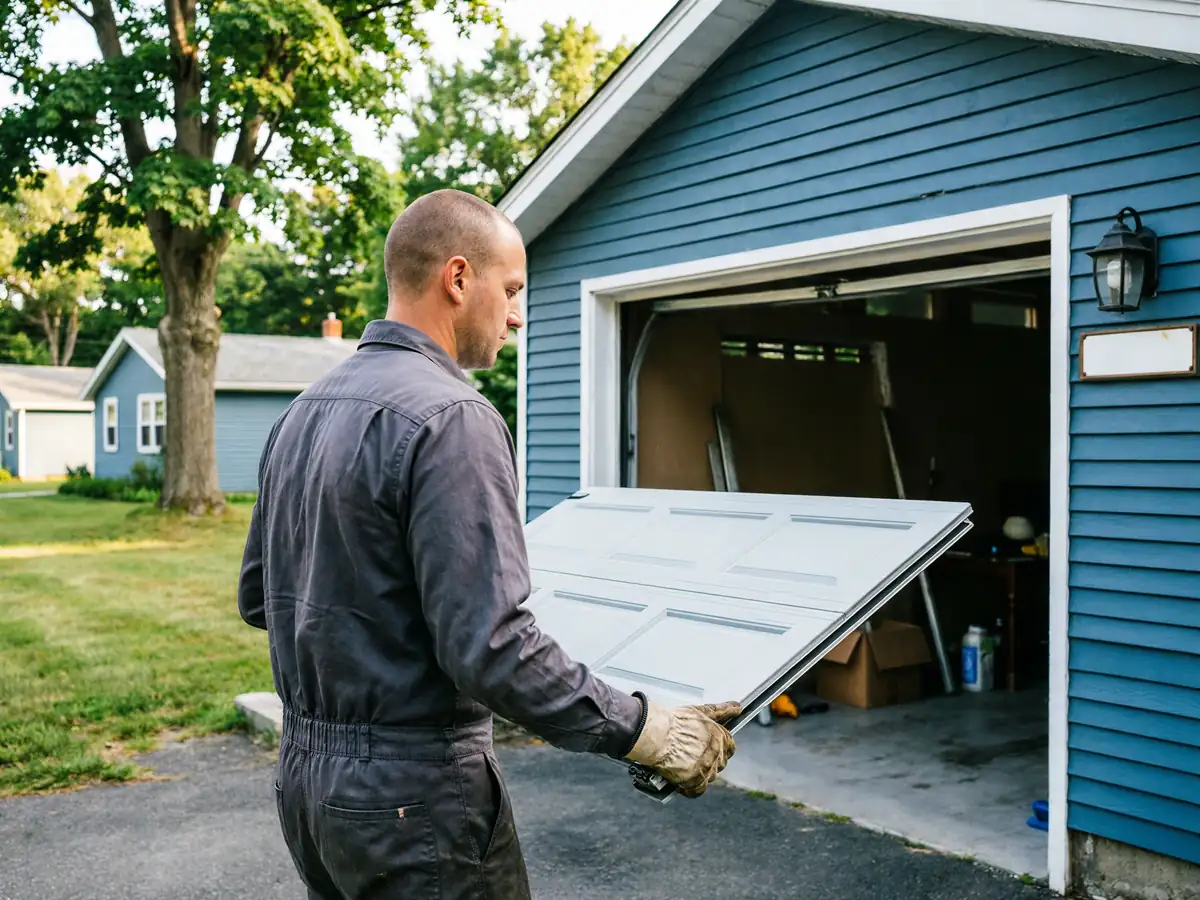
With a median build year around 1966, a lot of Belmont's garage doors and openers have been replaced at least once since the house went up, unlike parts of the broader service area where 1938-1960 construction still carries original hardware. That means we're often dealing with a torsion or extension spring system installed sometime in the last few decades, a chain or belt-drive opener, and standard track widths - more straightforward to source than the odd rollers and brackets on a pre-1950 door. The job itself is the same sequence regardless of era: find the actual failure point, confirm nothing else is compromised (a broken cable is rarely the whole story), replace the failed part, and run the door through a full cycle before we leave. What changes with a newer door is availability - we're less likely to be waiting on a special-order spring or a discontinued track bracket.
How Long You Are Without the Door
Most emergency calls resolve in one visit once we're on-site, because the part and the problem usually match up cleanly on houses from Belmont's era. The complication, when there is one, tends to be an opener board or a sensor issue rather than a structural hardware problem - electronics don't always announce themselves the way a snapped spring does. We won't guess at a timeline before we've looked at the door; a bent track takes longer than a broken cable, and a double door takes longer than a single. What we can tell you is that we don't leave a door that won't close secured, and we don't leave a job half-finished because we ran out of light.
What You Pay
We don't post a flat emergency rate here because the job varies too much - a cable off a drum is a different bill than a full spring replacement on a double door. What we can tell you is the context: this area's median household income runs near $57,132, in line with the broader service area's $56,795, and most of the roughly 1,212 households in Belmont are owner-occupied houses rather than rentals, which tends to mean the person calling is the one deciding what gets fixed versus replaced. We'll give you the number before we start work, not after.
What Can Go Wrong
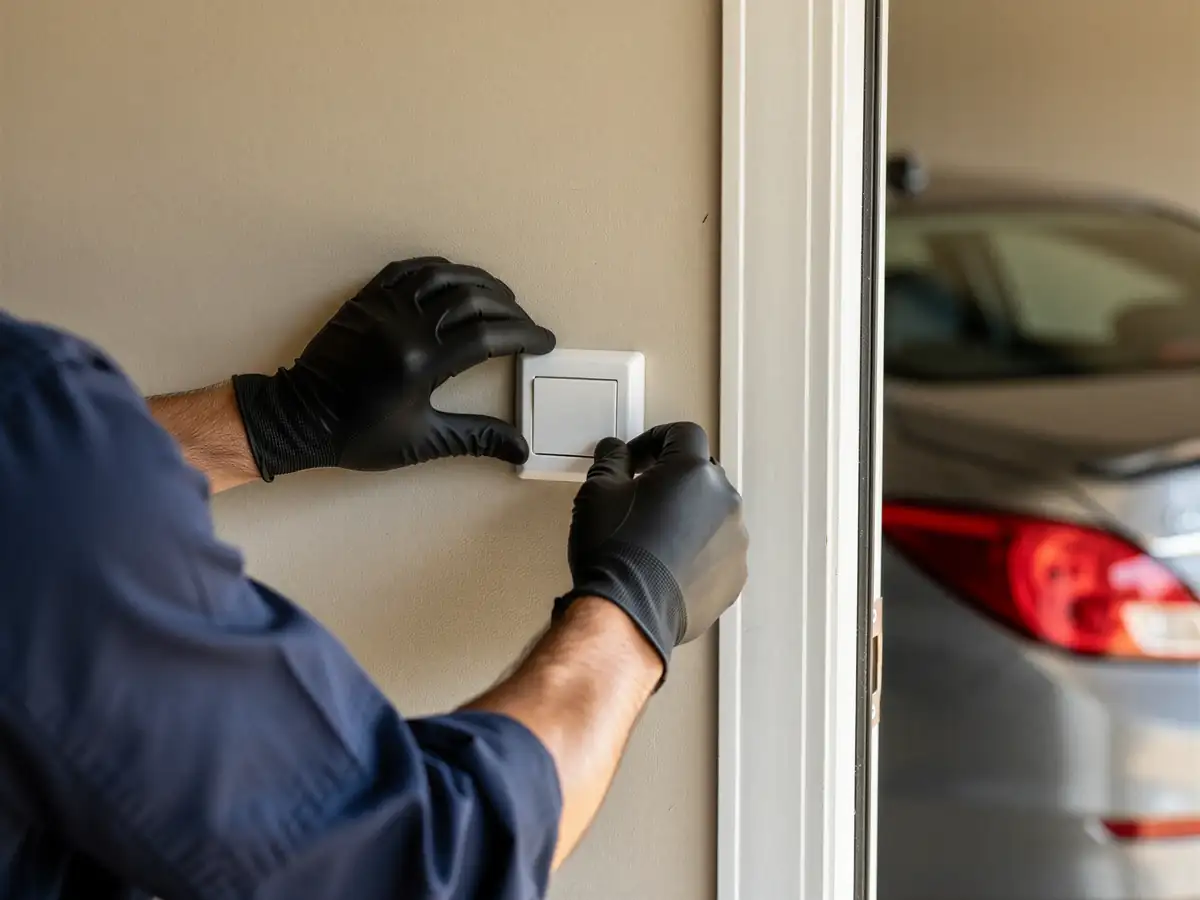
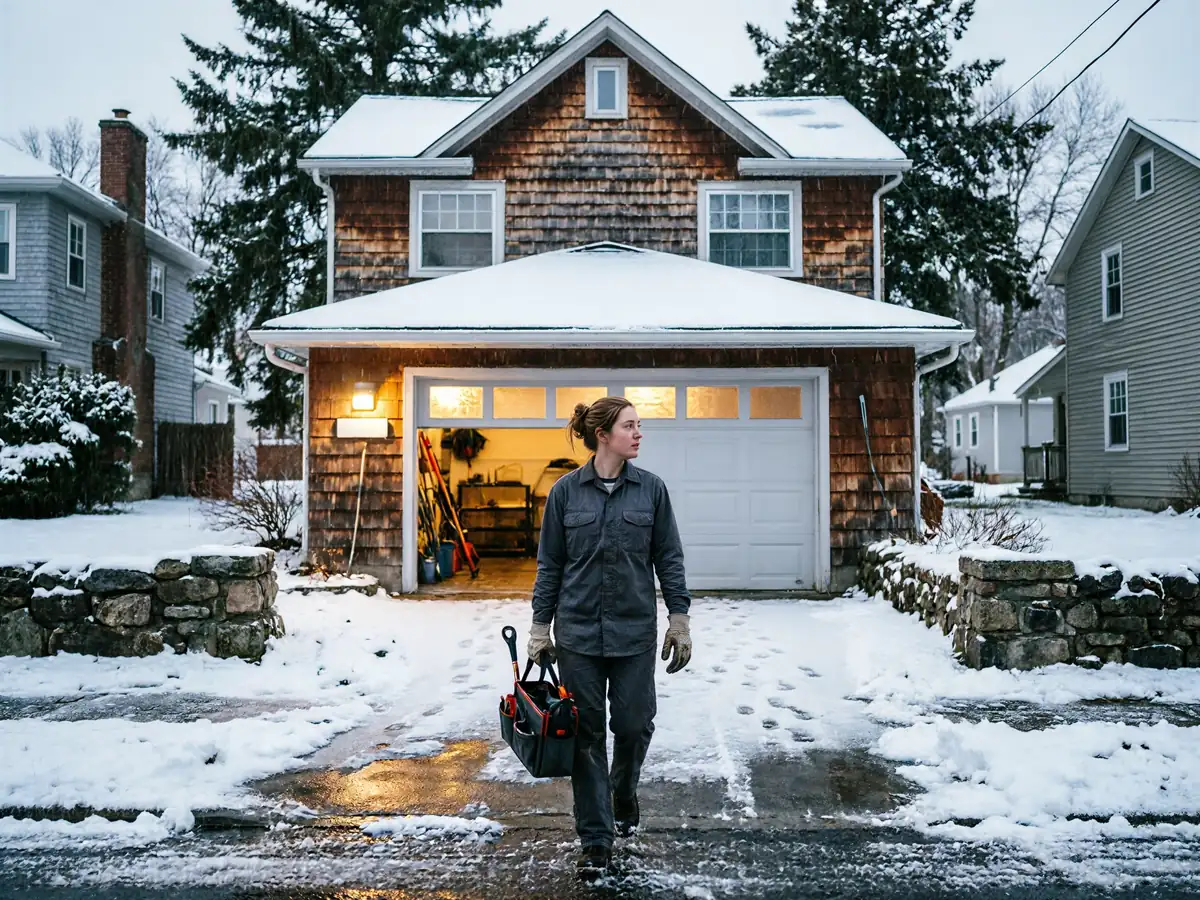
Cold, severe winters are standard for this whole region, not just Belmont, and that still shows up in emergency calls - a spring that's been flexing for years finally lets go on the coldest morning of the stretch, or a sensor iced over stops the door from closing at all. Because Belmont's housing stock is newer on average than much of the surrounding area, we see fewer of the original-hardware failures that are common on houses dating to the 1940s and 50s, and more issues tied to openers aging out after fifteen or twenty years of daily use. A door that won't close on a sensor fault isn't a spring job, and treating it like one wastes your money - we check the simple stuff first.