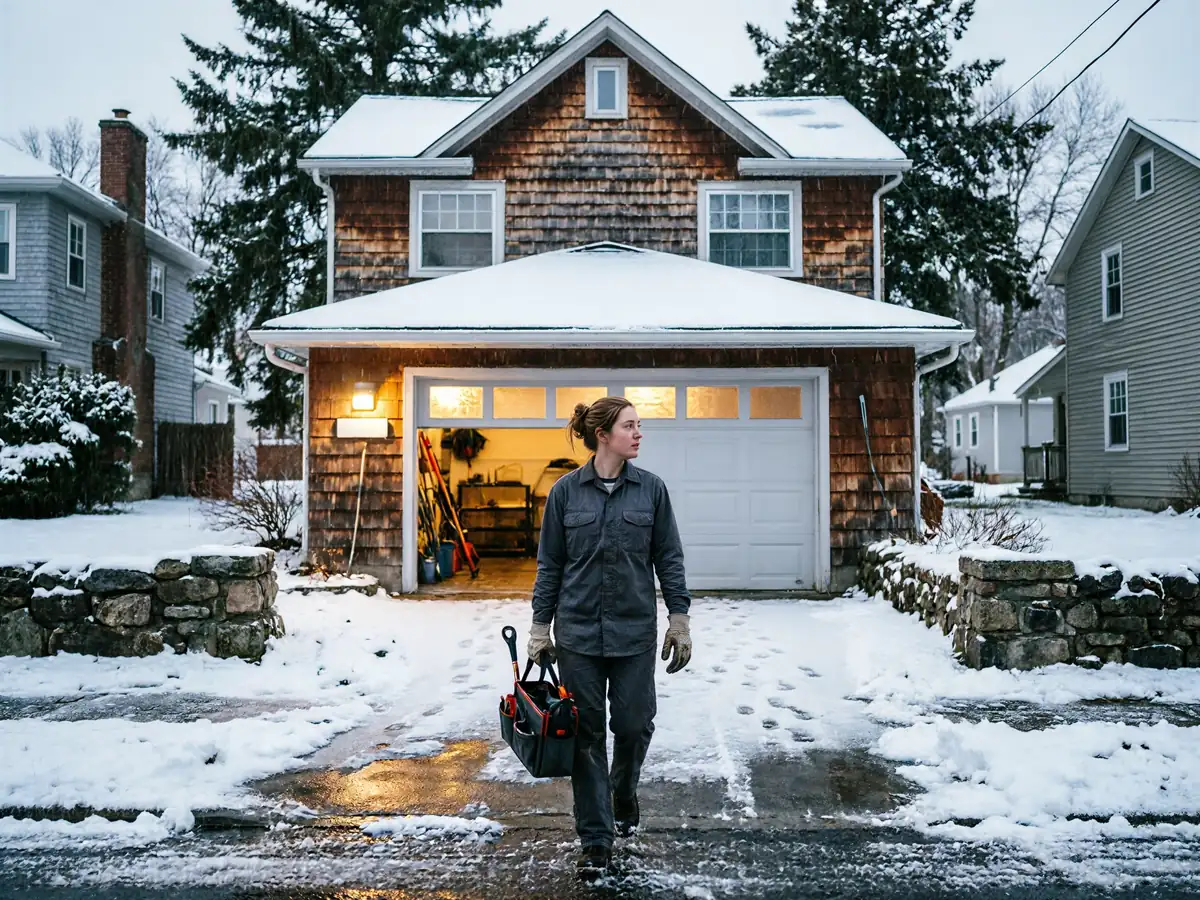
What That Sound From Your Garage Door Is Trying to Tell You
A grinding, popping, or rattling garage door in Johnstown usually traces back to 1950s-era hardware and hard winters. Here's what each sound is actually telling you.
This area sits in a cold-severe climate band, and that matters more to a garage door than most owners think. Steel contracts in deep cold, galvanized spring coating gets brittle over repeated freeze-thaw cycles, and grease in old bearings thickens until a roller that used to turn smooth starts to chatter instead. Houses in this area went up mostly between 1938 and 1980, with the median landing around 1952, so a lot of the doors and openers still running predate modern weatherized hardware entirely. That squeal you hear on the first really cold morning of the season isn't just "needs oil" - it's often a torsion spring that's been cycling through sixty-plus winters of expansion and contraction, and it's telling you it's closer to the end than the beginning. A grinding sound from the track on a cold day is frequently a steel roller that's lost its factory lubrication and is now metal-on-metal against a track that's also contracted slightly tighter. None of this means panic. It means the sound is data, and in a climate like this, ignoring it costs you more than it would somewhere milder.
The Problem
Across the 34 named areas we cover, most of the housing stock predates 1960, so when a door starts making noise, it's rarely a brand-new mechanism failing - it's original or early-replacement hardware finally giving out. A rhythmic thump as the door travels usually means a flat spot has worn into a roller, common on doors that have been running on the same rollers since installation. A loud bang followed by the door refusing to open is almost always a broken torsion spring, and on older houses that often means a single spring doing a job that modern code would split across two. A grating noise low on the door, near the bottom corners, points to track misalignment, which shows up more in houses where the slab has shifted slightly over seven or eight decades. The honest limitation here: a noise alone doesn't tell you which part failed without someone putting hands on it, and guessing wrong means buying a part that wasn't the problem. What the noise does tell you is whether this is a weekend-wait repair or a call-today situation - a grinding roller can wait a little, a loud bang from a spring means stop using the door.
What You Pay
We don't publish a flat number here because what you pay depends on what's actually making the noise, and on houses this age that varies more than people expect. A single worn roller on a door with original 1950s or 60s hardware is a different job than replacing a torsion spring that's been matched to an opener installed decades after the door itself. With a median household income of $56,795 across the service area, most owners here are weighing a $20 roller swap against a full opener replacement, not writing a blank check for whatever gets quoted - and that's a reasonable way to think about it. The honest answer is that the noise itself is often the cheapest clue you'll get: a grinding roller caught early costs a fraction of what a seized bearing costs once it's torn up the track. Where it gets expensive is when an owner runs an already-noisy door for months, because a stressed spring or a bent track rarely fails gently - it usually takes something else with it. If you want a real number, that comes from someone looking at the actual door, not a general guess based on the sound alone.
What to Look At First
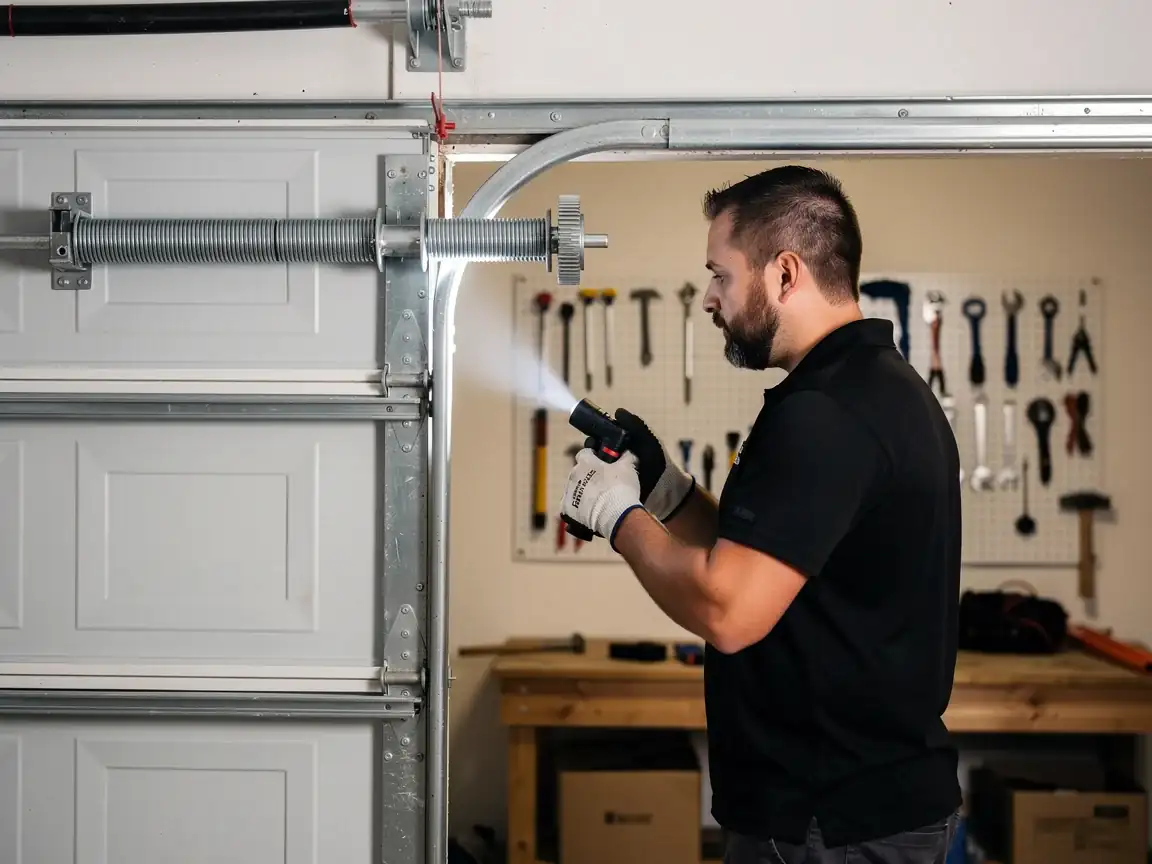
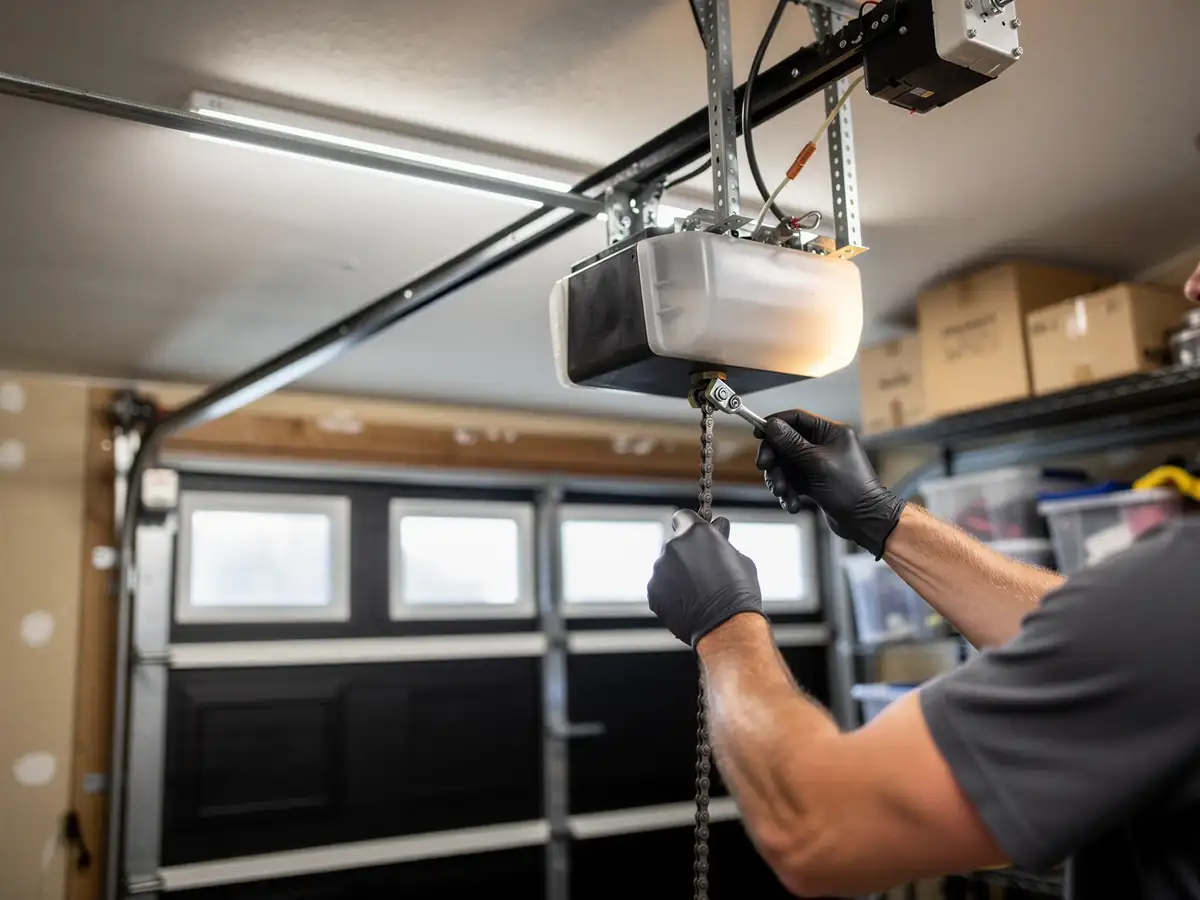
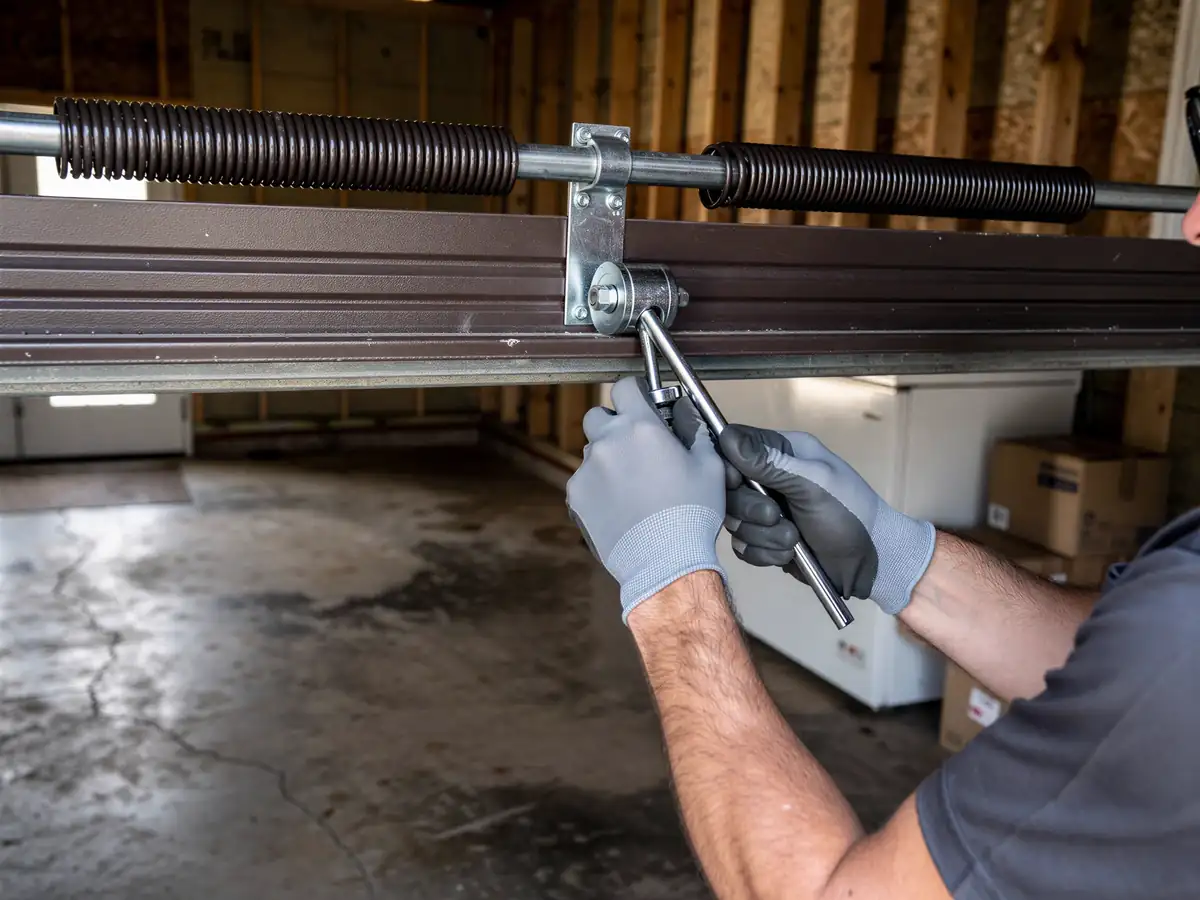
With 16,767 owner-occupied houses in the service area, a good share of them still run the single-rail trolley openers and steel doors that came standard with mid-century construction, and those parts have tells before they fail outright. Start by listening for where the sound happens in the door's travel - noise only at the very top or bottom usually means the spring or the bottom roller, while noise the whole way up points to the track or multiple worn rollers. Look at the springs themselves: a gap in the coil, rust concentrated at one spot, or visible stretching are all signs of metal fatigue that cold winters accelerate. Check the track brackets for looseness, since houses from the 1938-1980 era often have garages with slab settling that's thrown the alignment off slightly over time. If the opener itself is straining - louder motor, slower travel, the chain or belt slapping - that's separate from a spring or roller problem and worth noting distinctly when you call someone. None of this replaces a hands-on look, but knowing which sound you're hearing, and when it started, gets you a faster and more accurate diagnosis.
How it works
From “it’s stuck” to “it’s fixed”
1
Tell us what’s wrong
Describe the symptom - won’t open, loud bang, opener runs but the door won’t move.
2
On-site diagnosis
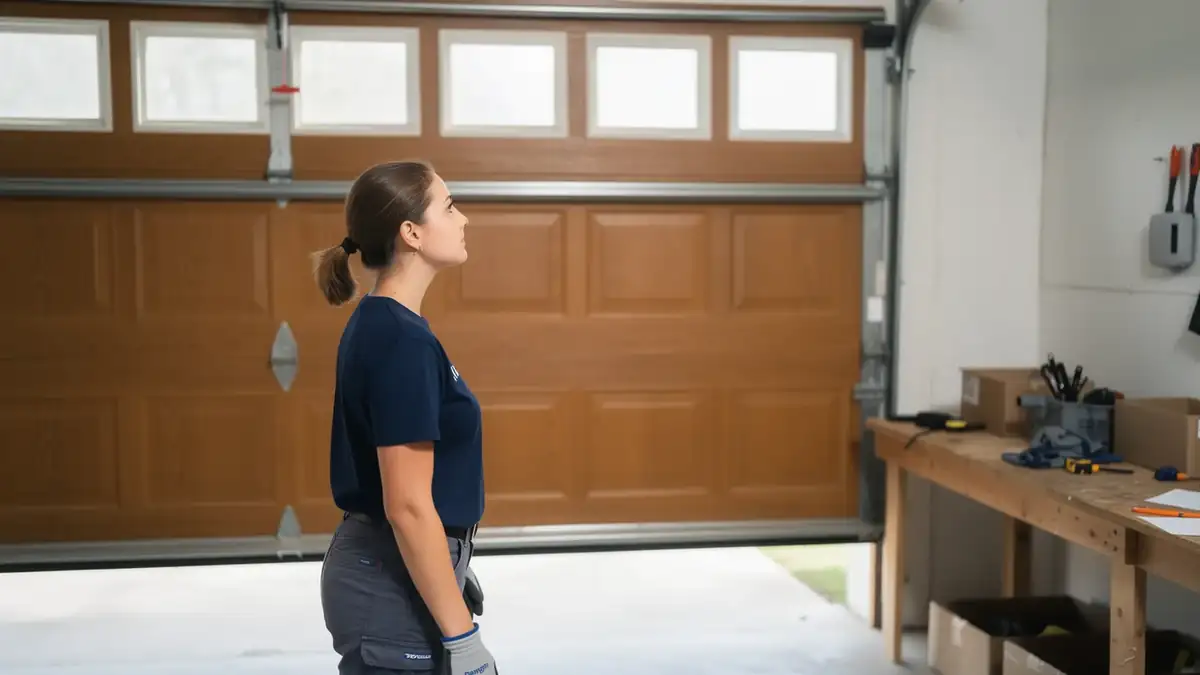
A technician tests the door under power and by hand and finds what actually failed.
3
Clear, up-front plan
You get the fix that’s needed and what drives the cost - before any work starts.
4
Repaired & tested
The repair is done, the door is set true and tested, and the work area left clean.
Next step
Not sure which repair your door needs in Johnstown, PA? Describe what it’s doing - every job starts with a diagnosis.
Why does my garage door make more noise in winter?
Steel contracts in cold weather, and this area sits in a cold-severe climate band, so tracks tighten slightly and grease in older bearings thickens. On houses built in the 1938-1980 range, the original hardware was never designed around today's expectations for quiet operation, so winter noise is often just age meeting cold, not necessarily a sudden new failure.
Is a loud bang from my garage door an emergency?
A sudden bang followed by the door not moving is almost always a broken torsion spring, and you should stop using the door until it's looked at. Springs under tension can cause injury if handled wrong, and on older single-spring setups common in this area's housing stock, there's no backup holding the door up once it lets go.
Can I just oil a noisy roller myself?
Lubricating a roller can quiet it temporarily, but if the roller has a flat spot or the bearing is seized, oil just delays the noise coming back. On doors from the older end of this area's housing stock, rollers are often original, so a persistent grind after oiling usually means the part needs replacing, not more grease.
Ready to get your garage door sorted?
Tell us what it’s doing and where you are in Johnstown - we’ll take it from there.