What the Weather Here Does to It
Johnstown sits in a climate band rated cold and severe
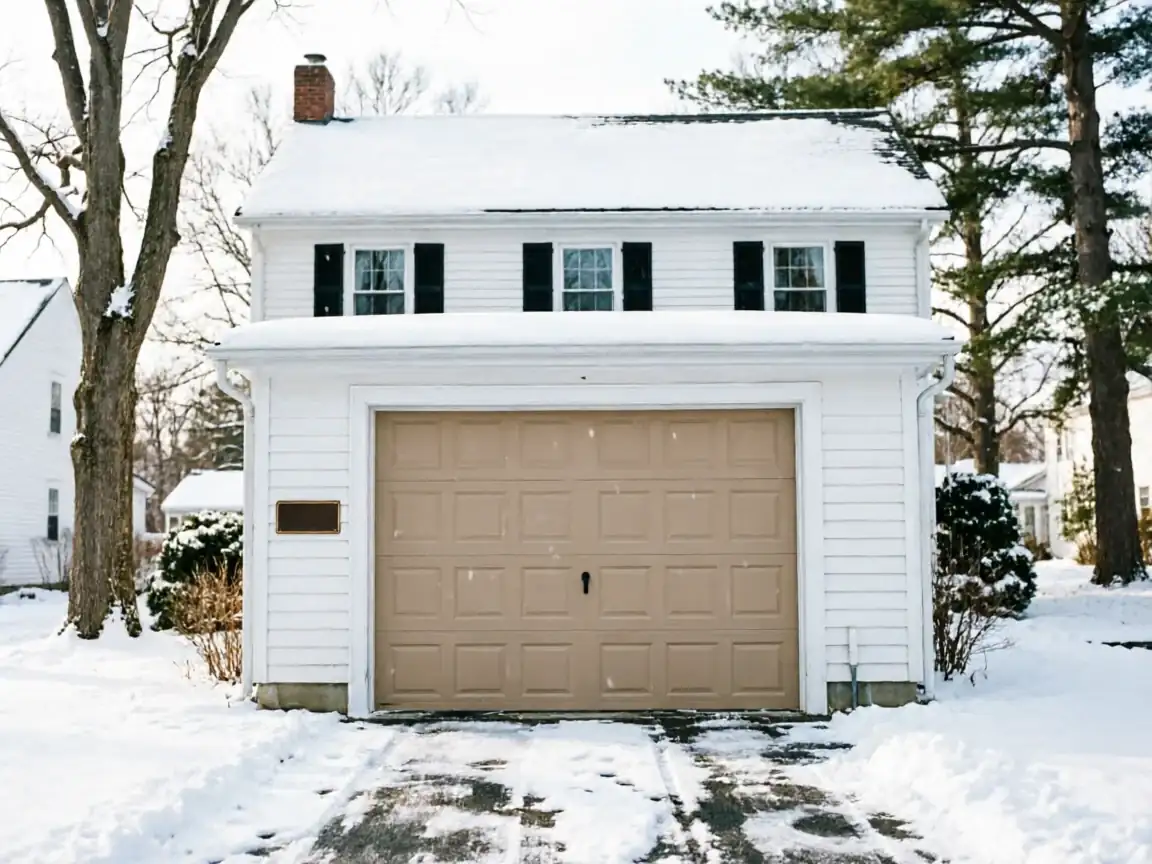
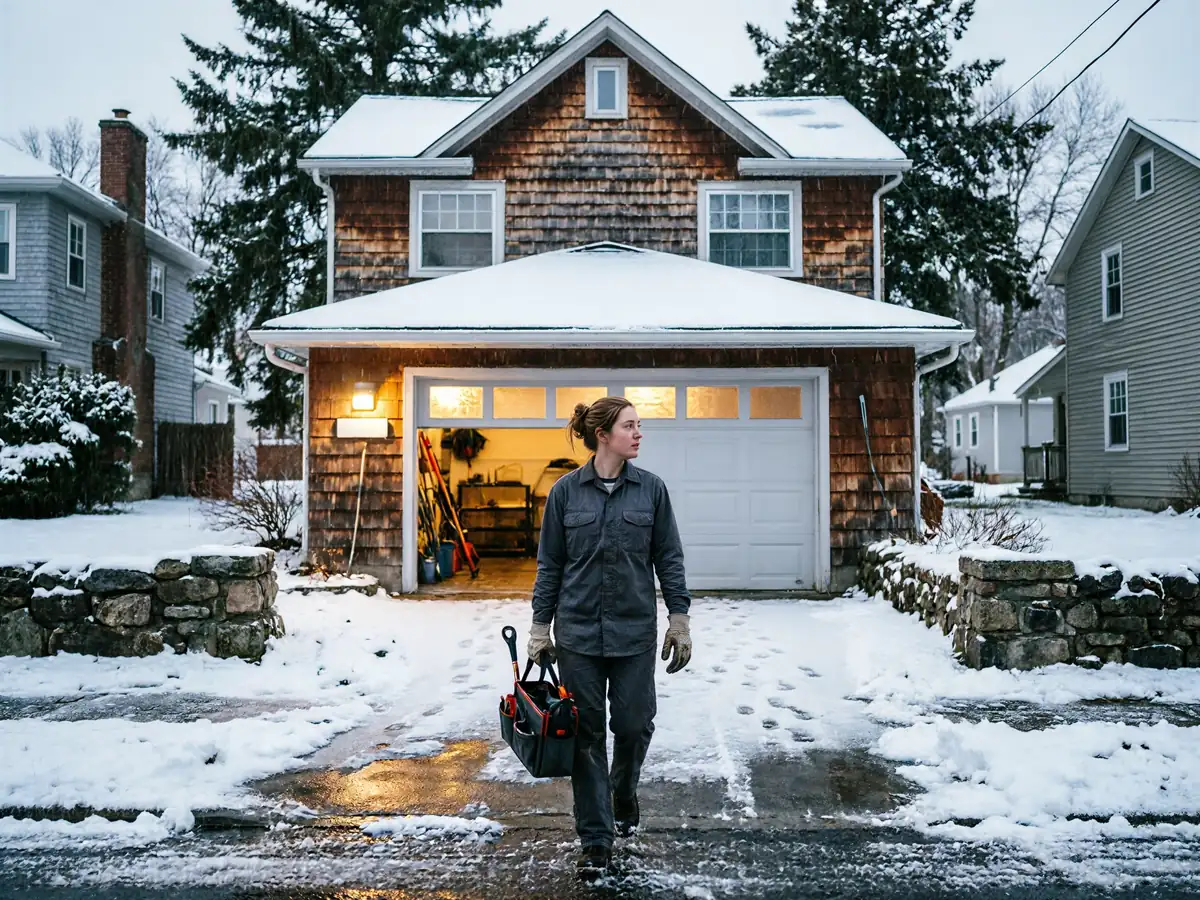
And that matters more for your opener than people think. Ice storms knock out power right when temperatures drop hard enough to stiffen the lubricant in an old chain drive, so the motor is already working against thickened grease the moment the lights come back on. Condensation inside an unheated garage freezes on the track overnight, and a belt or chain opener will try to force a door that's stuck to its weatherstripping, which is how you strip a gear set that was fine the day before.
Most of the service area's housing went up between 1938 and 1980
Which means a lot of garages were built before anyone wired a dedicated circuit for an opener, let alone a battery backup unit. When a storm knocks the power out, a house with an older electrical setup is more likely to lose the opener circuit entirely rather than just losing it until the breaker resets. That combination - old door, old wiring, severe cold - is the specific failure pattern we see here, not a generic "garage doors don't like winter" problem.
The Problem
The complaint we hear isn't usually "my opener broke." It's "the power went out and now I can't get my car out," followed by "and when the power came back, the opener still doesn't work." Those are two different problems wearing the same symptom.
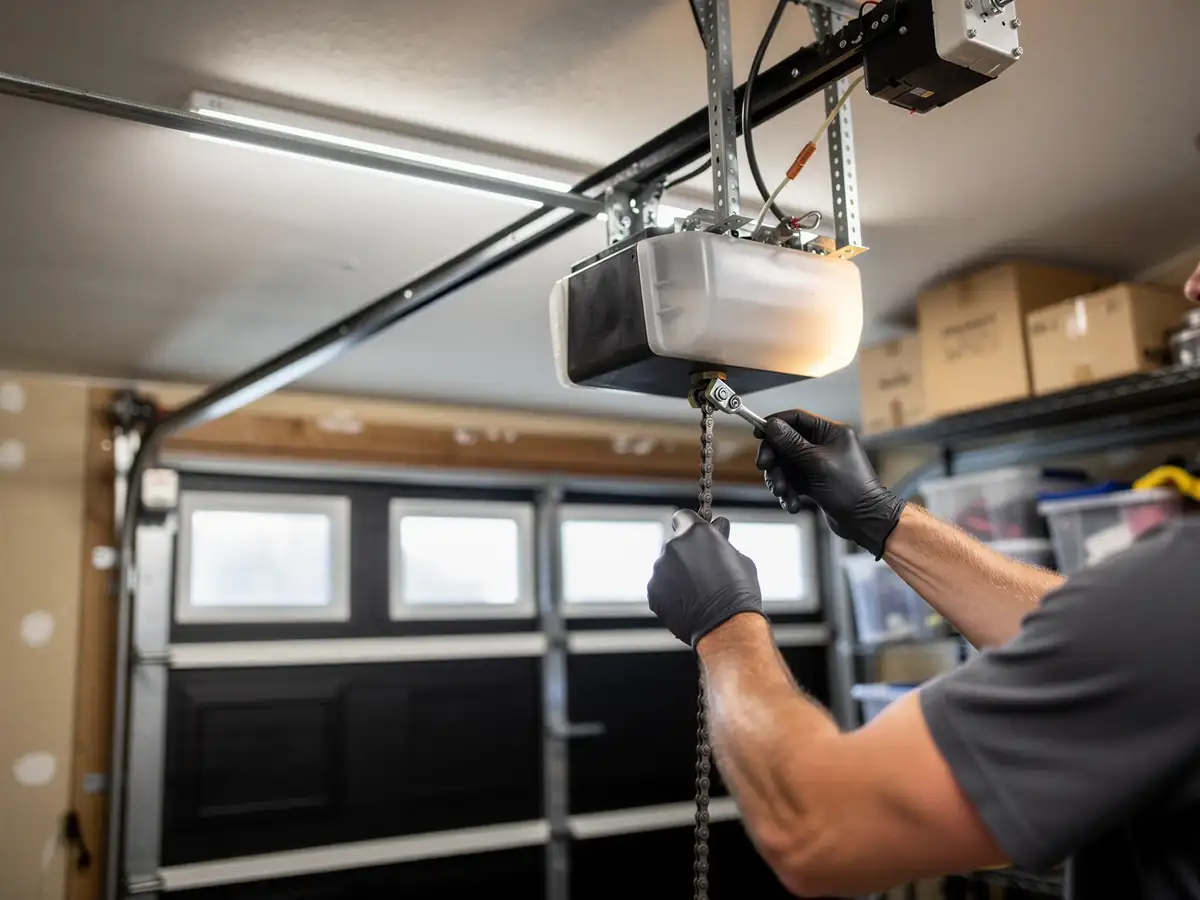
First, if your house is on the older end of that 1938-1980 range, there's a decent chance the opener itself predates battery backup as a standard feature. No backup means no backup - the door simply won't move on opener power until utility power returns, full stop. Second, even once power is restored, a motor that sat idle in a cold garage for six or eight hours during a storm can trip its own thermal protection or jam against ice that formed on the track while it was off. People assume the opener died. Usually it didn't - it's just doing exactly what an opener without backup power and without a heated garage is built to do, which is nothing, until conditions change.
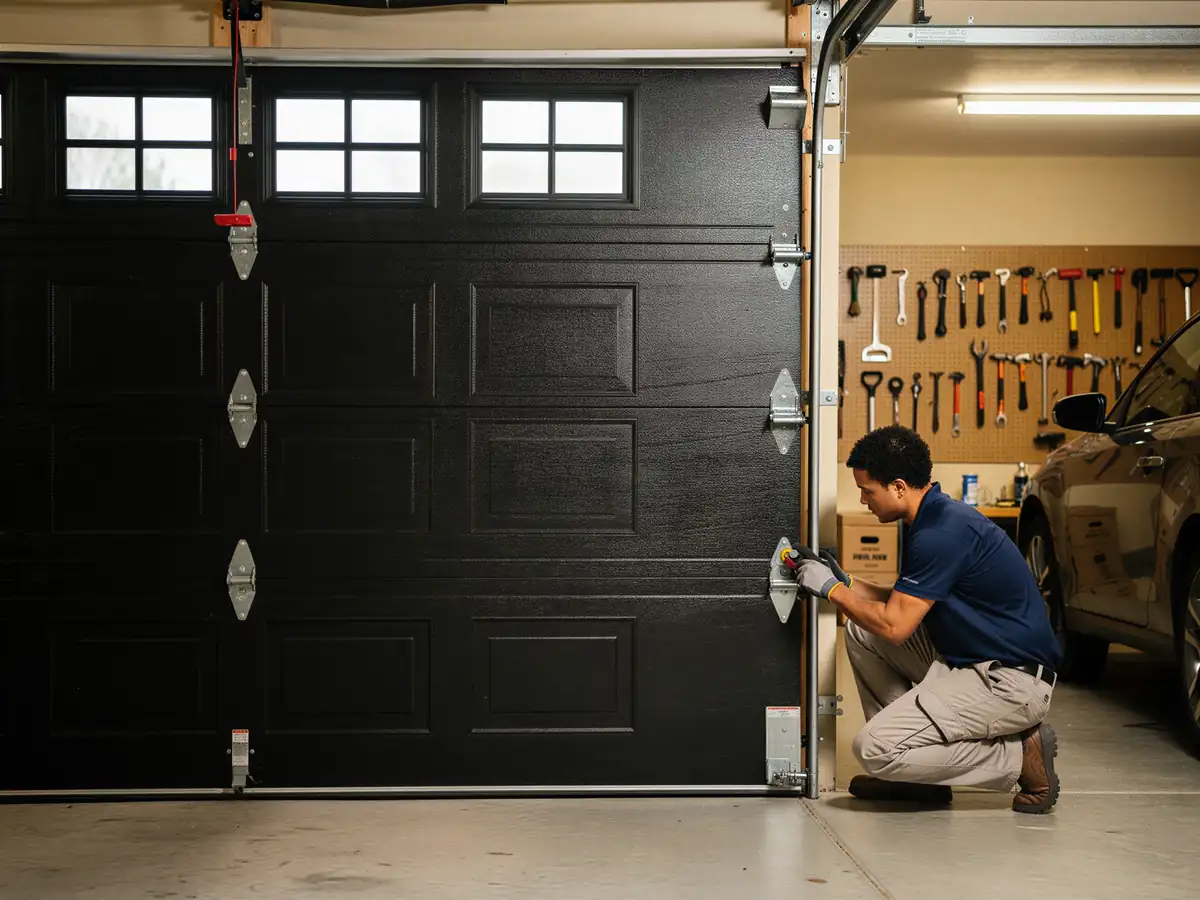
The manual release cord is supposed to be the workaround. On houses with original 1950s-era hardware, that release is often seized or was never adjusted after decades of paint and dust, so the one thing meant to save you in a power cut doesn't work either.
What You Pay
We're not going to quote a number here that doesn't apply to your situation, because opener work varies a lot depending on whether you need a battery backup add-on, a full opener swap, or just a release mechanism serviced. What we can tell you is how to think about it given the area.
With a median household income of $56,795 across the service area, most owners calling us about power-cut problems want the smallest fix that solves the actual issue, not a wholesale opener replacement. In most cases that's accurate - a backup battery unit compatible with your existing opener costs less and solves the power-cut half of the problem directly. Where it stops being the right call is on openers old enough that a compatible backup unit isn't made for them anymore; at that point you're paying for an adapter plus labor and you're close to the cost of a new unit anyway, so replacement makes more sense.
We'll tell you straight which category your opener falls into before we start work, not after.
What to Look At First
Before you call anyone, there are three things worth checking yourself
First, pull the manual release cord with the door closed and see if it moves freely - if it's stiff or won't release at all, that's your power-cut backup plan failing silently, and it's worth fixing before winter, not during a storm. Second, look at your opener's age and manufacture label if you can find it; if there's no battery compartment or backup indicator light built in, it predates that feature and a power cut will leave you stuck no matter what else is working.
Third, check the garage itself for drafts or gaps where cold air and moisture get in around the door
On the pre-1960 stock common through this area and the surrounding communities out to places like Ferndale and Franklin, weatherstripping was often never upgraded past what came with the original install, and that's usually the real source of the ice-on-track problem, not the opener itself.
One limitation worth saying plainly
We don't stock every discontinued opener model's parts, and on units old enough, a compatible backup battery sometimes just doesn't exist. In that case, replacement is the honest answer, not a workaround.