What the Weather Here Does to It
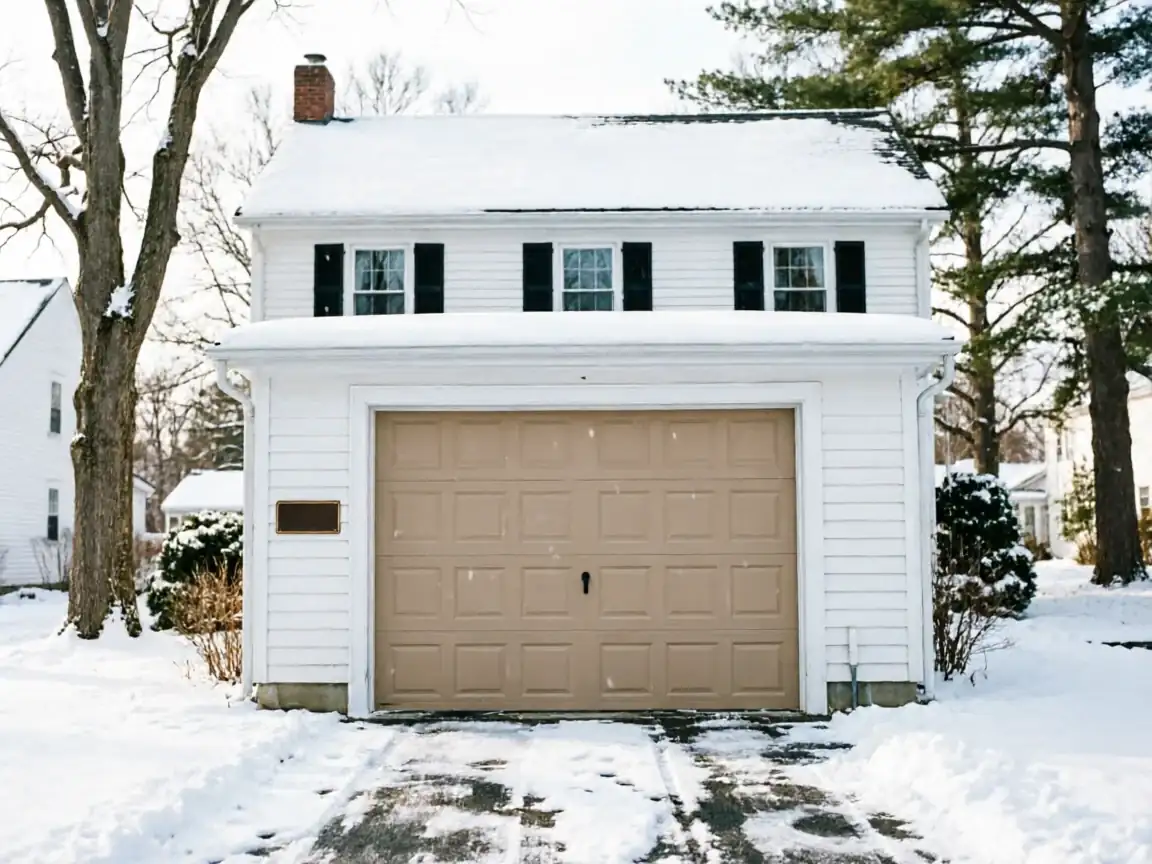
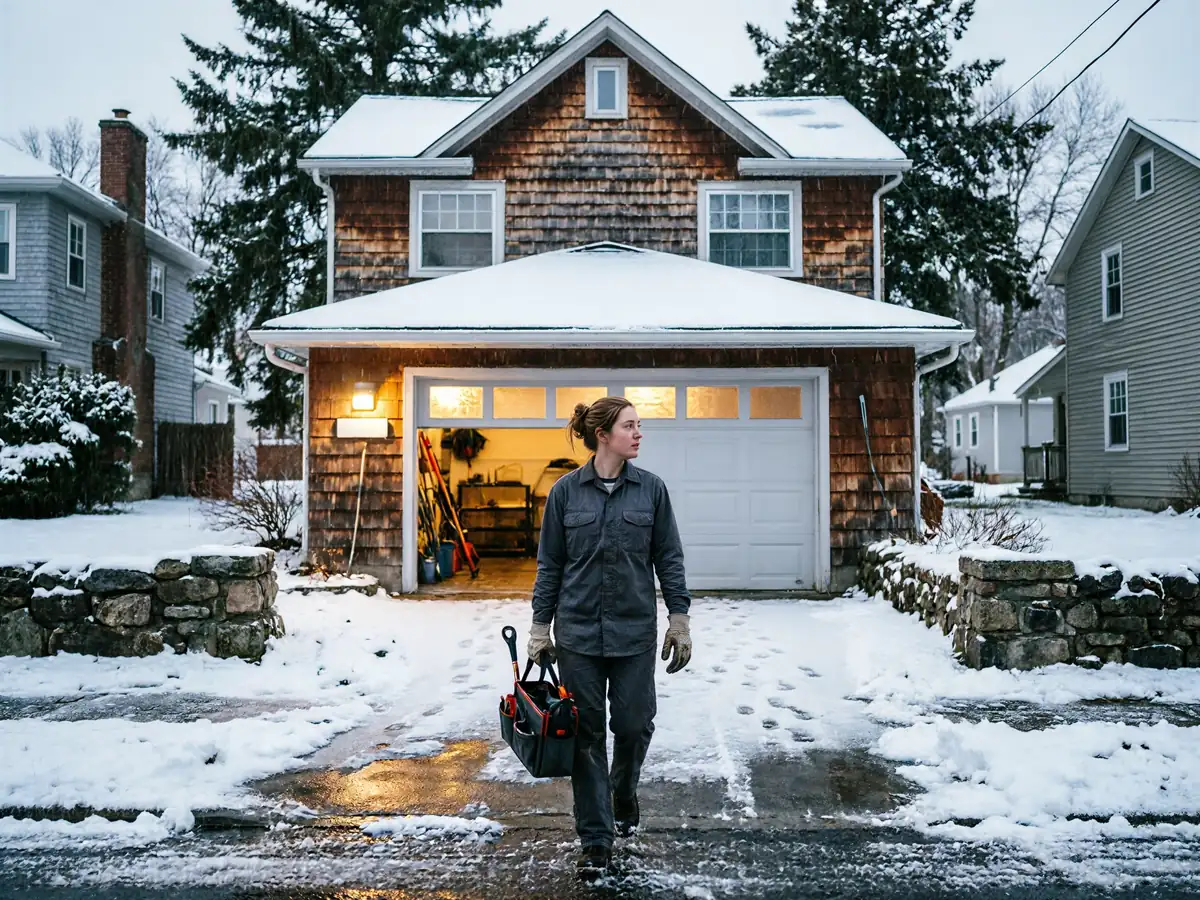
Johnstown sits in a climate band the federal data marks COLD severe
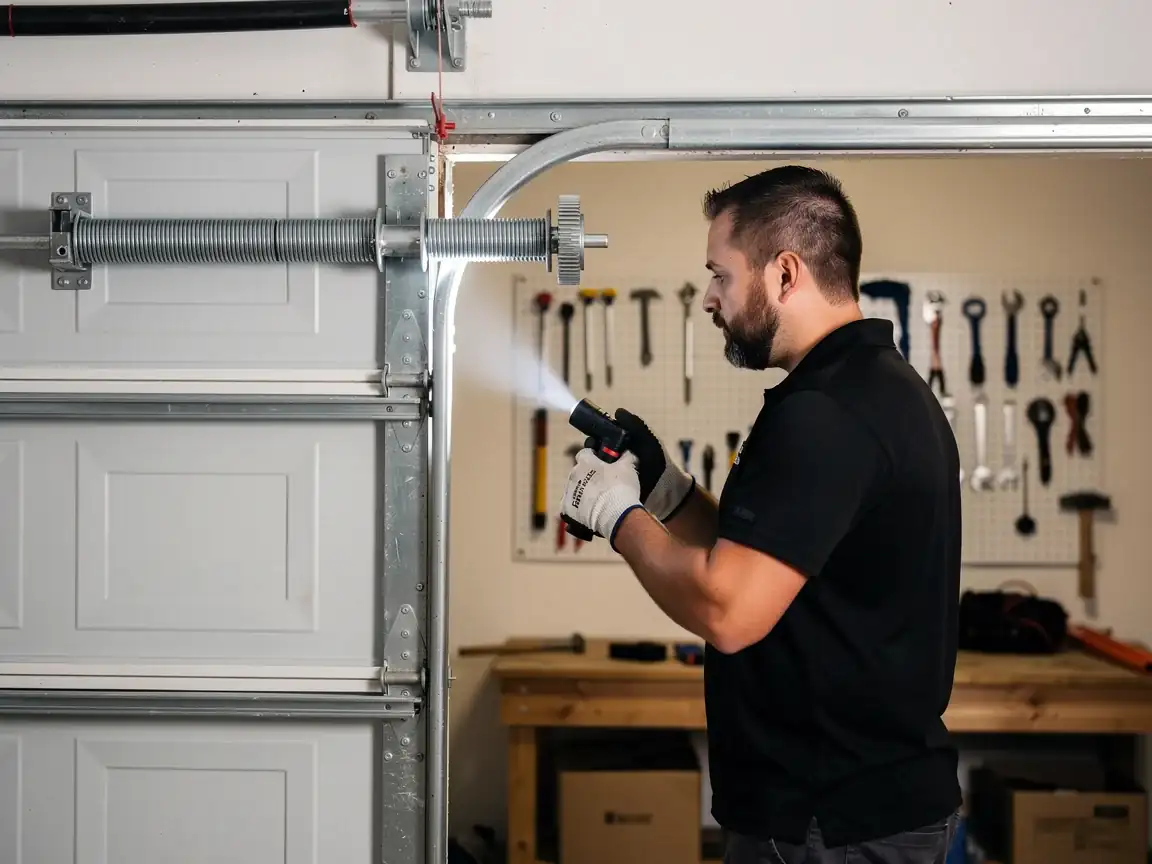
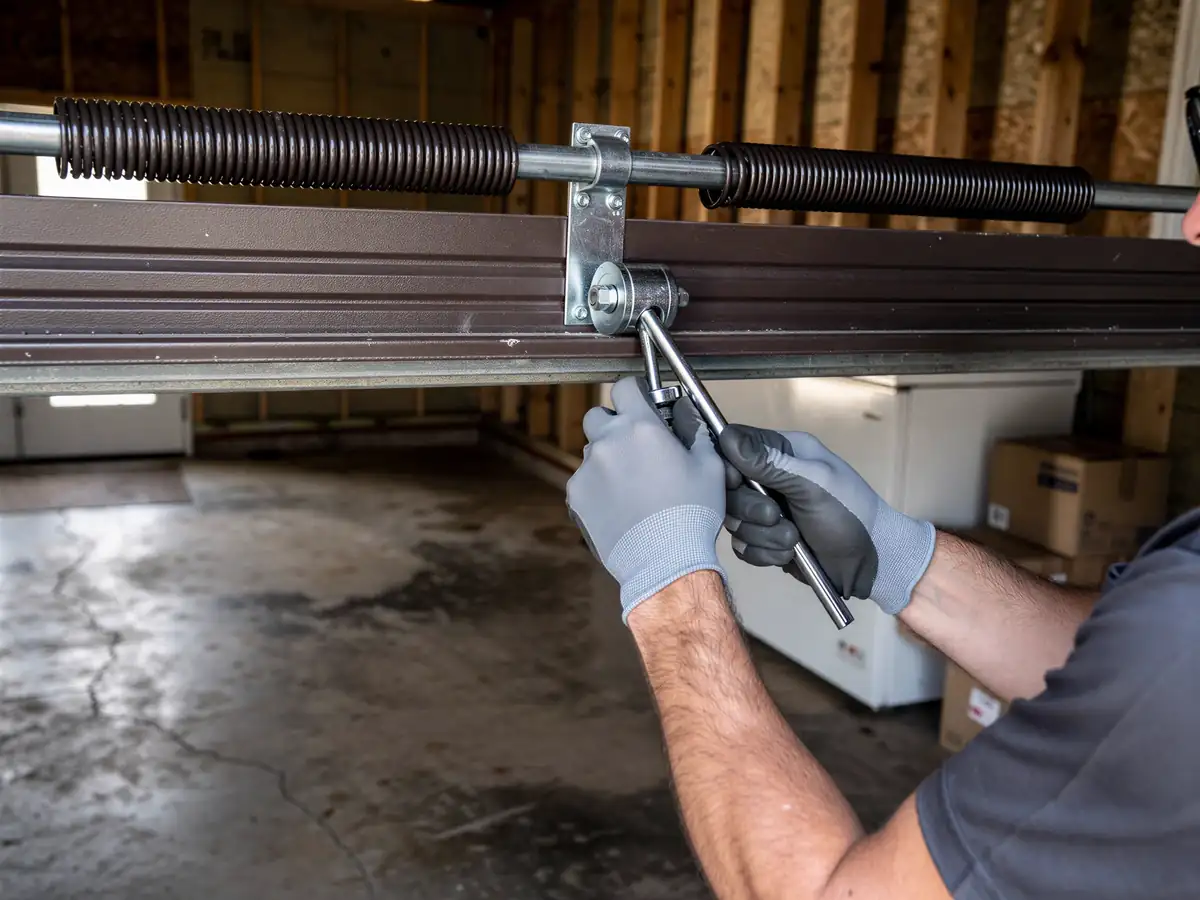
And that matters more for a garage door than most people think. Steel springs and tracks don't fail because of one bad night - they fail from months of contraction and expansion. A torsion spring wound tight in July sits differently in January, and the metal fatigue shows up as a sudden snap, not a slow warning.
Most of the housing stock we see dates from 1938 to 1980
With the median build year around 1952. That means a lot of garages were framed before anyone thought about insulated doors or sealed bottom brackets. Cold air finds the gap at the bottom panel, the hardware sweats, and rust starts on the roller shafts and spring coils from the inside out - not the painted surface you'd spot walking past it.
We don't see much we'd call storm damage here
What we see is slow wear accelerated by five-plus months of real cold every year, on hardware that was never built to handle it this long. That's a different failure pattern than a mild-climate town, and it changes what we check first.
The Problem
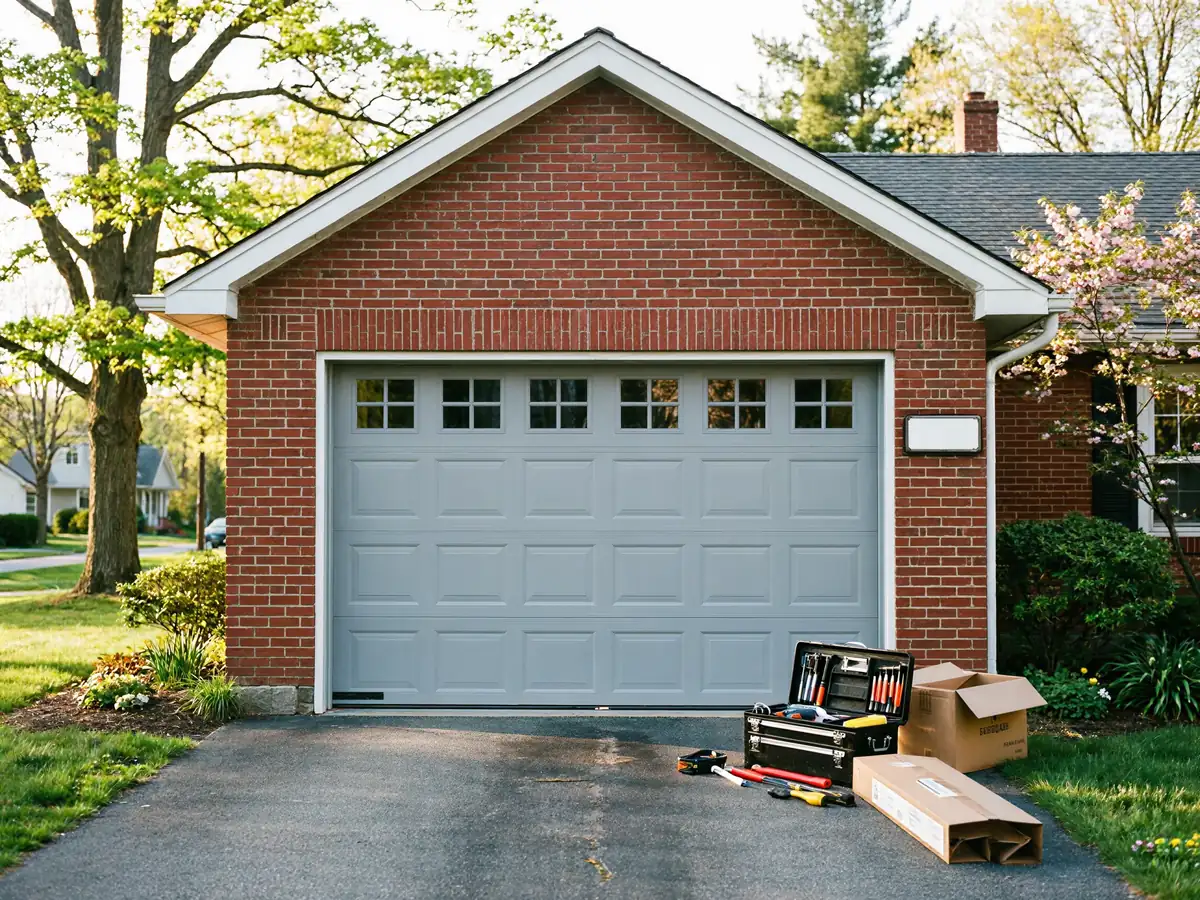
Across the named areas we cover near Johnstown, the housing is overwhelmingly pre-1960. That's not a small detail - it means a huge share of the doors we open are original single-layer panels on side-mounted torsion hardware, or early extension-spring setups that haven't been touched since the house was built.
Parts for that era aren't on the shelf at a supply house anymore. A roller bracket or a specific spring wire gauge from a 1952 install often has to be matched by hand, not ordered by part number. That's the real problem behind most of our calls: not that the door broke, but that the fix takes longer to source than it does to install.
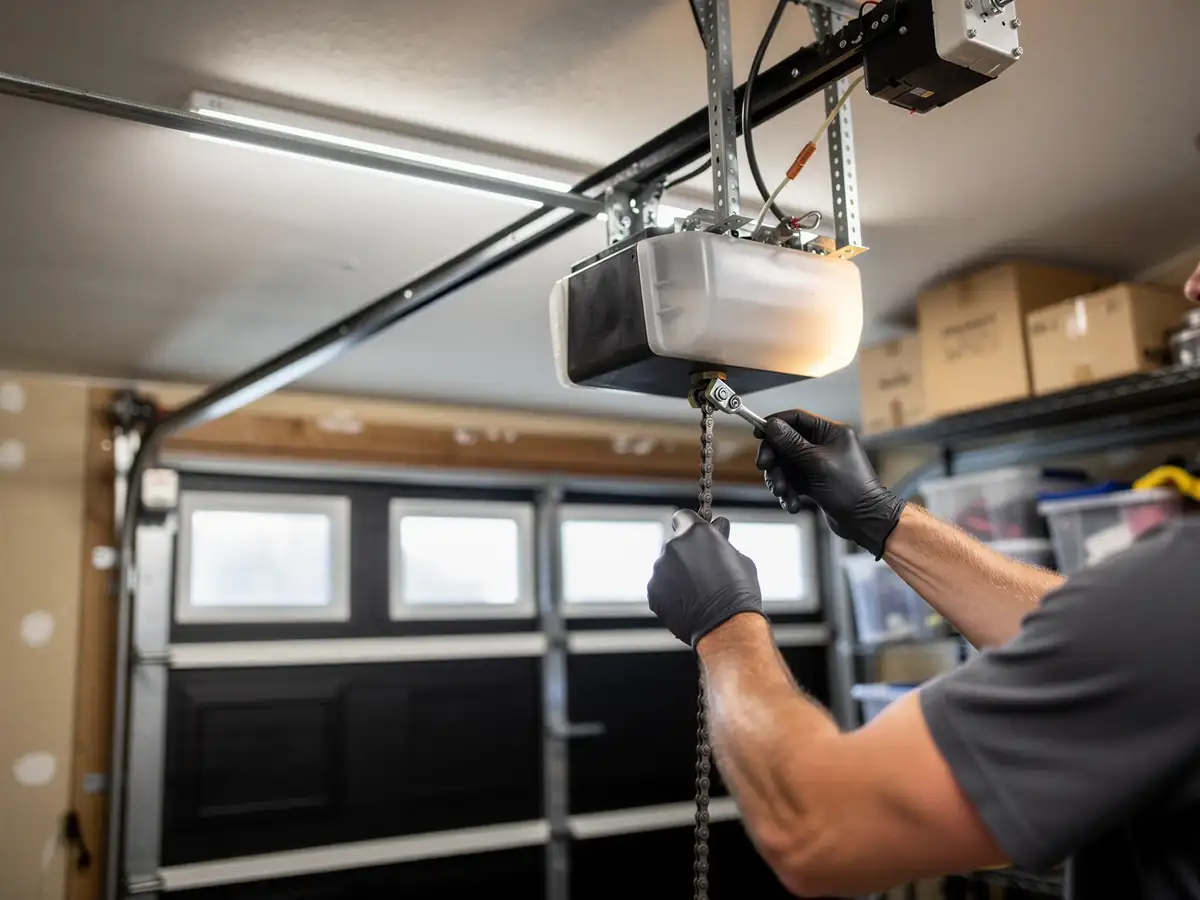
We also see a lot of houses where a previous owner swapped the opener but left the original track and hinges in place, because the opener was the part that visibly quit. That mismatch - a modern opener pulling on 70-year-old hardware - is one of the more common reasons a door that 'just got a new opener' is still grinding and sticking a year later.
What You Pay
We don't have a published price list to point you to here, and we're not going to make one up. What we can tell you is what drives the number up or down on a call in this area.
Age of hardware is the biggest factor. A matched, modern spring and bracket set installs fast. An original 1950s setup that needs a hand-fit replacement part takes longer on the truck and costs more in labor, even if the part itself isn't expensive.
With a median household income of $56,795 across the households we serve, most people calling us aren't looking to replace a whole door system - they want the specific broken part fixed so the door works for another several years. That's usually the right call on an otherwise sound door. Full replacement only makes sense when the track is bent beyond straightening or the panel itself has rotted or rusted through, not just because the hardware is old.
We'll tell you straight if a repair isn't worth it compared to replacing the door. We don't pad a repair ticket to avoid saying that.
What to Look At First
Before we touch a spring or a track, we check three things, in this order
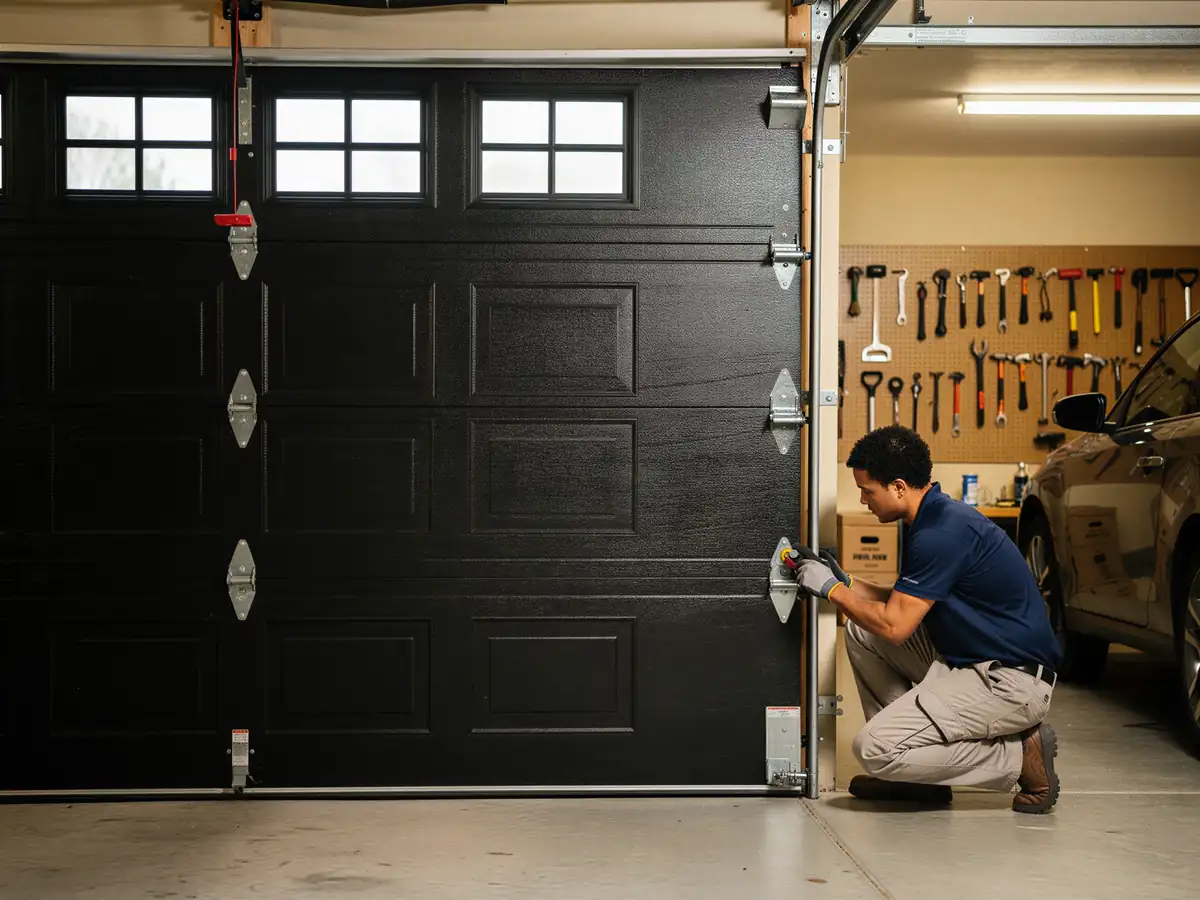
First, the bottom bracket and cable ends
Since in a COLD severe climate they're where moisture sits longest and rust starts first - and a frayed cable is the thing most likely to let go without warning.
Second, the spring wind and wire gauge against the door weight
On older homes in this area, the original spring was sized for the original wood panel door, and if that door was ever swapped for a heavier insulated steel one, the spring has been overworked since the day it was replaced.
Third, the track alignment at the rollers
Cold-weather ground movement shifts slab and frame over decades, and on houses built mid-century that shift has had seventy years to work the track slightly out of plumb - enough to bind a roller without anyone noticing until the opener starts straining.
We check those three before we ever quote a fix
Because fixing the symptom - a stuck door, a loud opener - without checking the cause just means another call in six months.