How It Shows Up
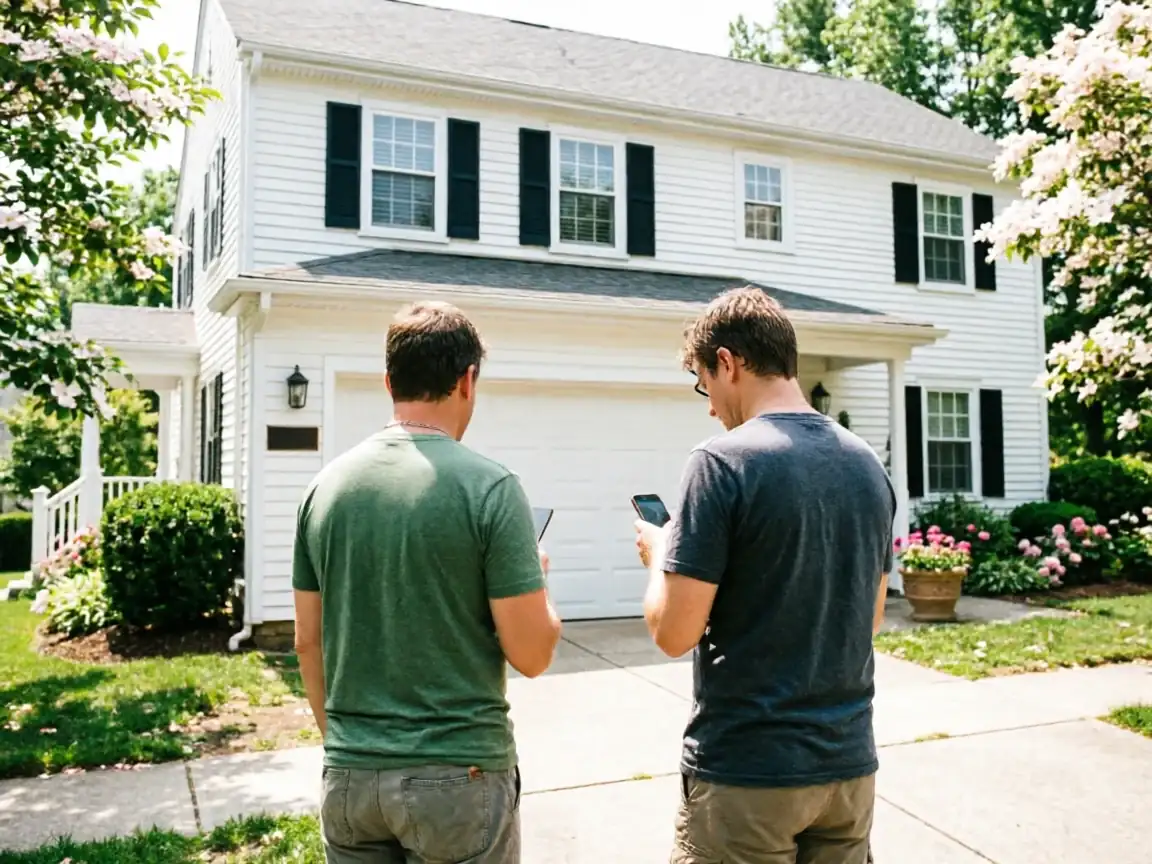
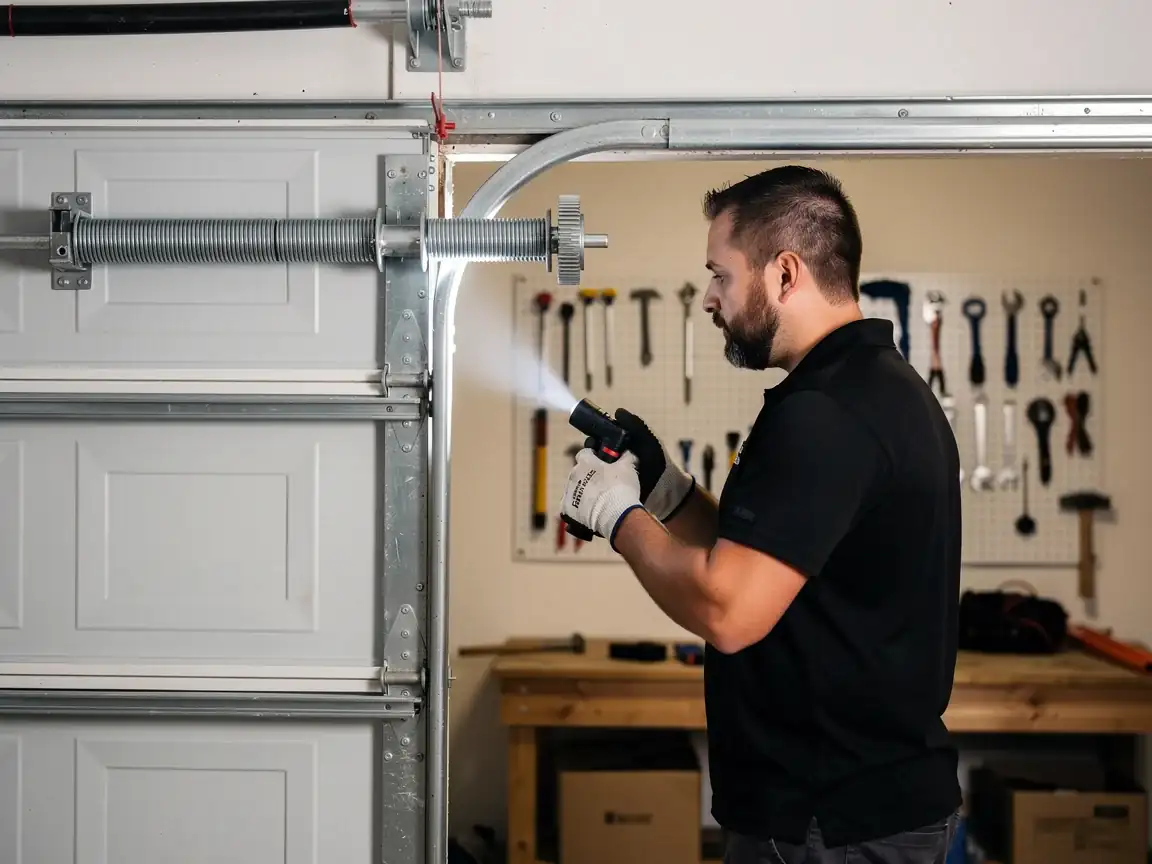
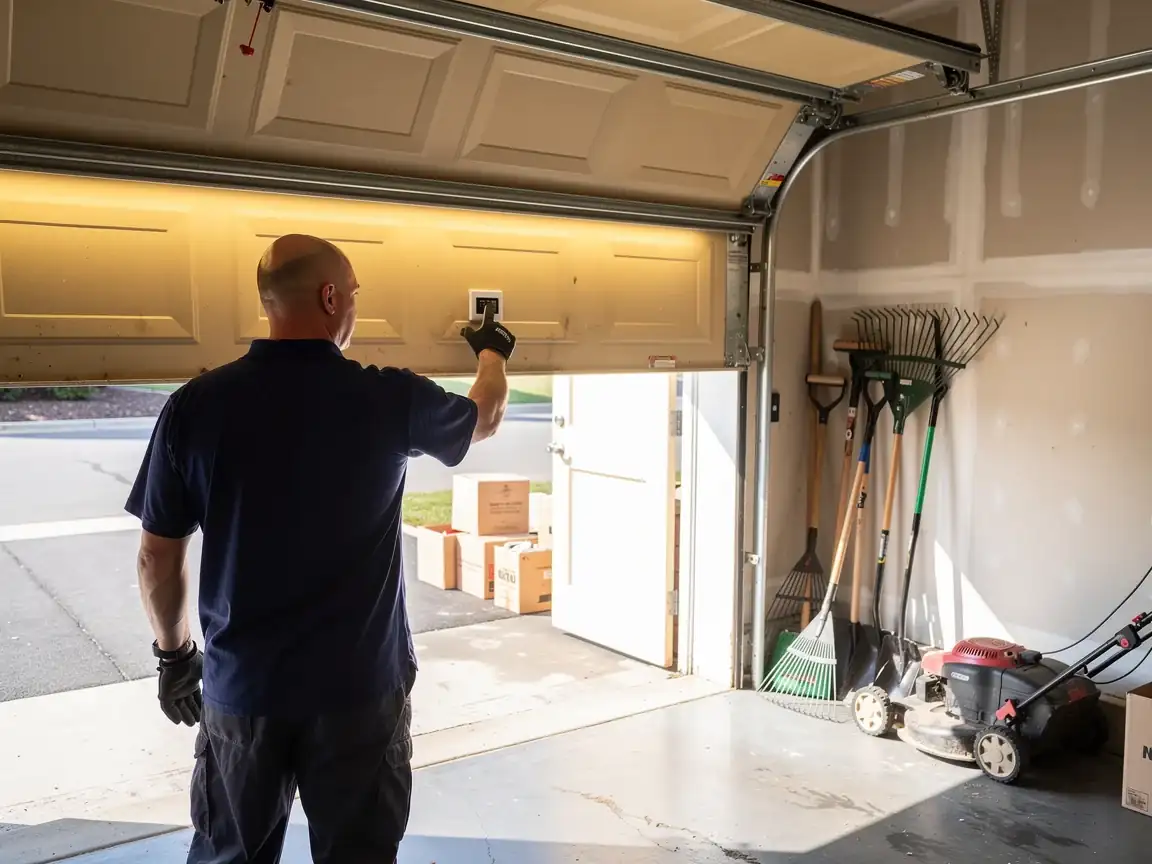
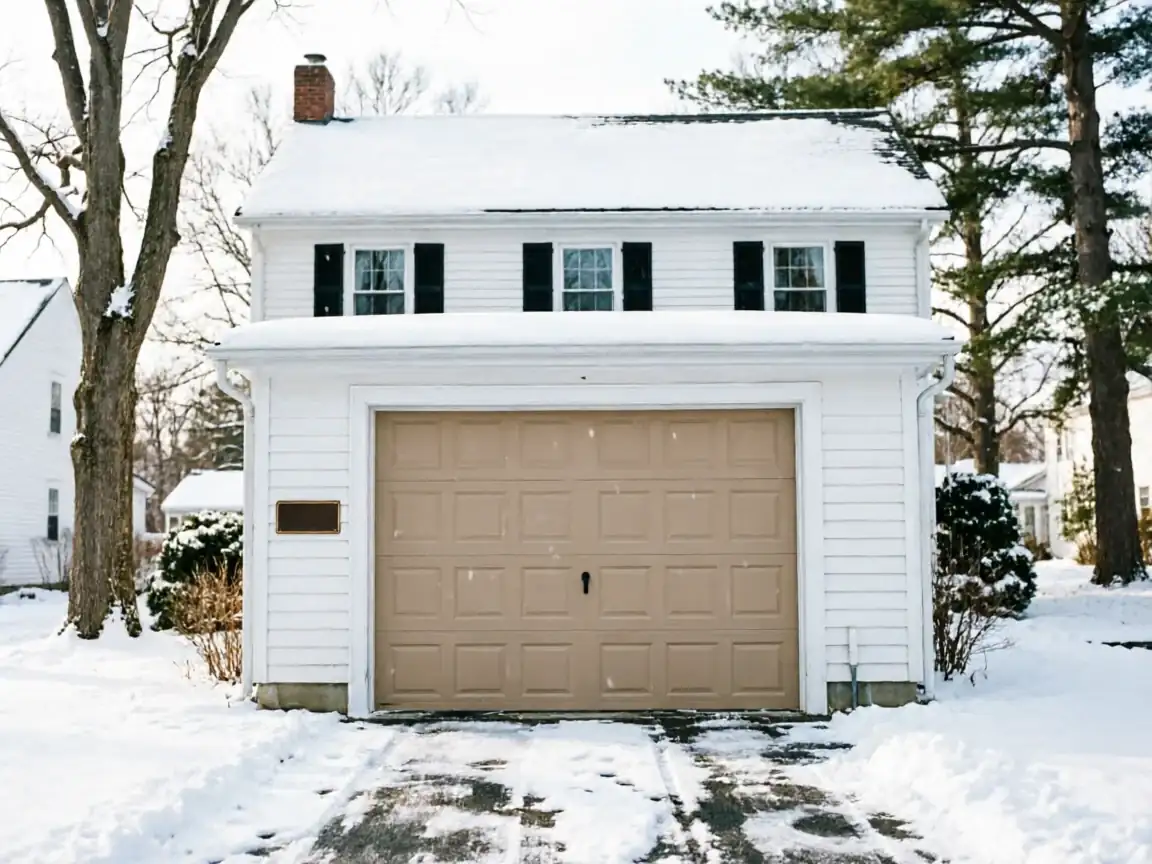
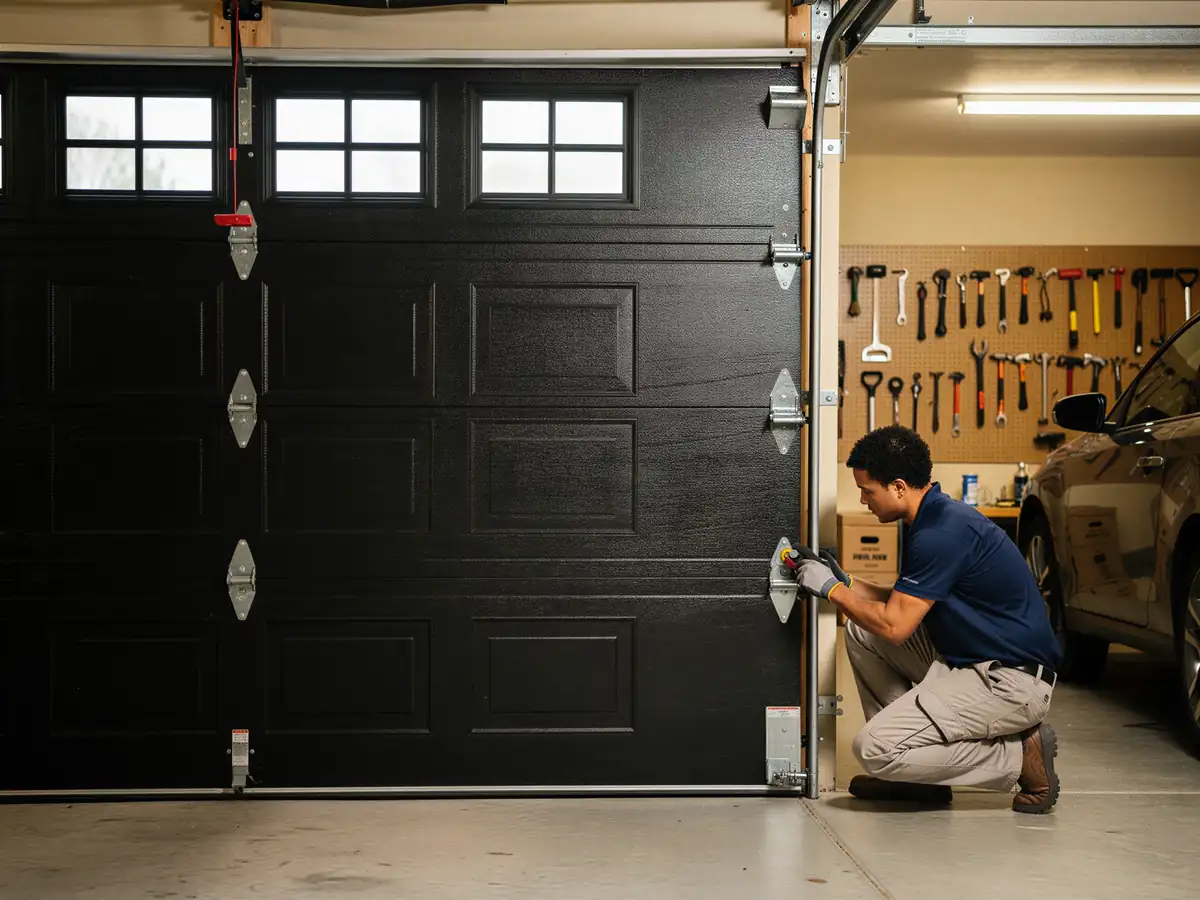
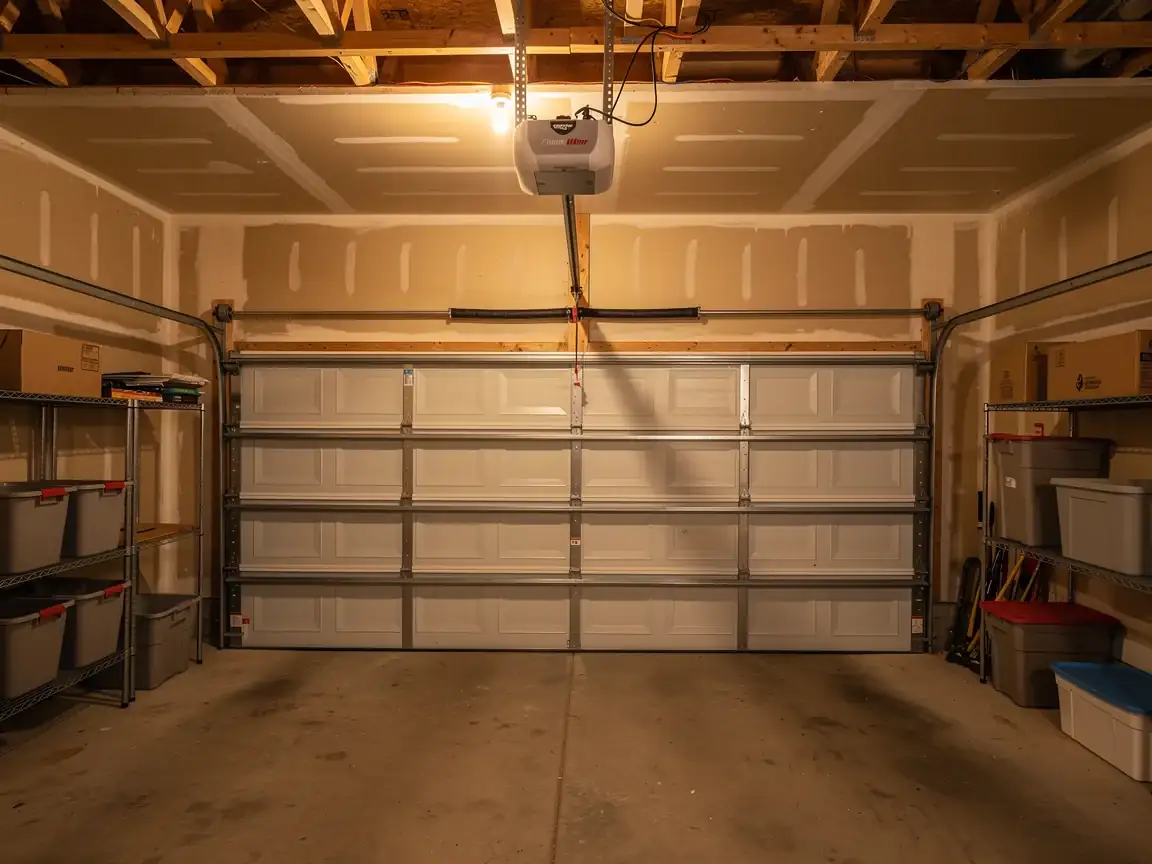
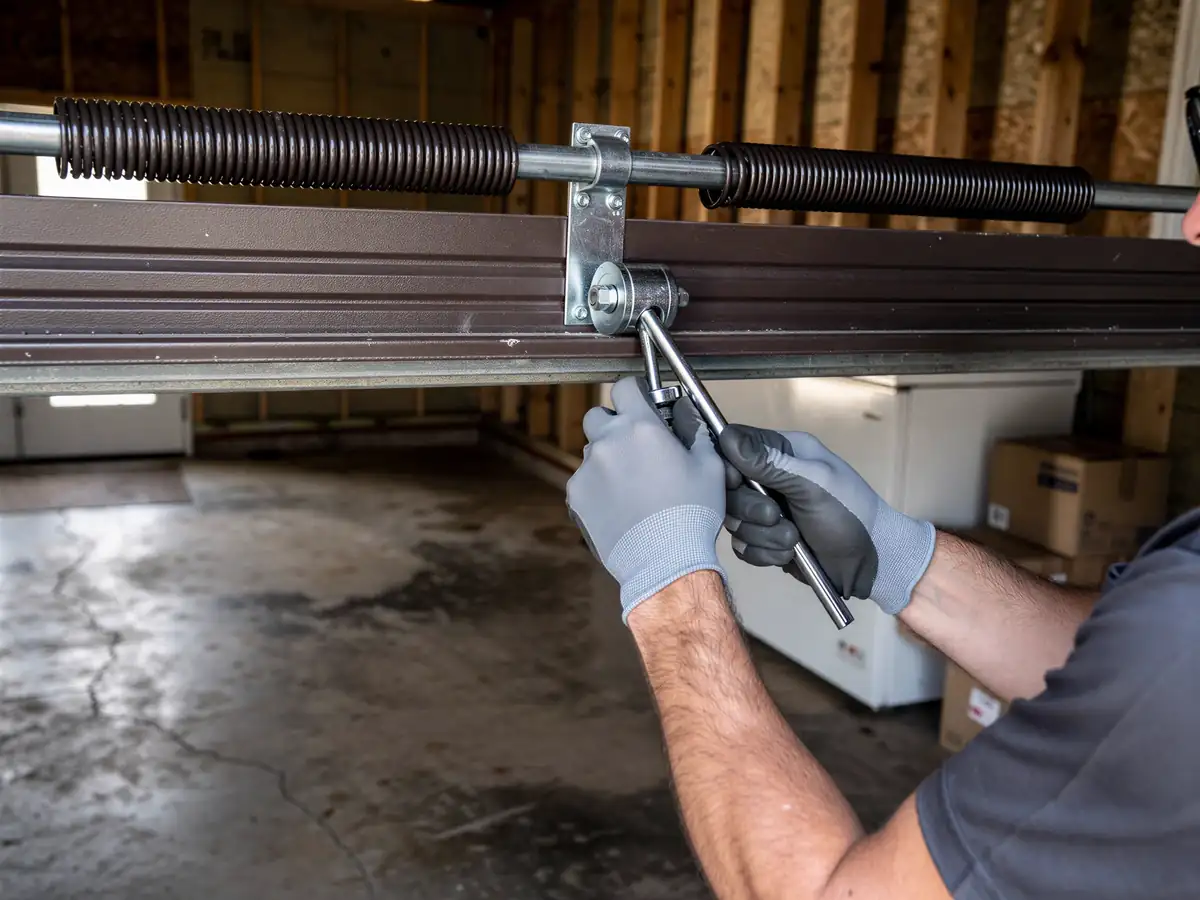
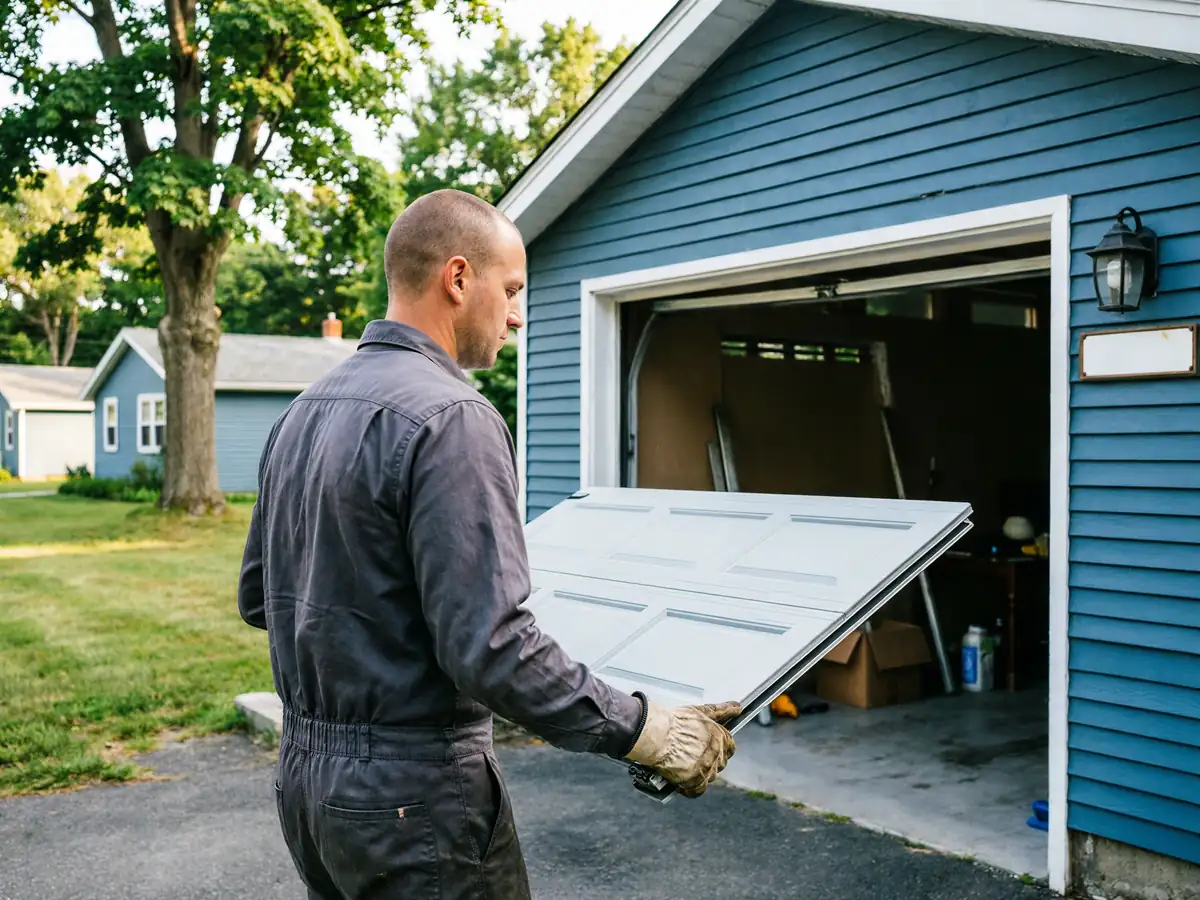
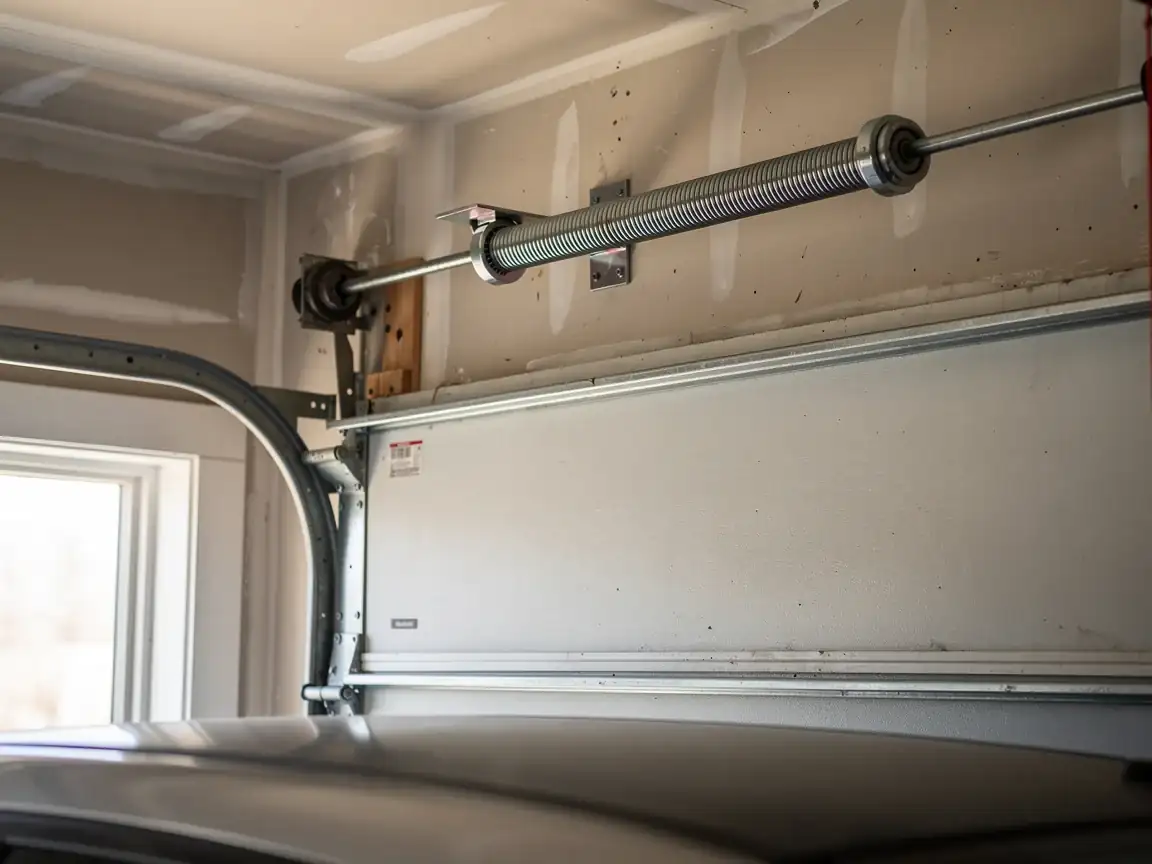
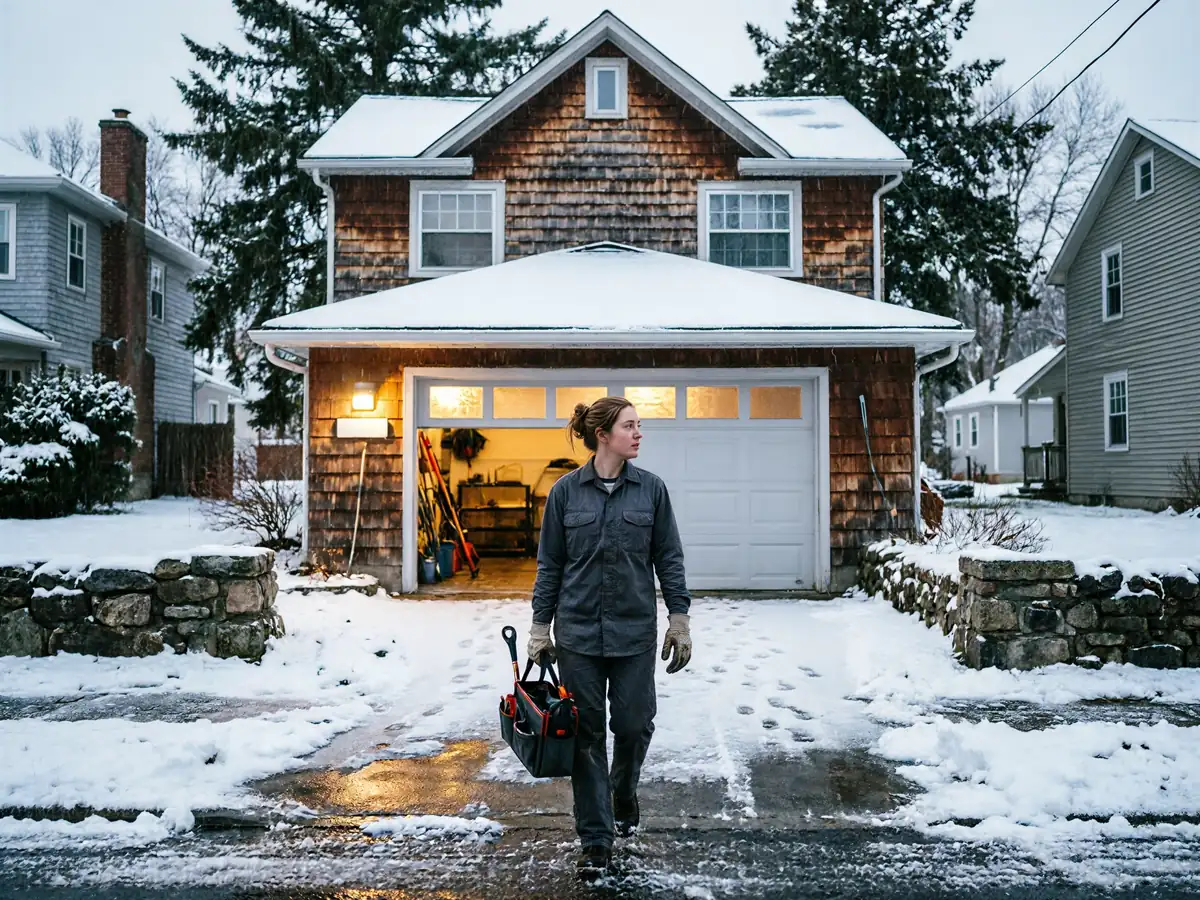
Across a service area with 16,767 owner-occupied houses out of 26,064 households, the same failure pattern repeats block after block. A door stops partway up and won't go further. A loud bang comes from the garage, followed by the door dropping shut on its own weight. An opener hums and the light comes on, but the door doesn't move at all, or it shudders and reverses halfway through the cycle. Some owners notice a gap where one cable has gone slack while the other stays taut - that's a torsion spring that's already broken, and the door is being held up by one side of worn hardware instead of two. Others hear a grinding instead of a bang, which usually points to a roller or bearing plate that's finally seized rather than a spring that's snapped outright. Cold mornings make all of this worse, because the grease in old bearings thickens and the steel itself gets less forgiving right when people are trying to leave for work. It's rarely subtle. By the time most people call, the door is stuck either open or closed, not somewhere comfortable in between.
What Can Go Wrong
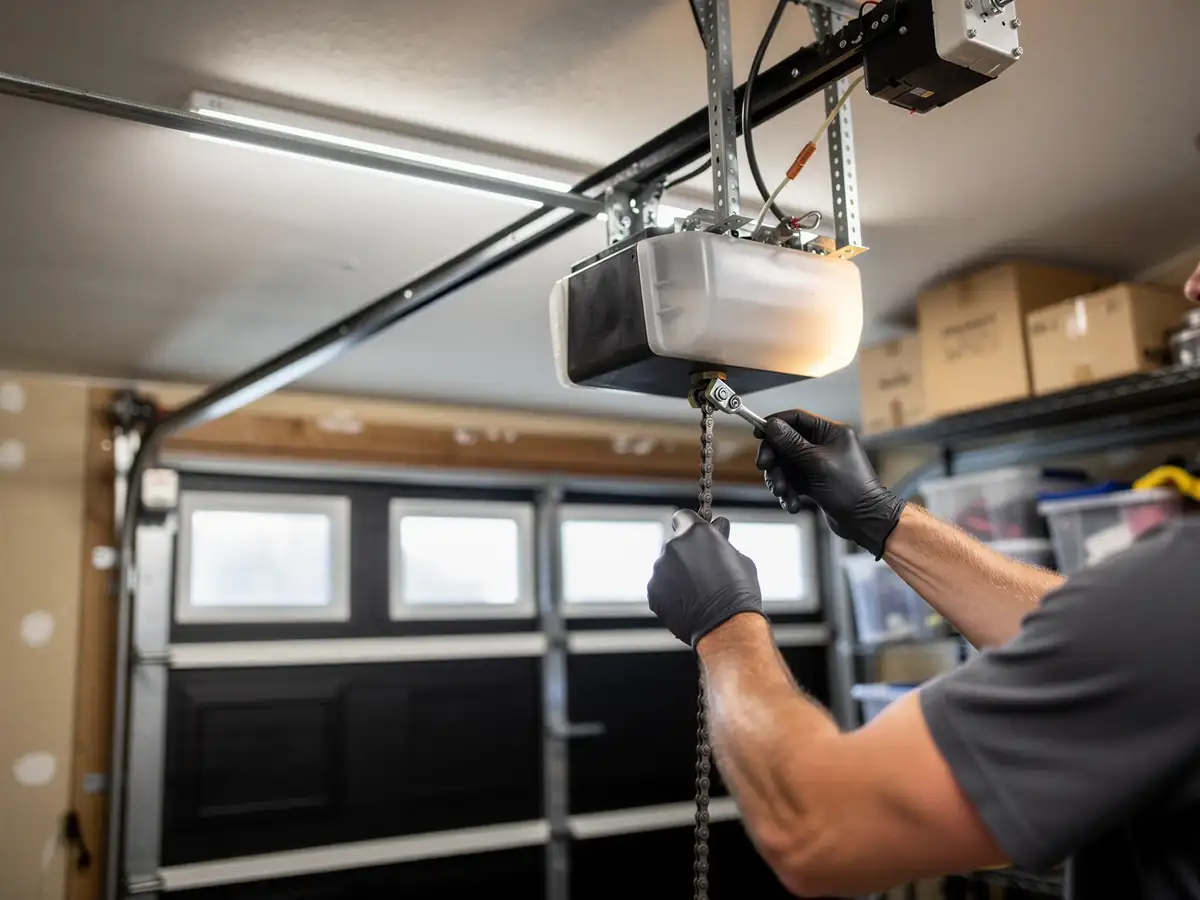
A broken torsion spring on a double door is not a minor inconvenience - it's two hundred pounds of door with nothing holding it but cables and a track that may already be bent from the strain. If a cable whips loose while someone's reaching for the emergency release, or a car is halfway in the bay when the second spring lets go, the door can come down fast and hard. Forcing a stuck opener to keep trying usually burns out the motor or strips the gear, turning a repair into a full replacement. On houses from this era, the bigger risk is often the track and hinge hardware rather than the spring itself - decades of settling can leave the track slightly out of plumb, so a new spring installed on a bent track just fails again in a few months. In an area with a median household income around $56,795, most owners want the door fixed, not replaced, which is reasonable in most cases - but not every old door is worth saving, and a cracked panel or rusted-through track section is a sign that repair money is better spent on a new door.