Serving Johnstown, PA & nearby
(814) 245-8973
Johnstown, PA

What a Replacement Garage Door Costs in Johnstown, PA

Johnstown's housing stock mostly dates 1938-1980, and pre-1960 door openings are still common here. See what that and the cold climate mean for replacement.

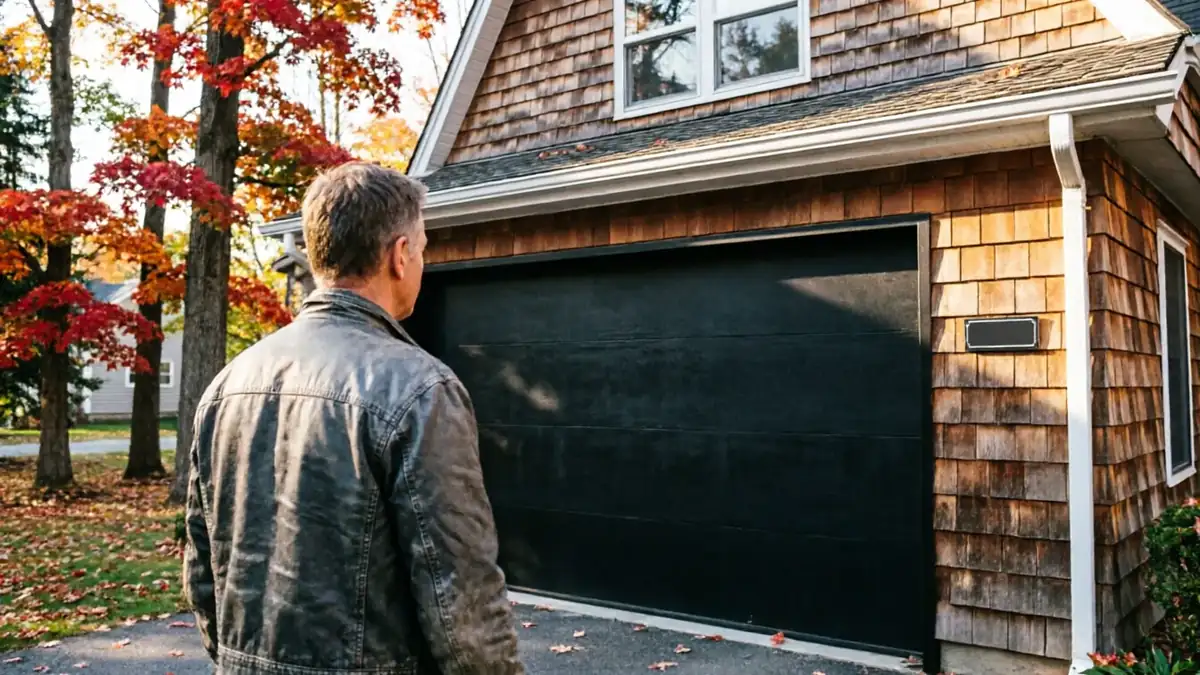
A man stands facing a black garage door on a house with wood shingles.

What the Weather Here Does to It

  1. This area sits in a severe cold climate band

    And that matters more for a garage door than most people think. Steel skins contract and expand with hard freeze-thaw cycles, and the weatherstripping on an older door loses its seal years before the panel itself fails. Because most houses in this service area were built between 1938 and 1980, with a median build year around 1952, a lot of the doors still hanging are either original or a first-generation replacement that was never rated for the insulation standards sold today.

  2. Pre-1960 construction is the norm across more than thirty named areas here

    From Brownstown and Westmont a mile or two out to Ferndale and Elim just past that. Houses from that era were framed for single-layer doors, no thermal break, sometimes no insulation at all between the steel and the garage air. When winter sets in, that shows up as frost on the inside of the panel, a stiff track, and an opener straining against a door that's heavier than it should be once ice builds up on the bottom seal. A new door with a proper R-value doesn't fix a drafty garage by itself, but it stops being the weak point.

The Problem

The problem isn't that these doors are old. It's that the openings they sit in were often framed to dimensions nobody uses anymore. A lot of the housing stock going back to the 1938-1980 building years has garage bays cut a few inches narrower or shorter than today's standard sizes, and the track hardware bolted to those jambs was sized for a door and spring combination that doesn't exist on current price sheets.

That means a straight swap - pull the old door, hang a new one - isn't always possible without also touching the track, the jamb brackets, or occasionally the header. It's not a bad thing to find out before the old door fails completely; it's a bad thing to find out the day the spring snaps and the car's stuck inside. If your house falls in that pre-1960 bracket that's common across this area, it's worth having someone measure the actual opening rather than trusting what a box store's online calculator spits out from a model number. One honest limitation here: a nonstandard opening usually means a special-order panel, not something sitting on a shelf, and that changes your timeline more than your budget.

What You Pay

We're not going to hand you a number we don't have, because a price depends on the door size, the insulation level, the opener, and what the existing track needs. What we can tell you is how people in this area actually decide. With a median household income of $56,795 across roughly 26,064 households, and 16,767 of those owner-occupied, most homeowners here aren't buying the top-of-line door on a whim - they're weighing a repair against a full replacement and trying to get a few more years out of what's there if the spring or the opener is the real issue, not the panel.

That math shifts once the door itself is the problem: rusted bottom panel, warped sections, hardware that doesn't match anything still in production. At that point a repair just delays the same decision. The honest answer is that your actual cost comes from a measurement and a look at what's behind the panel, not a flat rate that applies to every house in a service area this size.

What to Look At First

  1. Start with the panel itself

    On a house from the 1938-1980 era, steel panels often show rust at the bottom corners first, where runoff sits against the edge all winter. If you can flex the panel by hand or see daylight at the seams, that's past patching.

  2. Next, check the track and rollers

    Original hardware from houses built around the 1952 median in this area was sized for lighter doors without foam insulation, so if a new door goes in without touching the springs, the opener will work harder than it should and burn out early.

  3. Third, look at the weatherstripping along the bottom and sides

    In a severe cold climate like this one, a failed seal is the difference between a garage a few degrees above outside temperature and one that's basically outdoors. Last, check the opening itself with a tape measure against the door's actual listed dimensions, not the rough framing - pre-1960 openings in this area are inconsistent enough that assuming standard sizing is how people end up with a door that doesn't fit.
How it works

From “it’s stuck” to “it’s fixed”

1
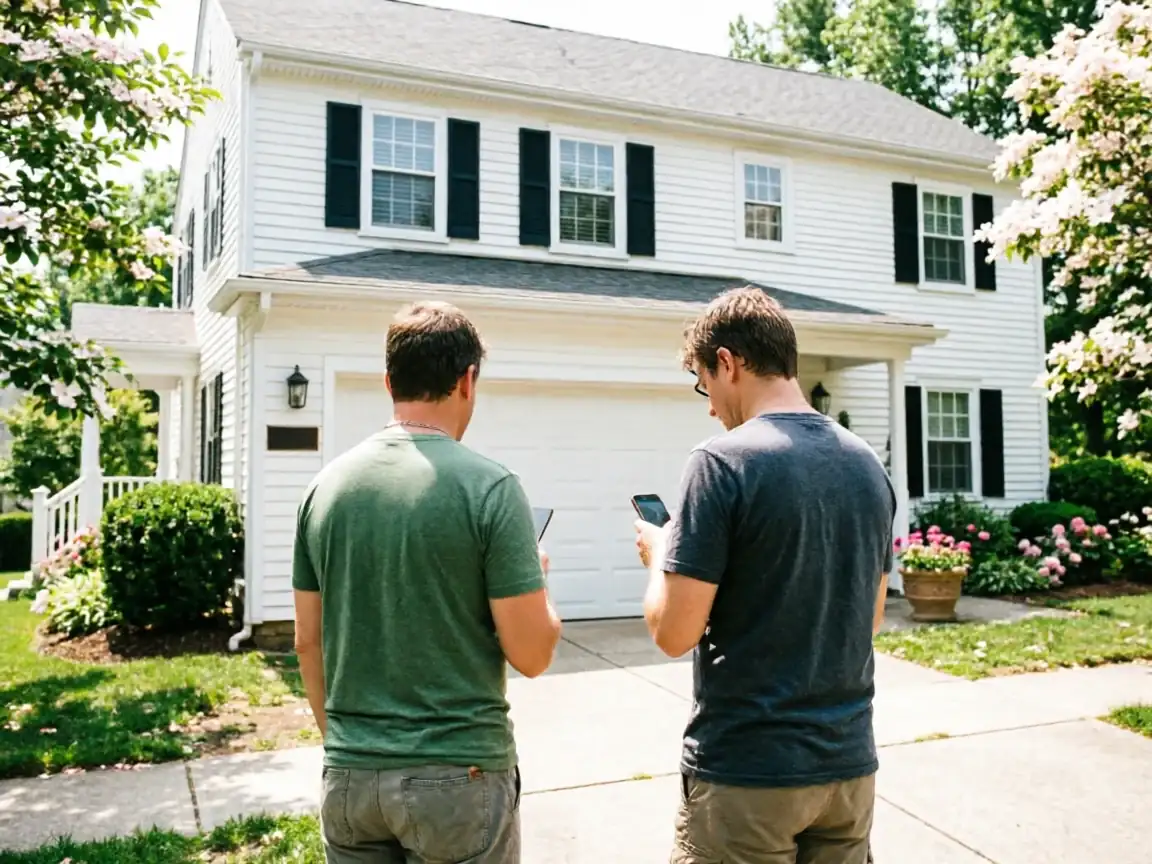
Two technicians stand in front of a white house, looking at their phones.

Tell us what’s wrong

Describe the symptom - won’t open, loud bang, opener runs but the door won’t move.

2
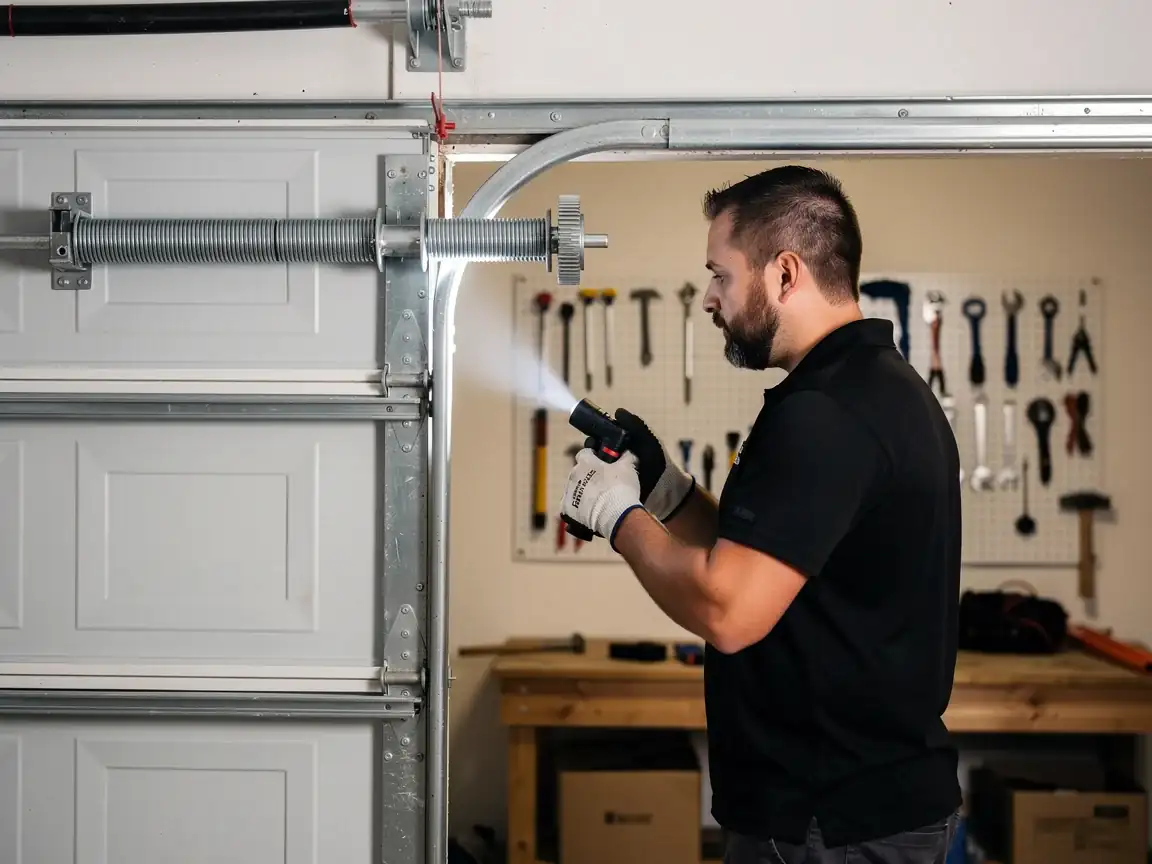
A technician sprays lubricant on a garage door torsion spring.

On-site diagnosis

A technician tests the door under power and by hand and finds what actually failed.

3
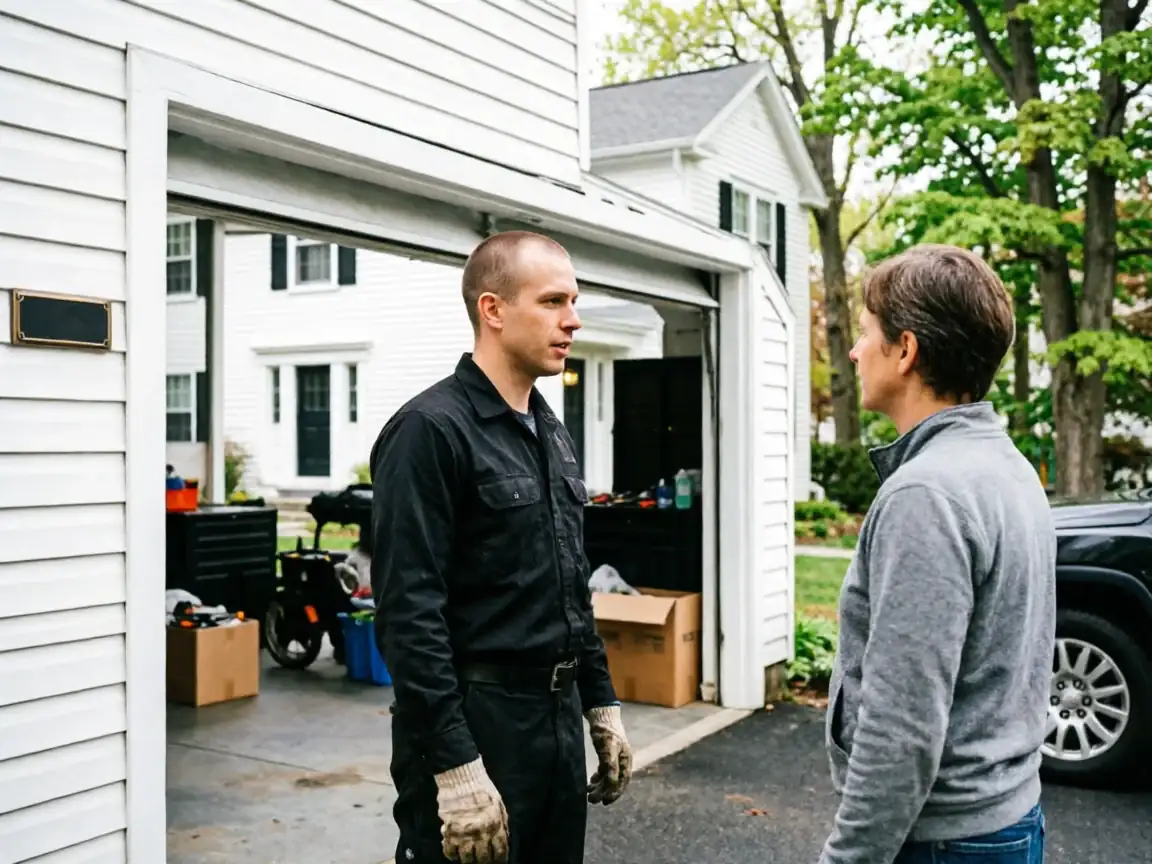
A technician in a black uniform talks to a person in a gray sweatshirt.

Clear, up-front plan

You get the fix that’s needed and what drives the cost - before any work starts.

4
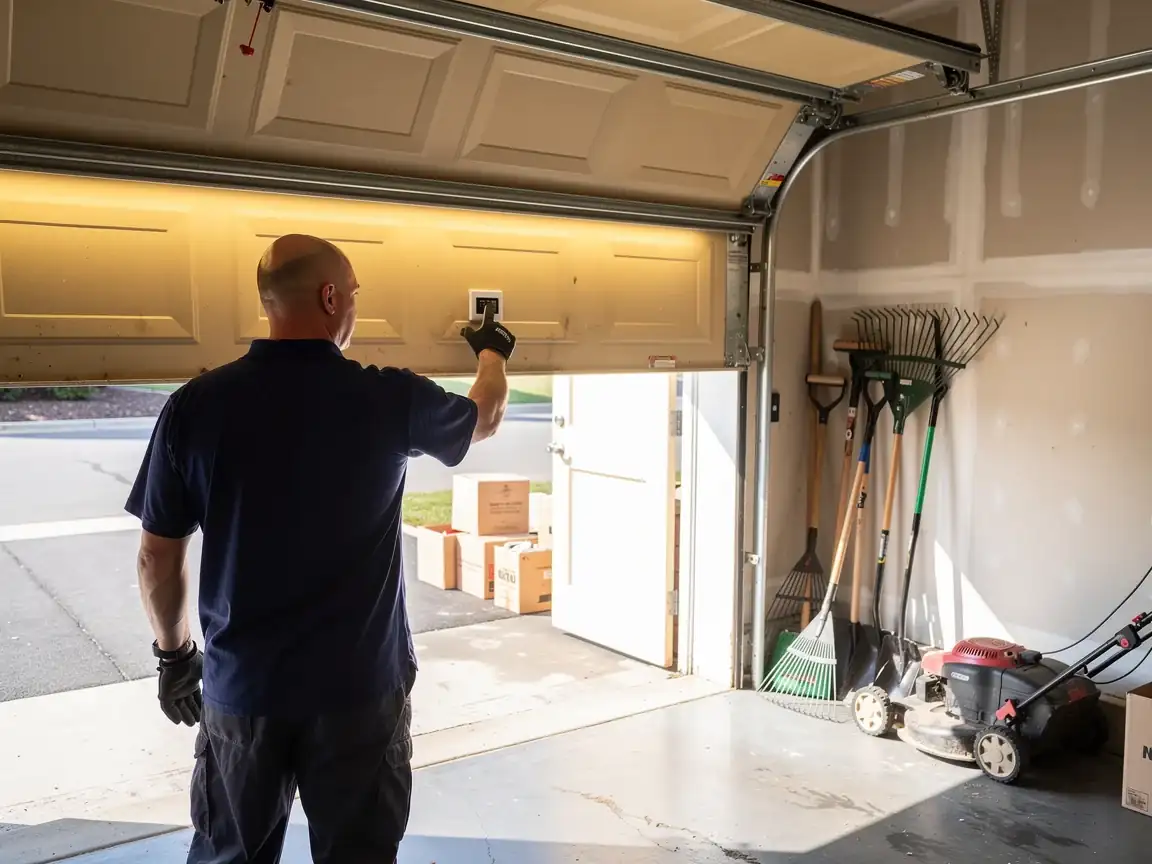
A technician in gloves adjusts a light strip on an open garage door.

Repaired & tested

The repair is done, the door is set true and tested, and the work area left clean.

Next step

Not sure which repair your door needs in Johnstown, PA? Describe what it’s doing - every job starts with a diagnosis.

How we work

What to expect

Diagnosis first

Every visit starts by finding what actually failed - not a pre-written parts list.

The right part for the door

Springs and openers matched to the door’s weight and age, so the fix holds up.

Straight answers

When a repair makes more sense than a replacement - or the reverse - you hear it plainly.

Clean, careful work

Tension released safely, hardware set true, the door tested under power before we leave.

What we do

Garage Door Services

Repair and installation work for Johnstown homes and businesses.

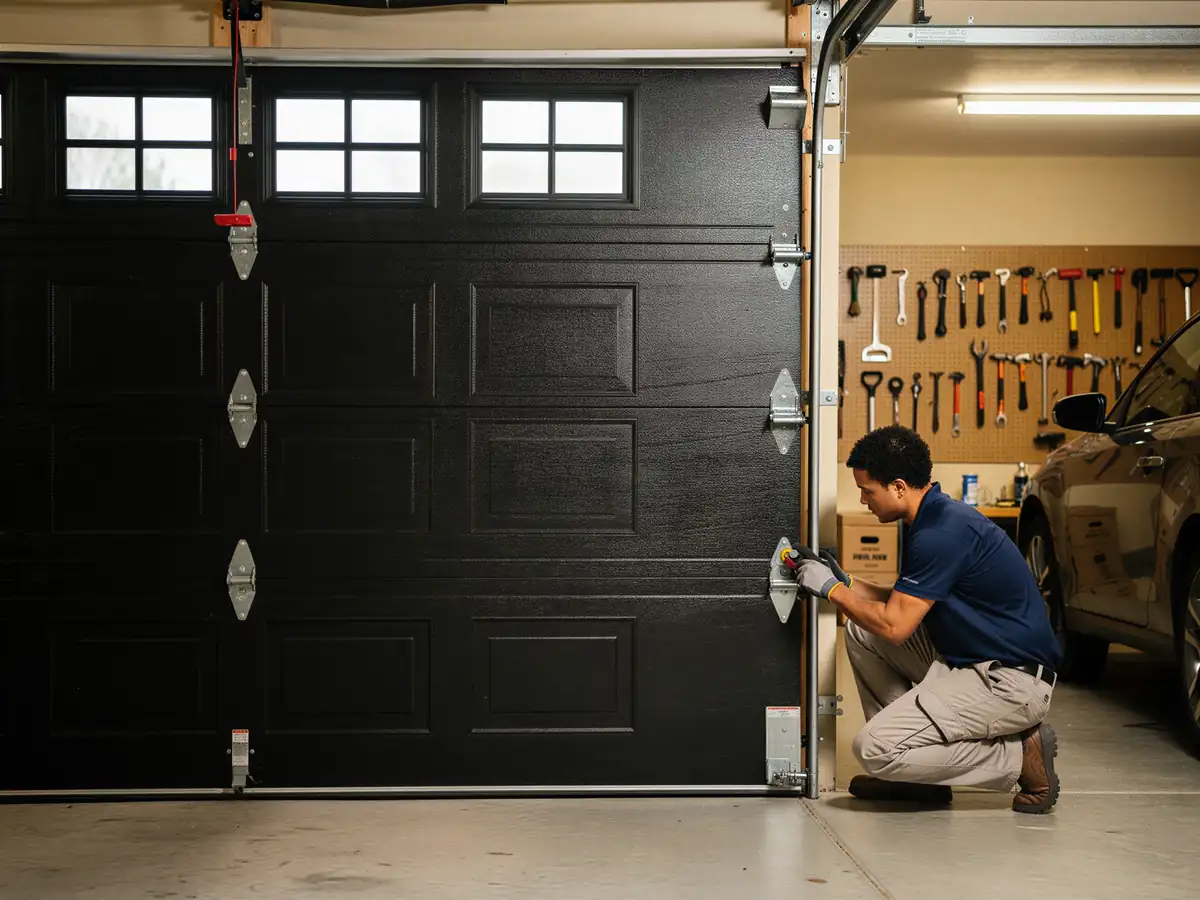
A technician in gloves is working on the bottom roller of a black garage door.

Garage Door Repair

Garage door repair in Johnstown, PA for homes built mostly before 1960. Torsion spring and opener fixes suited to the cold climate and older hardware.

Learn more
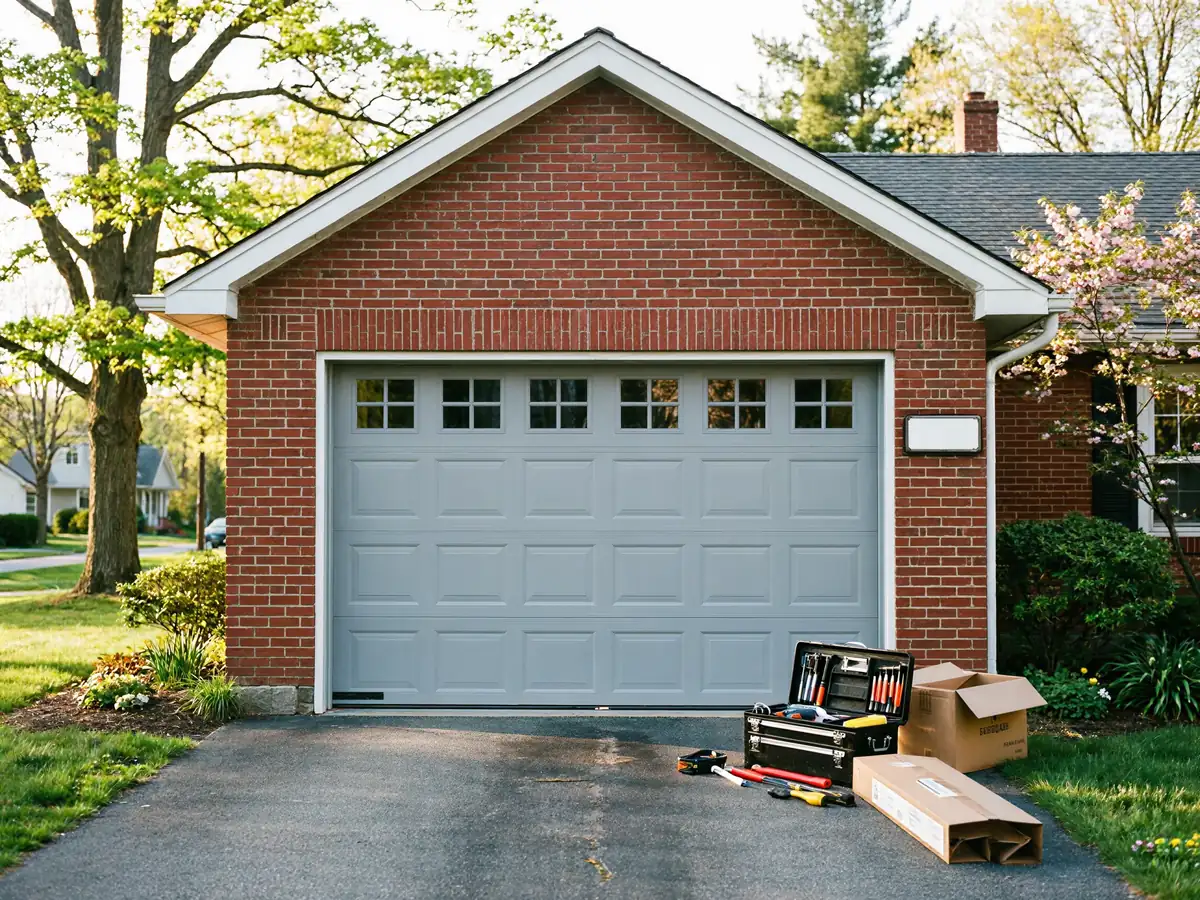
A gray garage door with windows on a brick house, with tools on the driveway.

Garage Door Installation

Replacing a garage door in Johnstown means matching a new unit to a house built decades before modern door sizing existed, in a climate that punishes any gap in the seal.

Learn more
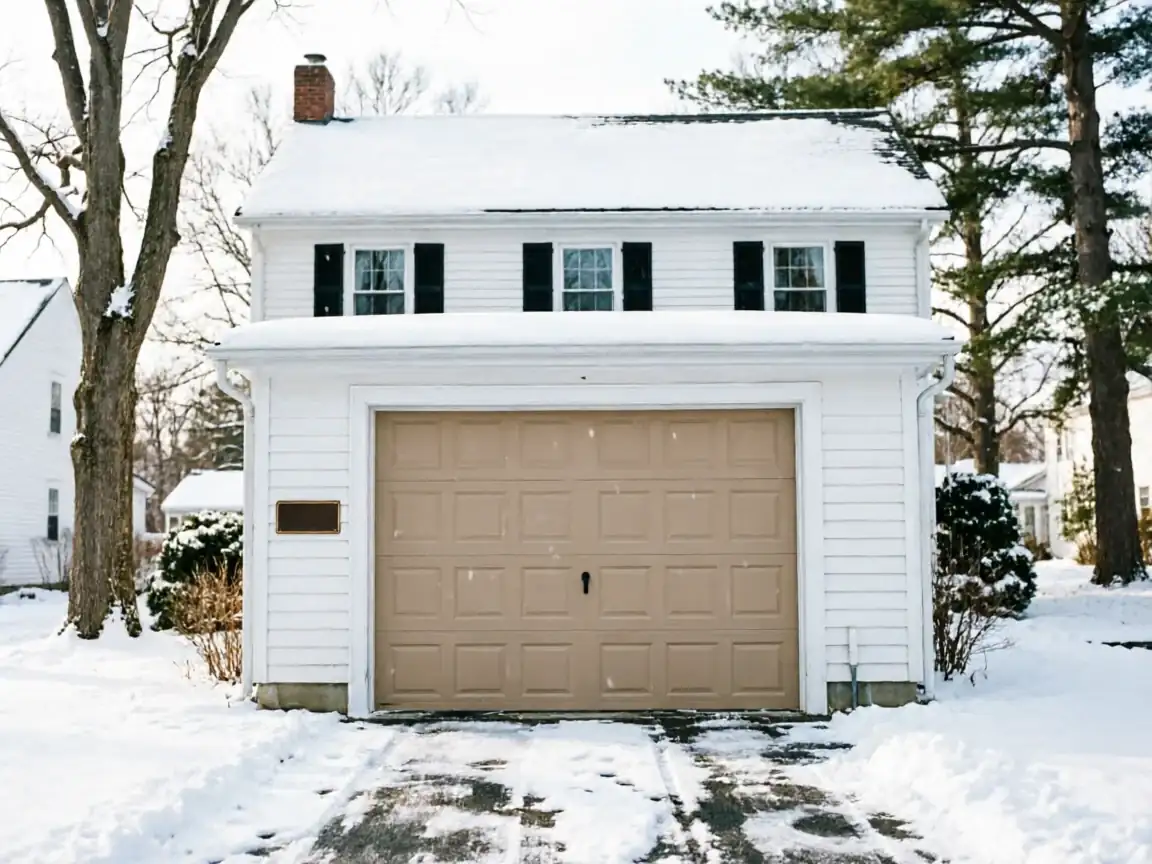
A white house with a tan garage door and black shutters is covered in snow.

Garage Door Service

Garage door service built around Johnstown's 1938-1980 housing stock and cold winters - spring, track, and opener calls from a shop that knows this area's doors.

Learn more
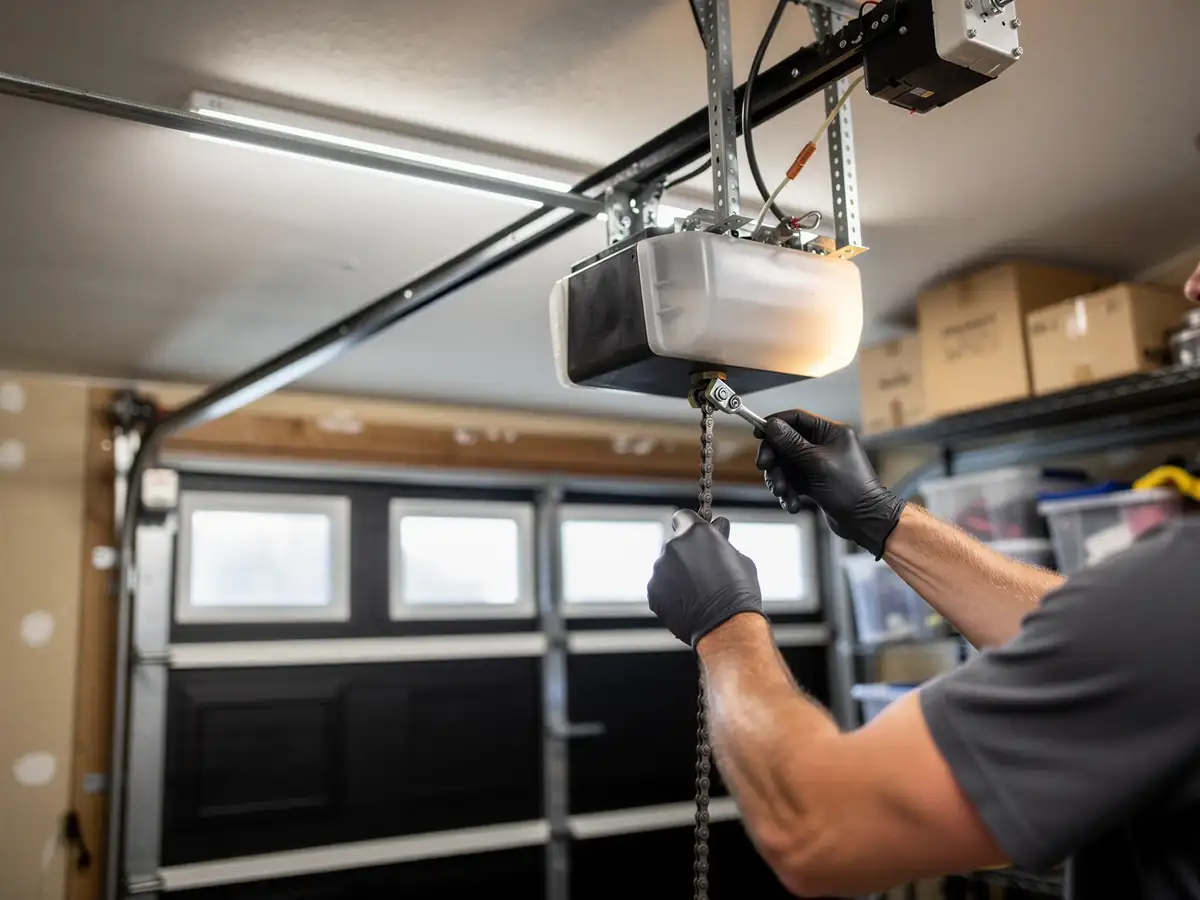
A technician in black gloves adjusts a garage door opener chain.

Opener Repair

Opener repair for Johnstown homes built mostly between 1938 and 1980, where cold winters and original hardware push openers past what they were built to handle.

Learn more
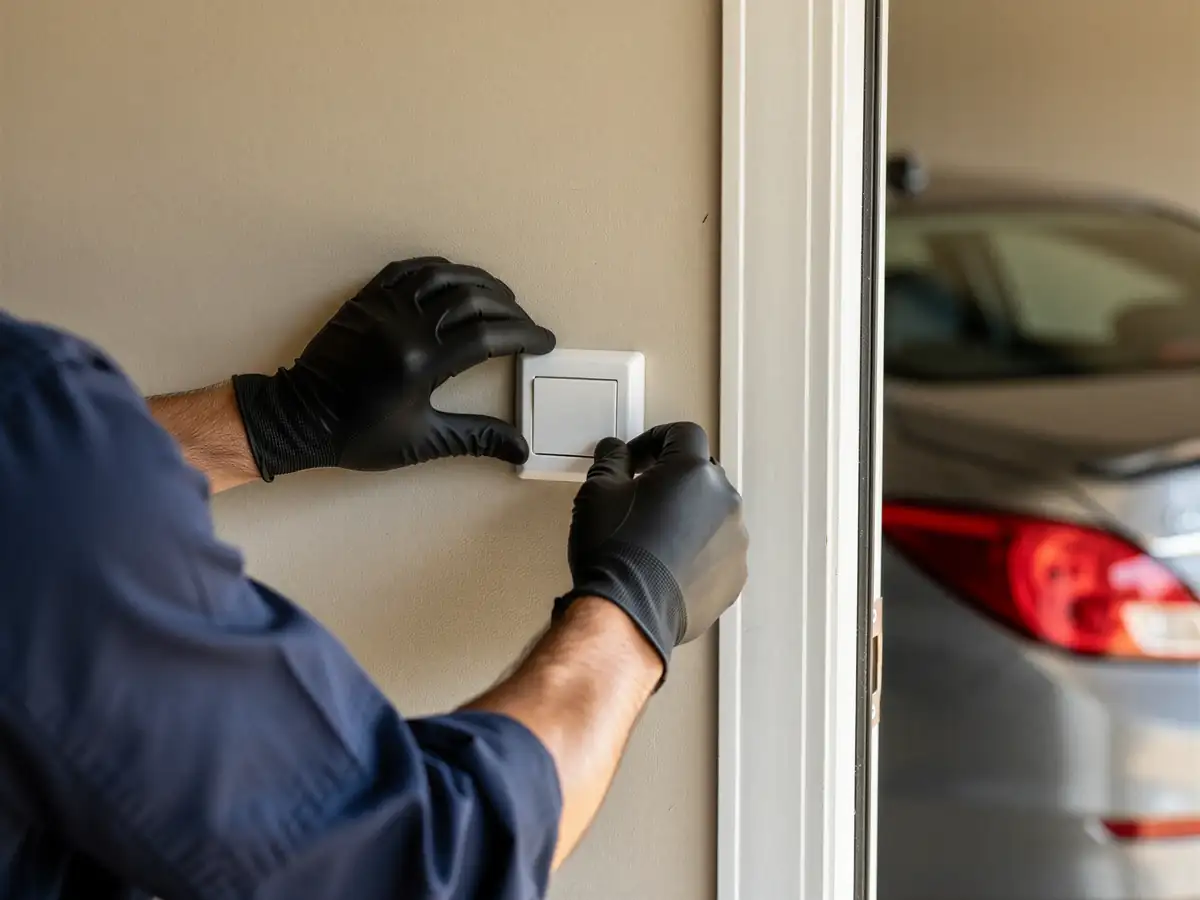
A technician in black gloves installs a white light switch on a beige wall.

Opener Installation

Garage door opener installation for Johnstown, PA homes built mostly before 1960, in a severe cold climate that strains old openers and worn hardware fast.

Learn more
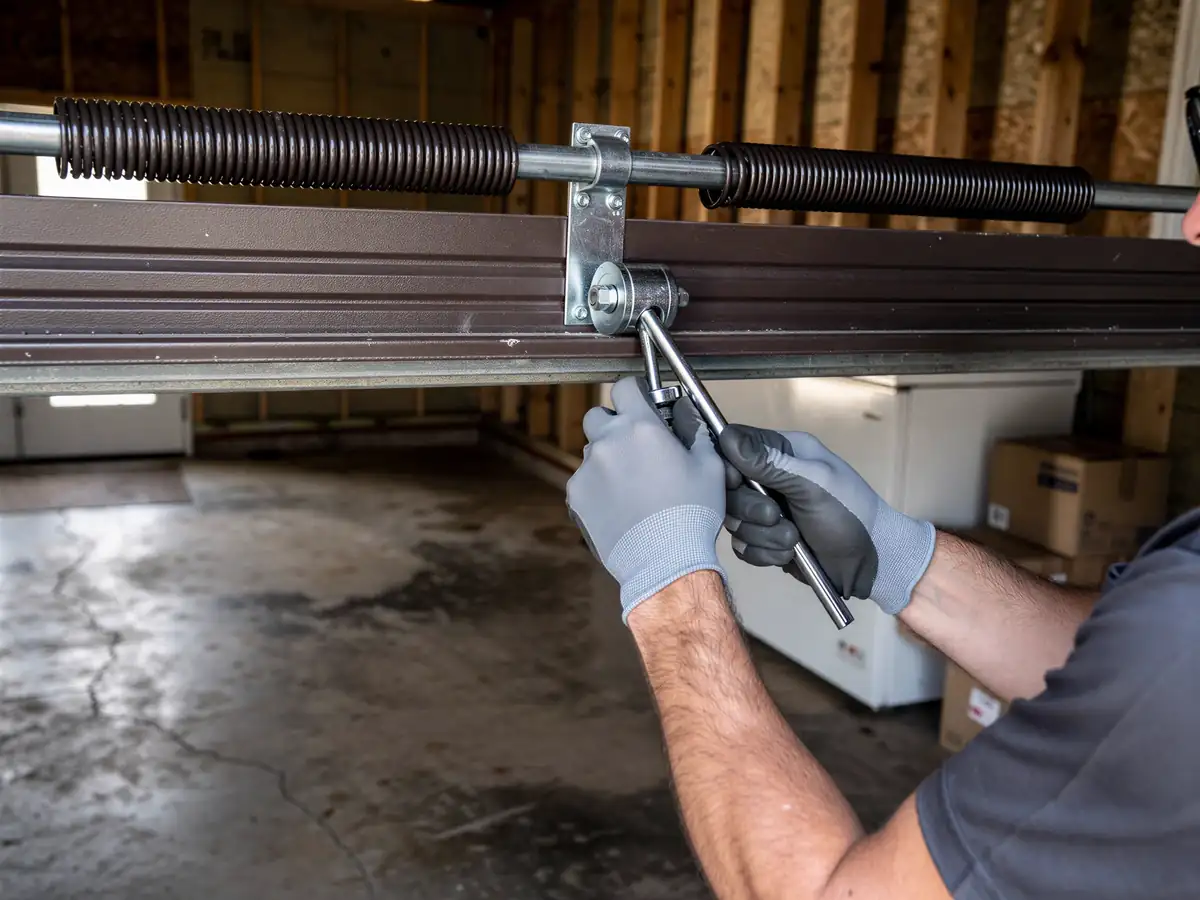
A technician adjusts a garage door torsion spring with two metal bars.

Spring Repair

Torsion springs fail early in Johnstown's 1950s-era garages built for a different climate. Here's why it happens, how it shows up, and what repair involves.

Learn more
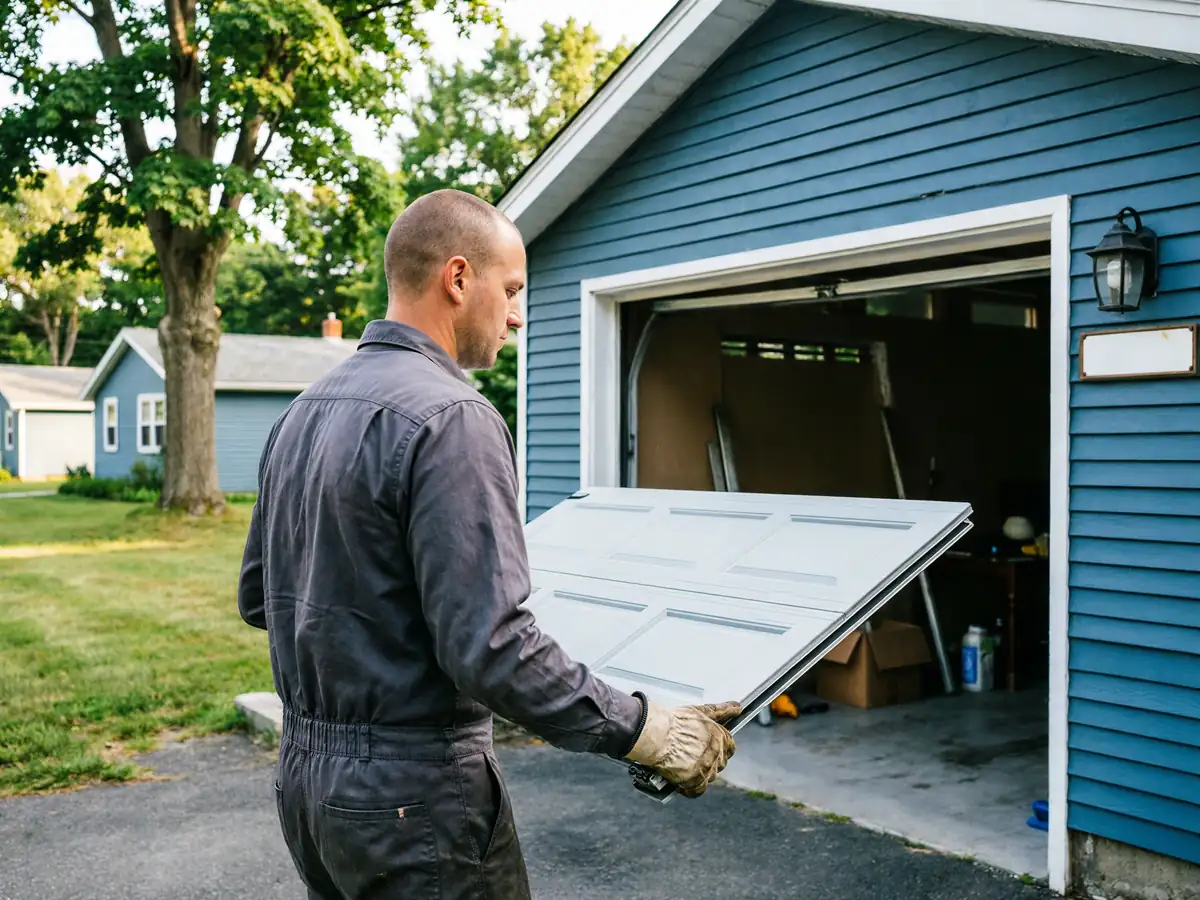
A technician in a gray jumpsuit carries a white garage door panel toward a blue garage.

Panel Replacement

Panel replacement for Johnstown's pre-1960 garage doors, built for steel that's dented, rusted through, or warped by severe cold winters. Matched panels, not guesswork.

Learn more
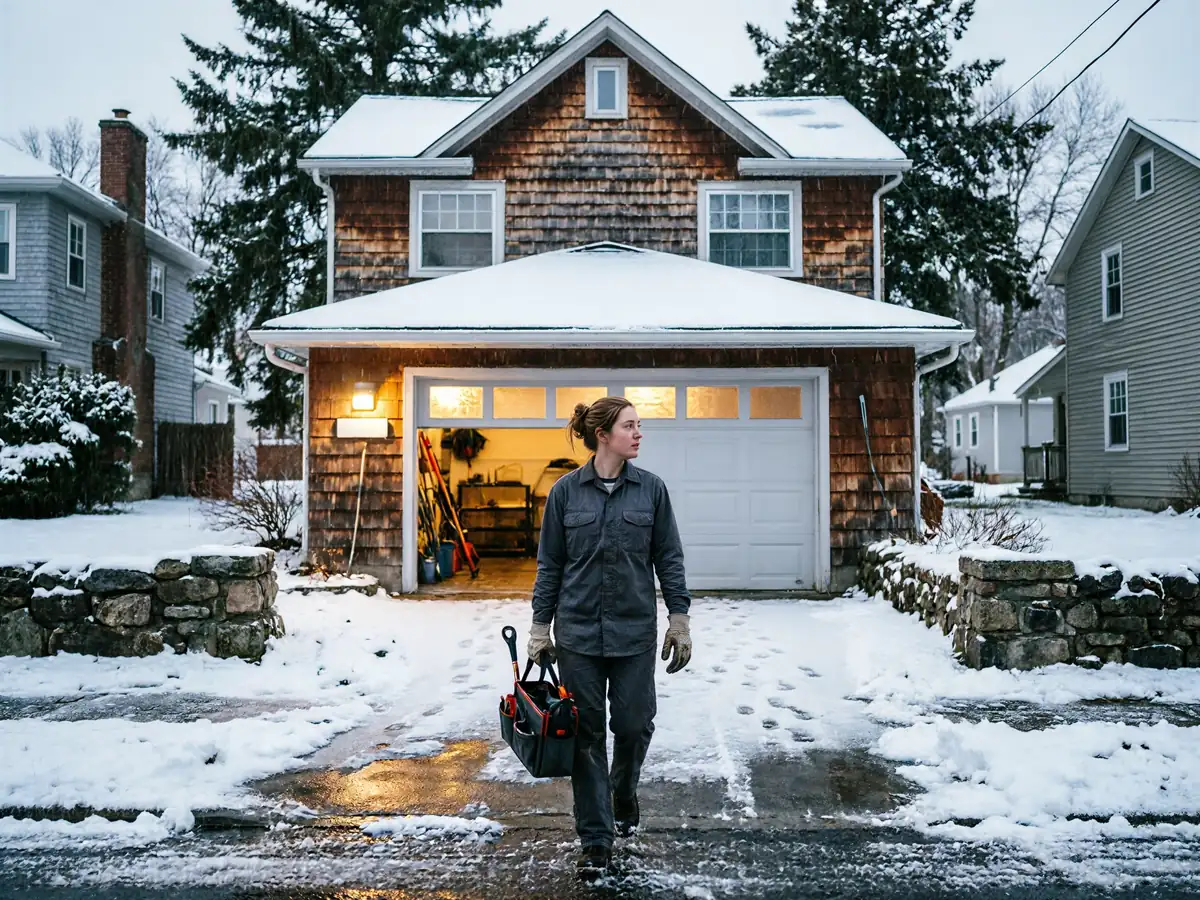
A technician walks away from a garage with an open door on a snowy day.

Emergency Garage Door Repair

Garage doors fail fast in Johnstown's cold winters and pre-1960 housing stock. Learn why springs and openers break down and what you can safely do yourself.

Learn more
Questions

Frequently asked

Straight answers about garage door repair in Johnstown. Still unsure? Ask us directly.

Why doesn't a standard-size replacement door fit my garage?

A lot of the houses in this area were built between 1938 and 1980, before door openings were standardized the way they are now. If your house is on the older end of that range, the rough opening may be a few inches off from what current doors are sized for, which means either a custom order or some work on the jamb.

Does the cold around here actually damage garage doors?

This area sits in a severe cold climate band, and freeze-thaw cycling is hard on steel skins and rubber seals. Weatherstripping fails faster here than in milder regions, and an uninsulated panel from an older build will let frost form on the inside, which adds weight the opener has to fight.

Is it cheaper to repair the old door than replace it?

It depends on what's actually broken. A spring, cable, or opener issue is usually worth repairing. A rusted or warped panel on a door that's already decades old is often a delay, not a fix, since the same panel failure tends to come back within a season or two.

Ready to get your garage door sorted?

Tell us what it’s doing and where you are in Johnstown - we’ll take it from there.

Request a QuoteCall