How It Shows Up
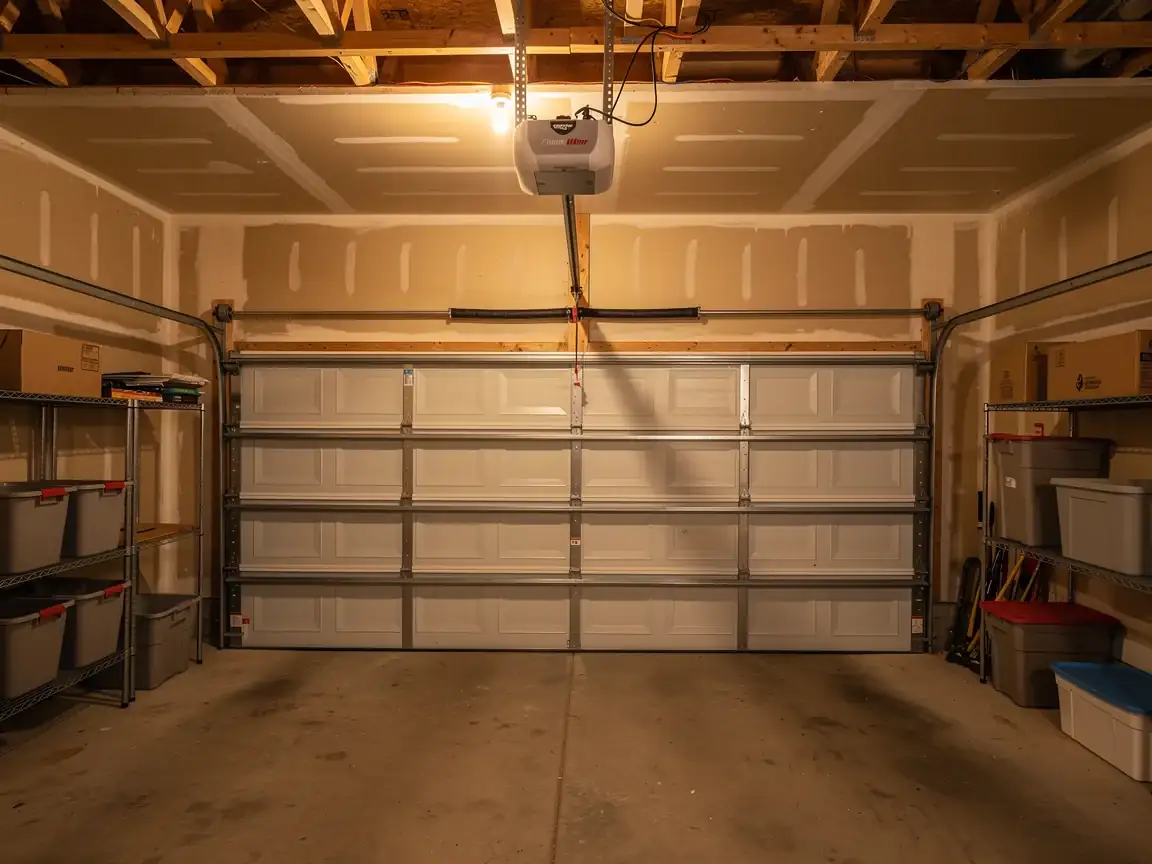
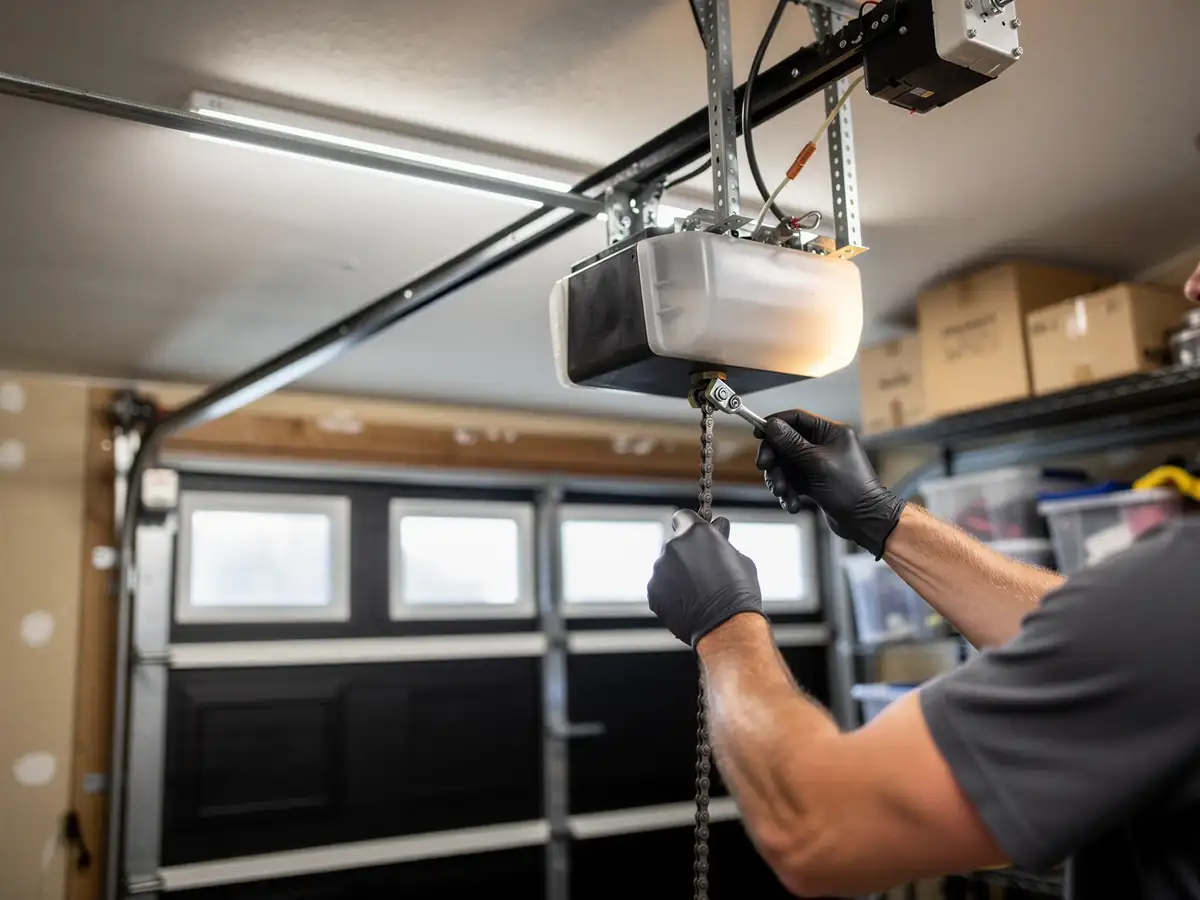
The most common complaint is an opener that runs but the door barely moves, or moves then reverses partway up - usually the motor straining against a door it was never matched to, especially in homes with pre-1960 doors that have been replaced but never paired with a right-sized opener. Cold mornings bring a different pattern: the opener hums, the light flickers, but the door doesn't budge until the garage warms up a little, which points to a motor or capacitor struggling in low temperatures rather than anything wrong with the door itself. Some owners hear a grinding or clicking from the gear housing before full failure - that's the internal plastic gear, a known weak point in units that have been running years past their expected life in an unheated space. Others notice the remote working some days and not others, which is more often a worn logic board than a dead battery. Because so much of the area's housing dates to the same post-war stretch, we see the same handful of failure patterns repeat across different streets and different towns in the service area, not a one-off problem specific to a single house.
What Can Go Wrong
Left alone, a straining opener motor eventually burns out, and a gear that's grinding will shear completely, usually without much warning. When that happens with the door half-open, you're looking at a door stuck in place until someone gets out to release it manually, which in a severe cold climate means a garage open to the weather for however long that takes. Worn drive gears can also let the trolley disengage unevenly, putting side-load stress on the track and bending it - at that point you're no longer looking at an opener repair, you're looking at track and opener both. We've also seen owners try to compensate for a struggling opener by adjusting the force settings up, which masks the symptom for a while but increases the risk of the door coming down hard on something or someone if the safety reversal doesn't trigger properly. None of this is dramatic until it is, and most of it is avoidable with a repair at the point where the symptoms first show up rather than after the motor or gear has already failed.