Johnstown Garage Door Pros serves Richland, PA, 5 miles from the shop. Mid-1970s construction means different springs and openers than the city's older stock.
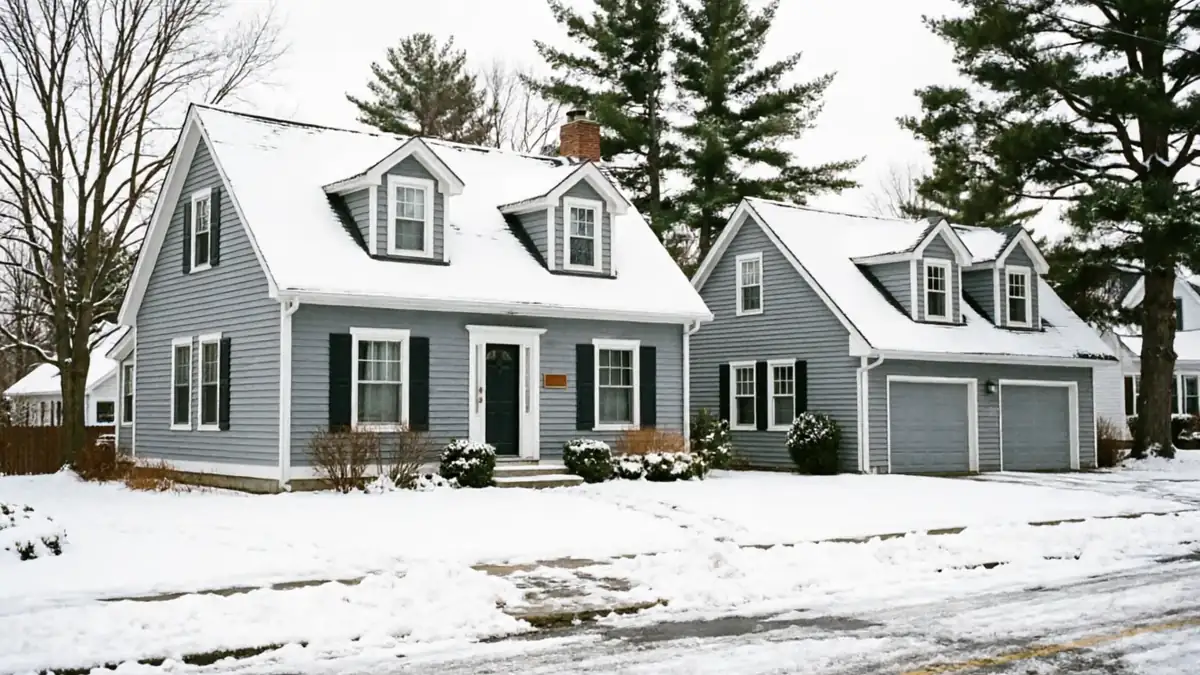
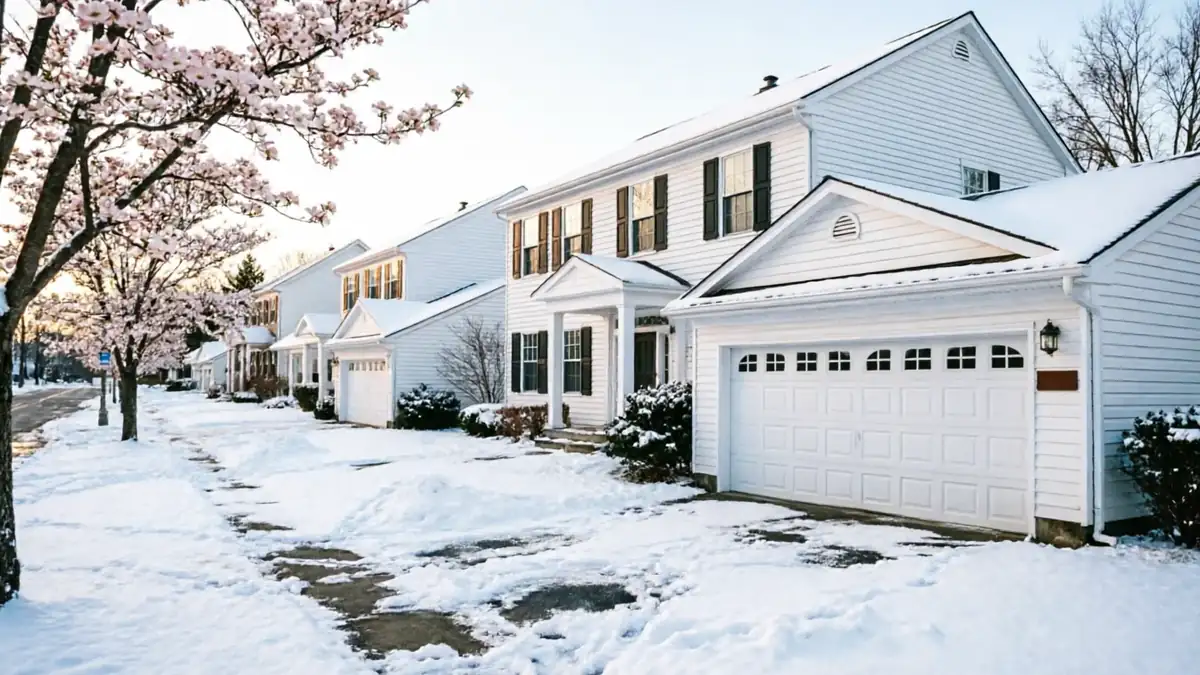
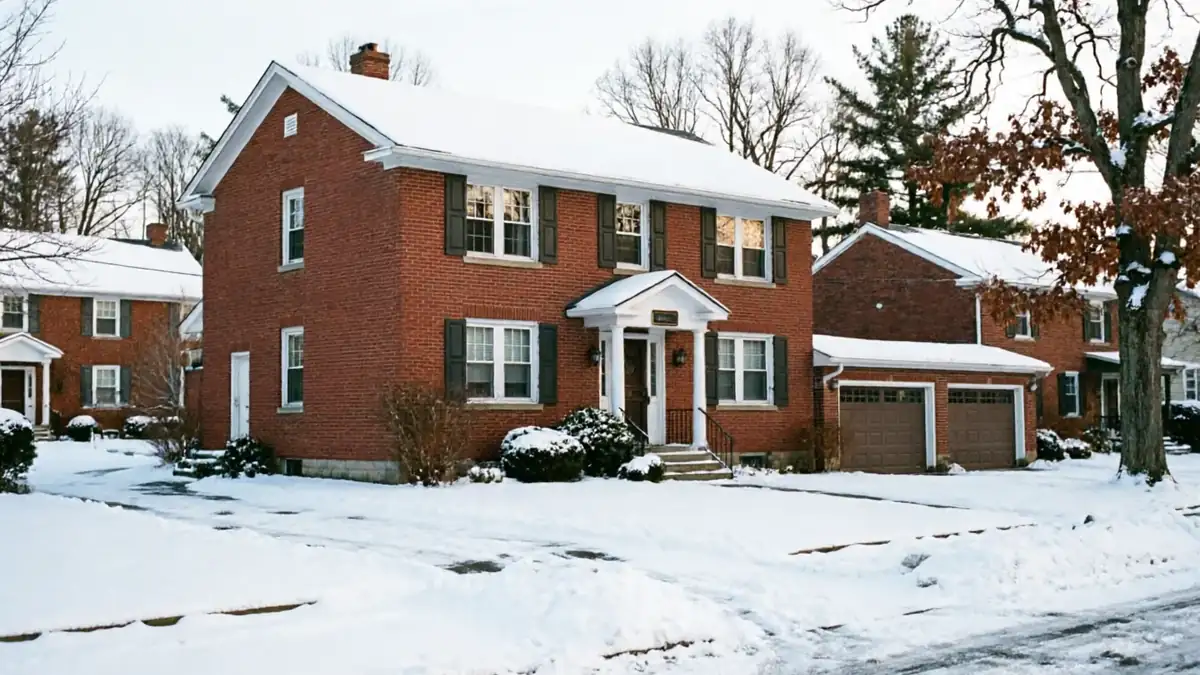
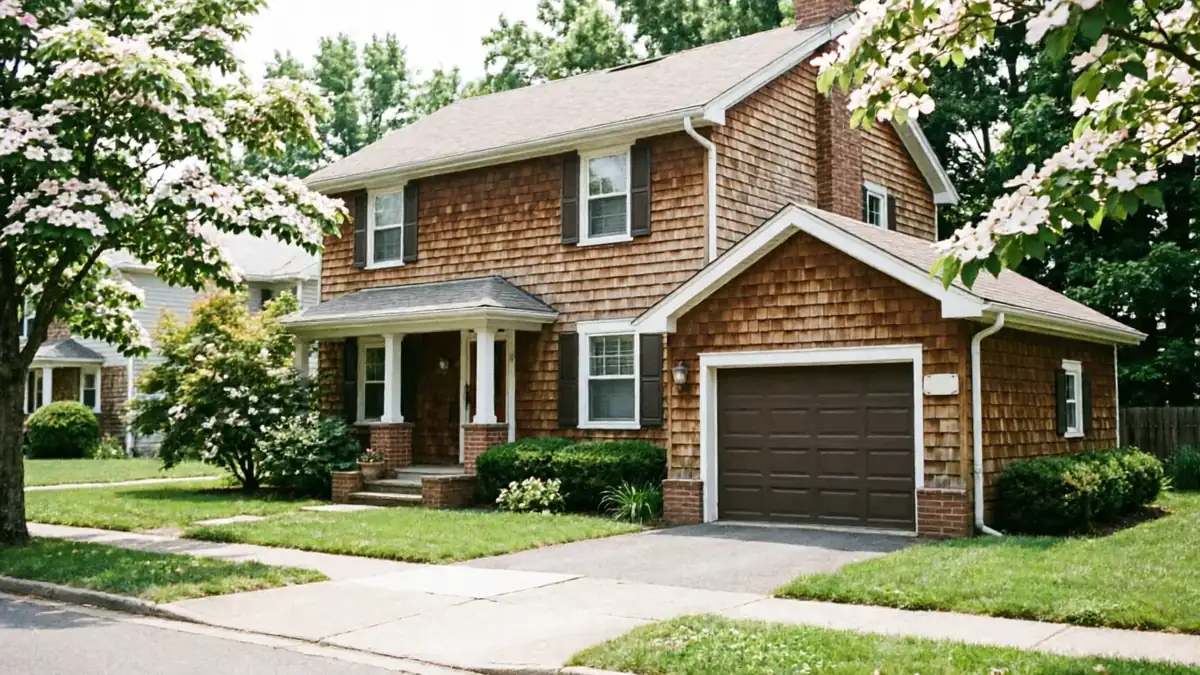
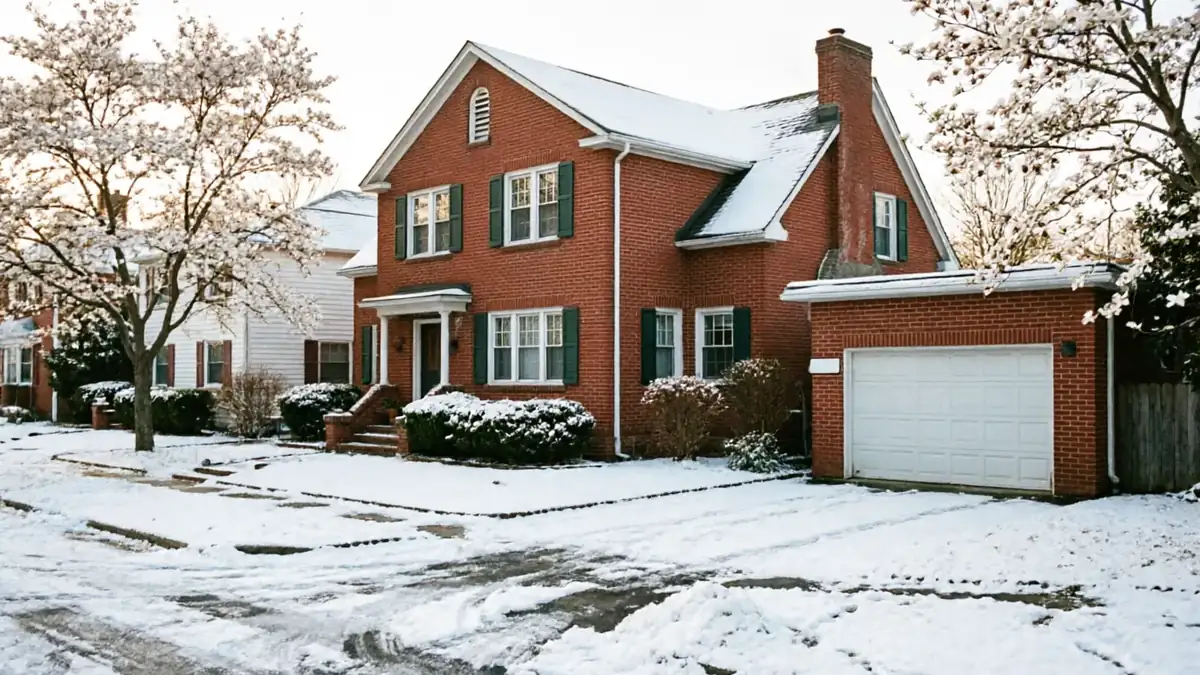
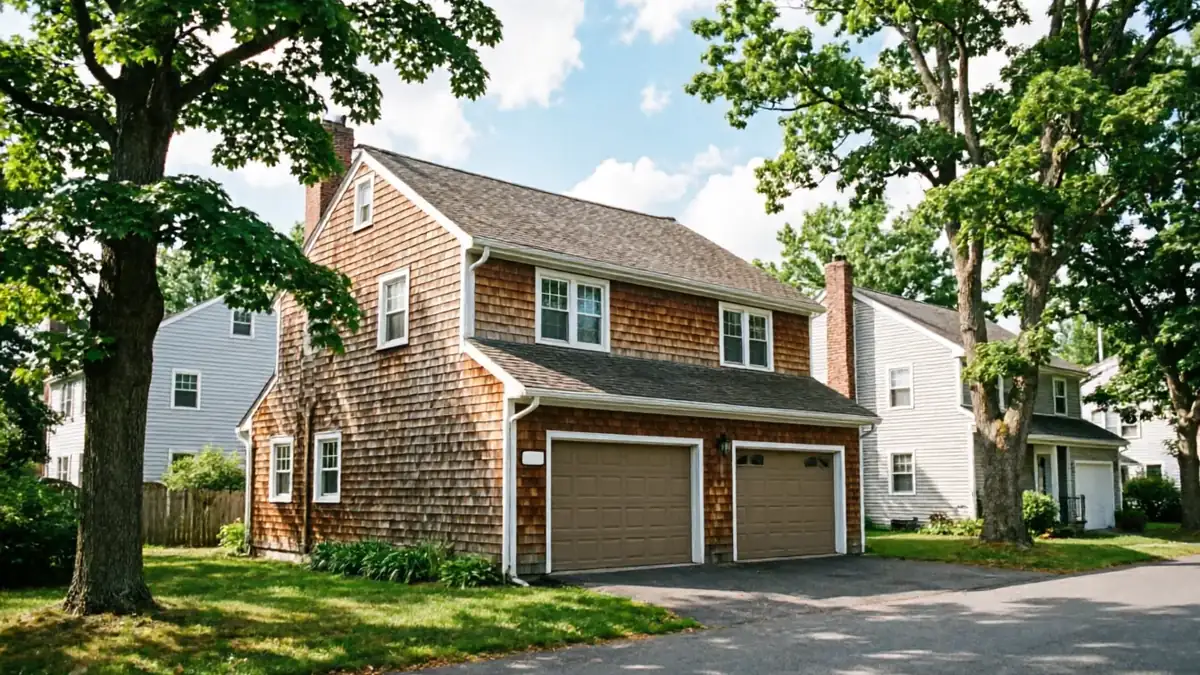
Richland's housing mostly went up around 1975, which is a solid generation newer than the 1938-1960 stretch that covers most of the wider Johnstown service area. That gap matters. Houses built here came with wider two-car openings as standard, steel sectional doors instead of wood or one-piece slabs, and torsion spring setups rather than the older side-mounted extension springs still common in the city's pre-1960 blocks. The calls we get from this pocket tend to be torsion spring failures on doors that have simply run their thirty-plus-year service life, worn rollers on steel track that was never upgraded to nylon, and openers from the chain-drive era that are due for replacement rather than repair. We don't see many of the one-piece slab doors or ancient extension-spring setups that still turn up elsewhere in the service area - Richland's stock is a different generation of hardware, and the failures match it. One limitation worth saying plainly: if a torsion spring size here is an odd or discontinued one from a builder that's since gone under, we may need a day to source the right part rather than swap it off the truck.
Getting Here
The shop is in Johnstown, and Richland sits about 5 miles out, which keeps it a short, straightforward drive rather than a haul across the county. It's in the same general cluster as Belmont, about 4 miles off, and not far from St. Clair and Davidsville, both roughly 6 miles out in their own directions. We don't keep a depot or crew stationed in Richland - every job here starts with a truck leaving Johnstown, so there's no claim of an instant local presence, just a short trip. That five-mile distance is short enough that it rarely adds meaningful time to a repair window, but it's still real road time, not a walk down the street. If you're comparing us to a company that claims to be based in Richland itself, know that we're honest about working this area from Johnstown rather than pretending otherwise.
What That Means for Doors
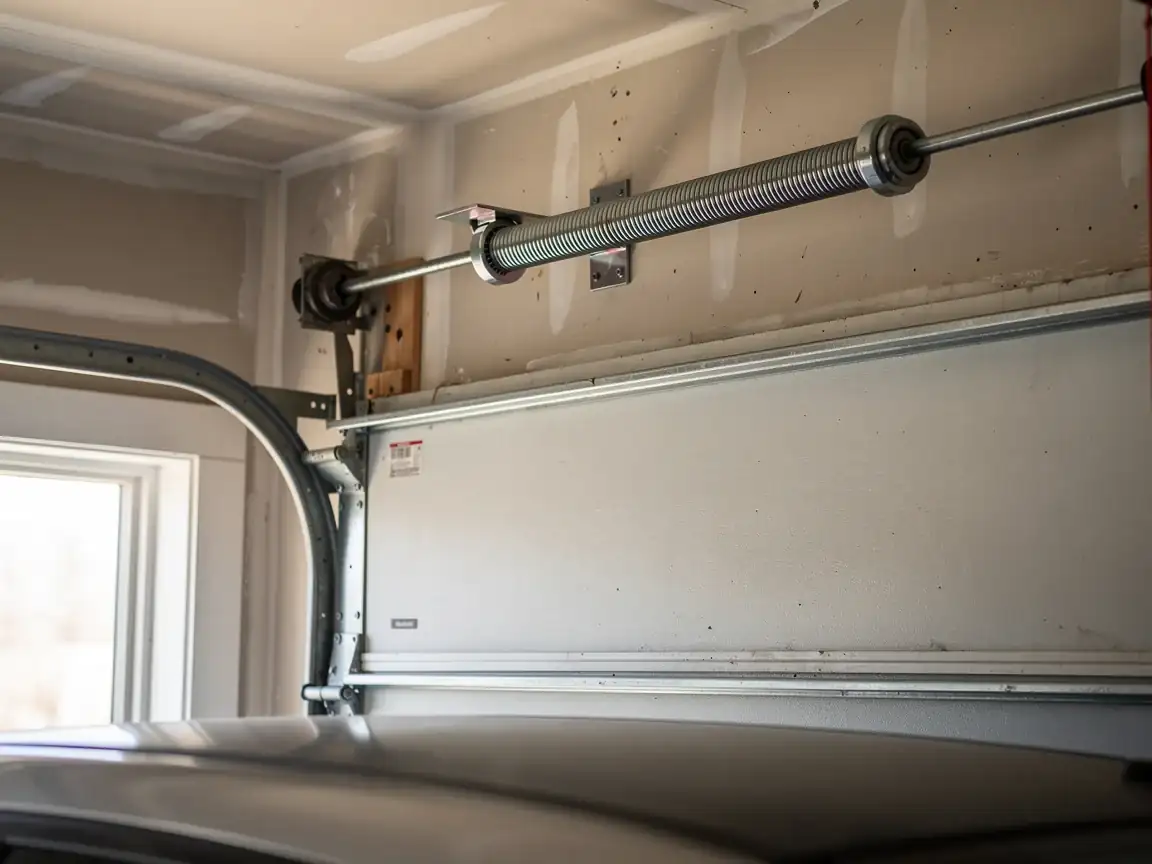
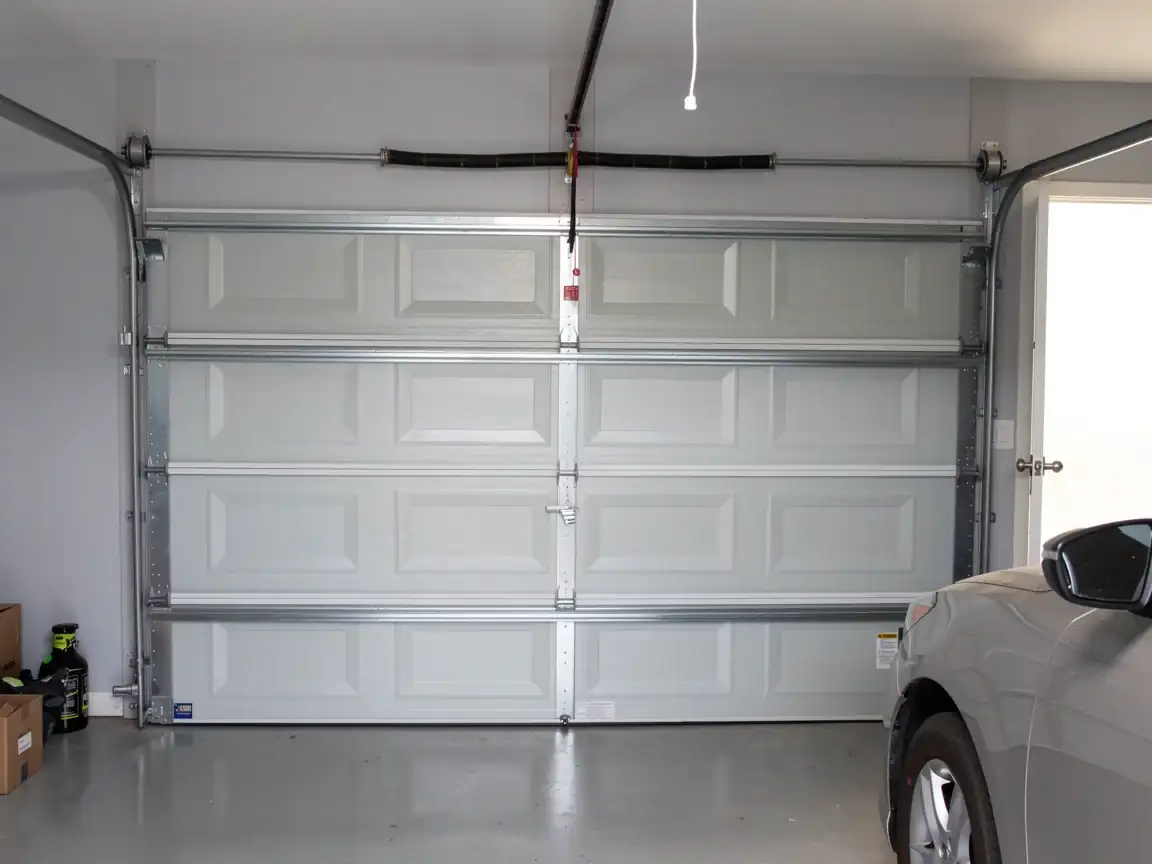
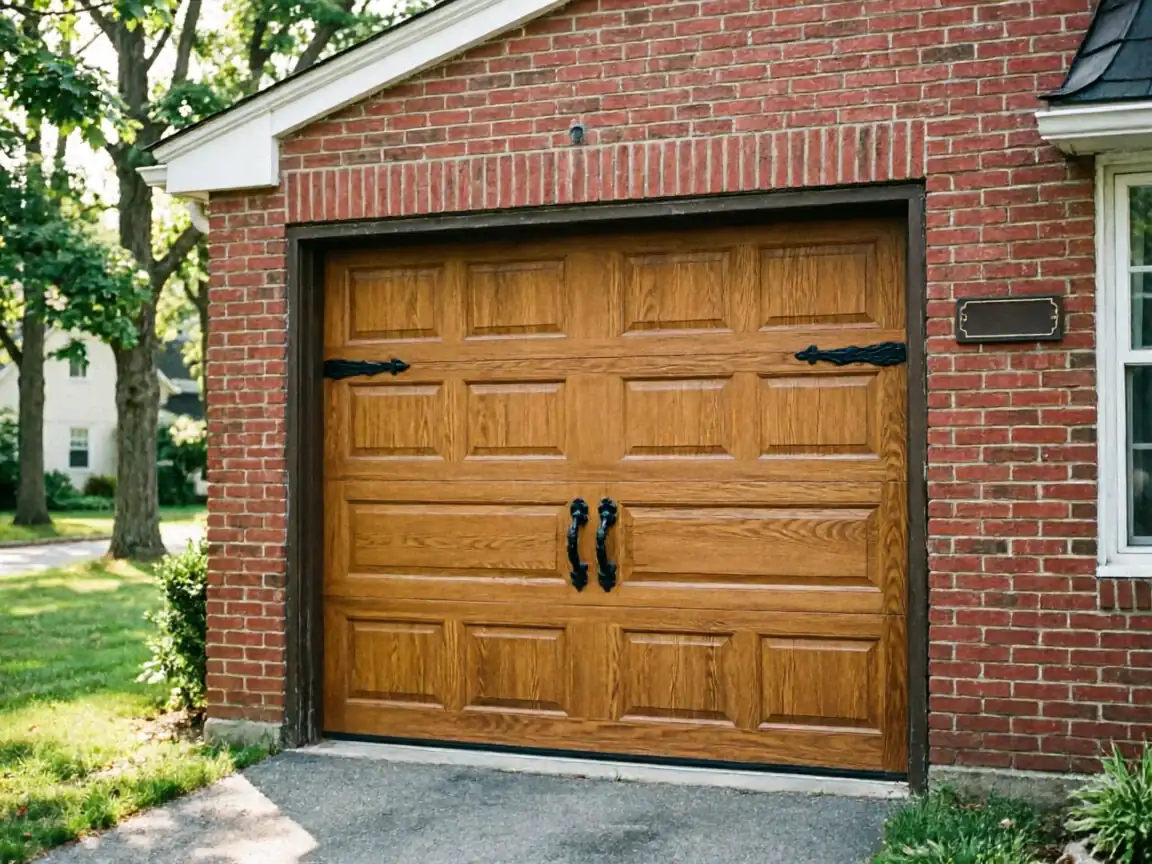
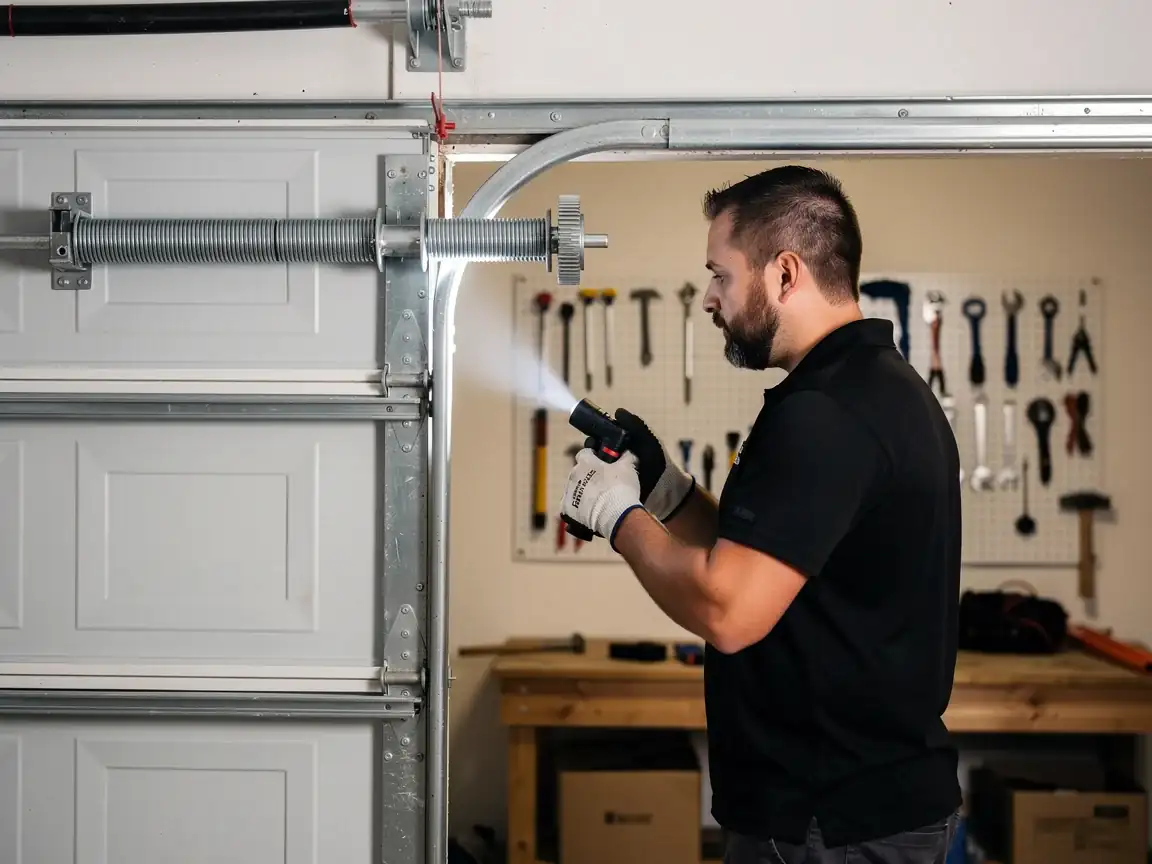
A door built around 1975 has different bones than one built in 1952. Expect torsion springs mounted on a shaft above the door rather than stretched extension springs bolted to the upper track - torsion setups are safer to service but still need the right wind count and wire gauge, which varies by door weight and width. Steel sectional panels from this era also tend to run 16 or 18 gauge, thinner than today's insulated doors, so dents and rust at the bottom panel show up sooner, especially where runoff collects at the slab edge. Openers installed as original equipment in the mid-70s through the 80s are long past end of life; most of what we find still running is a replacement from decades later, not the original unit. One thing we won't do is force a repair on a door frame that's racked or a track that's bent beyond true - at that point patching it costs more over a year than replacing the unit, and we'll say so instead of running up a bill.
What Was Built Here
Richland counts 4,772 households, a smaller pocket than many of the 34 named communities in this service area, and the median income here is $68,092 - notably higher than the $56,795 figure for the broader area the company covers out of Johnstown. That income level tends to show up in what people ask for when a door fails: more requests for insulated steel replacements and belt-drive openers, fewer calls asking us to stretch one more season out of an aging unit. The area sits within the same cold, severe winter climate band as the rest of the region, which means freeze-related binding on tracks and stiffened springs in January and February regardless of what decade the door was built. Housing stock that's newer than the service-area median still ages the same way under that kind of cold - hardware fatigues, lubricant gums up, and steel contracts. The build year buys you better bones, not immunity from winter.
How it works
From “it’s stuck” to “it’s fixed”
1
Tell us what’s wrong
Describe the symptom - won’t open, loud bang, opener runs but the door won’t move.
2
On-site diagnosis
A technician tests the door under power and by hand and finds what actually failed.
3
Clear, up-front plan
You get the fix that’s needed and what drives the cost - before any work starts.
4
Repaired & tested
The repair is done, the door is set true and tested, and the work area left clean.
Next step
Not sure which repair your door needs in Johnstown, PA? Describe what it’s doing - every job starts with a diagnosis.
No. The company operates out of Johnstown, about 5 miles away, and sends a truck out for every job in Richland. There's no local depot here, just a short drive from the shop.
Why does my 1970s-built garage door need different springs than my neighbor's older house?
Houses in Richland mostly date to around 1975, built with torsion spring systems as standard. Older homes in this service area, built before 1960, often still run the original extension-spring setup, which uses different parts and a different repair approach entirely.
Is a dented steel door from the 70s worth fixing or replacing?
Depends on the damage. A single dented panel on an otherwise sound steel door from this era can often be swapped out. But if the frame has racked or the track is bent out of true, replacement tends to cost less over time than repeated patch repairs.
Does the cold winter here affect garage doors built in the 1970s the same as older ones?
Yes. The area sits in a cold, severe winter climate band, and that affects any door regardless of build year - springs stiffen, lubricant thickens, and tracks can bind in freezing temperatures. Newer construction doesn't change how steel and springs respond to cold.
Ready to get your garage door sorted?
Tell us what it’s doing and where you are in Johnstown - we’ll take it from there.