What the Repair Takes
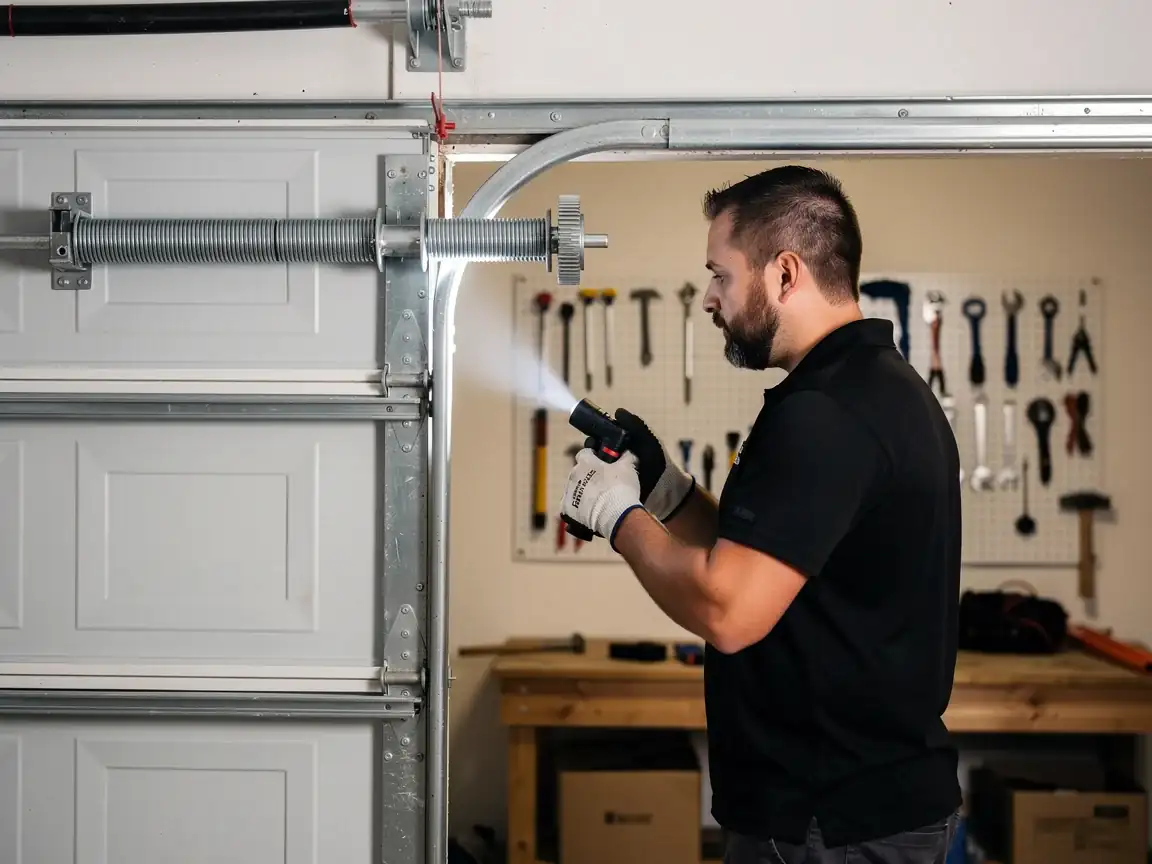
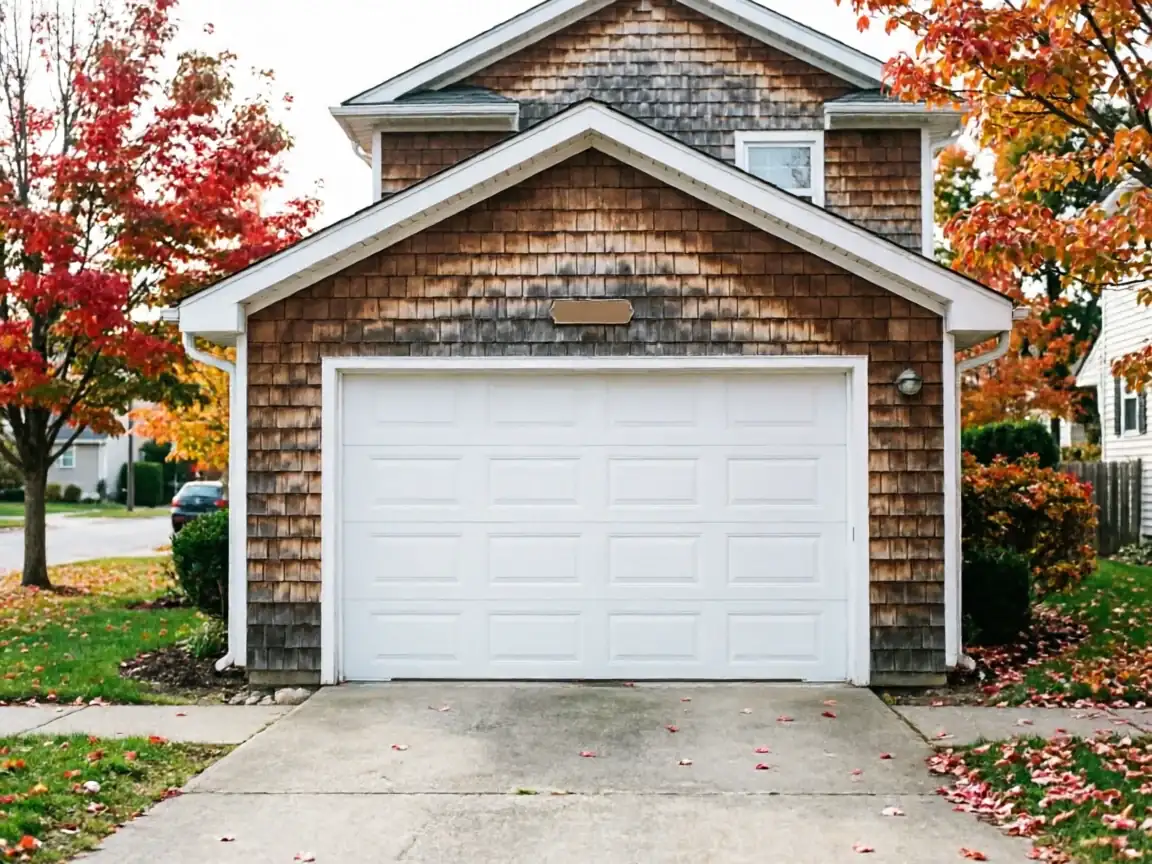
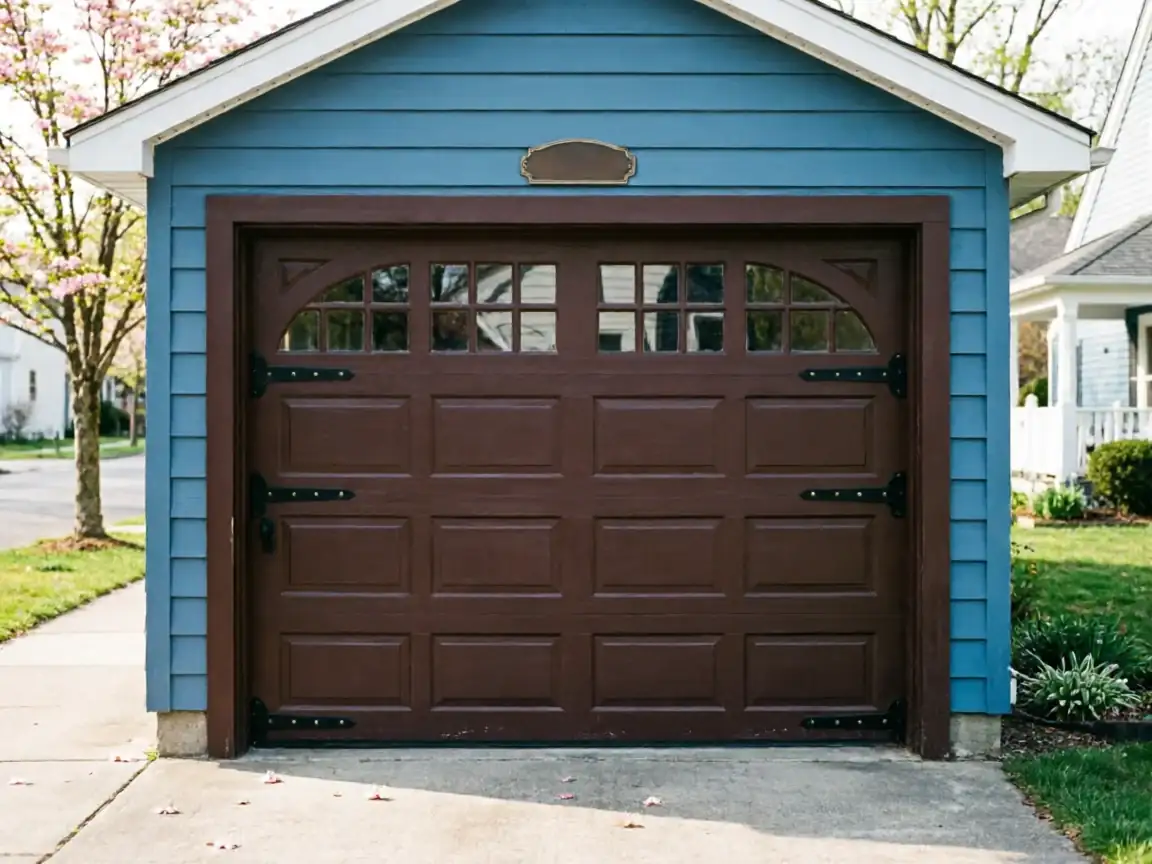
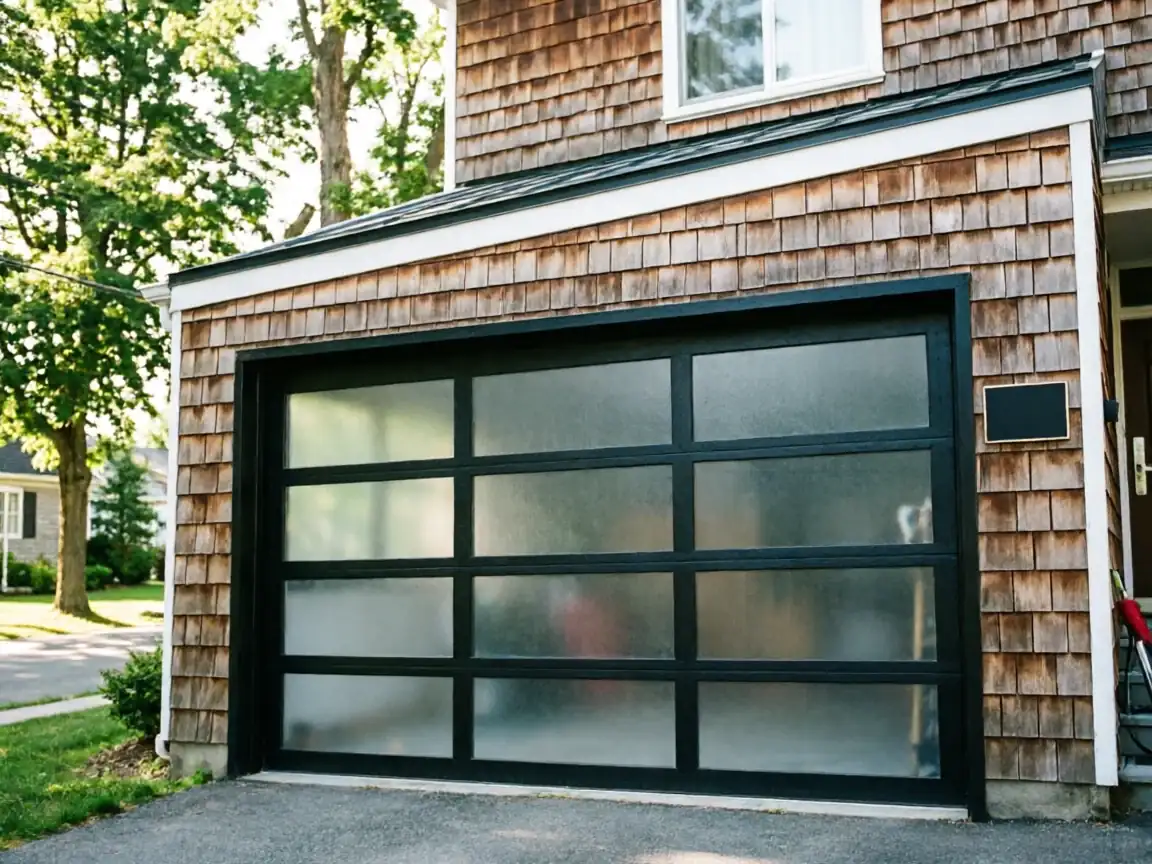
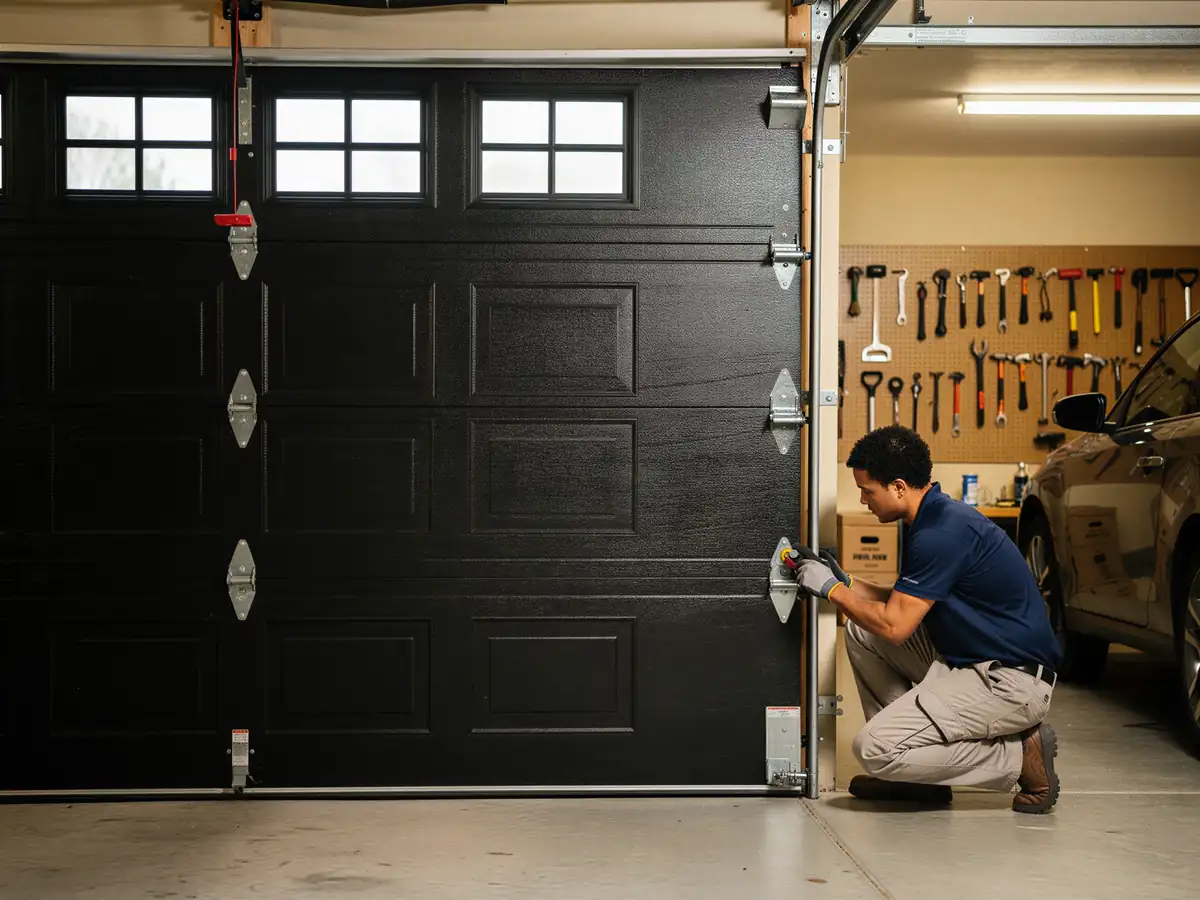
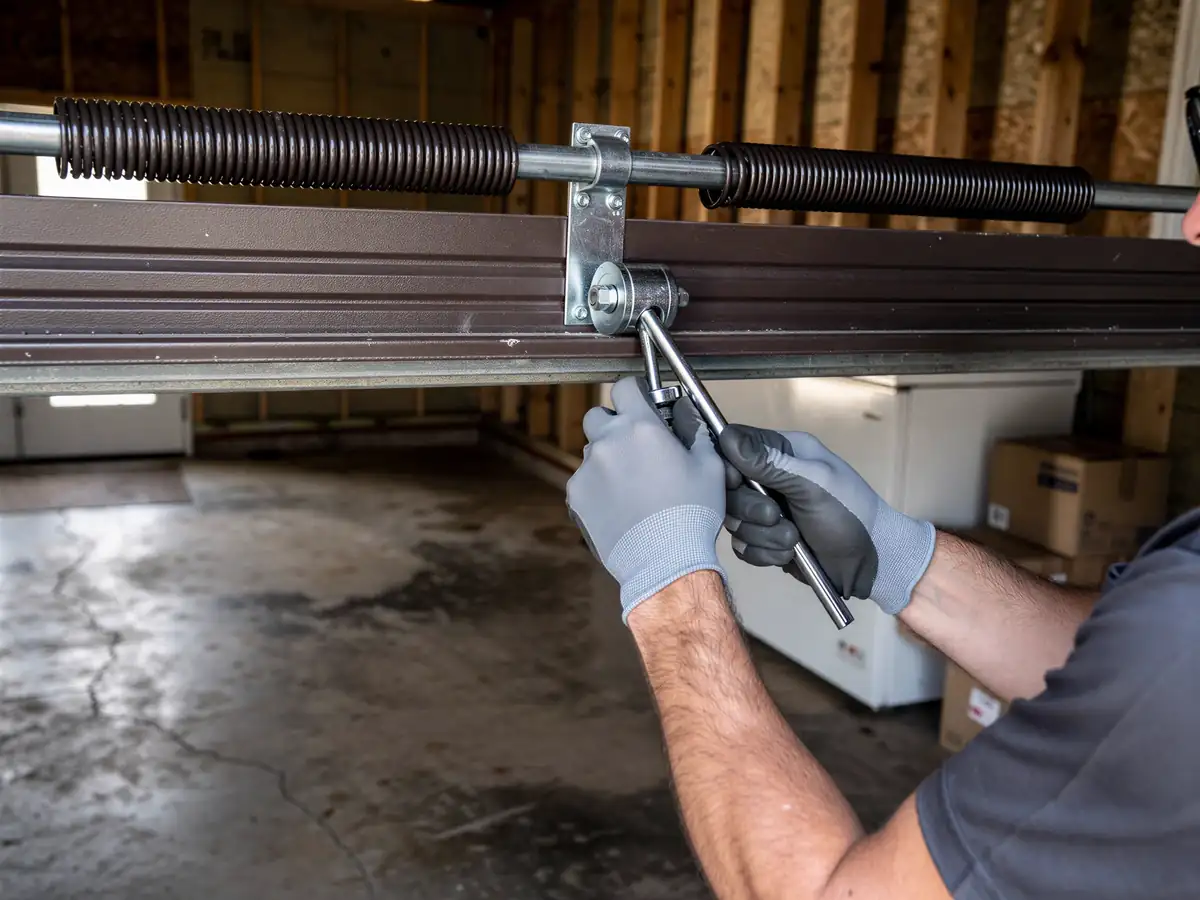
Belmont's housing stock runs newer than a lot of what we see closer to Johnstown - the median build year here is 1966, a good decade and a half past the 1952 median across the broader area, where most of the 34 named communities we work in are still mostly pre-1960 stock. That later build date usually means sectional doors rather than the older one-piece swing-up style, and more often torsion springs over the door rather than the side-mounted extension setups common in older construction. It doesn't mean the hardware is new - a door installed when a house went up in the mid-60s is on its second or third opener by now, but the track, hinges, and original drums sometimes never got touched. Expect us to check spring tension, roller wear, and track alignment as a matter of course, not just whatever symptom you called about. On a door this age, one bad part is rarely the only part close to failing.
How Long You Are Without the Door
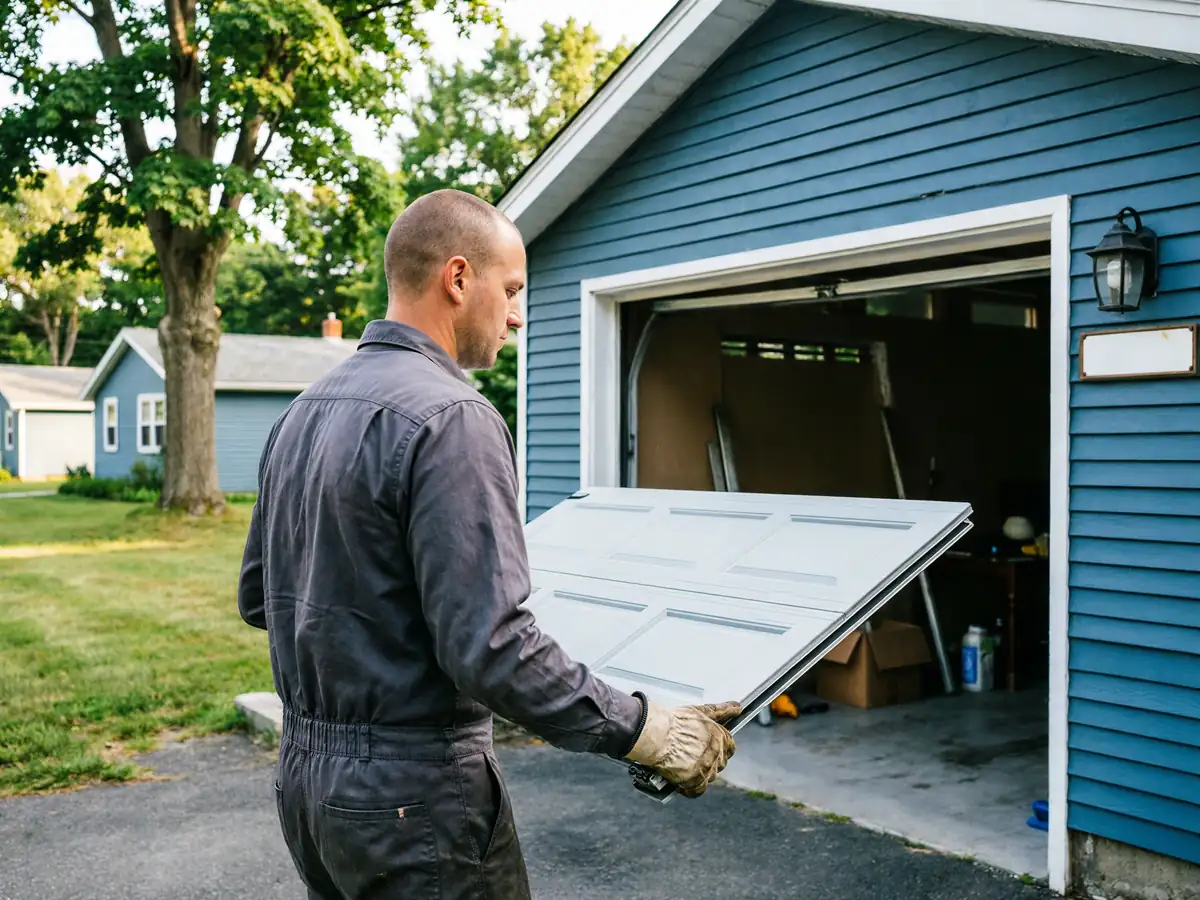
Most single-spring or opener repairs on a sectional door don't take the door out of commission any longer than it takes to do the work - we're not ordering specialty parts for a door built in 1966, those are common sizes. Where it runs longer is panel damage or a track that's bent badly enough to need replacement sections, since that's not always a same-visit part. We'll tell you straight when we're on site whether it's a today job or a parts-order job, rather than guessing over the phone before we've seen the track.
What You Pay
We don't have a Belmont-specific price list - costs here run in line with the rest of the area we cover, based on the part and labor, not the zip code. Median household income in Belmont runs close to $57,132, a touch above the $56,795 figure for the wider service area, but that's not something that changes a quote - we price the job the same whether the drive is four miles or fourteen. What does change the number is what's actually broken: a spring swap costs less than a bent track, and a bent track costs less than a full door.
What Can Go Wrong
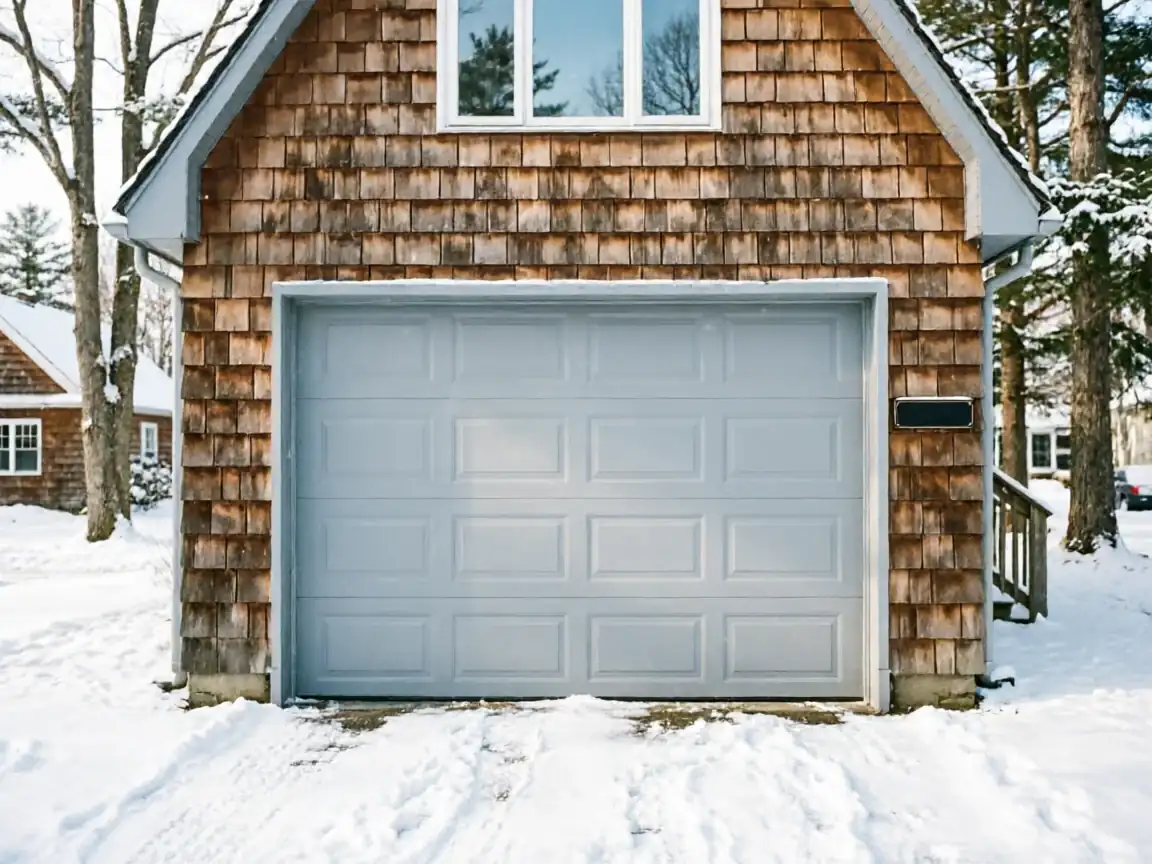
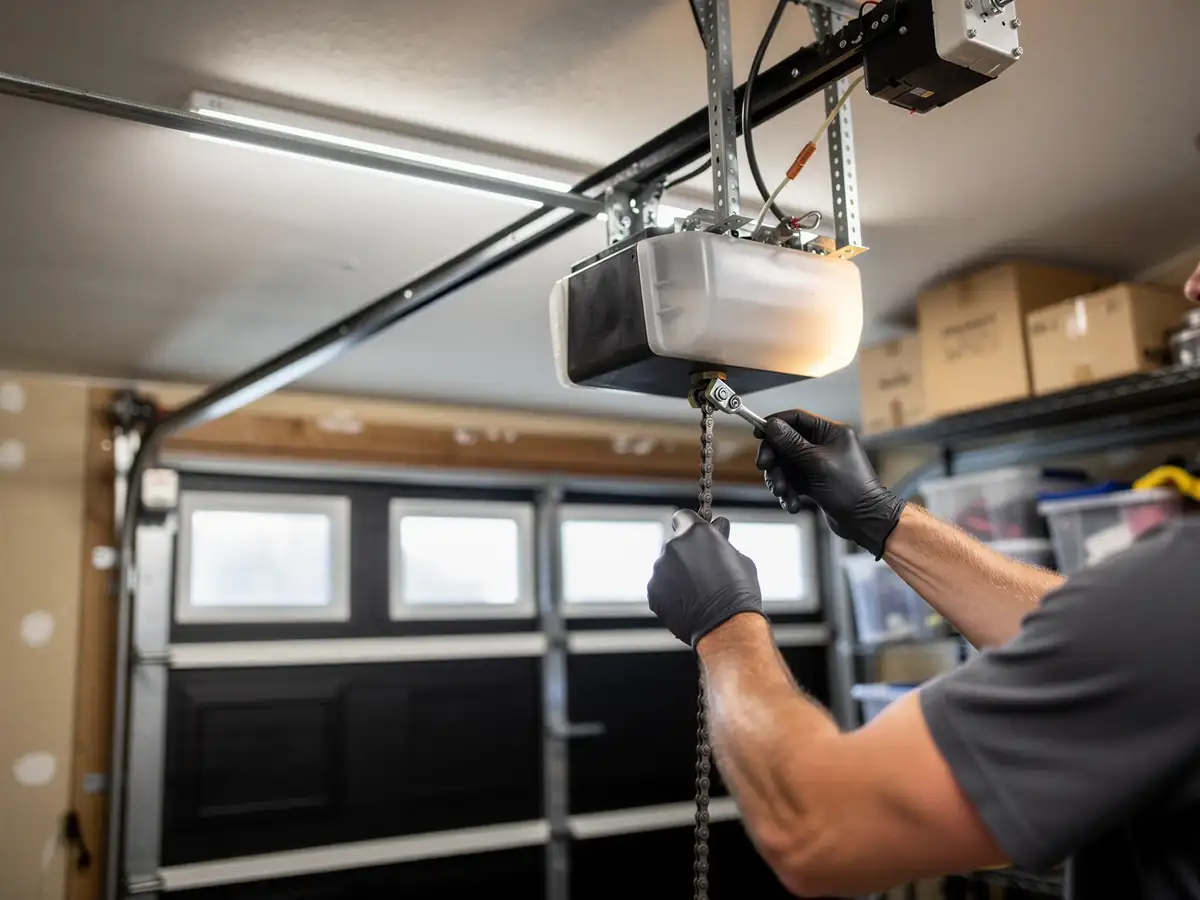
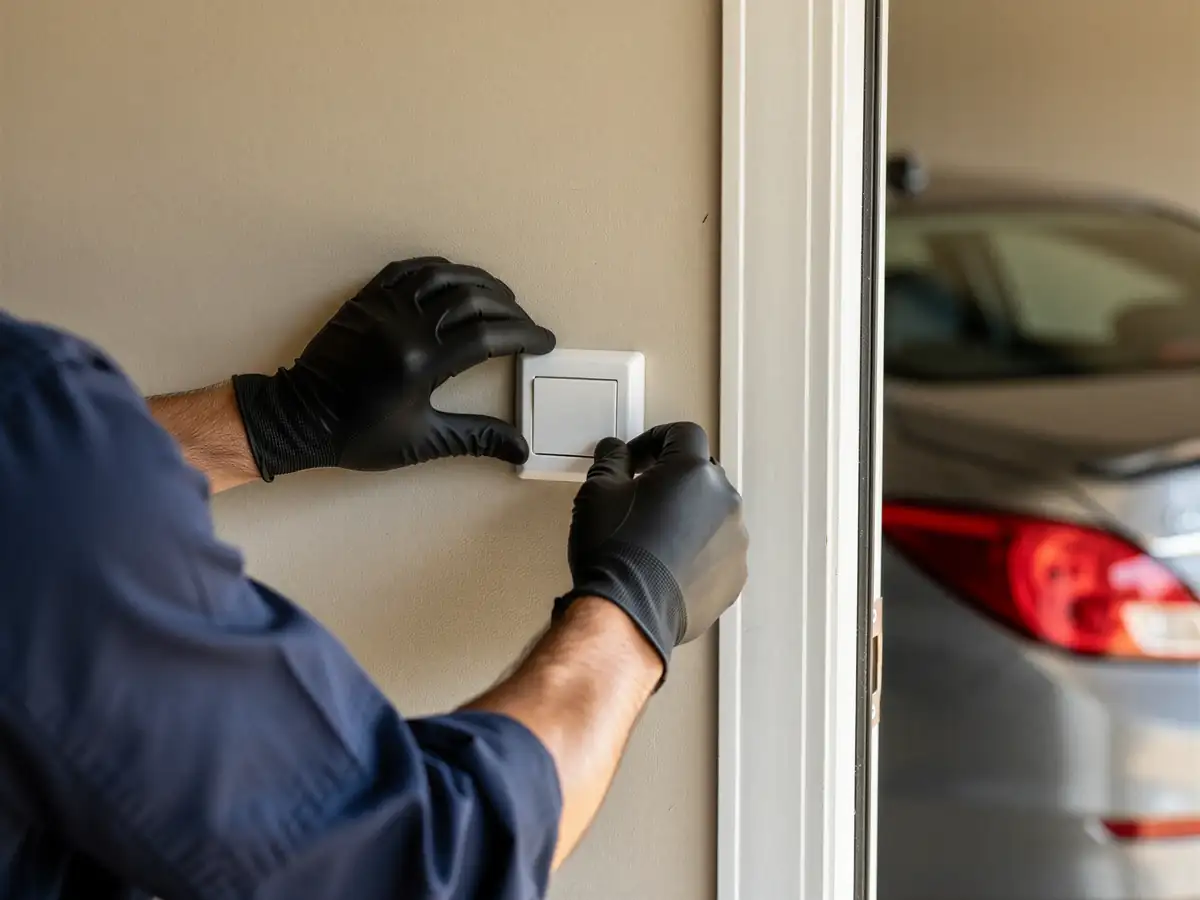
Winters here are the same severe cold the rest of the area deals with, and cold-stiffened steel springs and brittle plastic rollers don't care that Belmont's houses are a bit newer on average. What we do see more of in a town built mostly after 1960 is opener-side trouble rather than structural door trouble - sensor misalignment, worn drive gears, remote and keypad issues - simply because the doors themselves have more of their original lumber and track intact than houses going up decades earlier. Owner-occupied homes make up a large share of what we cover across the broader area, and an owner who's lived in the same house a long time tends to notice small changes before they become a stuck door. That's worth paying attention to: a door that's started groaning on the way up is cheaper to fix now than after a spring lets go entirely.