What the Repair Takes
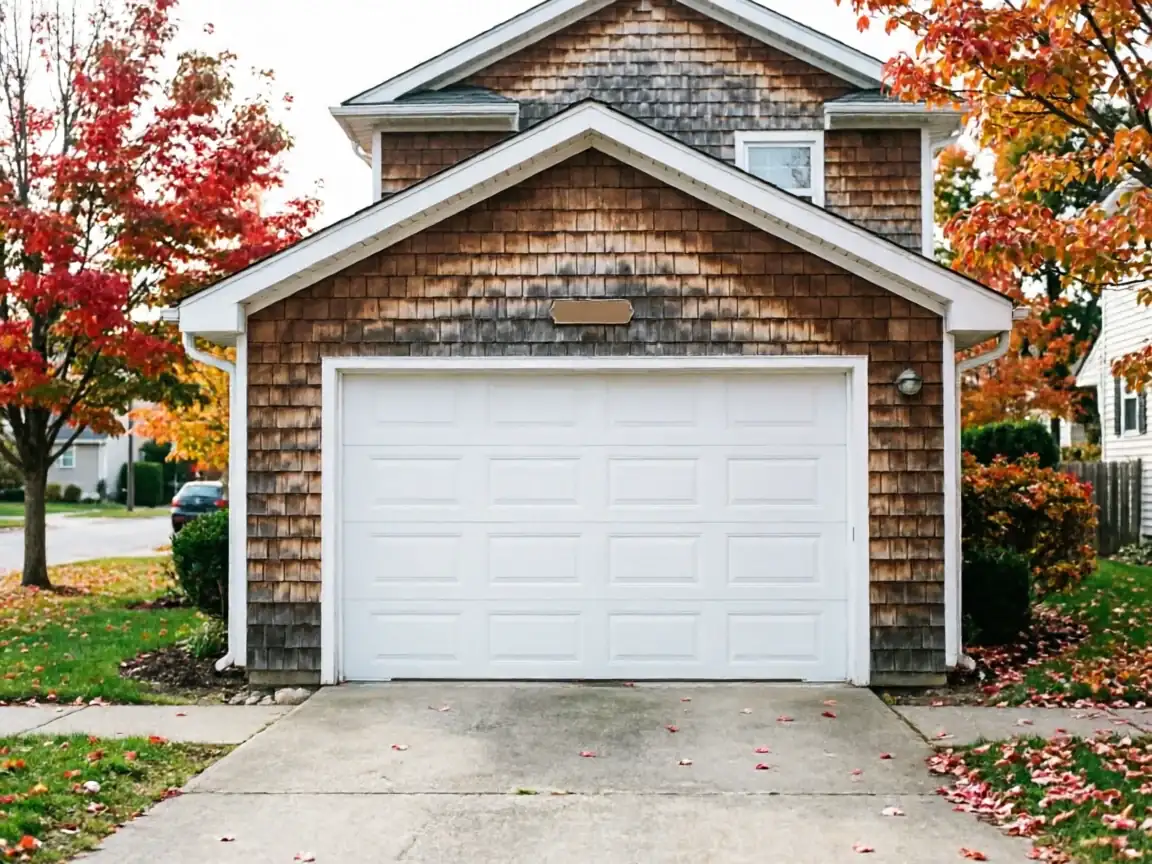
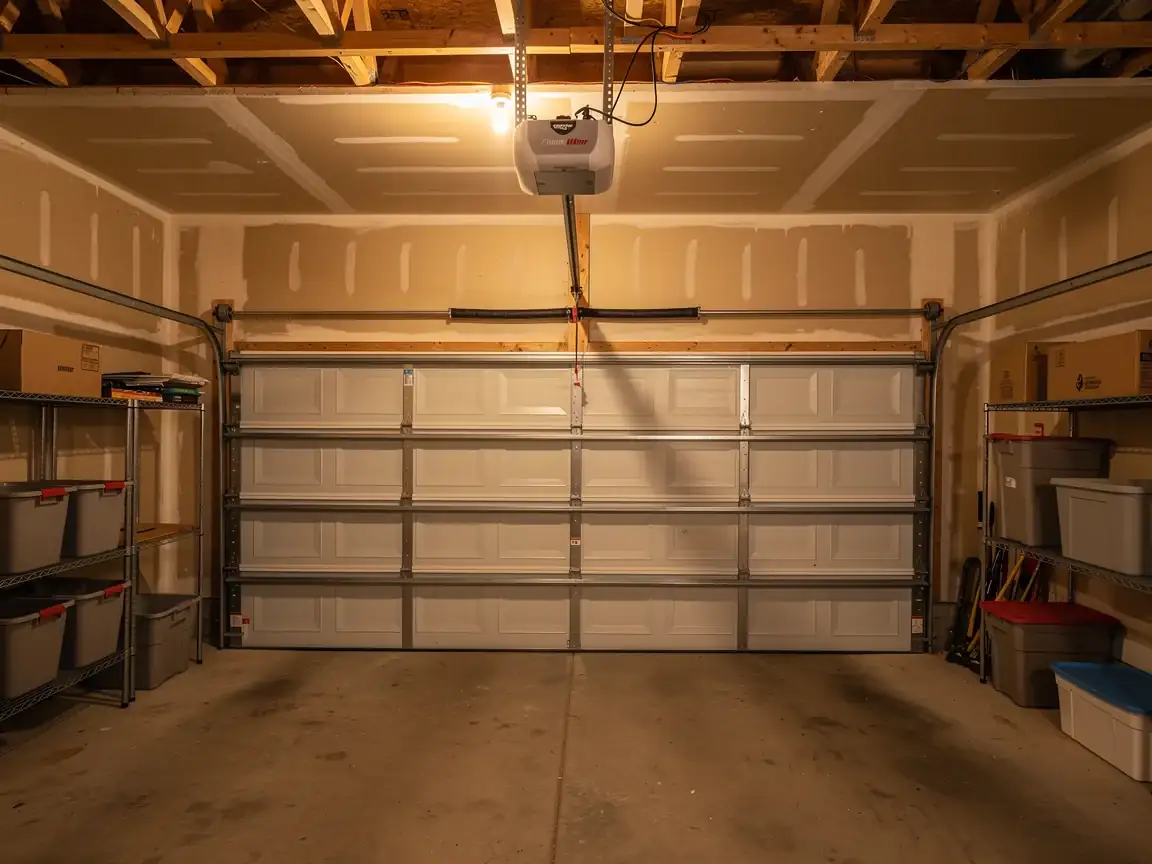
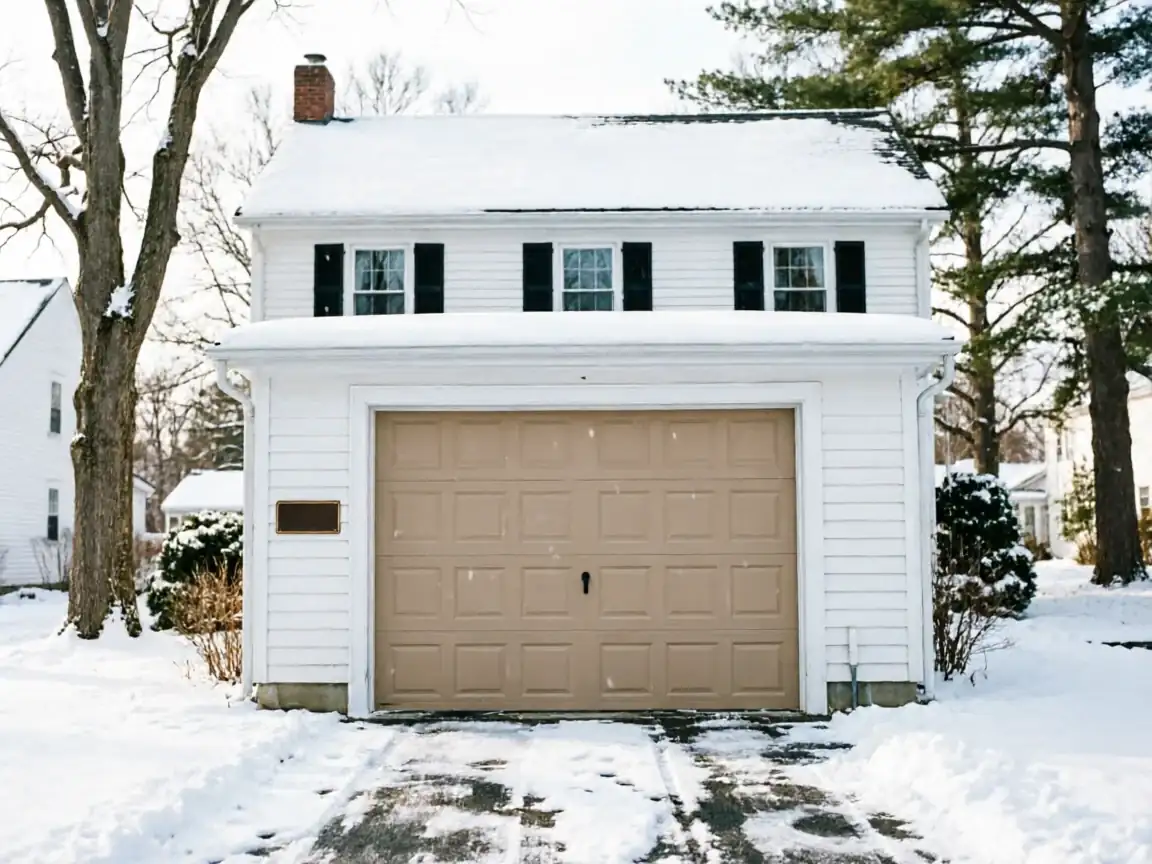
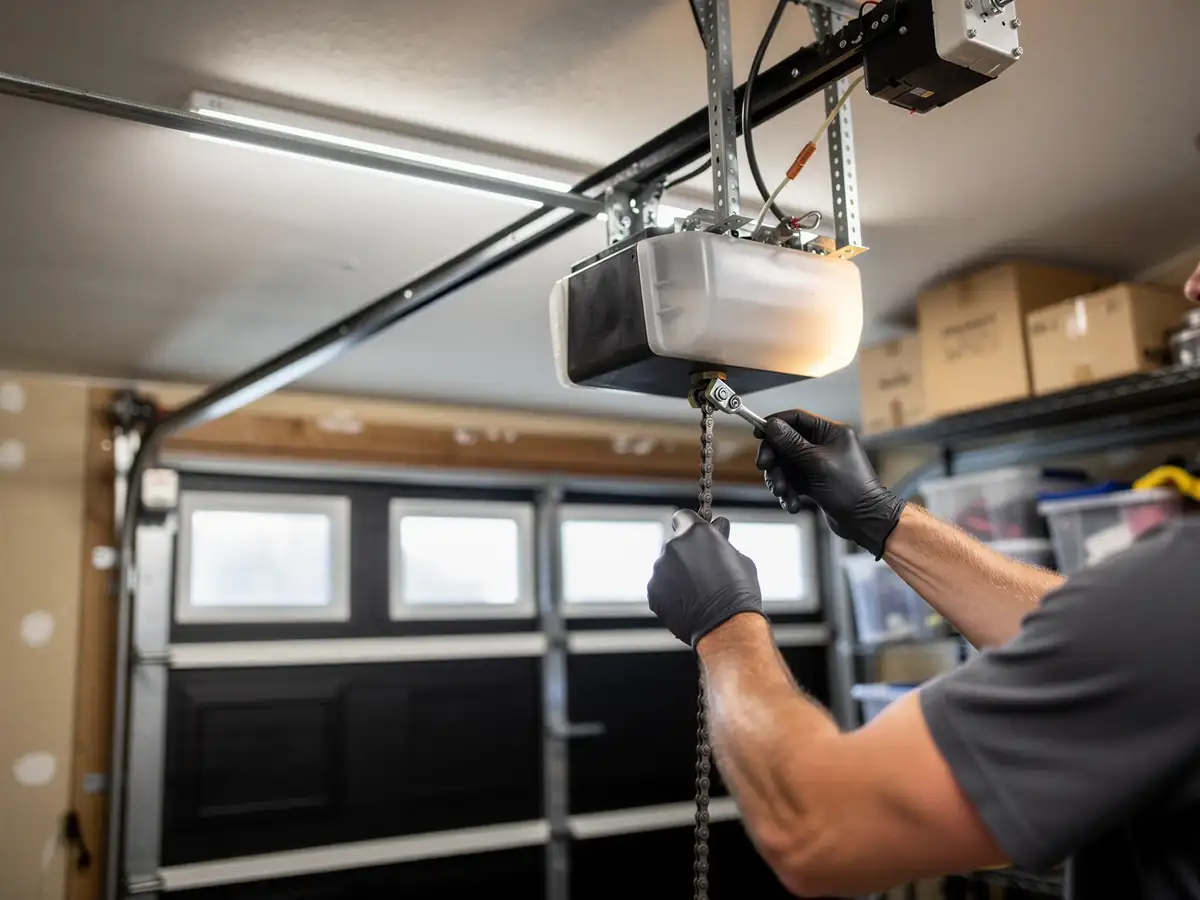
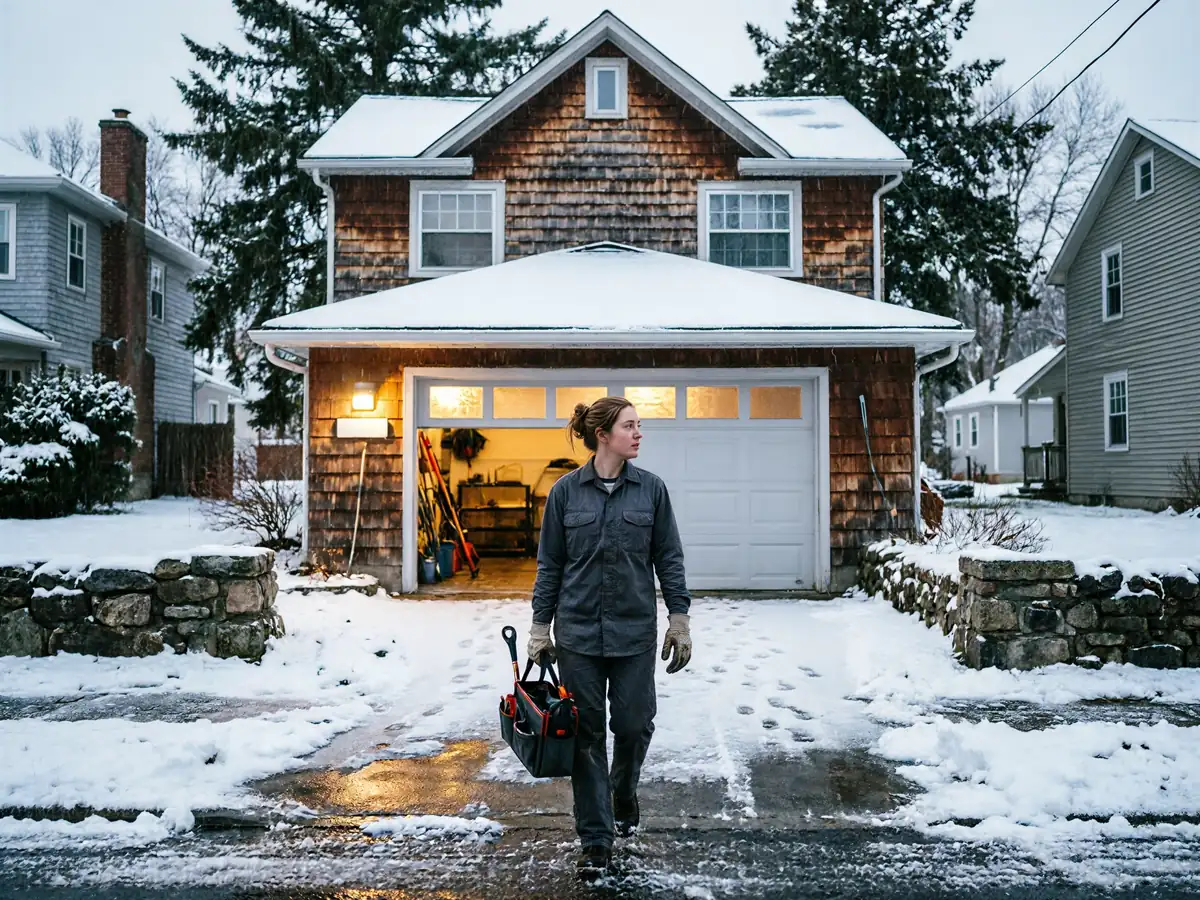
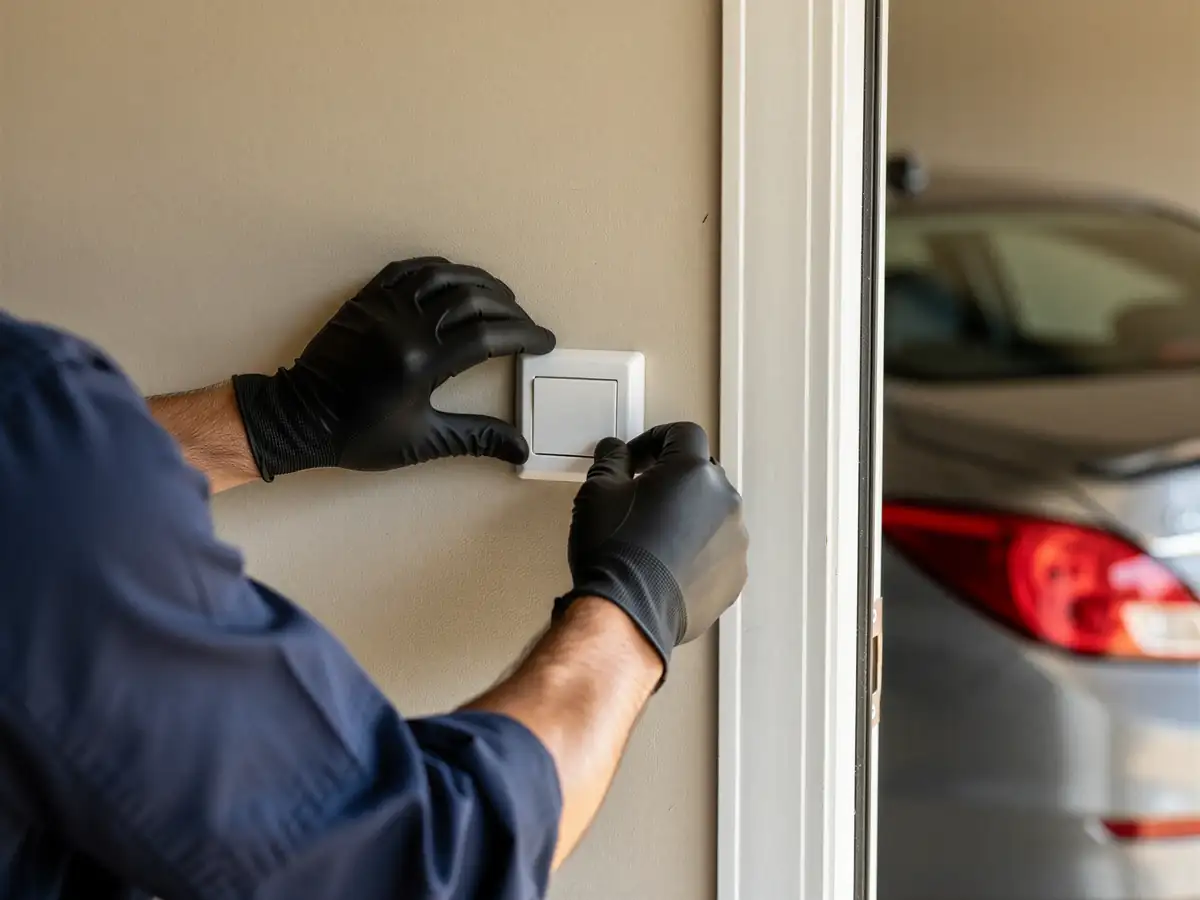
On a 1966 garage, the header above the door usually wasn't framed to carry a motor unit, because that wasn't the expectation when the house went up. We check that the framing can take the mounting bracket before anything else happens. Houses from this era in the Johnstown area, built mostly between 1938 and 1980, tend to have the header set for a manual lift, which means we're often adding blocking or a reinforced bracket point rather than just bolting to what's there. Wiring is the second piece - if there's no outlet within reach of the unit, we run one or flag it for an electrician, since we don't do house wiring ourselves. Once power and framing are sorted, the install itself - rail, motor head, sensors, wall control - runs the same regardless of the house's age. What takes the extra time in Belmont specifically is getting the old structure ready for a load it wasn't built to carry.
How Long You Are Without the Door
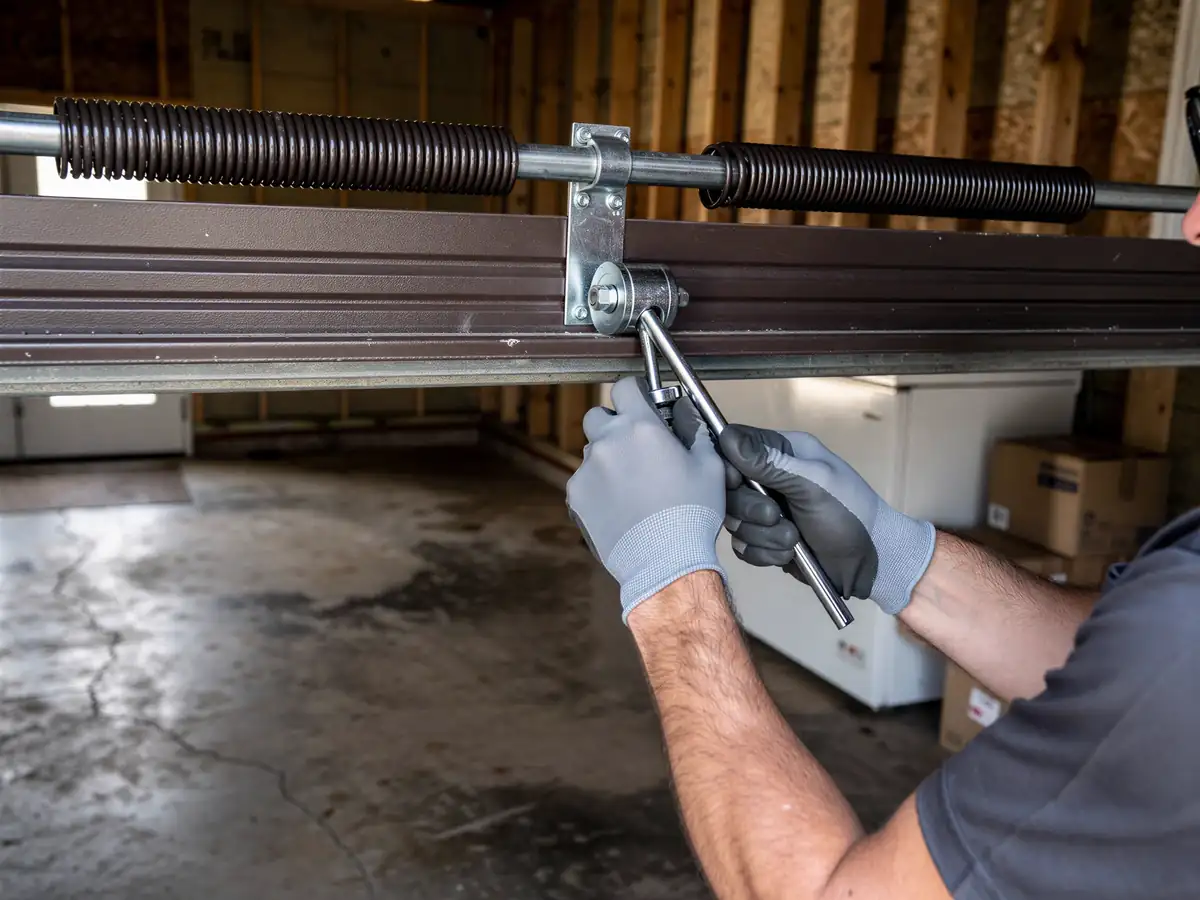
If your garage already has a usable circuit and sound framing, you're not without the door at all - we pull the old opener and hang the new one in one visit while the door itself stays usable by hand in between steps. Where Belmont differs from newer builds is that framing or wiring work can stretch a same-day job into two visits: one to assess and prep, a second to finish the install once an outlet is in place. We're honest about that upfront rather than promising a single-visit job we can't back up on a house we haven't inspected yet. The door panel and track aren't touched in an opener swap, so you're never stuck with the door stuck open or closed overnight because of us.
What You Pay
We don't have a posted price for opener installs in Belmont to quote here, and we're not going to make one up. What we can tell you is what drives the number: whether your garage needs new wiring, whether the header needs reinforcing before the bracket goes up, and which drive type you pick. Houses built around 1966, like most of Belmont's stock, more often need that extra framing or electrical step than houses built in the last twenty years, and that step is priced separately from the opener itself. Ask for both numbers when you call - the install cost and the prep cost, if any - so you're not guessing at a total.
What Can Go Wrong
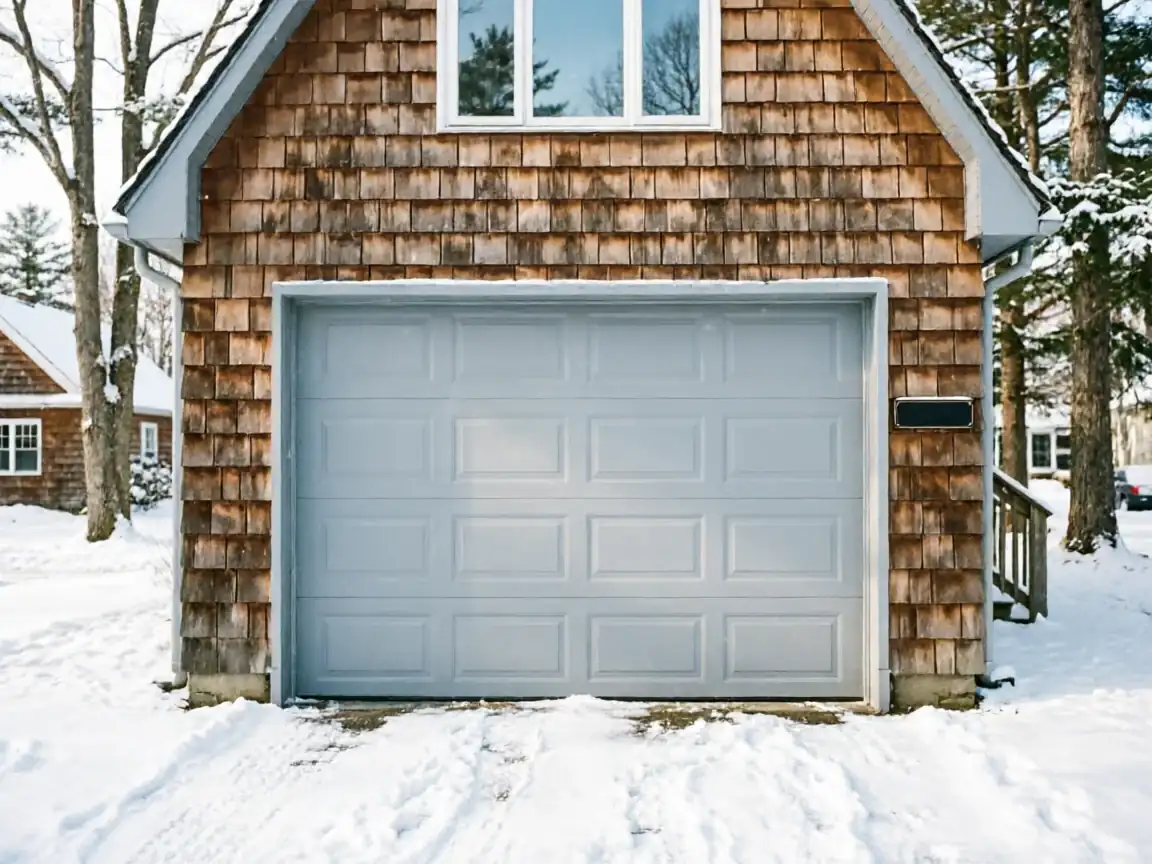
The most common failure we see on Belmont's older garages isn't the opener itself - it's the mounting point. A header that was fine holding a manual door for decades can flex or crack when a motor's pull is added without reinforcement, and that shows up months later as a door that won't fully close or an opener that strains on every cycle. Cold makes it worse: a motor working against a stiff, cold track pulls harder on a weak bracket than the same motor would in summer. The other thing that goes wrong is wiring added as an afterthought - an extension cord run to the garage instead of a proper circuit, which trips breakers or just fails outright in winter. Neither of these is rare on a house from this era, and neither is something we paper over. If the framing needs work, we say so before we hang anything. For more on how this fits with door replacement in general, see our Johnstown opener installation page.