Johnstown homes mostly date 1938-1980. Here's how that housing stock and the cold climate decide whether your garage door is worth repairing or replacing.
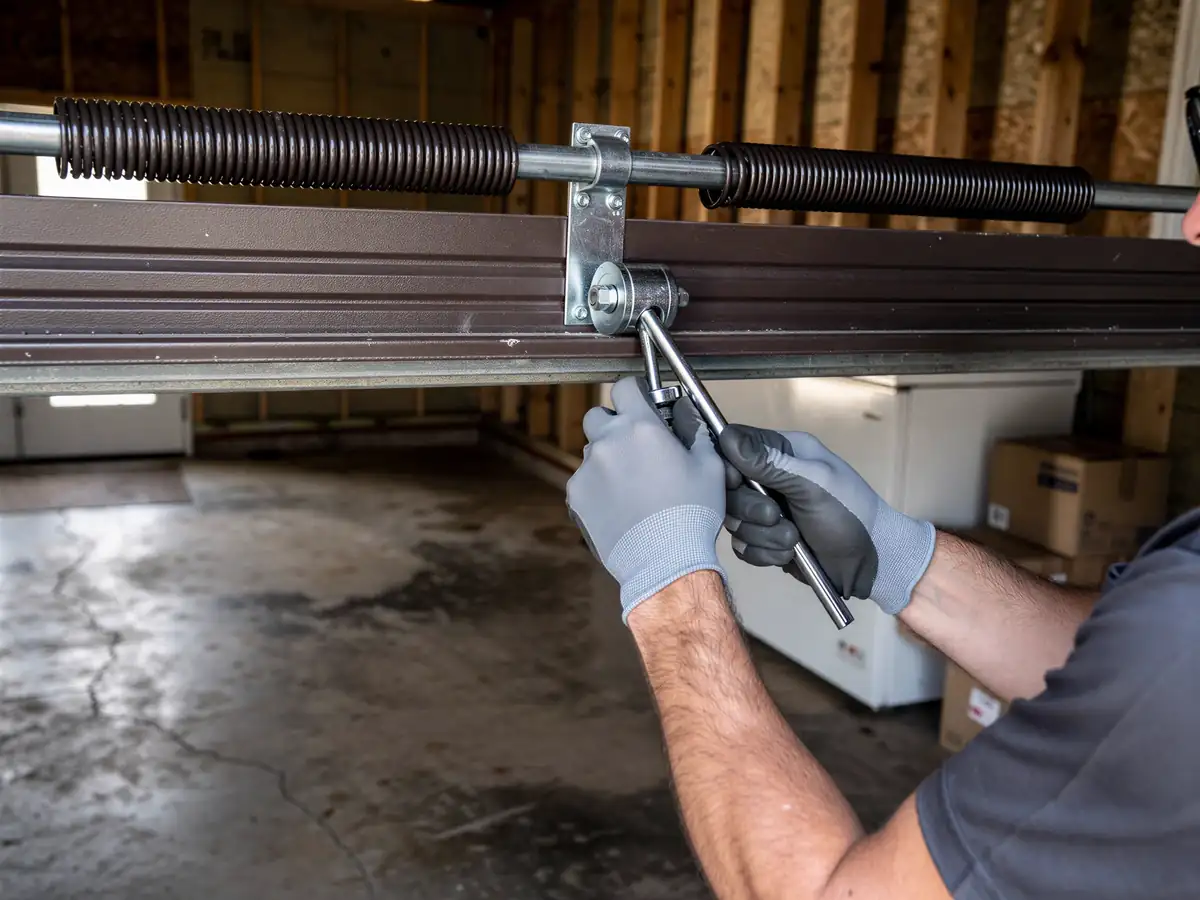
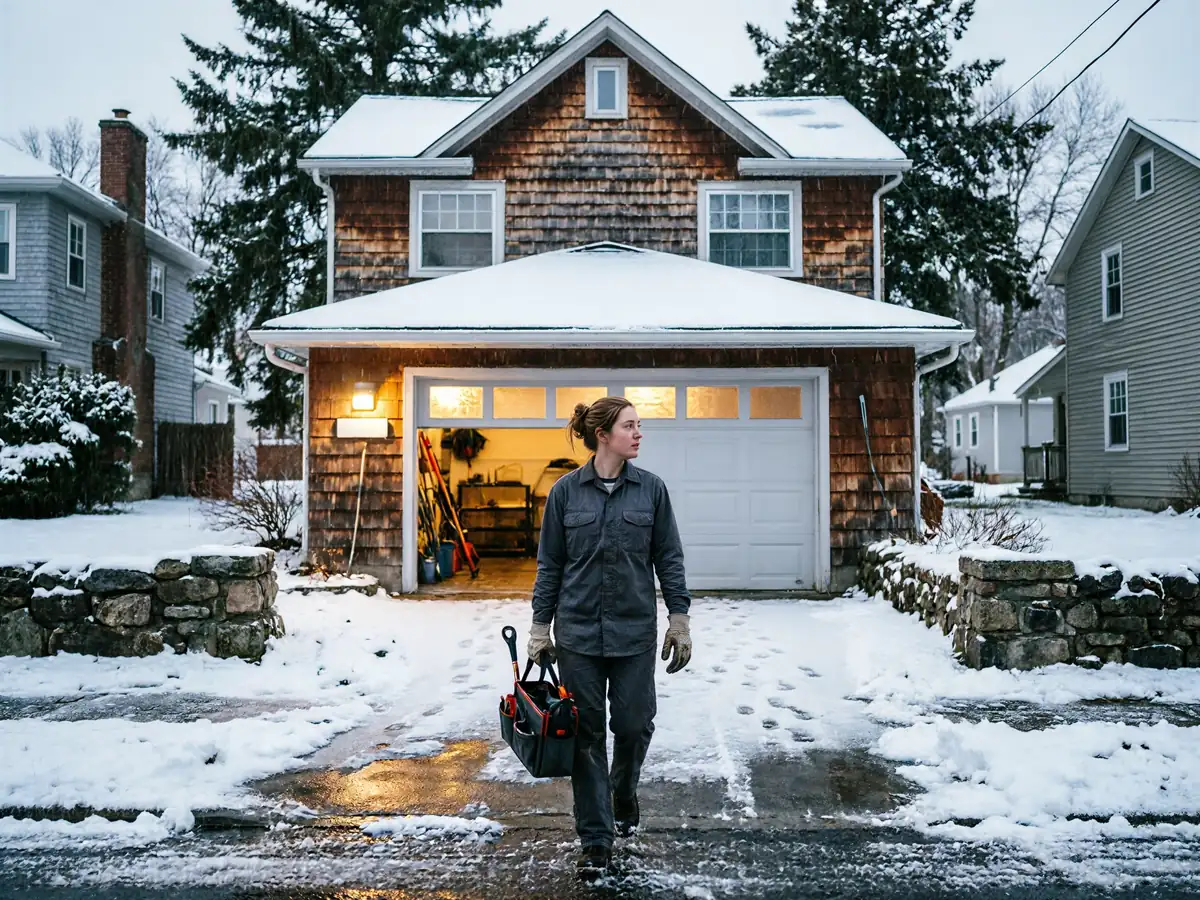
Johnstown sits in a severe cold climate band, and that matters more to a garage door than most owners think. Steel panels contract hard in winter, and on a door that's already decades old, that contraction finds every weak seam in the weld and every bit of play in the hinge. Torsion springs lose tension faster when they're cycling through freeze-thaw swings year after year, and nylon rollers that were fine in a mild climate crack and chip here. If your door is sticking only in January, that's not a coincidence - that's the cold finding the door's weakest point. A door built for this area should have the spring sized for winter load, not just the summer weight of the panels. When we look at an older door in this area, the first question isn't how it looks, it's how the hardware has held up through a few dozen freeze cycles, because that tells you more than the paint does.
The Problem
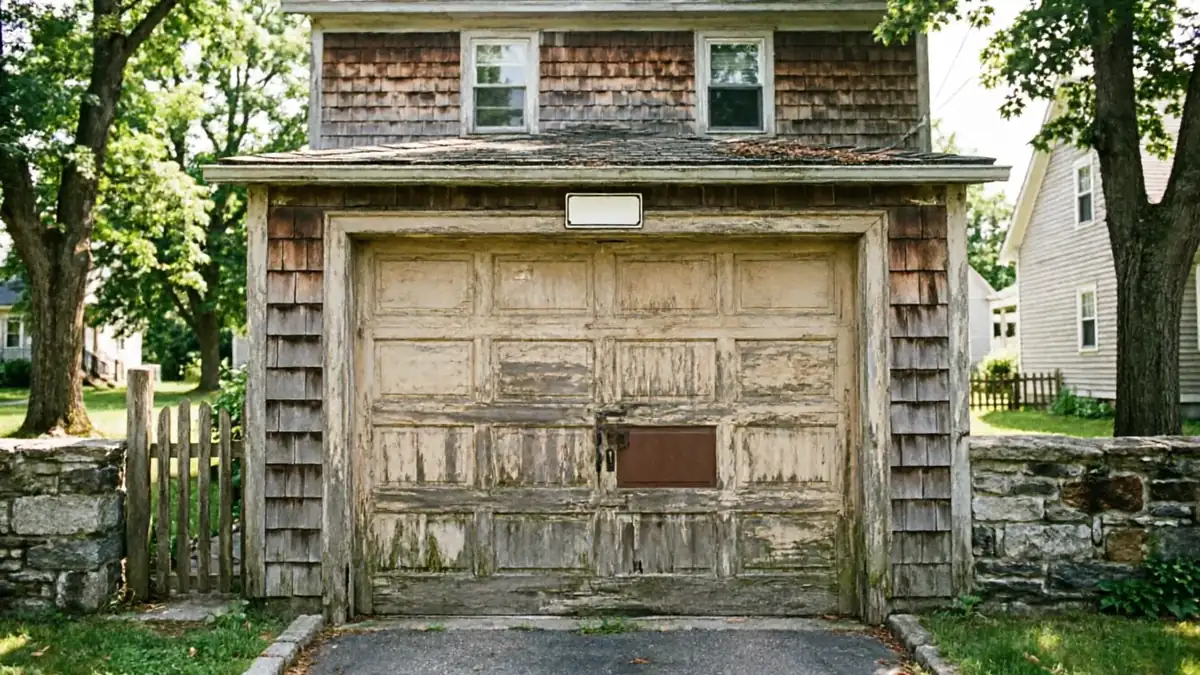
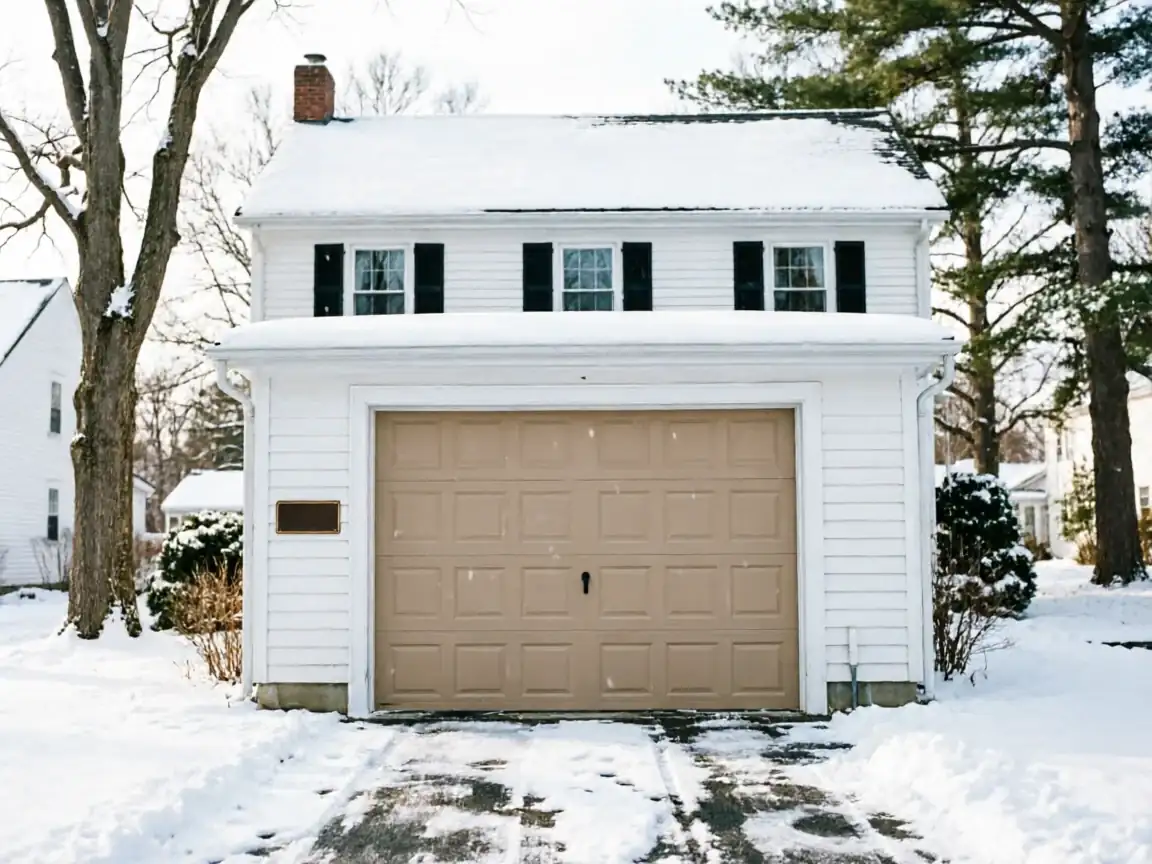
Most of the housing stock around Johnstown and the surrounding named areas - Brownstown, Westmont, Franklin, Elim, Ferndale, and the rest - went up between 1938 and 1980, with the median build year around 1952. That means a large share of garage doors in this area are either original or are a direct one-for-one replacement of an original, on hardware that predates anything made today. Pre-1960 construction across these 34 named areas tends to mean narrower door openings, single-car bays more often than double, and track mounted directly to framing that's shifted a little over seventy-plus years. A door that's 30 or 40 years old in a house built in 1952 isn't an outlier here - it's the norm. That changes what 'worth fixing' means, because the opener, the track spacing, and the header clearance were all built around a door style that newer stock doors don't always match without adjustment.
What You Pay
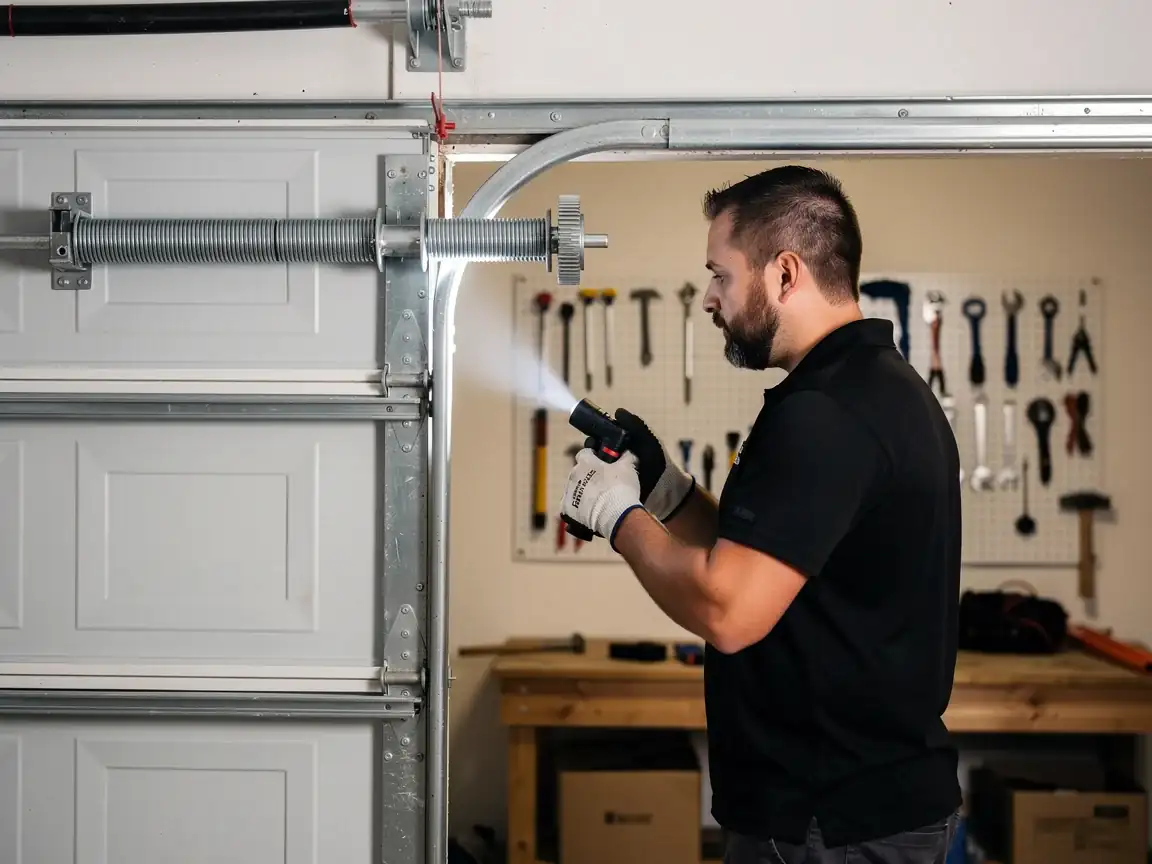
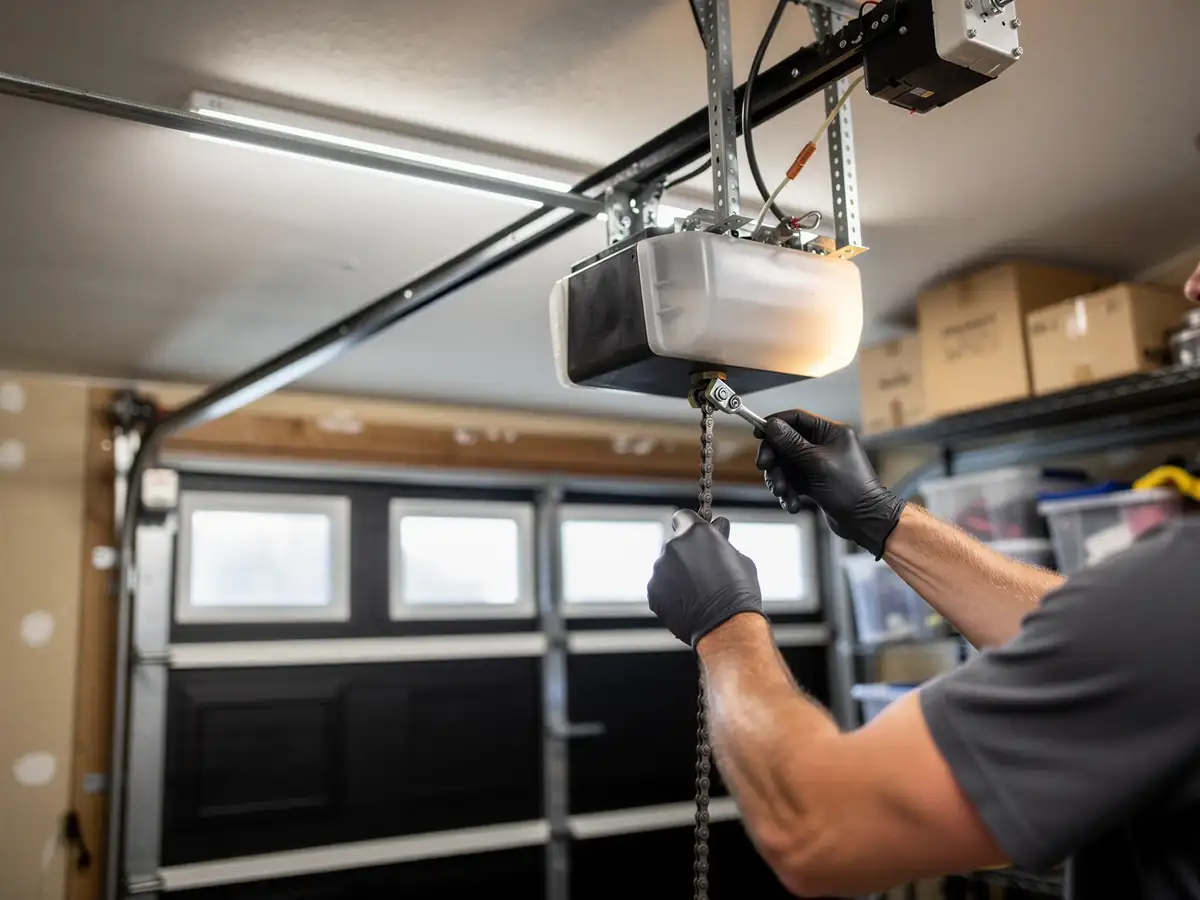
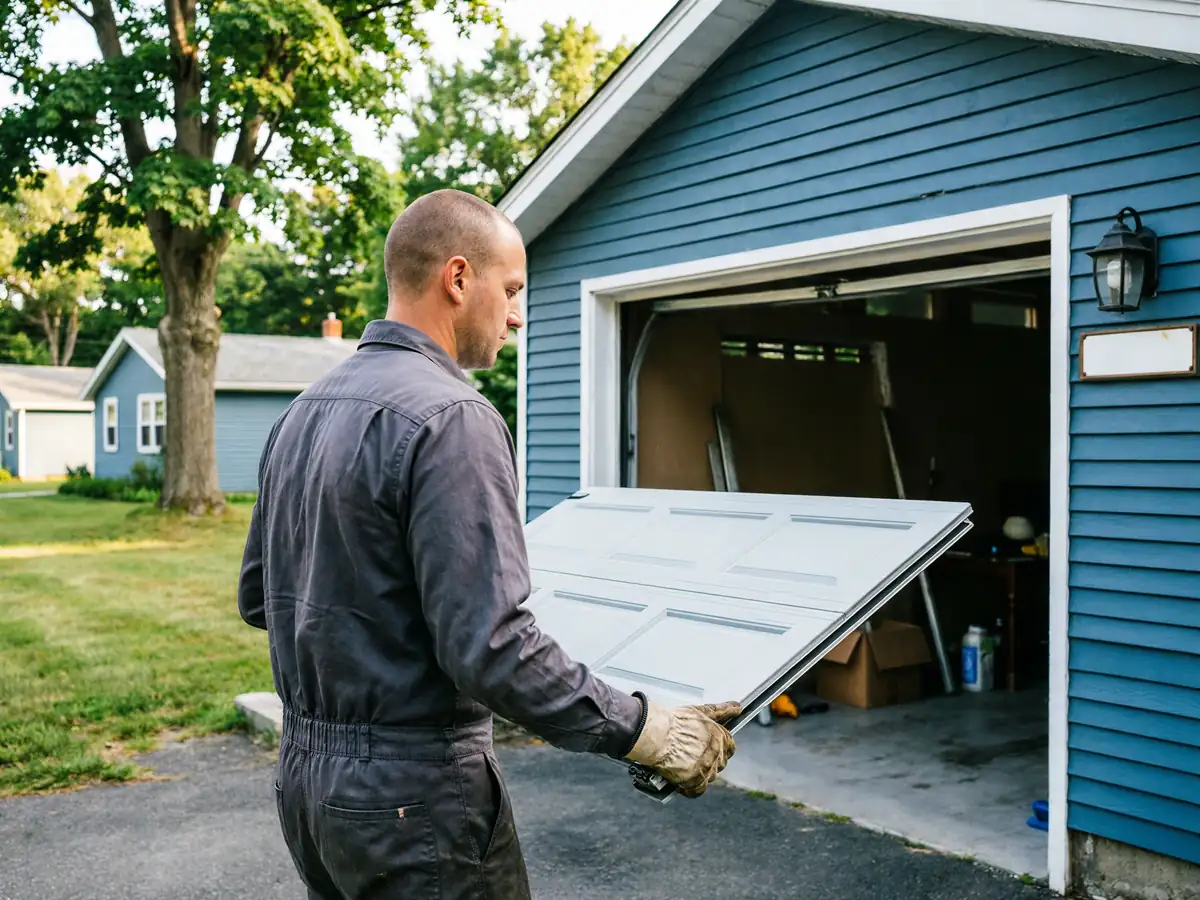
We don't have a flat number to hand you here, because what a repair costs depends on what's actually wrong and what parts the door needs - and on a door this old, that's often not a stock part. What we can tell you is how to think about it. A single broken spring, a bent roller, a cable that's frayed but not snapped - those are usually worth fixing regardless of the door's age, because the panels and frame are still doing their job. Where it stops being worth fixing is when the track has rusted through, the panels have delaminated from decades of moisture, or the opener is pulling against hardware that's bent out of square. At that point you're paying to patch something that's going to fail again in a year, and a full door swap starts making more financial sense than another round of parts.
What to Look At First
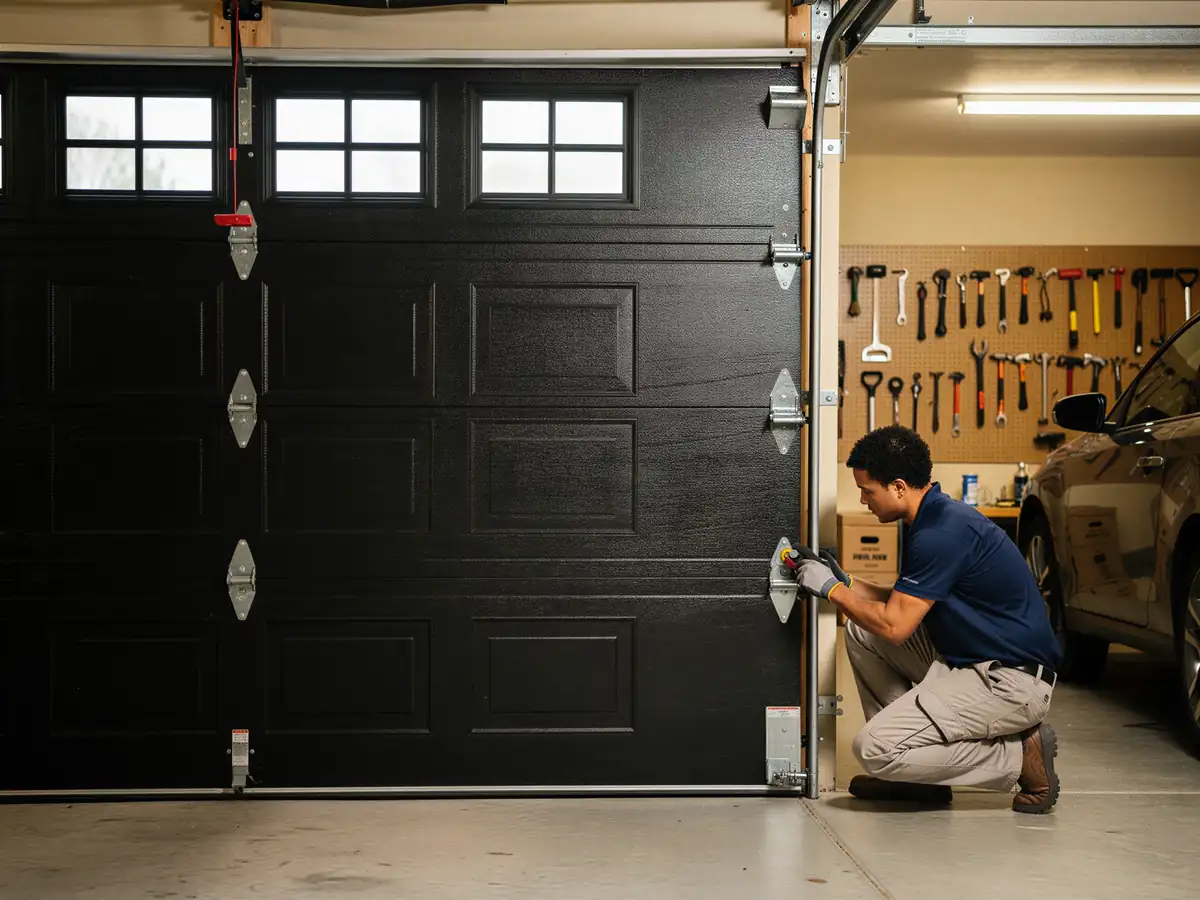
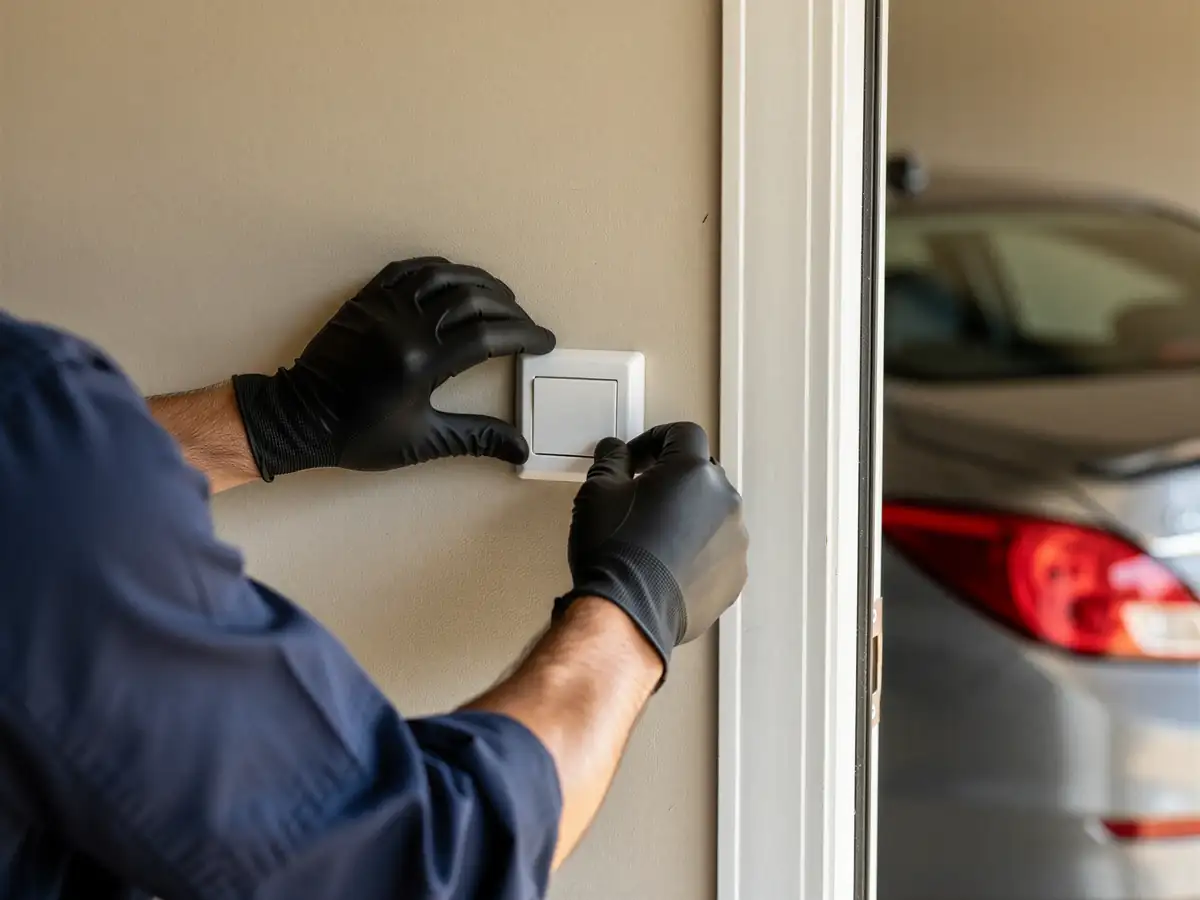
Before you call anyone, open and close the door by hand with the opener disconnected. If it moves smoothly and stays where you put it at any point, the springs are roughly balanced and the hardware is doing its job - the opener may be the only issue. If it's heavy, jerky, or drops on its own, that's spring or cable, and given the age of housing stock in this area, it's likely original or close to it. Look at the bottom panel for rust-through, especially near the corners where runoff collects - that's common on doors from the 1950s and 60s era that never got a vinyl weather seal retrofit. Check the track bolts where they meet the framing; on a house built mid-century, that framing has settled enough that track alignment drifts, and that alone can explain a door that binds only in the cold.
How it works
From “it’s stuck” to “it’s fixed”
1
Tell us what’s wrong
Describe the symptom - won’t open, loud bang, opener runs but the door won’t move.
2
On-site diagnosis
A technician tests the door under power and by hand and finds what actually failed.
3
Clear, up-front plan
You get the fix that’s needed and what drives the cost - before any work starts.
4
Repaired & tested
The repair is done, the door is set true and tested, and the work area left clean.
Next step
Not sure which repair your door needs in Johnstown, PA? Describe what it’s doing - every job starts with a diagnosis.
Often yes, if the issue is a spring, cable, or roller and the panels and frame are solid. A lot of the housing stock here dates to that era, and the frames have generally held up. The panels and track condition matter more than the door's age on paper - rust-through or warped track is where repair stops making sense.
Why does my garage door only act up in winter?
Johnstown sits in a severe cold climate band, and cold-weather contraction in steel panels and hardware is a common cause of doors that bind or stick only when temperatures drop. Springs also lose tension faster cycling through repeated freezes, which shows up as a door that feels heavier in January than in July.
Does my garage door need to match the original opening size?
On houses built in this area's typical 1938-1980 range, openings were often sized narrower than modern stock doors. If you're replacing rather than repairing, that's worth checking before you order, since some newer doors need the framing adjusted to fit.
Ready to get your garage door sorted?
Tell us what it’s doing and where you are in Johnstown - we’ll take it from there.