Why It Happens Here
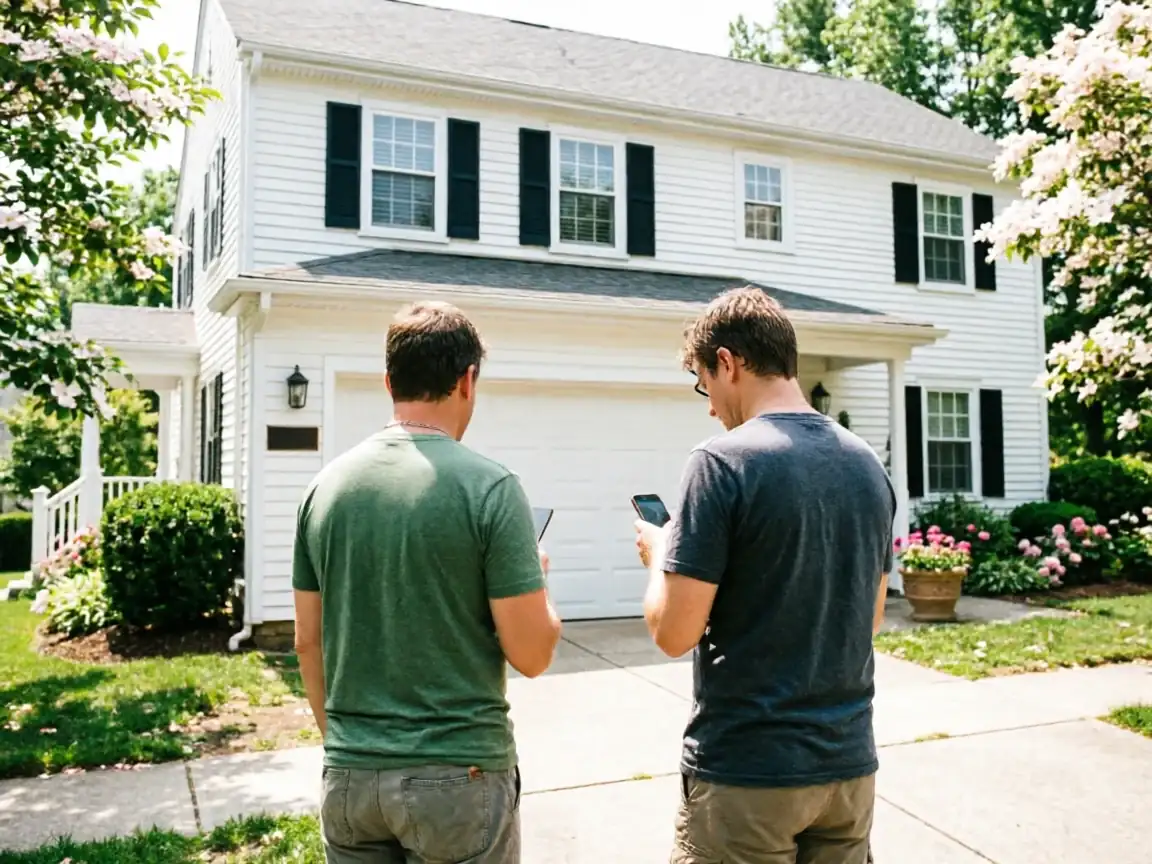
Most of the housing stock across this service area went up between 1938 and 1980
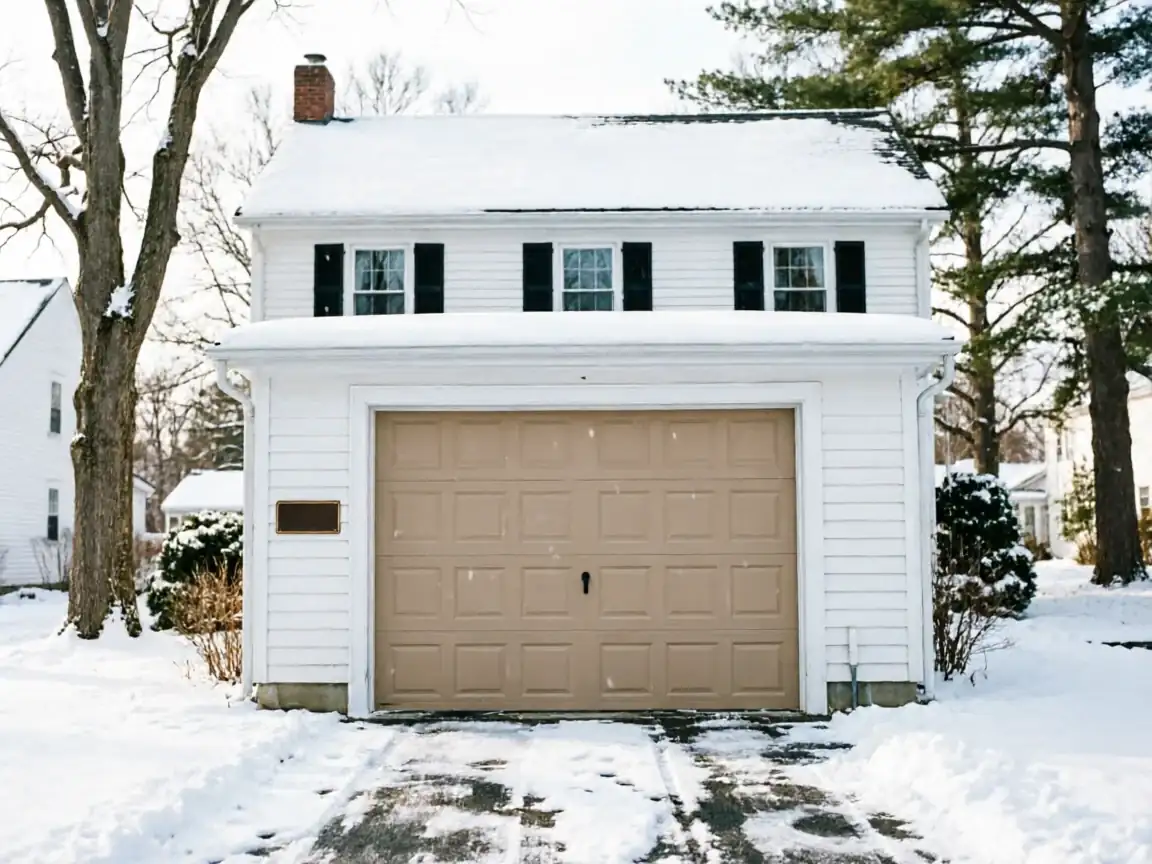
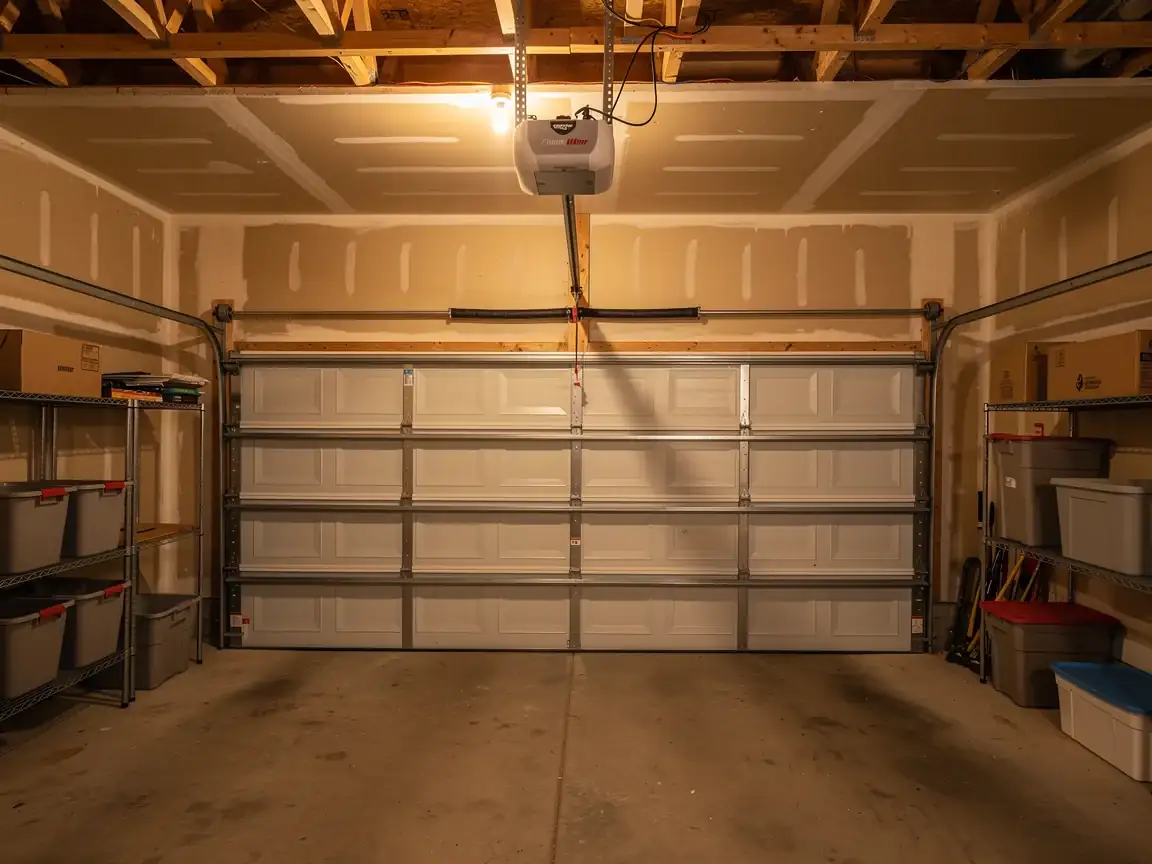
With a median build year of 1952. That means a lot of garage doors still on the house are the original steel sectional units or early replacements from decades back - panels made before manufacturers standardized sizing the way they do now. Johnstown sits in a severe cold climate band, and that matters more for panels than people think. Steel contracts hard in sub-freezing temperatures, and a panel that's already thin from rust takes the brunt of it. Add in decades of freeze-thaw cycling on a door that was never insulated to begin with, and you get bowing, bottom-panel rust-through at the weather seal line, and seams that pull apart at the hinge stiles.
This isn't a problem unique to one street or one subdivision
Across the 34 named communities in this service area, the pattern repeats because the housing ages the same way. A door built or installed in the 1950s or 60s wasn't engineered for the insulation standards or steel gauges used today, so when one panel fails, it's usually not an isolated event - it's the oldest weak point on a door that's been taking the same seasonal abuse for 60-plus years.
How It Shows Up
The most common complaint we hear is a bottom panel that's gone soft or crumbly along the edge where it meets the weather strip. Rust works from the inside of the steel skin outward in a lot of these older doors, so by the time you see a hole or a flaking seam on the outside, the panel has been weakening for a while. On doors with no insulation - common in this housing era - you'll also see panels that bow inward or outward when the temperature swings hard, which throws off how the rollers sit in the track.
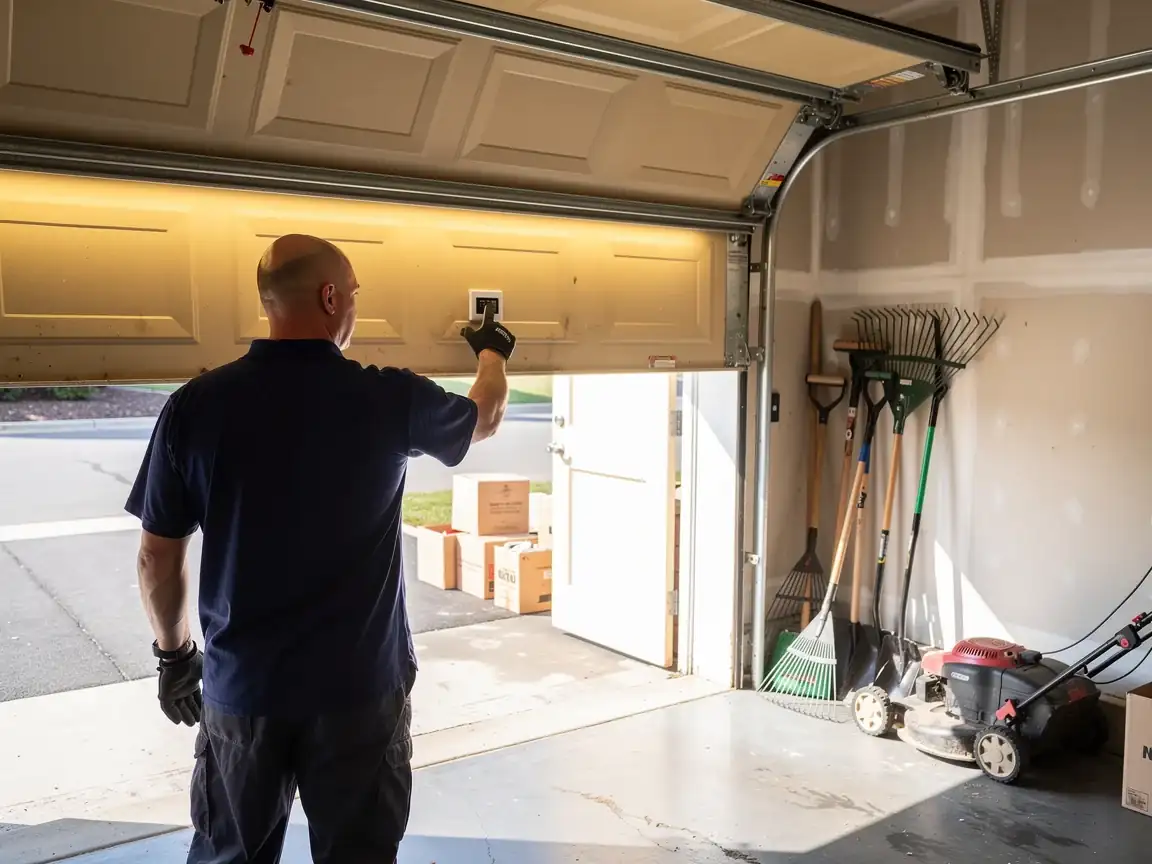
Dented panels are the other half of the job. A lot of these doors use the original roll-formed steel sections, and on older hardware a single hard impact - a bumper tap, a dropped ladder, wind-driven debris - can crease a panel in a way that newer, heavier-gauge steel resists better. Once a panel is creased, it usually doesn't flex back, and it starts rubbing against the track or the panel above it every time the door cycles. On a door this old, matching panel sizing and the hinge hole pattern is the part that takes the most care, since specs varied more between manufacturers decades ago than they do now.
What Can Go Wrong
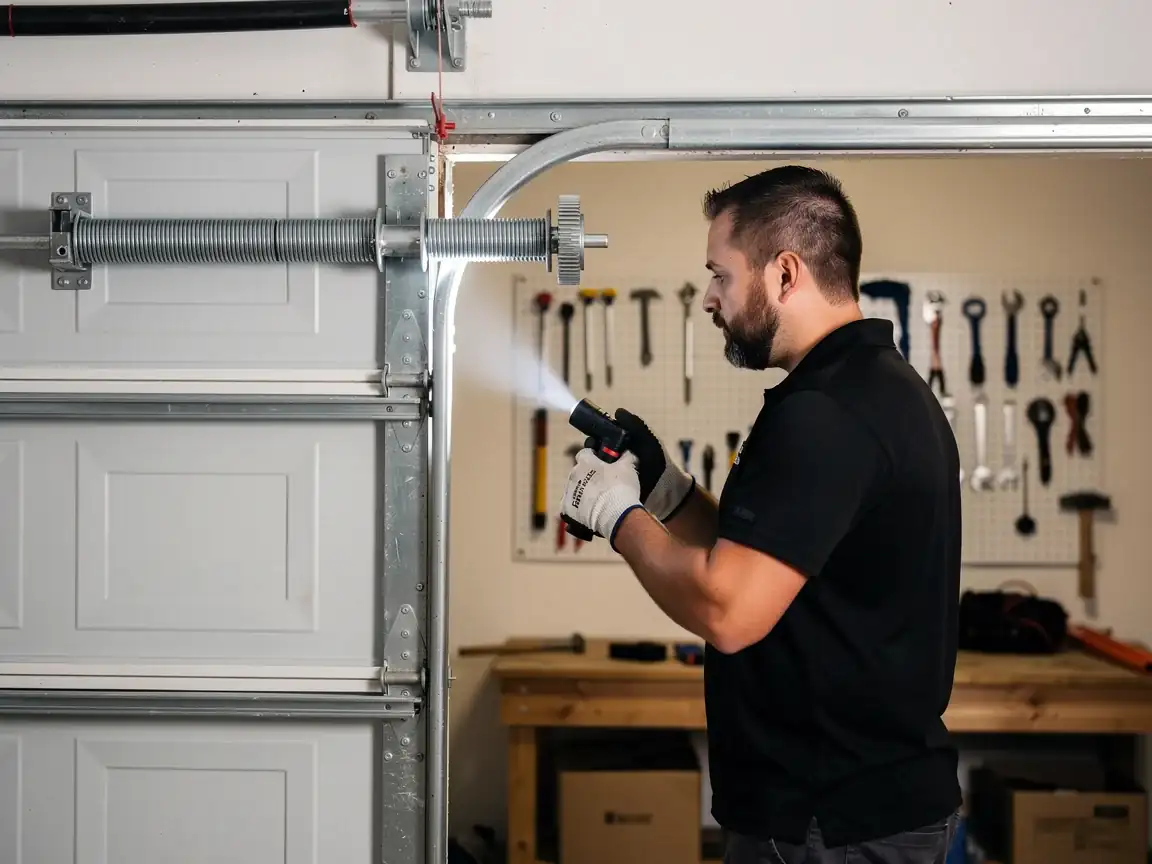
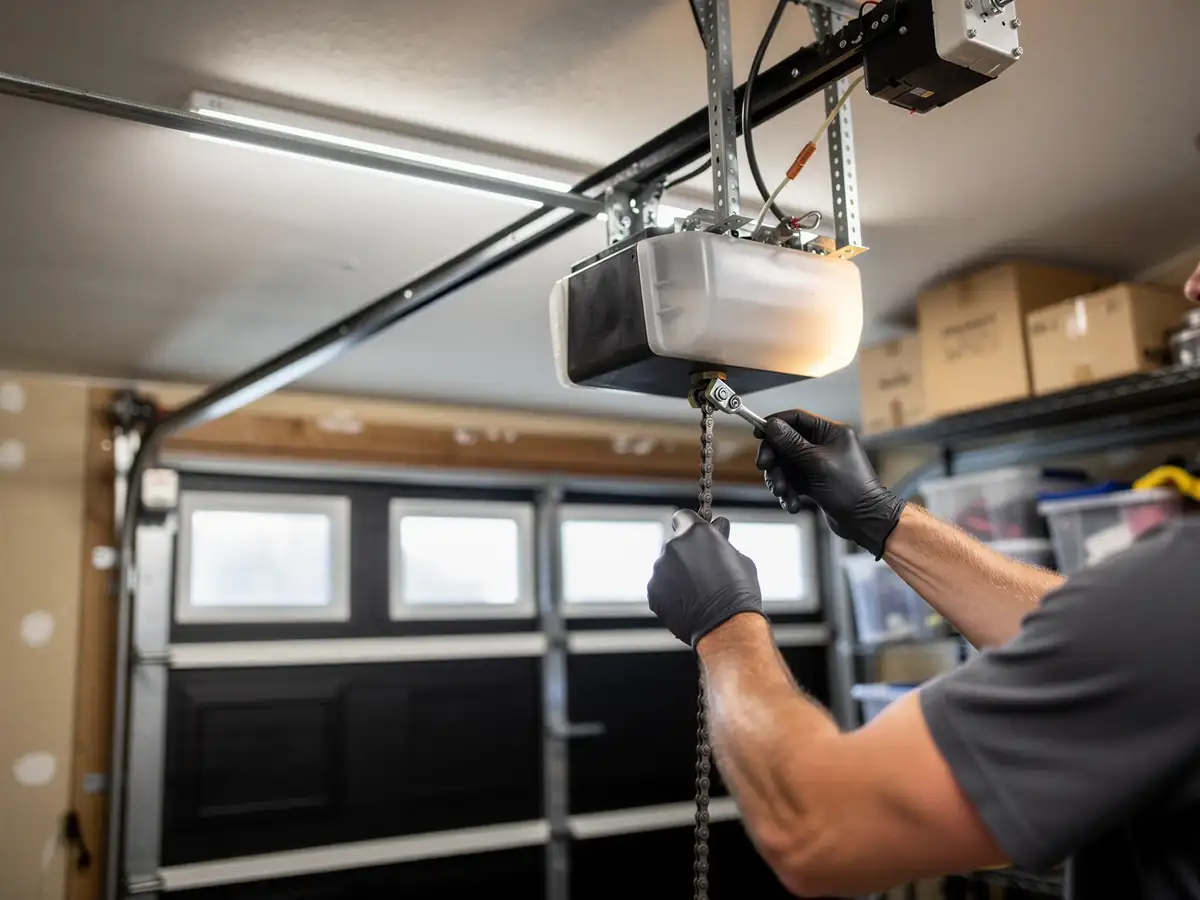
Putting off a single bad panel usually doesn't stay a single-panel problem for long. A bowed or rusted-through panel changes how the whole door tracks, and that uneven load transfers stress to the rollers, the hinges next to it, and eventually the opener if you've got one lifting against resistance it wasn't built for. On an older door with 60-plus years of wear already on the springs and cables, that extra strain can be what pushes a marginal spring to the point of snapping.
There's also a sizing risk specific to this housing stock. Doors from the 1950s through 70s weren't built to one universal spec, so a replacement panel that's close but not exact can leave gaps at the seams - gaps that let cold air in during a severe winter and let moisture sit against bare steel edges, starting the rust cycle over again somewhere new. We've seen owners buy a generic panel online that doesn't match the hinge spacing or curvature of their original door, and it ends up costing more in labor to make it fit than a correctly matched panel would have cost up front.
Can You Do This Yourself
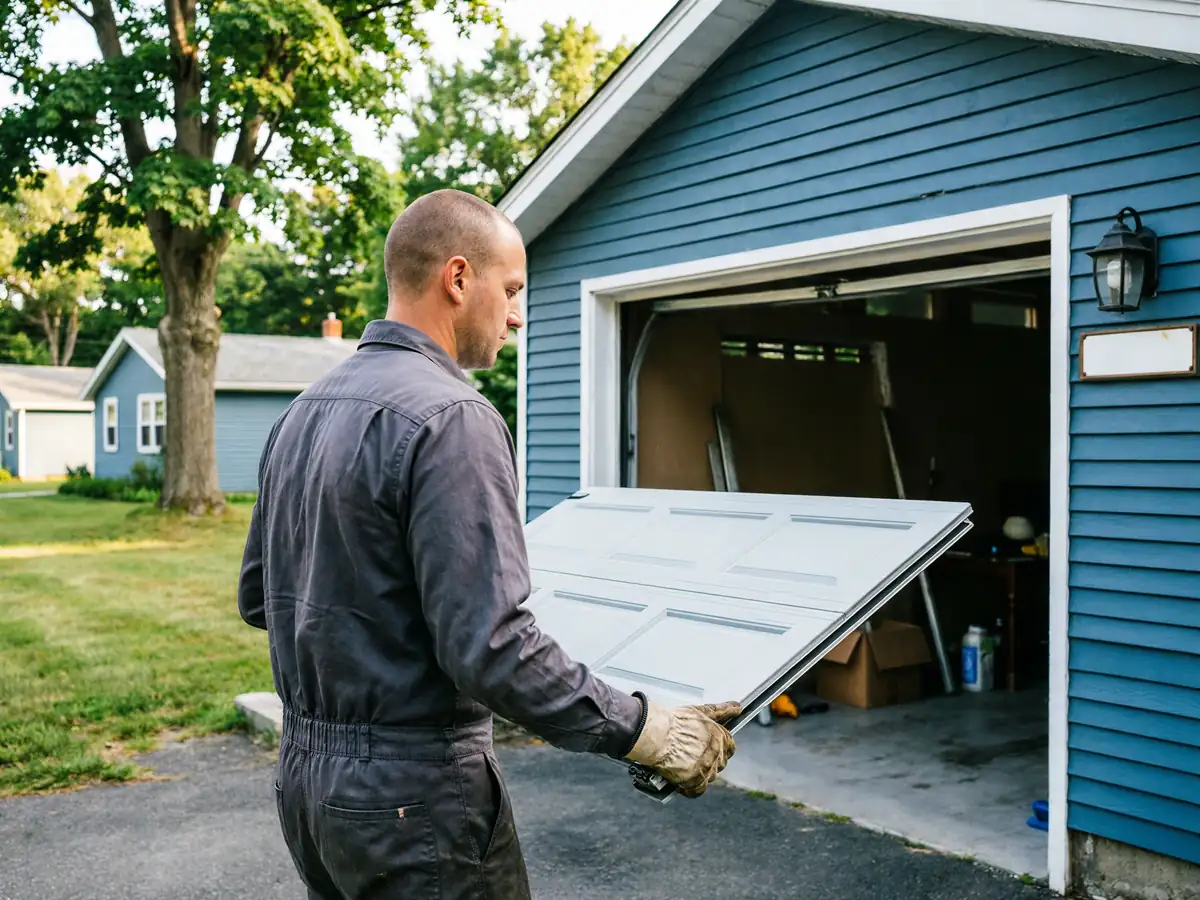
Swapping a single garage door panel is more involved than it looks from the outside
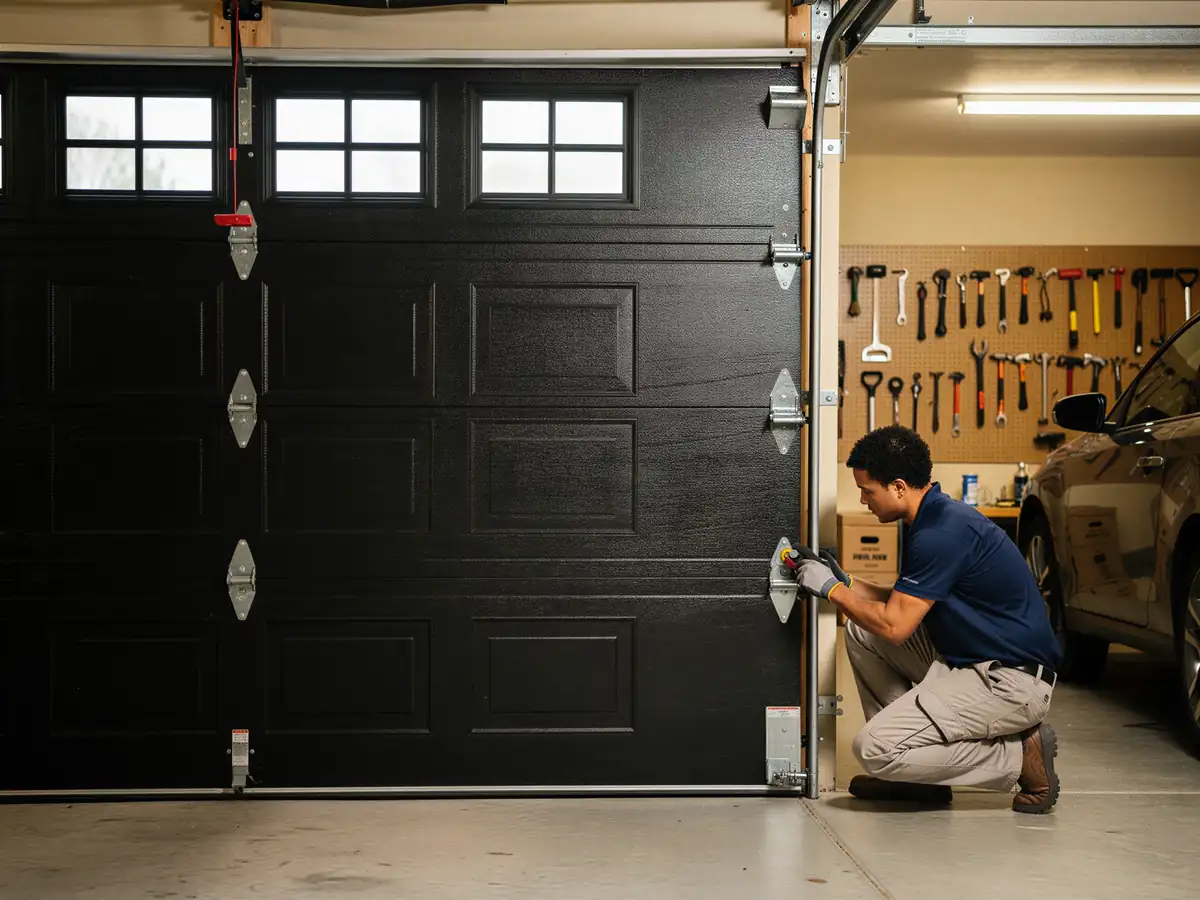
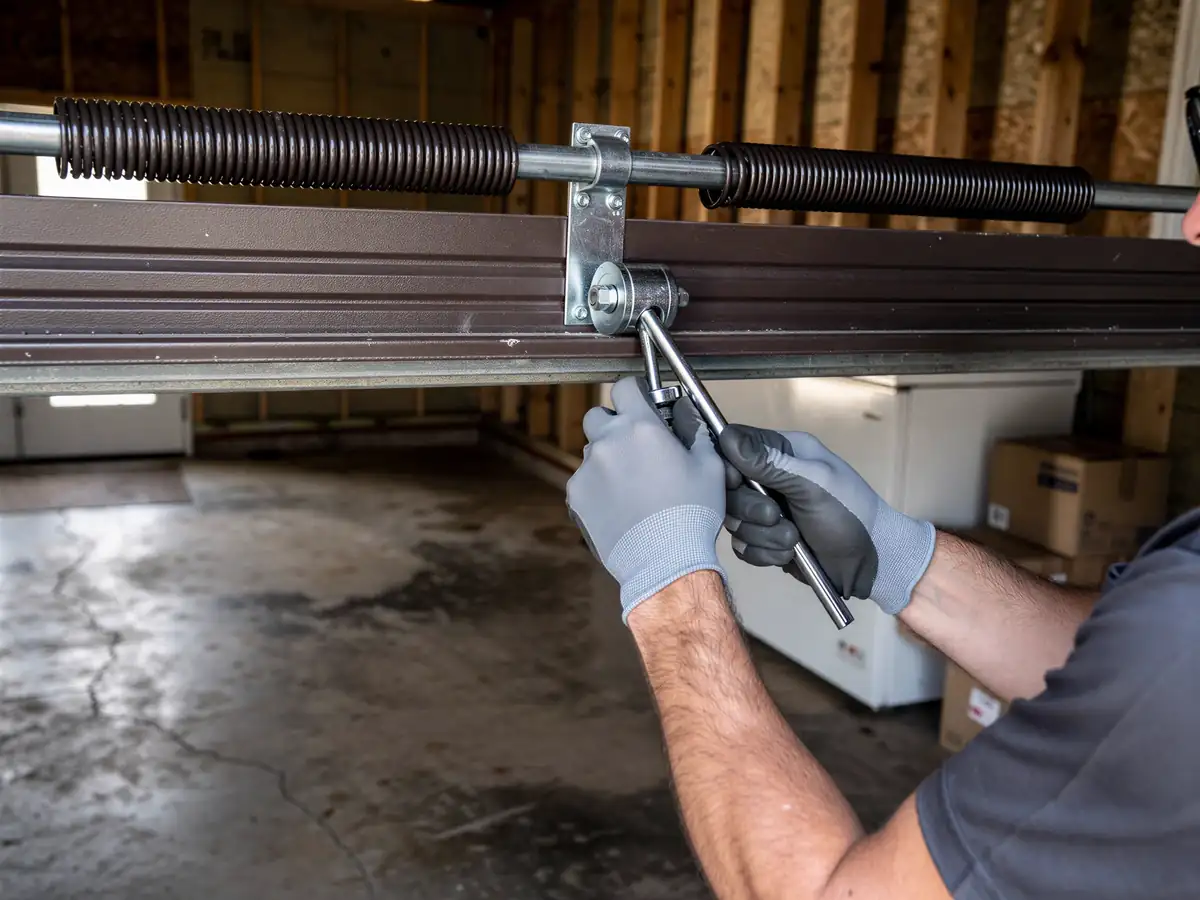
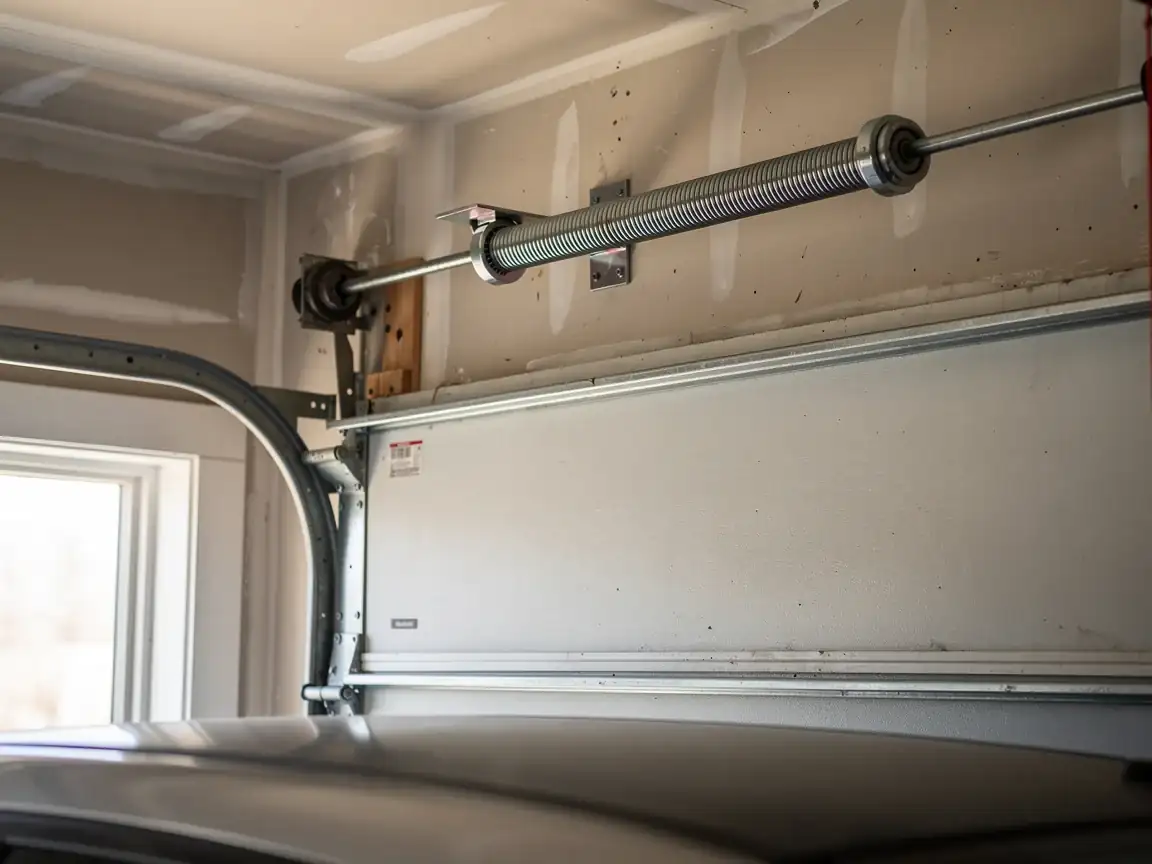
The door has to come off its hinges without letting the rest of the sections shift out of alignment, and on a torsion-spring door, that spring is under enough tension to cause real injury if you don't know how to work around it safely. We'll say plainly: if your door is under spring tension, this isn't a weekend project, and we'd rather you call us than end up in the ER.
The other honest limitation is sourcing
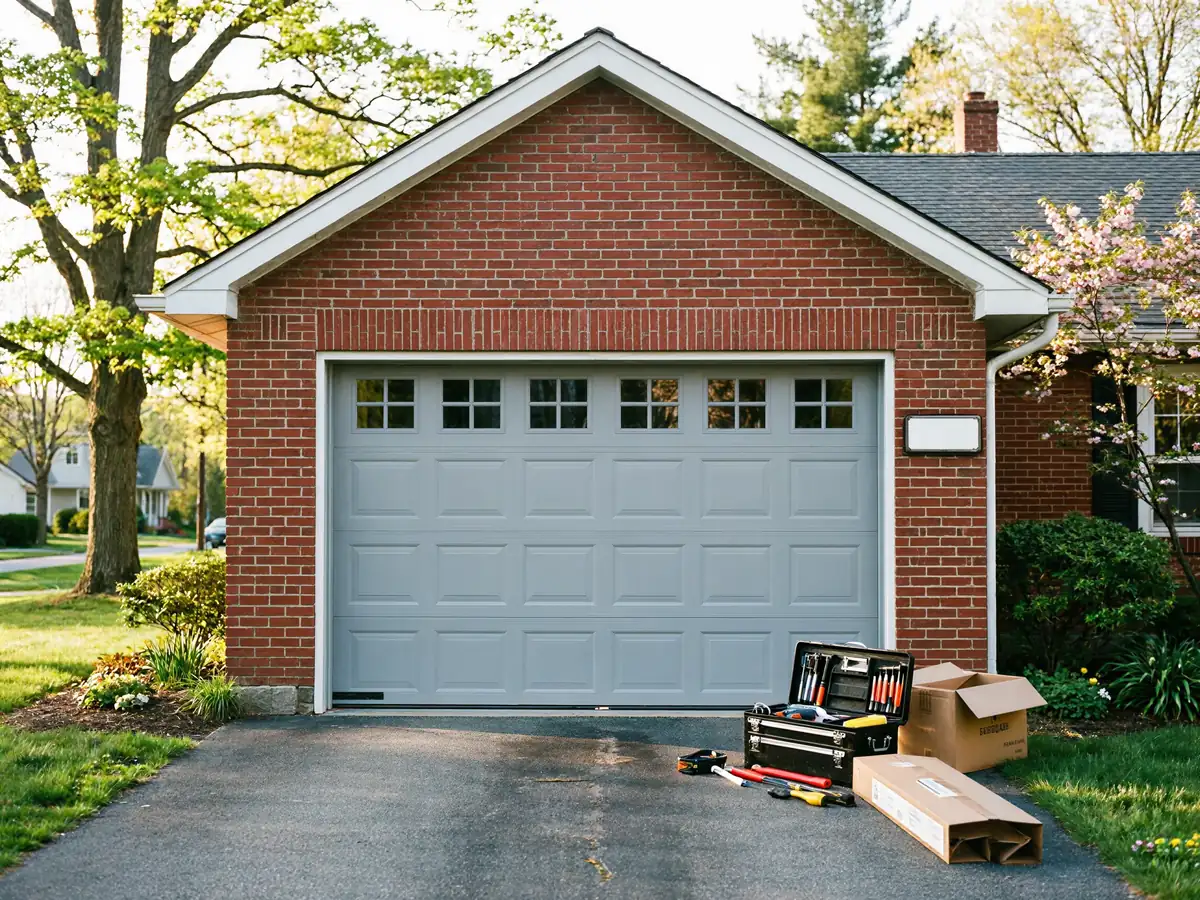
On doors from this era, finding an exact panel match sometimes means a special order, and lead times on obsolete profiles can run longer than people expect - we'll tell you upfront if that's the case rather than promise a date we can't hit. If your door is a newer, standard-size model, a motivated homeowner with the right tools can sometimes manage a panel swap. On anything older or with visible hardware wear around the damaged panel, it's worth having it looked at first so you're not paying twice.