How It Shows Up
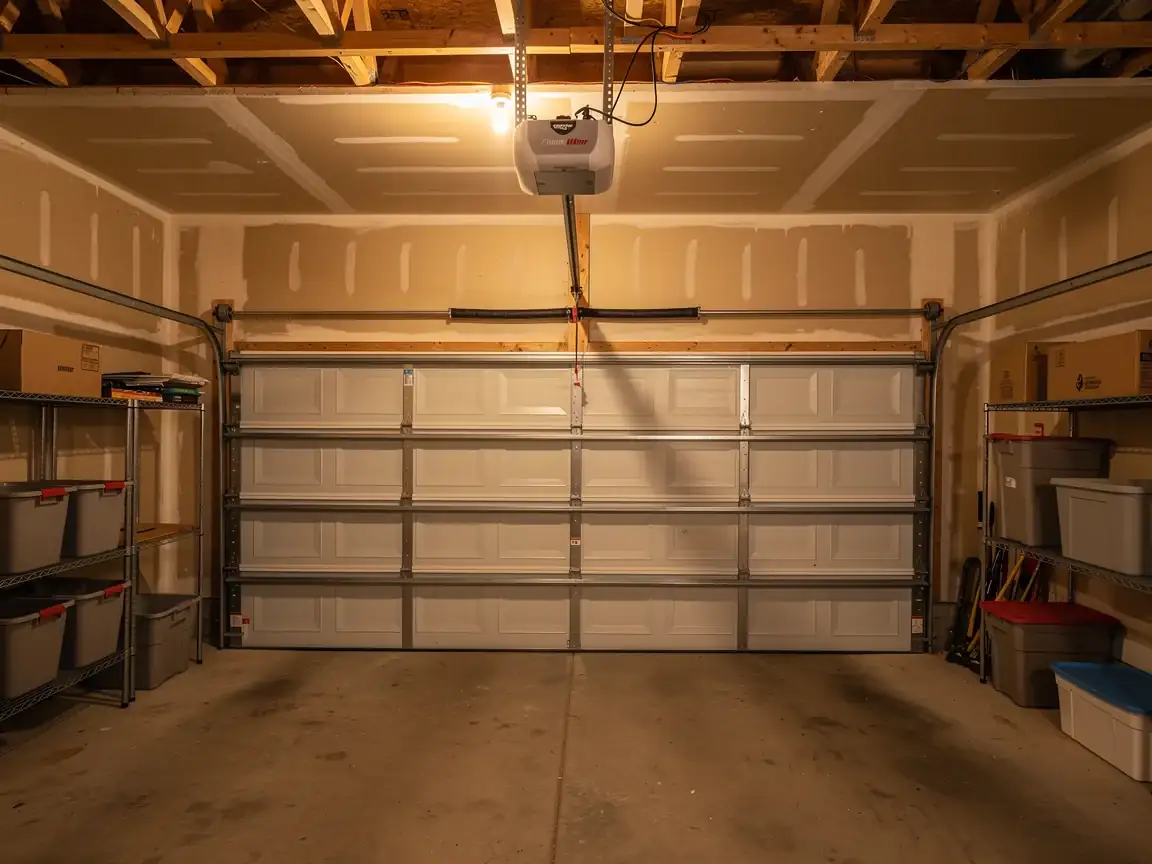
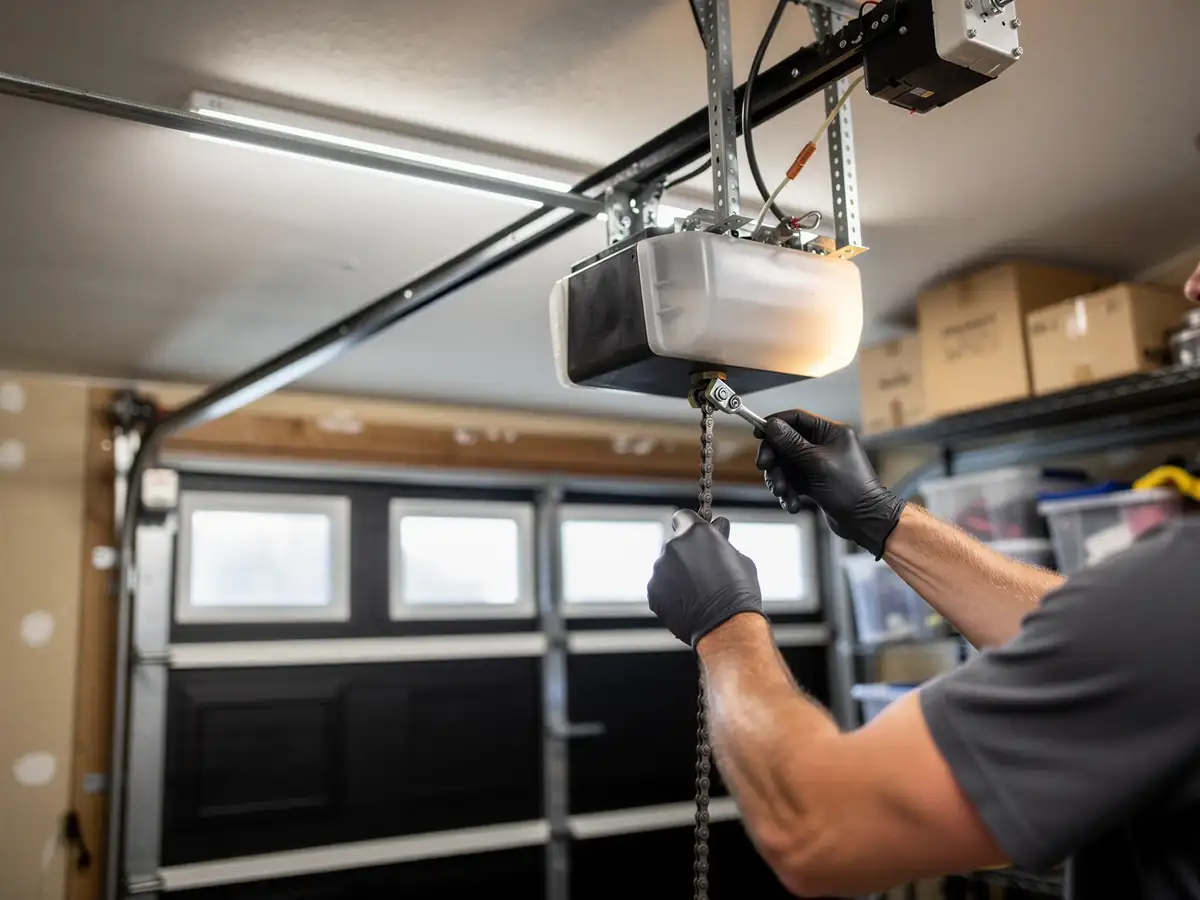
The most common call is an opener that runs the motor but the door barely moves, or moves then reverses for no reason - a sign the old chain or belt has stretched past what the tension adjustment can fix. On houses with original or early-replacement openers, you'll also see units with no battery backup, no rolling code (so the remote works on more than one car in the driveway, which is a red flag), and photo-eye sensors added later as a mismatched retrofit rather than designed into the unit. In cold weeks, homeowners notice the opener straining audibly before it even engages the door, or it trips the circuit breaker on cold mornings when the motor draws extra current to overcome stiff grease and a door that's slightly heavier from frost at the bottom seal. Some owners just notice the remote range has shrunk to almost nothing, which usually means a dying circuit board rather than a dead battery. None of these are emergencies by themselves, but they're the signs that tell you the opener is on its way out rather than due for a quick fix.
What Can Go Wrong
The biggest mistake we see is a new opener installed on horsepower that doesn't match the door. A lot of the doors on these pre-1960-era houses are heavier than what a modern mid-range opener is rated for, especially original wood doors or early steel replacements that were never swapped for a lighter insulated panel. Put an undersized opener on one of those and you get a unit working at its limit every single cycle, which burns it out fast and can strip the drive gear within a year or two. Improper safety reversal setup is the other recurring issue - older installs sometimes skip or misalign the photo-eye sensors, which is a real safety problem, not just a convenience one. Cold makes a marginal install worse: a chain that's slightly over-tensioned shows no problem in summer but binds and strains the motor once temperatures drop. And with 16,767 owner-occupied houses and a median household income of $56,795 across this service area, we also see owners try to stretch a failing opener another season rather than replace it, which usually ends with a dead unit and a jammed door at the worst possible time.