Why It Happens Here
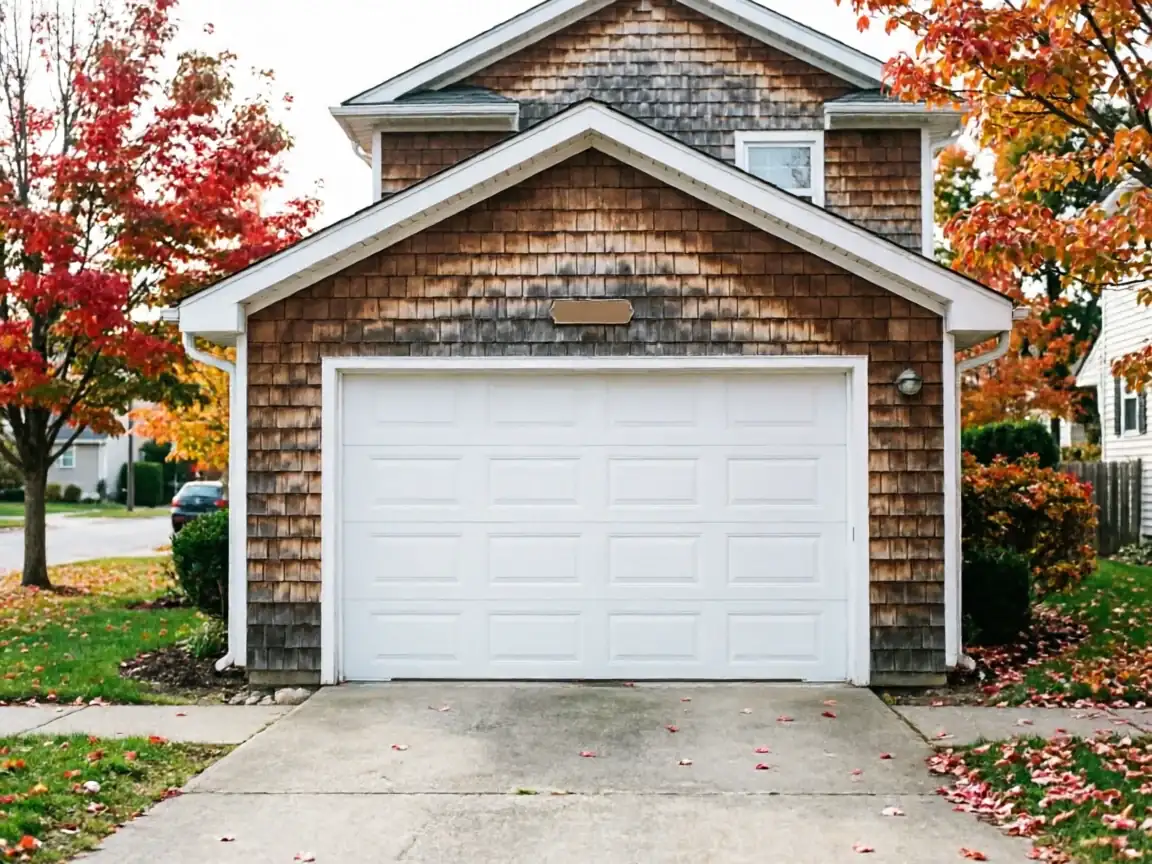
Most of the housing stock around Johnstown went up between 1938 and 1980
With a median build year of 1952, long before today's cold-climate garage door codes existed. That matters for springs specifically: older torsion and extension setups were sized for lighter doors and milder duty cycles than what's common now, and a lot of that original hardware is still hanging in the garage.
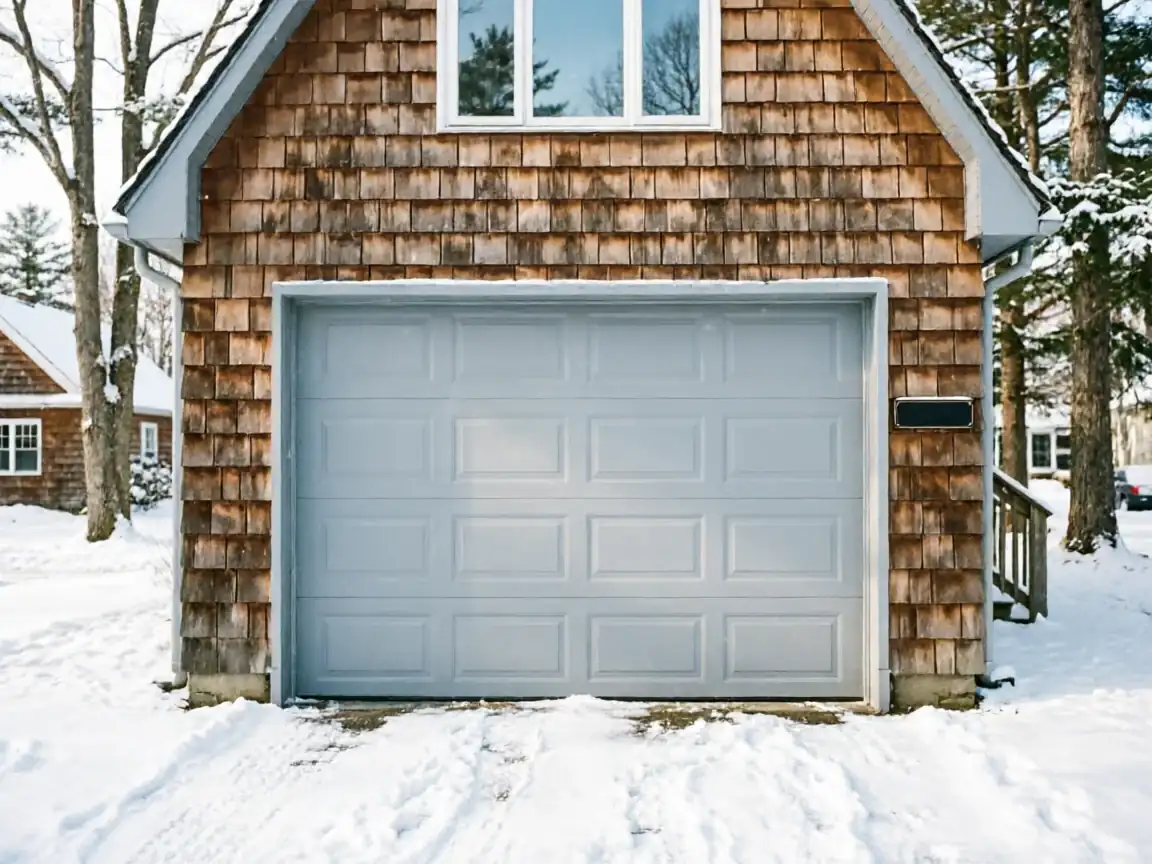
Johnstown sits in a climate band classified as severe cold
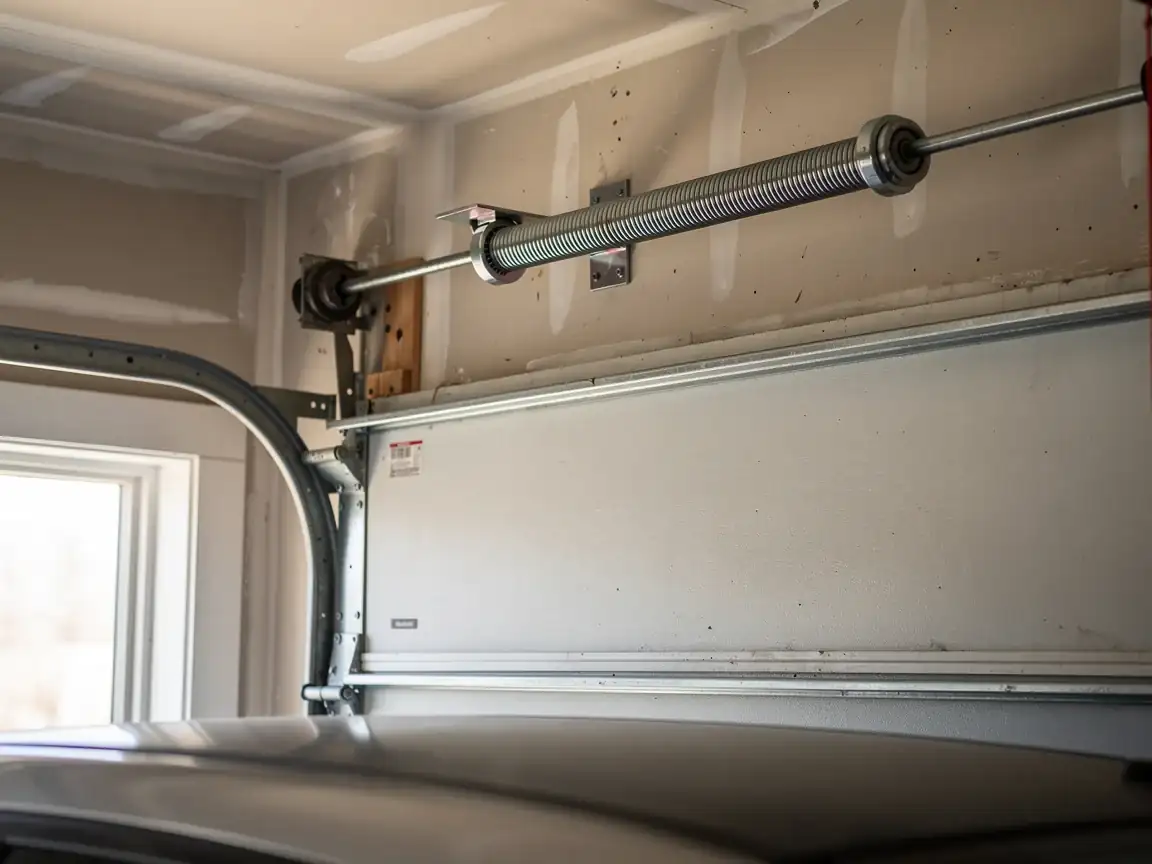
Which means steel torsion springs here cycle through far wider temperature swings each winter than springs in milder regions. Cold steel loses flex. A spring that's wound tight in July behaves differently in January, and the metal fatigues faster with every freeze-thaw cycle. Combine that with 70-plus years of use on a lot of these doors and you get a predictable failure pattern: springs that held fine for decades suddenly let go on a cold morning.
Across the 34 named communities we serve
From Brownstown a mile out to Indian Lake twenty miles south - most homes still carry pre-1960 garage construction. The springs rarely match current hardware sizing, which is the first thing that trips up a generic parts-store fix.
How It Shows Up
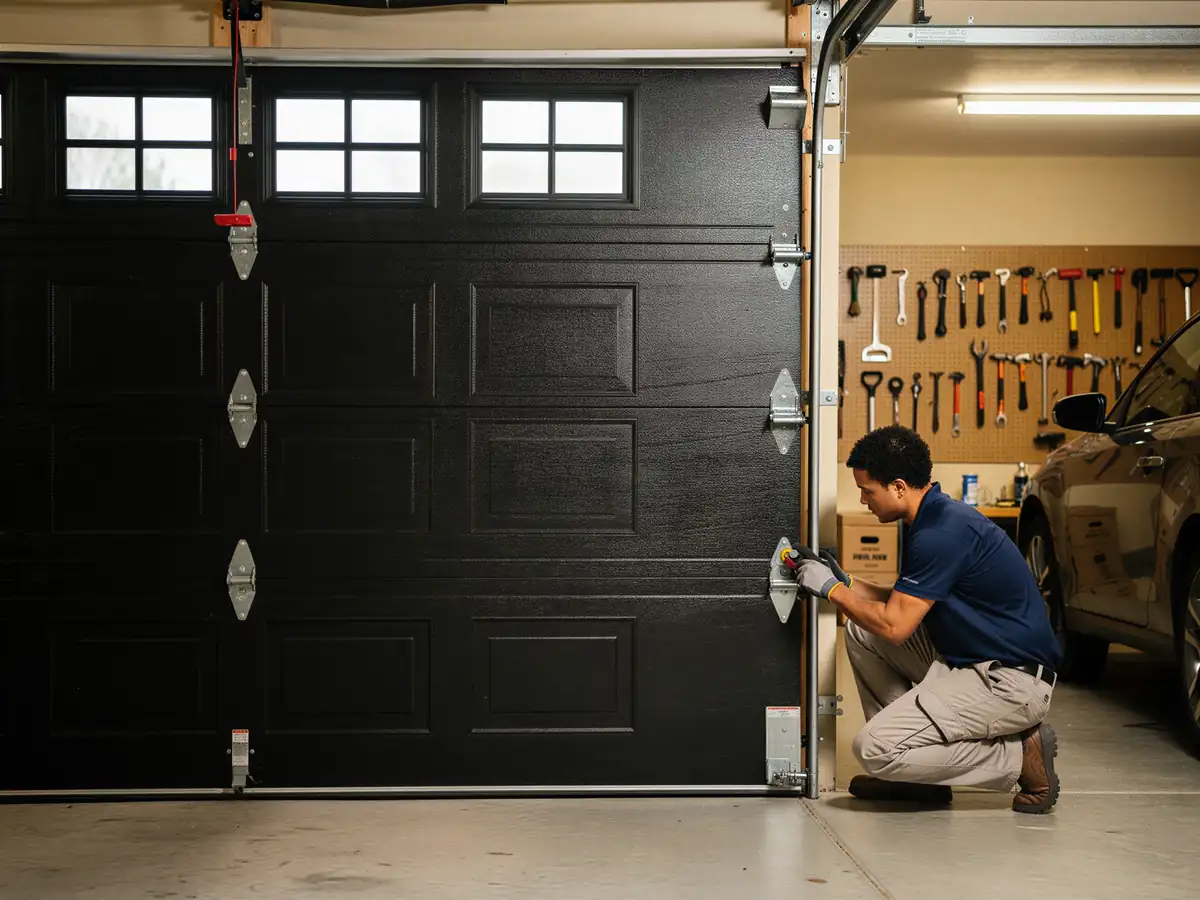
The most obvious sign is a door that won't move, or moves and then drops. If you hear a loud bang from the garage and the door won't open afterward, that's almost always a torsion spring letting go - the bang is the coil snapping under tension.
Before full failure, there are quieter warnings. The door feels heavier than it used to when you lift it by hand with the opener disconnected. The opener strains and groans partway through the cycle. The door opens unevenly, one side rising faster than the other, which usually means one spring on a two-spring system has already gone slack while the other is still doing all the work.
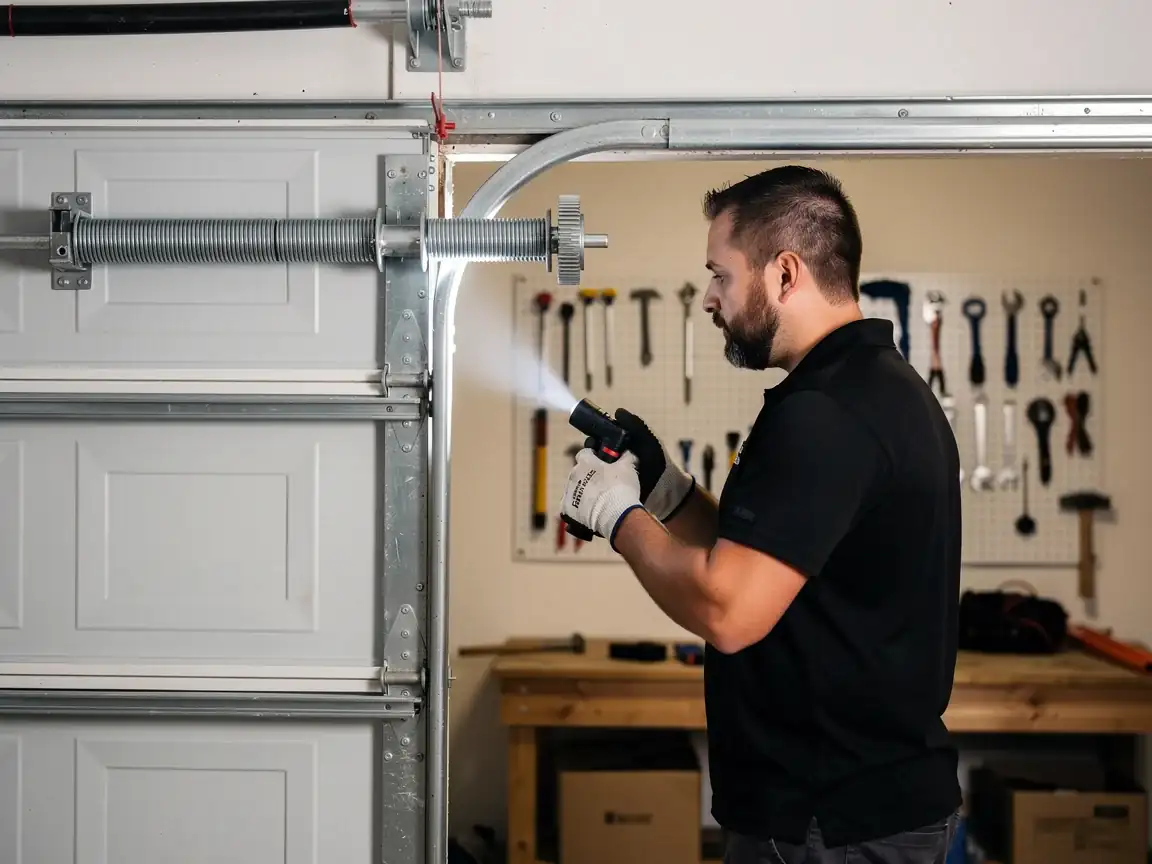
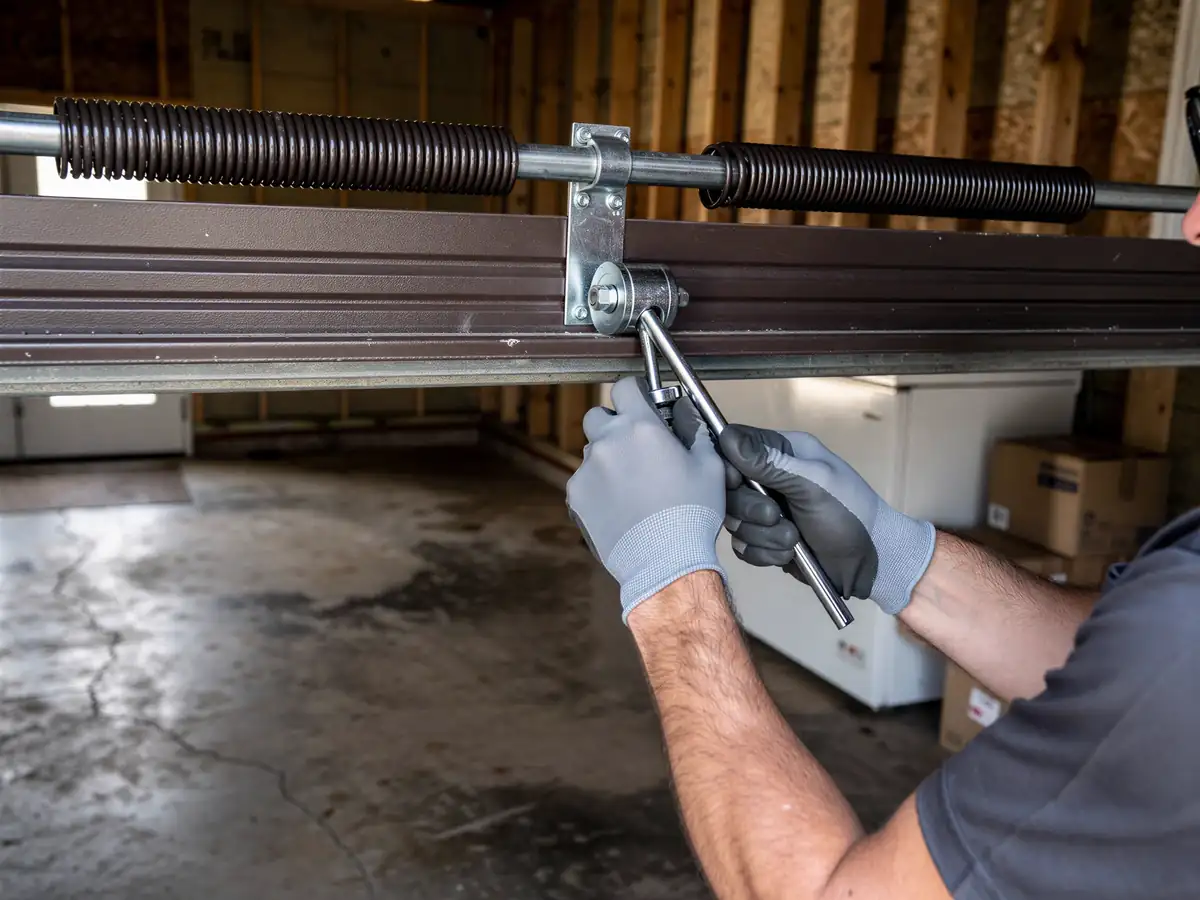
You might also notice the cable looking loose at the bottom bracket, or a visible gap in one of the spring coils along the bar above the door. Any of these is worth a call before the second spring goes too, since a door running on one spring is working twice as hard and usually doesn't last long that way.
What Can Go Wrong
A broken torsion spring under tension is one of the more dangerous things in a residential garage. The spring stores a lot of energy, and winding or unwinding it without the right bars and clamps has put people in the emergency room. That's the main risk with ignoring it or handling it wrong - not just a stuck door, but an actual injury.
There's also damage that spreads if you wait. A door running on a failed spring puts extra strain on the opener's drive gear, on the cables, and on the track rollers. We've seen a spring failure left alone turn into a cable snap or a bent track, which turns a spring job into a bigger repair.
On the older doors common across this service area, mismatched replacement parts are a real problem too. A spring rated for the wrong door weight either won't lift the door properly or wears out again fast. Getting the wind direction, wire size, and length right matters more on original 1950s and 60s hardware than it does on newer standardized doors.
Can You Do This Yourself
We'll say this plainly: we don't recommend homeowners replace torsion springs themselves
The tension involved is enough to cause serious injury, and the tools - winding bars, vise grips, the right clamps - aren't things most people have sitting in the garage. Extension springs on older doors are somewhat less dangerous to handle, but they still carry enough force to do damage if the cone slips.
What you can safely do yourself is the diagnosis
Disconnect the opener and try lifting the door by hand. If it's heavy, uneven, or won't stay up on its own partway, that points to a spring problem rather than an opener problem, and you'll know what to tell whoever comes to look at it.
One honest limitation
With 16,767 owner-occupied houses across this service area and a median household income of $56,795, most homeowners here are repairing original springs rather than replacing whole door systems - but on some of the oldest doors, matching parts can mean a short wait if the original hardware size isn't something stocked on the truck. We'd rather tell you that up front than promise same-day on every job.
- 16,767 owner-occupied
- $56,795 median household income