Why It Happens Here
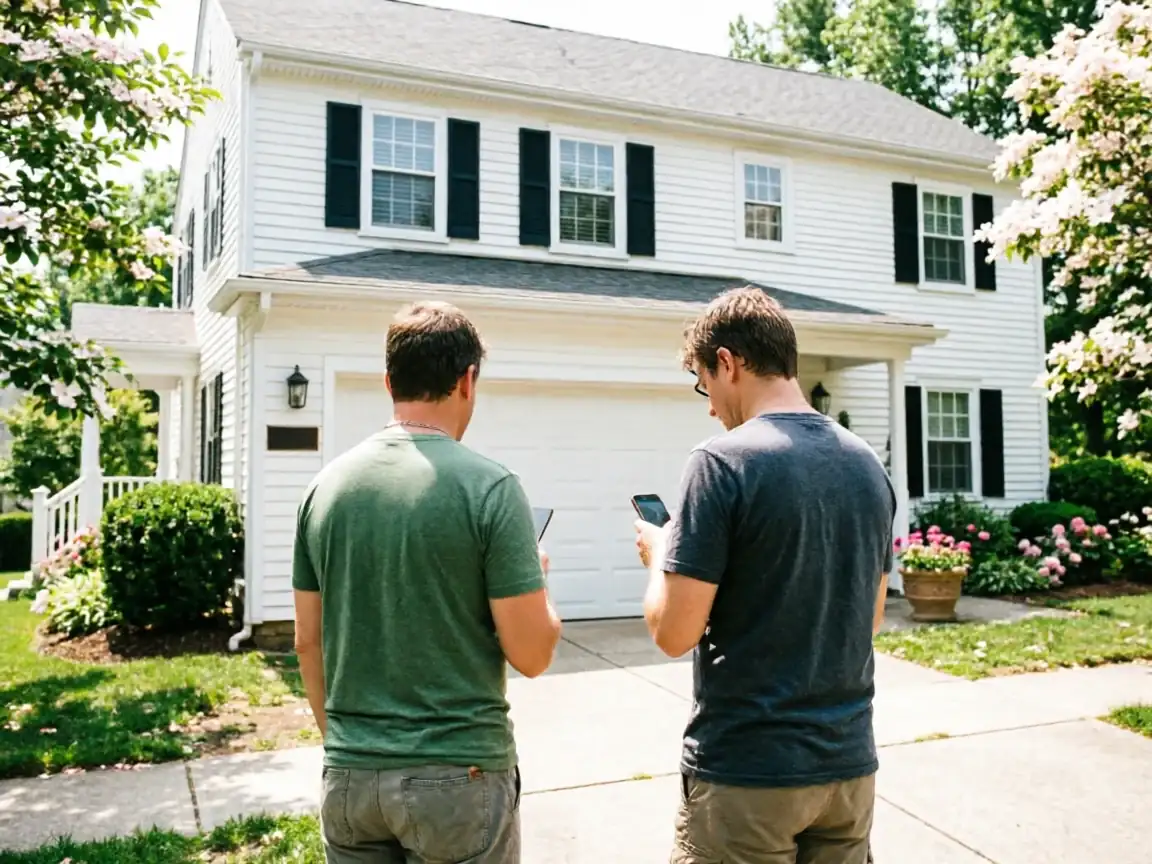
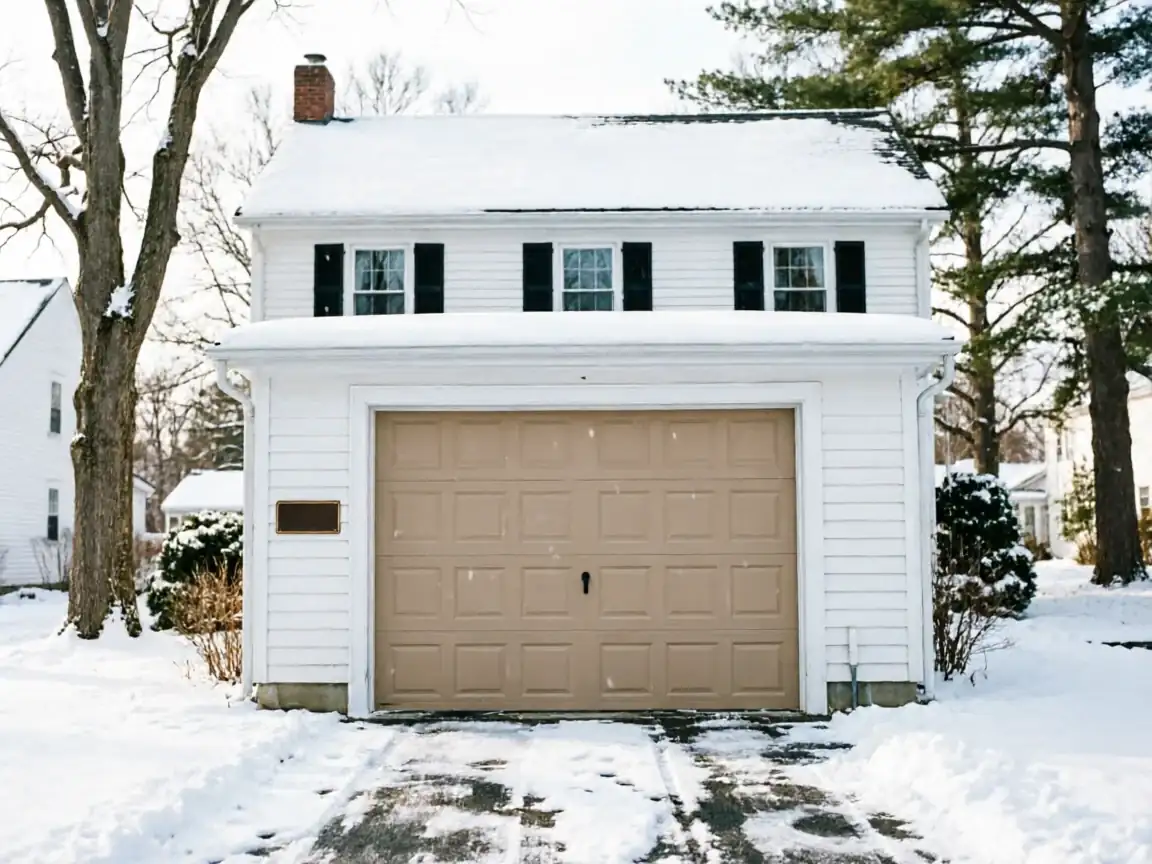
Half the houses around here went up between 1938 and 1980
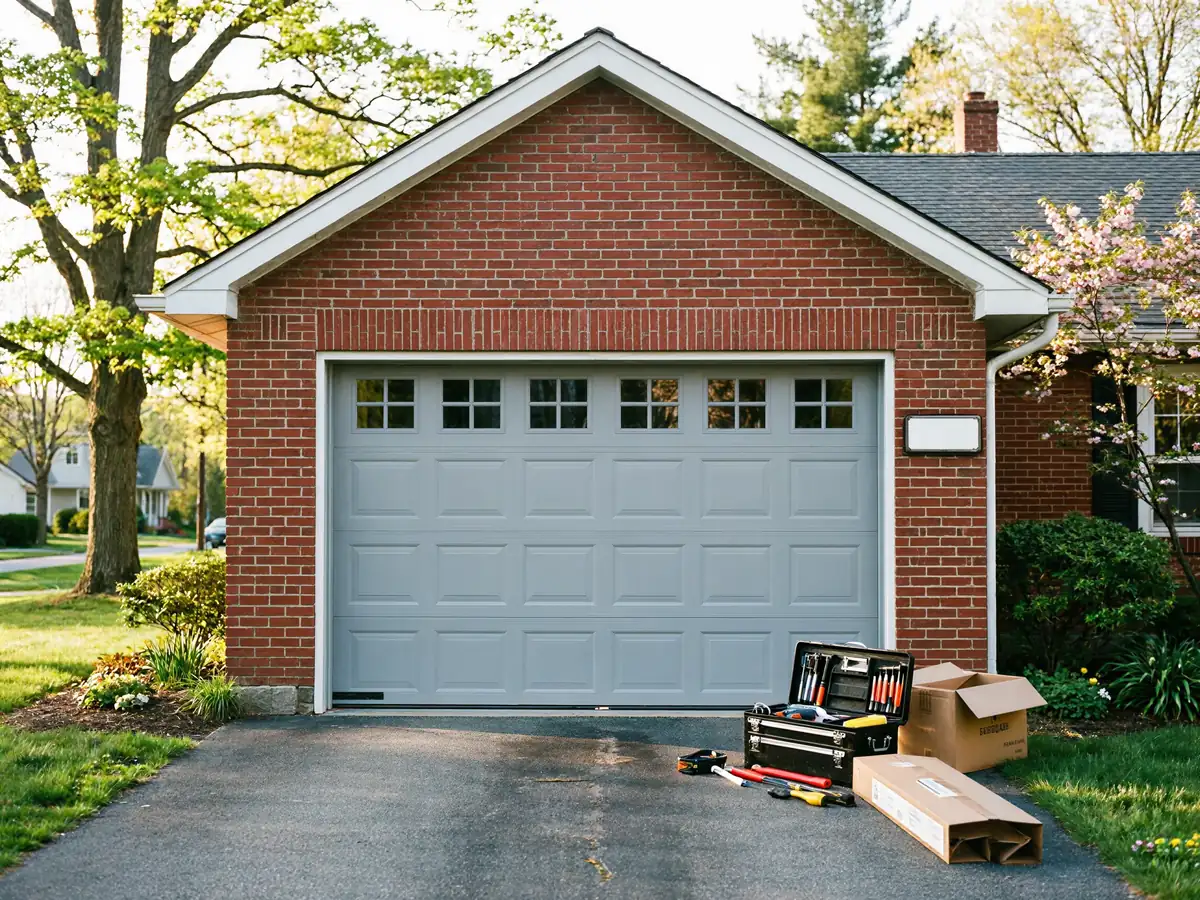
With the median landing around 1952, so a lot of original openings were framed for doors that don't match anything sold today. Builders in that era weren't working to a national sizing standard - they framed to whatever door the local supplier had on the truck that month. Across the 34 named areas we work in, most of the housing stock predates 1960, so non-standard opening widths are the rule, not the exception, not some rare exception you run into once a year.
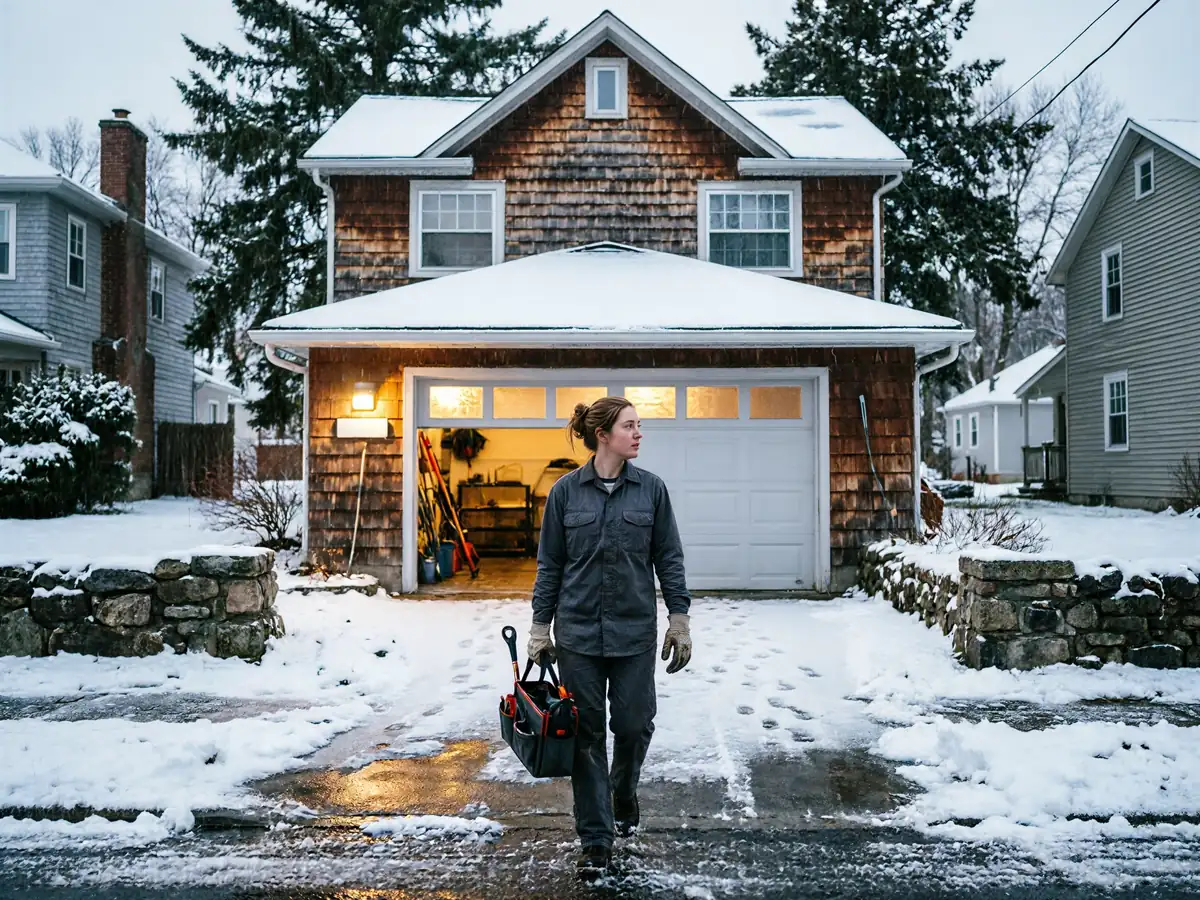
On top of that, Johnstown sits in a cold-climate band with severe winters
Which means an uninsulated original door is doing nothing to keep the attached garage above freezing. A single-layer steel or wood door from the 1950s was never built with a thermal break. Decades of freeze-thaw cycling on the track, the hinges, and the seal eventually catch up with it, and the fix isn't a new spring kit - it's a door built for the opening and the weather both.
How It Shows Up
The most common call we get isn't a door that won't open at all - it's a door that still runs but tells you it's done. Daylight along the bottom seal even when the door is shut tight. A panel that's bowed or rusted through at the base where decades of snow melt sat against it. Hardware that's been replaced piecemeal over the years - a newer opener bolted to an original track that's narrower or wider than anything currently manufactured.
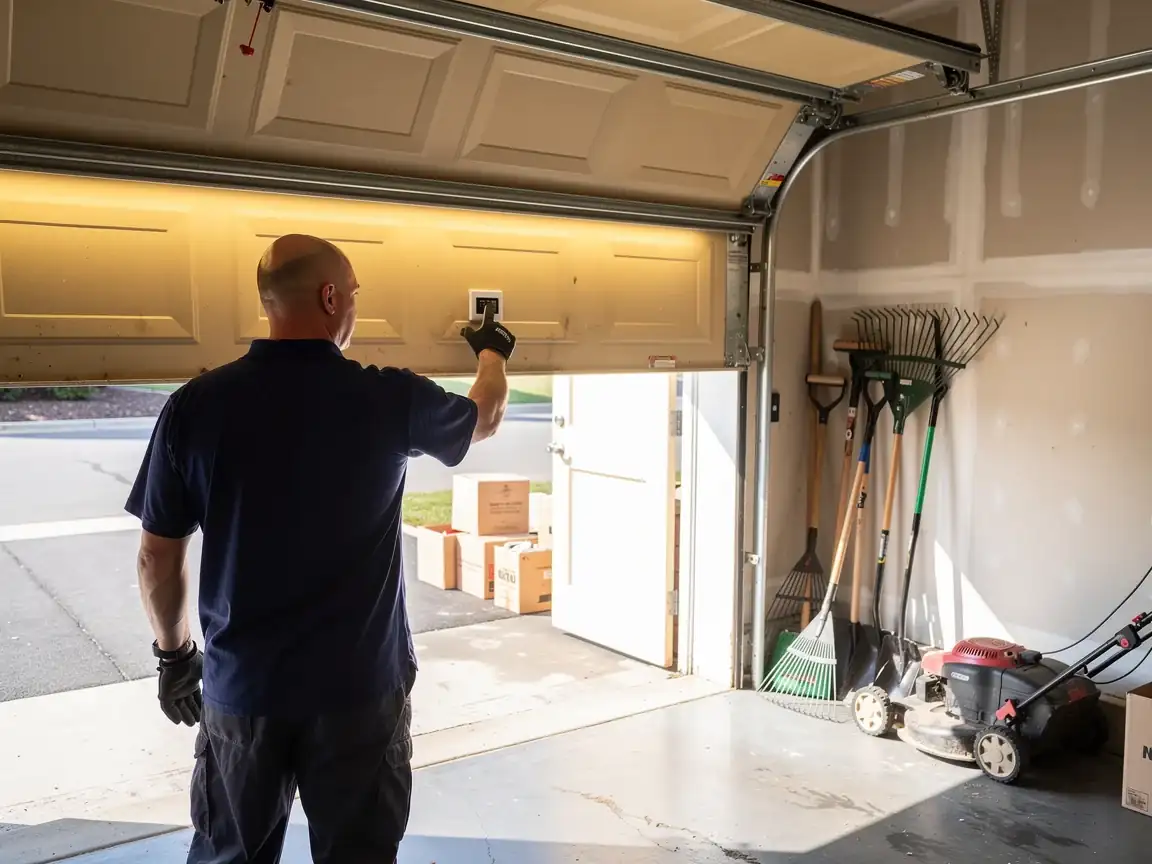
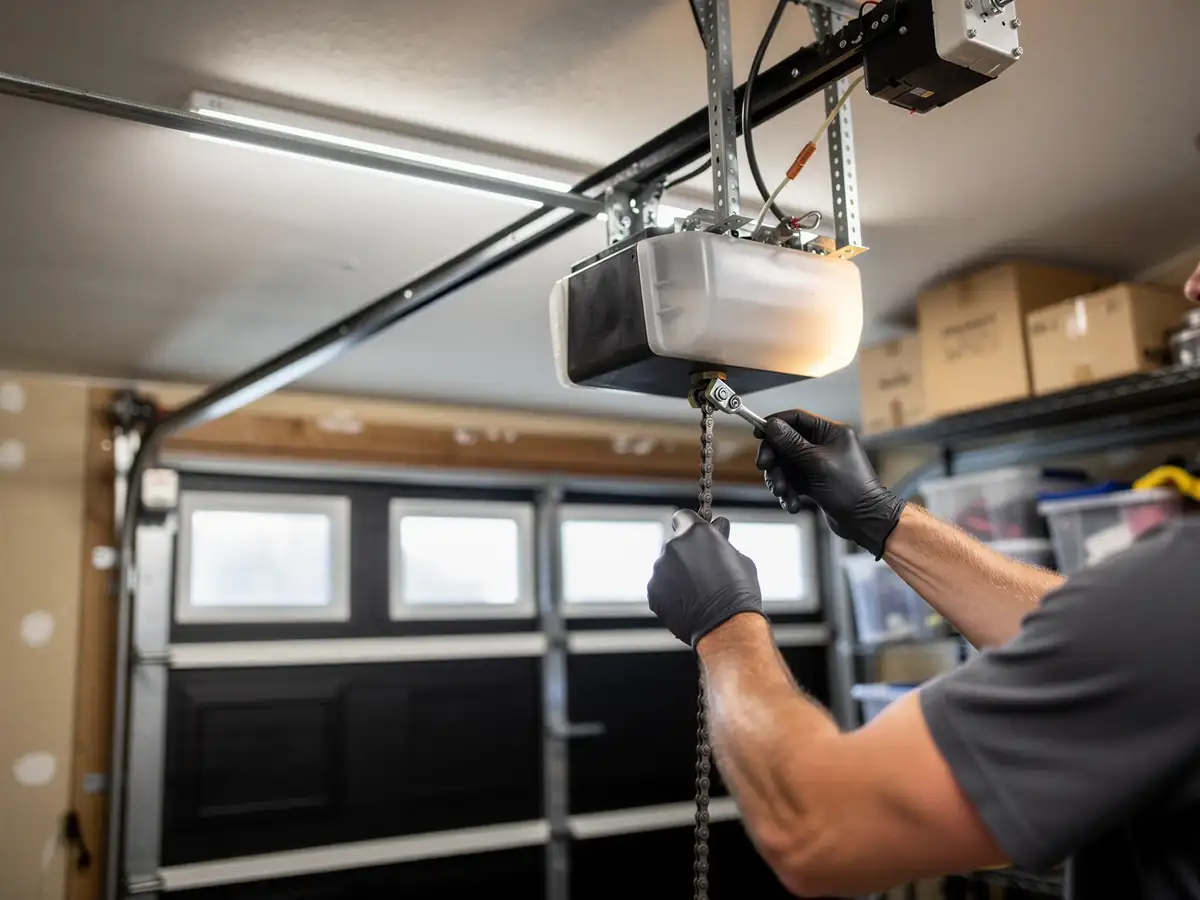
Sometimes it's simpler: the door is original to a house built in the 1950s, it's heavy, uninsulated, and the owner is tired of a garage that sits ten degrees colder than it should in January. Either way, by the time someone calls about installation rather than repair, the old door has usually already told them, in small ways, for a year or two, that it's not coming back from one more fix.
What Can Go Wrong
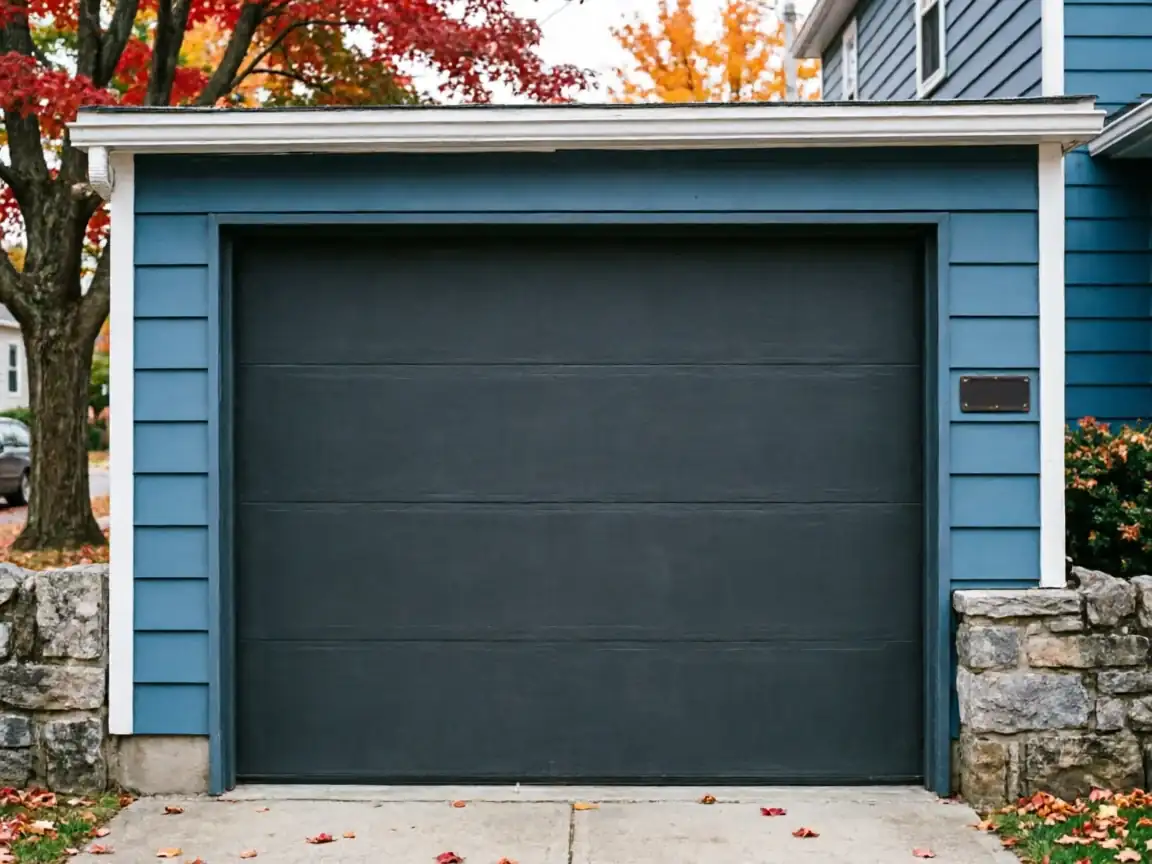
The biggest mistake on an older Johnstown house is ordering a standard off-the-shelf door and assuming it'll fit. With roughly 16,767 owner-occupied houses across a service area where the median household income sits at $56,795, most homeowners are weighing a repair against a full replacement carefully, and a door that arrives the wrong width or height because nobody measured the original framing wastes both the money and the week waiting on a reorder.
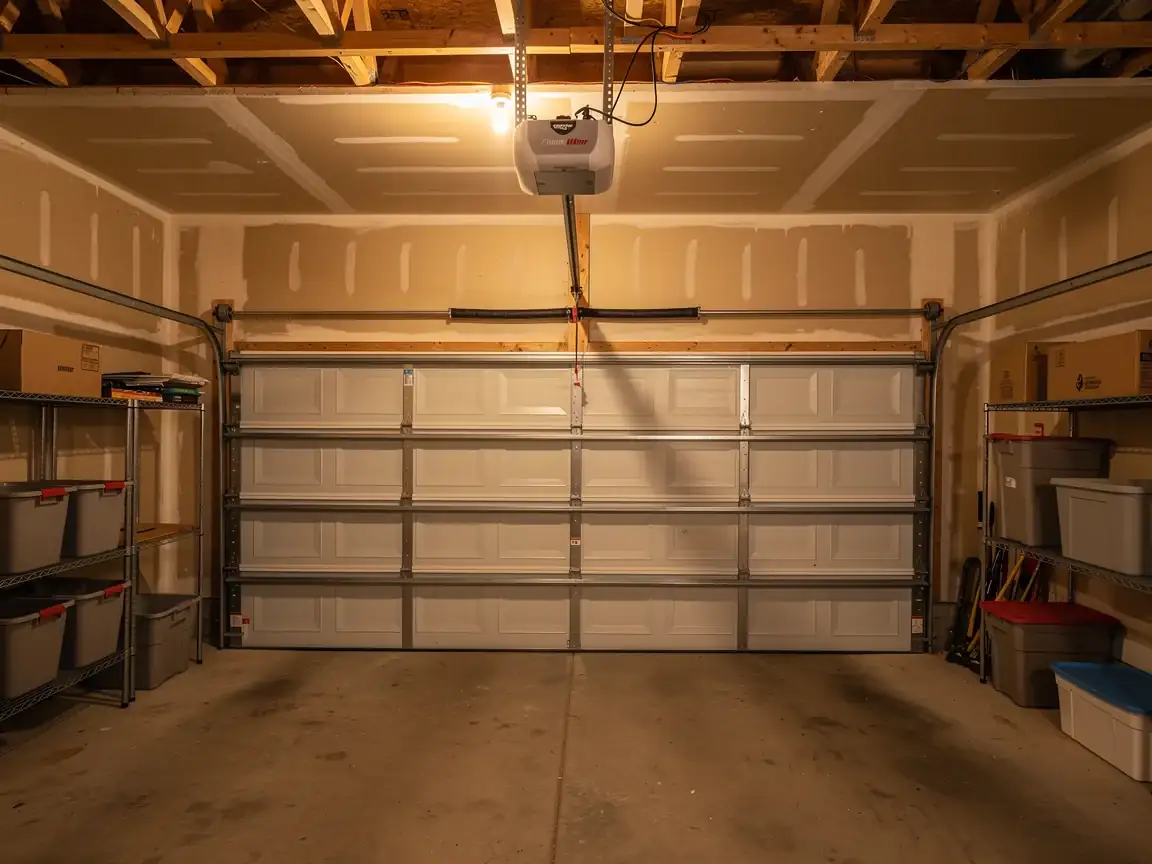
The second issue is insulation value getting skipped to save on sticker price. In a severe cold climate, an uninsulated replacement door just repeats the problem you were trying to solve - it'll look new and still let the garage freeze. Track alignment matters more here too: older framing often isn't perfectly square after seventy-plus years of settling, and a new door hung without shimming to the actual opening will bind or sag within months.
Can You Do This Yourself
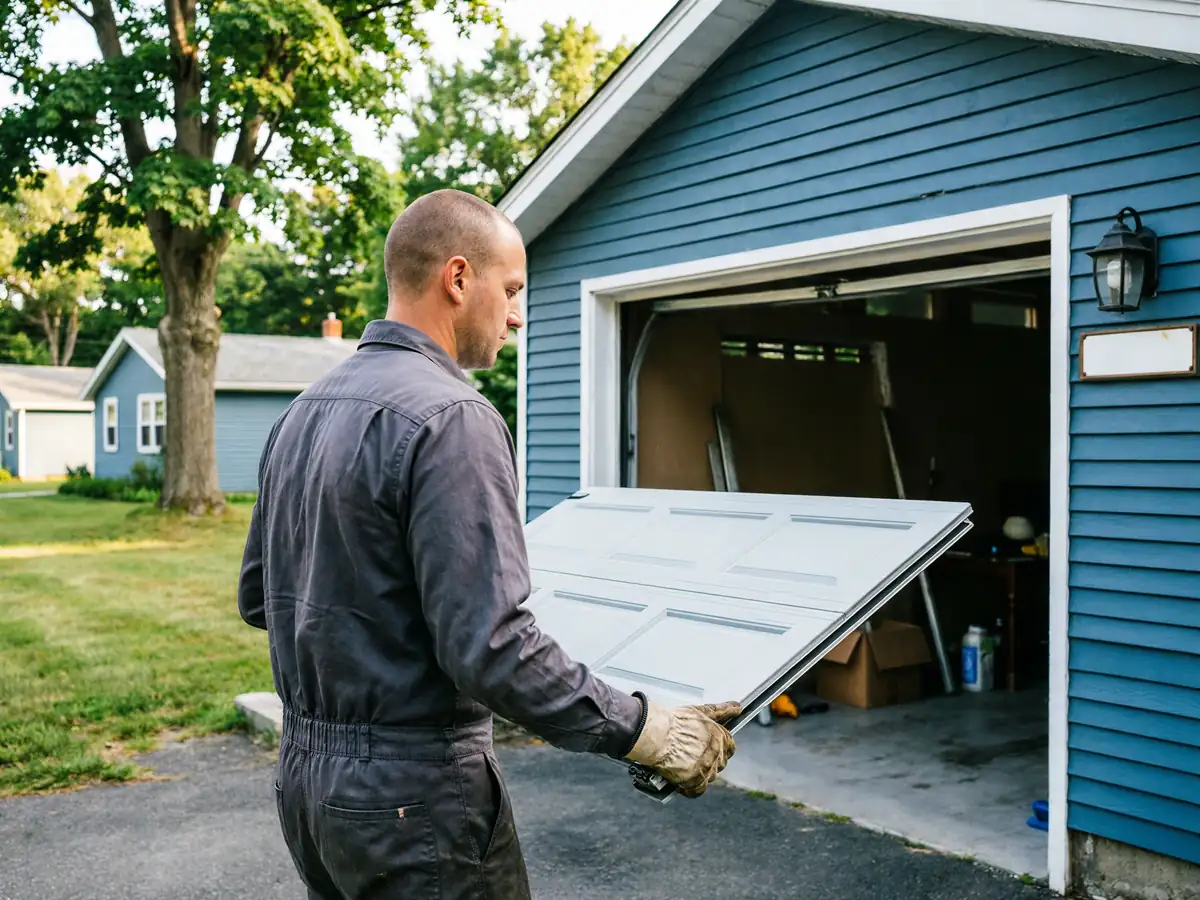
Measuring and ordering a door panel is something a handy homeowner can manage
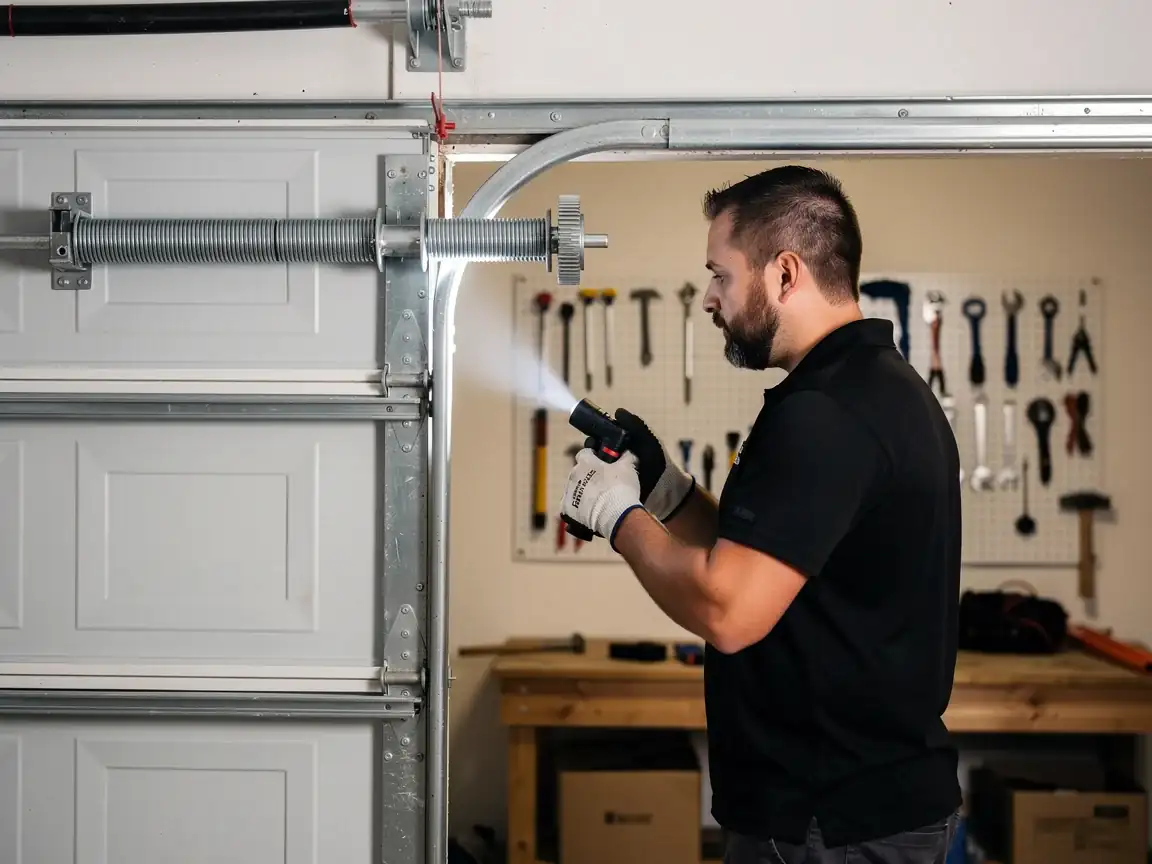
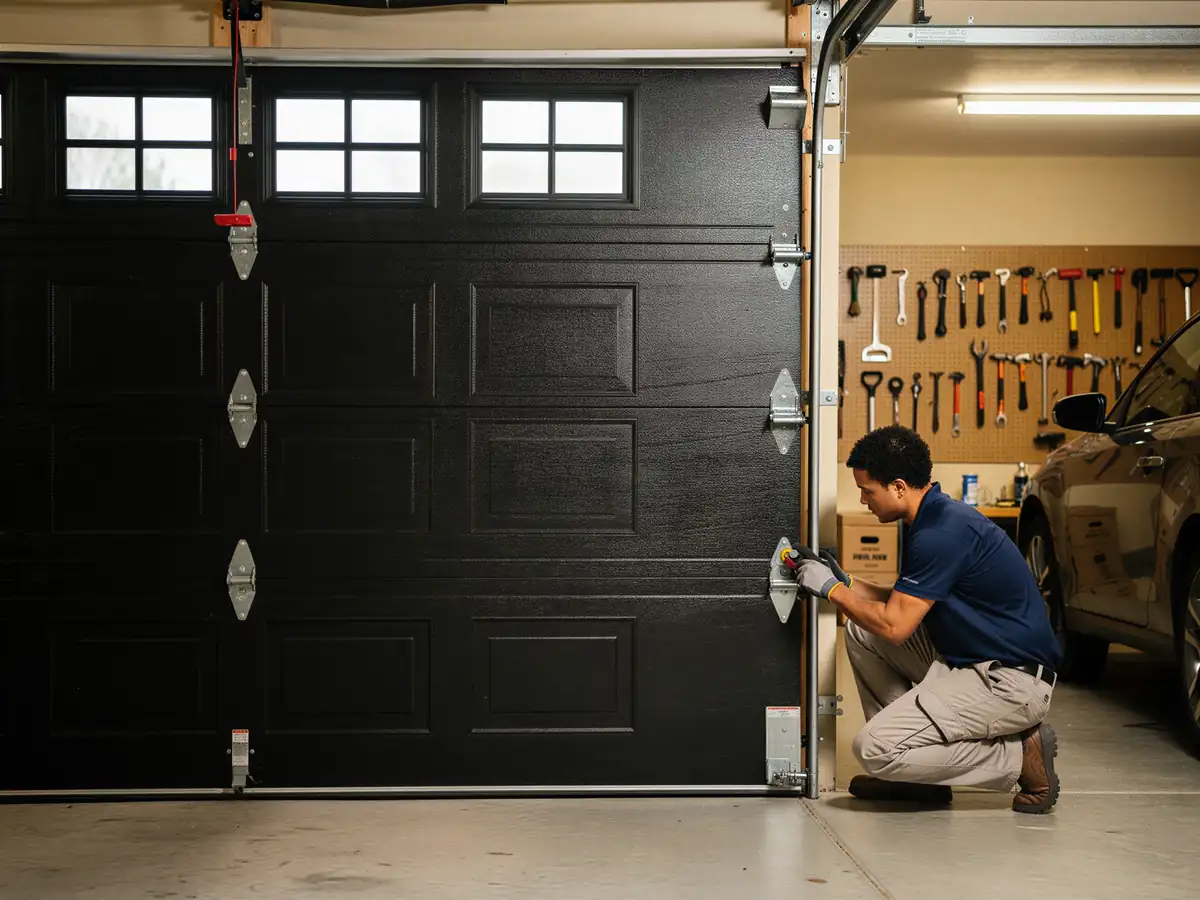
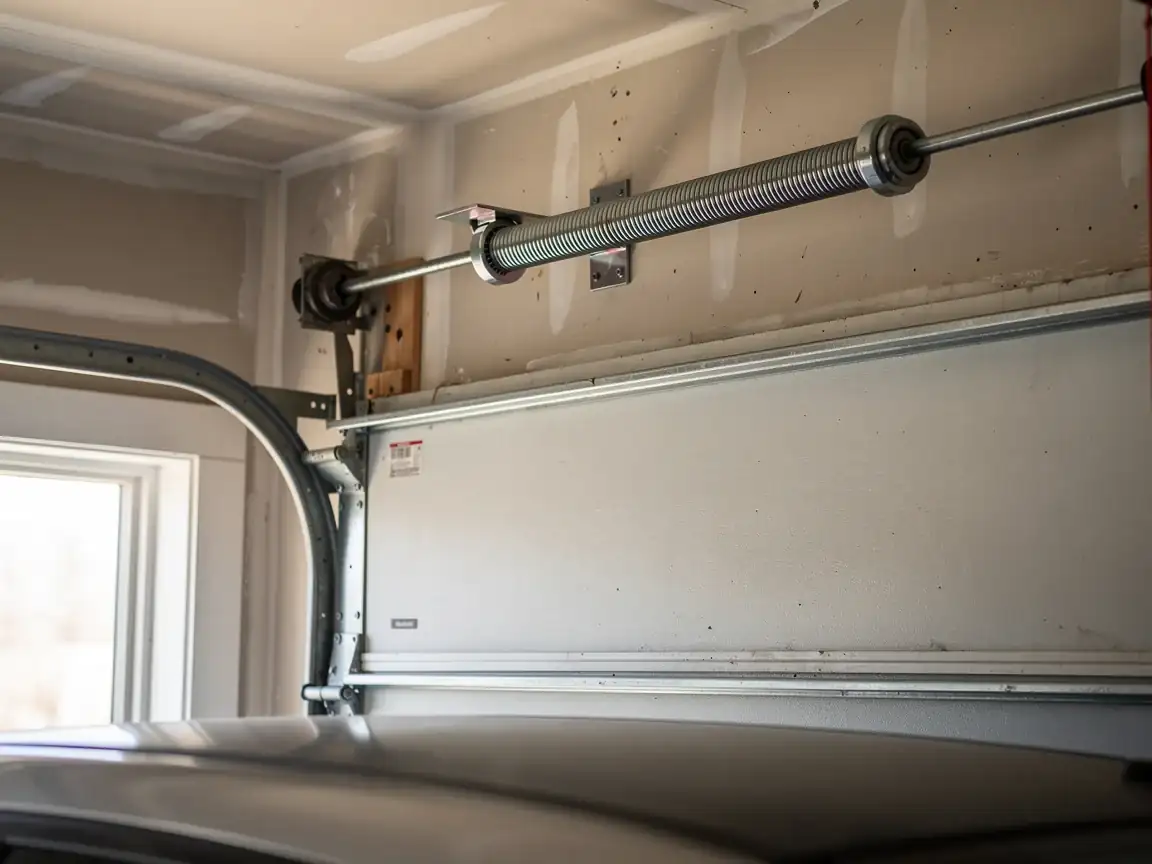
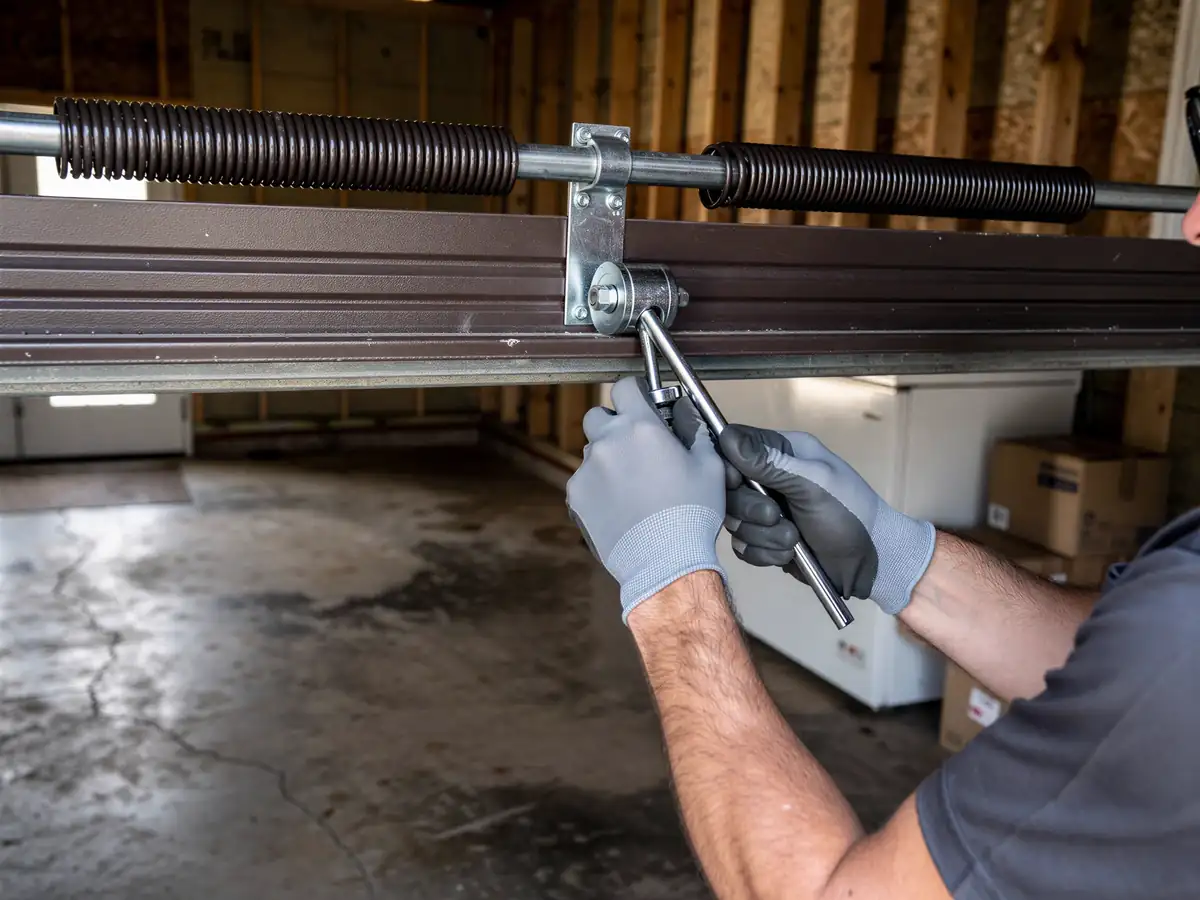
Setting the door, squaring it to an opening that's been settling since the 1950s, and getting the torsion spring tensioned correctly is not a weekend project, and we'll say so plainly: a mis-tensioned spring on a heavy insulated door can put someone in the hospital. That part of the job we don't recommend doing solo, full stop.
From Brownstown a mile out to Indian Lake twenty miles south, the same 1950s-era framing shows up house after house
And knowing how that framing behaves - where it's shifted, where the header needs reinforcing - is the difference between a door that runs smooth for years and one that's back to binding in six months. If you want to swap a damaged panel yourself and leave the spring and track work to someone else, that's a reasonable split, and we're glad to just handle the install.