What the Weather Here Does to It
Johnstown sits in a cold-severe climate band
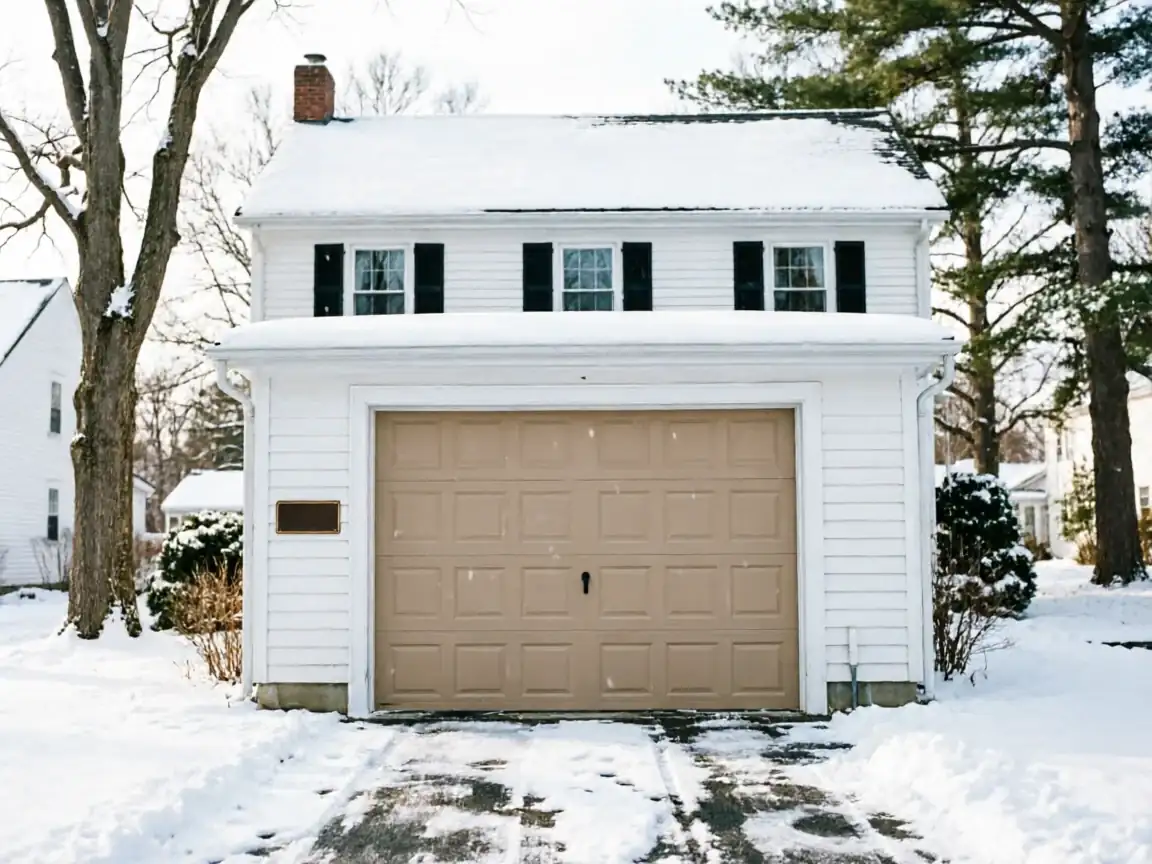
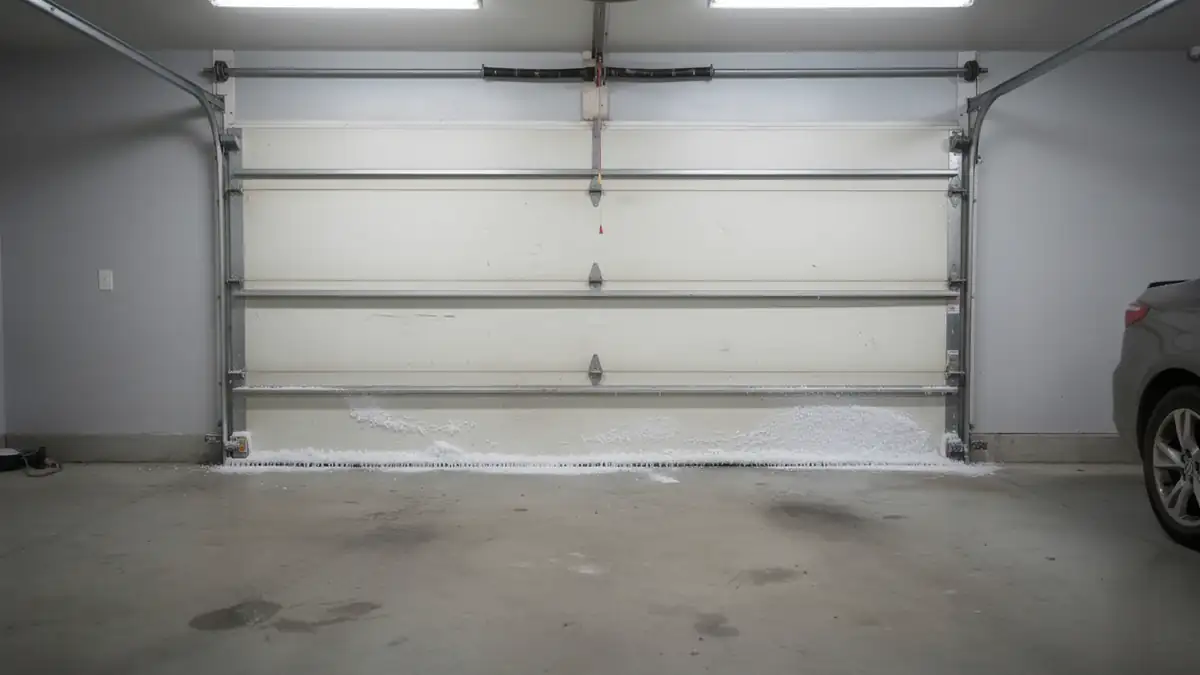
And that matters more for a garage door than people think. A door built with no insulation doesn't hold back the cold at all - it just lets the garage track outside air almost one to one. On a night in the teens or single digits, an uninsulated steel panel gets brittle, the weatherseal at the bottom hardens and cracks, and condensation forms on the inside of the panel and drips onto the floor. None of that is a defect. It's just what happens to a door that was never designed to fight this kind of winter.
The bigger issue is the hardware, not the skin of the door
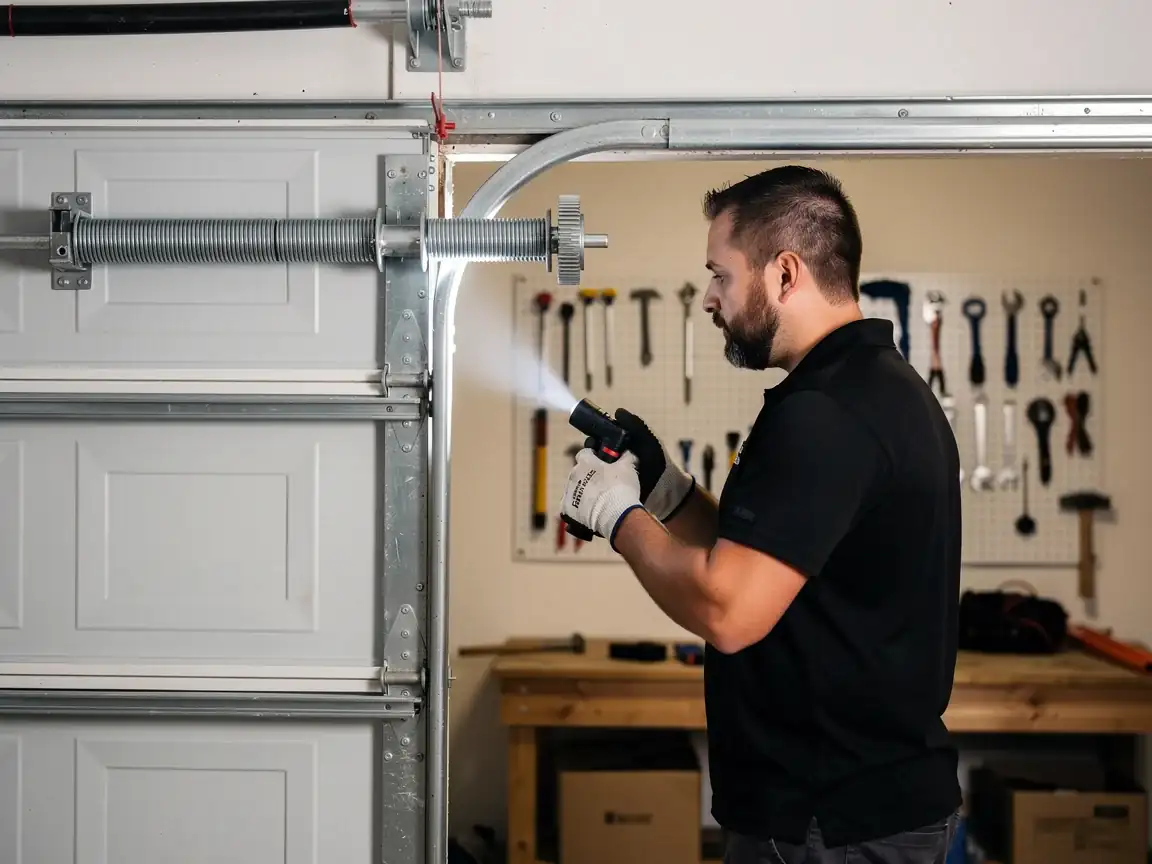
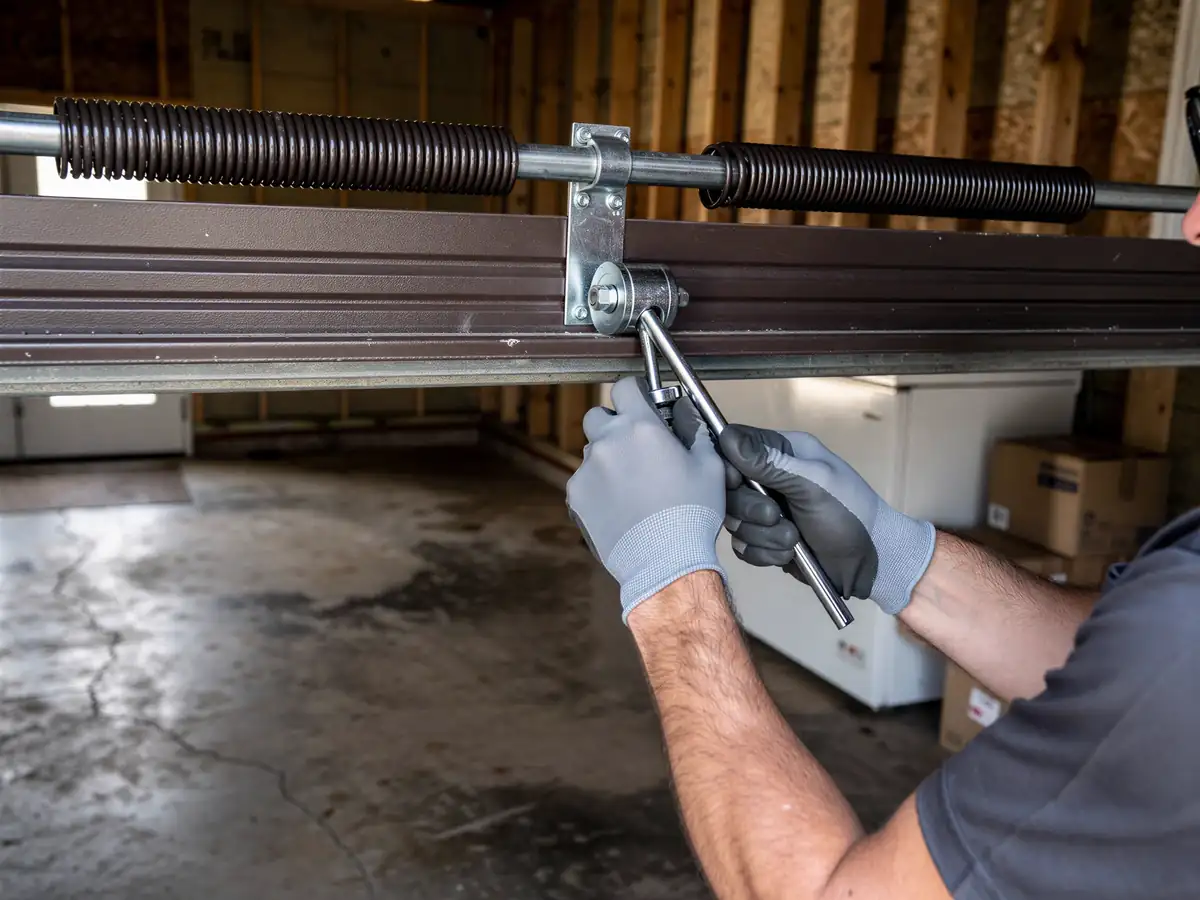
Torsion springs wound tight in cold steel lose a little lift with every drop in temperature, and a spring that was already near the end of its cycle count tends to let go on the coldest morning of the year, not the warmest. If your opener strains more in January than in July, that's the cold talking, not a motor going bad. We can't change the climate band Johnstown sits in - we can only build the door and hardware to work with it instead of against it.
The Problem
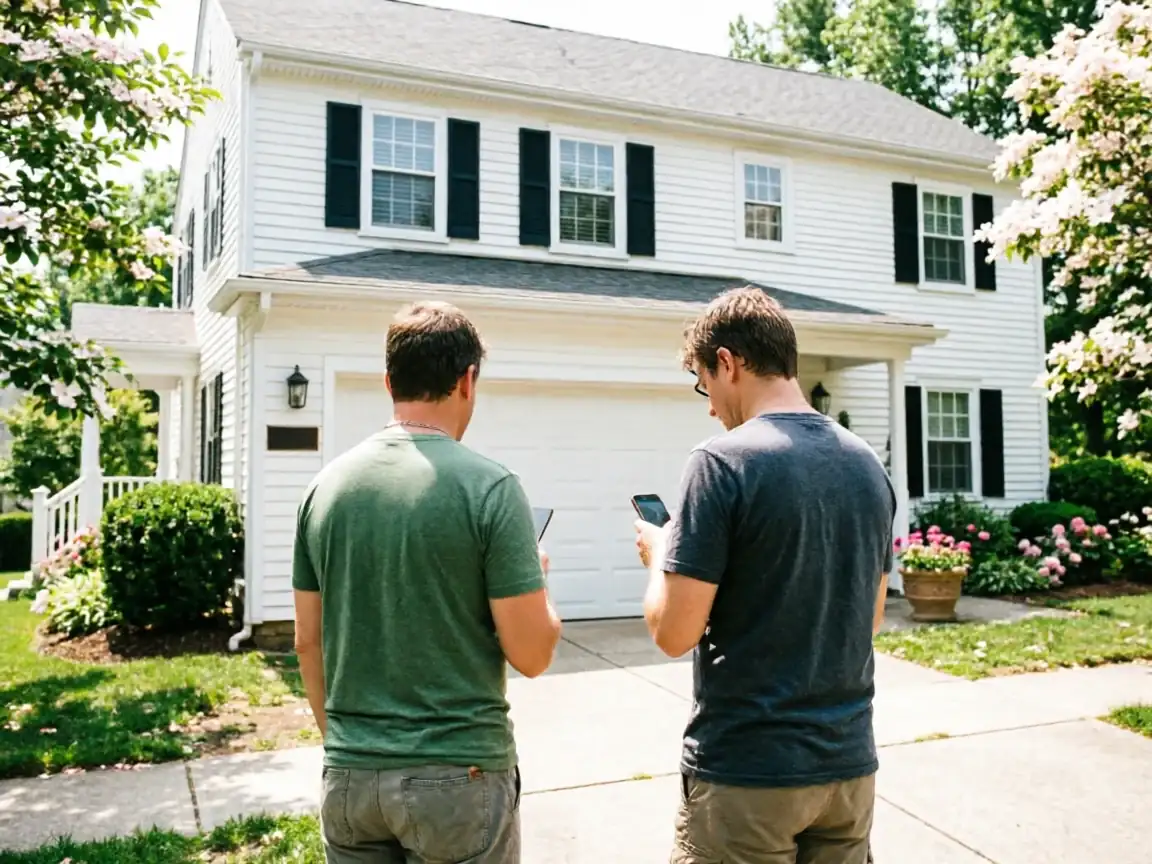
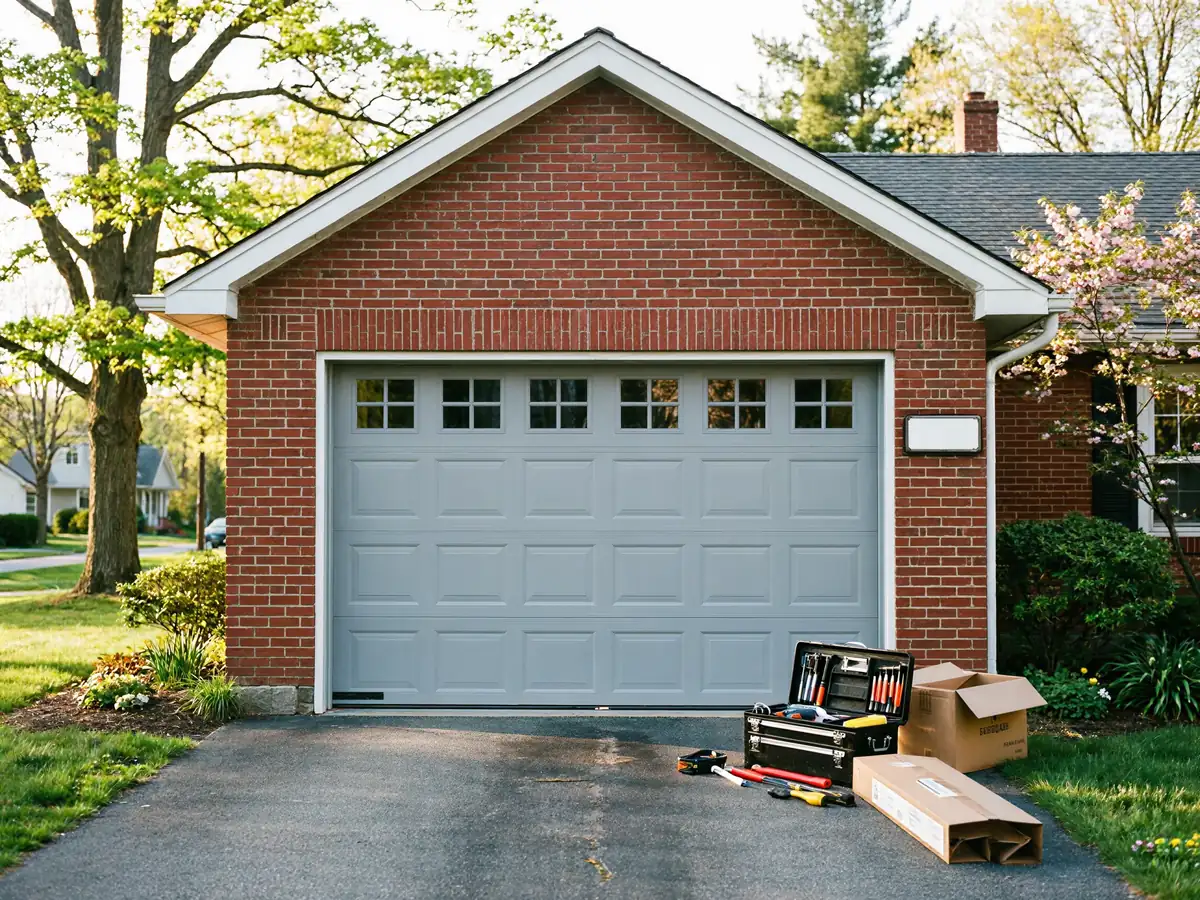
Most of the housing stock here went up between 1938 and 1980, with a lot of it clustered right around 1952, and that same pre-1960 pattern repeats across the 34 named communities in this area, not just one neighborhood. Houses from that era were built before insulation rules existed for garages at all - the garage was an afterthought attached to the house, not a conditioned space, and the door reflects that. You get a single layer of steel or a wood panel door with no foam core, original hinges that were never rated for a heavier replacement panel, and track hardware mounted for a lighter door than what often gets installed later.
The practical result: a lot of service calls in this area aren't really about a broken part, they're about a 1950s opening fighting a modern door. A new insulated panel set gets hung on old jamb brackets that were sized for the original lightweight door, and six months later the rollers are binding because the track was never plumb to begin with. We see this often enough that it's worth checking before any repair, not after.
What You Pay
We're not going to put a number here that isn't tied to your door, because the honest answer depends heavily on what's actually hanging in the opening. A pre-1960 door with original hardware and a single torsion spring costs differently to fix than a newer insulated double door, and parts for the older hardware sometimes take longer to source than parts for current production doors - that's a real limitation, not a sales line.
What we can say: median household income across this service area runs $56,795, and across the 26,064 households here, 16,767 own the house they live in outright or with a mortgage. That's the practical reality behind most of our calls - people deciding between patching an old door for another winter or putting the money toward a full insulated replacement, and most of them are weighing that decision against a real household budget, not an unlimited one. We'll tell you straight which side of that line your door is on before you spend anything.
What to Look At First
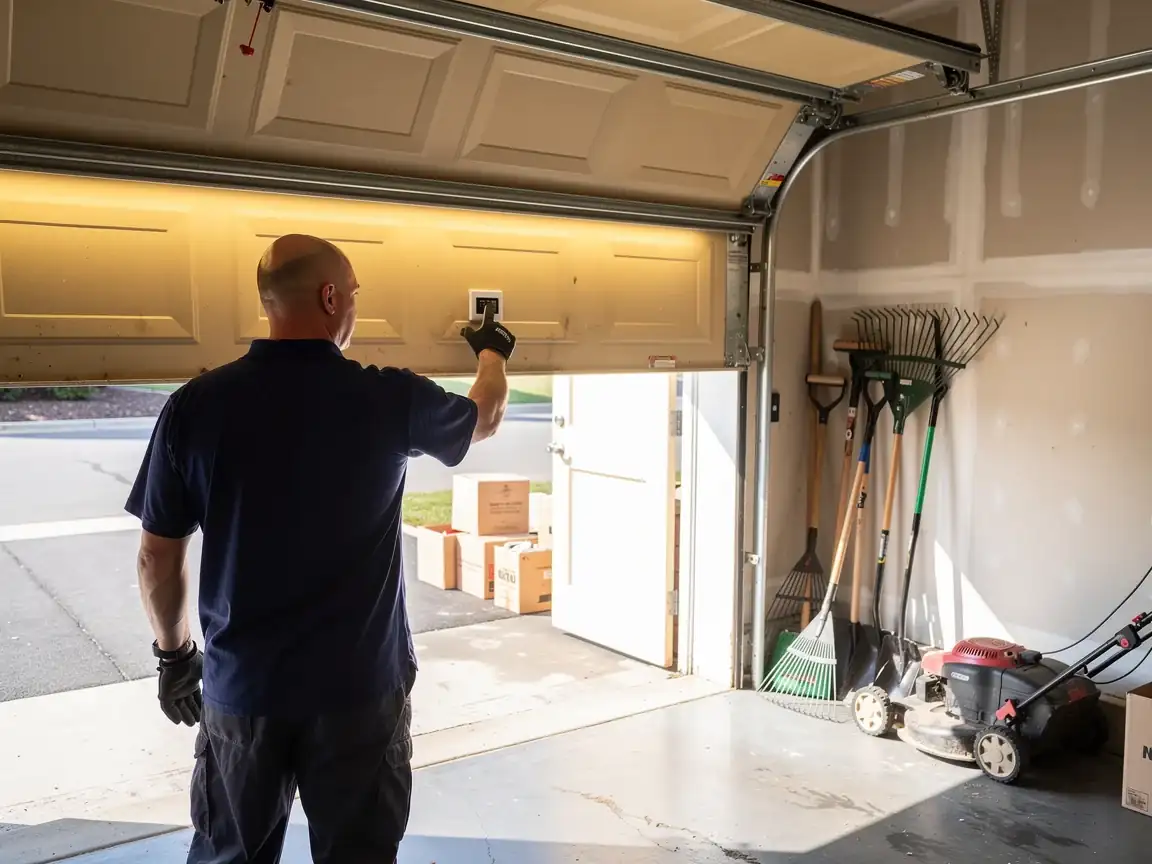
Before you call anyone, open the door and look at three things
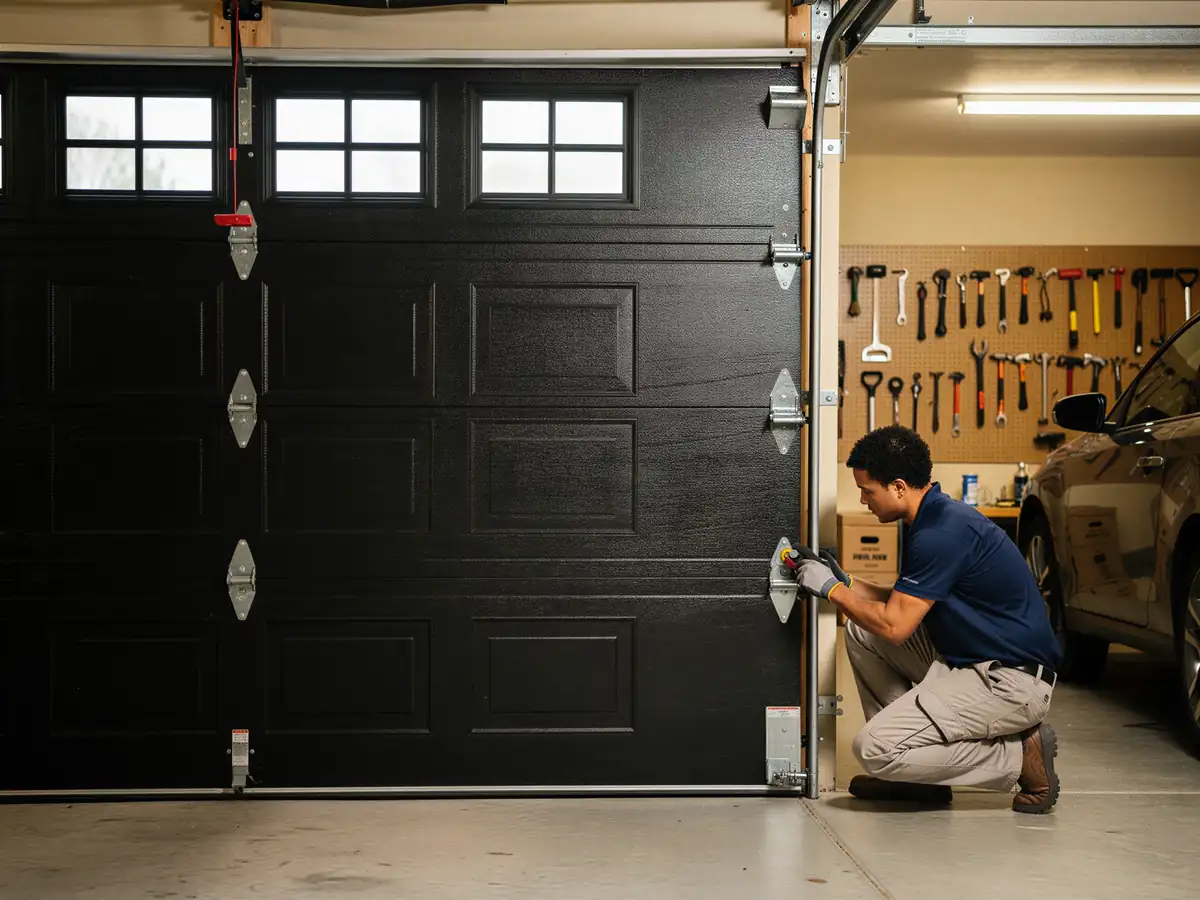
First, the bottom seal - if it's cracked, flattened, or pulling away from the track, cold air and water are already getting in regardless of what the panel itself is doing. Second, the hinges and track brackets - on a door from the 1940s through 1970s, check whether they're original; rust pitting at the hinge pivot points is common on hardware that age and it's often the real reason a door sounds rough, not the spring. Third, the spring itself - a torsion spring with visible gaps when unwound, or one that's been painted over so many times you can't tell its wire gauge, has been there a while.
If the door is original to a house built in that 1938-1980 window
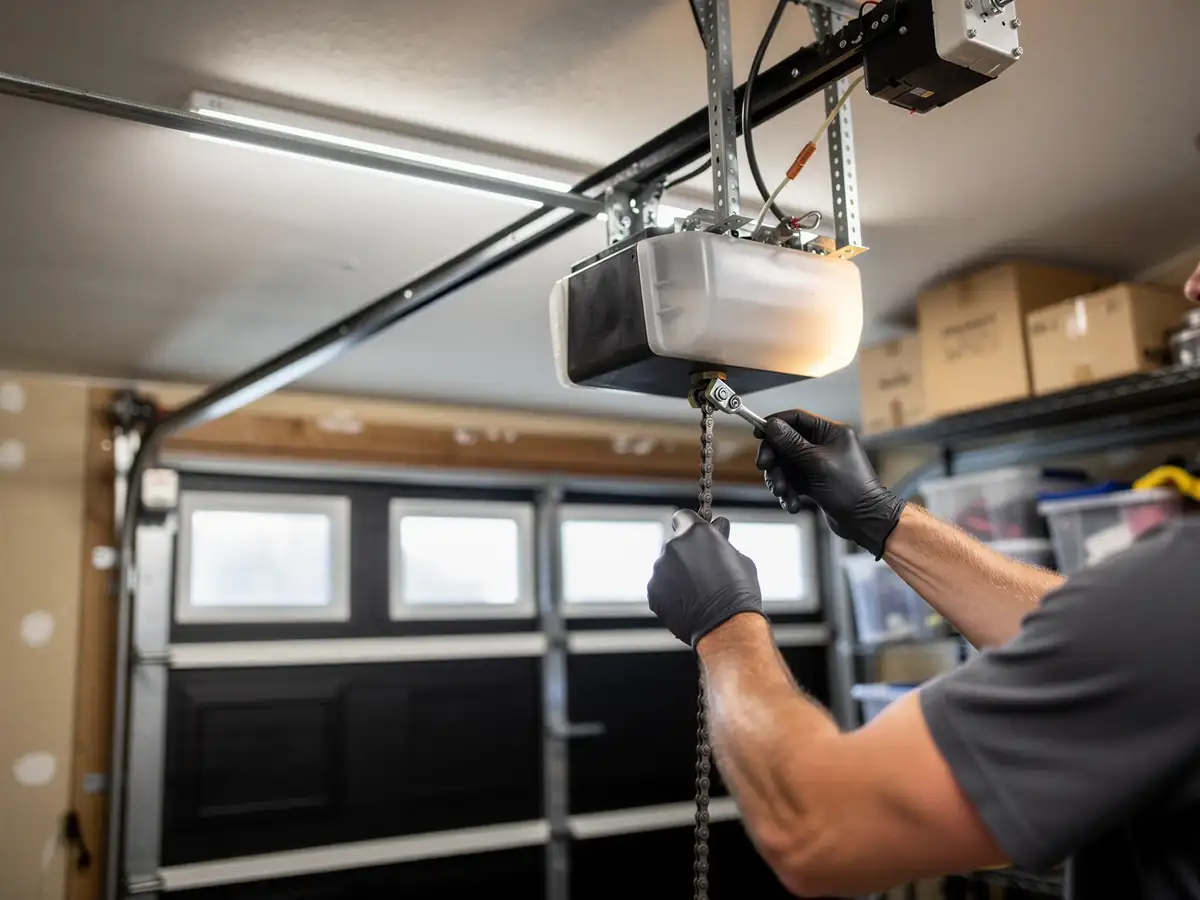
Don't assume a new opener fixes anything. The opener is rarely the part failing first on a door this old; the spring and the seal usually go first, and both are worth checking before you spend money on a motor.