What the Weather Here Does to It
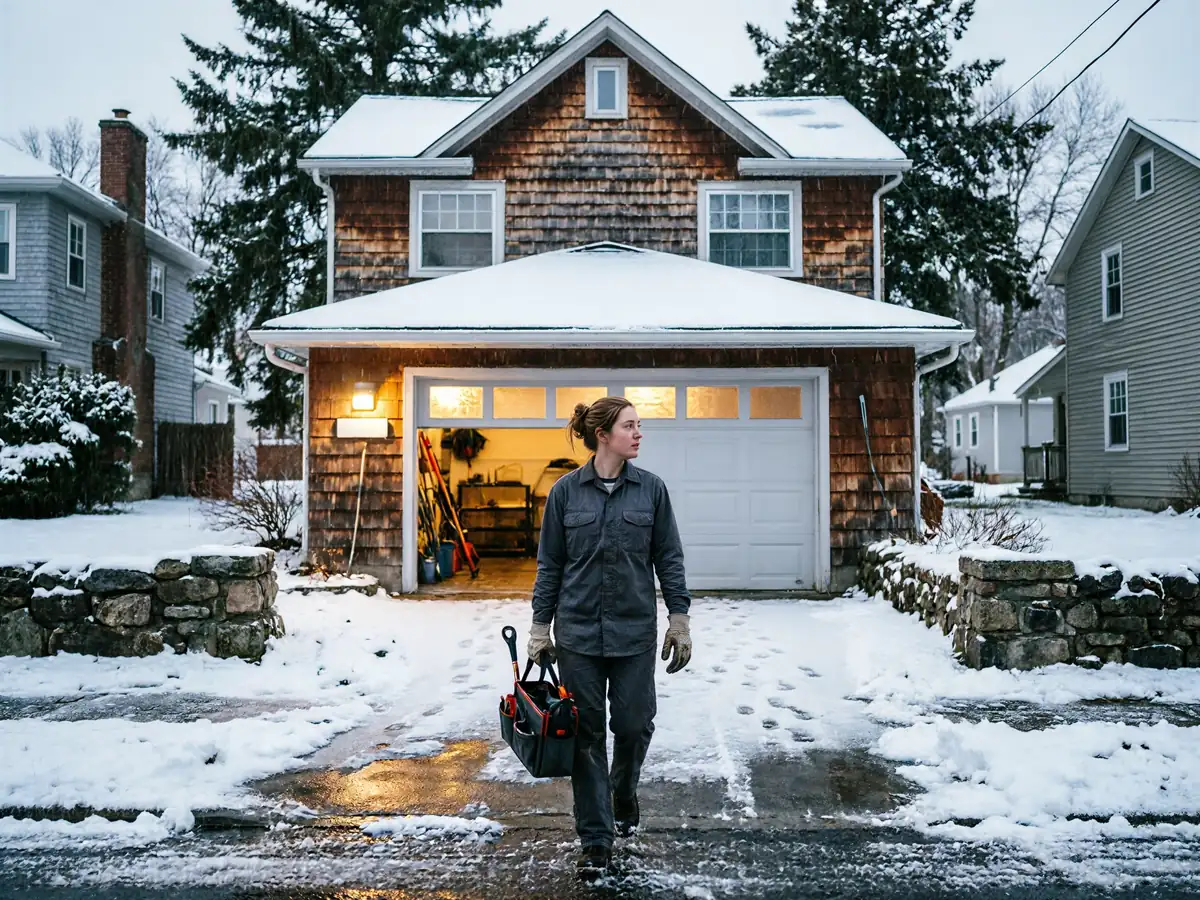
Johnstown sits in a climate band federal sources classify as cold and severe
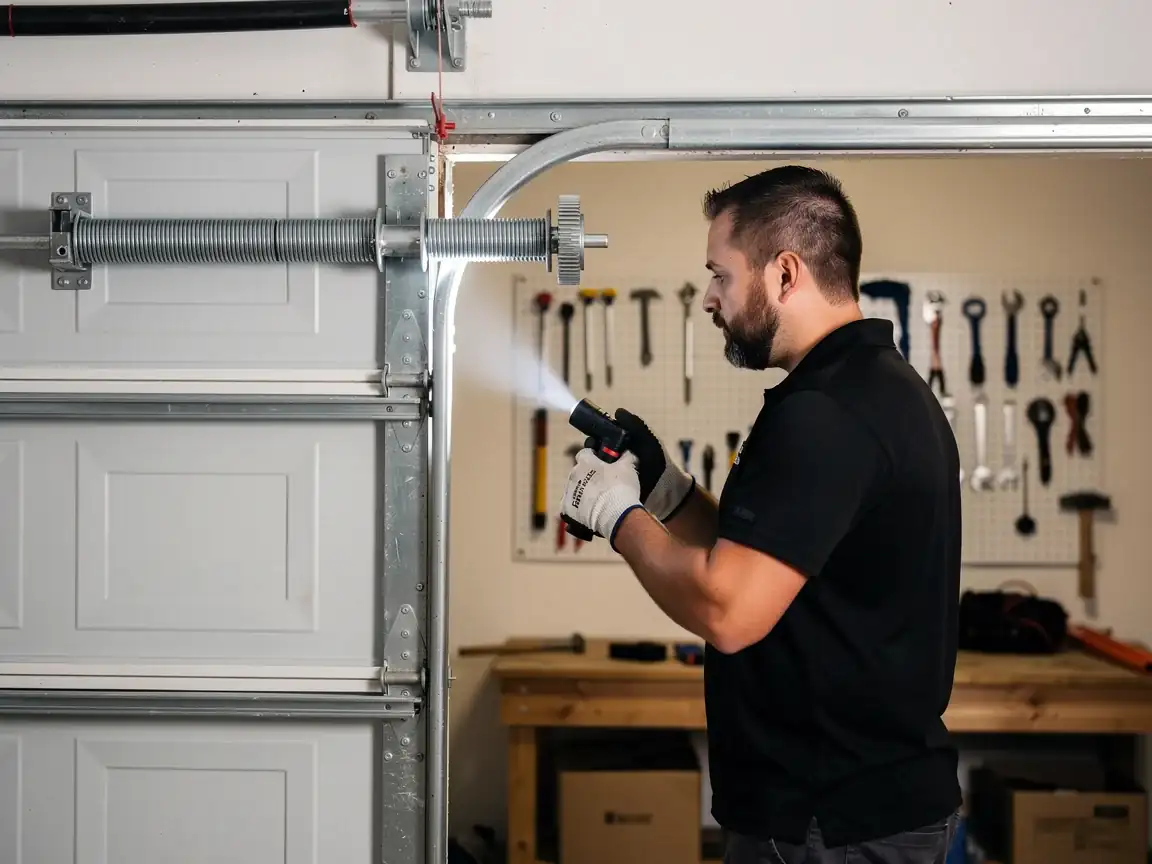
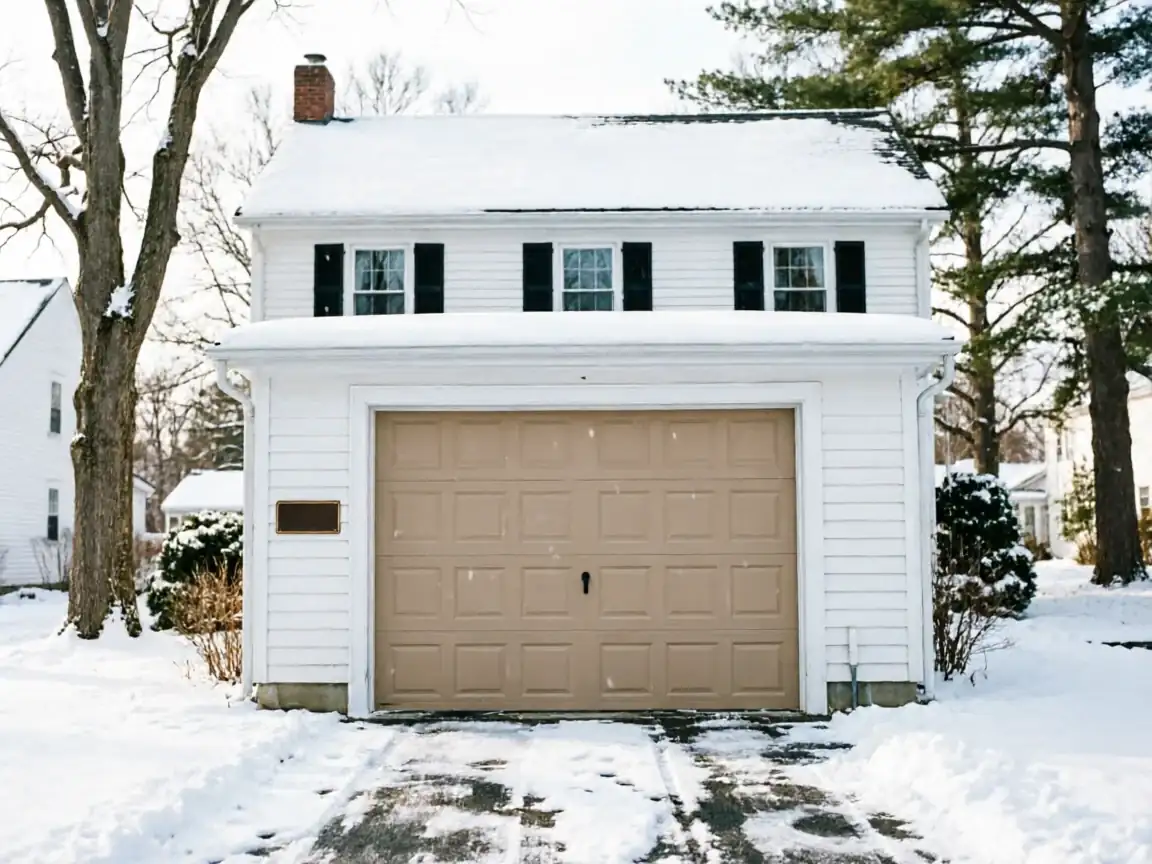
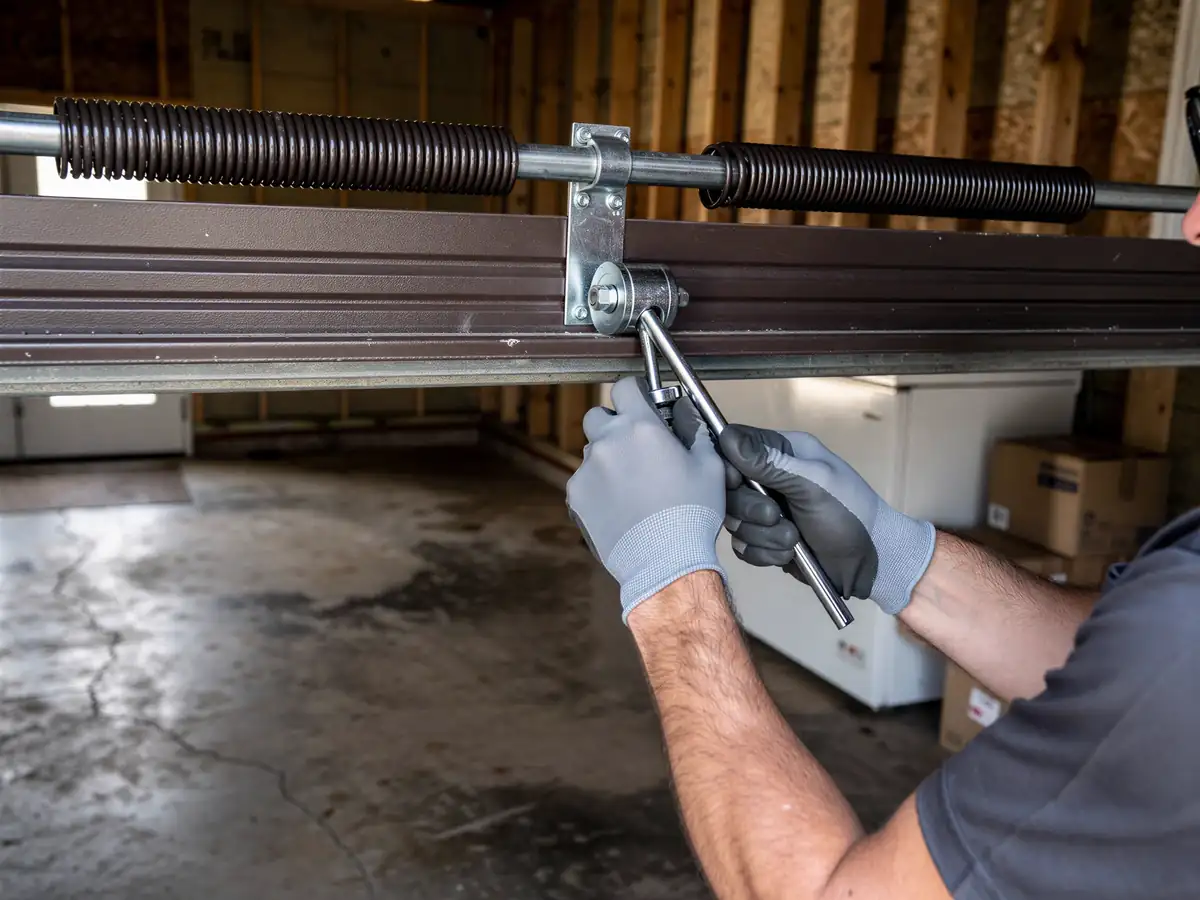
And that matters more for a garage door than most homeowners think. Steel panels contract in deep cold and expand again once the sun hits them, and that cycle works at the seams, the hinges, and the weld points on a track every single winter. Springs lose a little bit of tension in cold temperatures too, which is why a door that felt balanced in August can feel heavy in January.
A lot of the housing stock we work on went up between 1938 and 1980
With the median build year around 1952, so we're often dealing with openers and hardware that were never designed for the insulation standards or the torsion-spring setups common today. On an older house, a service call usually starts with checking whether the track is still square, since decades of freeze-thaw movement in the slab or the header can pull it out of line in ways a newer build wouldn't show yet.
We're not going to tell you every call is weather-related
Plenty aren't. But if you're noticing new noise or stiffness right as the temperature drops, the cold is very likely part of the story, not a coincidence.
The Problem
Most of the calls we get on homes in this area trace back to original hardware that's simply reached the end of its service life. A door built when the house was built in the 1940s or 50s was often matched to a torsion spring and a drum system that nobody stocks new parts for anymore, so a call that looks like "the door won't open" sometimes turns into finding a part that still fits.
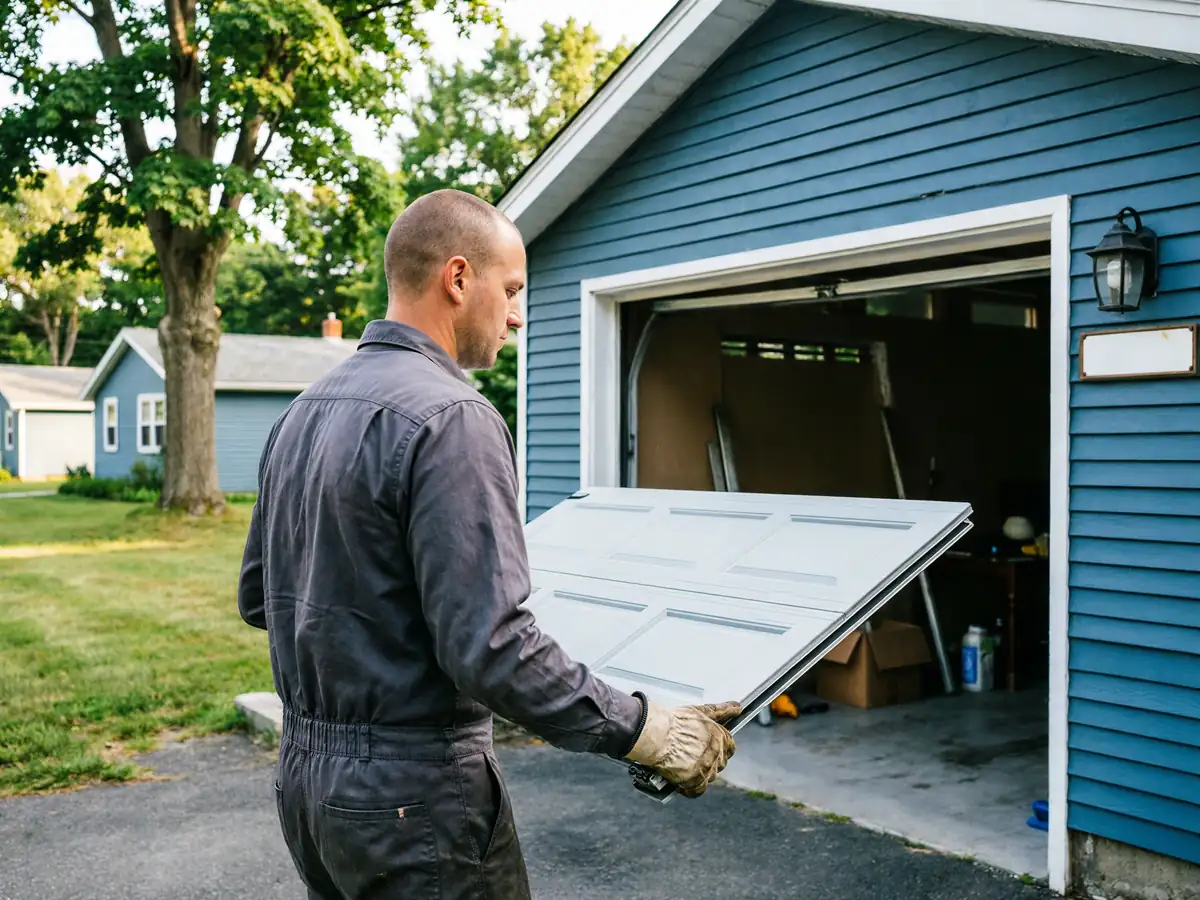
Across the 34 named areas we cover, from Brownstown a mile out to Indian Lake twenty miles south, the housing is mostly pre-1960, and that means a huge share of the doors we see were never upgraded past their original rollers and cables. Cable fray and roller wear show up earlier on these older doors because the track geometry wasn't built for today's heavier insulated panels, if a panel's ever been swapped.
The honest version of the problem: a service call on an older door isn't always a quick fix. Sometimes the fix is a new spring and a tune-up. Sometimes the hardware is so far gone that patching it costs nearly as much as starting over, and we'll tell you that straight instead of nickel-and-diming a door that's done.
What You Pay
We don't have a published price list to hand you here, and we're not going to invent one just to fill this space. What we can tell you is how the area shapes the conversation. Median household income in the service area runs $56,795, and across 26,064 households, 16,767 are owner-occupied houses, so most of the doors we're called out to work on belong to the person who answers the door, not a landlord managing a rental from somewhere else.
That matters because it changes how we talk about cost. A homeowner paying out of pocket on a median income wants to know up front whether a repair makes sense against a replacement, not get walked into an upsell. So part of every call is giving you both numbers before any work starts: what the repair runs, and what a comparable new door would run, so you're deciding with real information instead of guessing.
We can't quote a flat number in writing here because every door, spring size, and opener is different, and guessing at a price before we've seen the hardware isn't honest. What we can promise is that the number you hear on the phone is the number that gets written on the invoice.
What to Look At First
Before you call, there are a few things worth checking yourself
Especially on a house built in the era most of this area was built in. Stand the door up and disconnect the opener, then try lifting it by hand. If it's heavy or uneven, that's spring tension, not an opener problem, and it's also not a DIY fix on a torsion system.
Next, look at the track where it meets the header
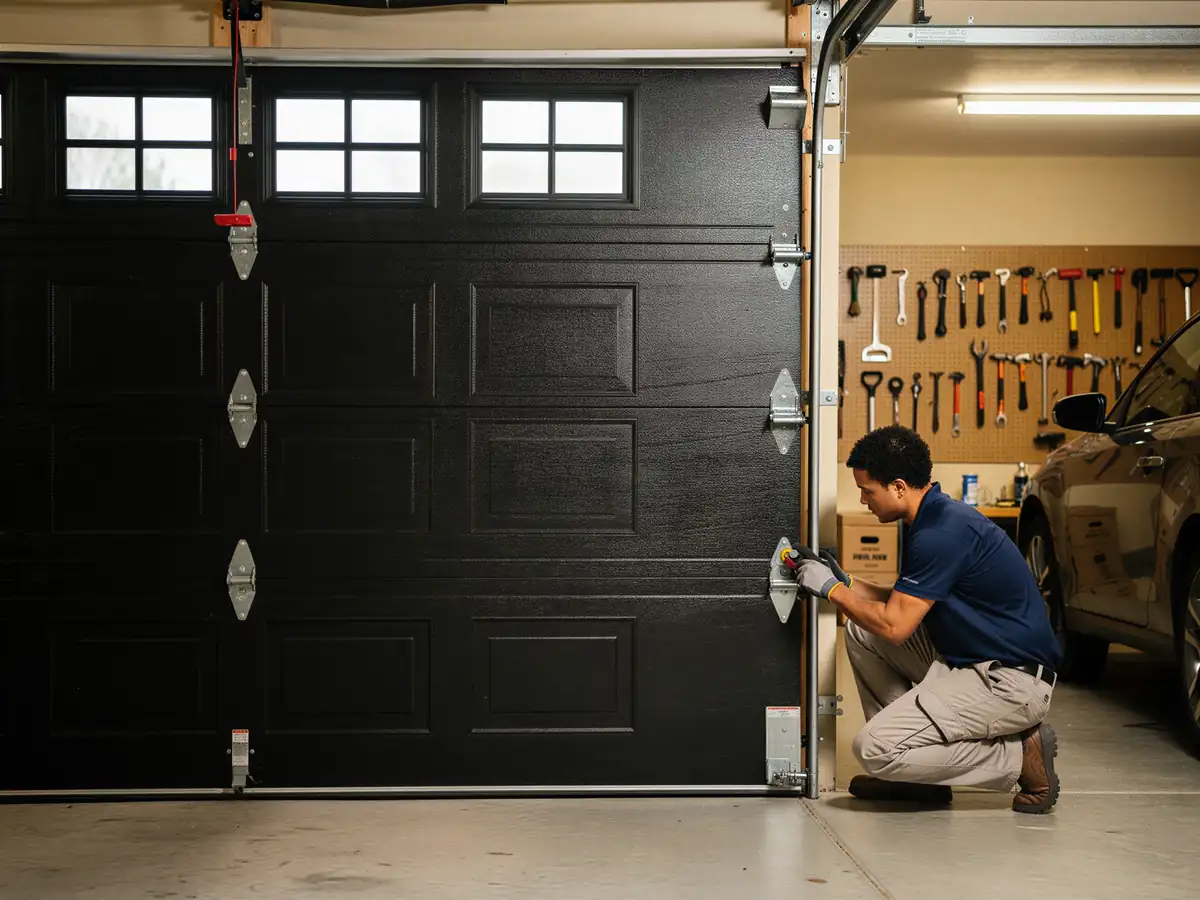
On older houses here, decades of settling can pull that bracket loose or out of square, and a door that binds partway up is often a track issue rather than a broken part. Check the cables too, down near the bottom brackets, for fraying or rust, since that's where age shows first on original hardware.
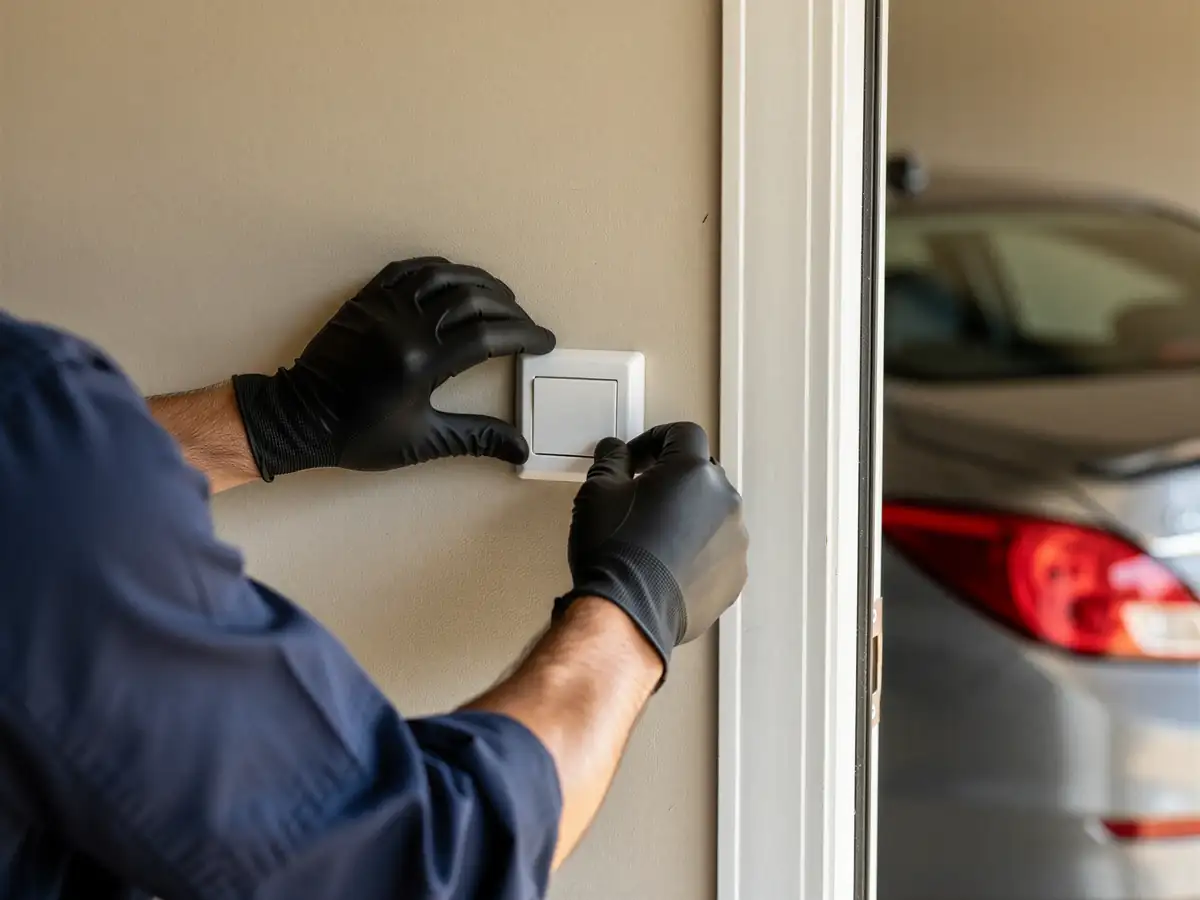
If the opener motor runs but the door doesn't move, or moves and then reverses
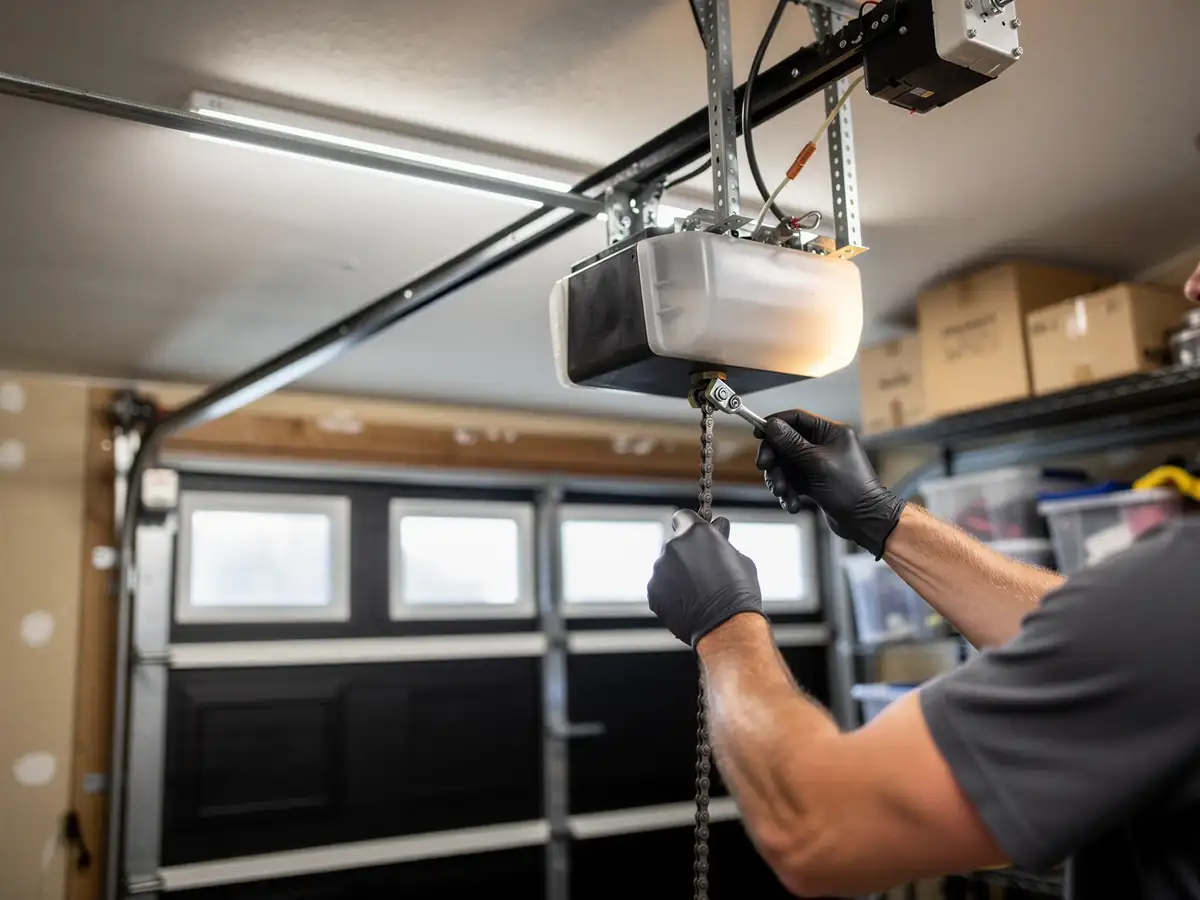
Don't keep running it. That's usually the safety sensors or the gear inside the opener, and running it repeatedly can strip what's left of a worn gear. A service call at that point is about diagnosing the actual failure, not guessing from the driveway.