What the Repair Takes
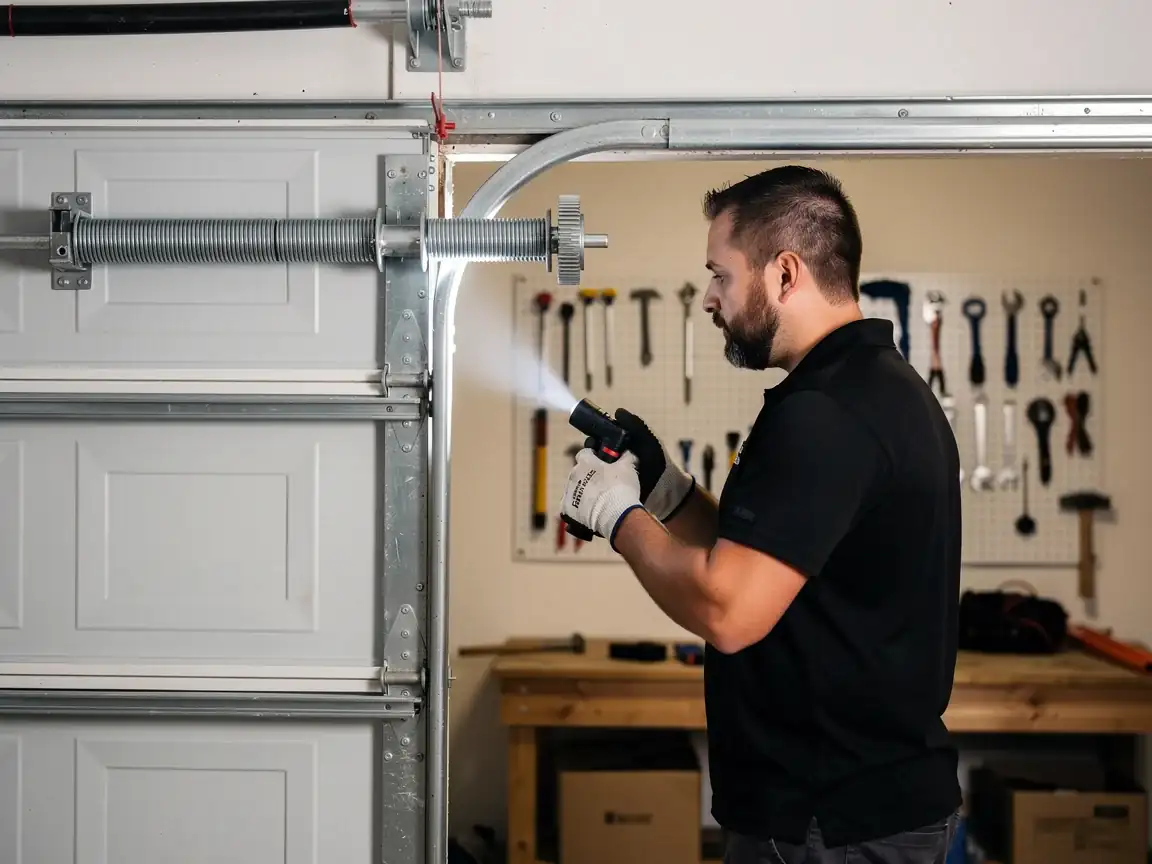
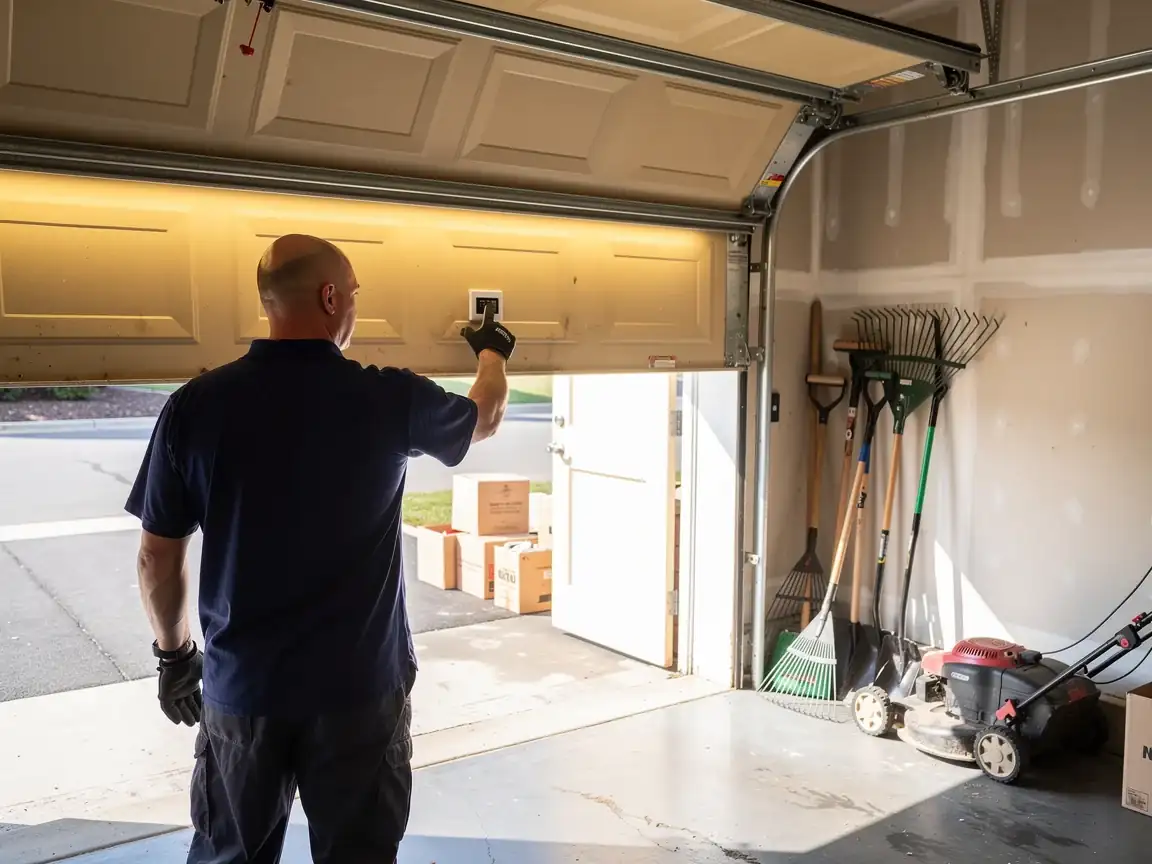
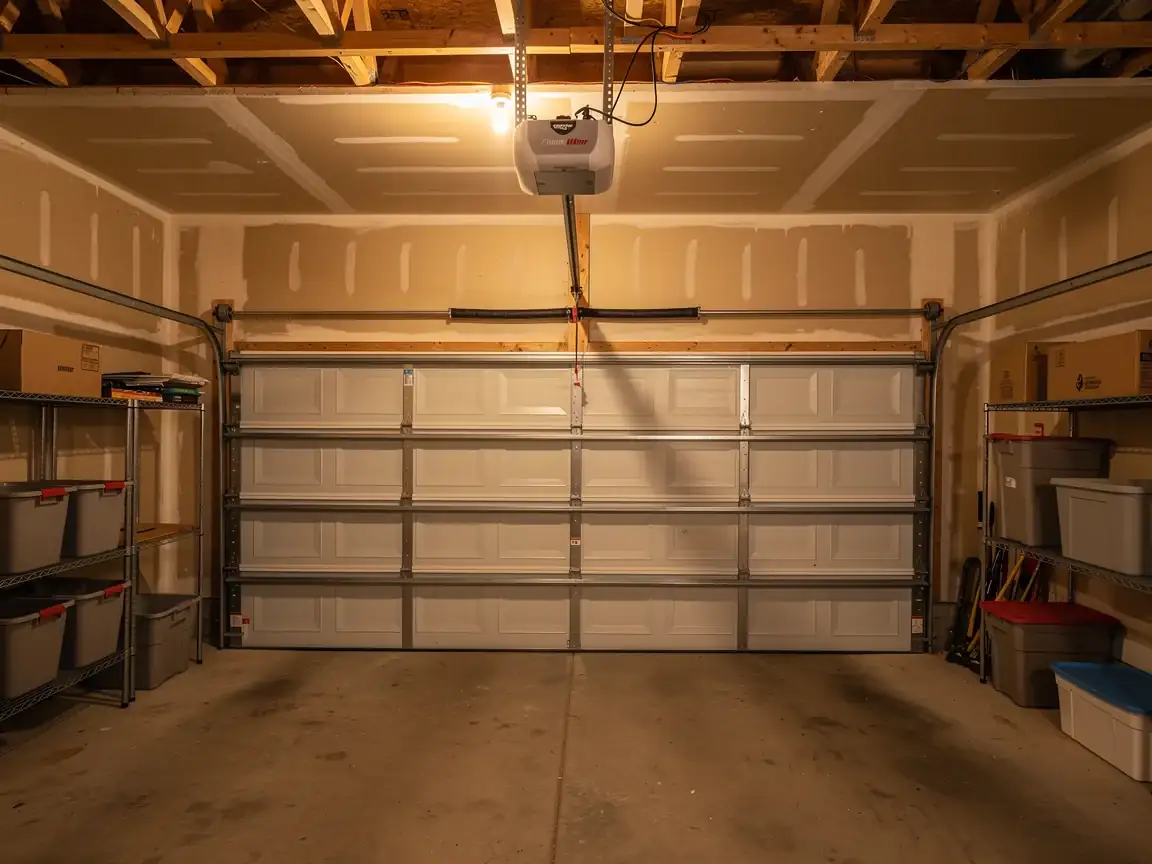
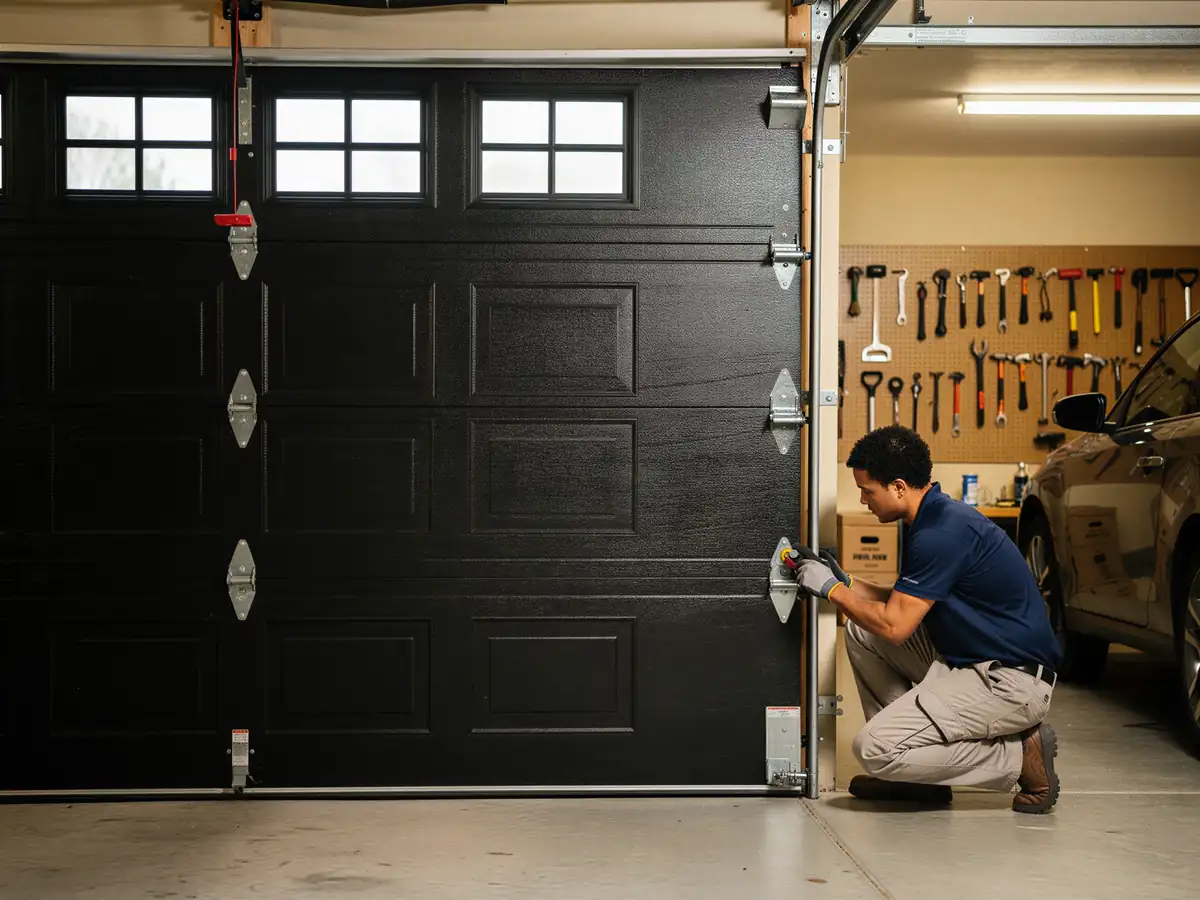
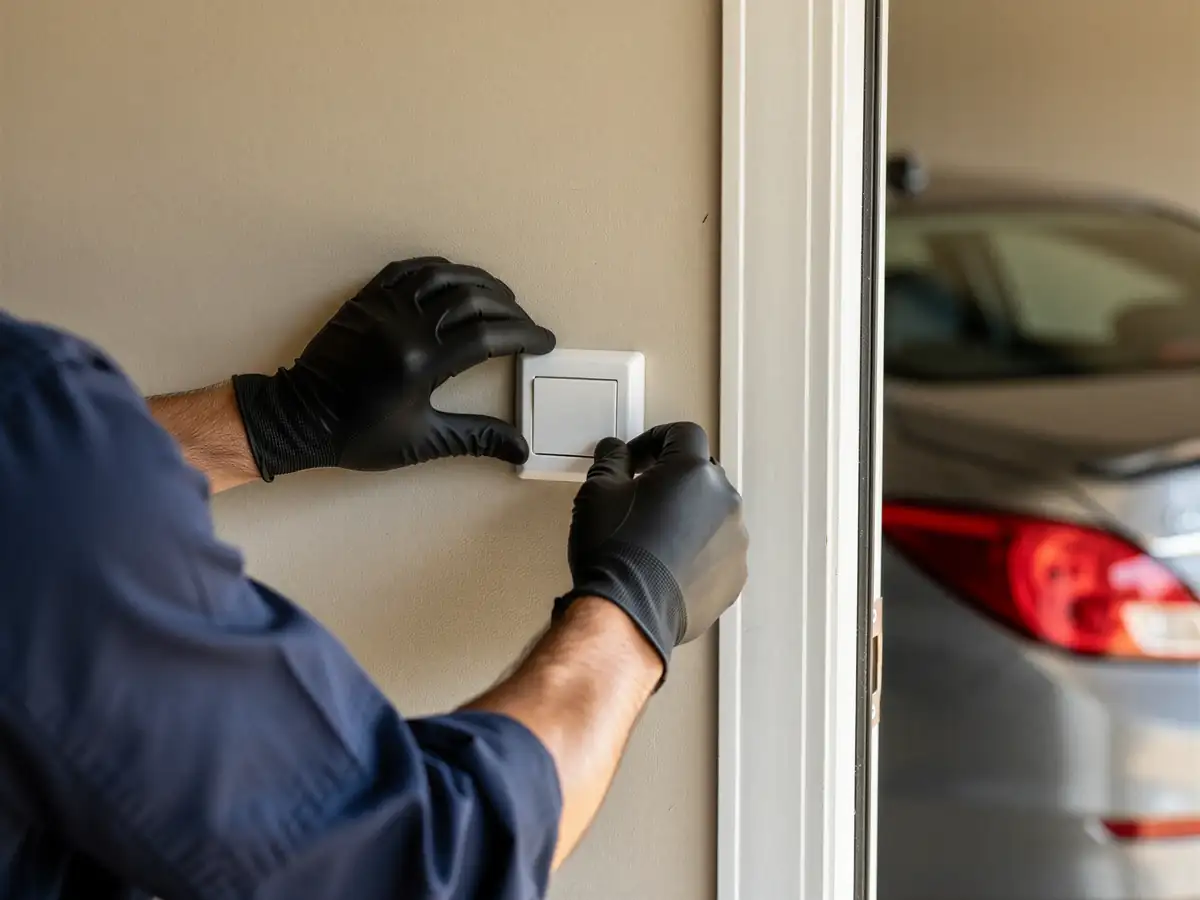
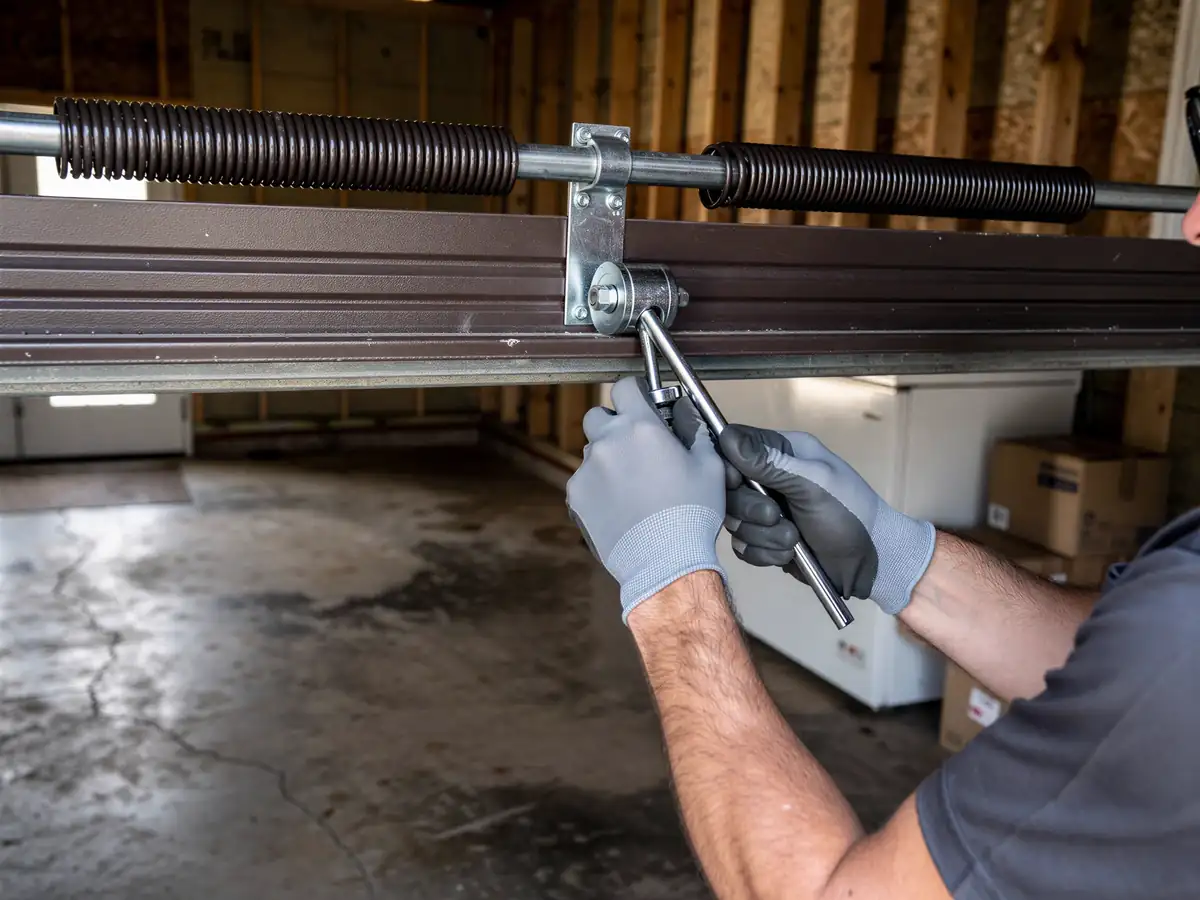
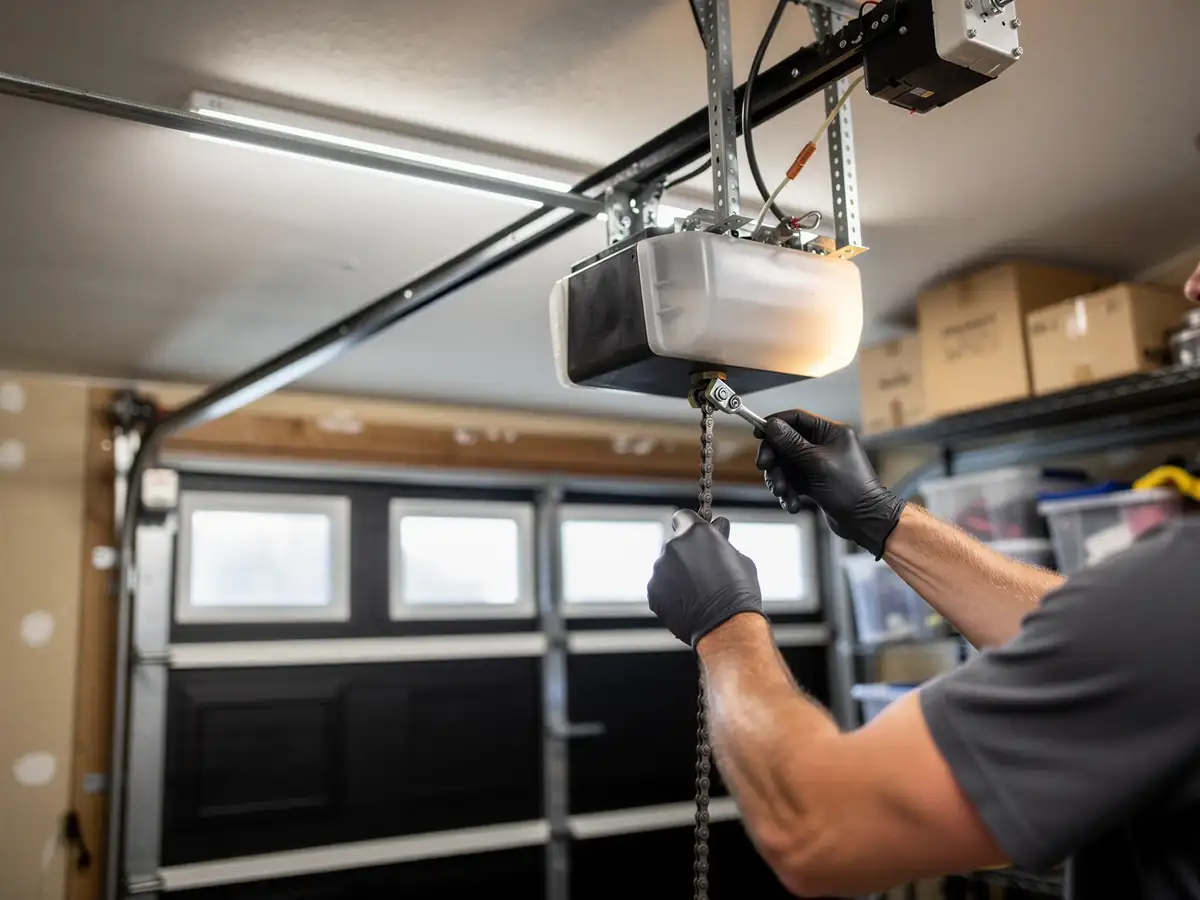
A lot of the opener hardware in Belmont is older than the drywall repairs around it. Houses here cluster around a 1966 build date, which puts a good share of garages at an age where the opener has been swapped once, maybe twice, but the wall button, the safety reversal sensors (if added later), and the wiring run are often still from whichever retrofit happened decades back. That mismatch - a newer motor head bolted to old bracketry and a rail that's been re-shimmed more than once - is the single most common thing we find mid-repair. We test the travel limits, the force settings, the capacitor on older chain-drive units, and the condition of the drive gear before we touch anything electrical, because a stripped gear looks exactly like a dead motor until you open the housing.
How Long You Are Without the Door
Most opener repairs here don't leave you stuck. If it's a logic board, a capacitor, a sensor pair, or a drive gear, we carry the common replacements and the door is working again before we leave. Where it runs longer is a circuit board specific to a legacy chain-drive unit that was never a widely stocked part - those sometimes mean a special order, and we'll tell you that on the spot rather than let you wait around guessing. In the meantime the door operates by hand; we show you how to disengage the opener safely so you're not locked out of the garage while parts are in transit.
What You Pay
We don't have a posted price list for opener repair, and we're not going to invent one here. What we can tell you is that Belmont sits in a service area with a median household income of $57,132, a touch above the $56,795 median across the wider area we cover from Johnstown - not a figure that tells you what your repair costs, but one that tells us this isn't a neighborhood where we pad a quote because the street looks a certain way. Cost depends on whether it's a sensor, a capacitor, a gear, or a board, and we give you that number before any work starts, not after.
What Can Go Wrong
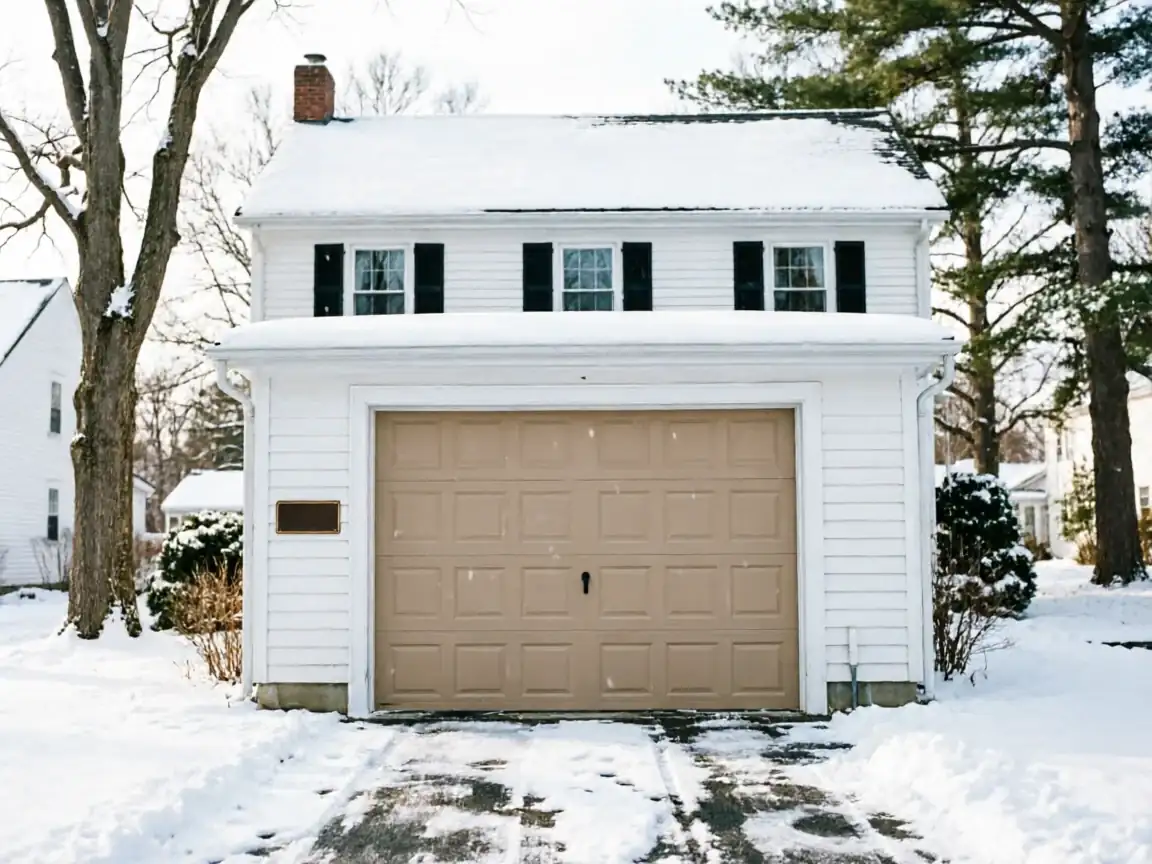
The honest failure point in Belmont is age mismatch. A house built around 1966 may have had its opener replaced in the 90s, then had sensors bolted on after federal reversal requirements came in, then had a wall console swapped more recently still - four different eras of hardware working off one circuit. When one piece fails, the rest sometimes fail the inspection test with it, even though they were fine yesterday. We also see cold-weather symptoms: a chain drive that struggles to reverse smoothly isn't always broken, sometimes it's just stiff with cold grease, and we'd rather tell you that and charge you for a lubrication service than sell you a motor you don't need. If the opener motor itself is original and dying, we'll say so plainly - at some ages, replacing beats repairing, and we won't talk you out of that fact to make the invoice bigger.