What the Repair Takes
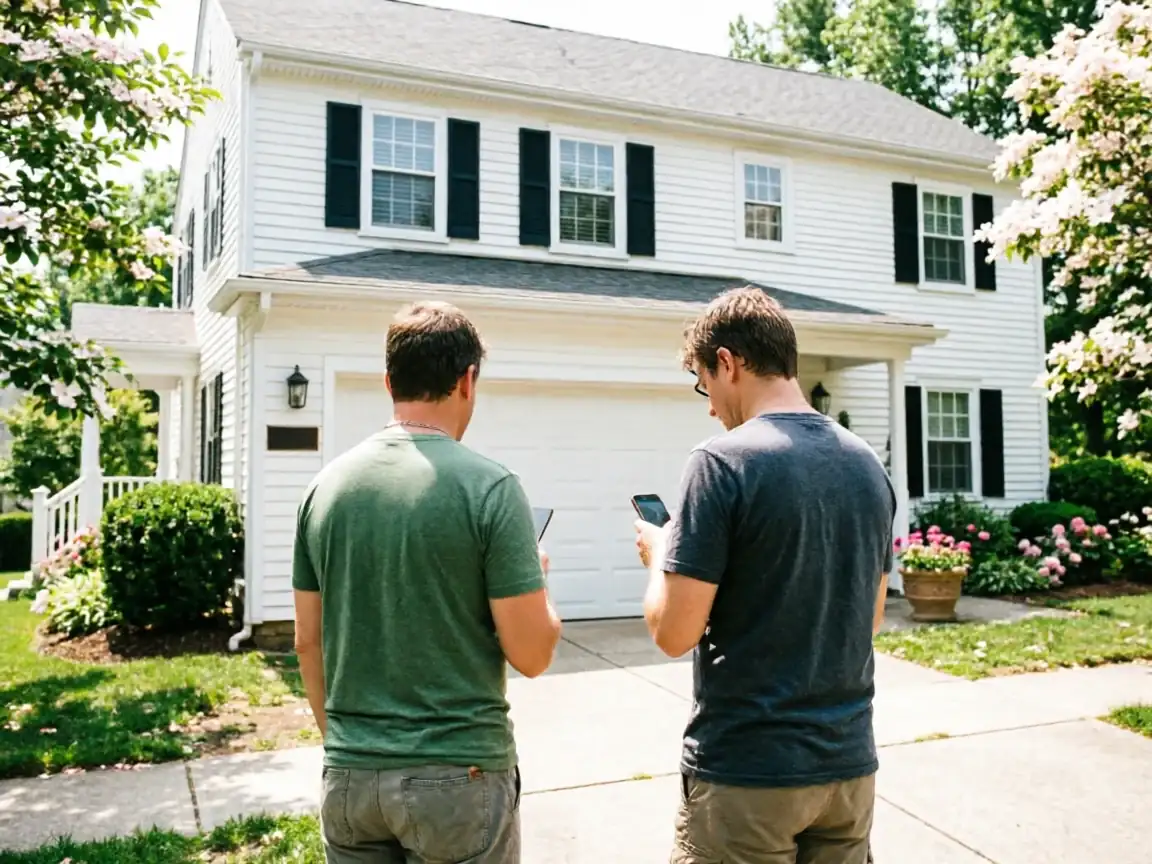
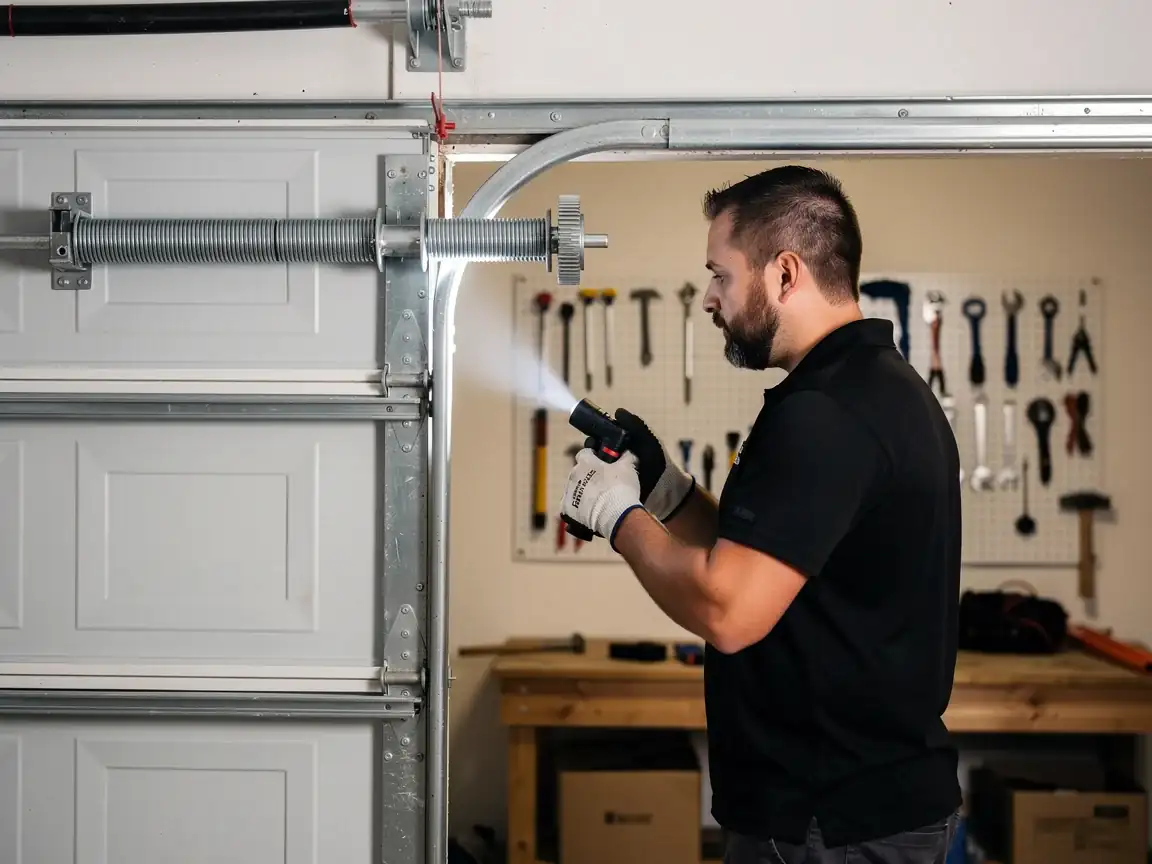
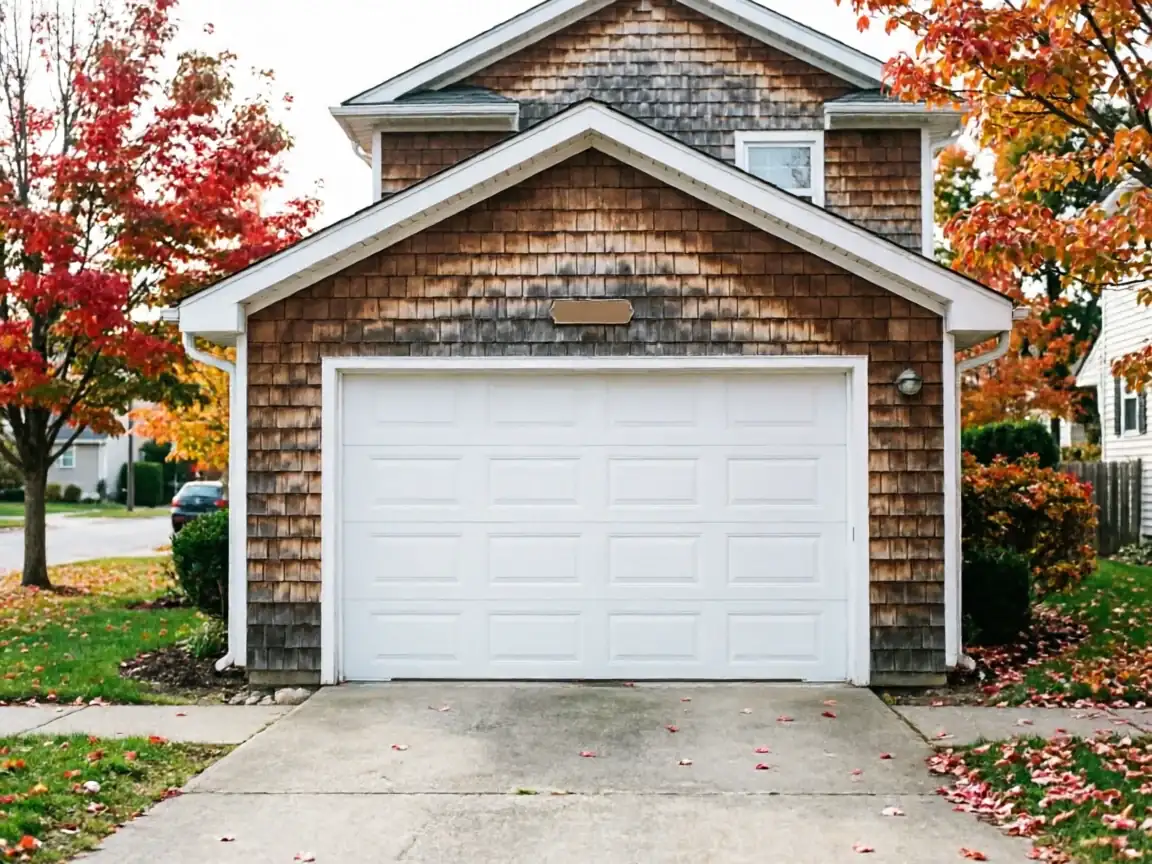
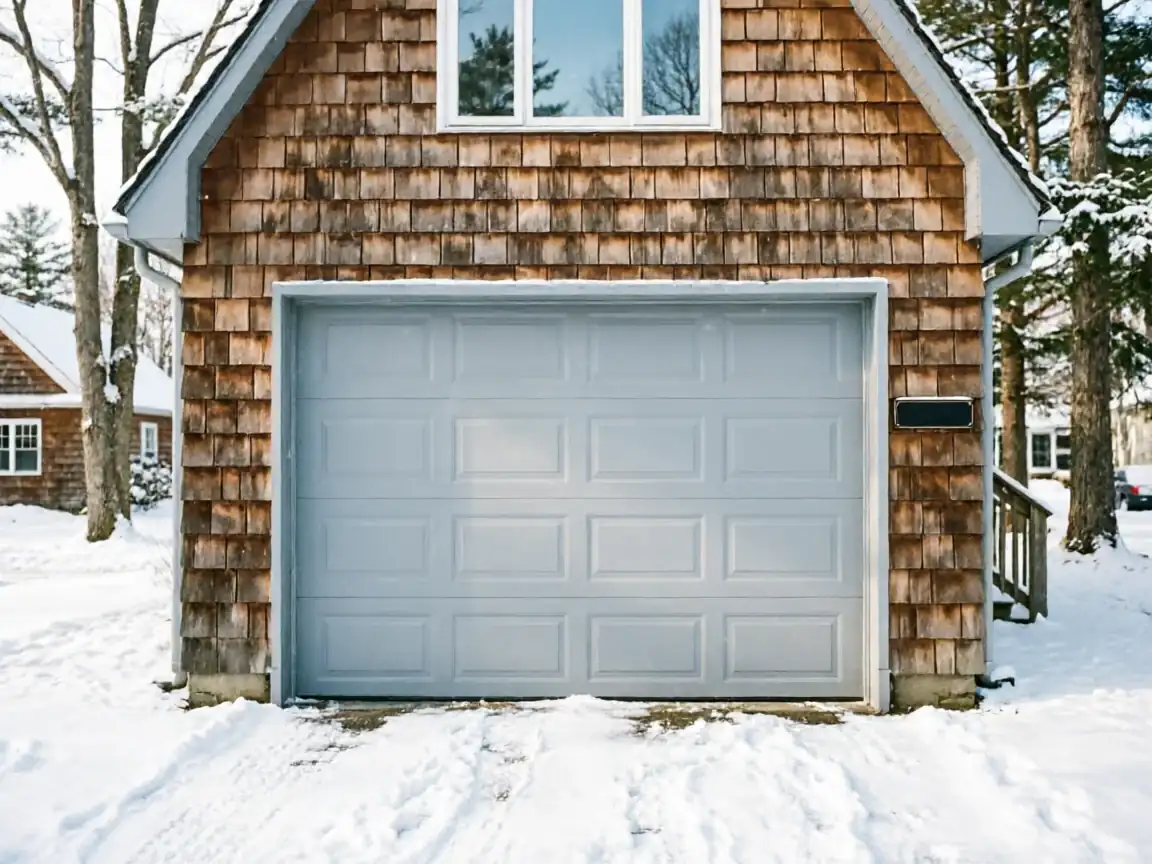
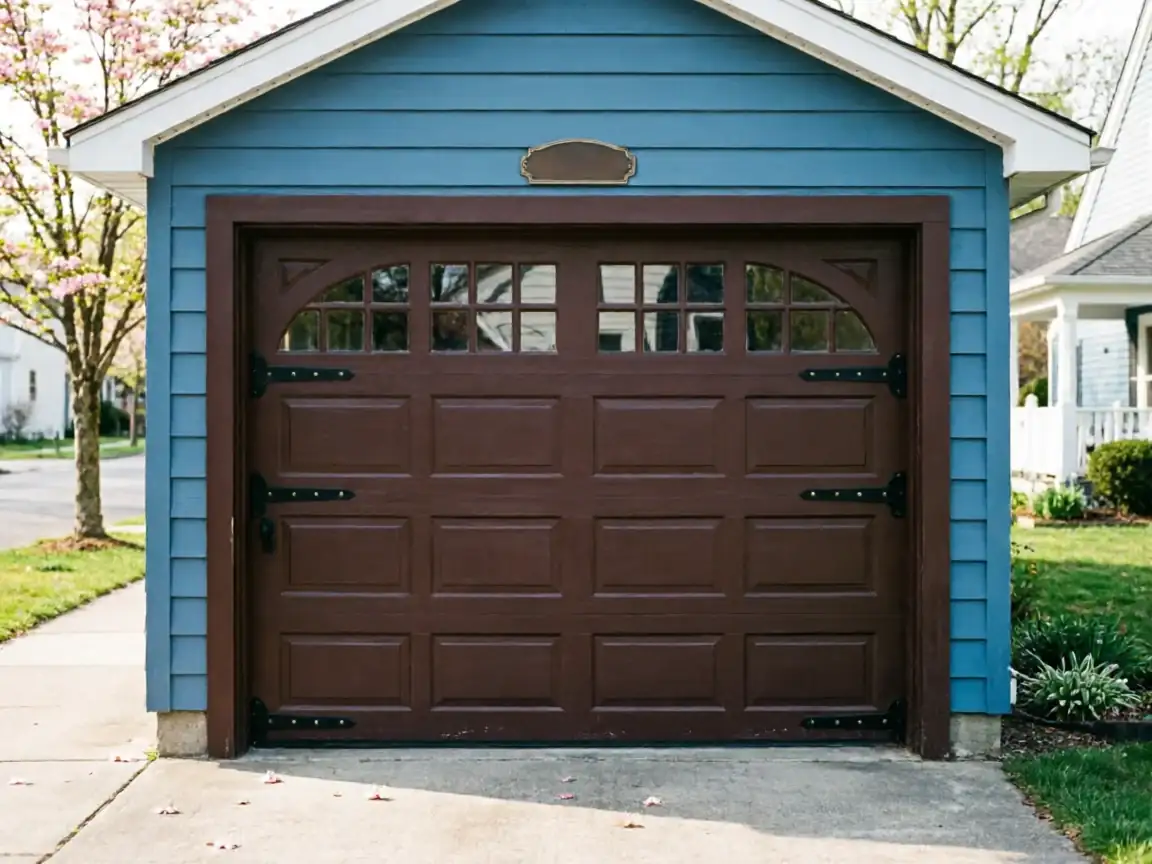
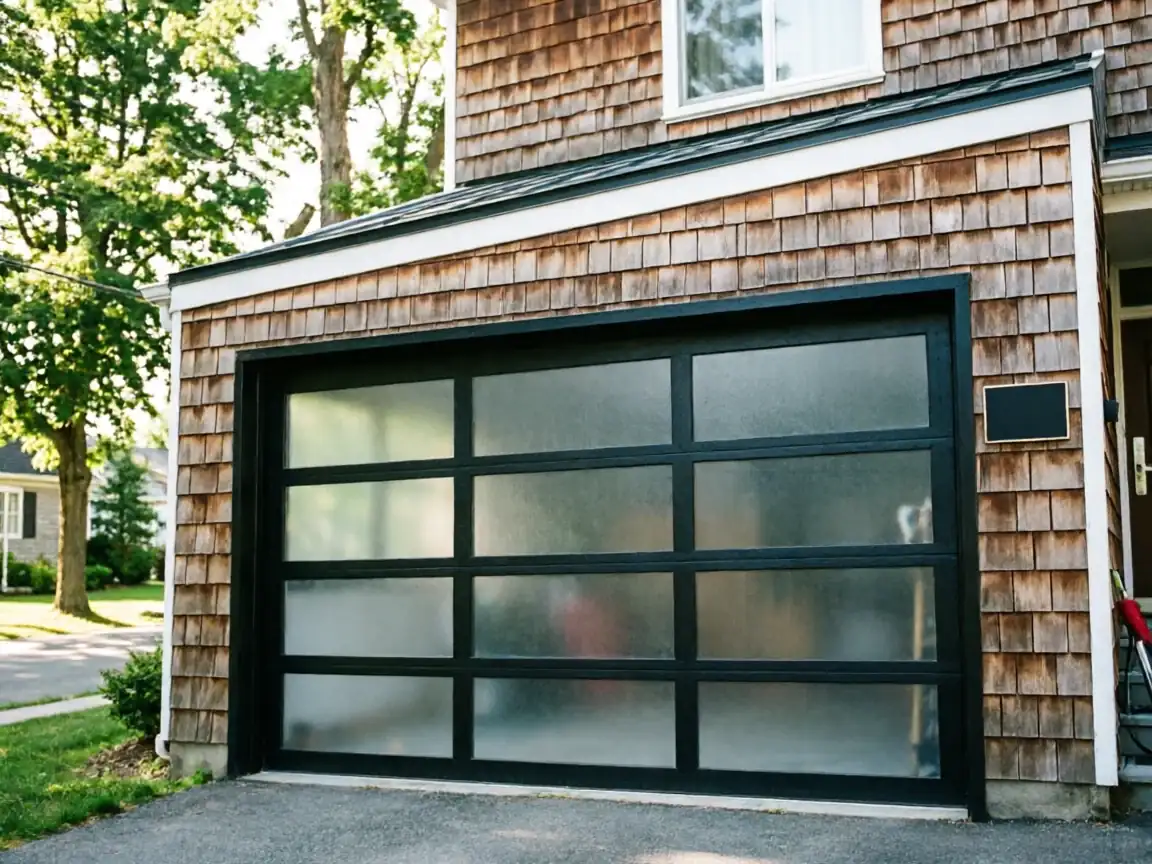
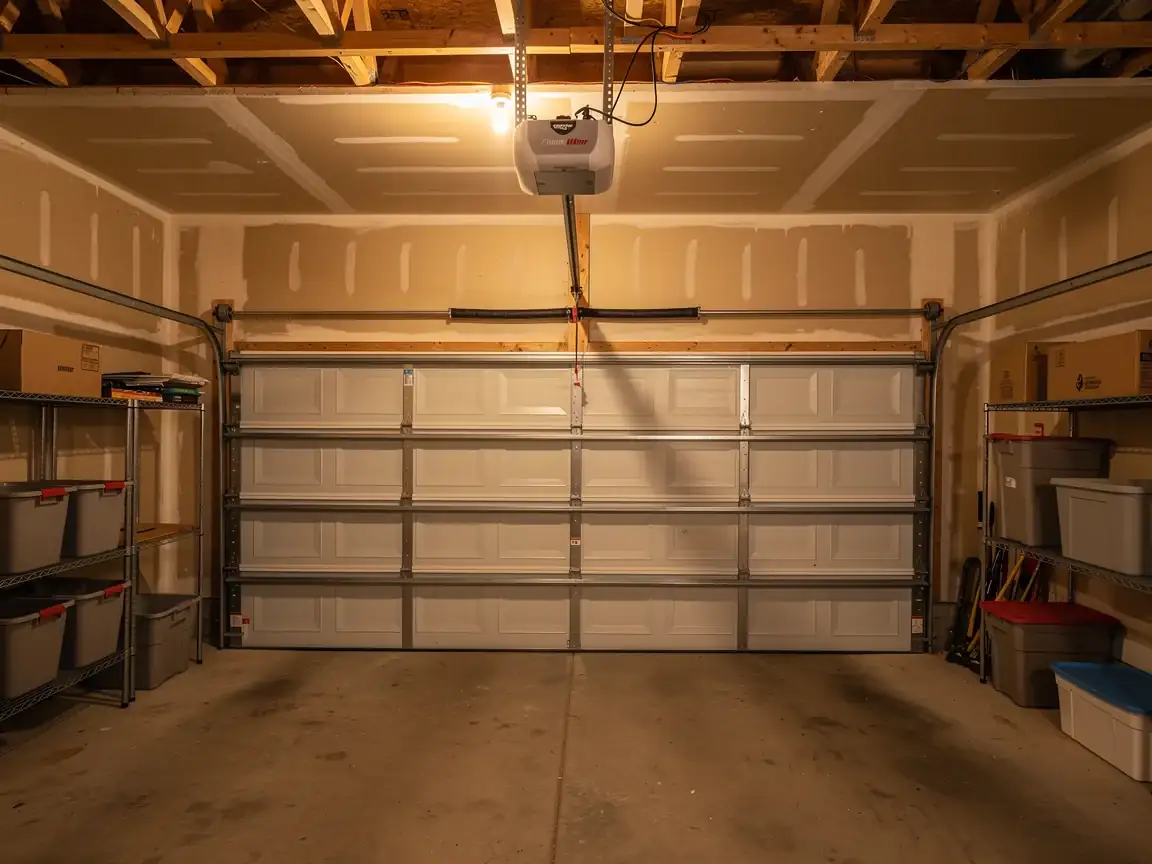
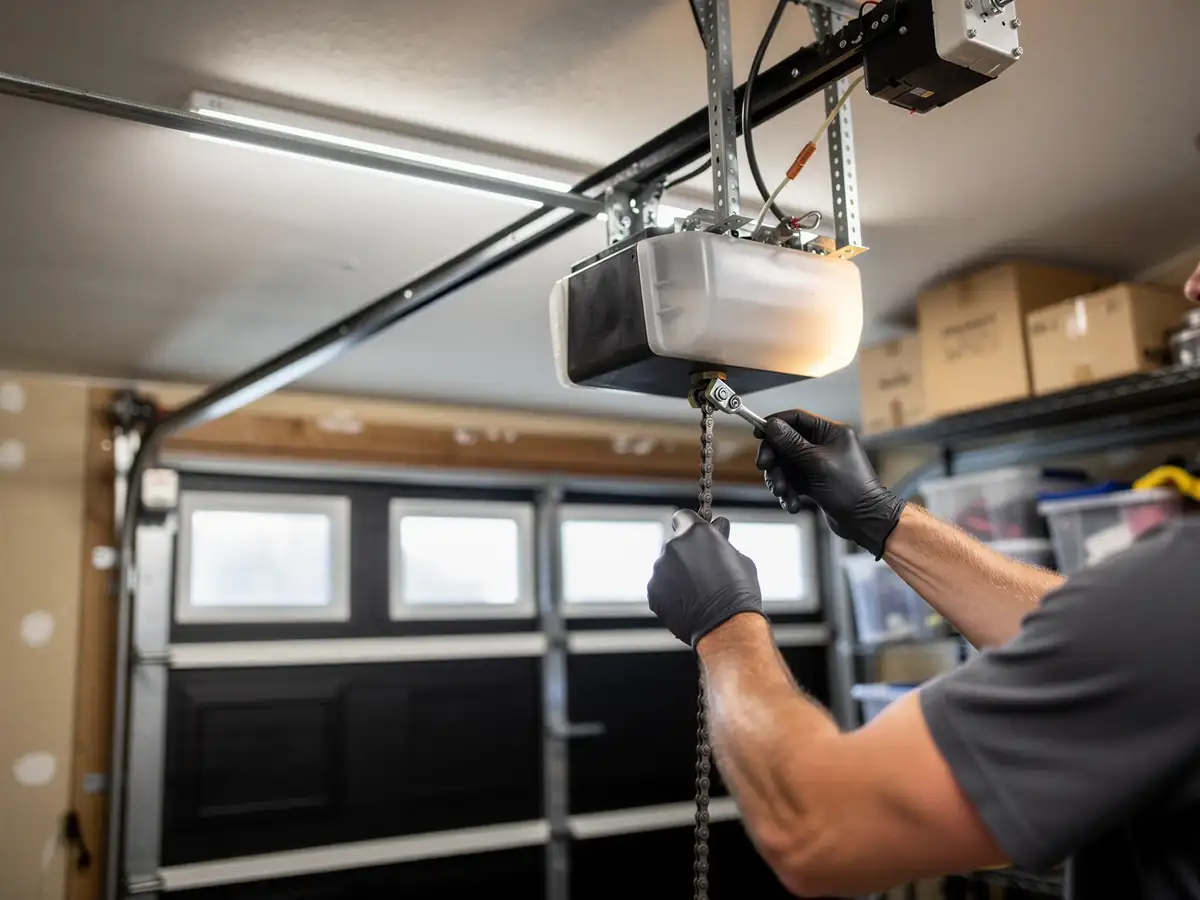
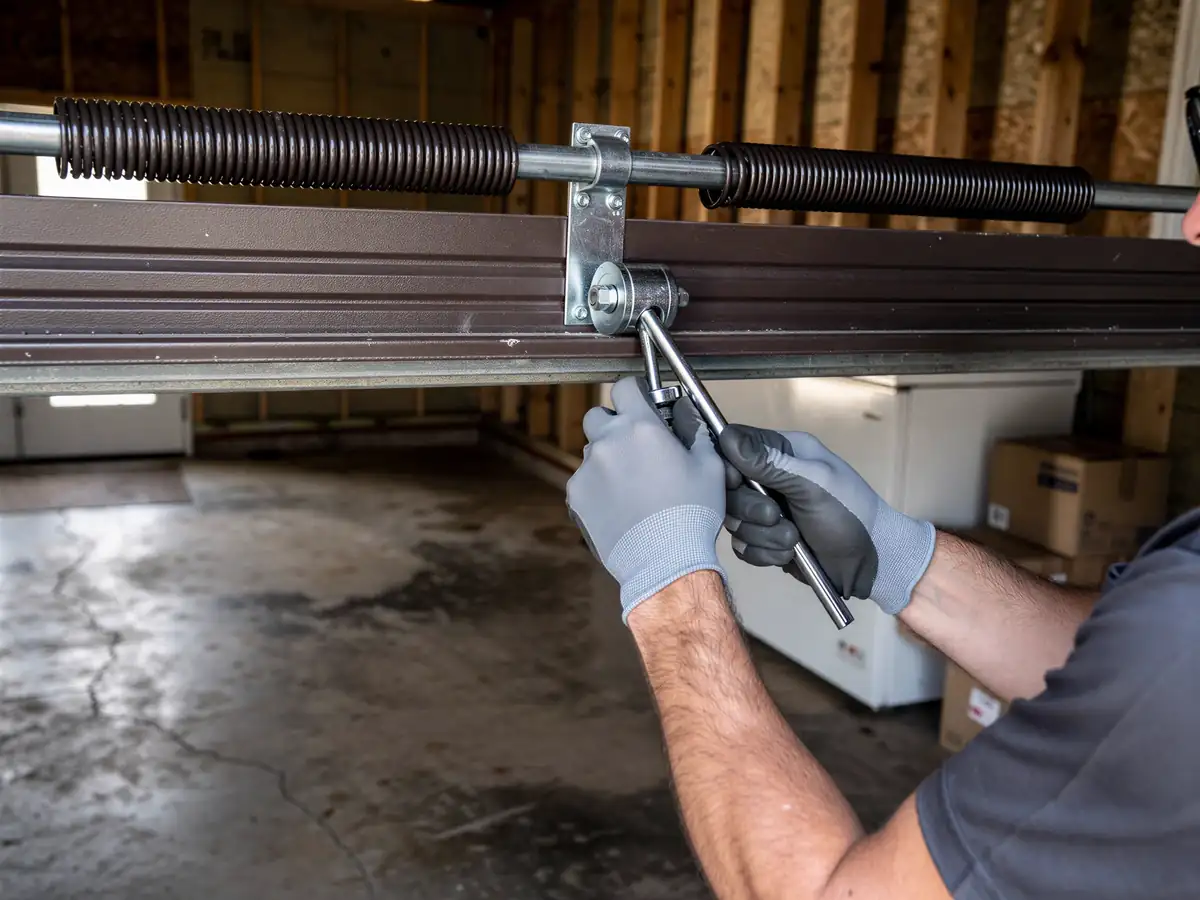
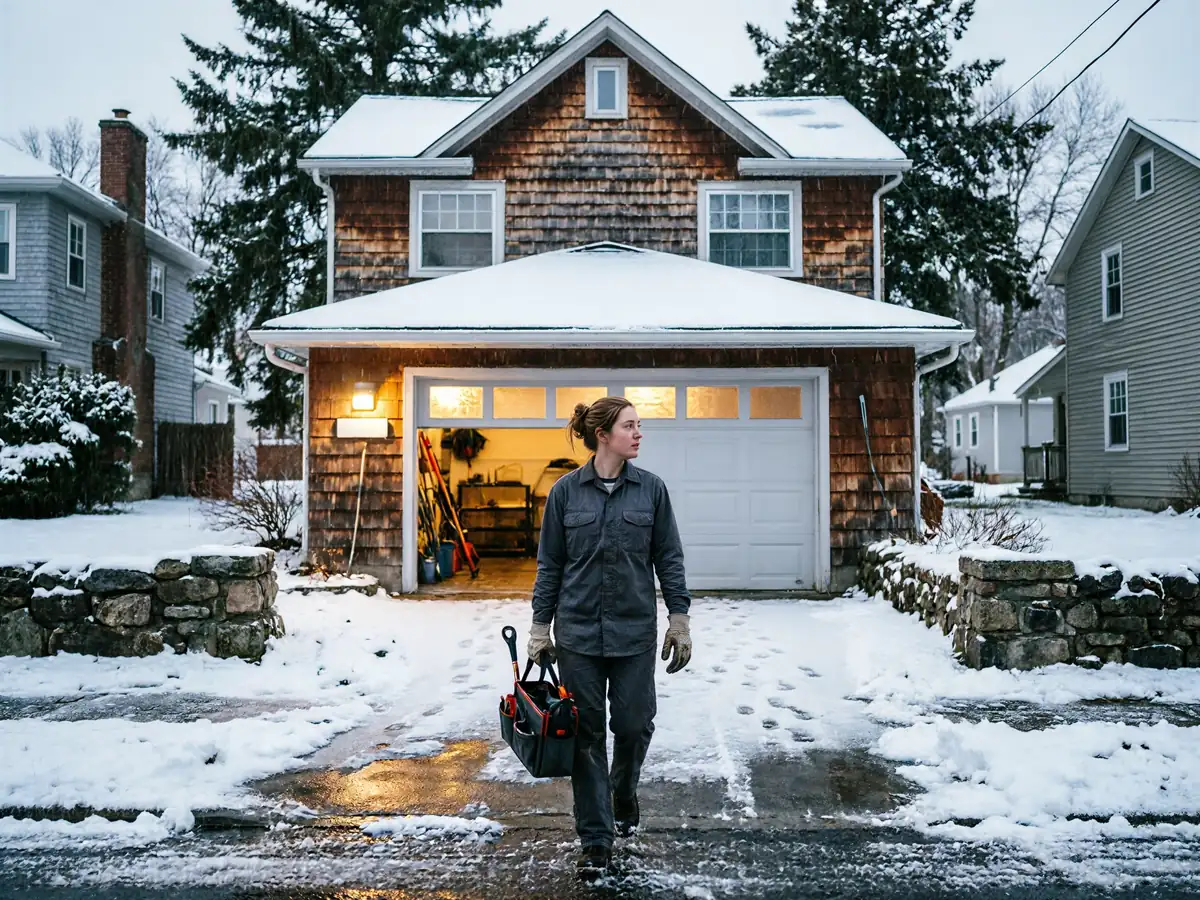
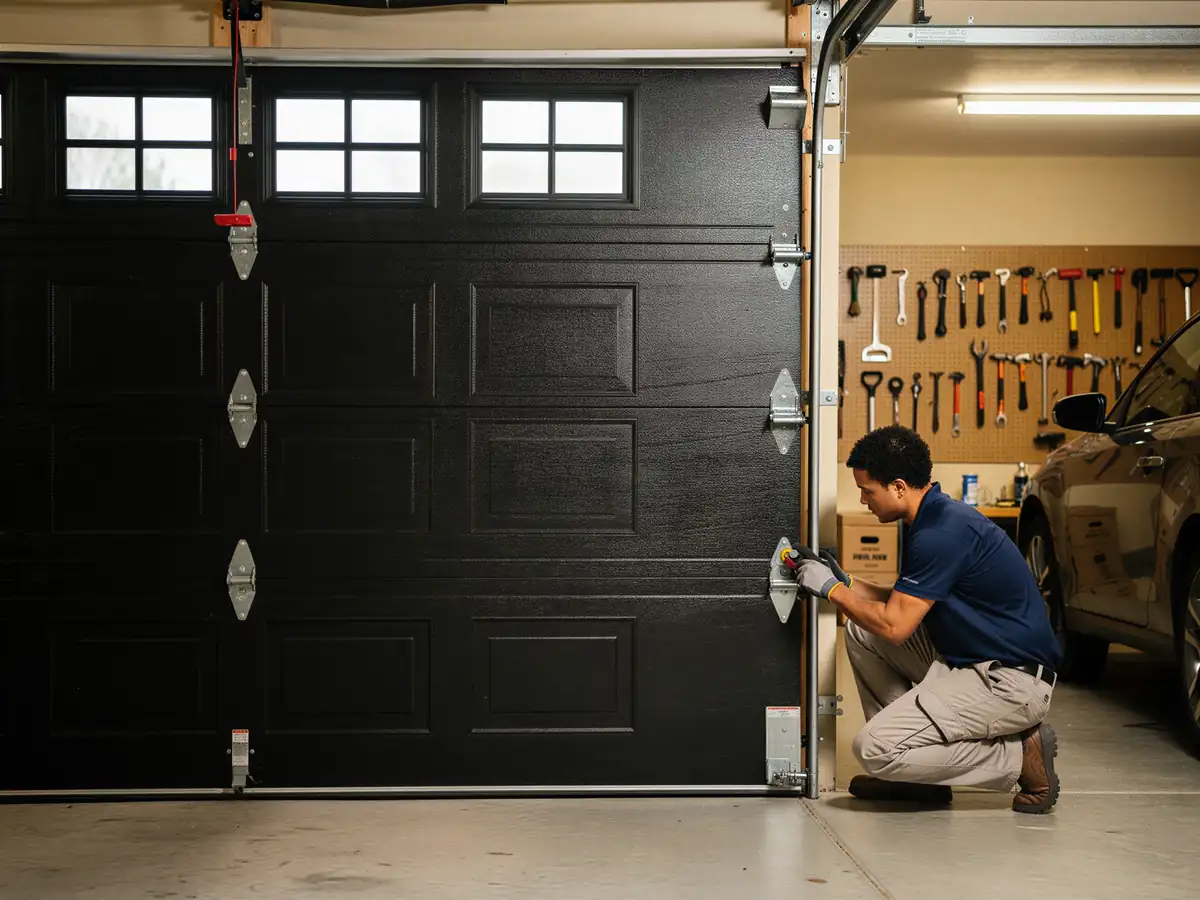
Belmont's housing mostly went up around 1966, newer than the 1952 median across the rest of the service area's 34 named communities. That matters for the repair itself: a lot of Belmont garages have doors and track built to specs from the later 1960s and 1970s rather than the older one-piece, side-torsion setups common in the pre-1960 pockets closer to Johnstown proper. That generally means standard extension or torsion springs, sectional steel panels, and roller track sizes a tech can match off the truck without a special order. It's not universal - some Belmont houses are older infill - but the odds favor hardware we stock rather than hardware we have to chase down. We check the springs, cables, rollers, and opener travel limits, then fix what's actually broken instead of swapping parts that are fine.
How Long You Are Without the Door
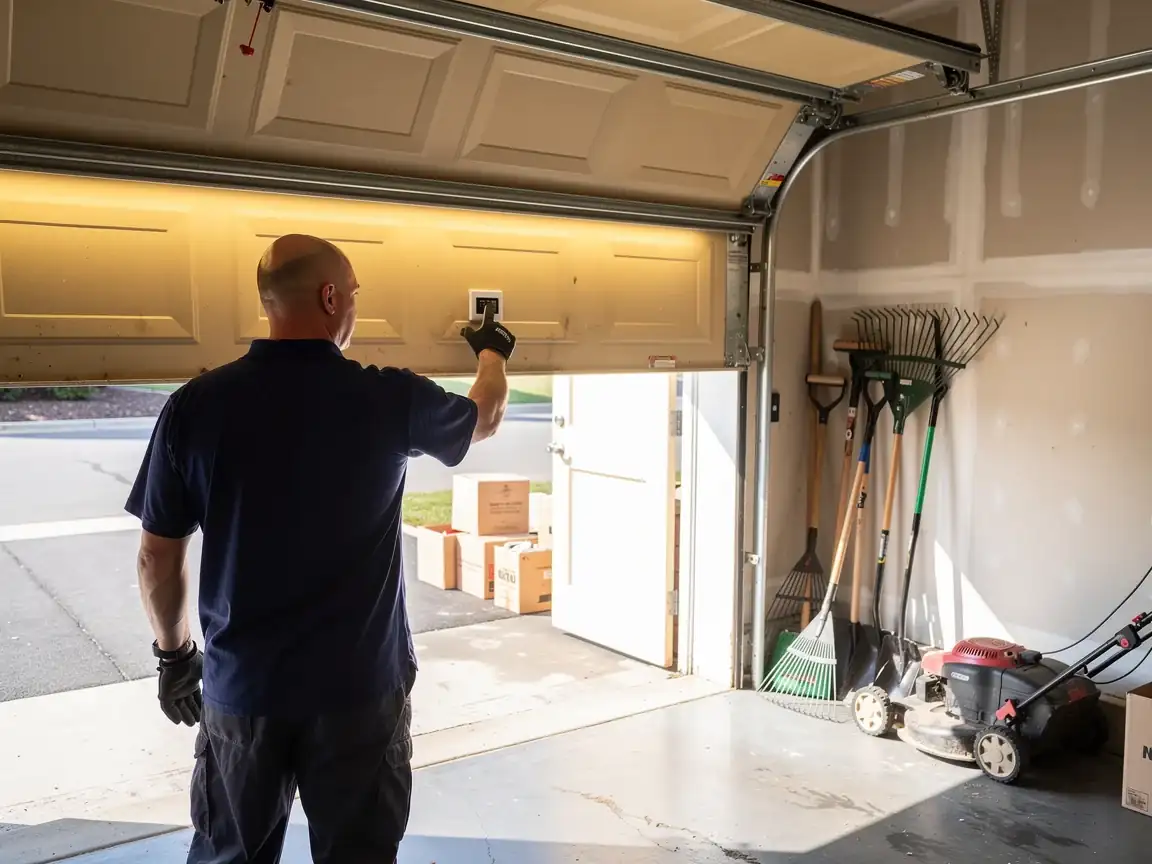
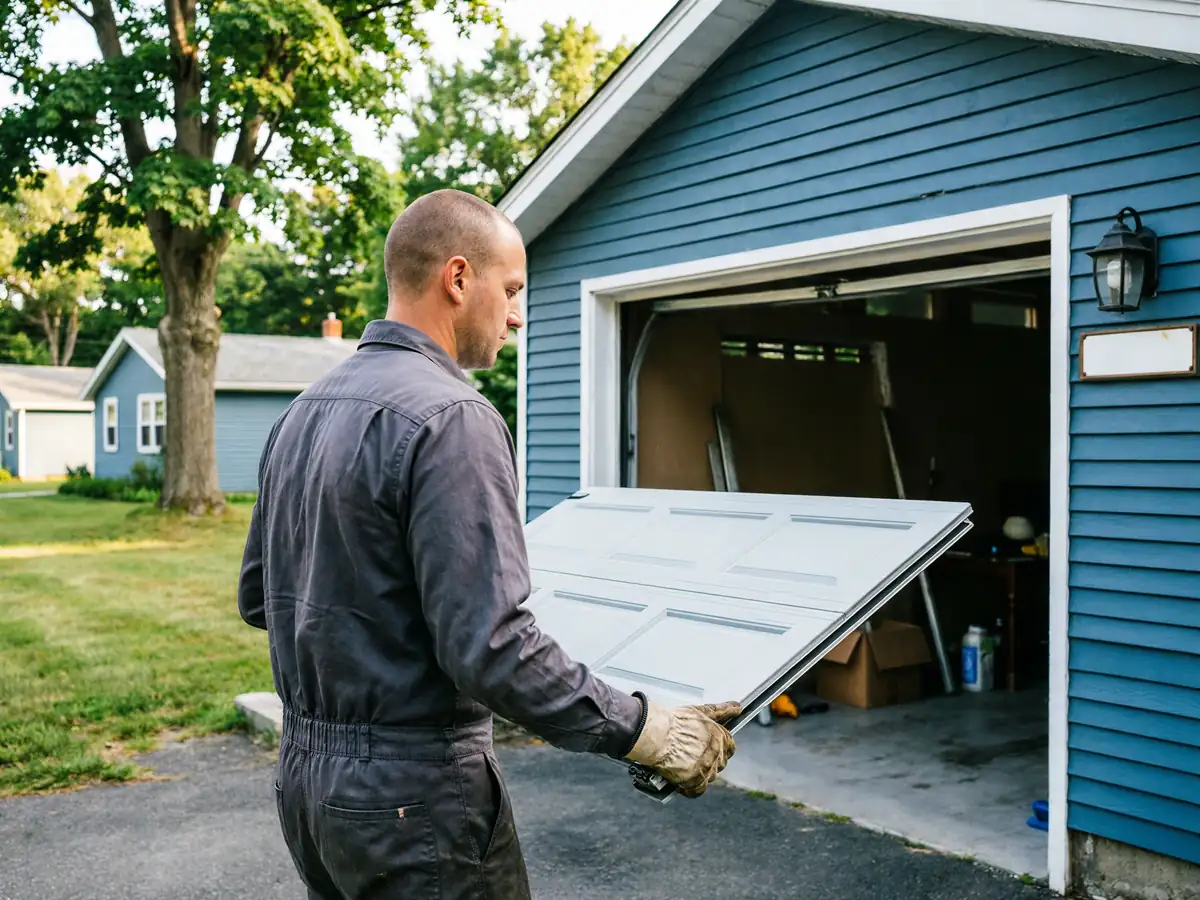
Most Belmont calls are a same-visit fix: broken spring, snapped cable, bad roller, or an opener that's lost its limit settings. The drive from Johnstown is short enough that it doesn't eat into the repair window the way a farther call might. Where you wait is parts we don't carry on the truck - a specific panel insert, a less common opener logic board, or hardware tied to an older door that's outlived its manufacturer. Those are special-order, and lead time depends on the part, not on Belmont. If your door is original to a 1966-era build and still has its first opener, there's a real chance the part you need hasn't been made in years, which pushes toward replacing the opener rather than hunting for a match.
What You Pay
We don't have a posted price list for Belmont specifically, and we're not going to invent one here. What we can tell you is that Belmont's household income, around $57,132, tracks close to the service area's overall median of $56,795, so we're not pricing a different tier of job out here versus anywhere else we cover. Cost comes down to what's actually wrong: a spring swap costs less than a cable replacement with a bent track, and a full opener swap costs more than either. We quote the job after the tech looks at the door, not before, because guessing over the phone gets it wrong often enough to not be worth doing.
What Can Go Wrong
With roughly 1,212 households in Belmont, the volume of torsion-spring and opener calls we see here is smaller than in the denser, older parts of the service area - but the failures themselves aren't different in kind. A spring that's lost tension will still drop a door fast if someone tries to force it open by hand, and that's the single most common way a routine spring job turns into a trip to the ER instead of the garage. The other recurring issue: homeowners replacing an opener themselves without resetting the travel limits, which leaves the door reversing early or slamming the floor. If your door was last serviced when the house was newer, in the '60s or '70s, assume the original hardware is near the end of its life, not just due for a tune-up.