Can You Do This Yourself
Richland has 4,772 households
Which is a small slice of the roughly 26,064 across the territory this company runs calls to out of Johnstown. A town that size doesn't generate the call volume of the bigger suburbs, but the doors still fail the same ways, and some of those ways are not a weekend project.
- 4,772 households
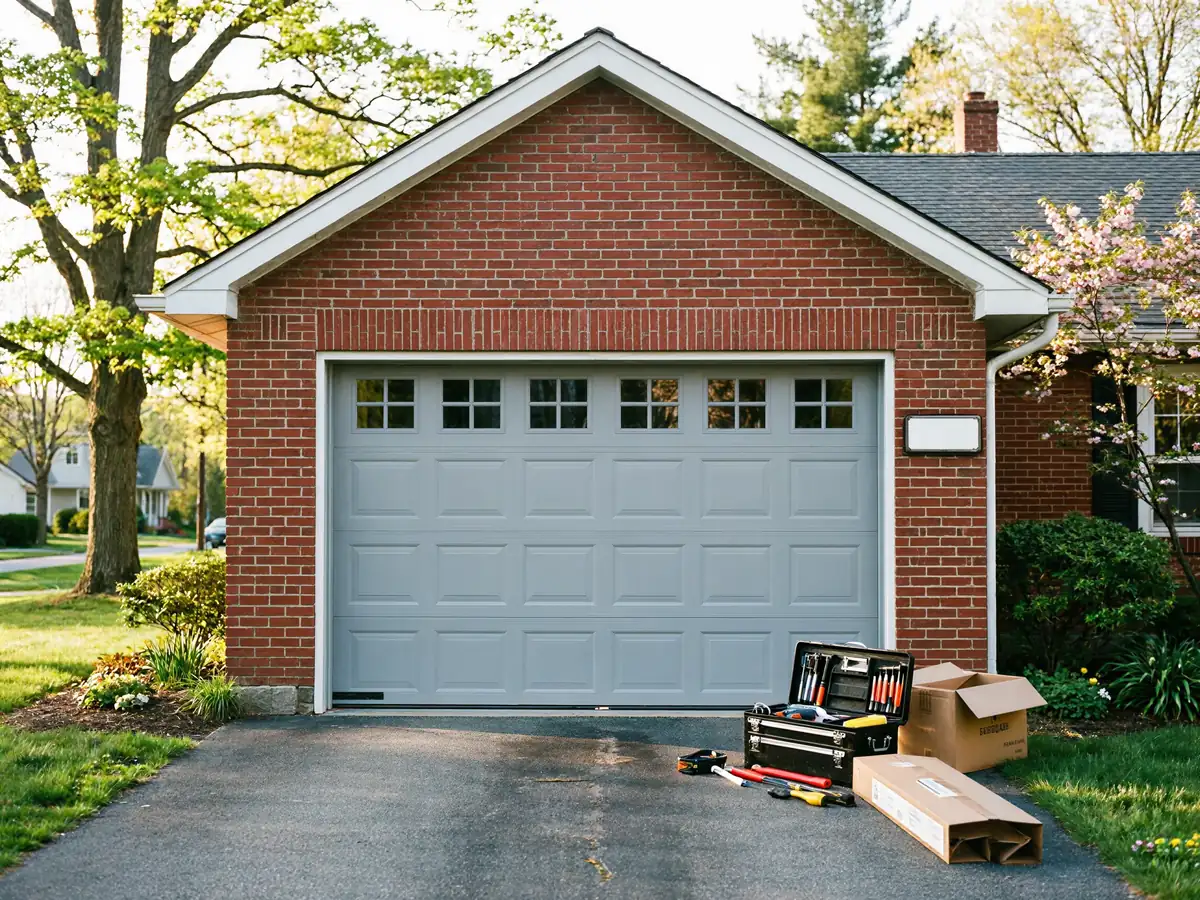
Tightening loose hinge bolts, clearing a dirty track, or lubricating rollers is fine to do yourself with the door down and the opener unplugged
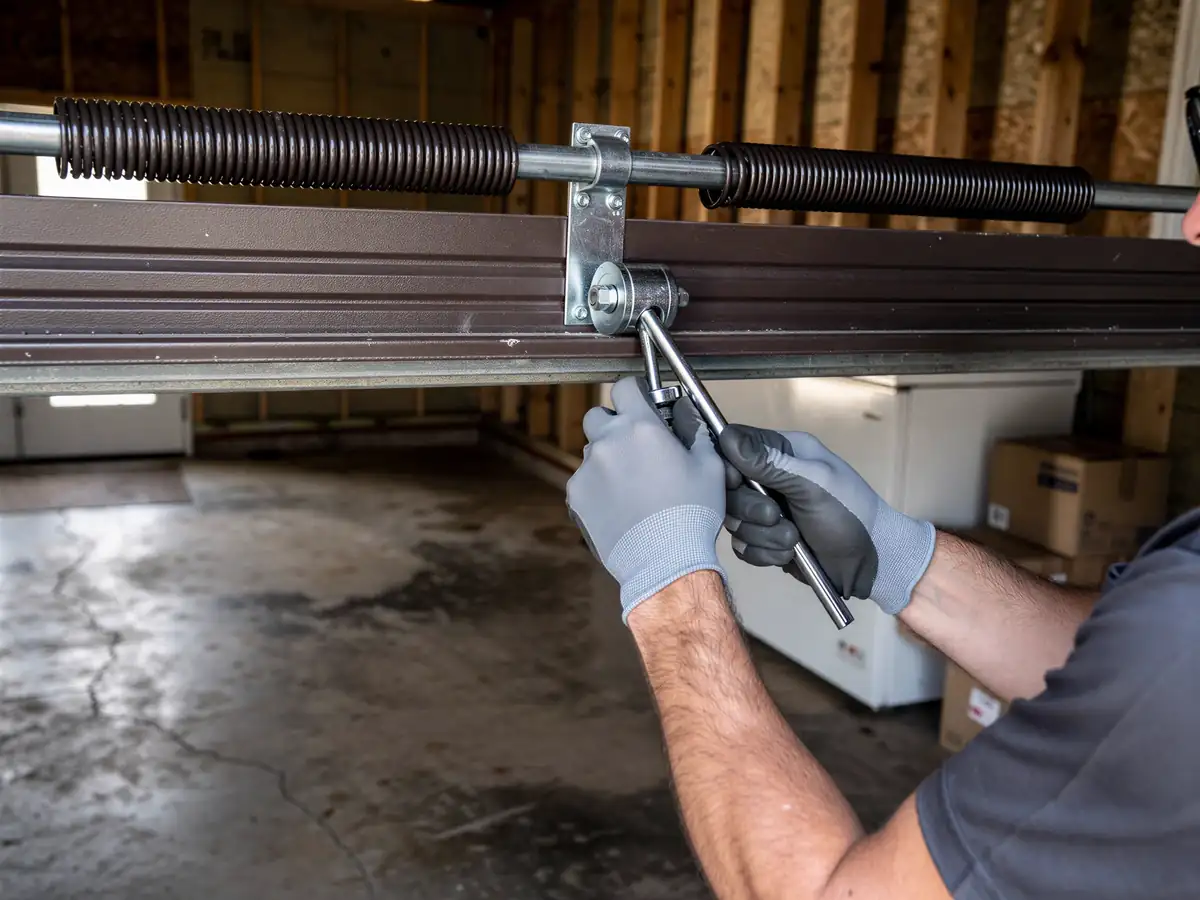
A torsion spring is not. It's wound under enough tension to break a wrist or worse if the winding bars slip, and most homeowners don't own the bars anyway. Same goes for a snapped cable under load - the drum side can whip.
If the door won't move, or moves unevenly, or one side drops faster than the other
Stop opening it by hand and call it in. That's not a sales pitch, it's how people get hurt on these.
How Long You Are Without the Door
Most single-visit repairs - a broken spring, a bent roller, a misaligned sensor - get the door moving again the same trip, once the truck is loaded with the right part. What stretches things out is when a part isn't a standard stock item: some opener logic boards, certain older low-headroom spring kits, and some aluminum trim pieces have to be ordered.
For a house built around 1975, the door and opener are usually standard enough that this isn't often an issue - Richland's housing didn't carry forward the oddball one-piece doors and ancient extension-spring setups you still find on the older 1940s and 50s stock elsewhere in the territory. That's one reason jobs here tend to move faster than on the oldest blocks of the service area.
What the Repair Takes
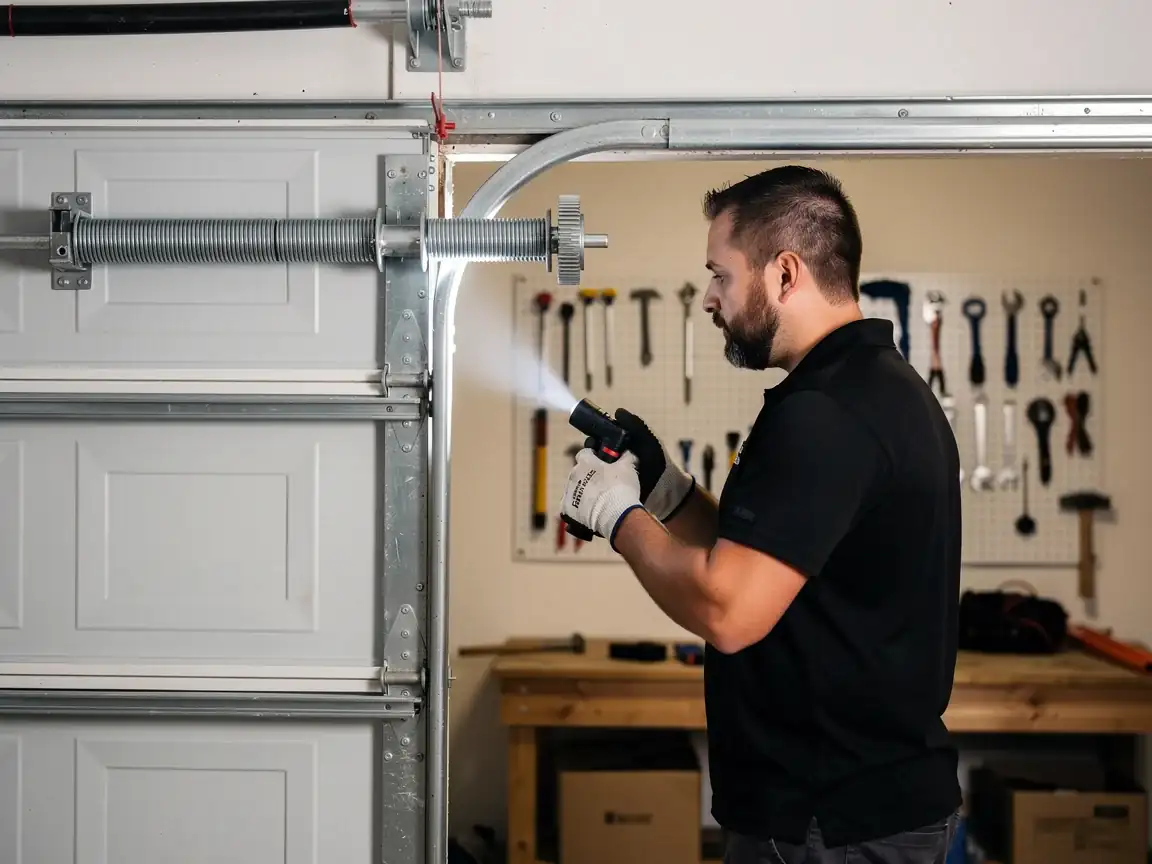
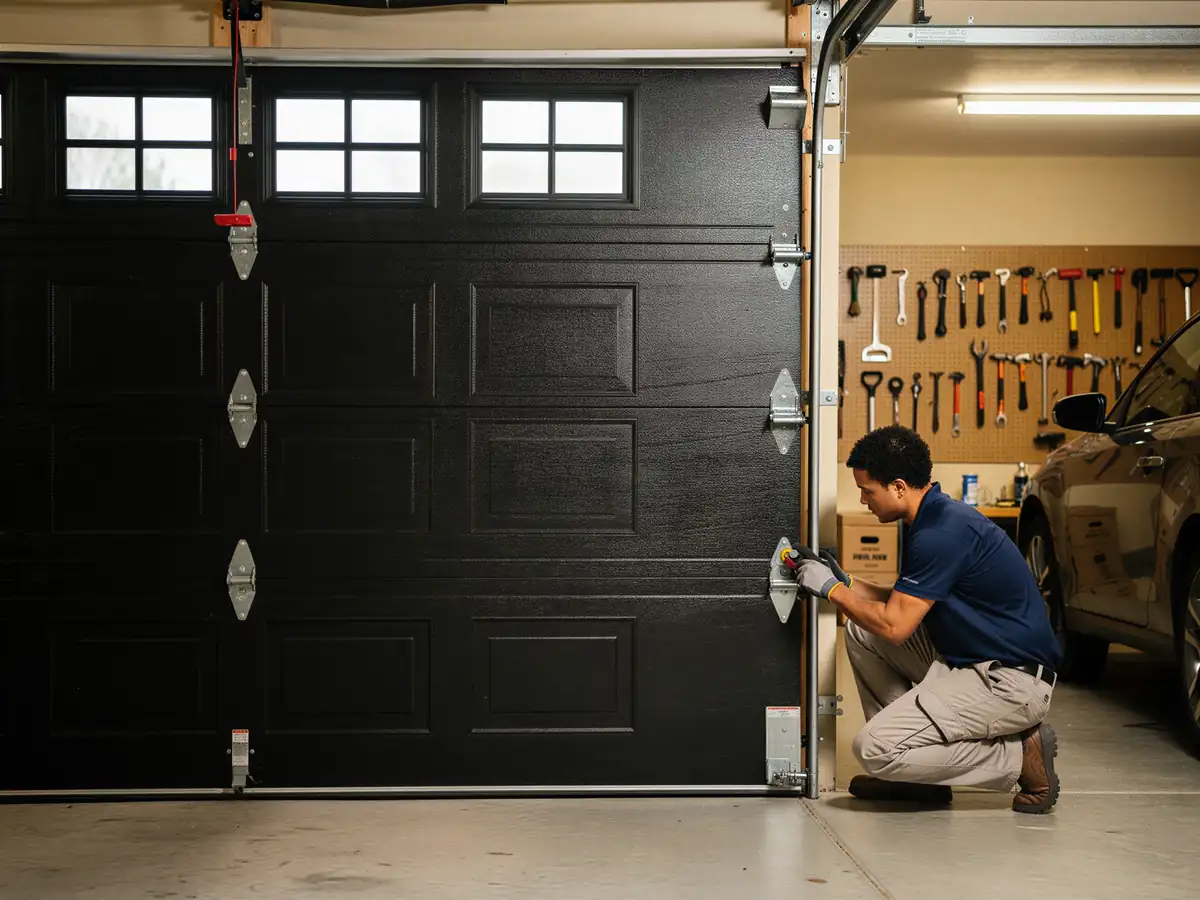
A torsion spring job on a standard double door means clamping the door, releasing tension on the old spring with winding bars, swapping it, and re-tensioning to the door's actual weight - not a guess. Get the tension wrong and the door either won't stay down or slams.
Cable repair means pulling the drum, re-seating or replacing the cable, and checking that both sides match in length and tension so the door doesn't rack sideways on the track.
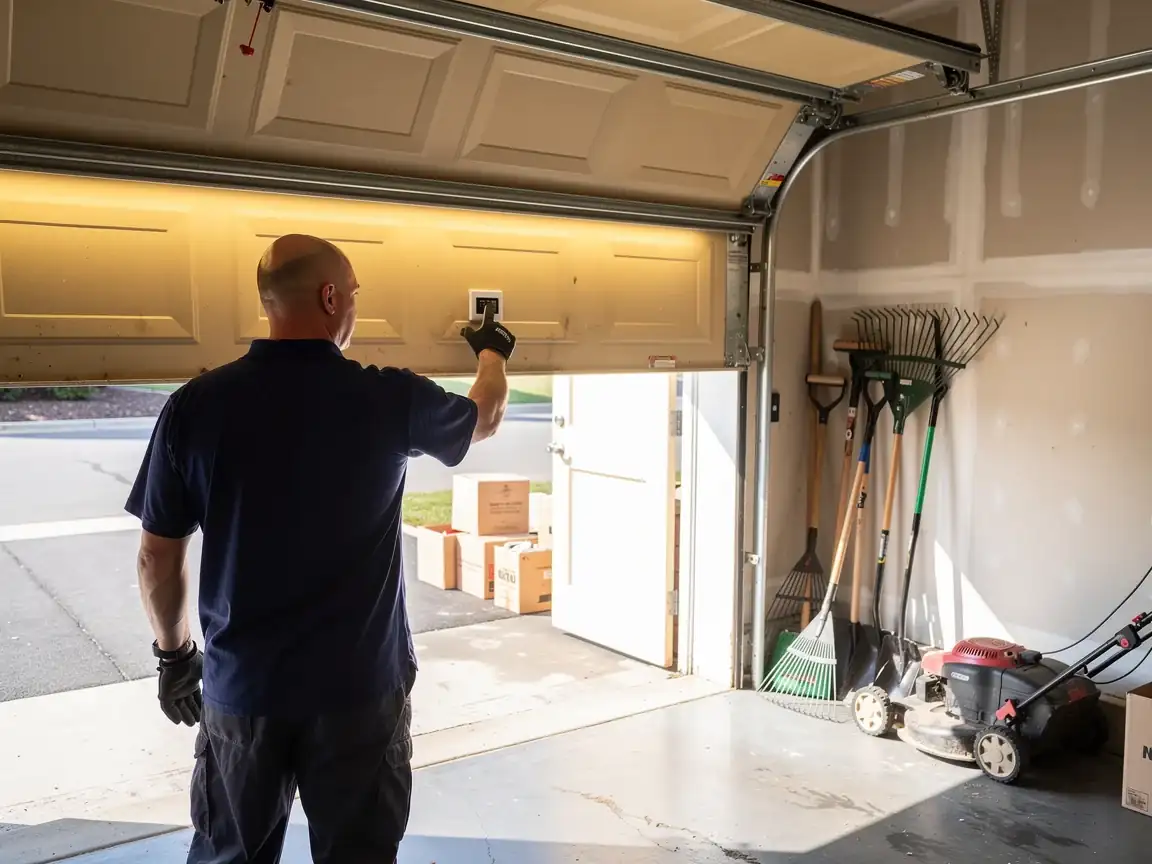
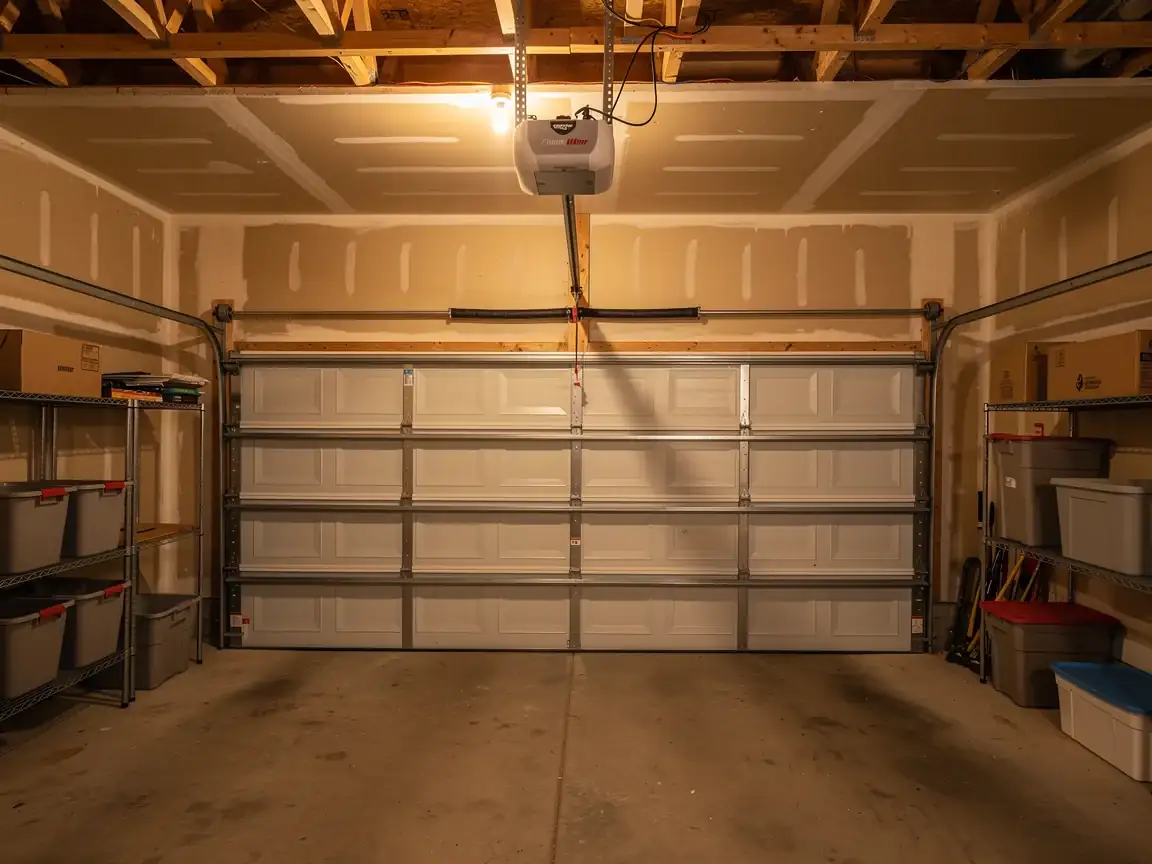
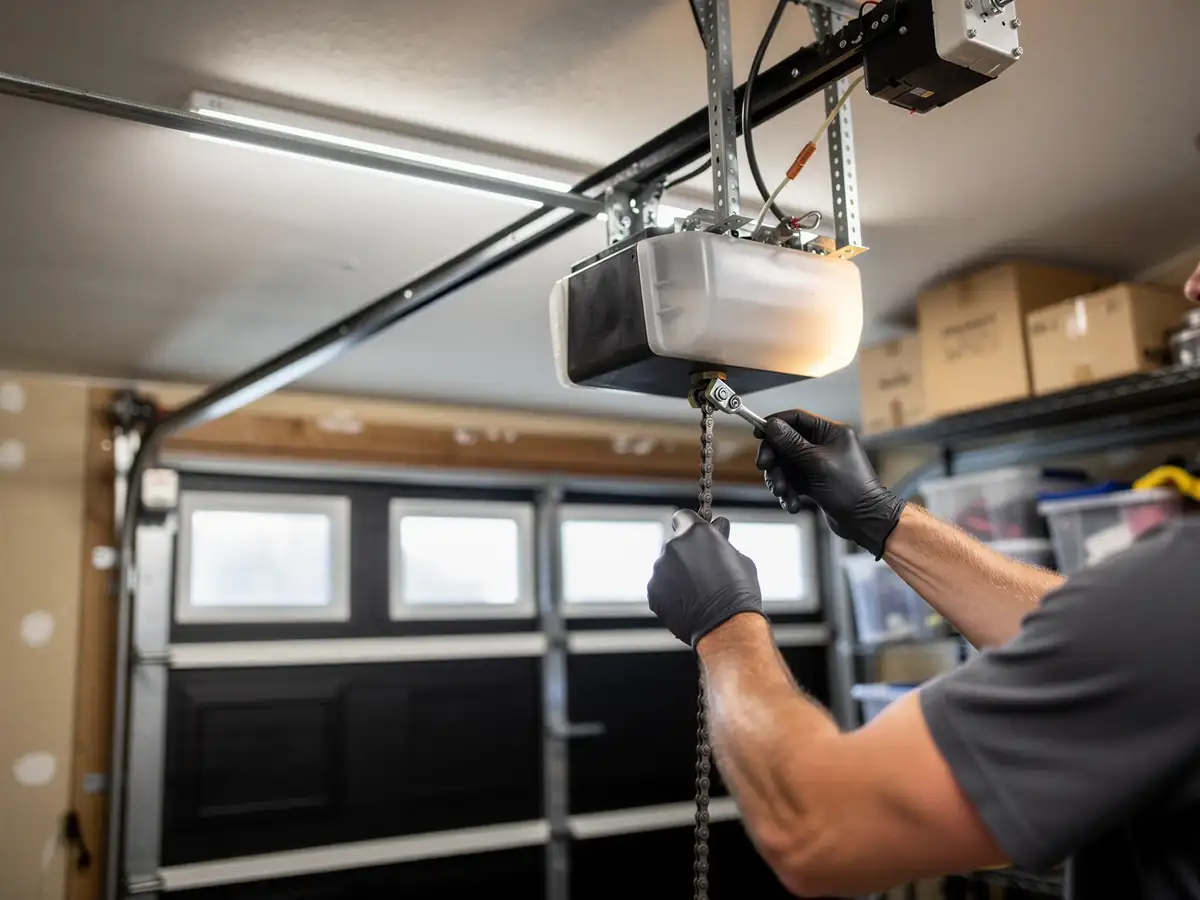
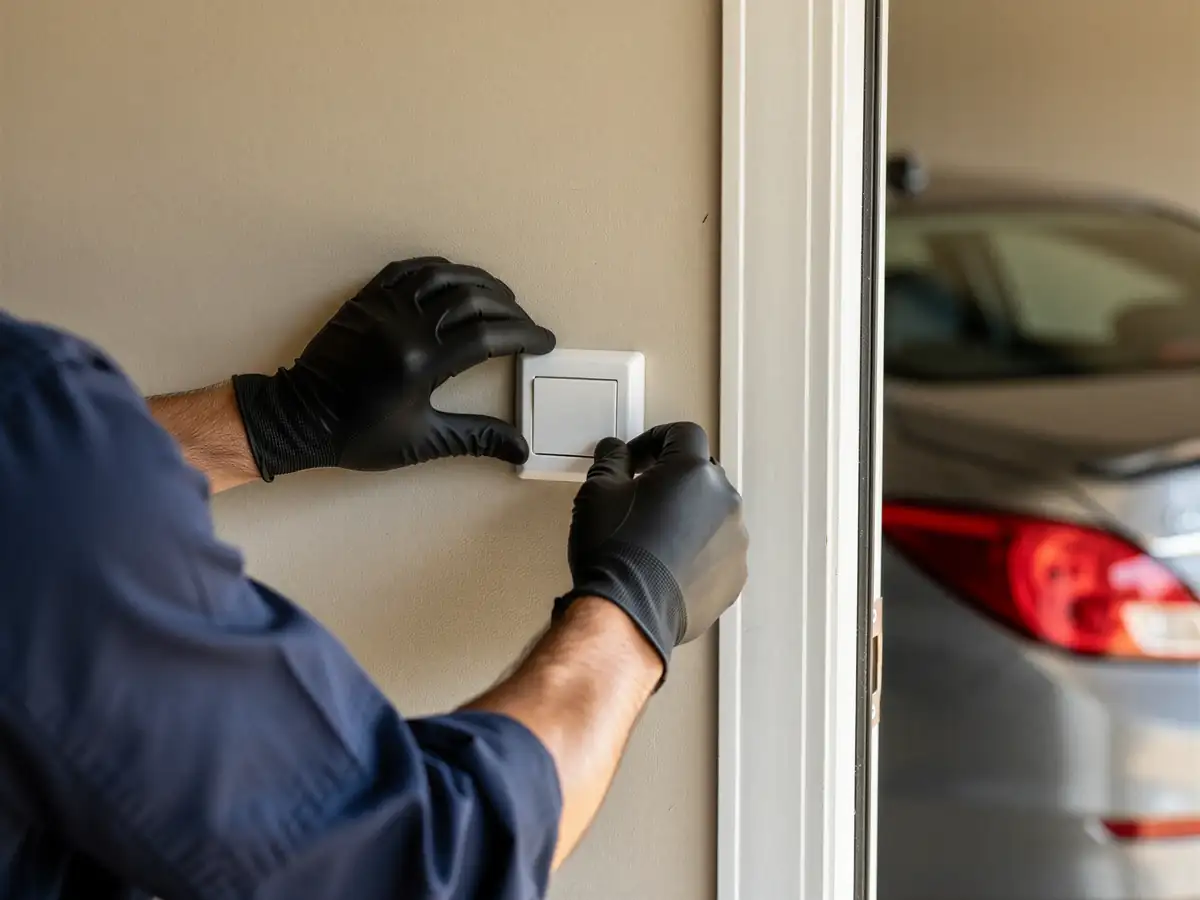
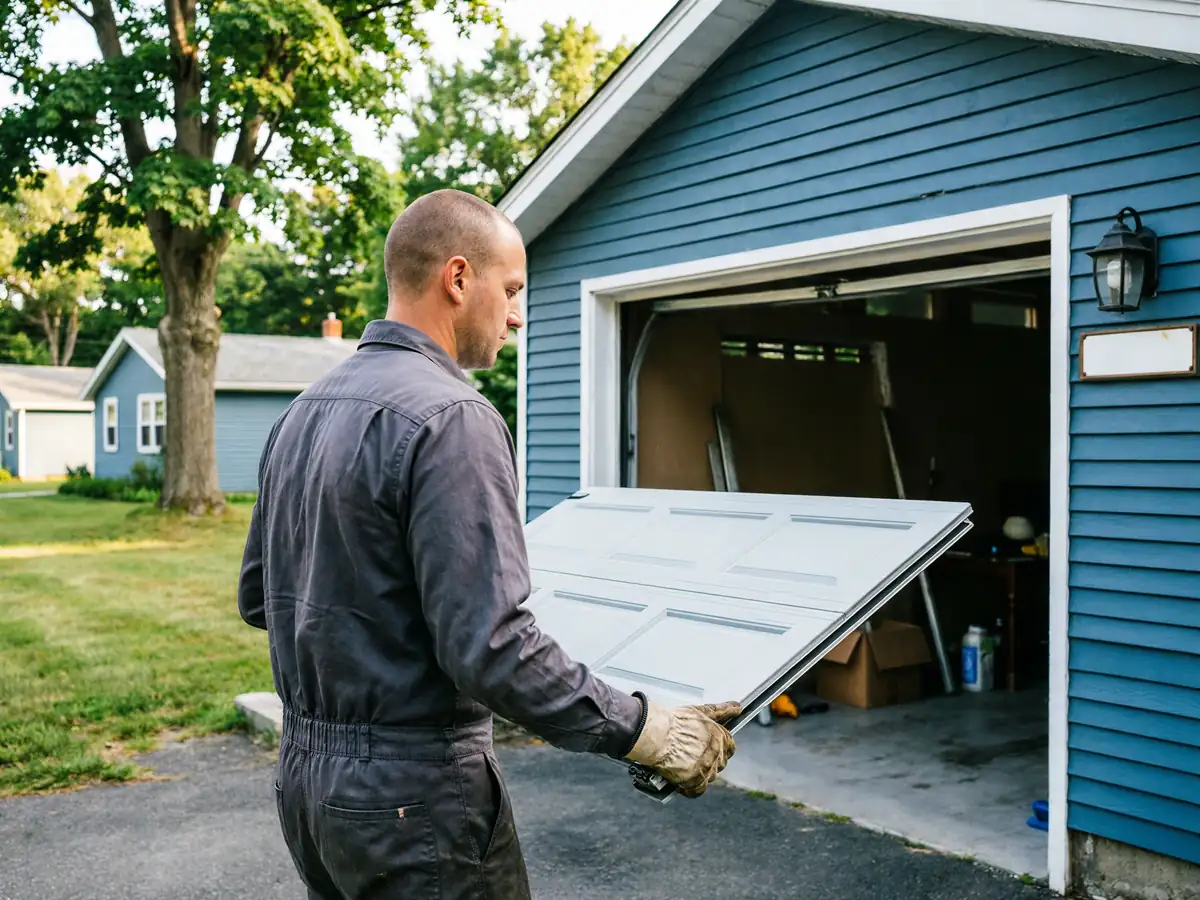
Opener repair on a house this age usually means checking the logic board, the chain or belt tension, and the safety sensors before replacing anything - a lot of "the opener's dead" calls turn out to be a sensor knocked out of alignment, not a motor problem. Panel replacement on a dented steel door is straightforward if the panel is still made; if it isn't, the honest answer is sometimes a full door rather than chasing a discontinued part.
How It Shows Up
On a house from the mid-1970s, the complaint is usually one of a handful of things
The door reverses right after it starts closing (sensor or limit switch), it's noticeably heavier to lift by hand than it used to be (spring losing tension), or it shudders and bangs partway through the cycle (a roller gone bad or a track pulled out of alignment).
Less common here than in the oldest parts of the territory
Wood door rot and original hand-crank hardware. Richland's housing stock mostly skipped that generation, so what you're more likely dealing with is a steel sectional door, torsion springs mounted over the header, and a chain or belt-drive opener that's original to the house or a first replacement.
Why It Happens Here
This area falls in a severe cold climate band, and that matters more for garage doors than people expect. Steel contracts in deep cold, and a torsion spring that's already near the end of its rated cycle count has less give left to work with when the temperature drops - that's when a spring that's been limping along finally lets go.
Houses here built around 1975 are old enough now that original springs, if never replaced, have outlived their rated cycles. Add a cold snap and that's the week the call comes in. It's not a Richland-specific design flaw, it's just the math of a 50-year-old spring meeting a hard freeze.
What Is on the Truck
Standard torsion and extension springs in the common sizes for residential sectional doors, nylon and steel rollers, lift cable, hinges, and the sensor and limit-switch parts that cover most chain and belt-drive openers. That handles the large majority of calls from a house of this age and type.
What's not always on the truck: logic boards for openers no longer in production, and discontinued steel panel profiles. If a job needs one of those, that's an honest order-and-return visit rather than a same-day fix - better to say that up front than pretend otherwise.