Serving Johnstown, PA & nearby
(814) 245-8973
Johnstown, PA

Garage Door Opener Repair for Richland's 1970s Doors

Opener repair for Richland's 1970s-era garage doors - chain-drive units, cold-weather logic board faults, and the heavier steel doors built here. Service from Johnstown, 5 miles out.

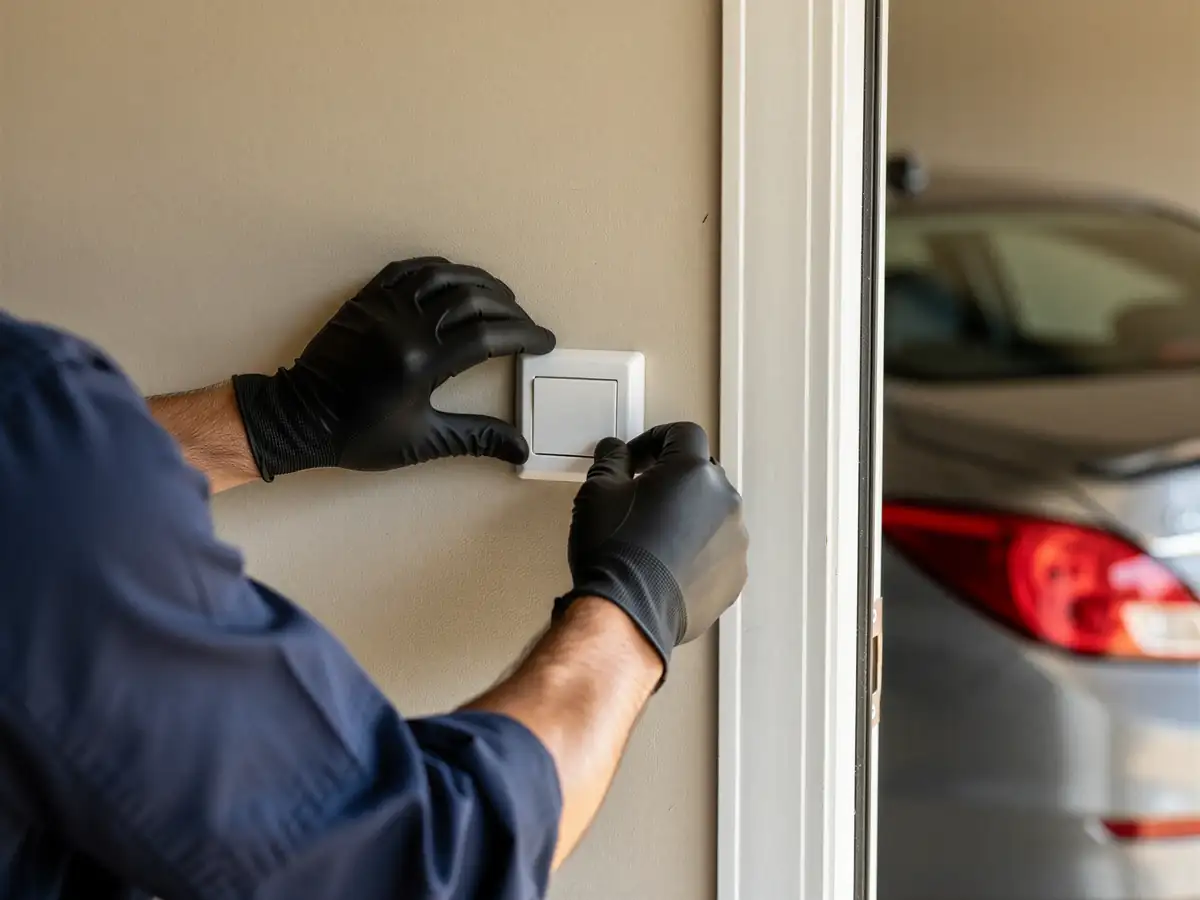
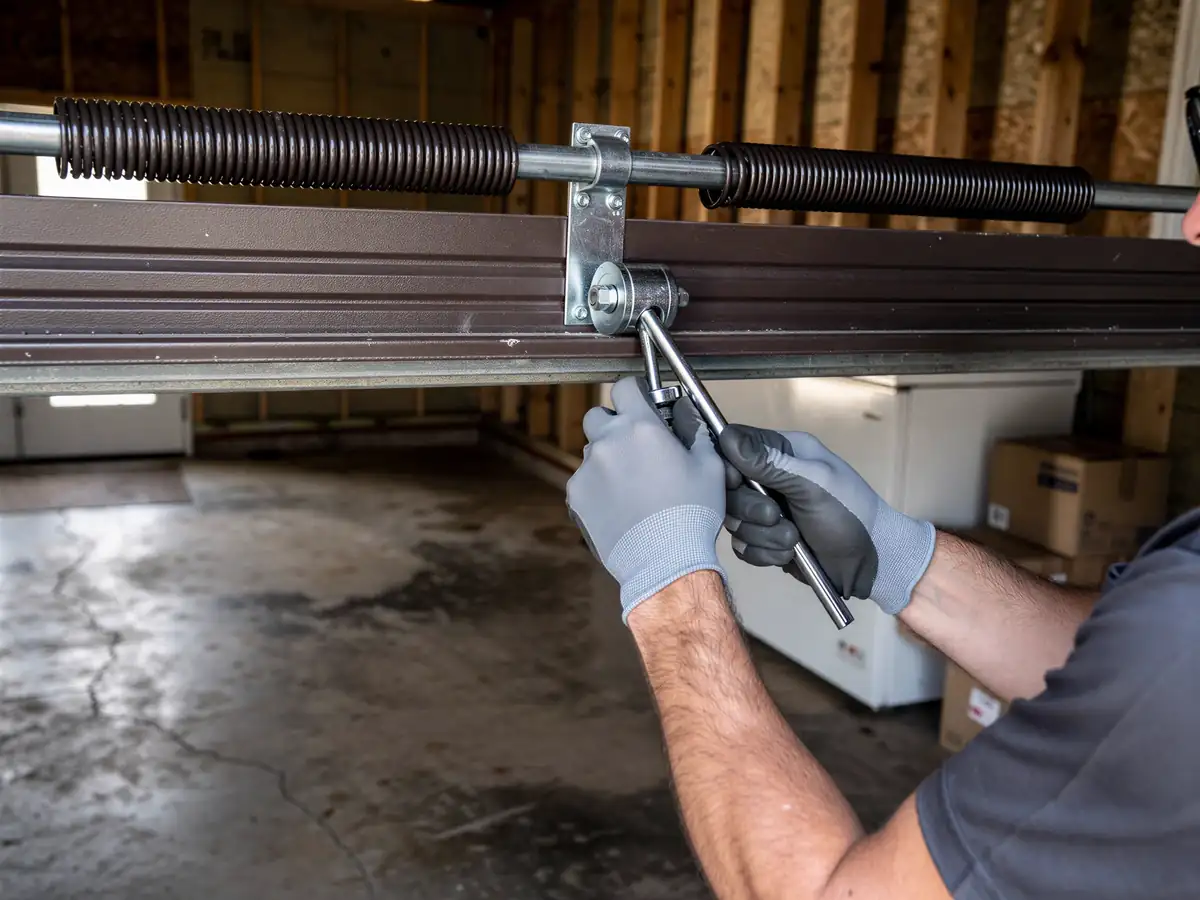
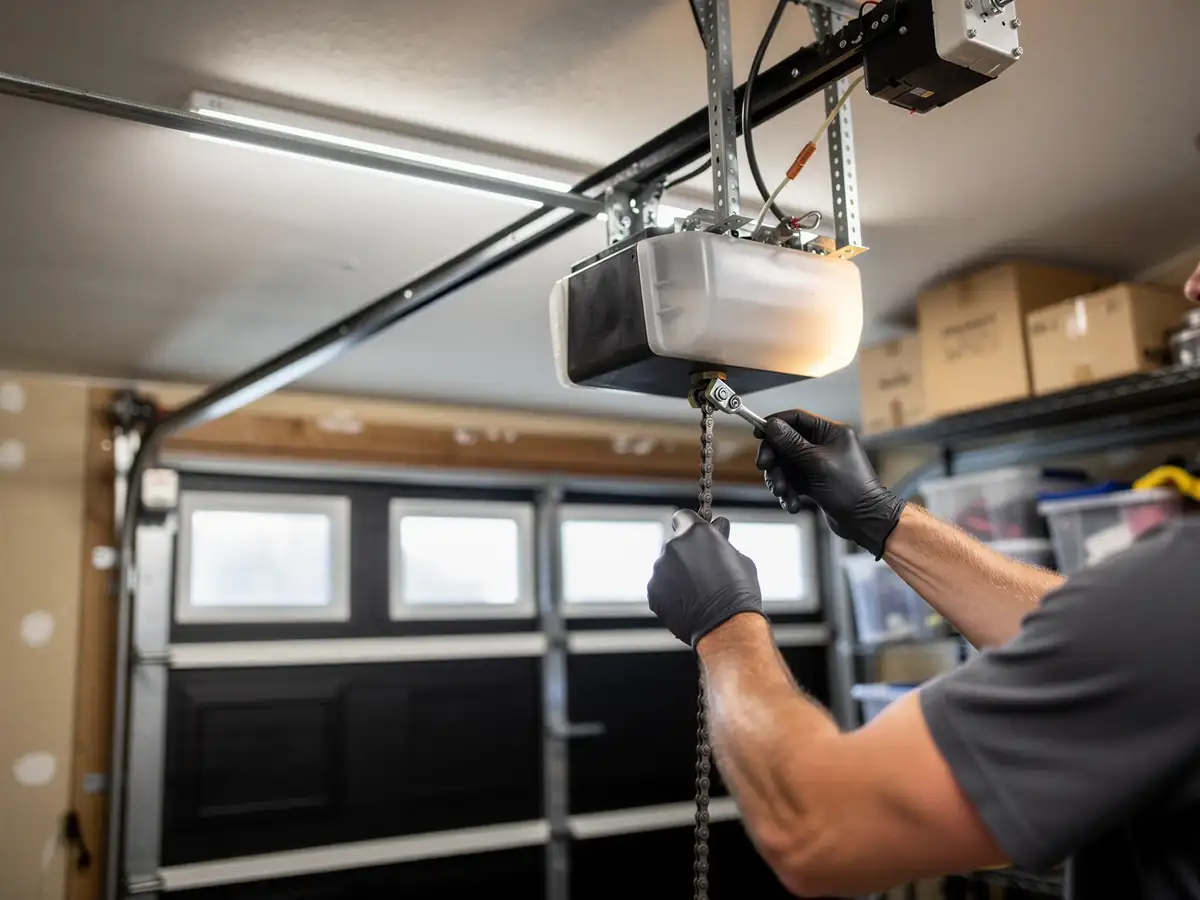
A technician in black gloves adjusts a garage door opener chain.
Johnstown, PA
8 services
8 service areas
Diagnosis first, then the fix

Can You Do This Yourself

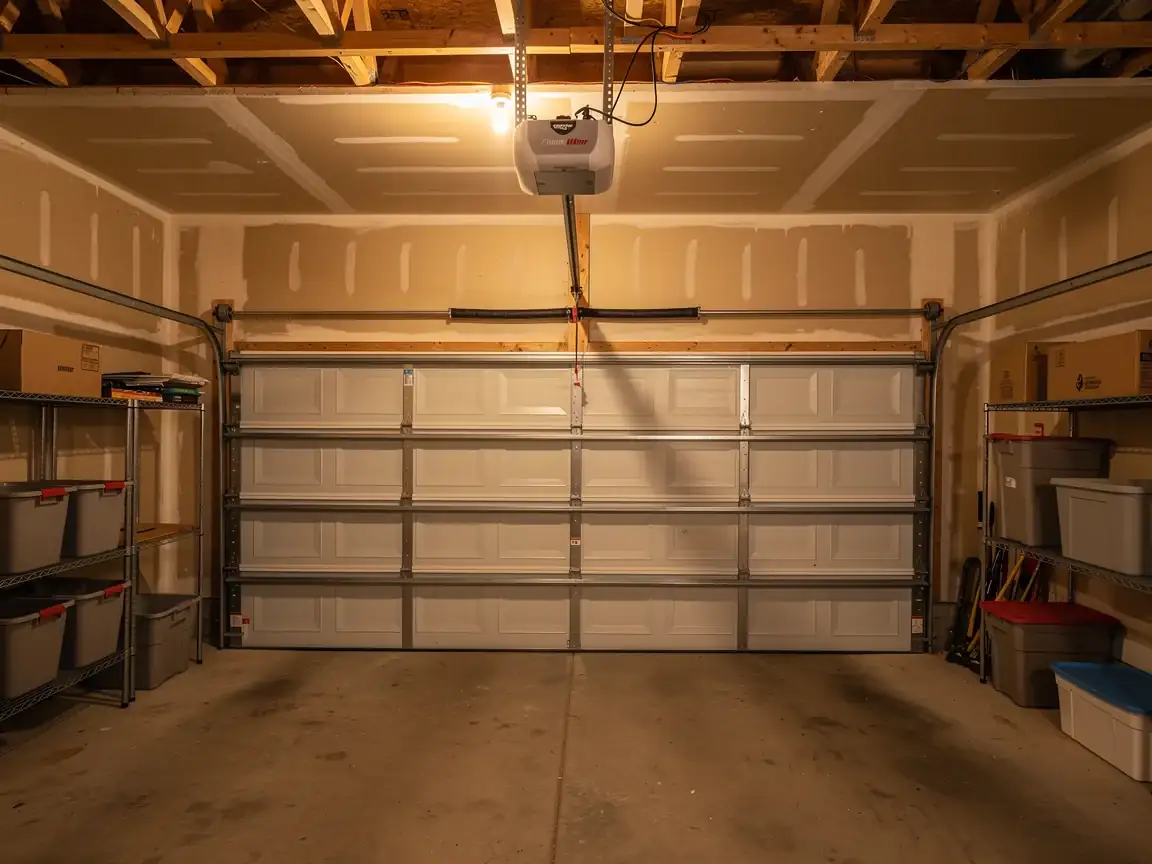
Richland's housing mostly went up in the 1970s, which means the doors on most garages here are wider steel sectional doors, not the lighter one-piece slabs you'll find in the older pockets of the service area closer to Johnstown. The openers that drive them are either original chain-drive units from that era or a first-generation replacement installed sometime in the 90s. If your opener hums but the door doesn't move, check the obvious first: the wall switch wiring, the breaker, and whether the carriage has come loose from the chain - that last one is common on units this old and you can usually see it by looking straight up at the rail. Reprogramming a remote or replacing batteries is fine to try yourself. What isn't worth attempting is anything involving the travel limits or the force settings on a logic board you can't identify, because guessing wrong on a door this size and weight can snap a cable or drop the door on something. If the motor runs but strains, or the door reverses itself halfway up, that's a job for a truck, not a screwdriver.

How Long You Are Without the Door

A straightforward opener repair - capacitor, gear sprocket, logic board swap, sensor realignment - usually gets your door moving again in one visit once the part is on the truck. What stretches that out is parts for the older chain-drive units themselves. A lot of Richland's stock dates to the original 1970s build, and a motor or control board from that generation isn't something every supplier carries on the shelf, so a specific part for an original unit can mean a short wait rather than a same-visit fix. If the opener is beyond saving, swapping to a current unit is usually the faster path than hunting down an obsolete part for a 50-year-old motor. Either way, the door itself can almost always be operated manually in the meantime - that's the honest workaround, not a fix.

What the Repair Takes

Most calls here start with diagnosis: is the fault in the motor, the logic board, the sensors, or the drive mechanism itself. On the chain-drive units common in Richland's older openers, a worn or stretched chain is a frequent culprit - the door runs rough, hesitates, or the opener runs longer than it should before the door actually moves. Logic boards in this climate band take a beating from cold; a board that was fine in September can start throwing errors once temperatures drop, because the circuitry doesn't like the cold any better than an old car battery does. Sensor alignment is another common fix, especially if a door has been bumped or a sensor bracket has drifted over the years. Replacing a full opener, when the motor itself has failed, is usually faster and cheaper over time than nursing a decades-old unit along part by part.

How It Shows Up

The door doesn't respond to the remote but does respond to the wall switch - that's almost always the remote or the receiver, not the motor. The opener runs but the door doesn't move - check the carriage and the chain first, especially on the older units. The door reverses before it reaches the floor - that's the safety sensors, usually out of alignment rather than broken outright. A grinding or clicking sound from the motor housing before anything moves points to a worn gear sprocket, a known weak point on the chain-drive units of the 70s and 80s vintage. And a door that works fine most of the year but balks on the coldest mornings is telling you the logic board or the motor capacitor doesn't like cold starts anymore.

Why It Happens Here

Richland's median home dates to the mid-1970s, which puts a lot of openers here at or past the point where original parts are simply old. Chain-drive units from that era were built to last, but 50 years of cold winters work on lubricant, gear plastic, and capacitors the same way they work on everything else mechanical left outside heat. The service area sits in a severe cold climate band, and that matters more for openers than people expect - cold doesn't just stiffen moving parts, it slows down the electronics that tell the door when to stop and reverse. With roughly 4,772 households in Richland, a good share of those garages are still running first-generation equipment, and failures cluster in late fall and midwinter when the cold exposes whatever was already wearing thin.

What Is on the Truck

The truck carries common logic boards, capacitors, drive gears and chains, remotes and receivers, and sensor kits - enough to cover most opener failures on a single visit regardless of whether the unit is a current model or an older chain-drive unit still running from Richland's original construction era. What doesn't always ride along is a board or motor specific to a discontinued 1970s or 80s model; those get ordered once we've confirmed exactly what's failed. We come out from Johnstown, about 5 miles away, for every call here - there's no branch stocked separately for Richland, so what's needed beyond the standard kit comes from the same supply as everywhere else in the service area.
How it works

From “it’s stuck” to “it’s fixed”

1
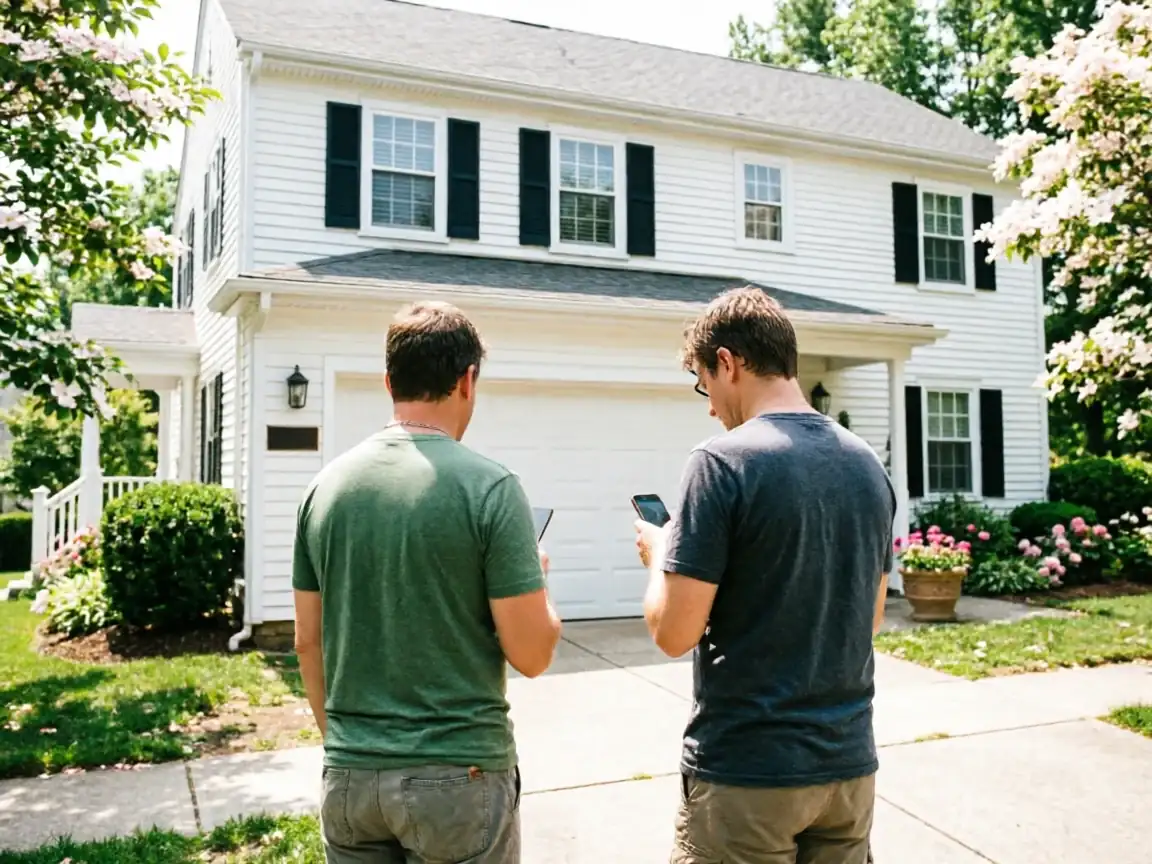
Two technicians stand in front of a white house, looking at their phones.

Tell us what’s wrong

Describe the symptom - won’t open, loud bang, opener runs but the door won’t move.

2
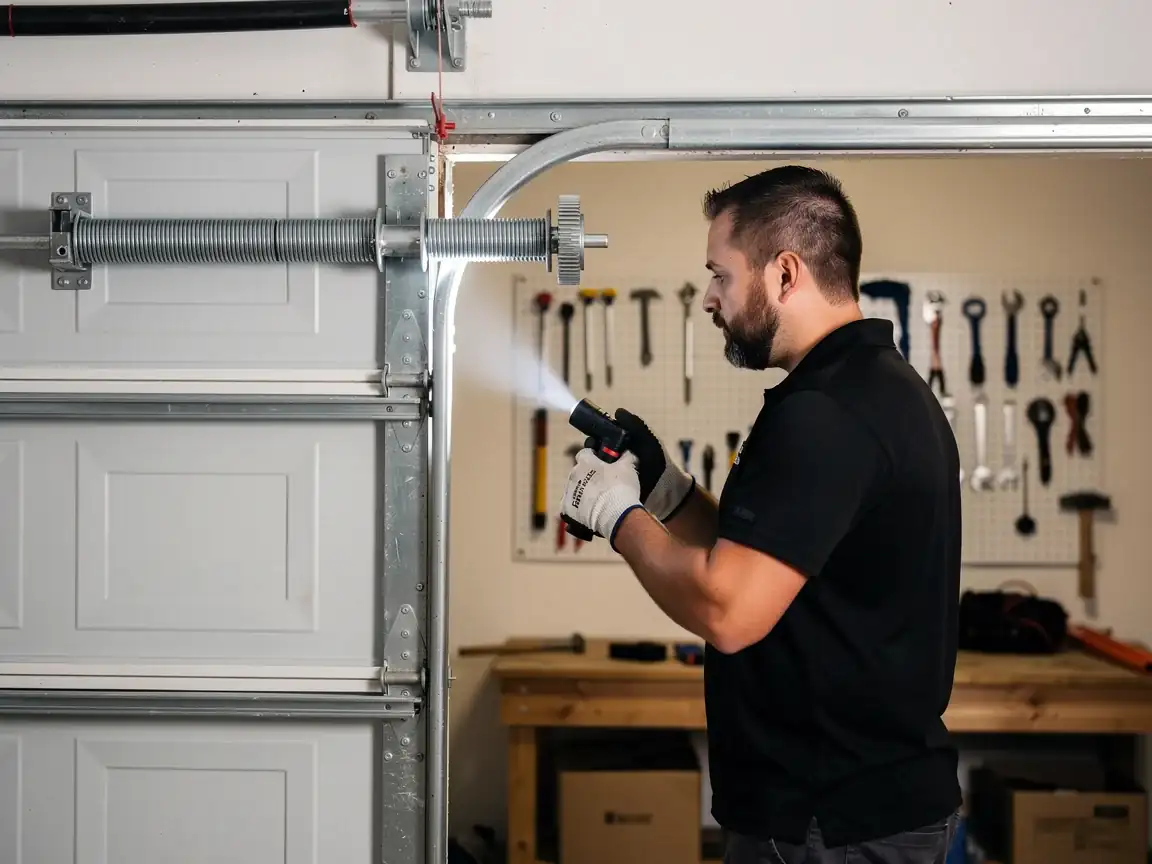
A technician sprays lubricant on a garage door torsion spring.

On-site diagnosis

A technician tests the door under power and by hand and finds what actually failed.

3
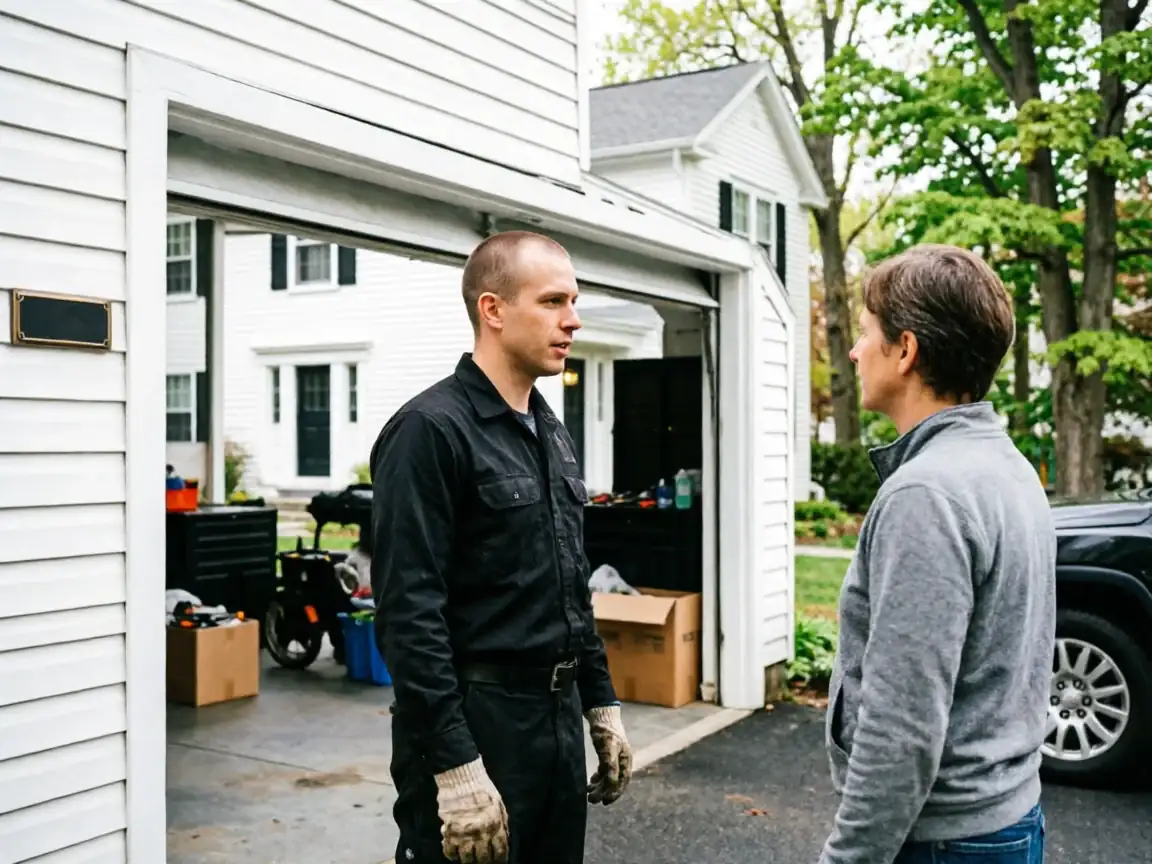
A technician in a black uniform talks to a person in a gray sweatshirt.

Clear, up-front plan

You get the fix that’s needed and what drives the cost - before any work starts.

4
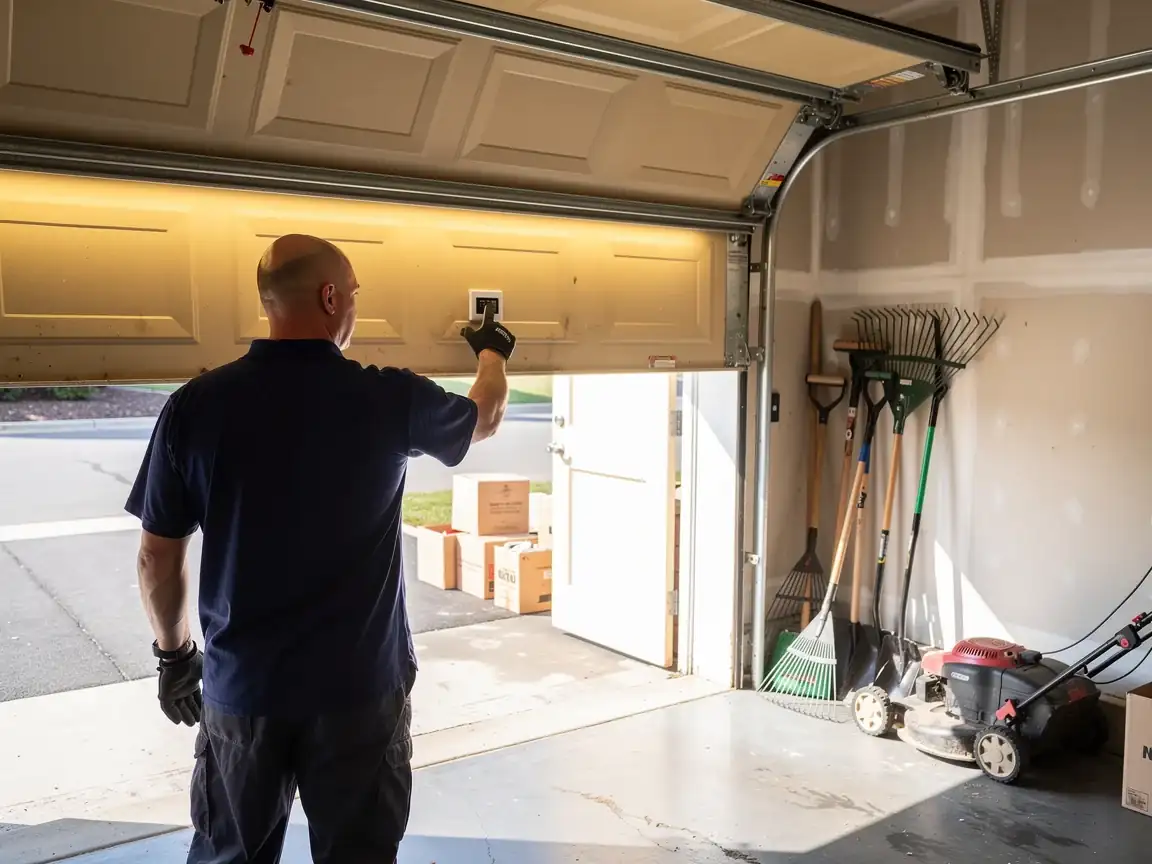
A technician in gloves adjusts a light strip on an open garage door.

Repaired & tested

The repair is done, the door is set true and tested, and the work area left clean.

Next step

Not sure which repair your door needs in Johnstown, PA? Describe what it’s doing - every job starts with a diagnosis.

How we work

What to expect

Diagnosis first

Every visit starts by finding what actually failed - not a pre-written parts list.

The right part for the door

Springs and openers matched to the door’s weight and age, so the fix holds up.

Straight answers

When a repair makes more sense than a replacement - or the reverse - you hear it plainly.

Clean, careful work

Tension released safely, hardware set true, the door tested under power before we leave.

19,966Residents in Johnstown
8Garage door services
8Neighborhoods & suburbs
PAServing Johnstown, PA
Questions

Frequently asked

Straight answers about garage door repair in Johnstown. Still unsure? Ask us directly.

Is it worth repairing a 1970s-era opener or should I replace it?

Depends what's failed. A chain, sprocket, or sensor repair is usually worth doing on an old unit. If the motor itself has gone, or the logic board is a discontinued model, replacing with a current opener is often faster and about the same cost as hunting down obsolete parts, and you get a newer safety system in the process.

Why does my opener only act up in cold weather?

Cold slows the electronics on a logic board and stiffens old lubricant on the drive gear and chain. If your opener hesitates or throws errors on the coldest mornings but runs fine in summer, that's usually the circuitry or the lubrication, not a structural problem with the door.

Do you keep a truck stocked in Richland?

No. We run out of Johnstown, about 5 miles away, for every call in Richland. The truck carries the common opener parts - boards, capacitors, gears, sensors - for the visit; anything specific to an obsolete motor gets ordered after we've confirmed the exact part.

My remote works sometimes and not others - what's that?

Usually a weak receiver antenna, failing batteries, or interference, not a motor problem. It's one of the more common calls on older units because the receiver components degrade slowly and the fault comes and goes before it fails for good.

Ready to get your garage door sorted?

Tell us what it’s doing and where you are in Johnstown - we’ll take it from there.

Request a QuoteCall