Can You Do This Yourself
A garage door stuck halfway up, a cable that's jumped its drum
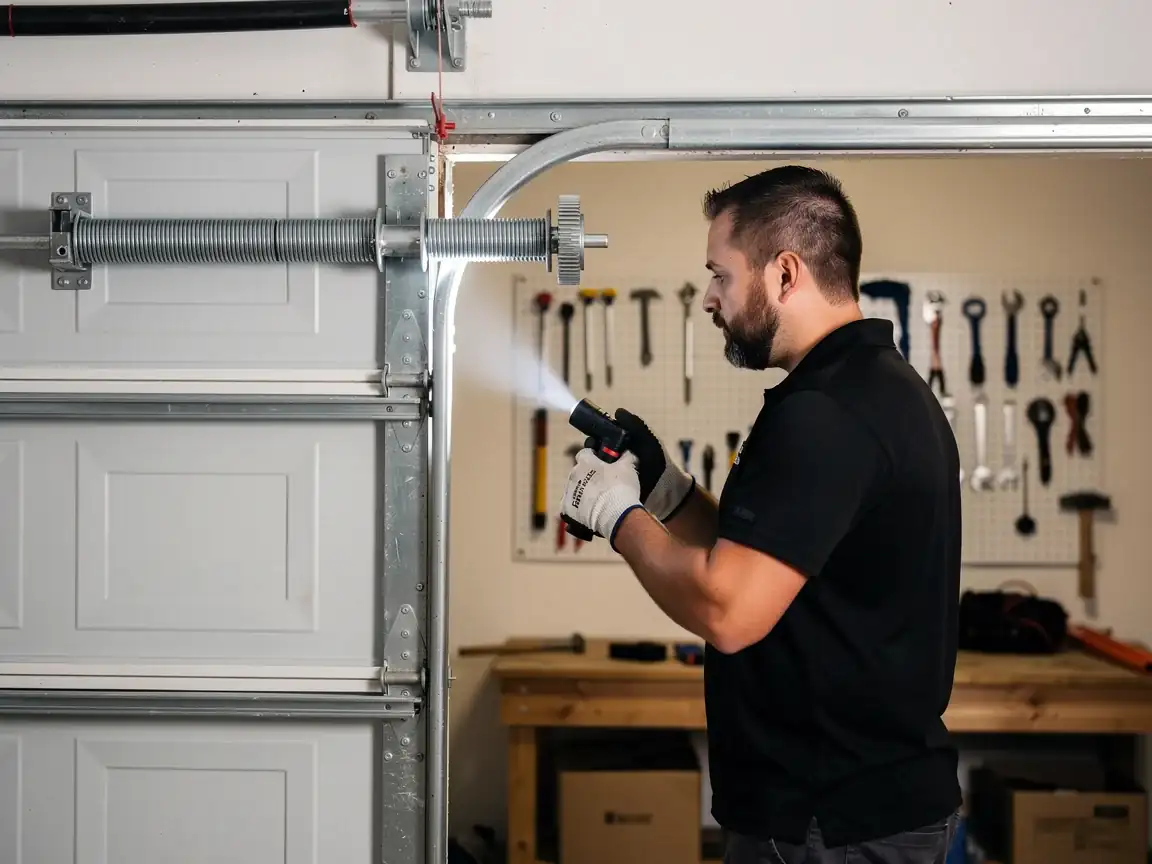
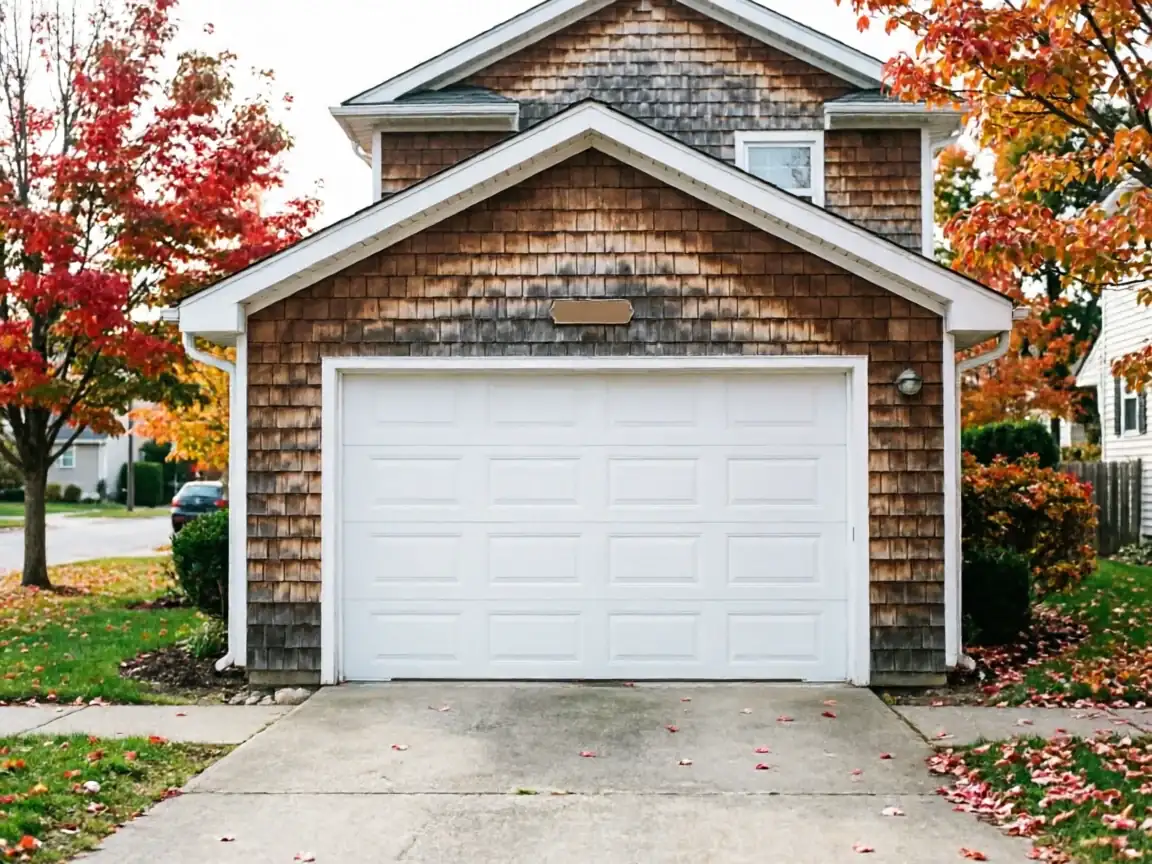
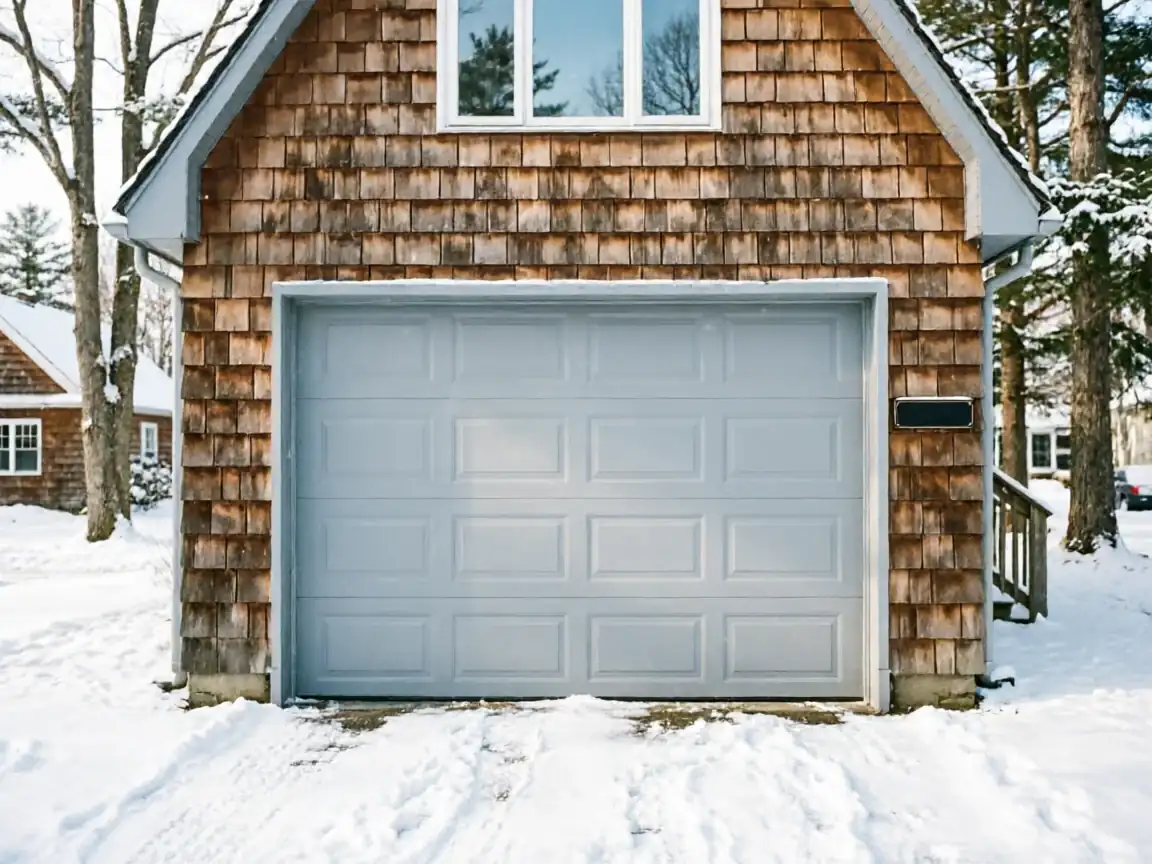
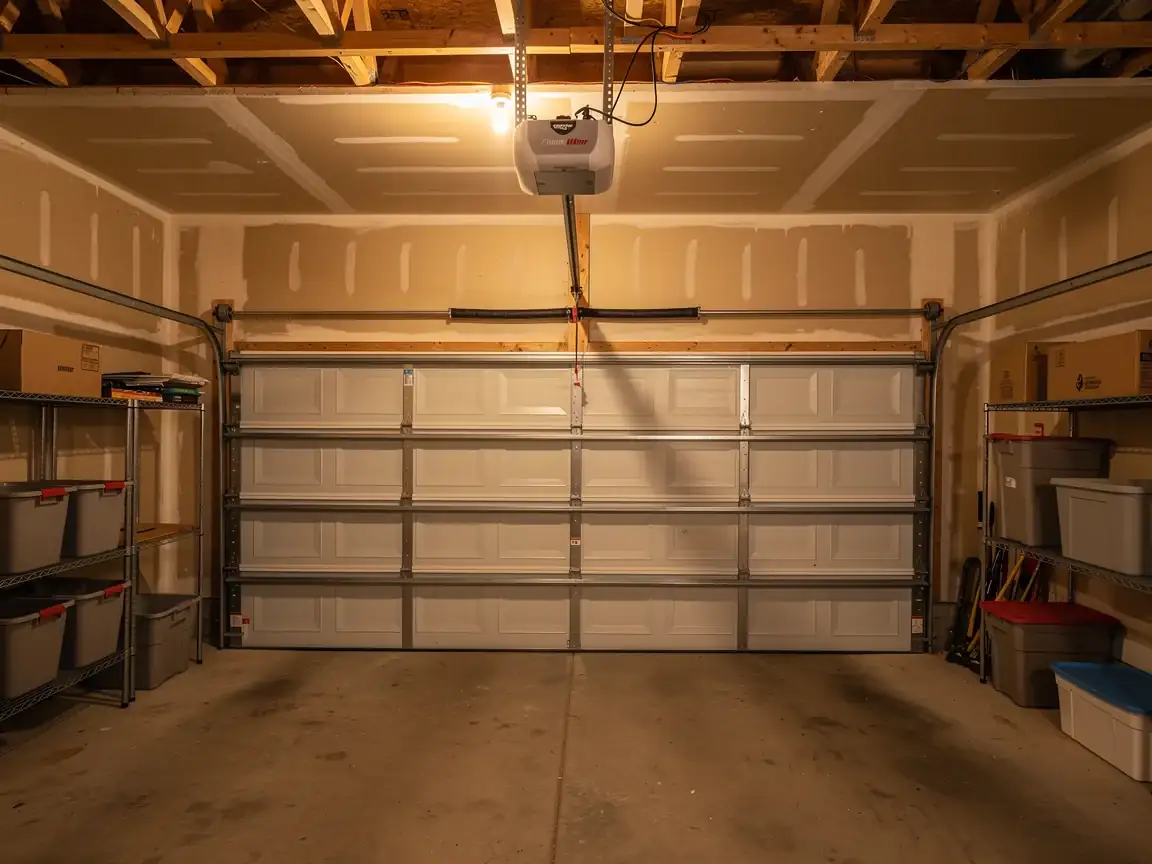
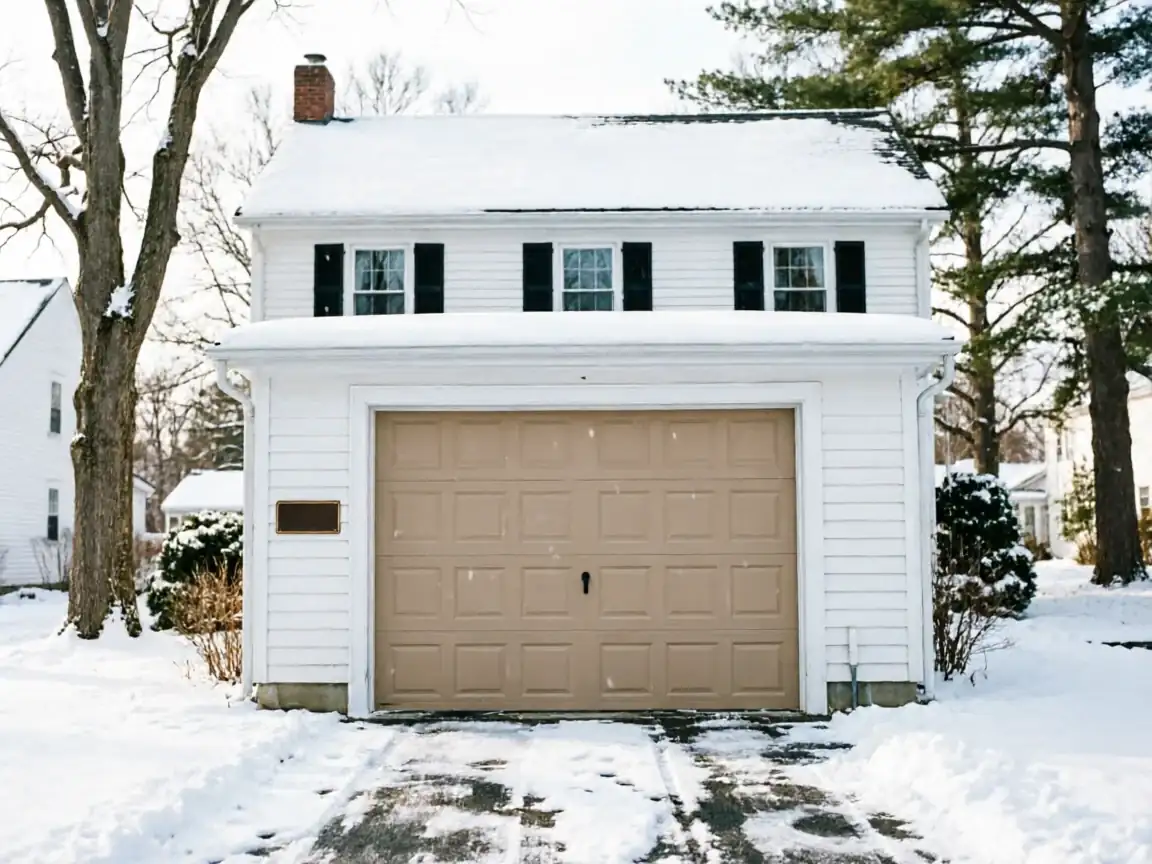
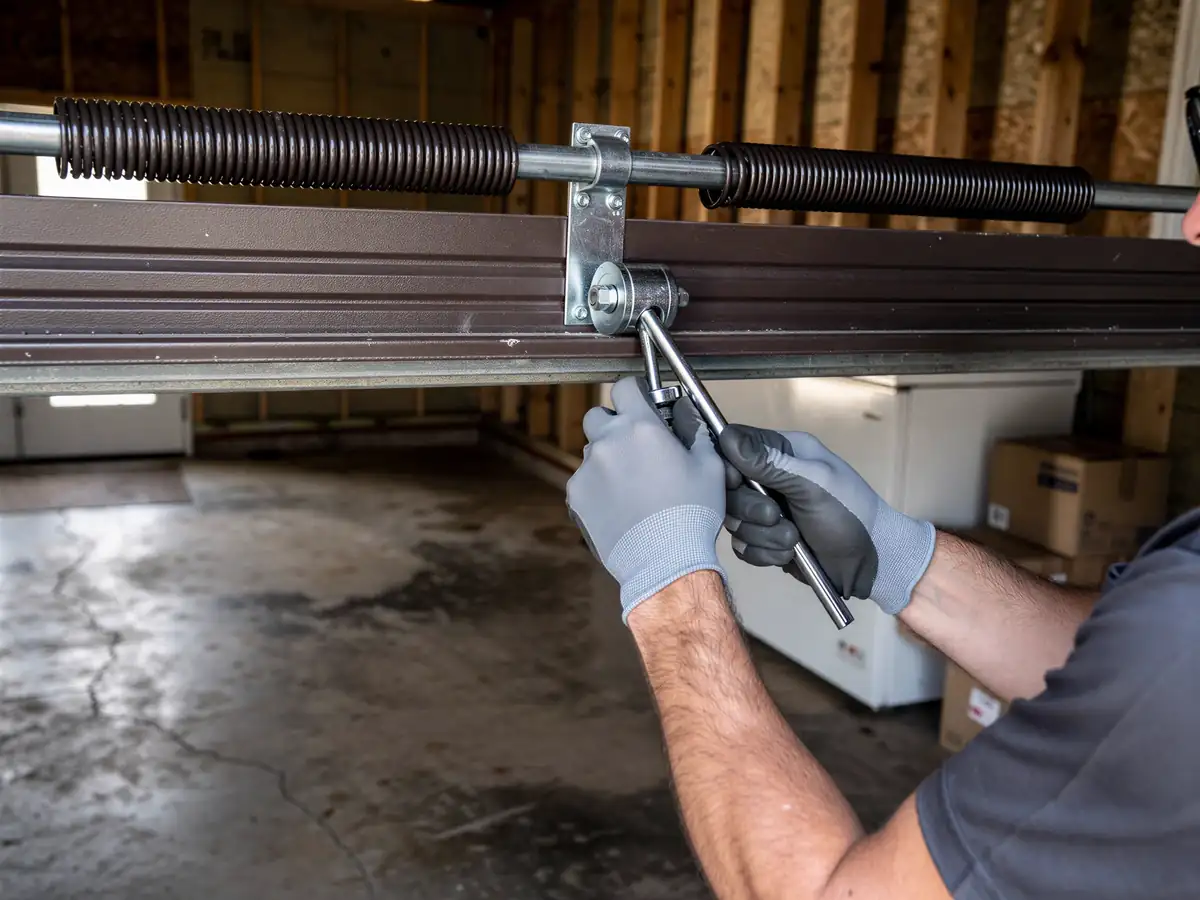
Or a spring that let go with a bang - none of that is a weekend project, and in Richland the hardware you're dealing with usually dates to when the house went up. Most of this neighborhood was built around 1975, which puts it on the newer edge of the wider Johnstown service area, where the typical home is closer to 1952. That difference matters: by the mid-1970s, builders were putting in steel sectional doors with torsion or extension spring setups that are lighter and more standardized than the older wood doors still common closer to town, but they're still under enough tension to break a finger or a face if you unwind them without the right bars.
If the door won't move at all, check the obvious first
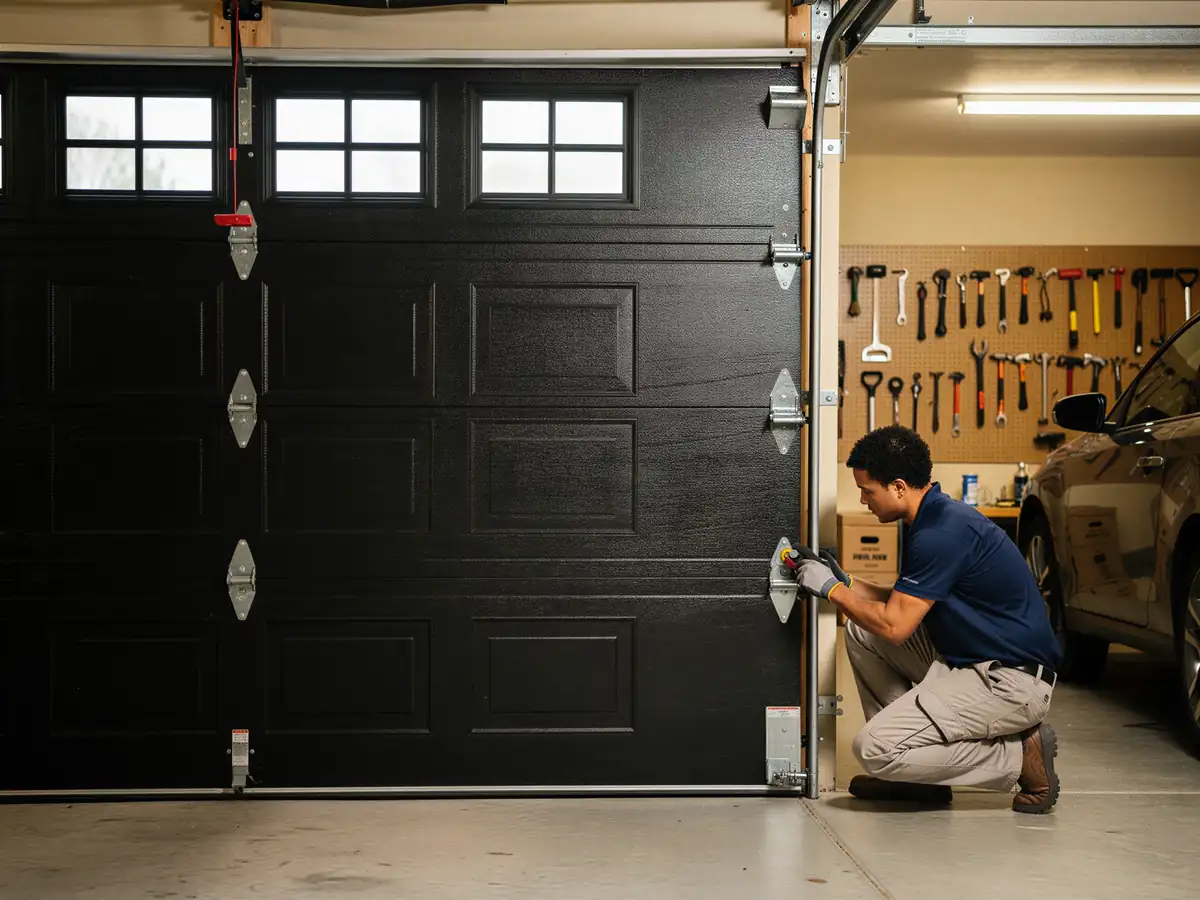
The opener's manual release cord, a bent track rail, or a photo-eye sensor knocked out of line. Those you can often clear yourself. A broken spring, a snapped cable, or a door that's come off its rollers on one side is a call-the-pro situation. We'll say it plainly: a torsion spring job on a double door is not a DIY afternoon, no matter what the internet tells you.
How Long You Are Without the Door
We run out of Johnstown, about 5 miles from Richland, so the drive itself isn't the bottleneck - it's what the job actually needs once we're on site. A broken spring or a snapped cable on a standard setup is usually a same-visit fix once we've got the right spring size and cable length for your door. Where it stretches out is parts: if the opener itself has failed, or if a panel on a door from this era needs replacing and it's an odd or discontinued size, we may need to order it rather than carry it on the truck.
We won't promise a response time here, because we don't have a fixed number for Richland specifically and we're not going to invent one. What we can tell you is the sequence: diagnose on arrival, quote before we touch anything, and fix what can be fixed that day. If a part has to be ordered, we'll tell you straight instead of stringing the job out.
What the Repair Takes
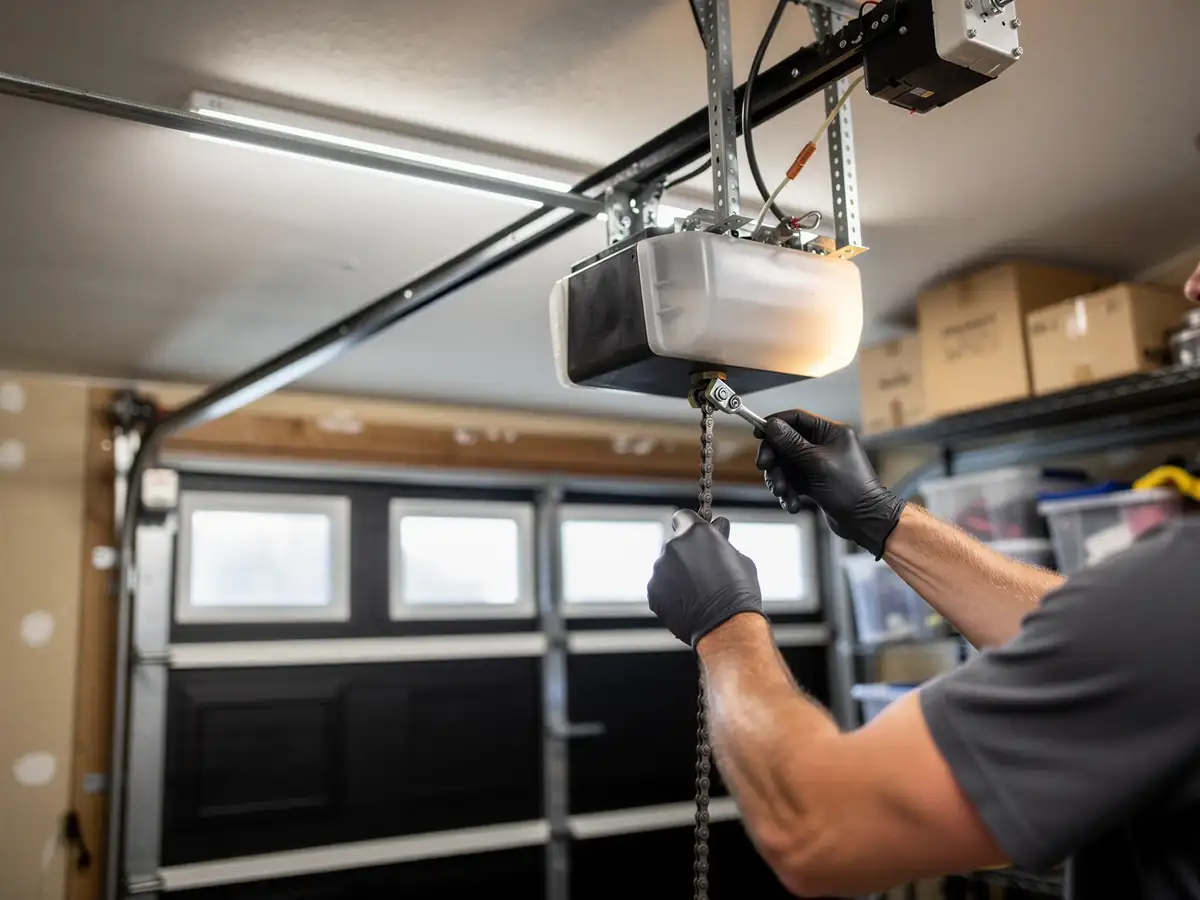
Spring and cable jobs on a 1970s-built door in Richland are mechanically straightforward for us - standard torsion or extension hardware, standard drum sizes, nothing exotic. The time sink is usually the opener, not the door itself. Homes built through the 1970s often had their original chain-drive opener swapped out once or twice over the decades, so what we find on arrival can be newer gear bolted to older track and rail. That mismatch is common and it's fixable, but it means we check the whole system, not just the part that failed.
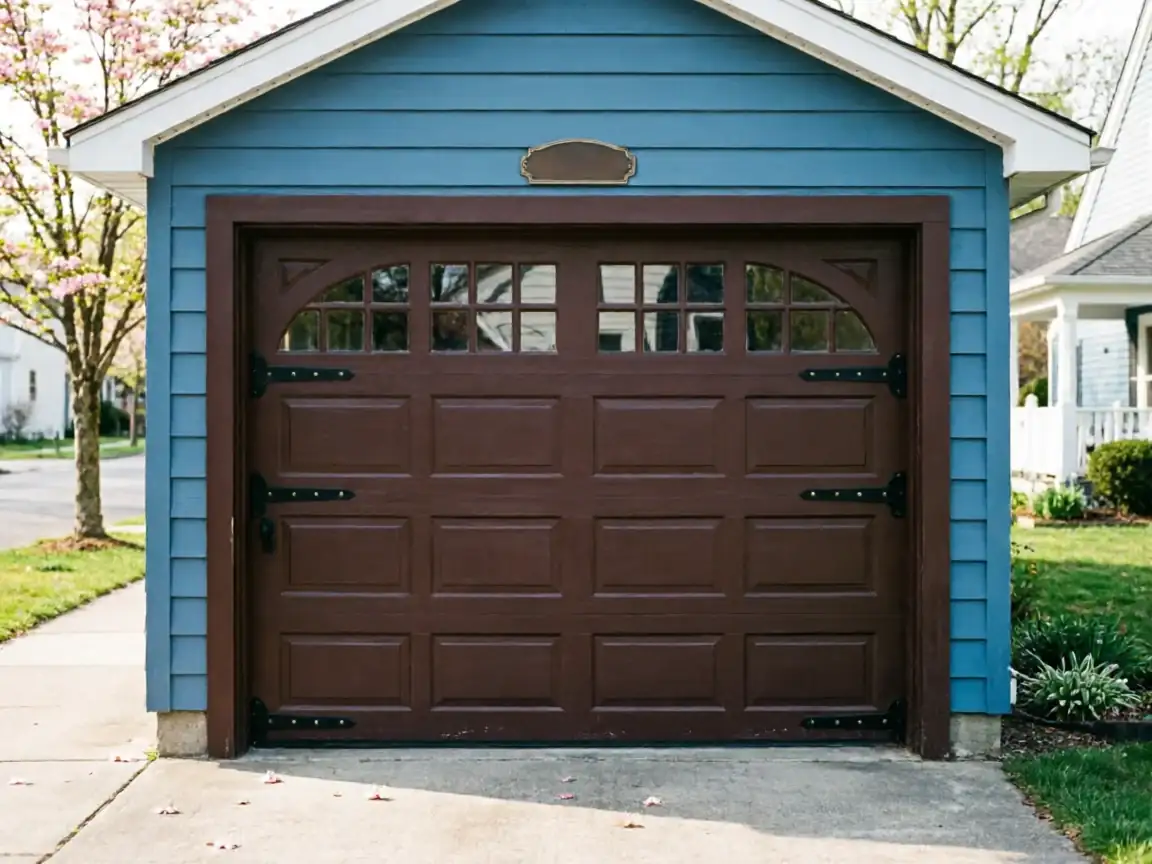
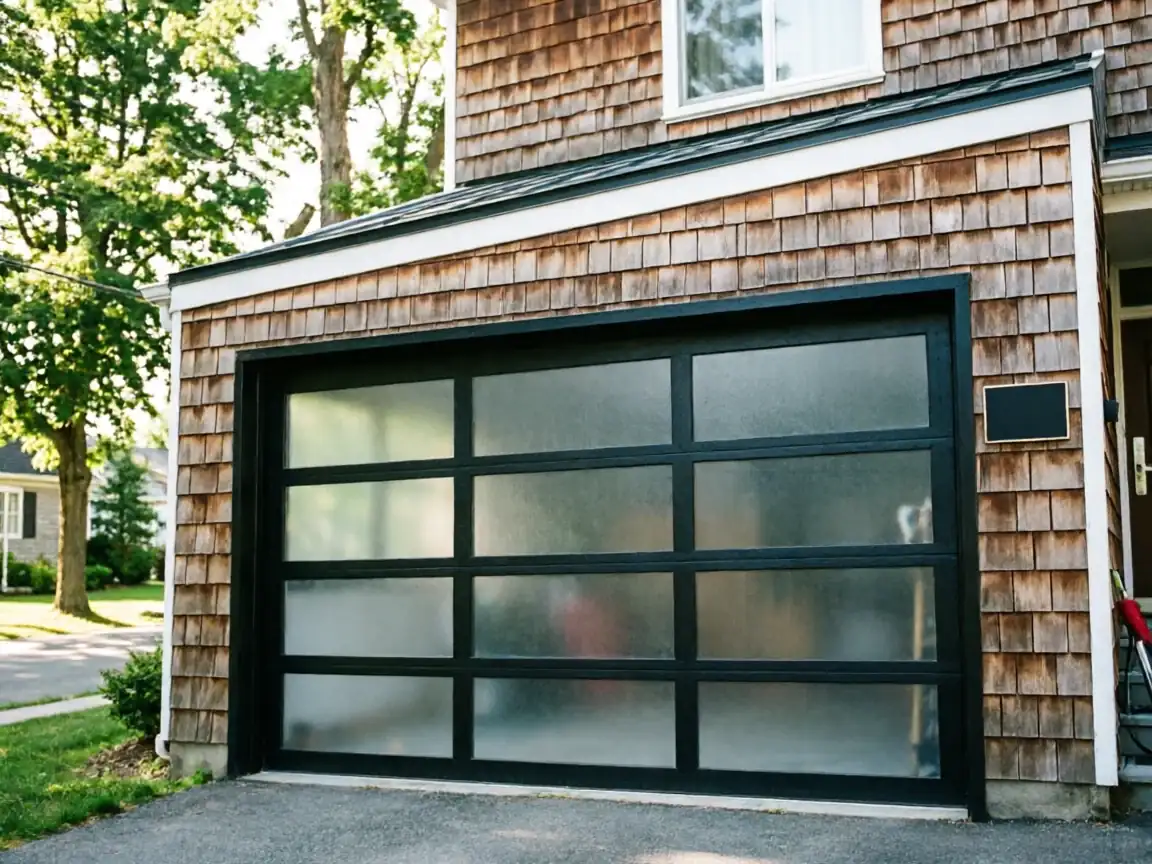
We carry torsion springs in the common sizes, extension spring sets, standard-gauge cable, and rollers and hinges that fit steel sectional panels from this build era. What we don't stock is custom panel inserts or decorative hardware some owners have added over the years - those get ordered. If your door is original to a 1975 build and a panel's cracked beyond patching, replacement of that section usually beats trying to match 50-year-old steel.
How It Shows Up
The call usually starts one of a few ways
The door won't budge and the opener is straining or clicking - that's often a broken spring taking the full weight off the opener, which isn't built to lift a door on its own. Or the door comes down crooked, catching on one side - a snapped cable or a roller that's worn through its track groove. Sometimes it's quieter: a door that's gotten noticeably heavier to lift by hand over a few weeks, which is a spring losing tension before it fully fails.
On a 1970s steel door, rust at the bottom panel seams is also a common lead-in to bigger trouble
Since the lower panel takes the brunt of snow melt and road salt runoff in this part of Pennsylvania. Once that panel's compromised, it throws the whole door out of square on the track, and what started as a cosmetic issue turns into a jammed door.
Why It Happens Here
Richland sits in a cold-climate zone with winters severe enough that repeated freeze-thaw cycles work on metal fatigue year over year - that's true for garage door springs and track hardware across this part of Pennsylvania, not just here, but it's the backdrop for everything else on this page. What's specific to Richland is the building stock: a median construction year around 1975 means most doors and openers in this neighborhood are on their second or third generation of hardware, since nothing mechanical lasts 50 years without at least one replacement.
With roughly 4,772 households in the area and a median income of $68,092 - notably higher than the $56,795 median across the broader Johnstown service area - we see more owners here opting for full opener upgrades rather than patch repairs, since the newer door shells are usually worth the investment. That's a trend, not a rule, and we size up each door on its own condition rather than assuming.
What Is on the Truck
For a Richland call we load for steel sectional doors on torsion or extension springs: a range of common torsion spring sizes, extension spring pairs, galvanized cable in standard lengths, sealed-bearing rollers, hinges, and end bearing plates. We carry safety cables for extension-spring setups, since a lot of doors from this build era were installed before that became standard practice, and it's a cheap add during any spring job.
On the opener side, we carry drive gears, sprockets, and logic boards for the more common chain and belt-drive models likely to turn up on a house that's had its opener swapped once since 1975. What we don't carry are custom panel skins or decorative overlay kits some owners have added - if your door's been customized, expect us to quote that part as a special order rather than pull it off the truck.