How Long You Are Without the Door
Richland's housing mostly went up around 1975, later than much of the wider Johnstown service area, which tends to mean torsion spring setups rather than the older side-mounted extension hardware found on pre-1960 stock nearby. That makes parts matching more straightforward once we're on site - we're not hunting for an obsolete bracket pattern. The five-mile run from Johnstown doesn't change how long the repair itself takes; swapping a torsion spring pair, once we're there with the right size, is usually under an hour of hands-on work. What stretches the timeline is if the drums or cable also need replacing, which we won't know until the door is open and the shaft is off tension. We don't quote a guaranteed response window here - we travel from Johnstown for every call in this area, and traffic on the drive in is the variable we can't promise away.
What the Repair Takes
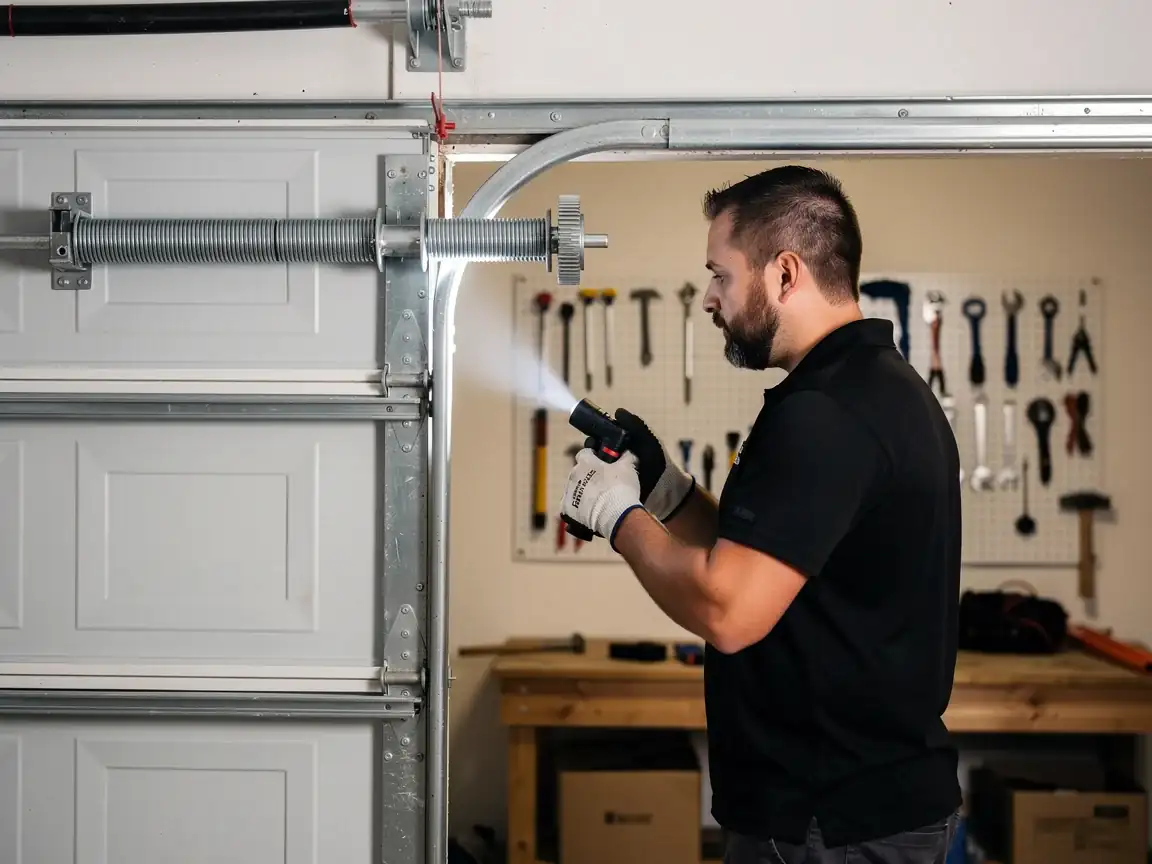
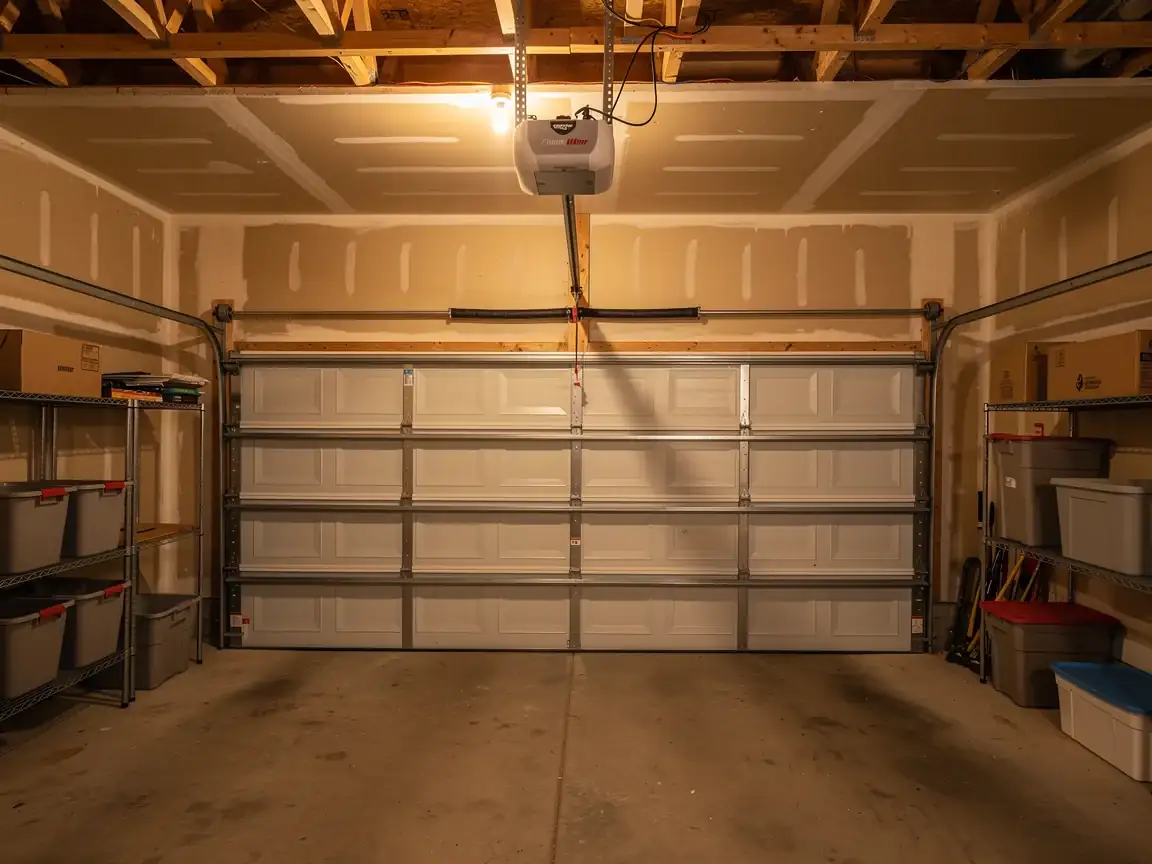
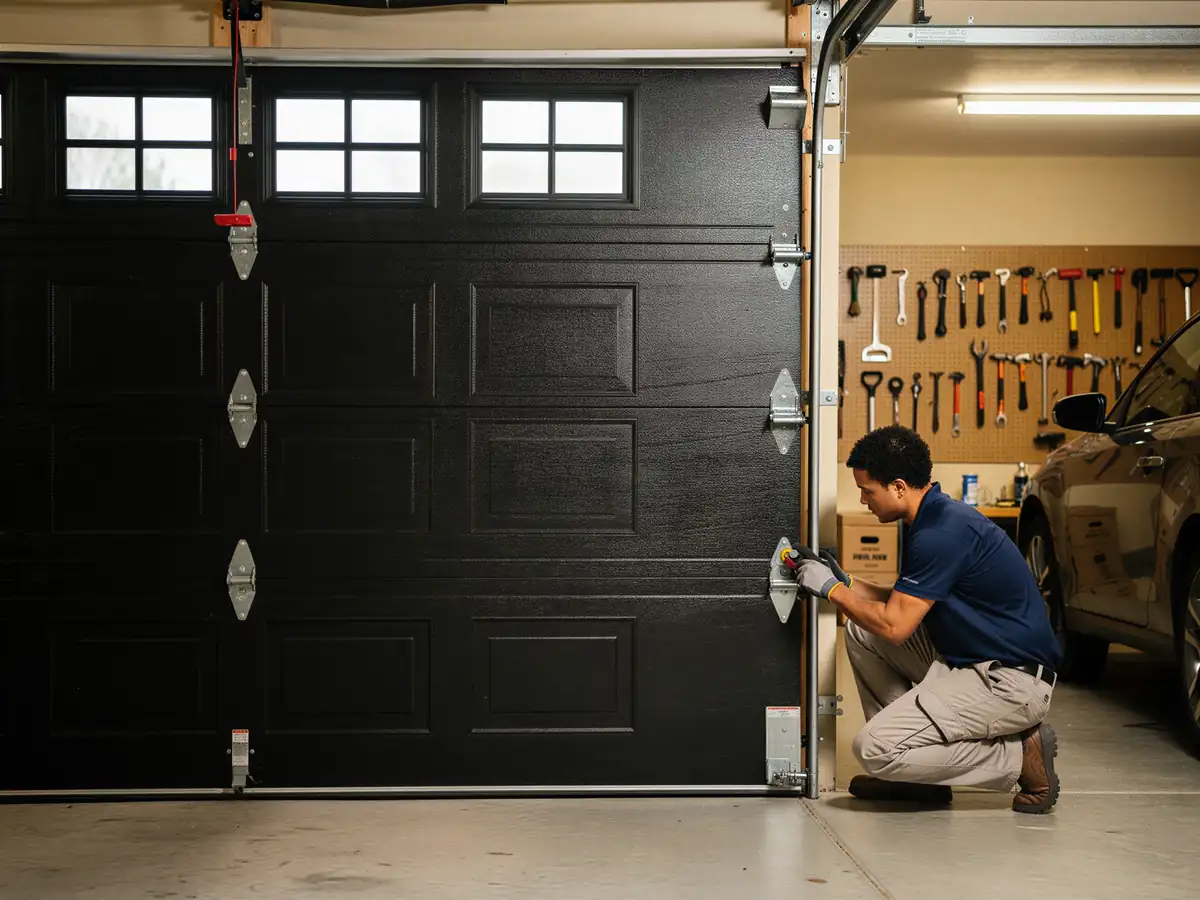
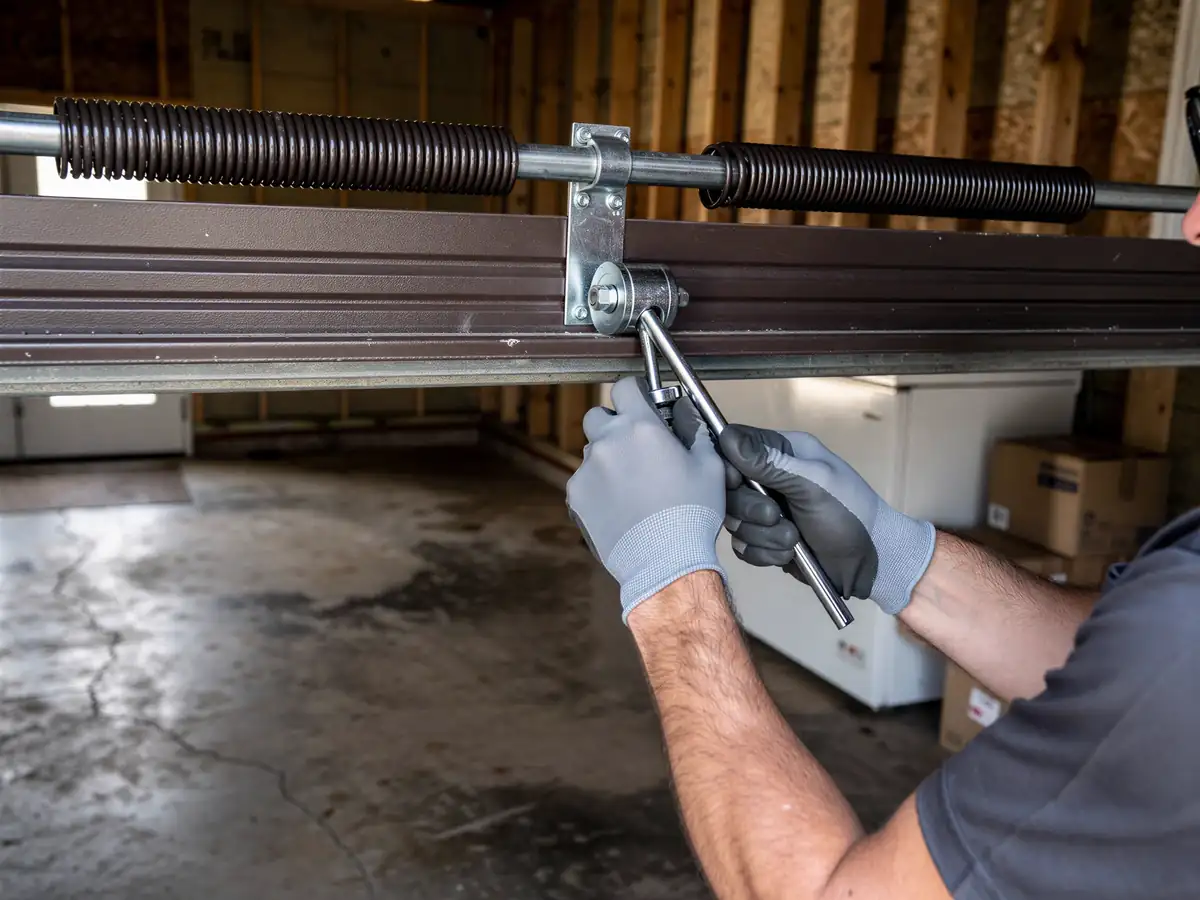
For a standard double door on torsion springs, the job runs: secure the door in the open position, release tension off the existing spring with winding bars, pull the old spring and inspect the shaft, bearings, and cable drums for wear, then install and wind the replacement spring to the correct turn count for the door's weight and height. On a single door with extension springs, it's a different process - releasing tension off the pulley system, checking the safety cables are present and intact, and replacing both springs even if only one broke, since the second is usually close behind on the same cycle. Either way we test the door's balance afterward: lift it halfway by hand with the opener disconnected and it should hold roughly level. If it drifts up or down, the spring is wound wrong for the door's weight and gets corrected before we leave. What we won't do is sell a spring swap on a door whose opener gears or track are also shot - we'll say so and price the actual work needed, not the one job we showed up to quote.
Why It Happens Here
Springs fail on a cycle count, not a calendar, but cold makes steel more likely to snap rather than just fatigue - and this area sits in a cold climate band with real seasonal swings between a warm garage and freezing nights. A spring that's been stretching and compressing for years handles a 70-degree afternoon fine; it's the sharp temperature drop overnight that tends to be the final straw on one already near the end of its life. Richland's housing stock, mostly built around 1975, means most doors here are on torsion hardware original to construction or replaced once since - either way, that's forty-plus years of winding and unwinding on the same shaft and bearings in a lot of cases. With median household income here running higher than the broader service area, we also see more owners catching the slow-heavy-door symptom early and calling before the spring actually breaks, rather than waiting for the bang.
What Is on the Truck
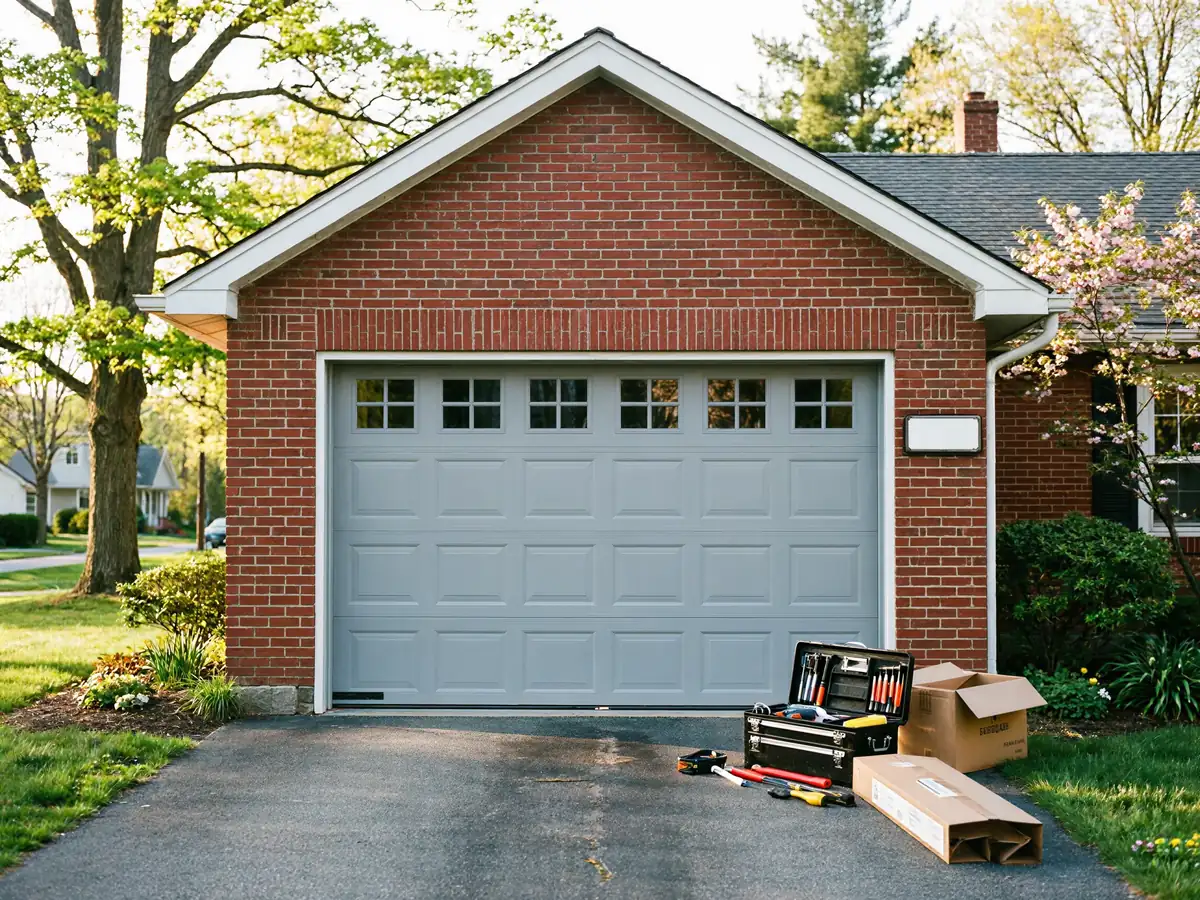
We carry torsion springs in the sizes that fit doors from the 1970s and 80s construction era - the range most common in Richland - along with the extension spring and safety cable combinations for the older hardware still found closer to Johnstown and in the pre-1960 pockets of the wider area. Winding bars, a shaft-balanced spare set for both single and double doors, cable drums, and the bearing plates that wear out alongside a failing spring all come standard. What we don't stock on the truck is anything custom - a door built to a nonstandard height or an opener-specific bracket from a manufacturer we don't commonly see out here. On those jobs we'll tell you straight that it's an order-in part, usually a return trip, rather than pretend we can finish it from what's riding in the van that day.