Why It Happens Here
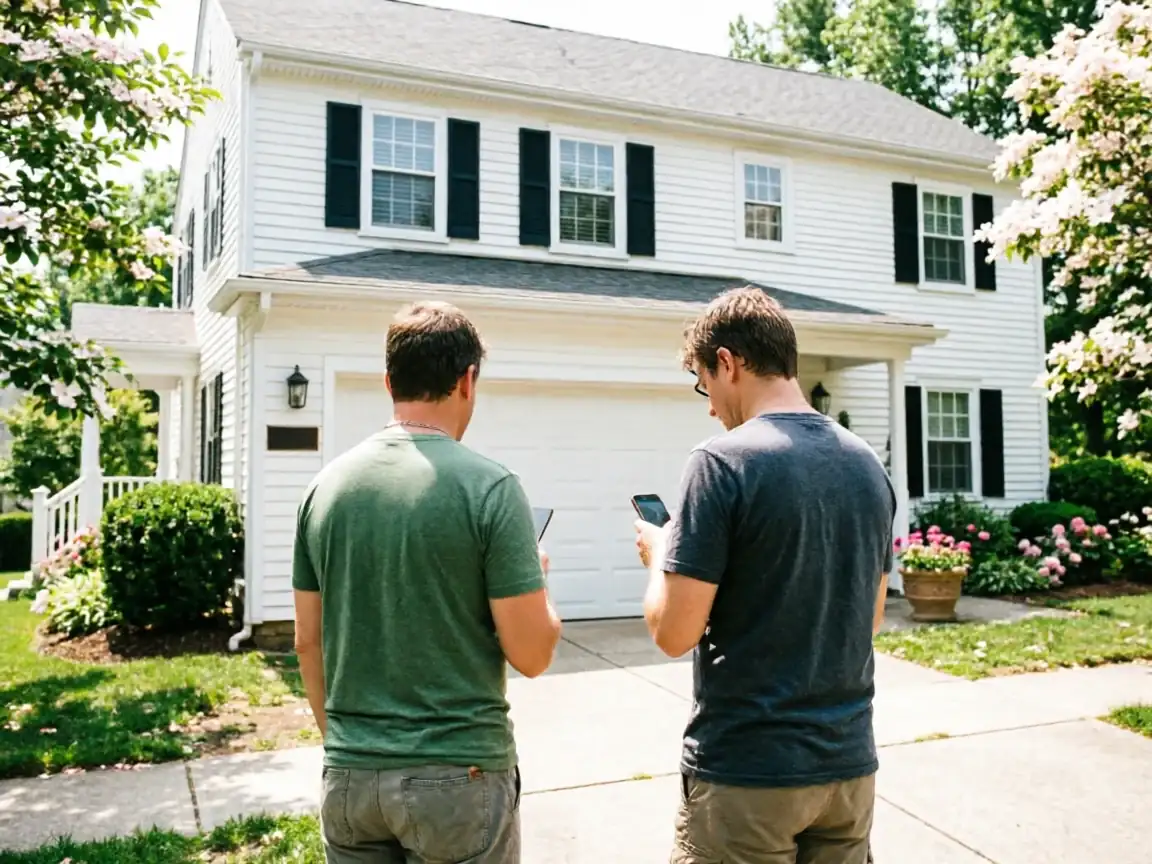
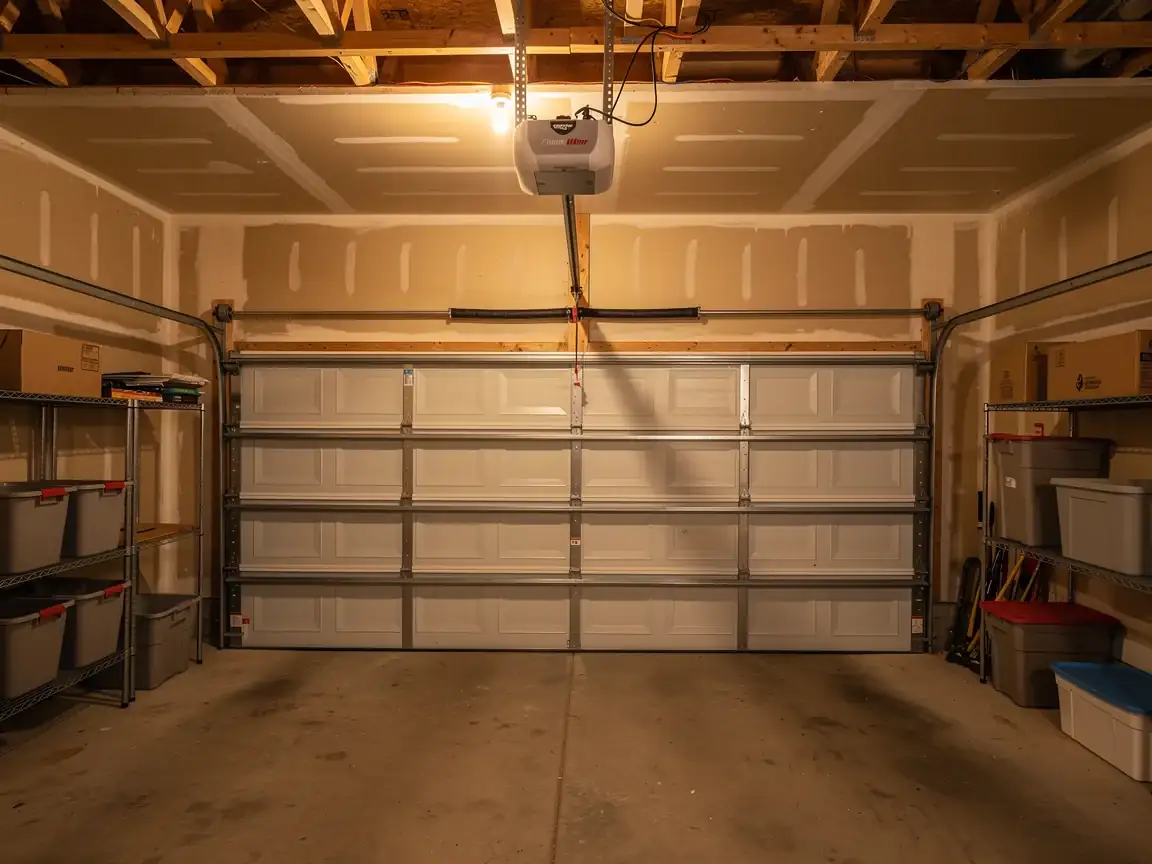
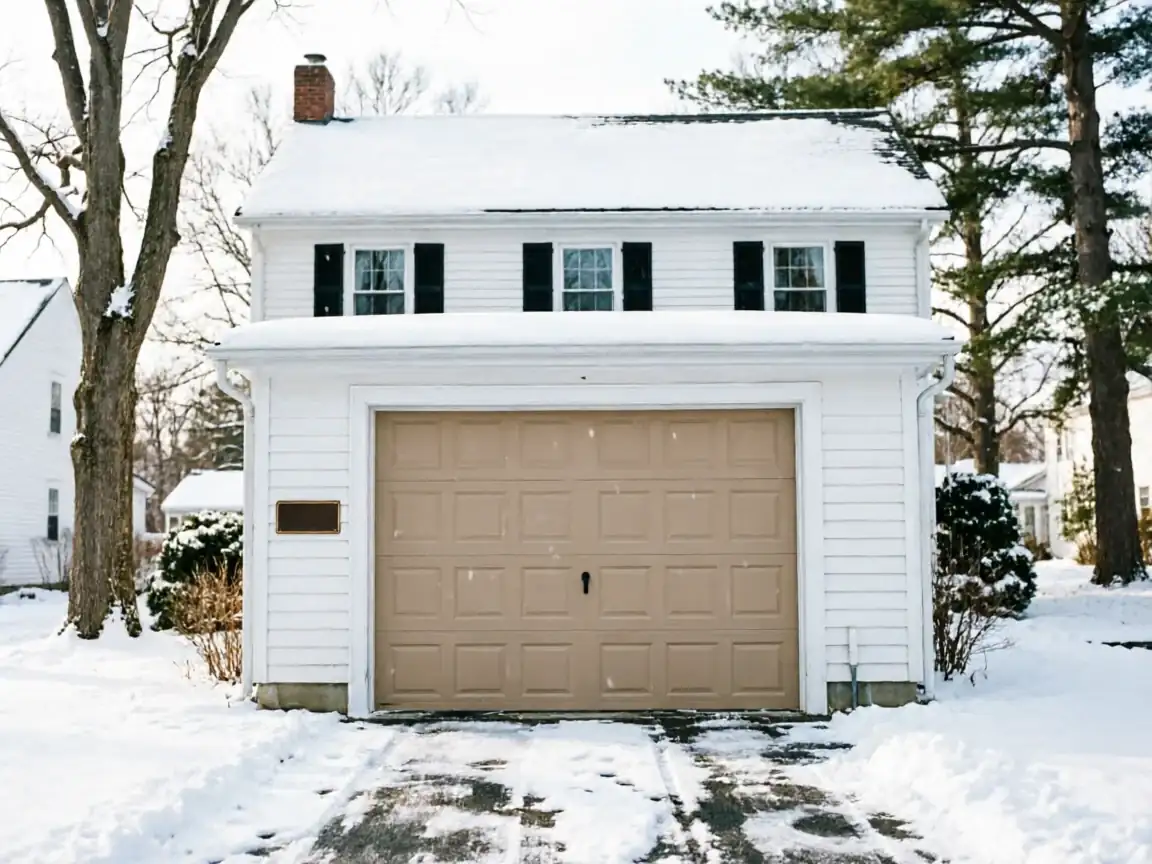
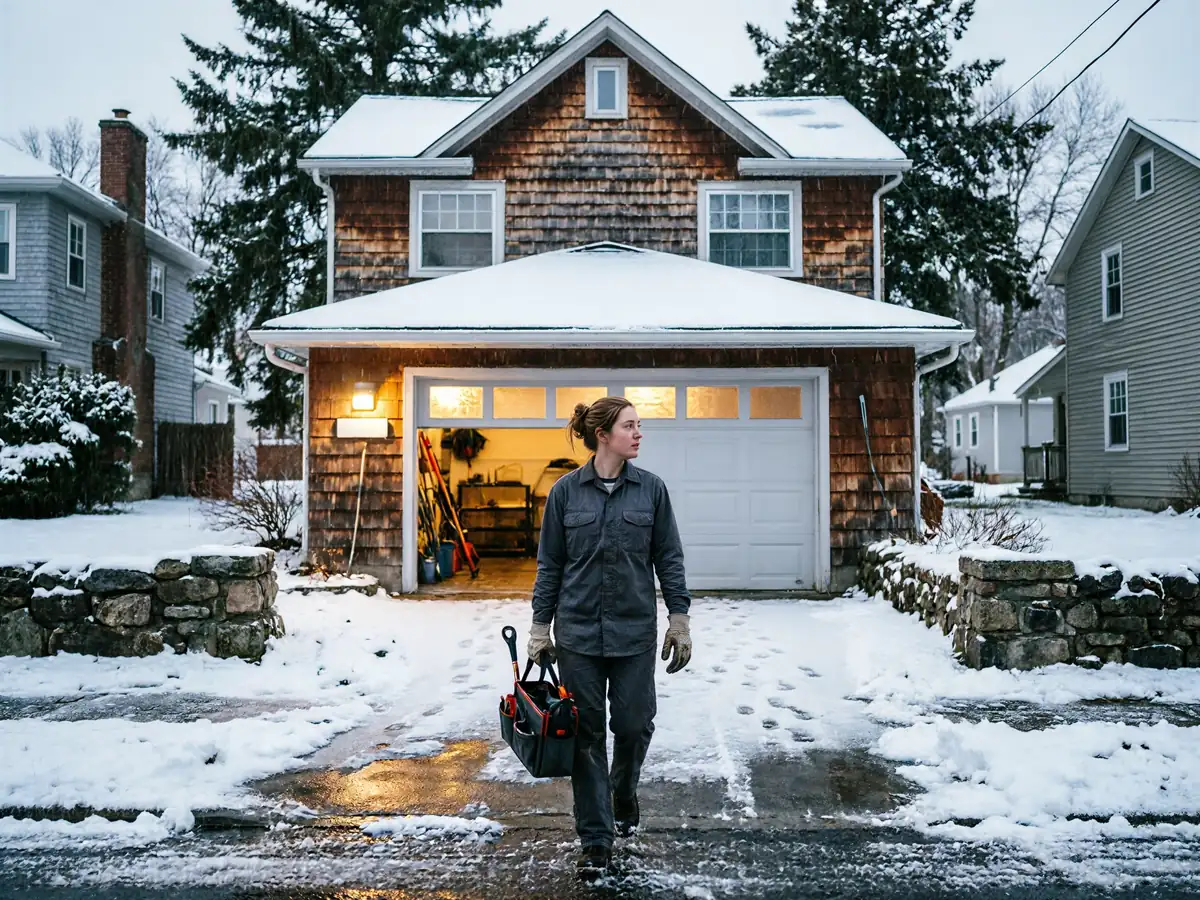
Johnstown's service area runs mostly pre-1960 construction across dozens of nearby towns, and Windber sits right in that band - median year built 1949, which is on the older edge even for this region. A door that old was very likely built with a single torsion spring rated for a wood or early steel panel door, sized for a lighter, thinner panel than what's sold today. Over seven decades of cold winters that spring has taken a lot of cycles, and in this climate band - classified cold, severe - steel fatigues faster through repeated freeze-thaw than it would somewhere milder. Add in the fact that Windber is a smaller place, 1,787 households, and that means fewer of these doors have been touched by anyone since they were hung. When a spring finally lets go here, it's rarely a surprise fix - it's usually a door that's been groaning for months on hardware nobody's looked at since Eisenhower was president.
What the Repair Takes
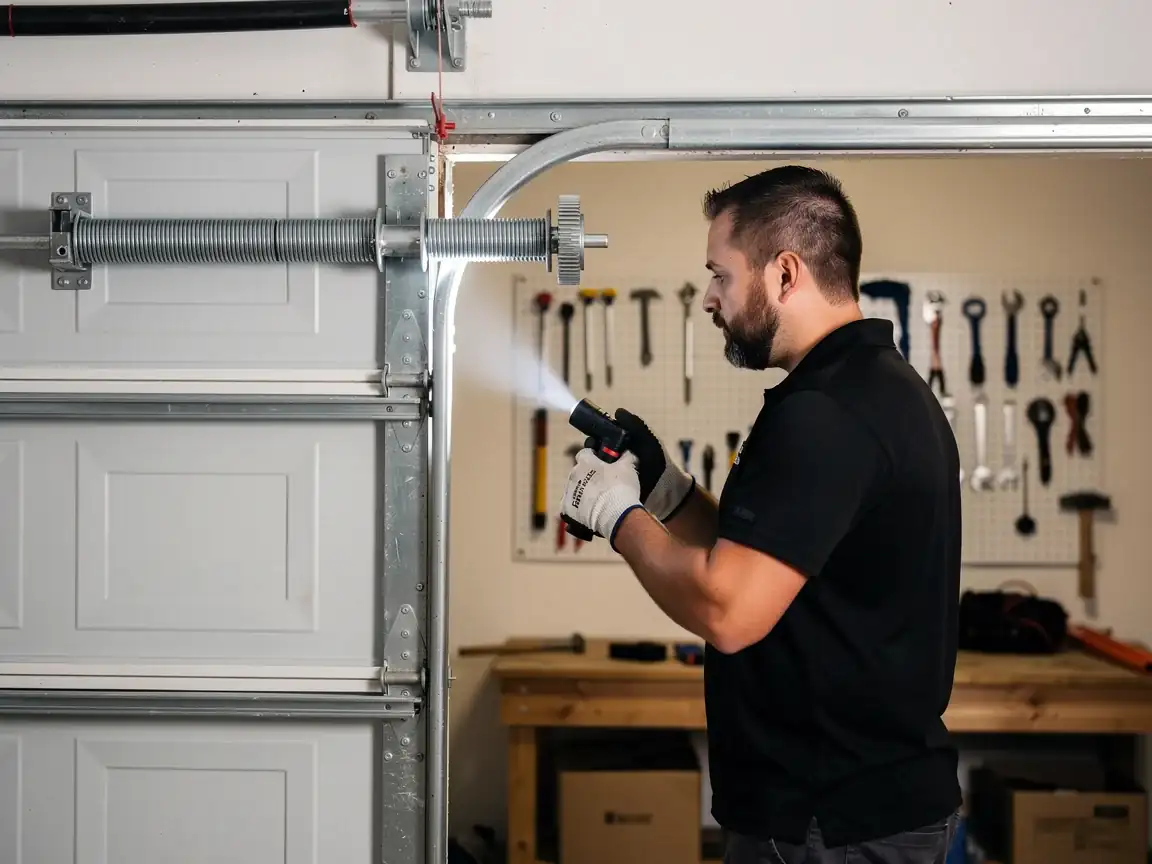
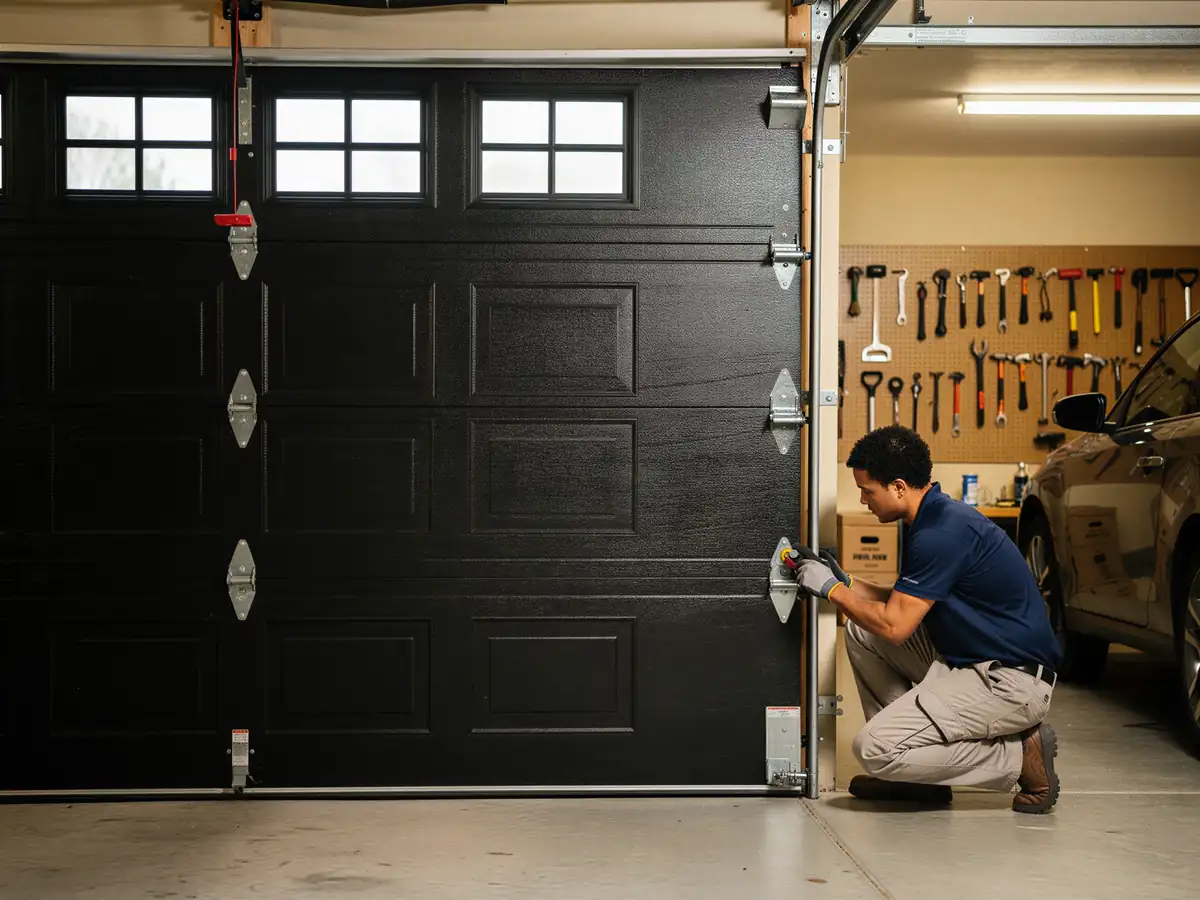
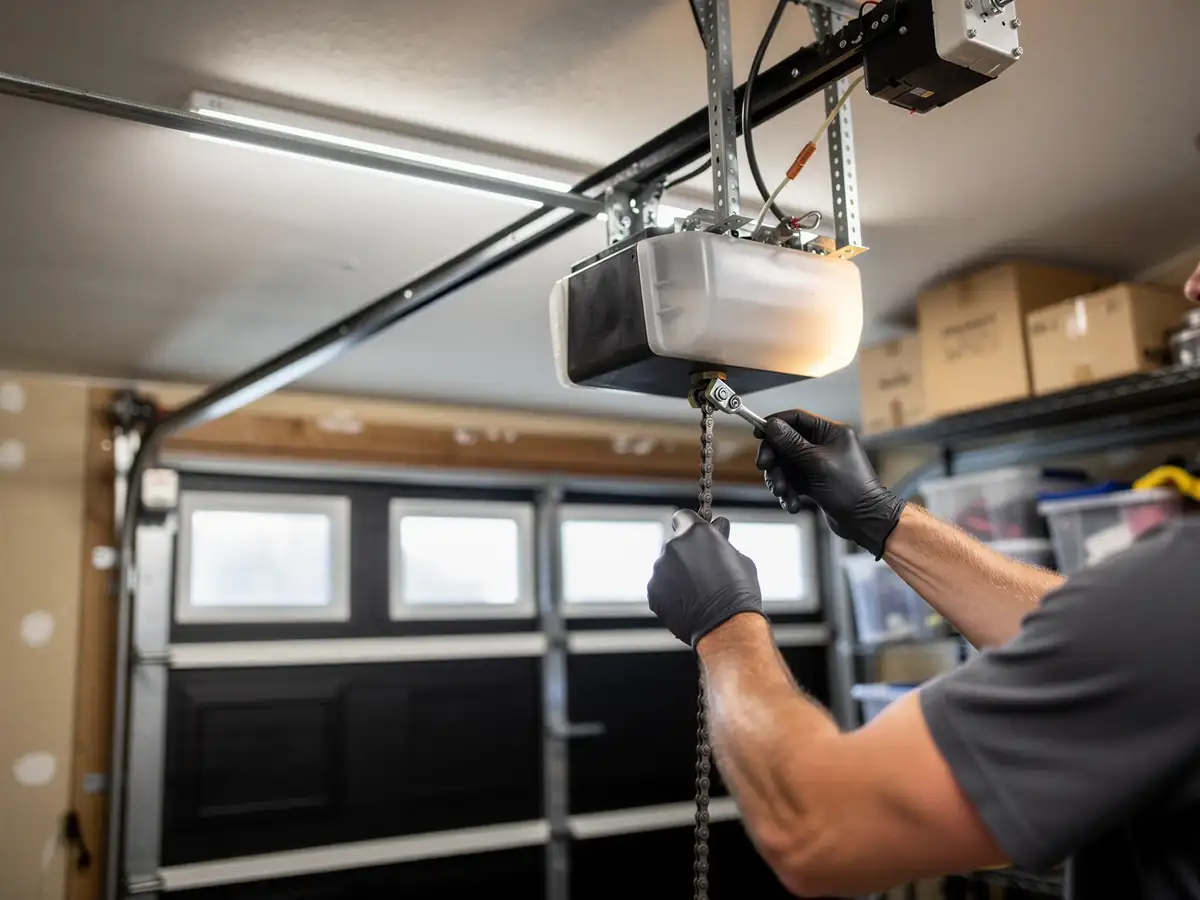
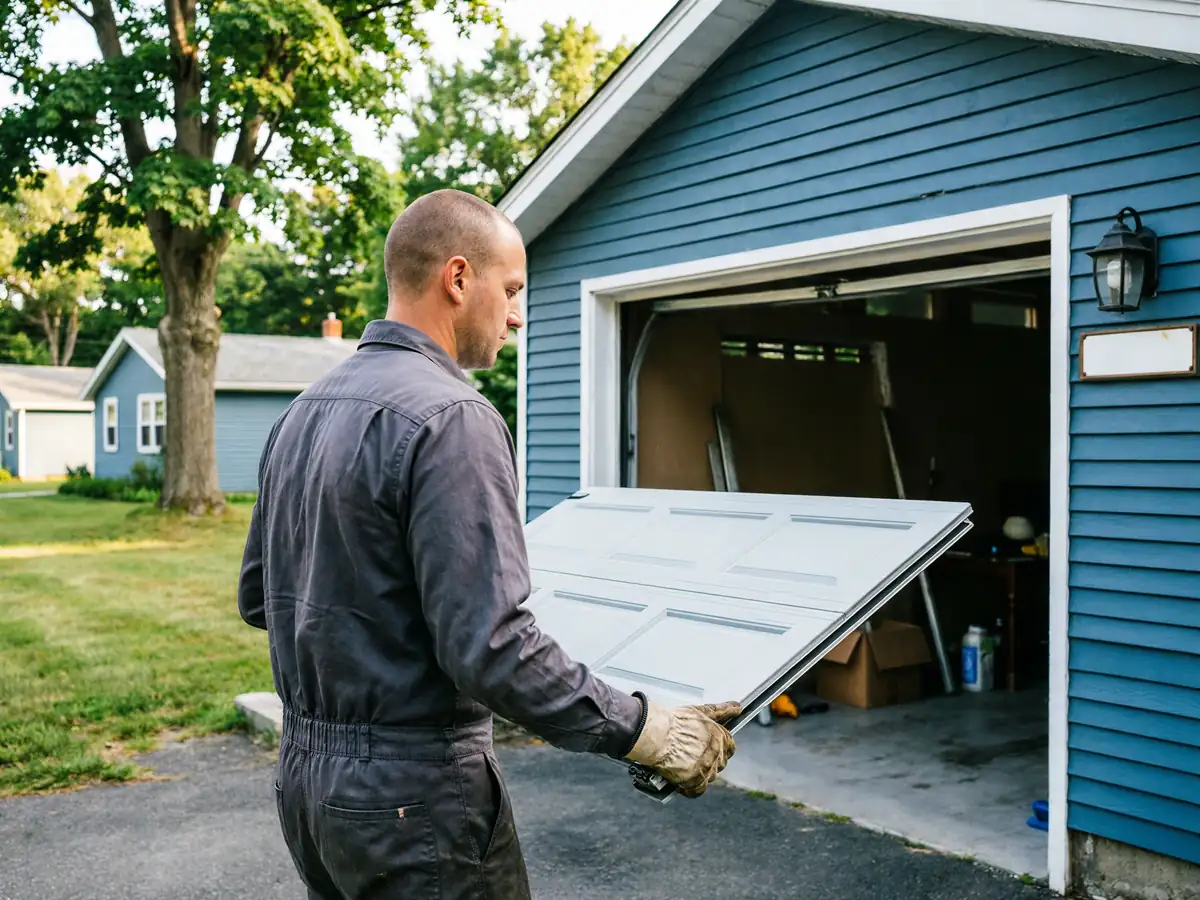
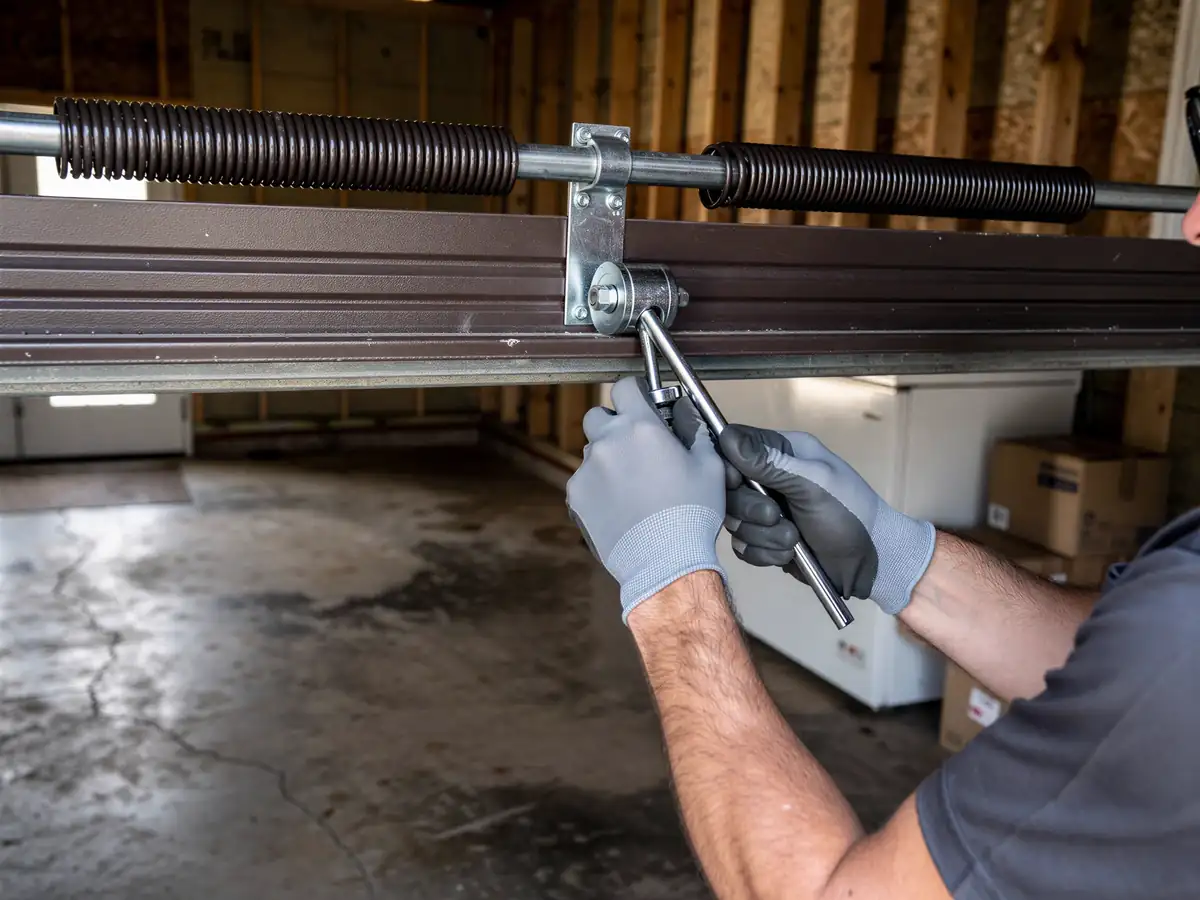
On a door this old, the job starts with a look at more than the spring. We check the drums for wear grooves, the cable for fraying near the bottom bracket, and the center bearing plate for rust - all common on hardware from the 1938-1980 build window that Windber falls into. If the spring is the only failure, replacement is usually a same-visit job. If the drums or cable have worn alongside it, which happens often on original hardware this age, we'll tell you before we start, not after. One honest limit: if the torsion tube itself is bent or the header bracket has pulled from the framing, that's a structural repair beyond a spring swap, and we'll say so rather than force a fix that won't hold. Given the median household income here is $52,560, we try to separate what needs fixing now from what can wait, rather than selling a full hardware replacement when a spring and a cable will get the door through another winter.