Why It Happens Here
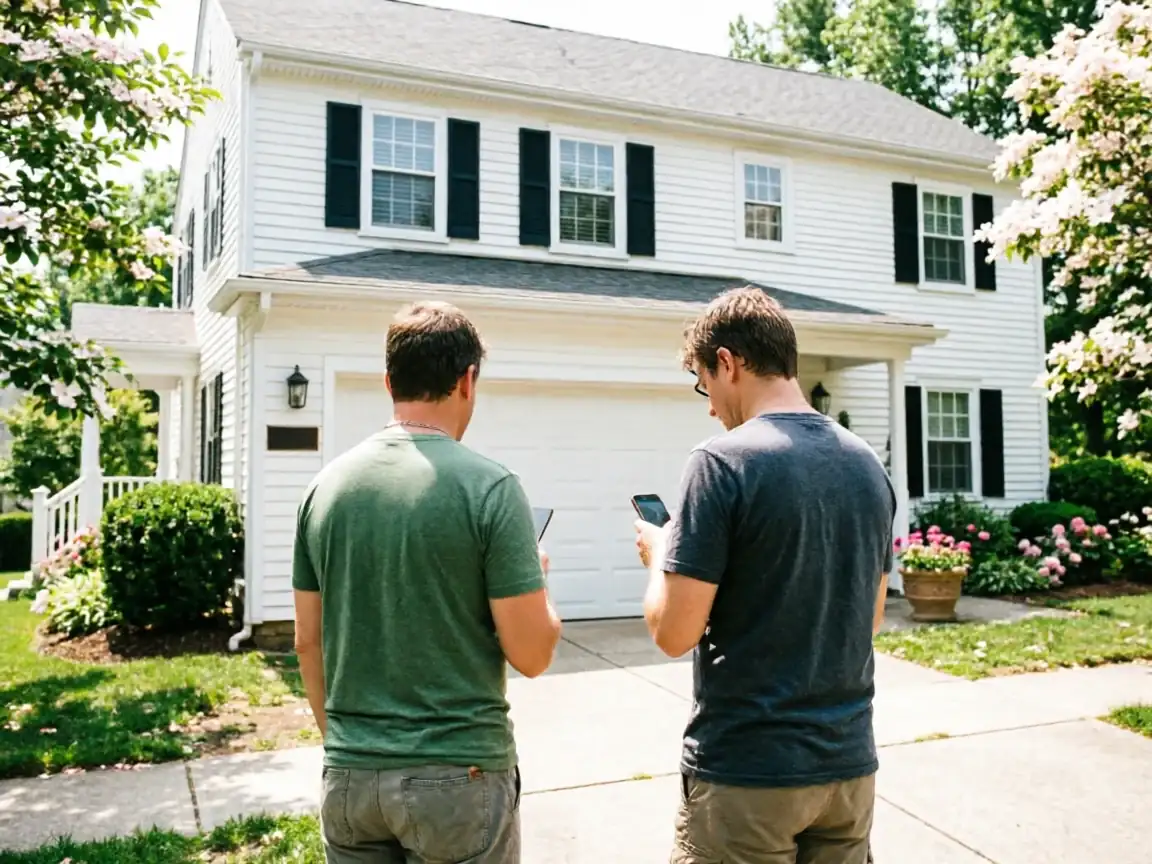
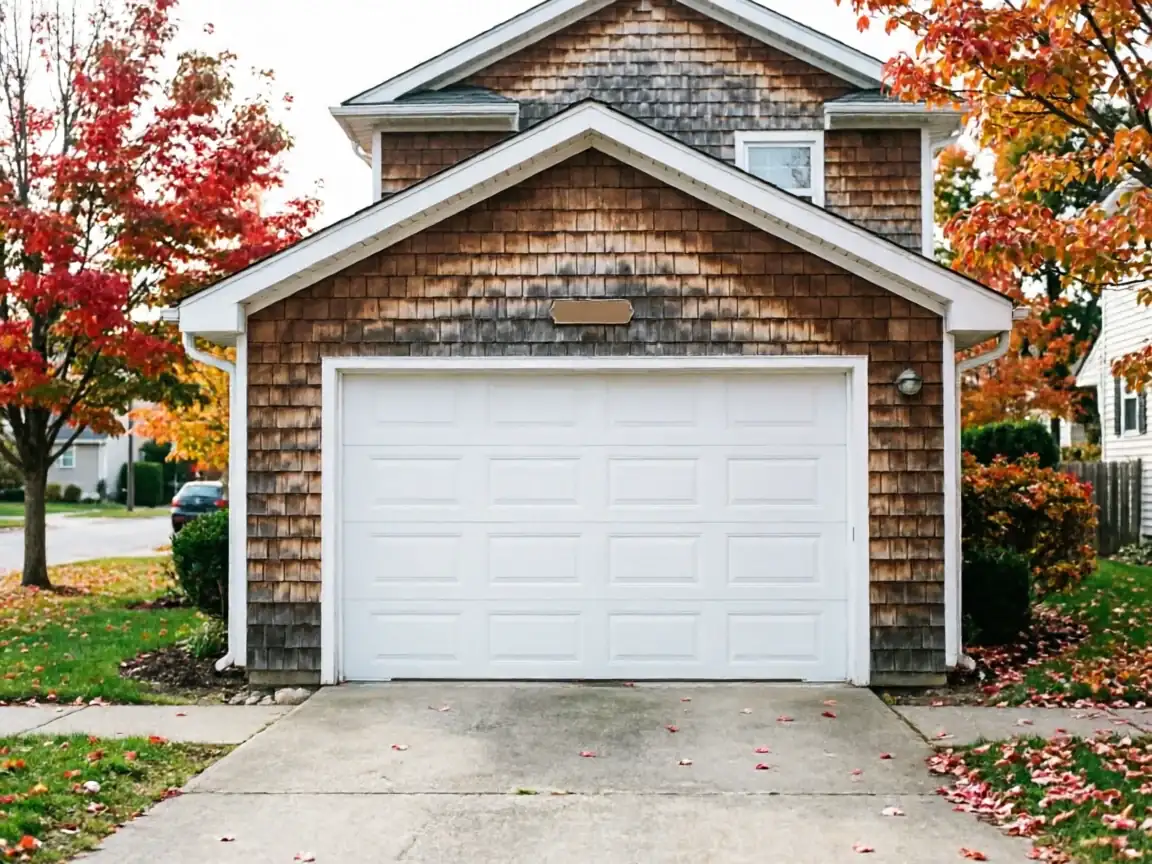
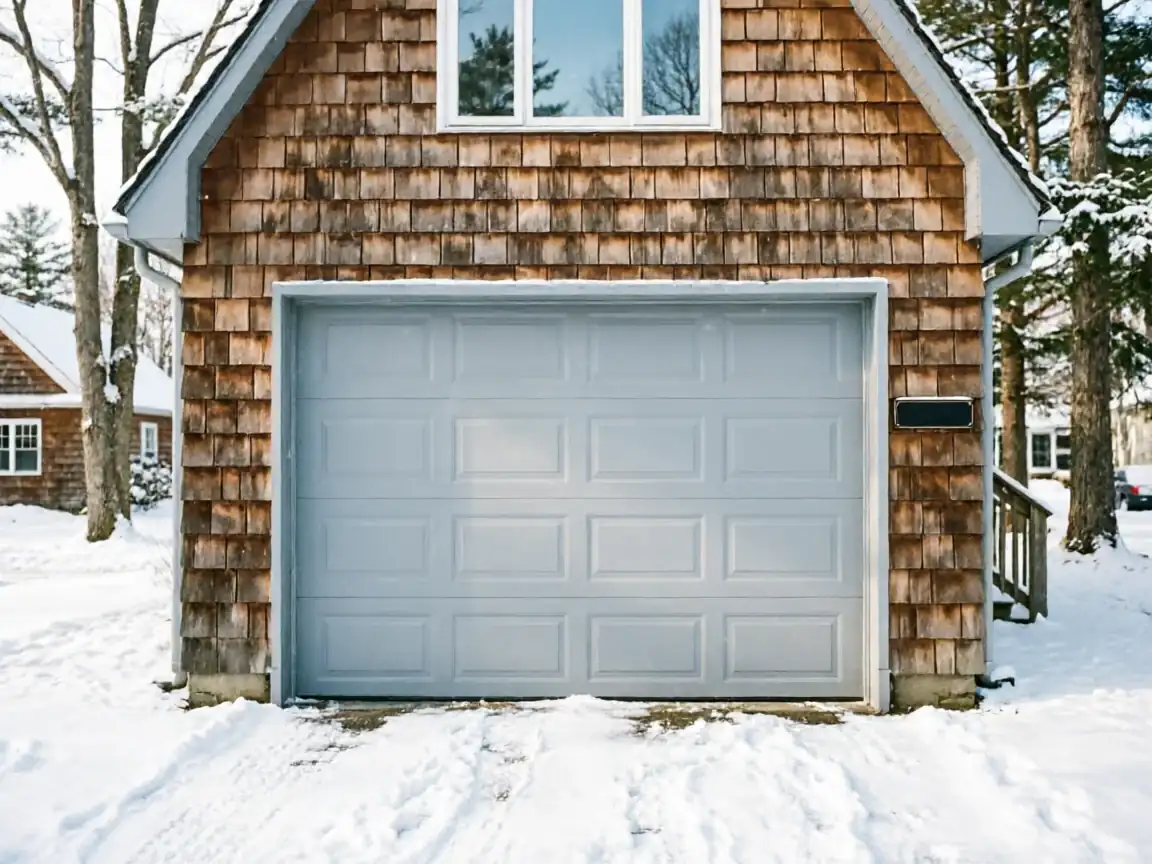
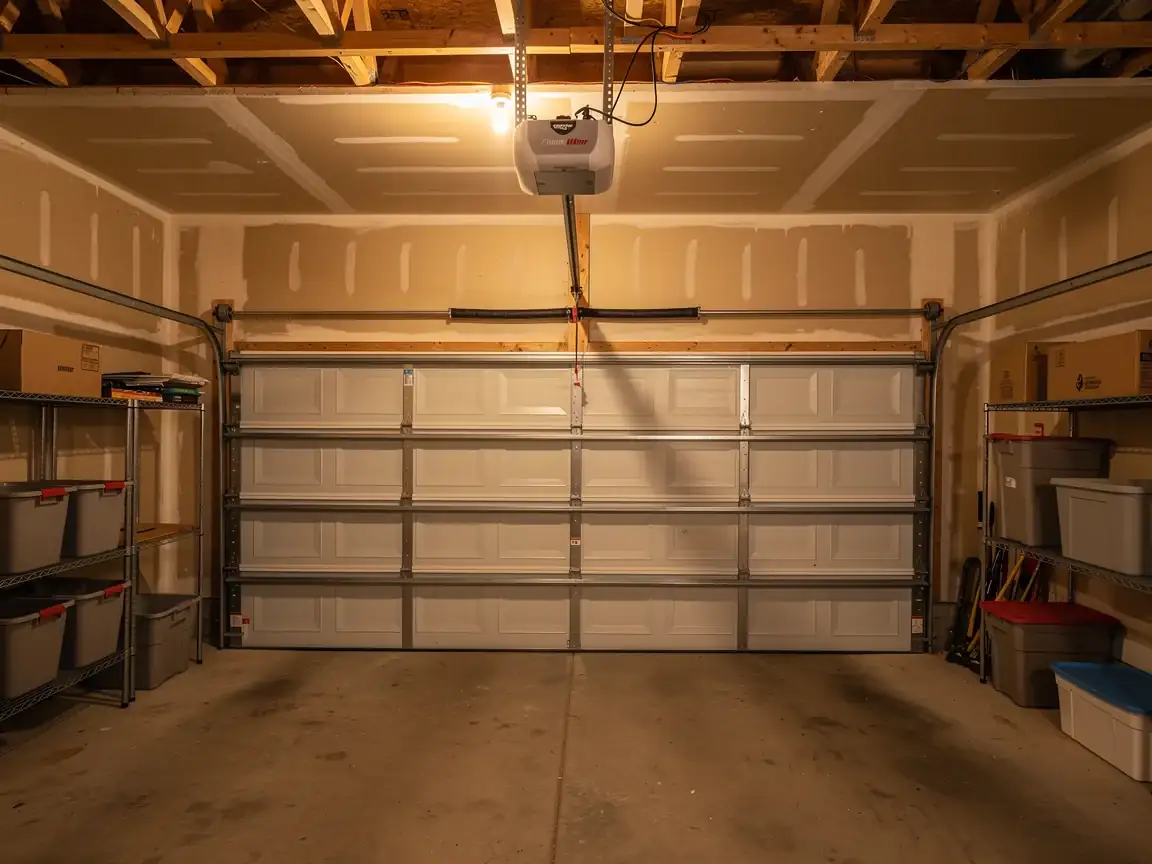
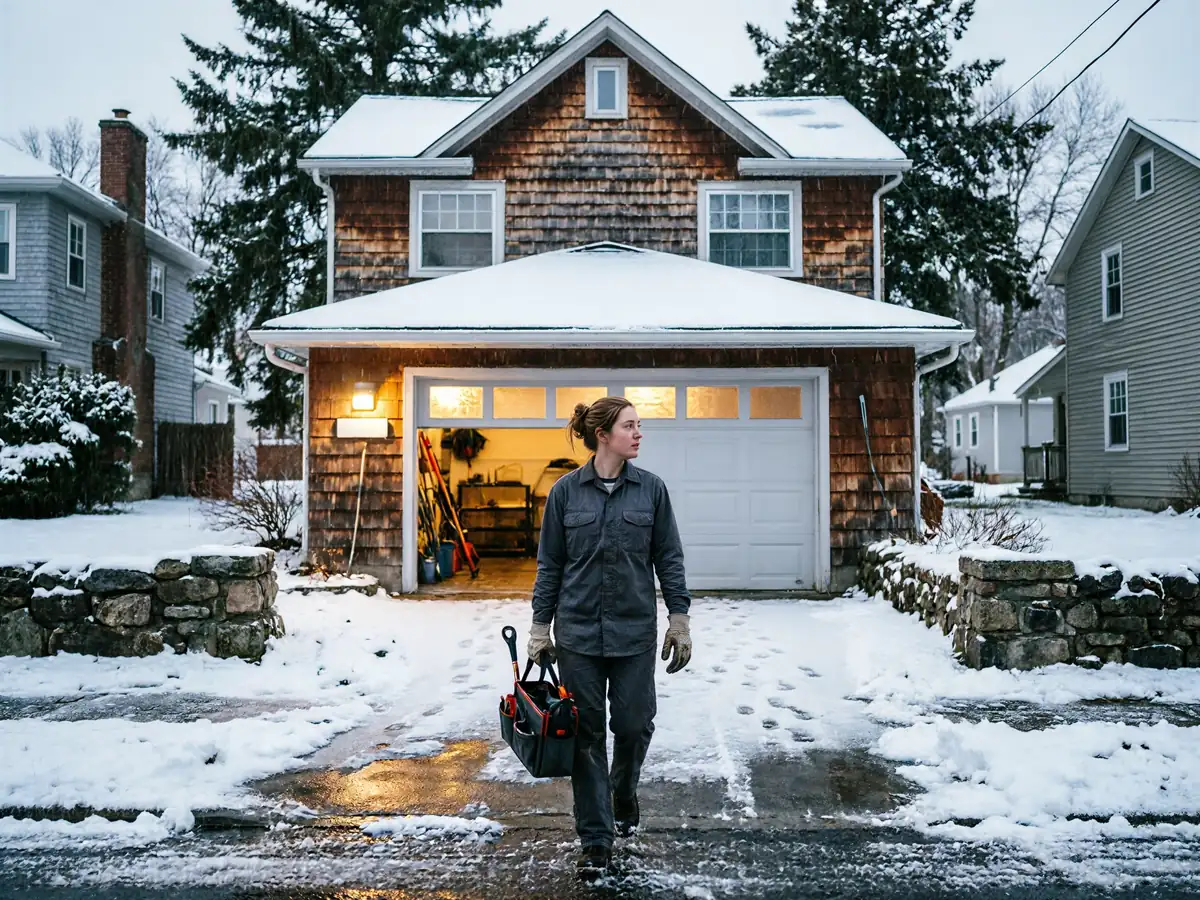
Windber's housing stock sits right at the older end of a service area where most homes already predate 1960. A door and track installed when the house went up in the late 1940s has outlived its original hardware more than once, and what's on there now is often a second- or third-generation torsion spring bolted to a frame that was never squared for it. Add a climate band that runs cold and severe - hard freezes, repeated thaw cycles - and steel springs and cables fatigue faster than they would in a milder region. Cold mornings are when a borderline spring finally lets go, because the steel has less give right when the door's asked to lift. With only 1,787 households in Windber itself, this isn't a town with a lot of newer garage stock pulling the average forward - most of what we see on a service call here is original-era hardware on an original-era opening, not a 2015 remodel.
What the Repair Takes
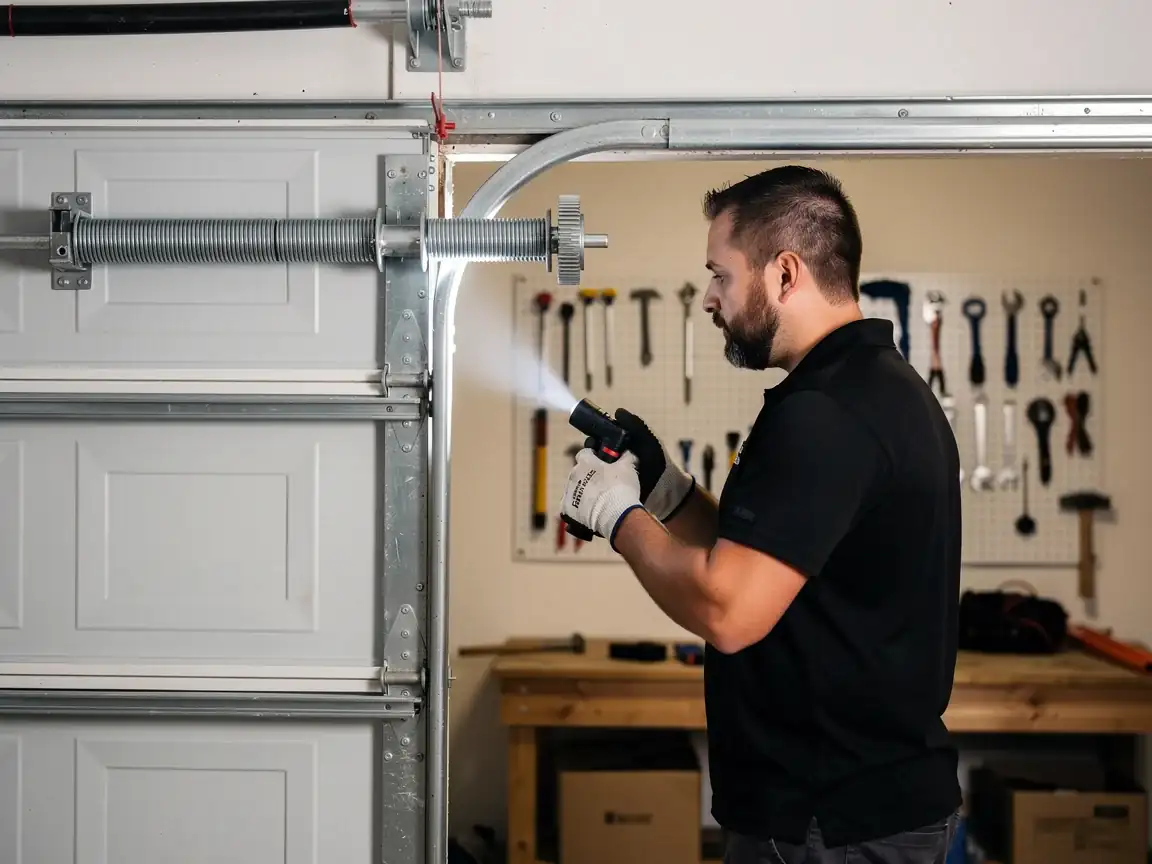
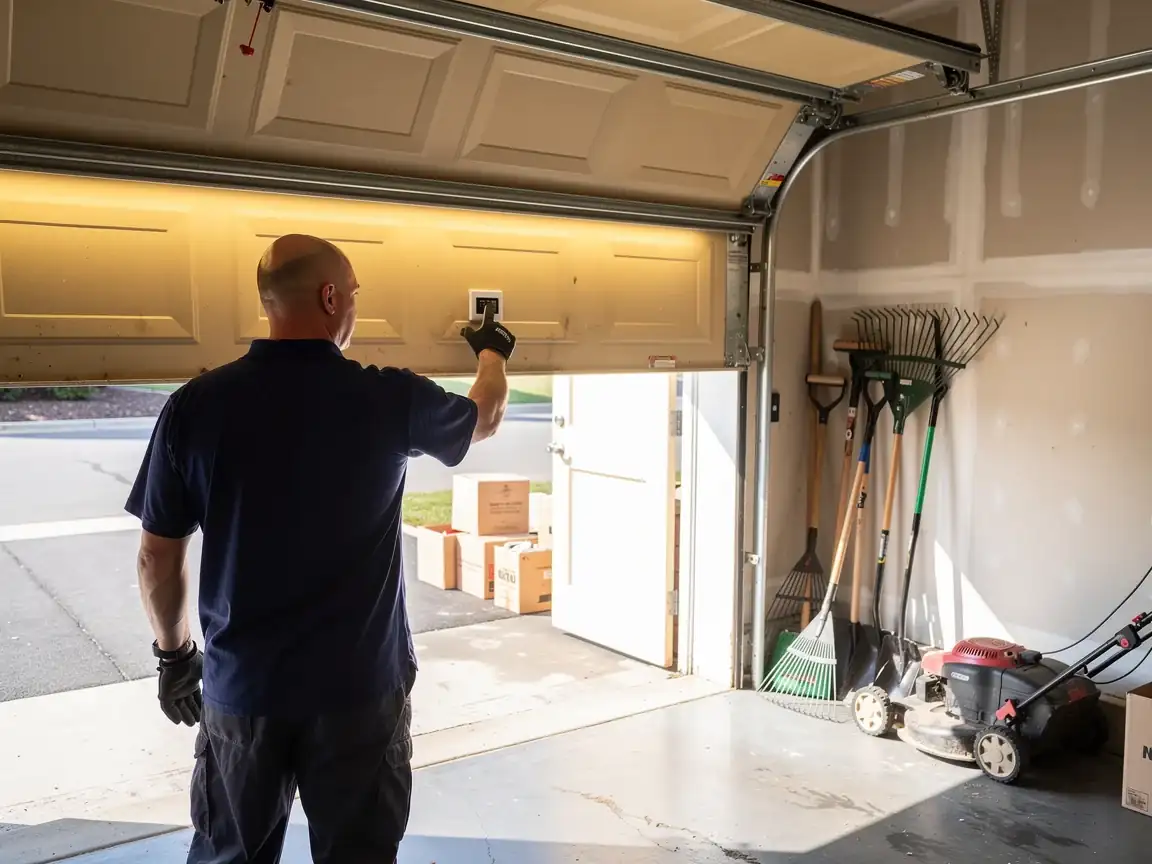
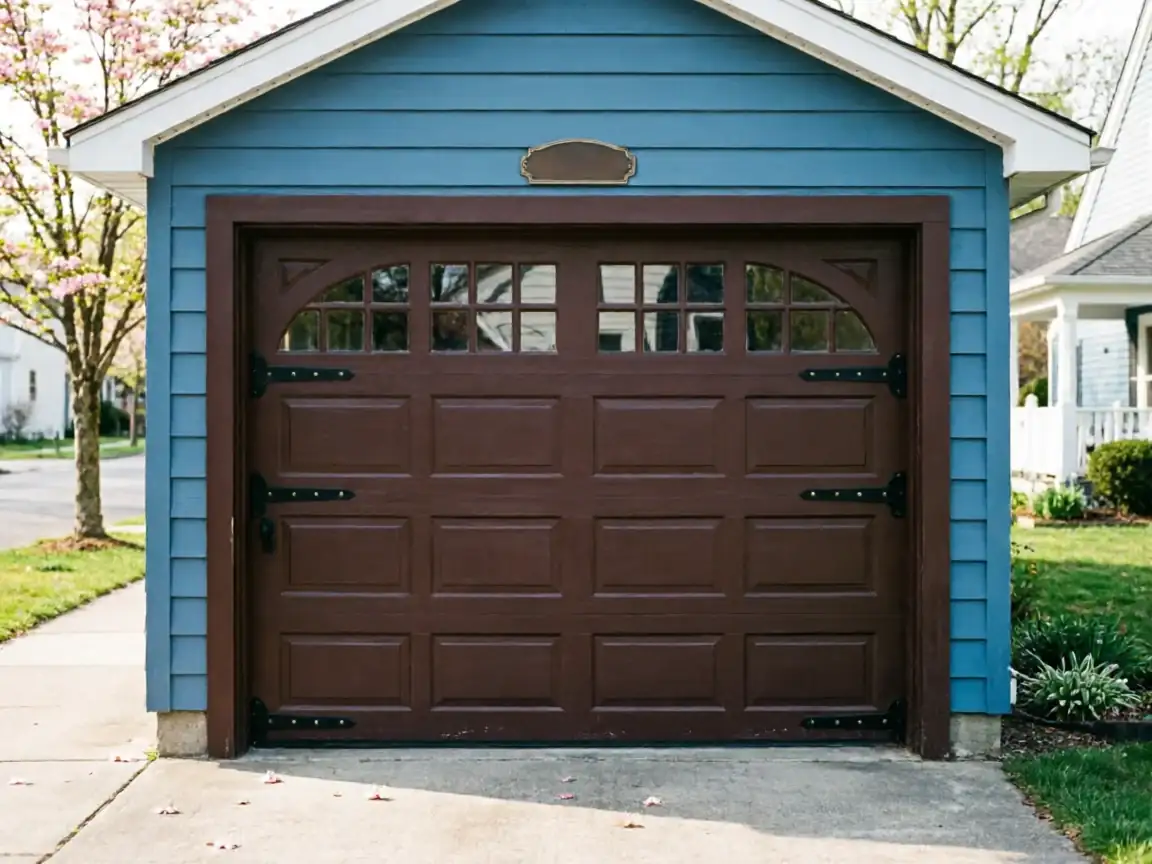
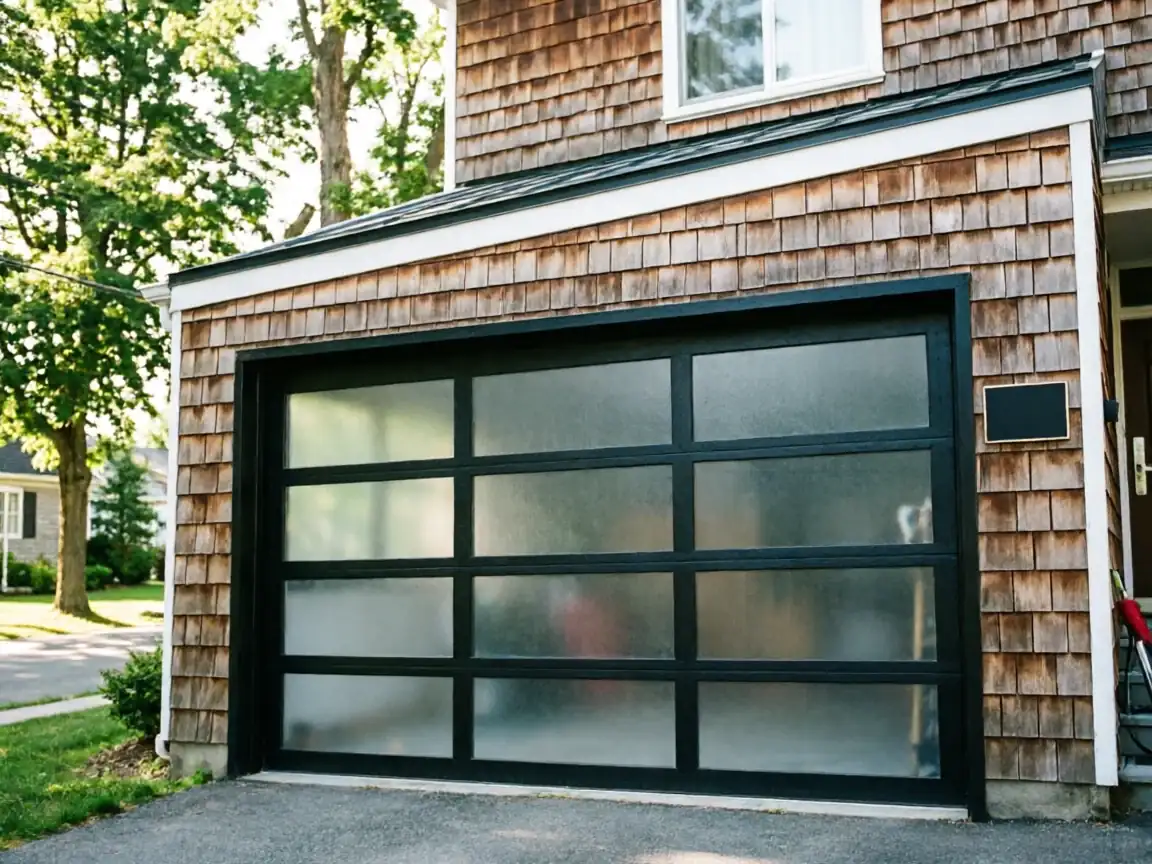
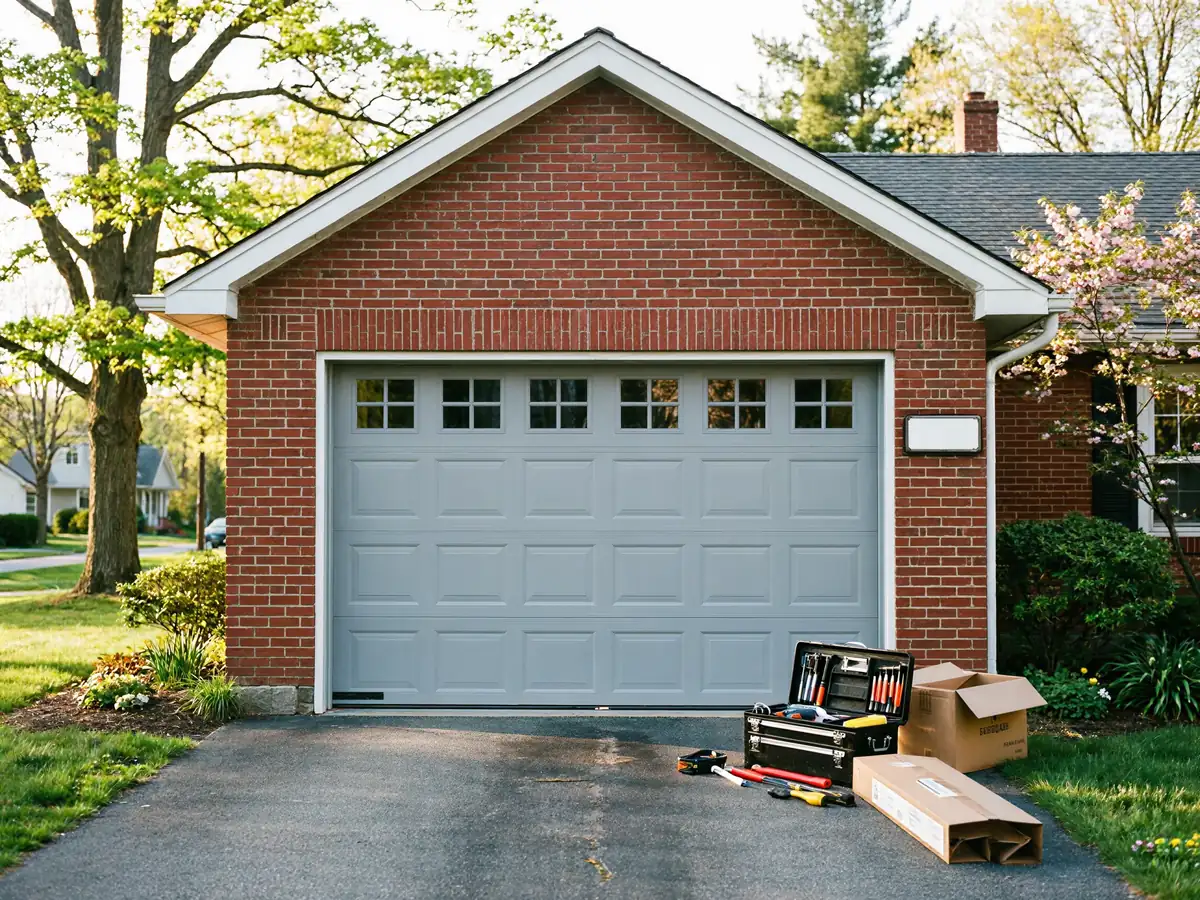
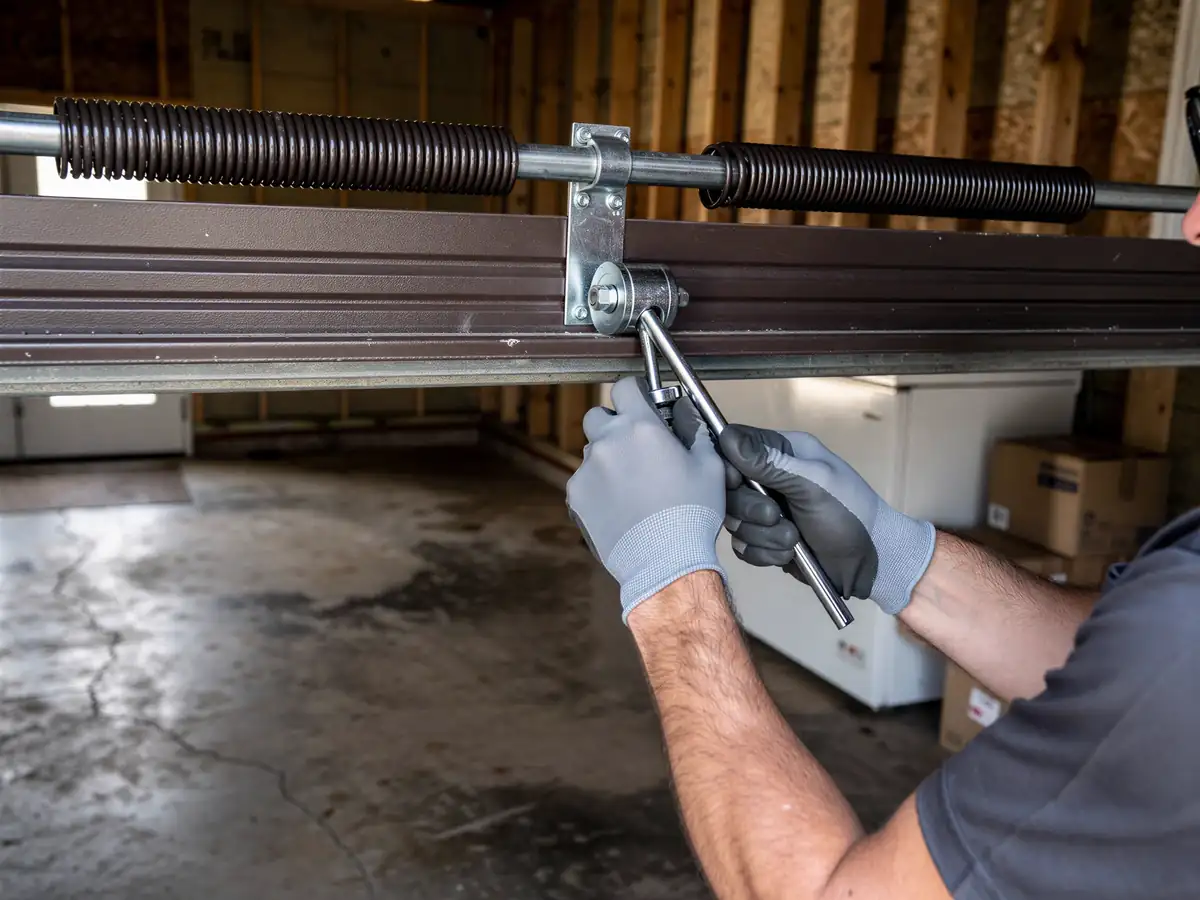
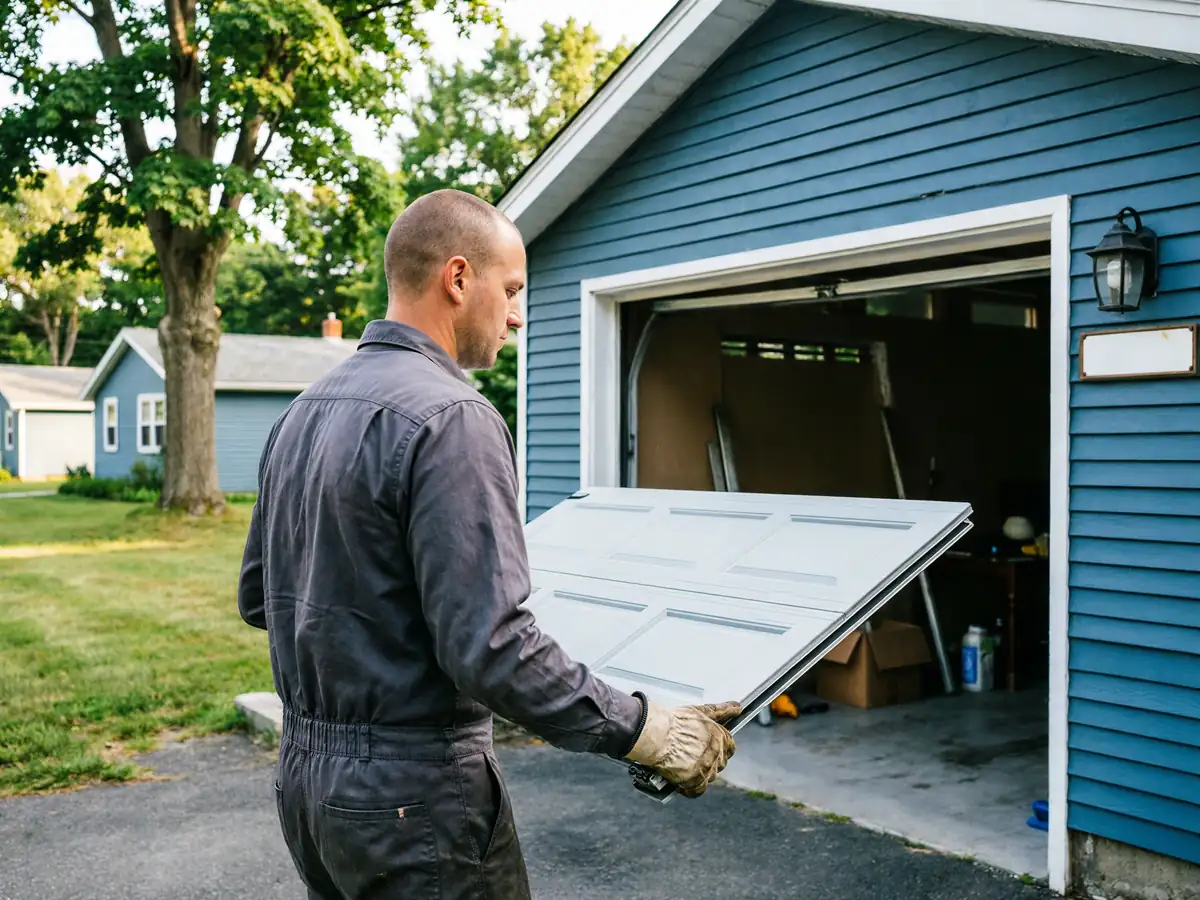
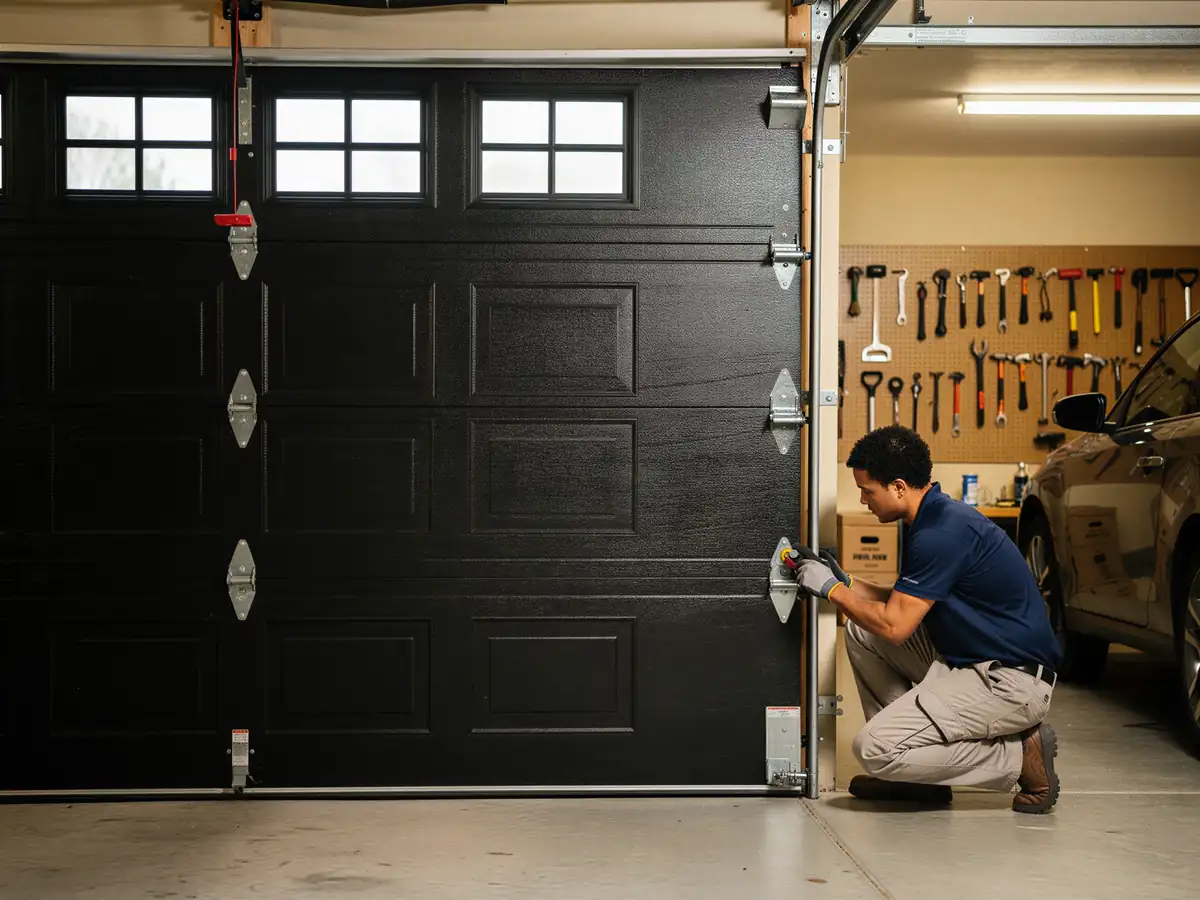
On a door this old, the first look is at the track and the jamb before the spring even gets touched - if the frame has shifted, a new spring on a crooked track just fails again in a year. Most calls are a torsion spring, a cable, or a roller set, and those are same-visit parts we carry on the truck. What isn't same-visit: a replacement panel for an original single-piece steel door from this era. Nobody manufactures that width or that panel profile new, so if a panel's dented past repair, we're either sourcing a used match or talking about a full door swap - and we'll say so upfront rather than string out a search for a part that may not exist. That's the one honest limit on this job: we can keep an old door running for a long time, but we can't always keep it original.