What You Pay
Windber sits eight miles down the road from our Johnstown shop
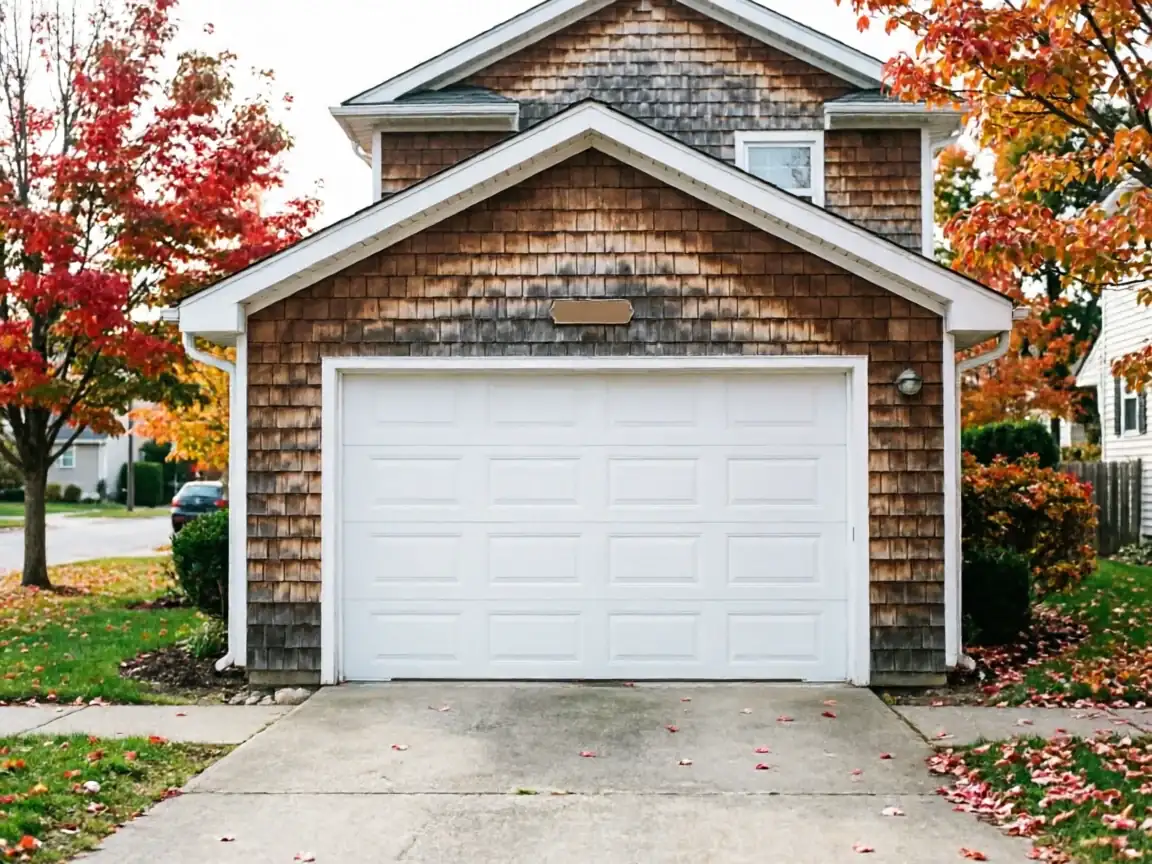
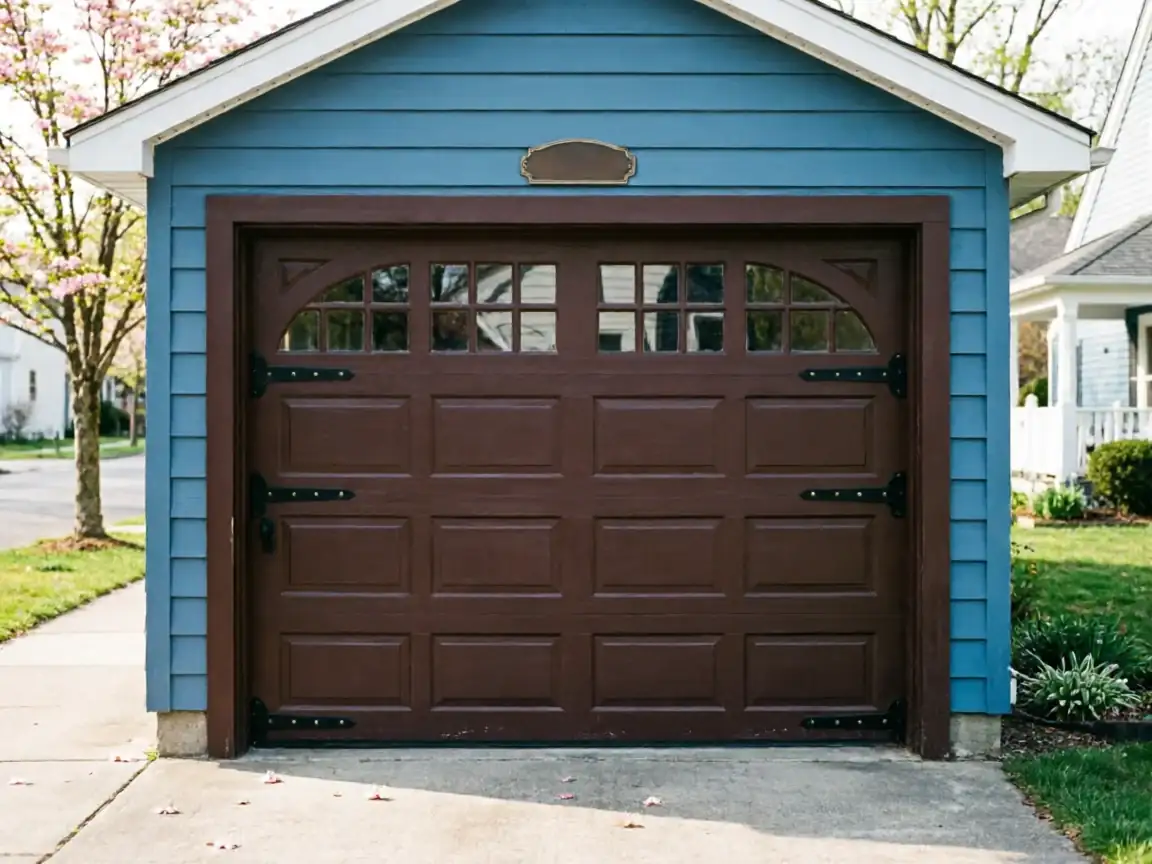
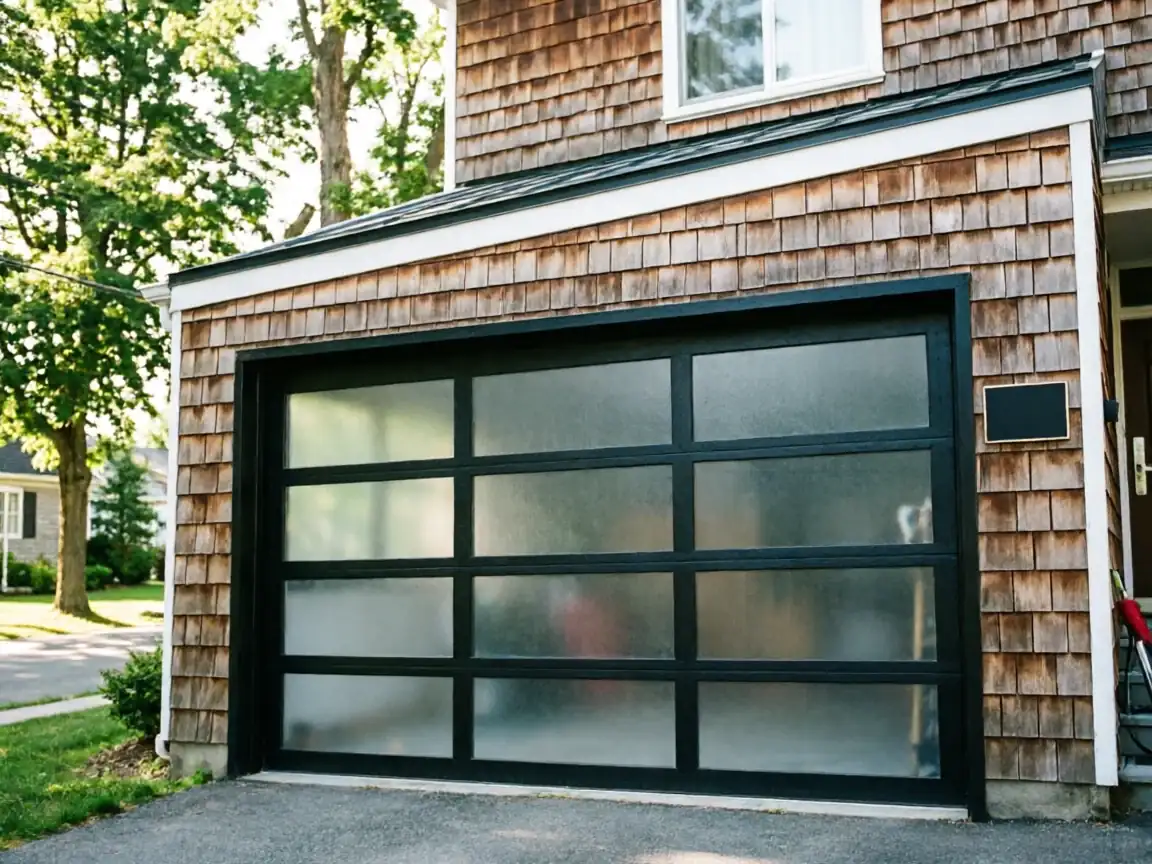
A short enough haul that we don't tack on a special trip charge for working out here - the price you get is built around the door and the opening, not the drive. What actually moves the number is the house behind it. With 1,787 households in Windber and a median income of $52,560, most driveways here aren't asking for oversized carriage doors or smart-glass panels; they're asking for a solid steel door sized to an opening that was framed decades ago, back when cars were smaller and garages were an afterthought.
- 1,787 households
- $52,560 median household income
We quote by door width, panel material, insulation level, and whether the opener gets swapped too
We don't post a flat number on this page because a single 16-foot double door prices differently than two 9-foot singles, and insulated steel prices differently than bare steel. One honest piece of this: if your opening was framed when the house went up around 1949, it may not match a modern standard width. That mismatch - not the door itself - is usually the line item that surprises people, since a non-standard size means special order, not something we pull off the truck.
Why It Happens Here
Across this part of the service area, housing generally went up between 1938 and 1980, with a median build year around 1952 - and Windber's own numbers sit even earlier, with a typical house here dated to about 1949. Openings from that era were framed for one-piece doors or narrow double doors on hardware nobody stocks anymore: side-mounted springs, odd-width track, jambs set to dimensions that predate today's door sizing.
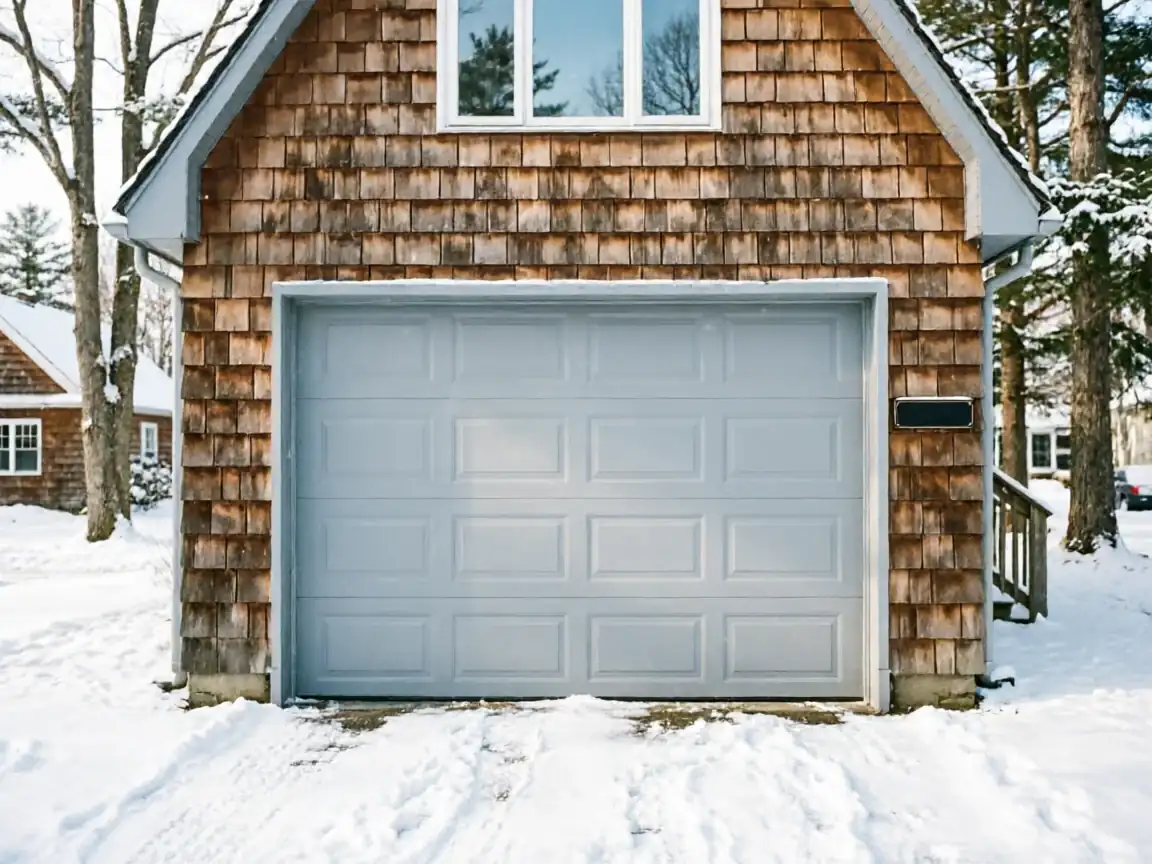
Layer on the climate. This is COLD severe territory, and that matters more than people think - frost-heave and freeze-thaw cycles work on wood jambs and steel track mounts year after year. A door that's been patched and re-patched for decades over sixty-plus winters usually fails at the jamb or header first, not just the panel. That's the real reason a straight swap sometimes doesn't work on these older Windber openings - the frame around the door has moved more than the door has.
What the Repair Takes
The install itself starts with the opening, not the door. We measure actual width and height against what's square, because on houses from the late 1940s those two numbers often don't agree anymore - framing has settled, sills have shifted. If the header or jambs need squaring before a new door goes in, that gets handled first; skipping it just means the new door fights the same problem the old one had.
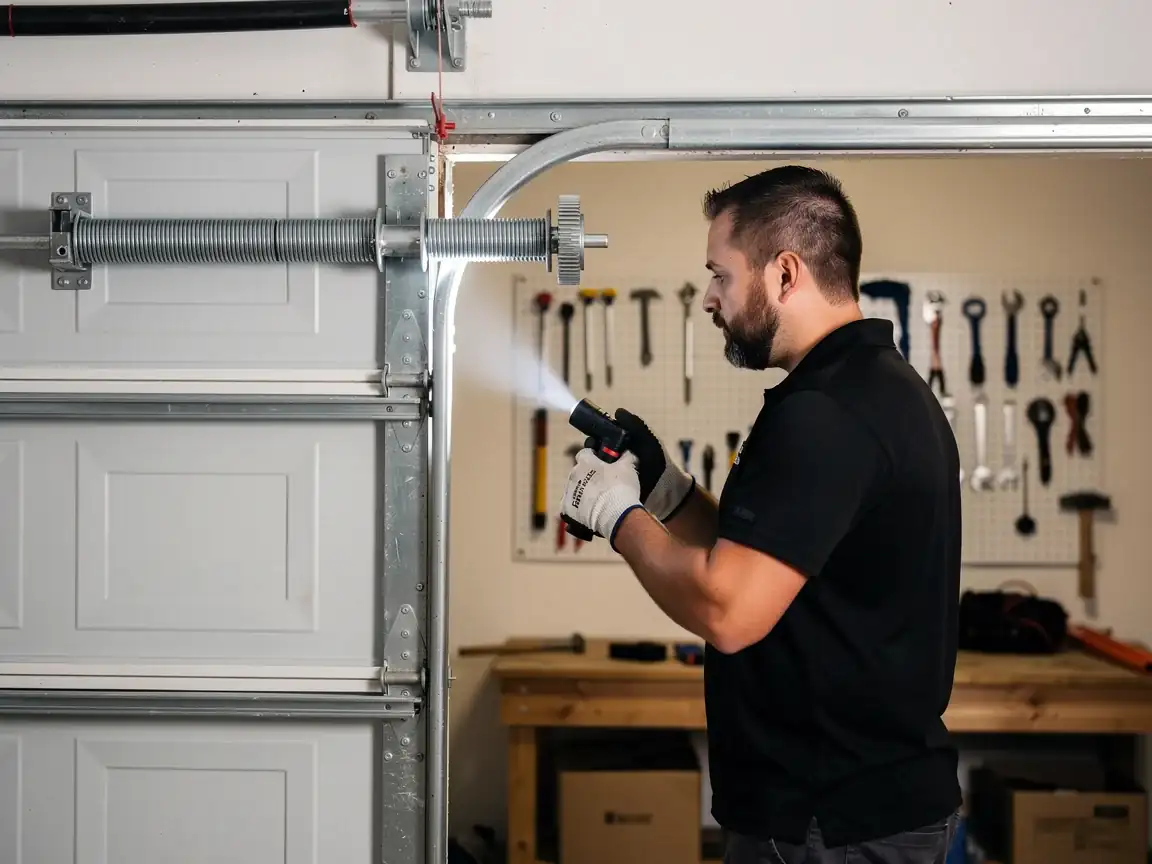
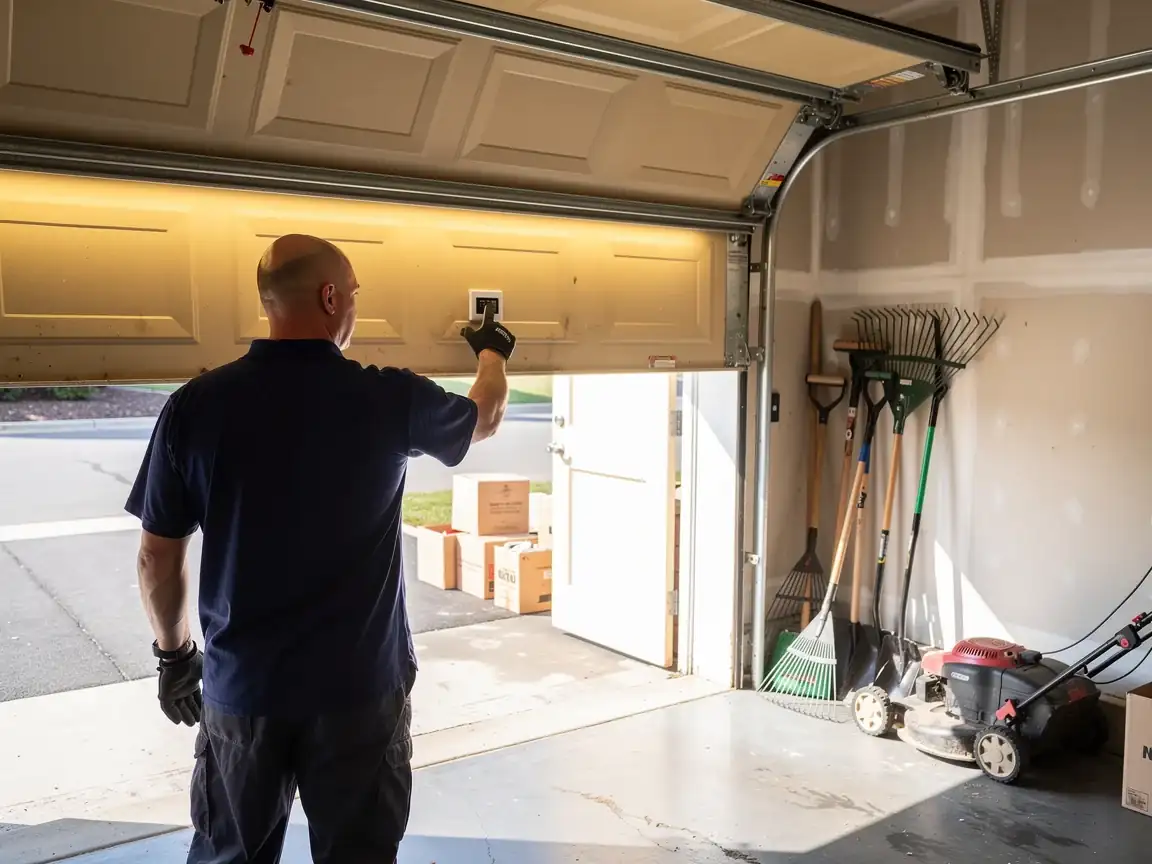
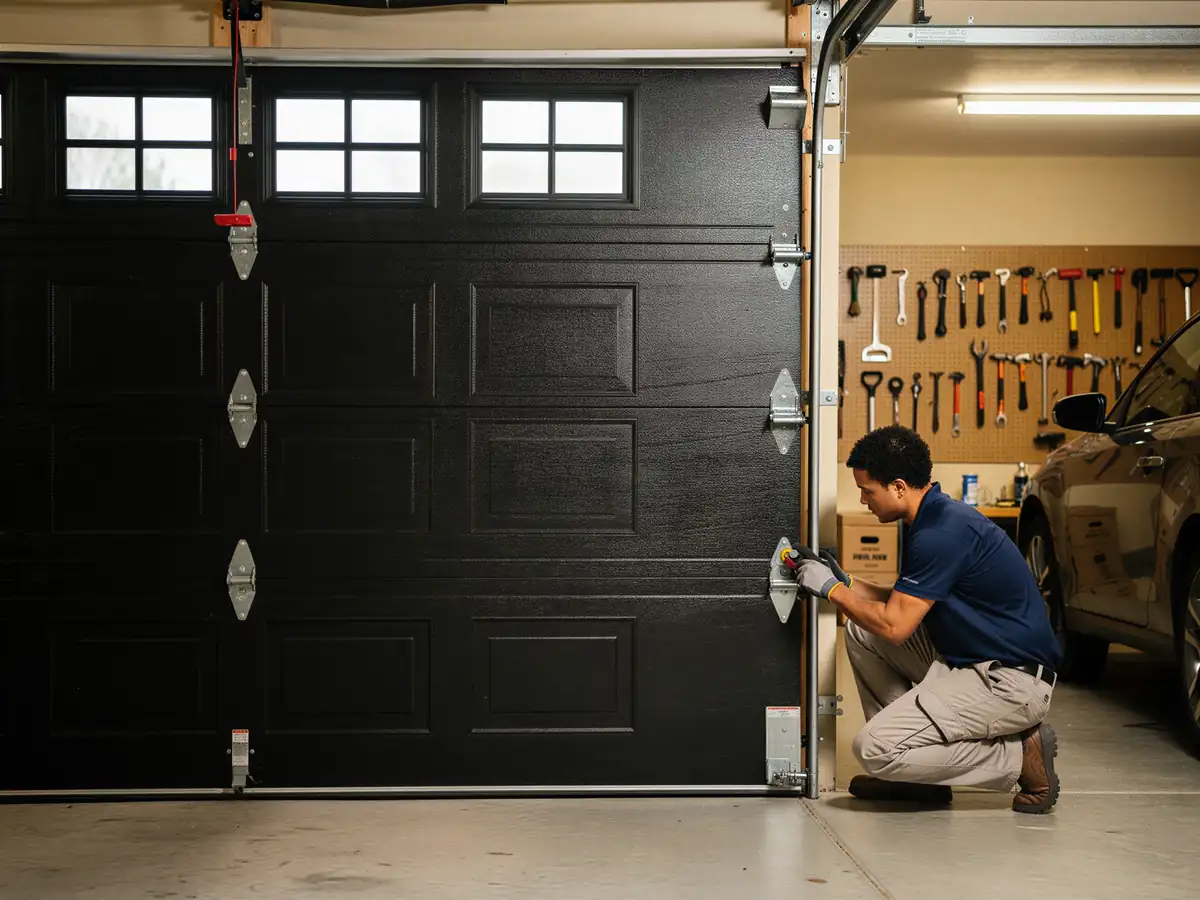
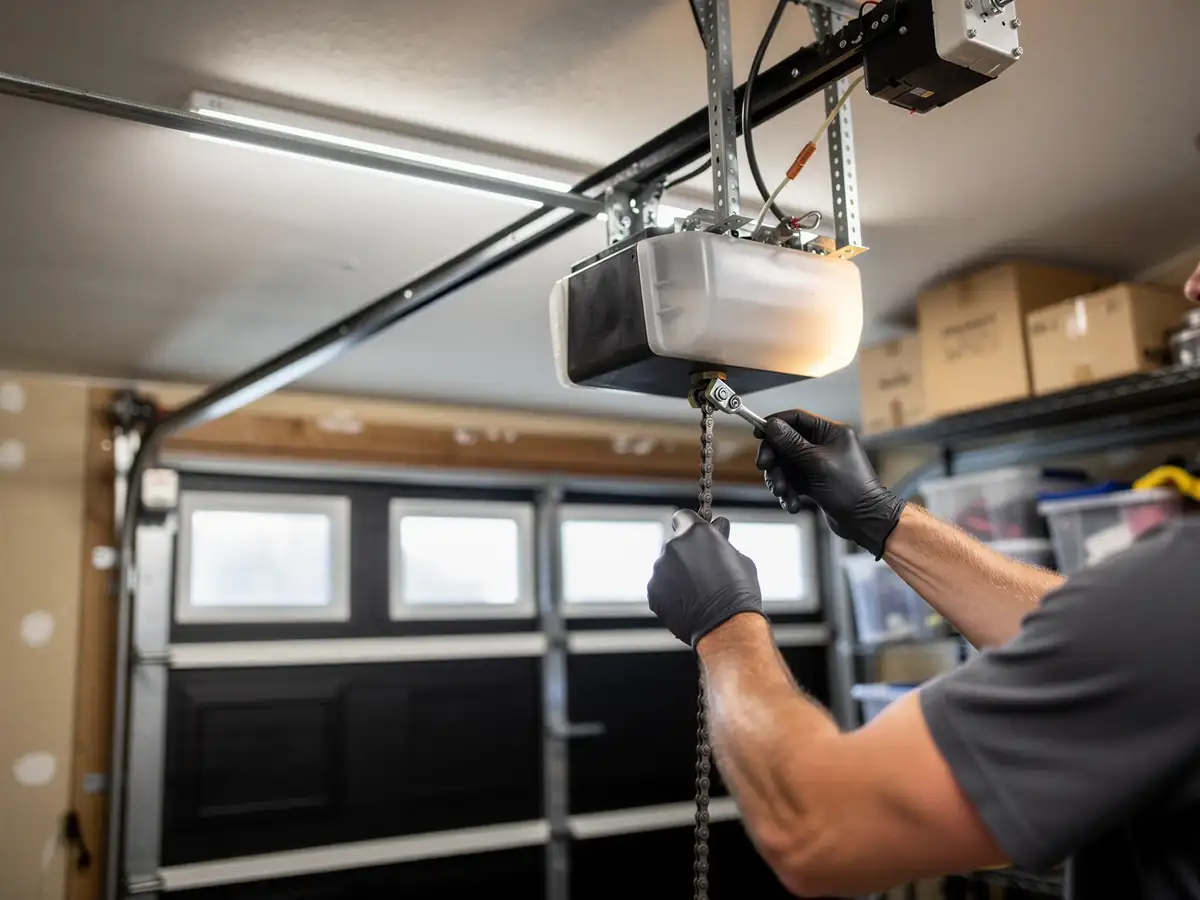
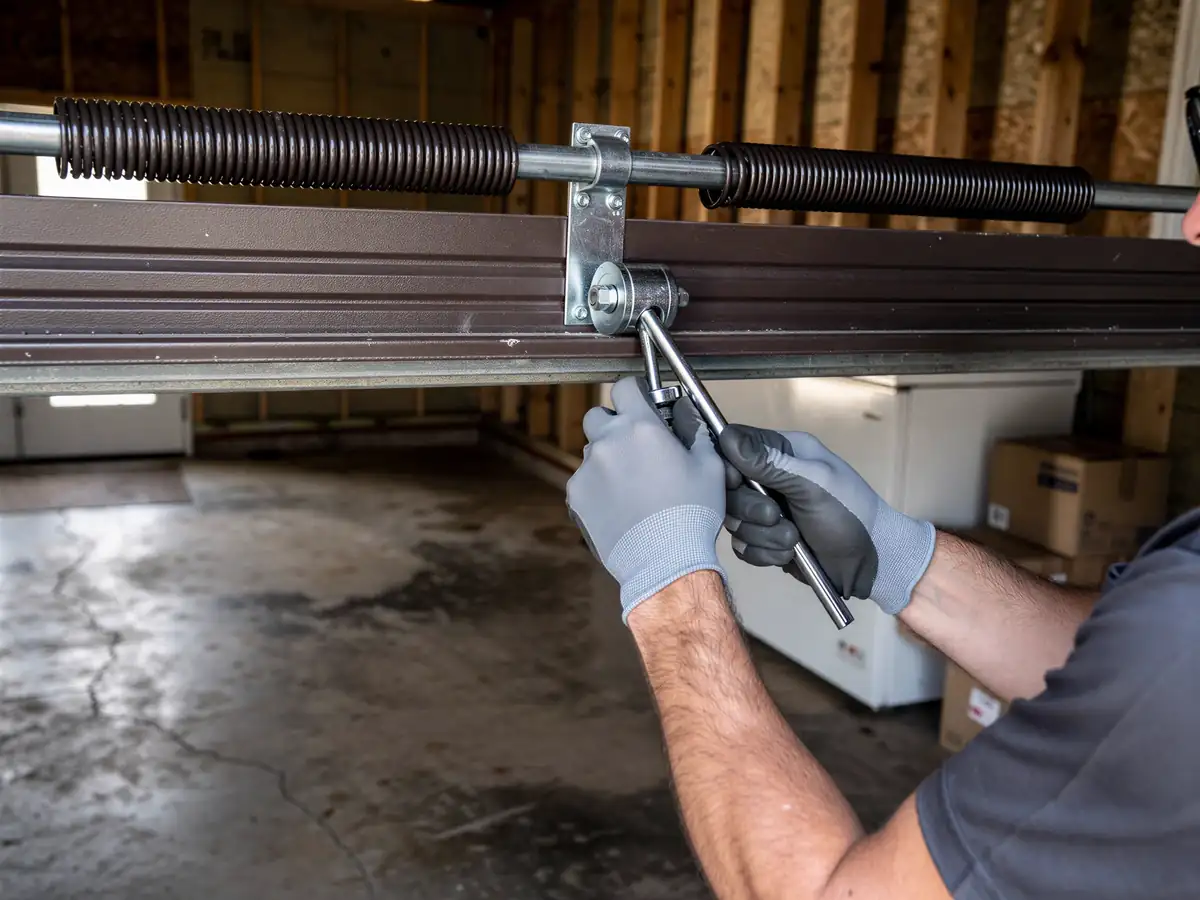
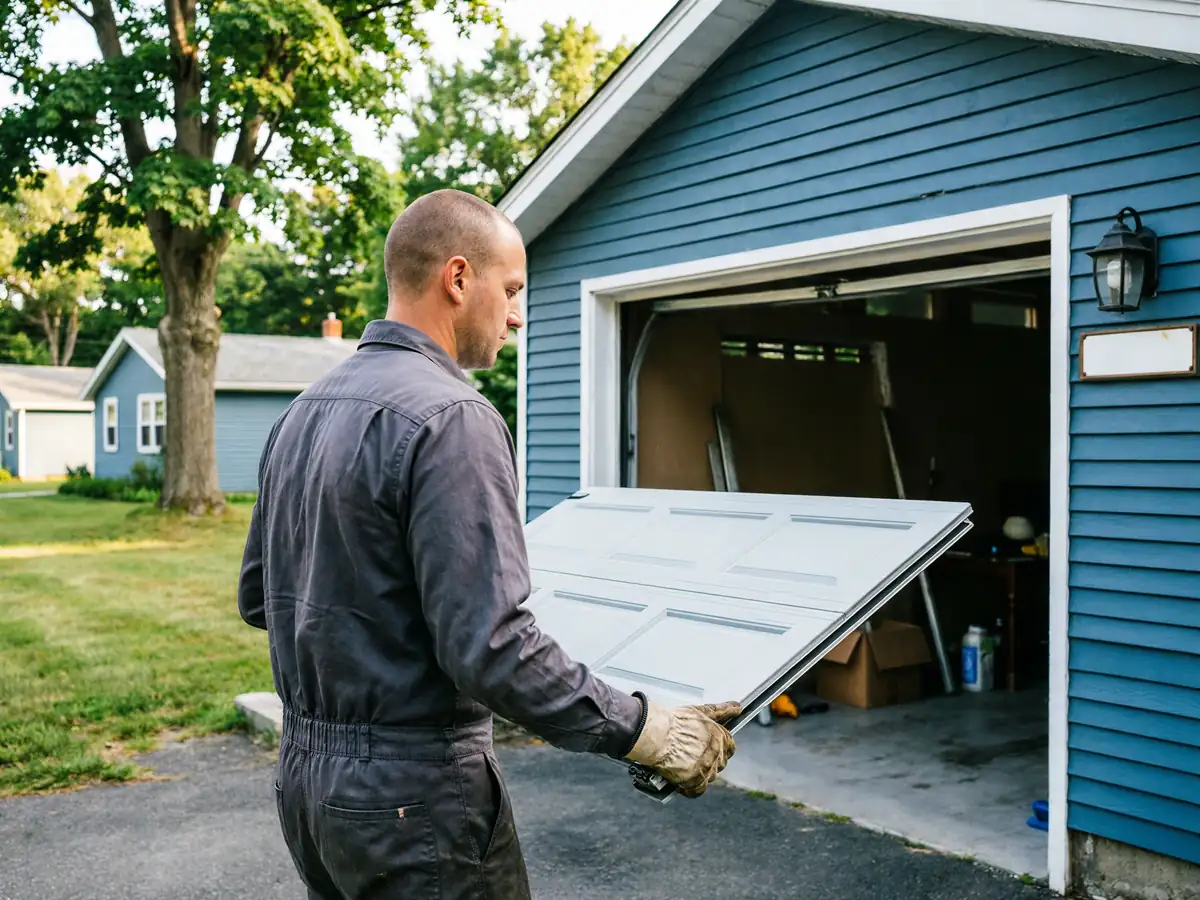
From there: old door and track come out, new track gets set plumb, panels go up, springs get tensioned to the door's actual weight, and the opener - new or existing - gets tested against travel limits and auto-reverse. A straightforward swap on a standard-width opening is a same-day job. One limitation worth saying plainly: if your opening turns out to be a non-standard width, common on houses this old, the door itself is special order and that adds lead time we don't control. We'll tell you that at the quote, not after the deposit.
How to Book
Because Windber runs eight miles out from our Johnstown base
We build it into the same route as our other close-in stops rather than treating it as a special dispatch. That keeps the scheduling simple on our end, which is really what you're paying for when you book a trip from here - not a markup for distance.
Start with a look at current options and pricing structure on our Windber garage doors page
If you want the fuller rundown on how installation works across the service area generally, that lives on our Johnstown installation page. For Windber specifically, have your house's rough build year and current door width handy if you know them - it cuts a step out of the quote, especially on these older openings where the framed size and the door size don't always match.