Why It Happens Here
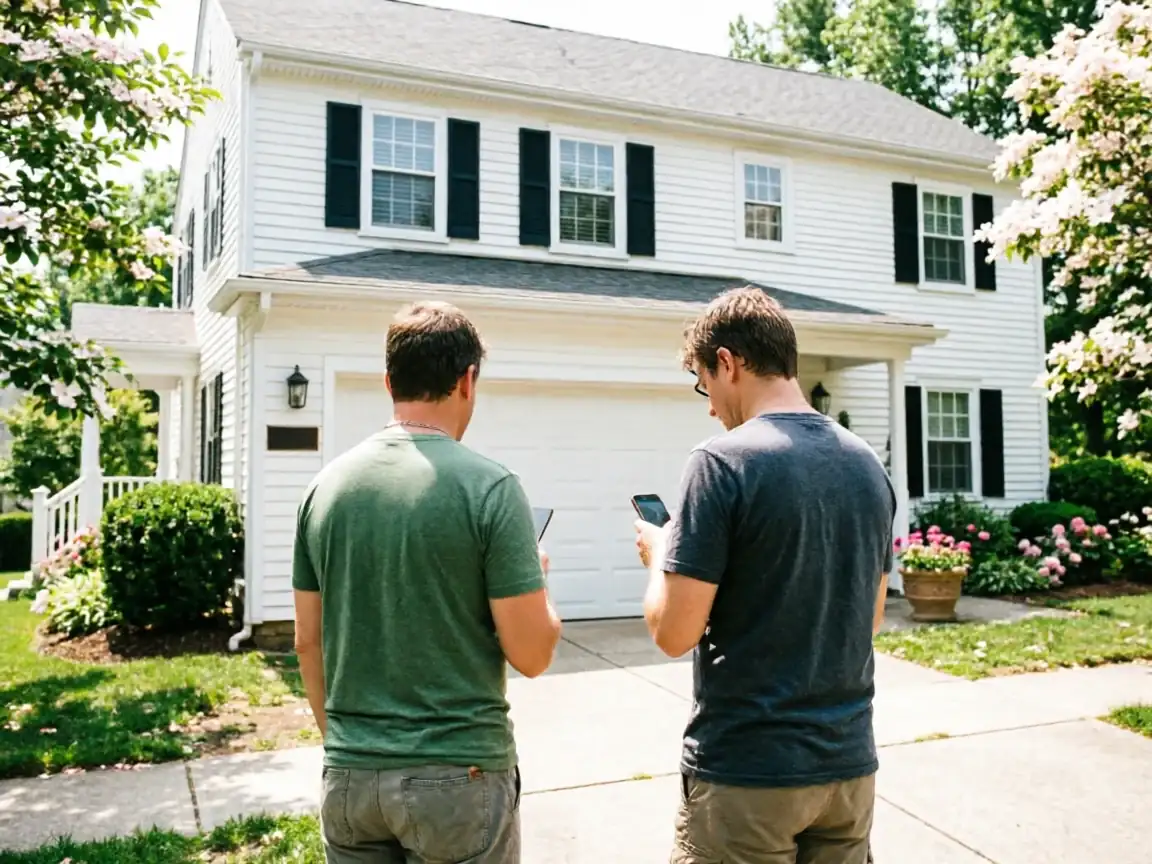
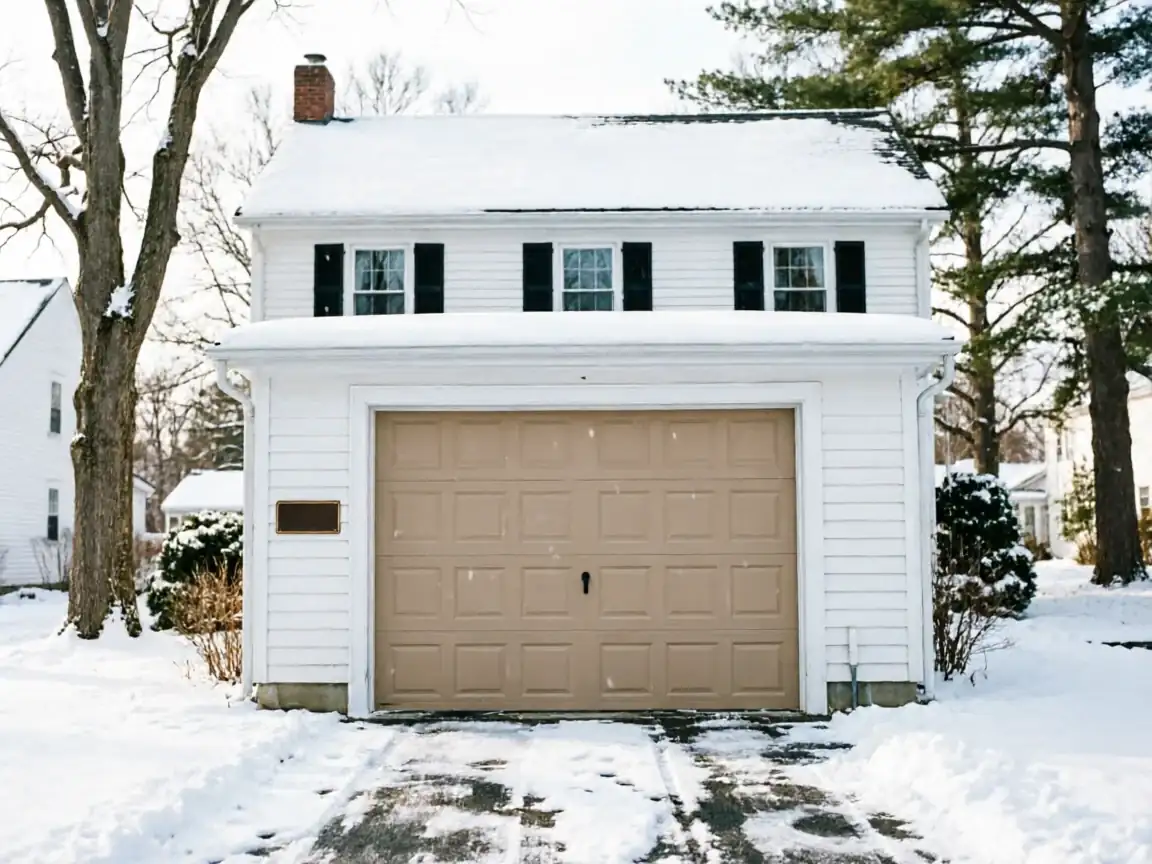
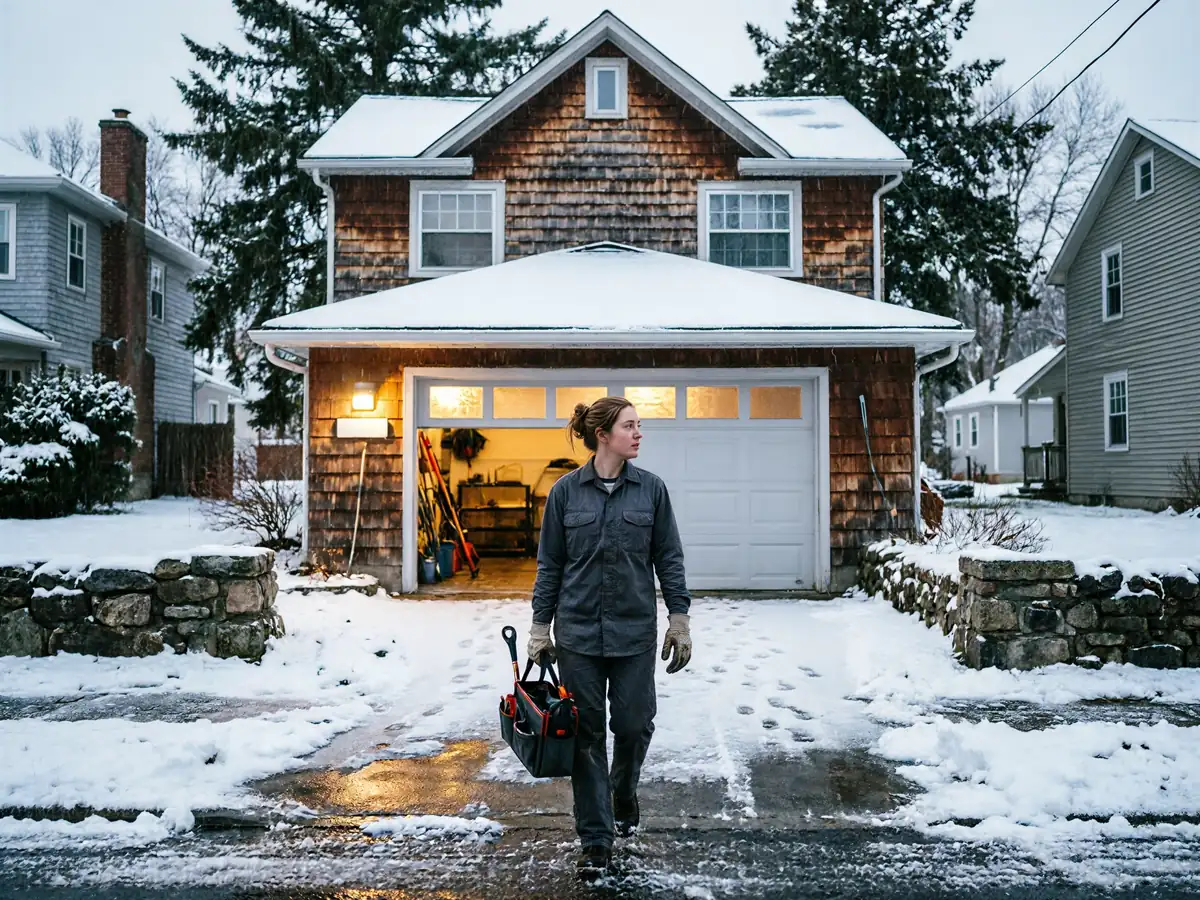
Windber's housing stock centers on 1949, and that year matters more than people think when a panel gets bent or rusted through. Doors from that era were built to profiles and track widths that predate the standardized steel sections most suppliers carry now. Add the region's cold, snow-heavy winters, and you get panels that take a beating from plow splash, road salt, and the freeze-thaw cycle that works rust into seams faster than it would in a milder climate. With roughly 1,787 households in Windber, there isn't a tract of identical builder-grade doors to pull spare panels from the way there might be in a newer development. Each door tends to be its own case. That's the real reason panel jobs here run longer and cost more to source than the same repair on a 1990s door in a newer subdivision nearby.
What the Repair Takes
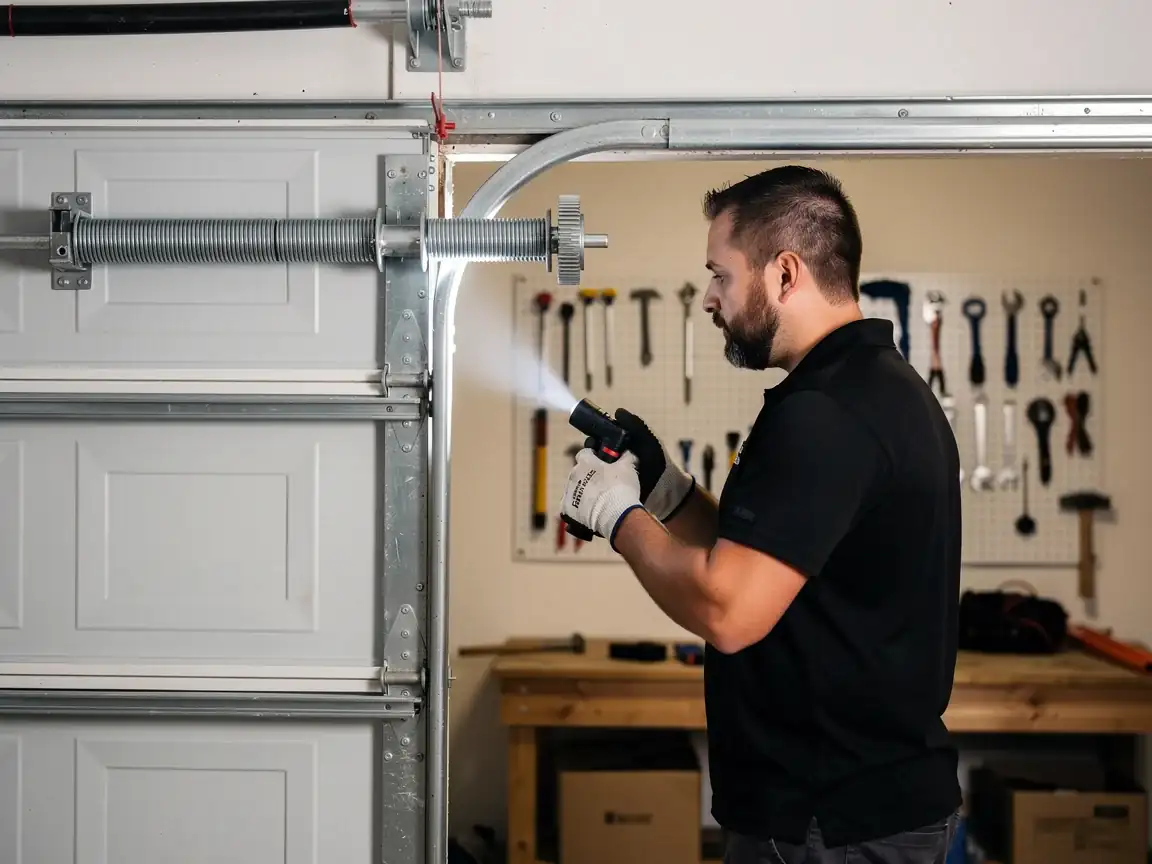
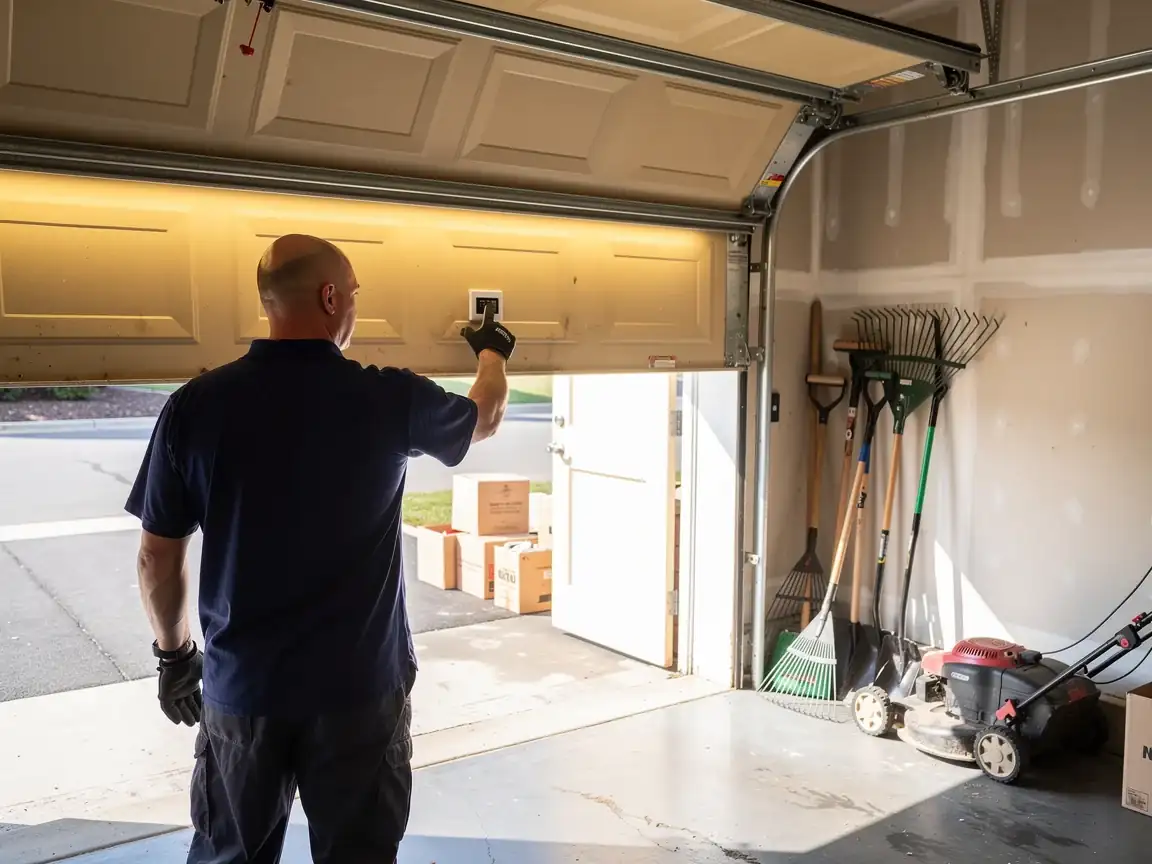
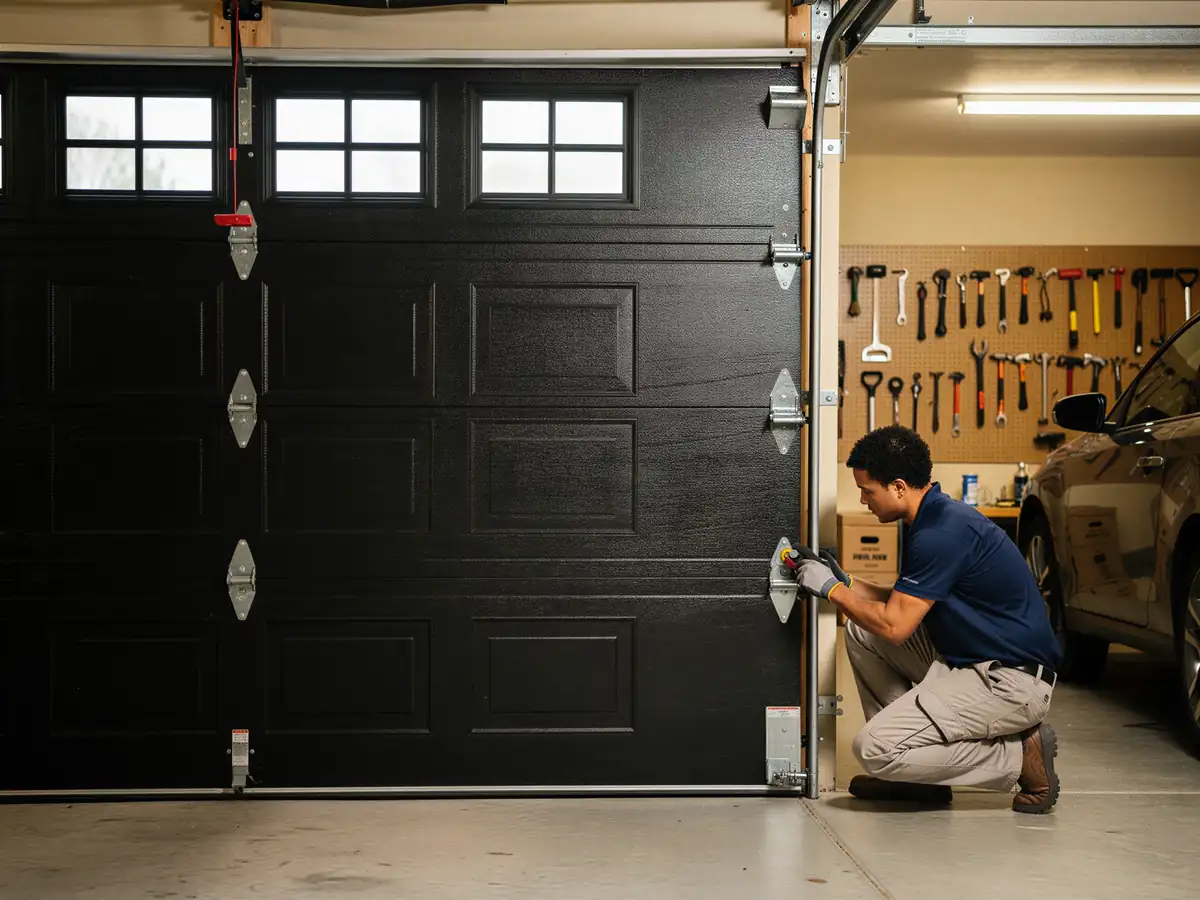
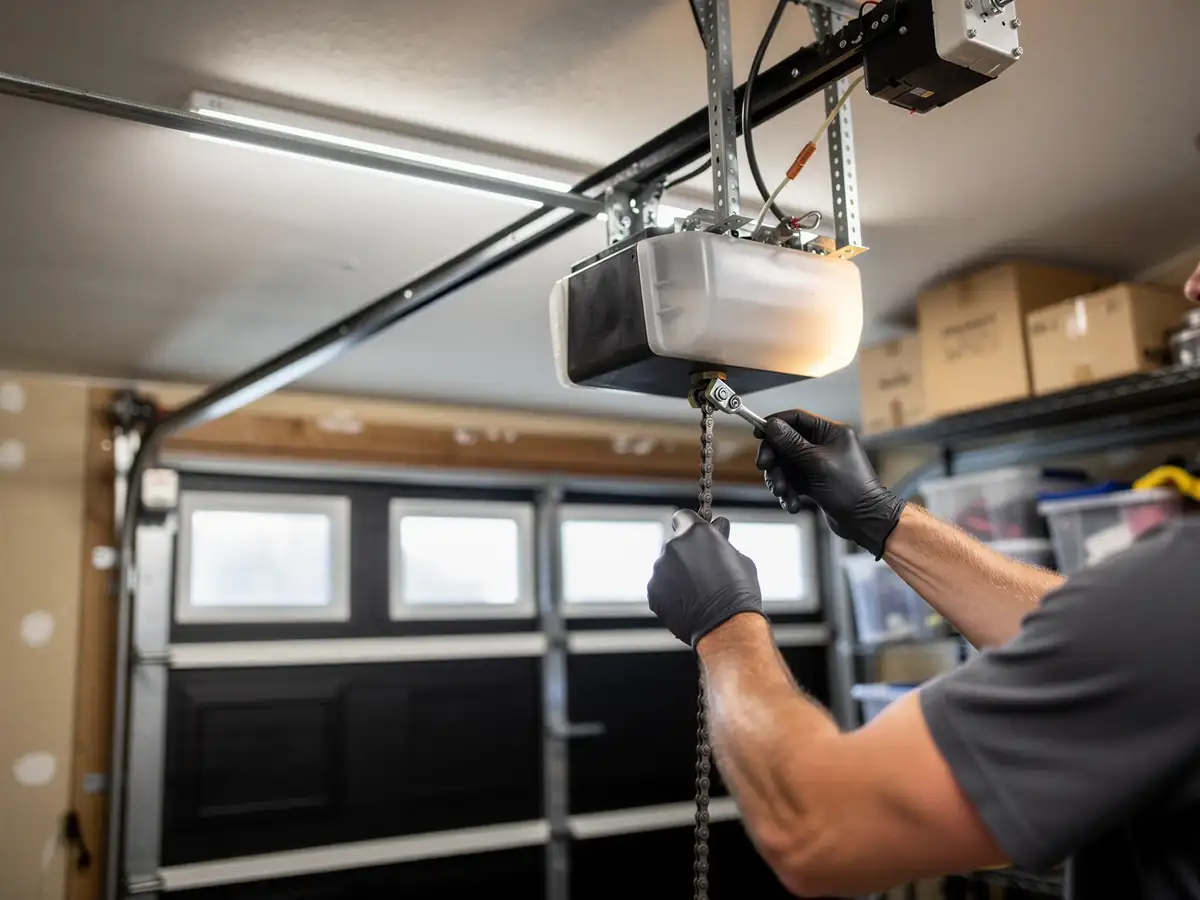
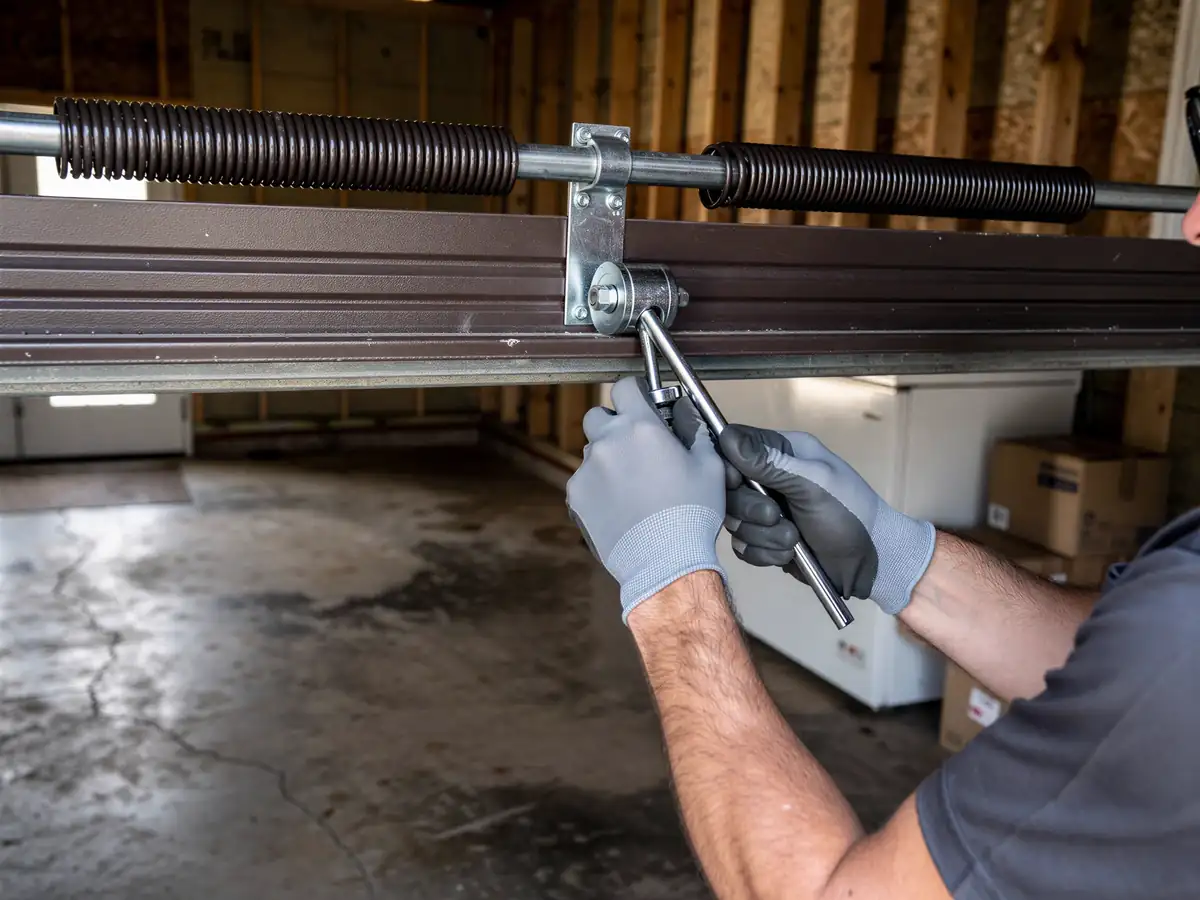
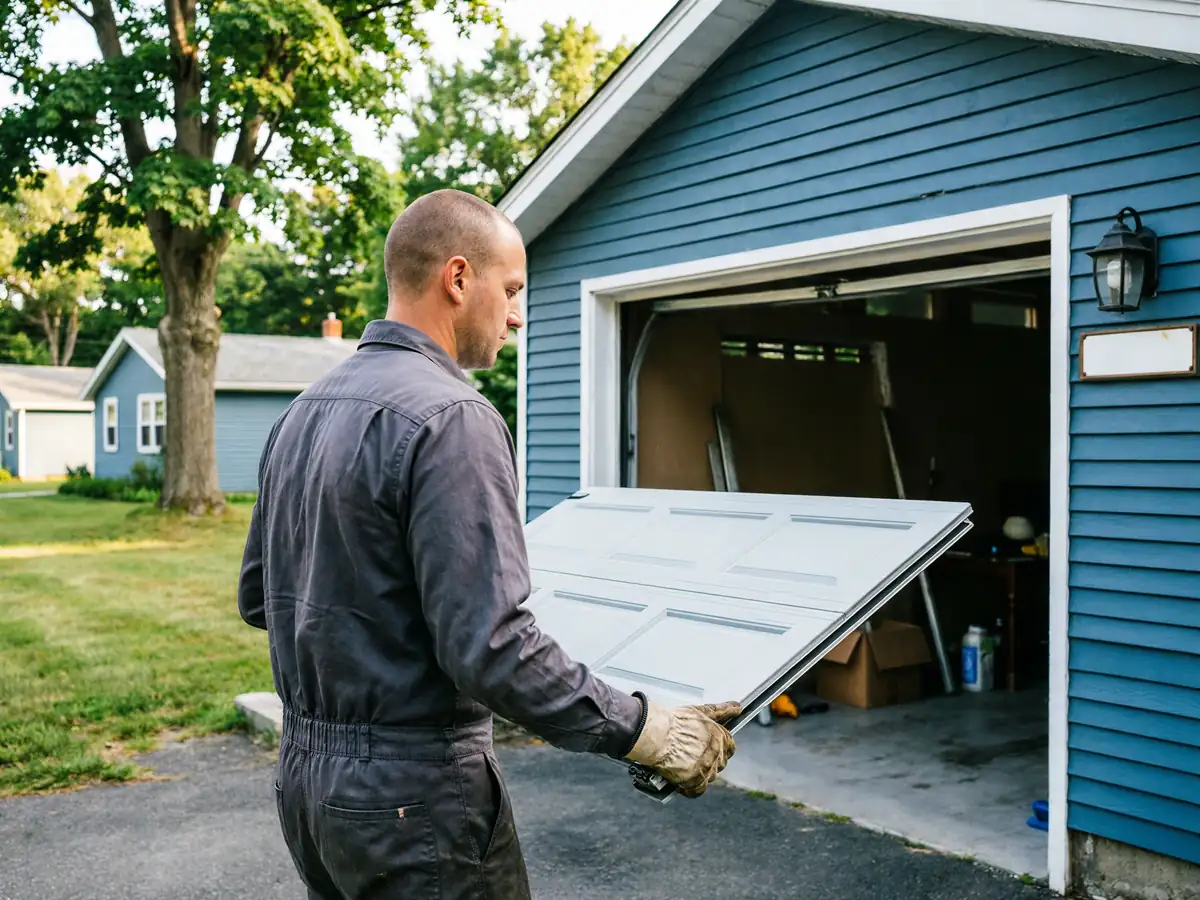
The first step is identifying what's actually on the door - section height, panel width, and whether the hardware is still original. On a 1949-era door, that often means measuring against discontinued profiles rather than pulling a catalog number. If a matching panel exists anywhere in supply, we order it before we touch the door, since nobody stocks these locally and a mismatched section looks and seats wrong. If nothing matches, we talk through full-door replacement instead of forcing a mismatched panel onto an otherwise sound door. Either way, expect the lead time on parts to be the longer part of the job, not the labor itself. We're honest when a repair isn't worth chasing: if the door's track and hardware are as old as the panel, patching one section just delays the next failure.