Why It Happens Here
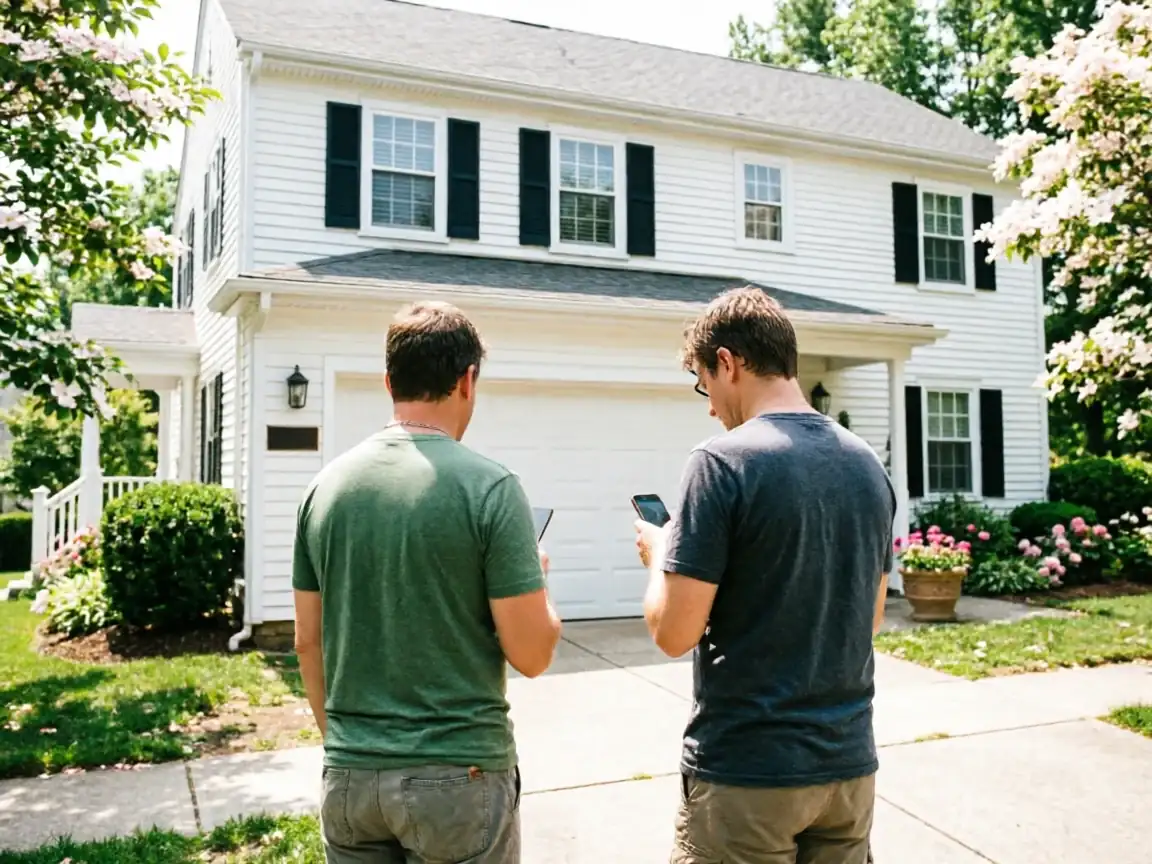
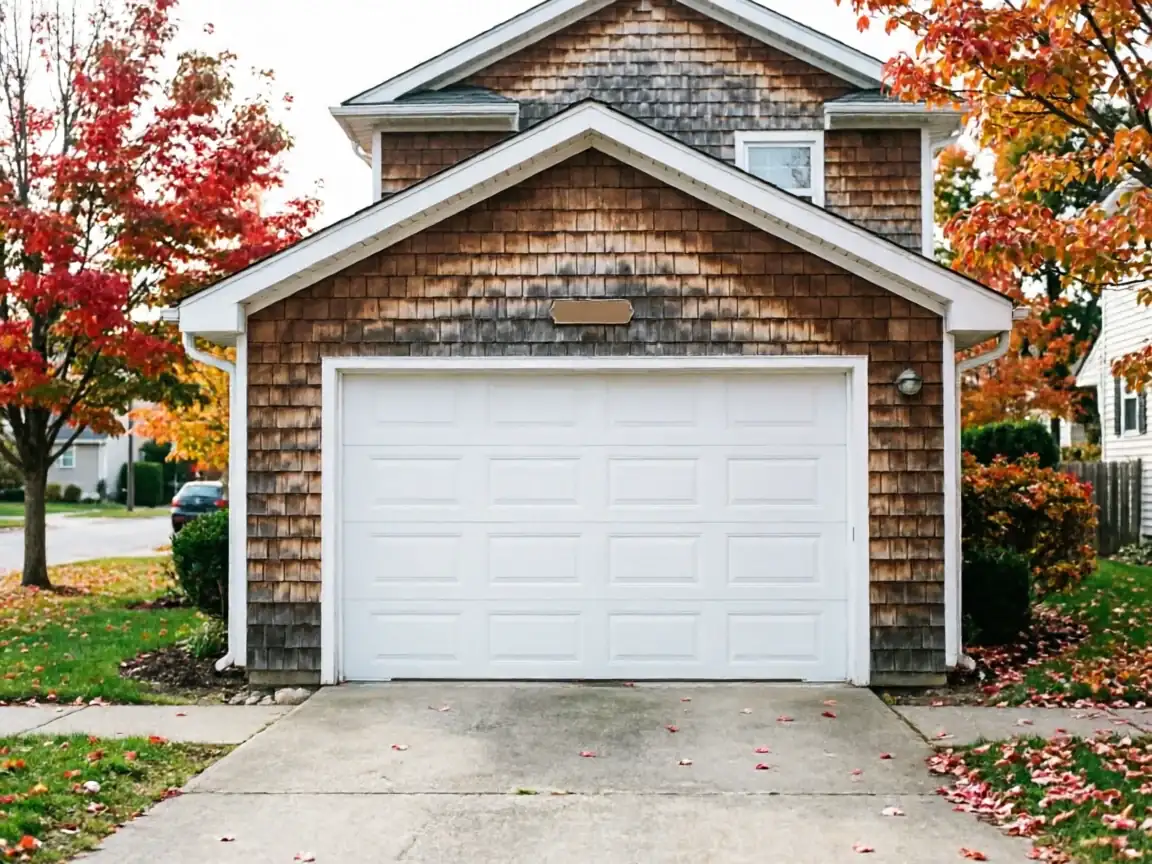
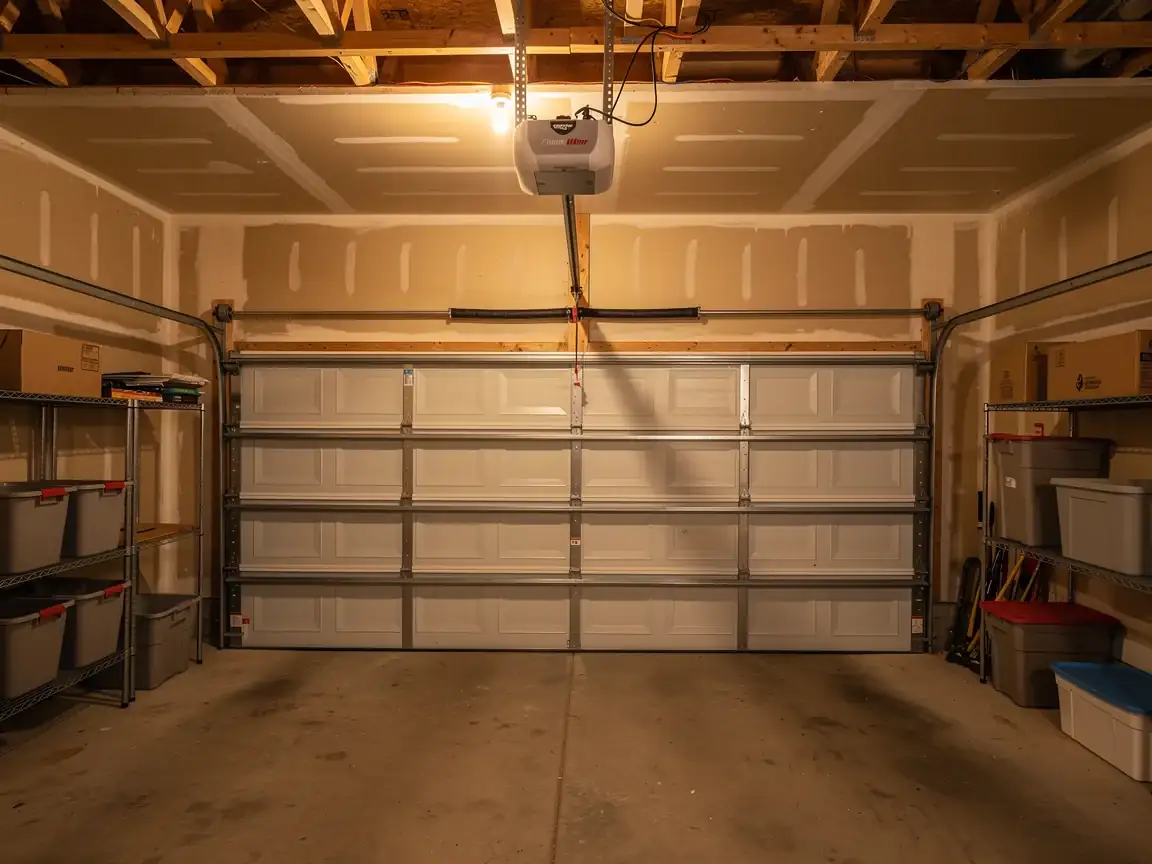
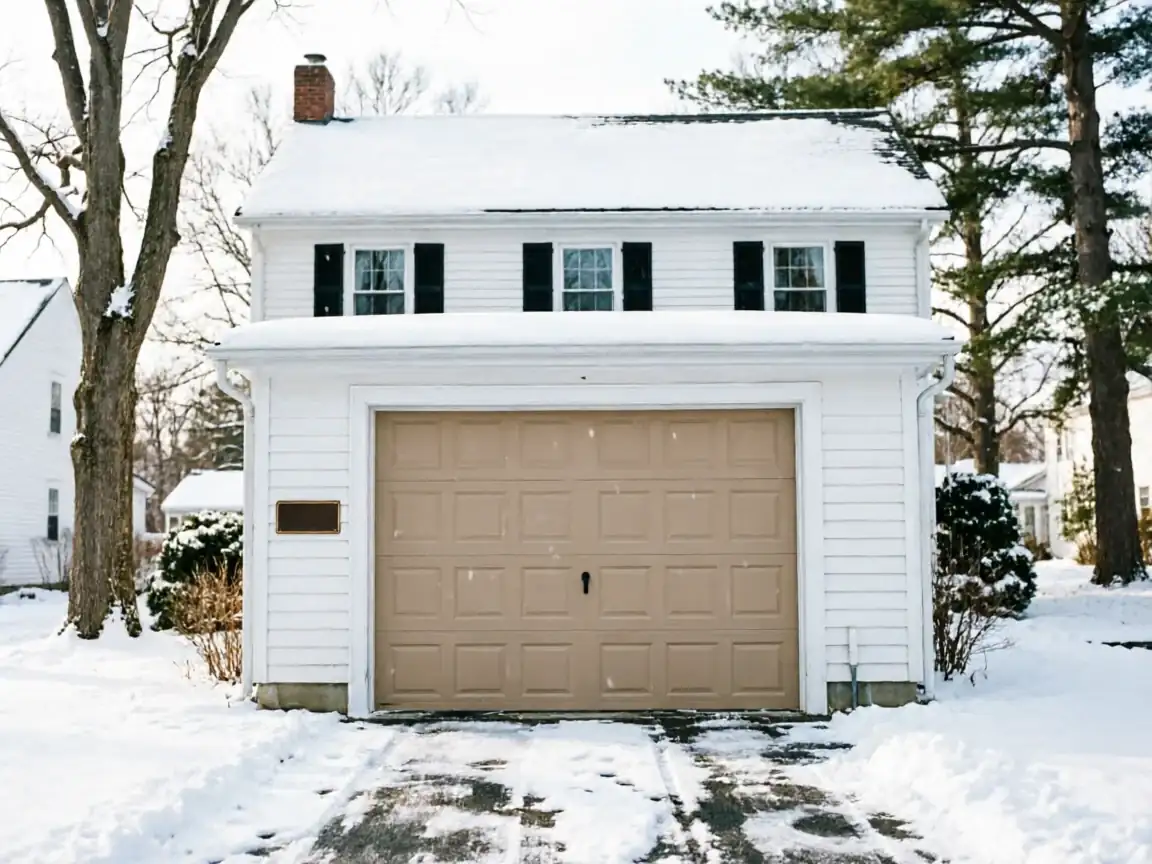
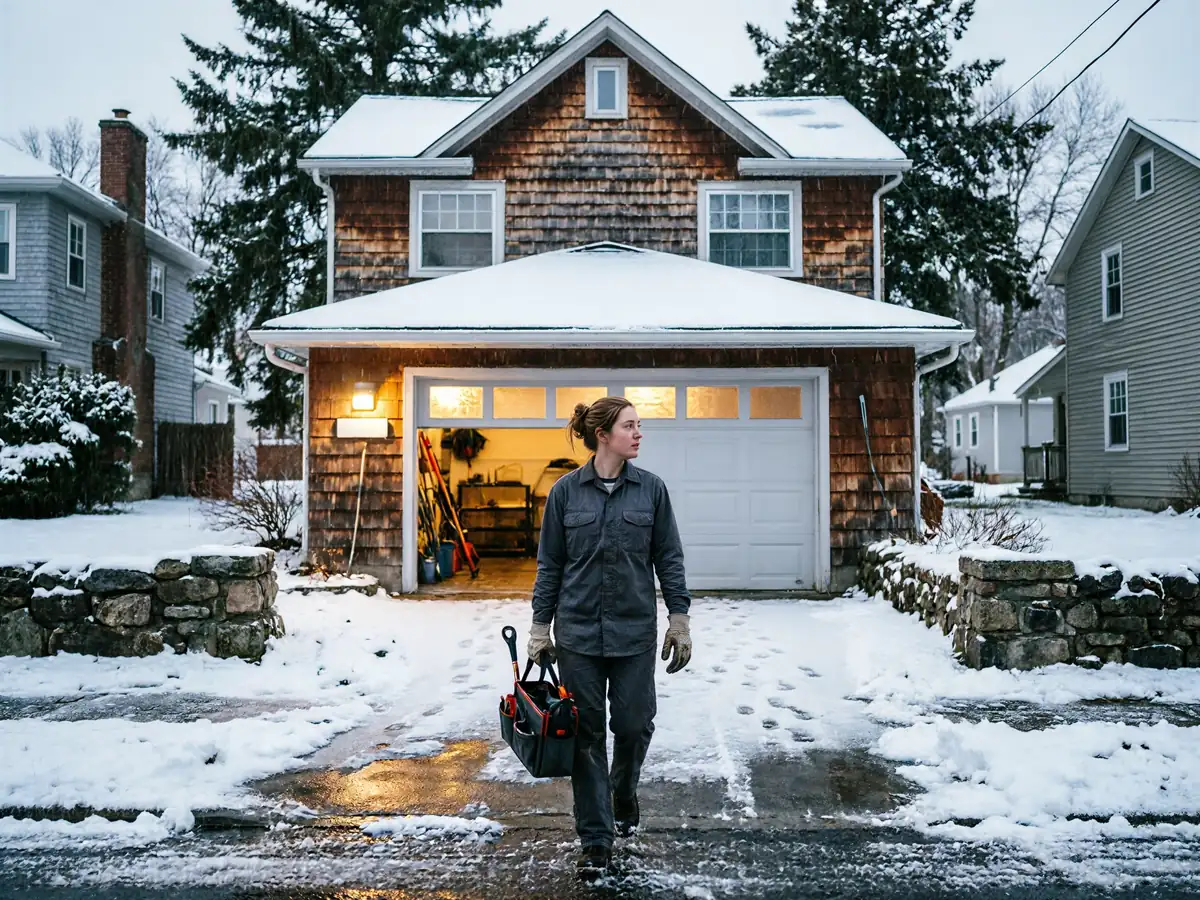
Windber's housing stock has a median build year of 1949 - a few years ahead of the 1952 median for the wider service area, which already leans old (most of the 34 communities we cover are pre-1960 construction). That matters for openers because garages from that era were rarely built with an opener in mind. What's bolted to the ceiling now is almost always a retrofit, added years after the structure went up, often with a rail cut to fit a header that wasn't designed for one. We see openers mounted to framing that's shifted slightly over 70-plus years, which throws off alignment and chews through drive gears faster than it should. With only 1,787 households in Windber itself, there isn't a dense cluster of identical subdivisions with identical hardware the way you'd get in a newer development - every job tends to be its own puzzle of what was added when.
What the Repair Takes
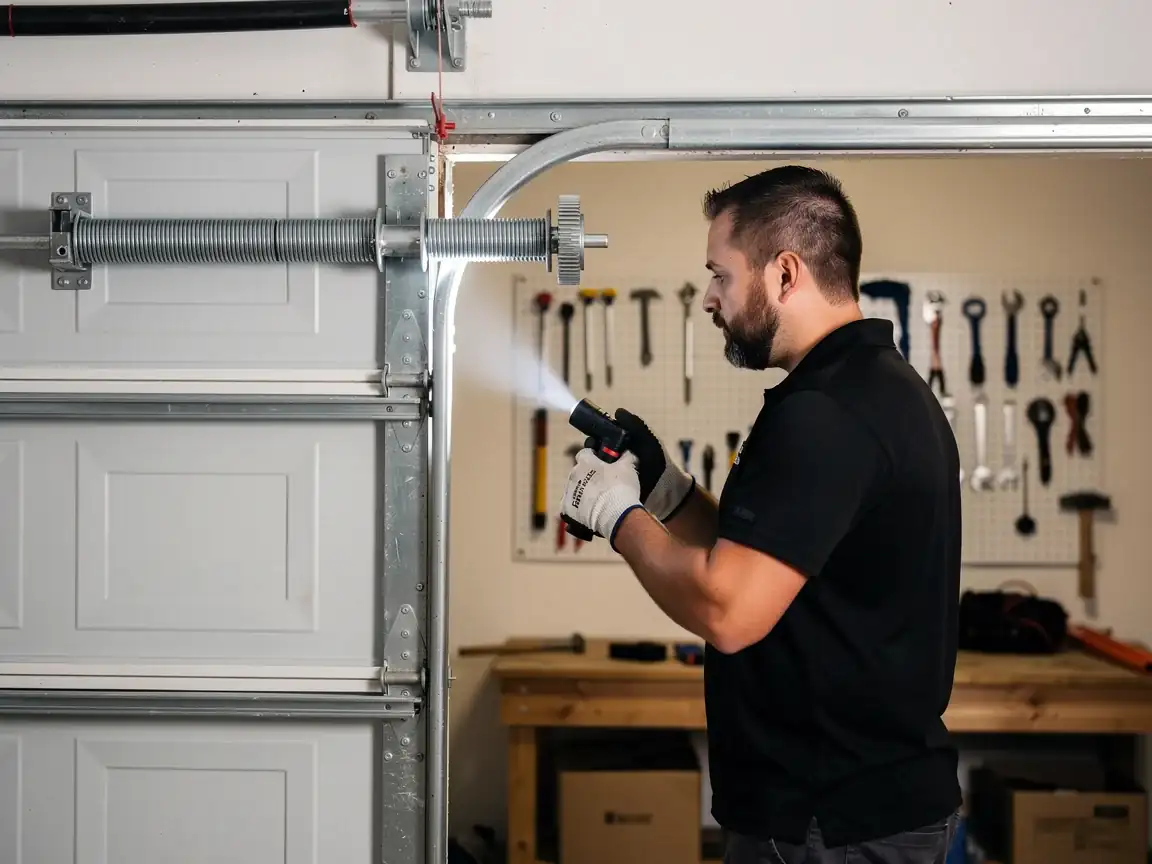
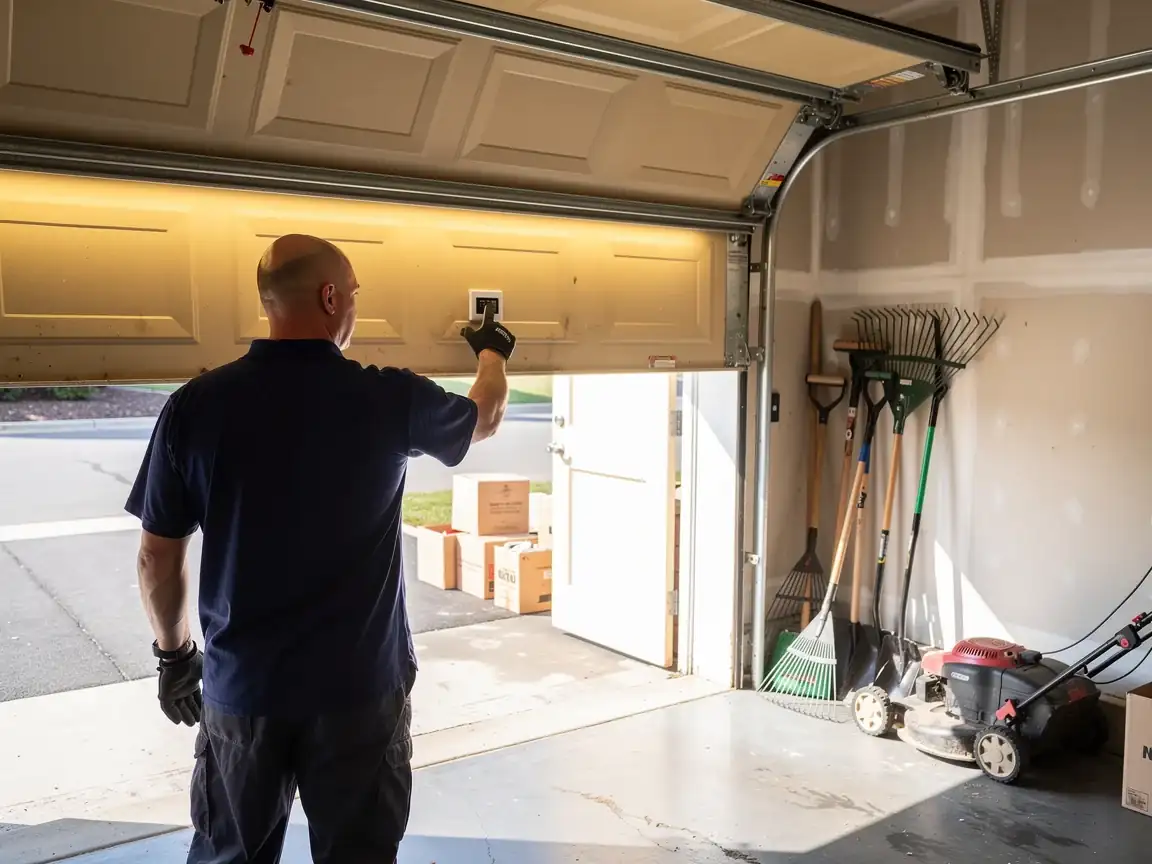
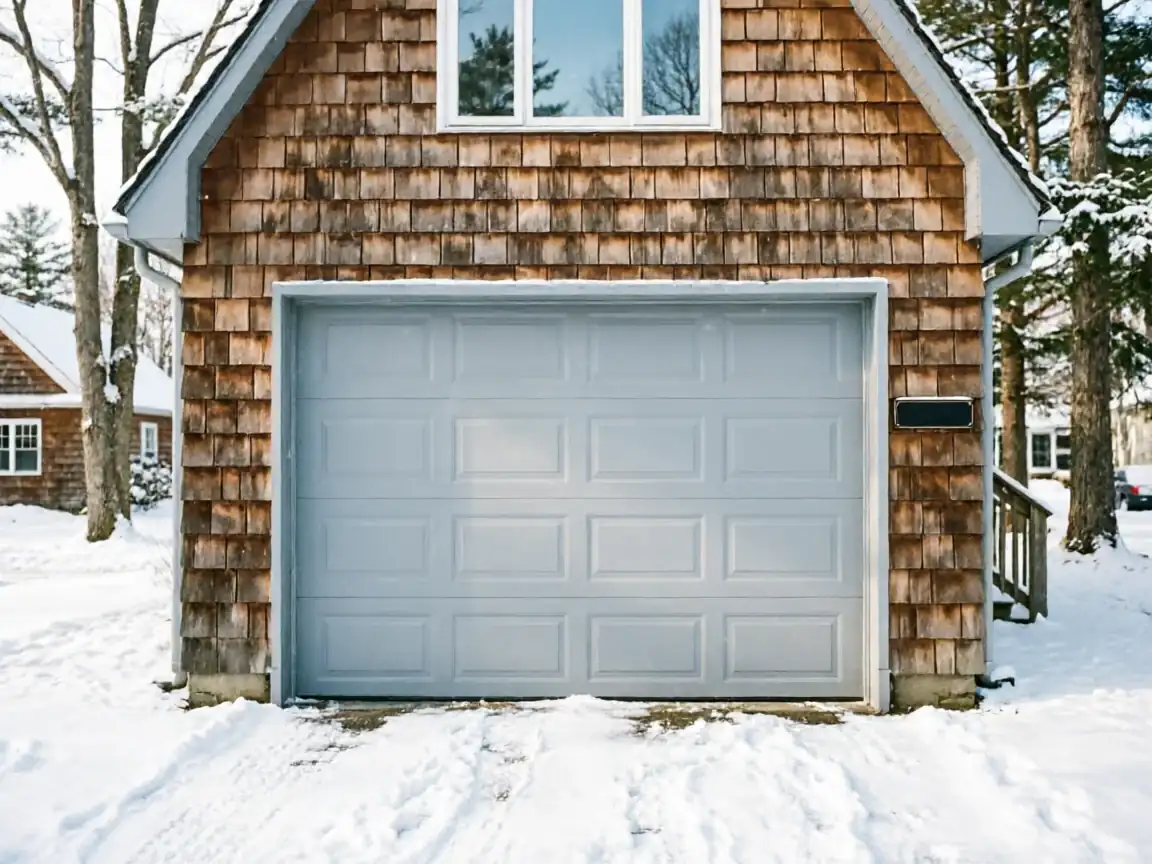
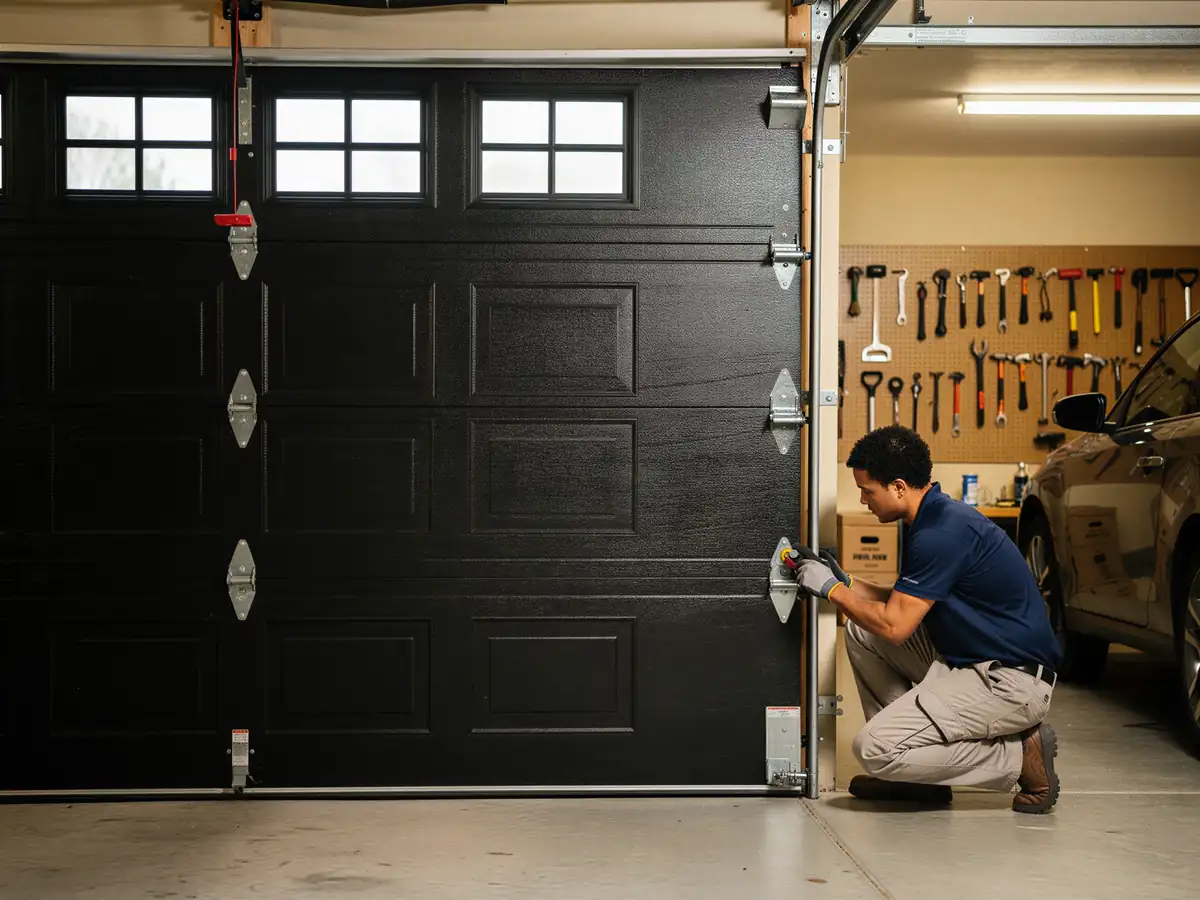
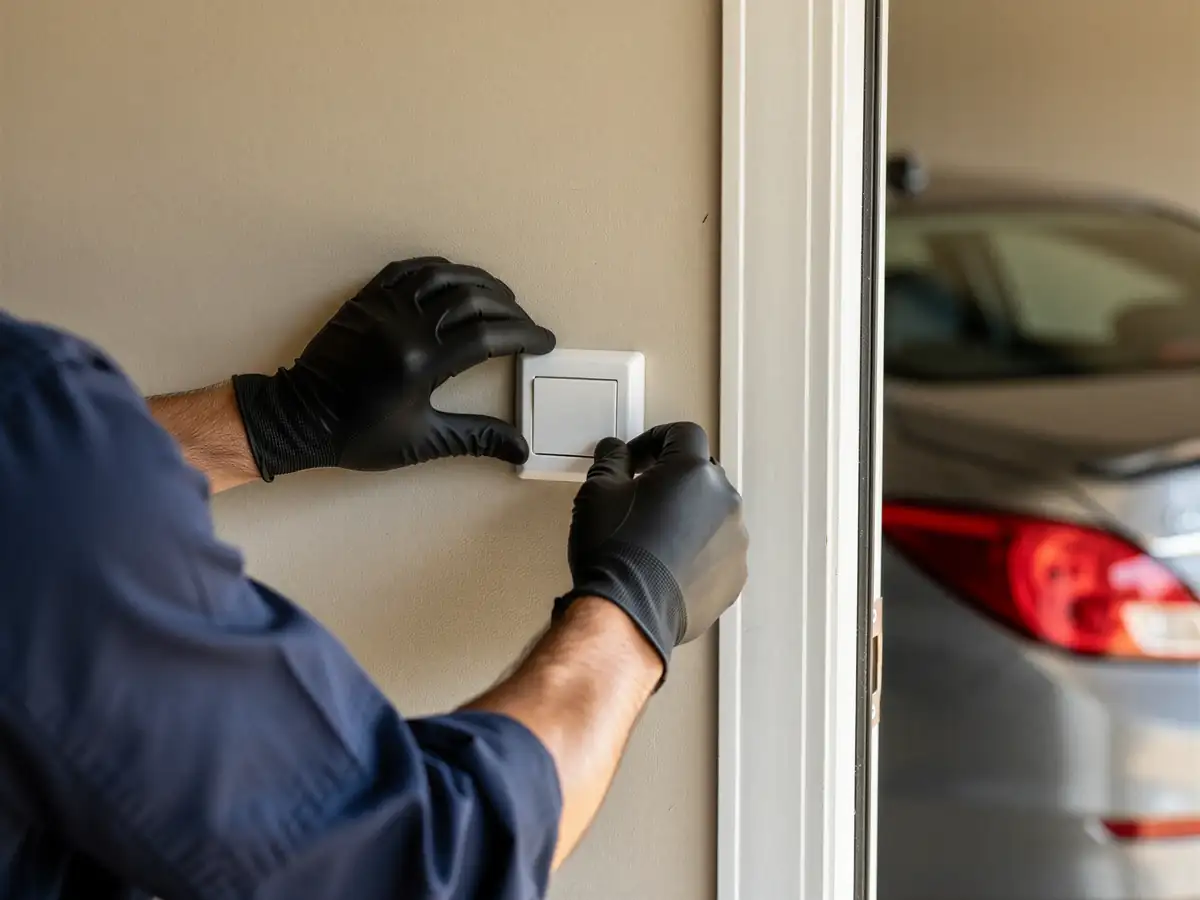
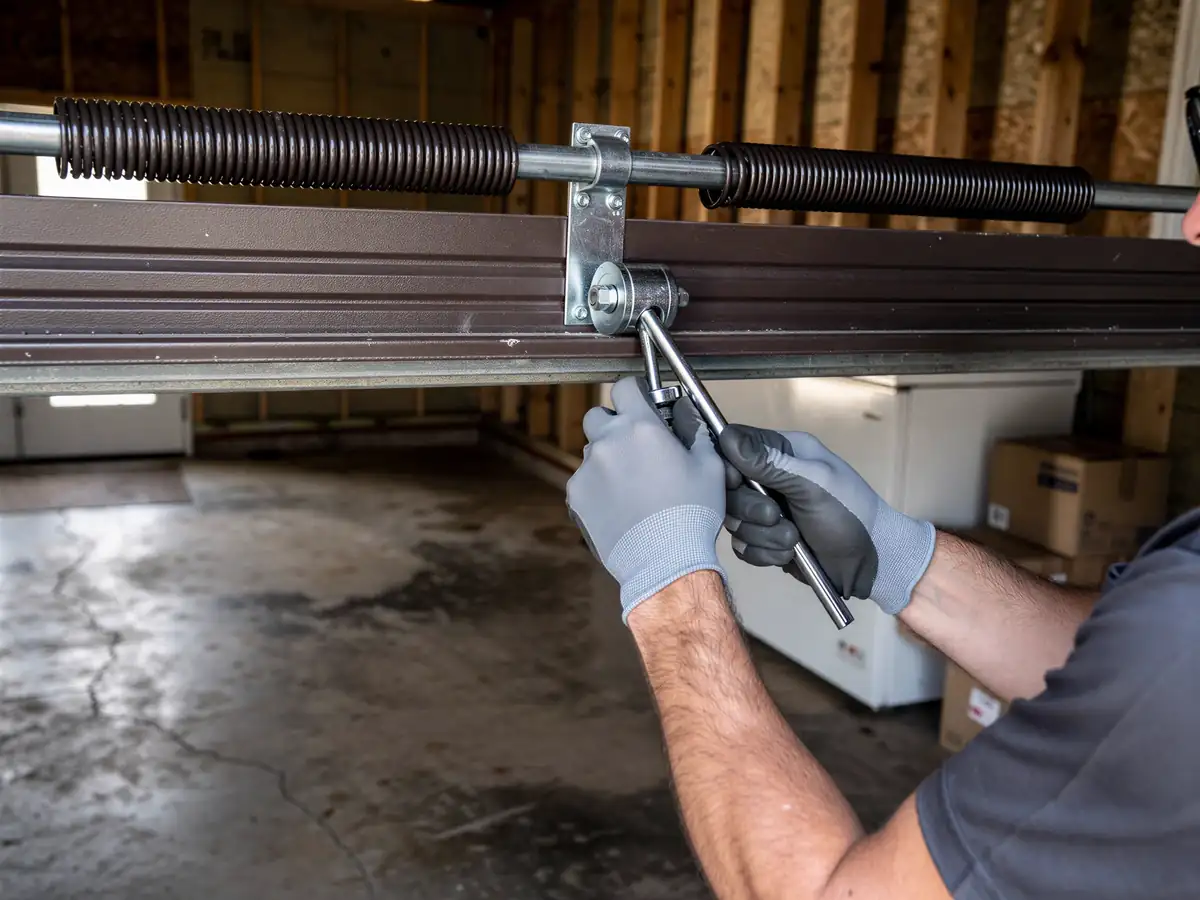
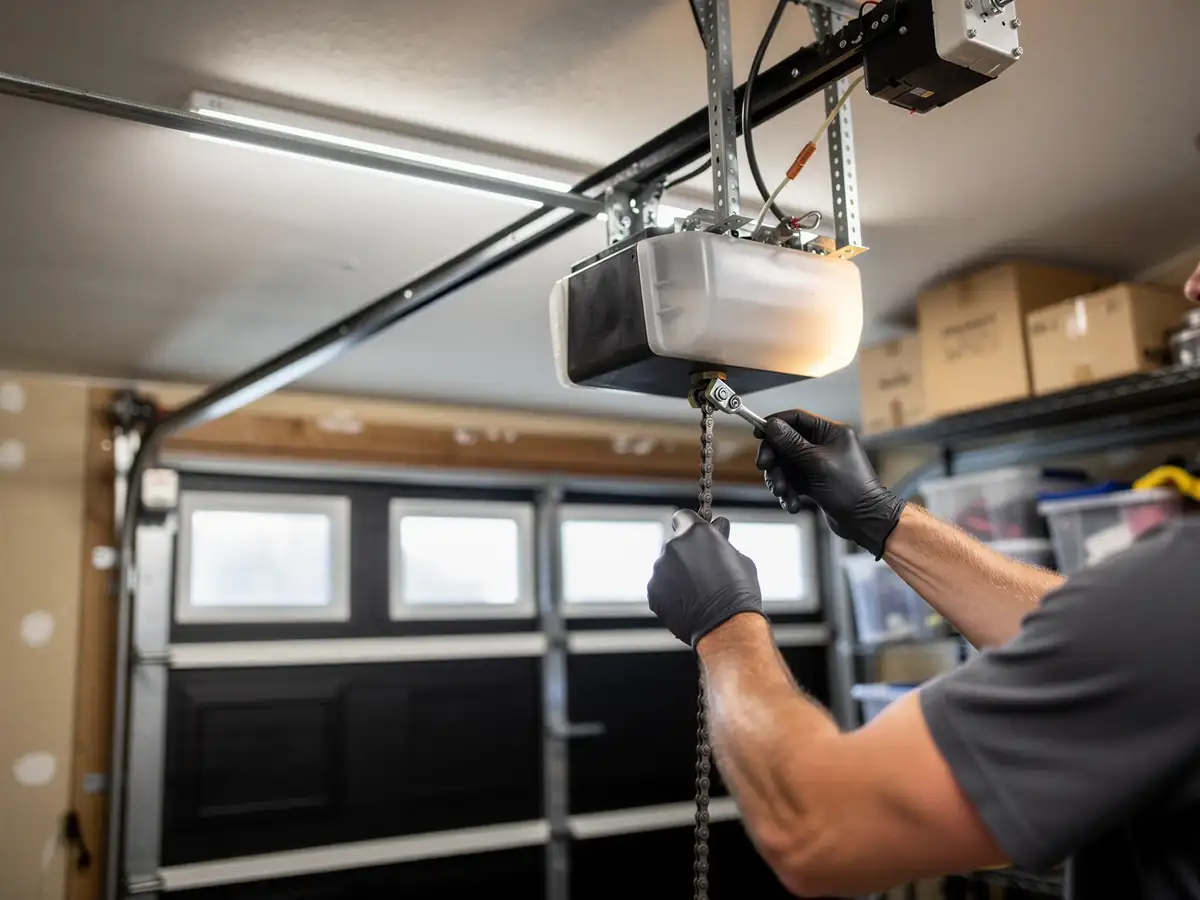
First step is figuring out whether the opener is original to a later retrofit or a replacement someone already swapped in - the serial tag usually tells us, but on a 1949-era garage the mounting hardware often tells a longer story than the tag does. From there it's the usual checklist: travel limits, force settings, the condition of the drive chain or belt, and whether the safety sensors are even wired to code (older installs sometimes predate the sensor requirement entirely, which we have to flag and correct). Across the service area's cold-climate band, winter is hard on drive screws and chain tension, and an opener that's been fighting a misaligned rail for years shows it first in cold weather. If the motor itself has failed, we check whether the unit is common enough to source a logic board or capacitor before we ever suggest full replacement - that's the cheaper fix when it's available.