Westmont's 1,969 households sit mostly in 1950s construction. We cover torsion and extension spring repair here, 2 miles out of Johnstown, on homes with original hardware.
Westmont is a small place - 1,969 households, not a sprawling grid - and that matters for what we bring when a call comes in from here. A town this size doesn't generate enough call volume to justify guessing, so the truck gets loaded based on what actually breaks in this kind of housing stock: torsion springs sized for single and double doors built on frames from the early 1950s, plus the extension-spring hardware that shows up on the handful of older detached garages that never got upgraded. We don't carry a little of everything hoping it fits. We carry what matches the doors that are actually on these streets, because a neighborhood built in one decade tends to need the same handful of spring sizes over and over. If what's on the door is a size we don't stock, we say so before we start, not after we've charged for a trip.
How Long You Are Without the Door
We run out of Johnstown, about 2 miles away, so travel time here isn't the bottleneck - it's whether the right spring is already on the truck or has to be ordered. On the common torsion sizes that match 1950s-era doors, the repair happens in one visit. On anything non-standard, or on an extension-spring setup that's been patched more than once already, we'll tell you straight that it may take a second trip. We don't promise a same-day fix on every call, because some of these doors have had enough modifications over the decades that the job isn't a simple swap. What we won't do is leave a broken spring as a safety risk longer than it has to be - if the door can't be made safe to operate same visit, we'll say that too.
How It Shows Up
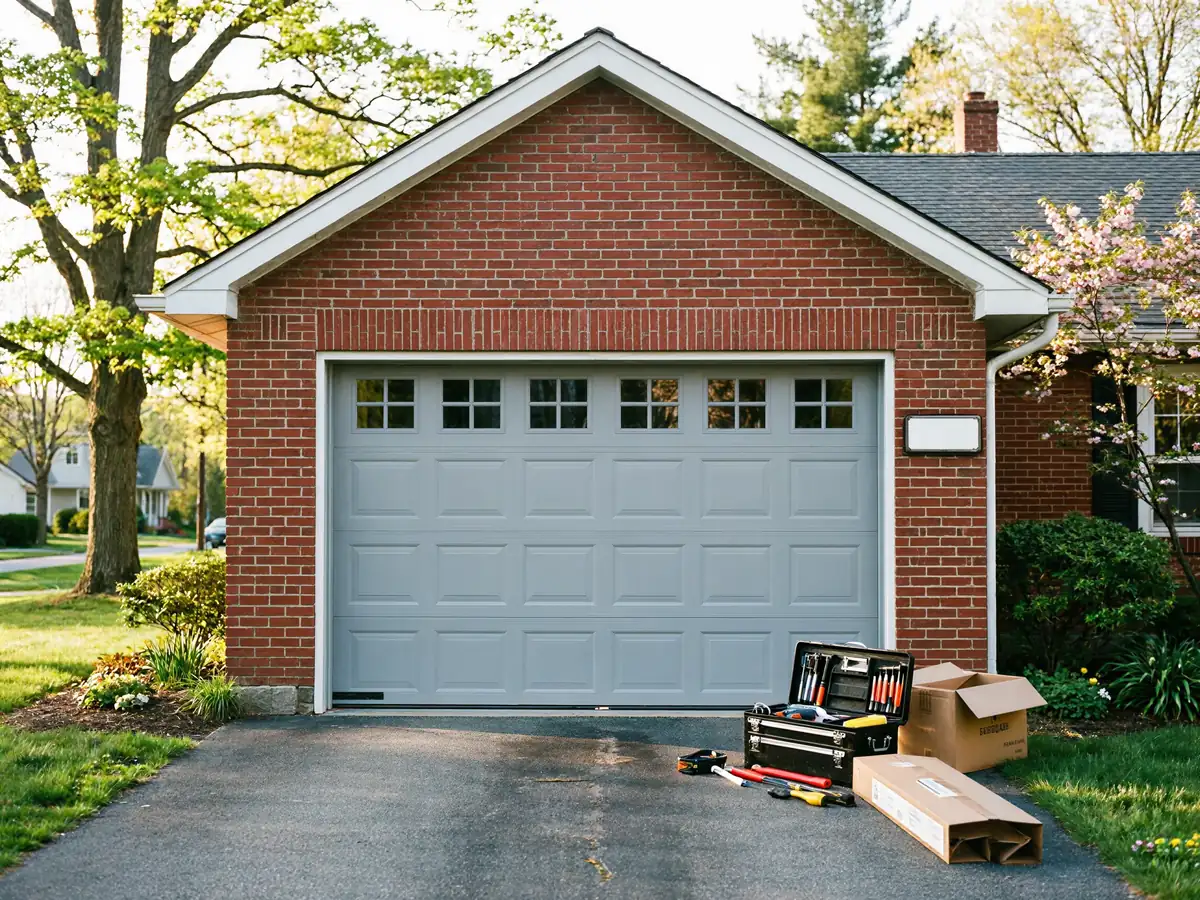
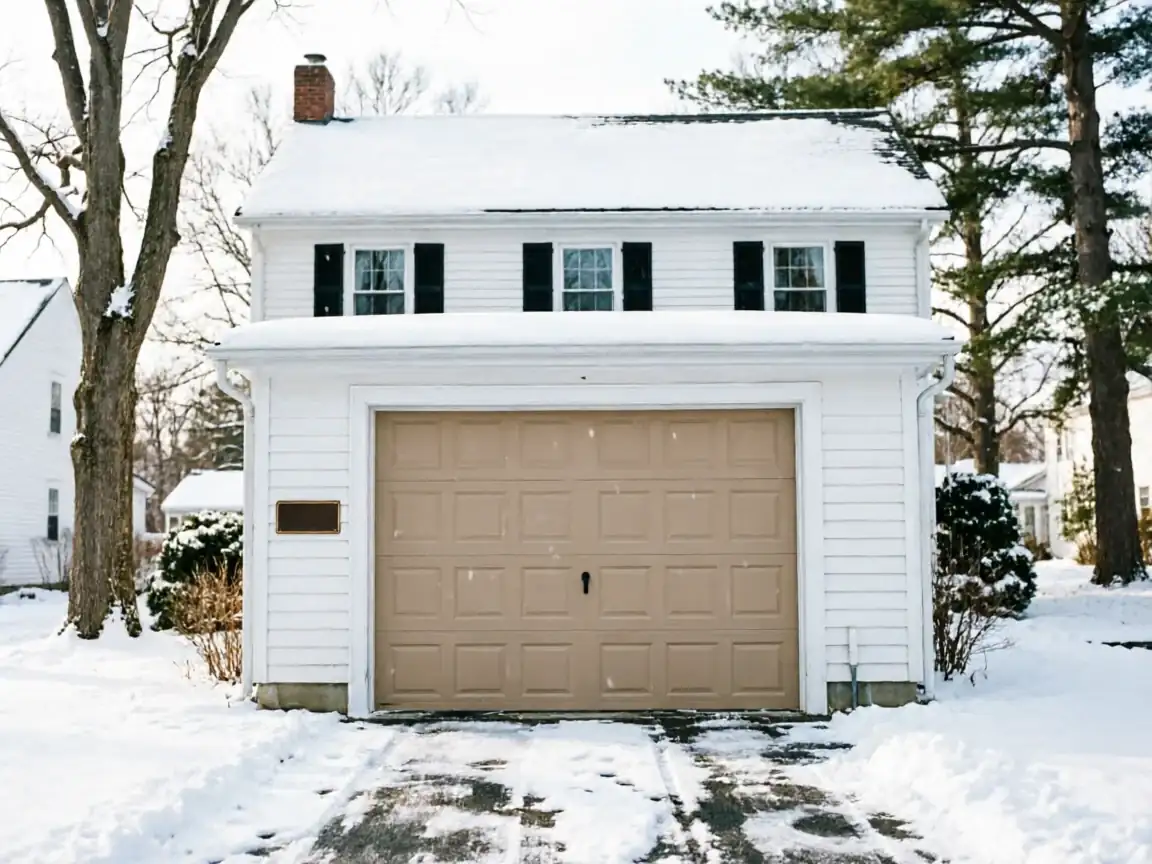
Most of the houses in Westmont went up around 1953, in that same wave of post-war construction that shaped this whole part of the Johnstown area - median build year across the broader service area lands at 1952, so this town sits right in the middle of it. That means torsion hardware mounted on wood jambs that have shifted a little over seventy years, springs sized for lighter original doors that may have since been swapped for heavier insulated panels, and winter cold that this region gets in full - the severe cold band here puts real stress-cycling on steel that's already decades old. A spring that snaps in January here usually isn't a fluke; it's metal that's been fatigued by a lot of cold mornings on a door heavier than the spring was built for. That combination - older hardware, heavier retrofit doors, hard winters - is what we expect to find before we even open the garage.
What the Repair Takes
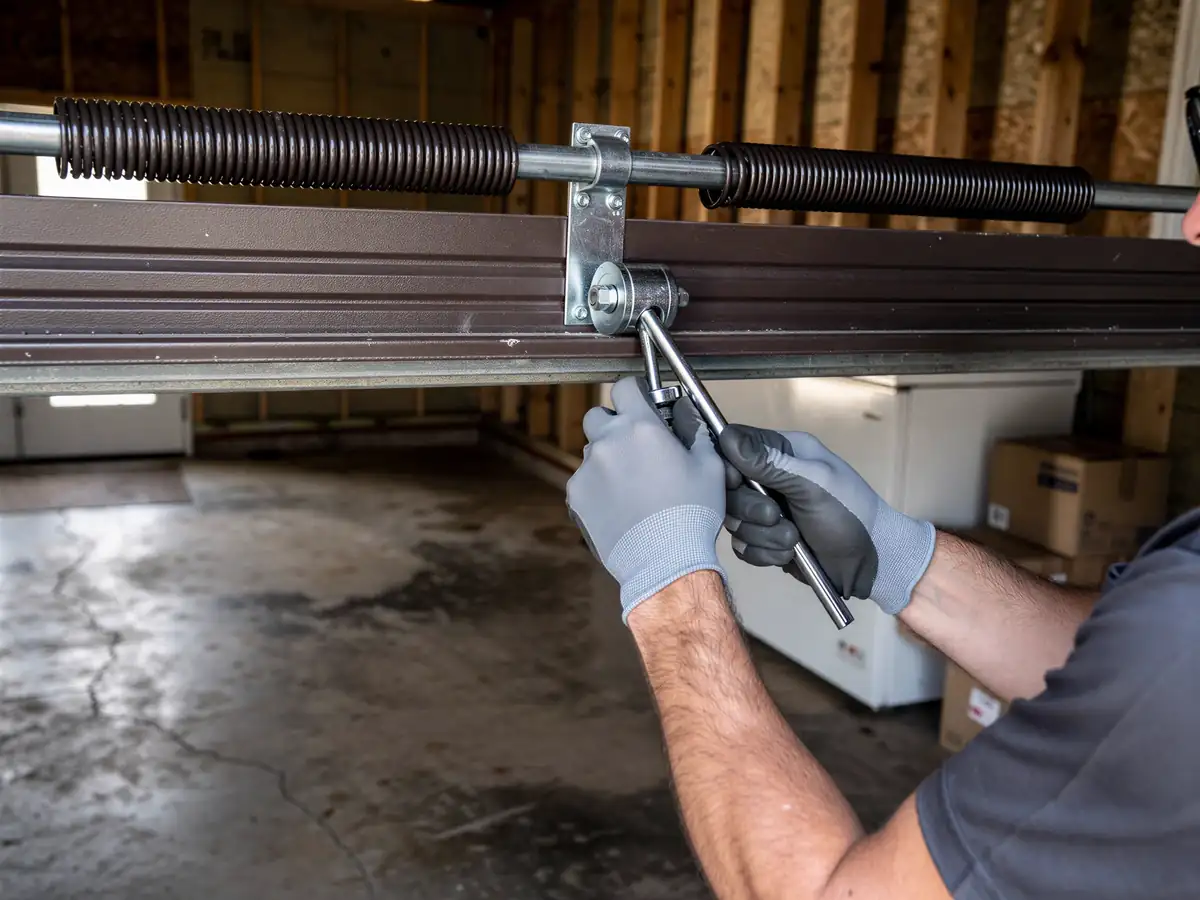
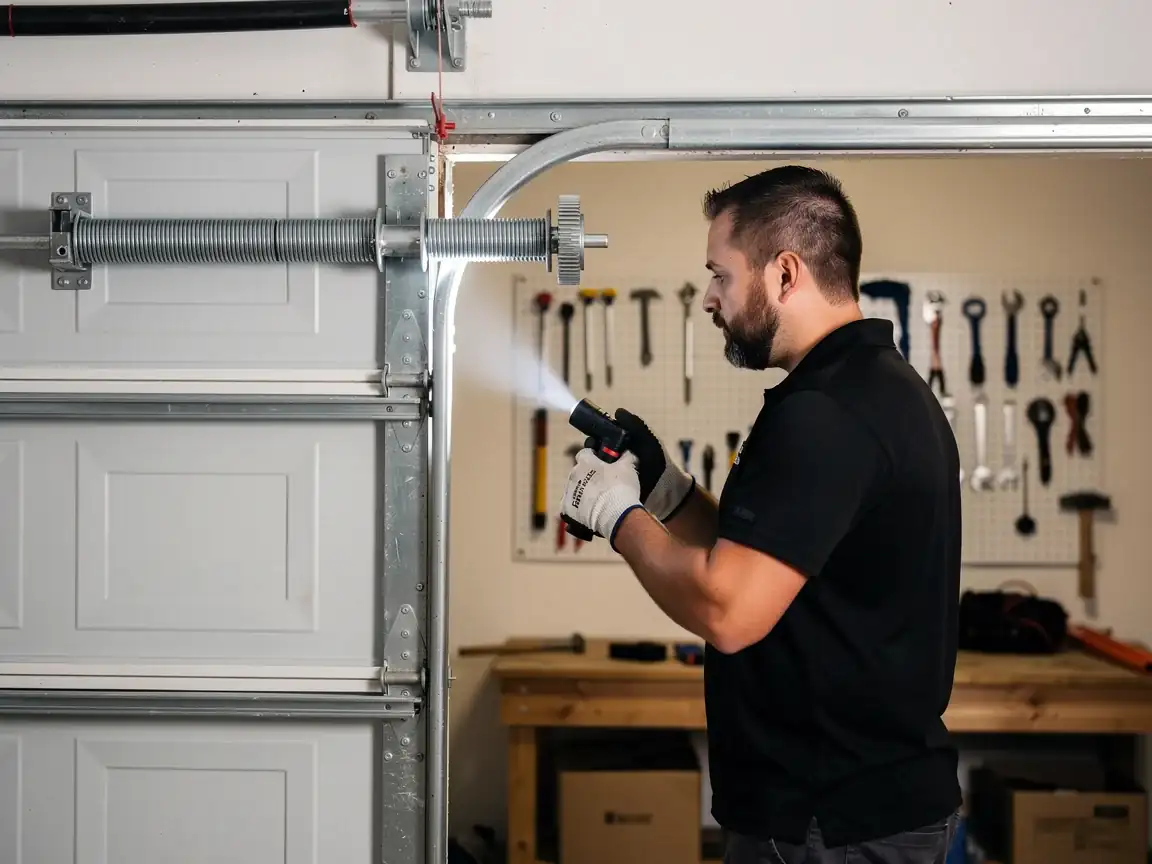
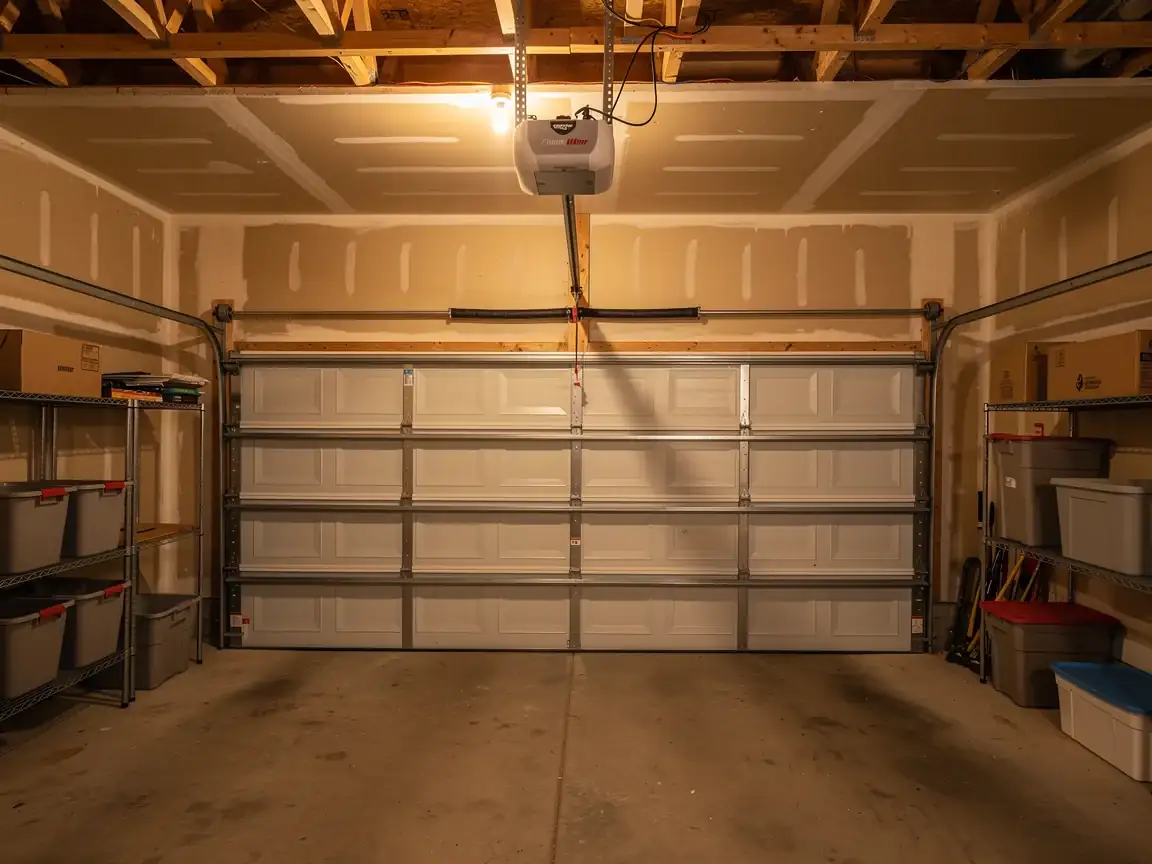
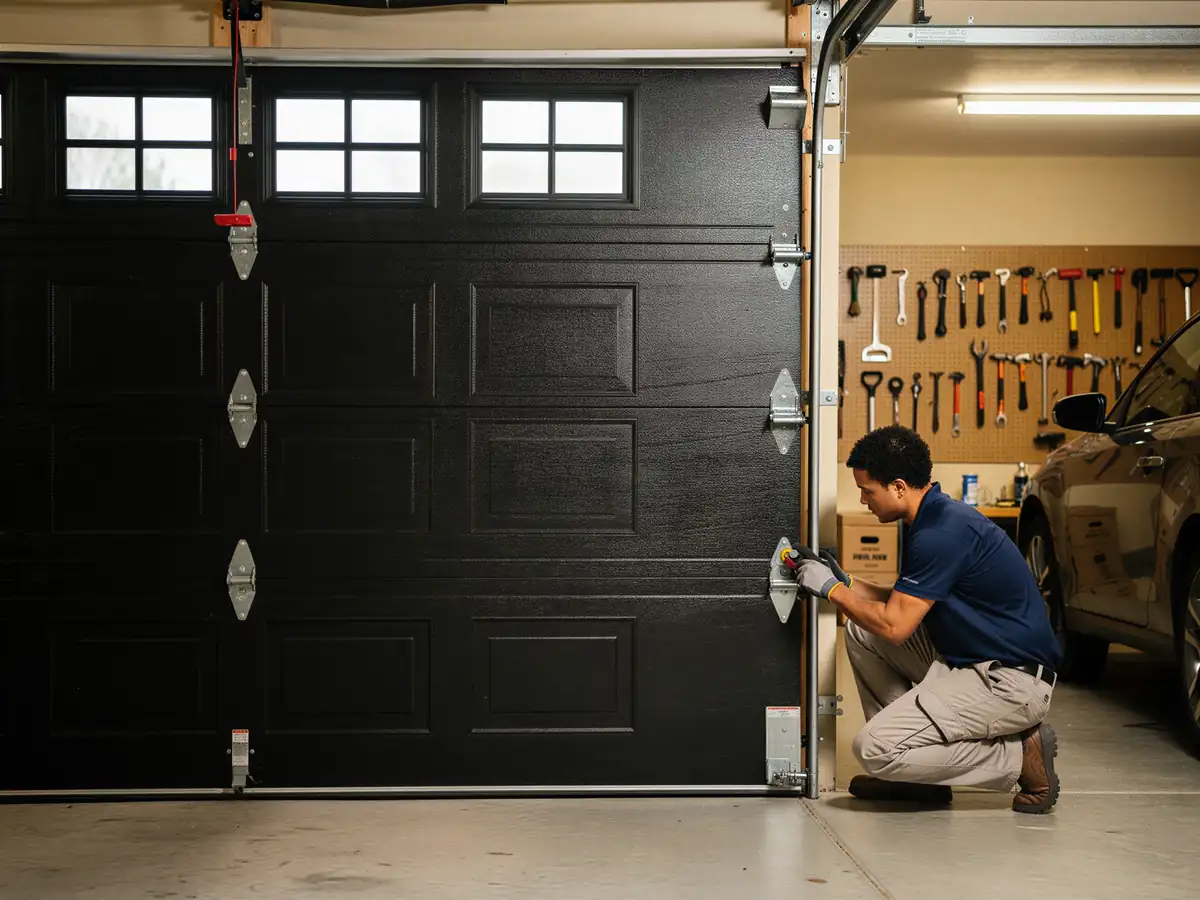
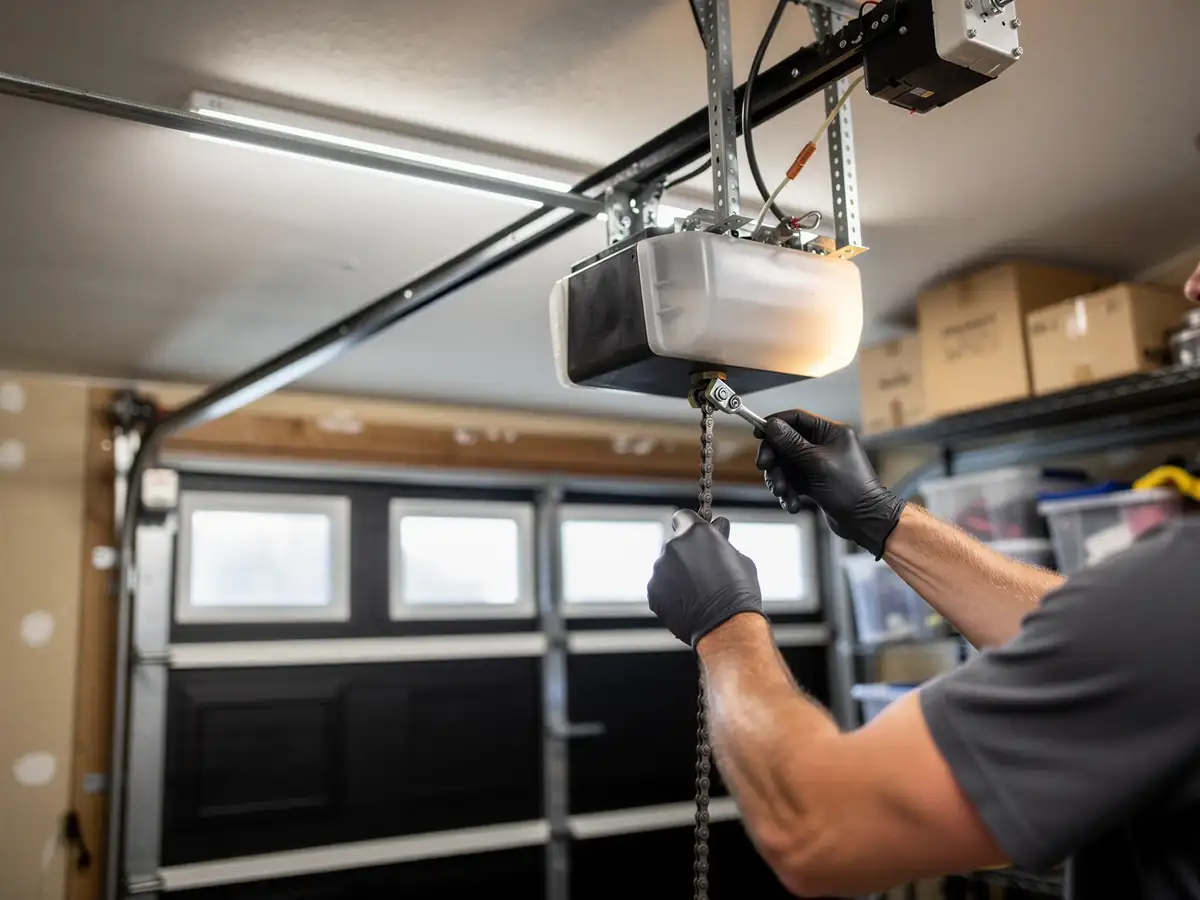
On a standard torsion spring job matched to a 1950s single-car or double-car opening, the work is straightforward: pull the old spring, match the wire size and length, set the tension, check the cable drums are tracking even. Where it gets slower is on houses in Westmont where the opener or the door itself has been replaced since the original build but the spring never got resized to match - that's common in a town with this median income level, where owners here have had more room in the budget over the years to upgrade the opener or the door panels without touching the spring underneath. We'll check that mismatch before we quote the job, because putting a correctly-sized new spring under an oversized door is how you get a second failure in a year. See current door work in Westmont or the full spring repair page for the Johnstown area for the broader picture.
How it works
From “it’s stuck” to “it’s fixed”
1
Tell us what’s wrong
Describe the symptom - won’t open, loud bang, opener runs but the door won’t move.
2
On-site diagnosis
A technician tests the door under power and by hand and finds what actually failed.
3
Clear, up-front plan
You get the fix that’s needed and what drives the cost - before any work starts.
4
Repaired & tested
The repair is done, the door is set true and tested, and the work area left clean.
Next step
Not sure which repair your door needs in Johnstown, PA? Describe what it’s doing - every job starts with a diagnosis.
Why does a 1950s garage door need a different spring than a newer one?
Doors built when Westmont's housing went up in the early 1950s were often lighter - single-layer wood or thin steel. If that door's been replaced with a heavier insulated panel but the spring wasn't upsized to match, the spring works harder every cycle and fails sooner than it should.
Do you have a shop in Westmont?
No. We work out of Johnstown and cover Westmont from there, about 2 miles out. There's no local branch or depot here, just a truck that comes out for the call.
Will a broken spring always need a same-day fix?
If the common torsion size for a 1950s-era door is on the truck, yes, usually one visit. If the hardware has been modified or is a less common size, we'll tell you upfront that a second trip may be needed rather than guess.
Does the cold around here actually affect springs?
Yes. This area sits in a severe cold climate band, and steel springs fatigue faster through repeated hard freezes, especially on older coils that have already been cycling for decades.
Ready to get your garage door sorted?
Tell us what it’s doing and where you are in Johnstown - we’ll take it from there.