What Is on the Truck
Johnstown's service area covers thirty-four named areas with houses going up anywhere from 1938 to 1980
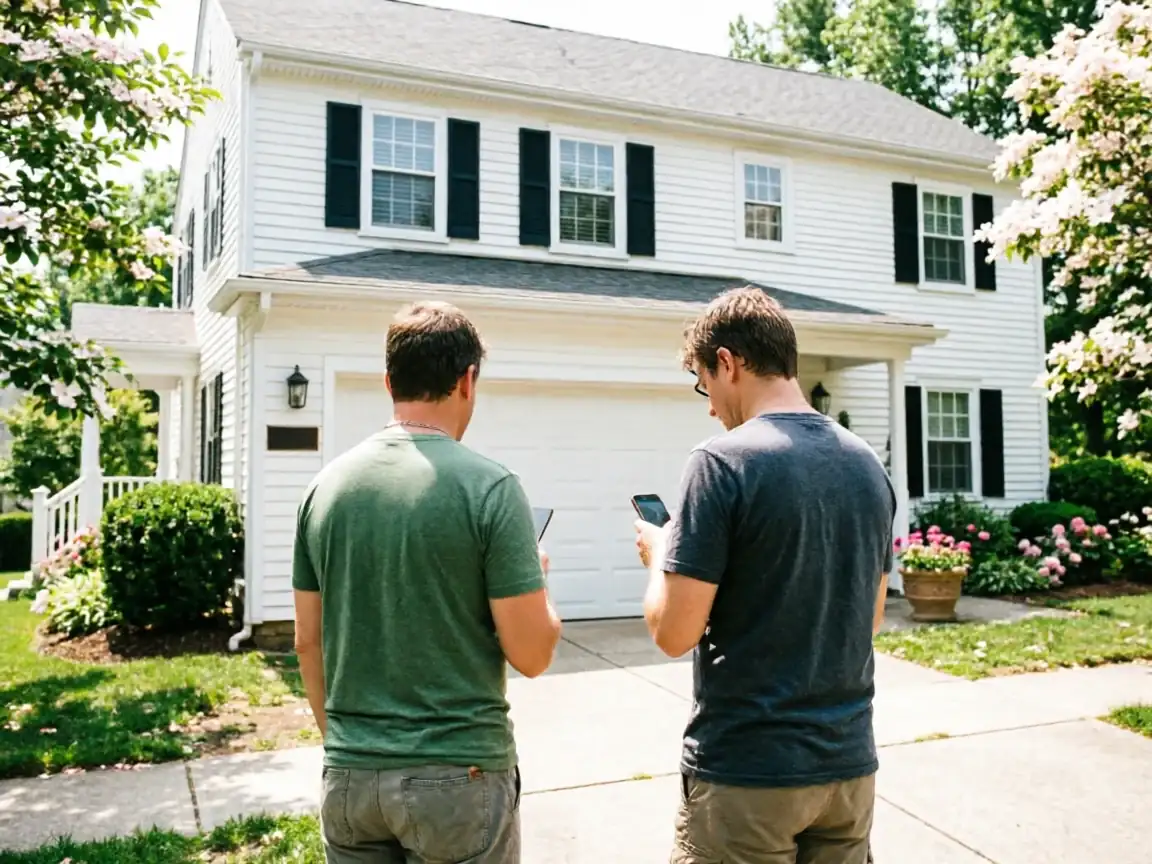
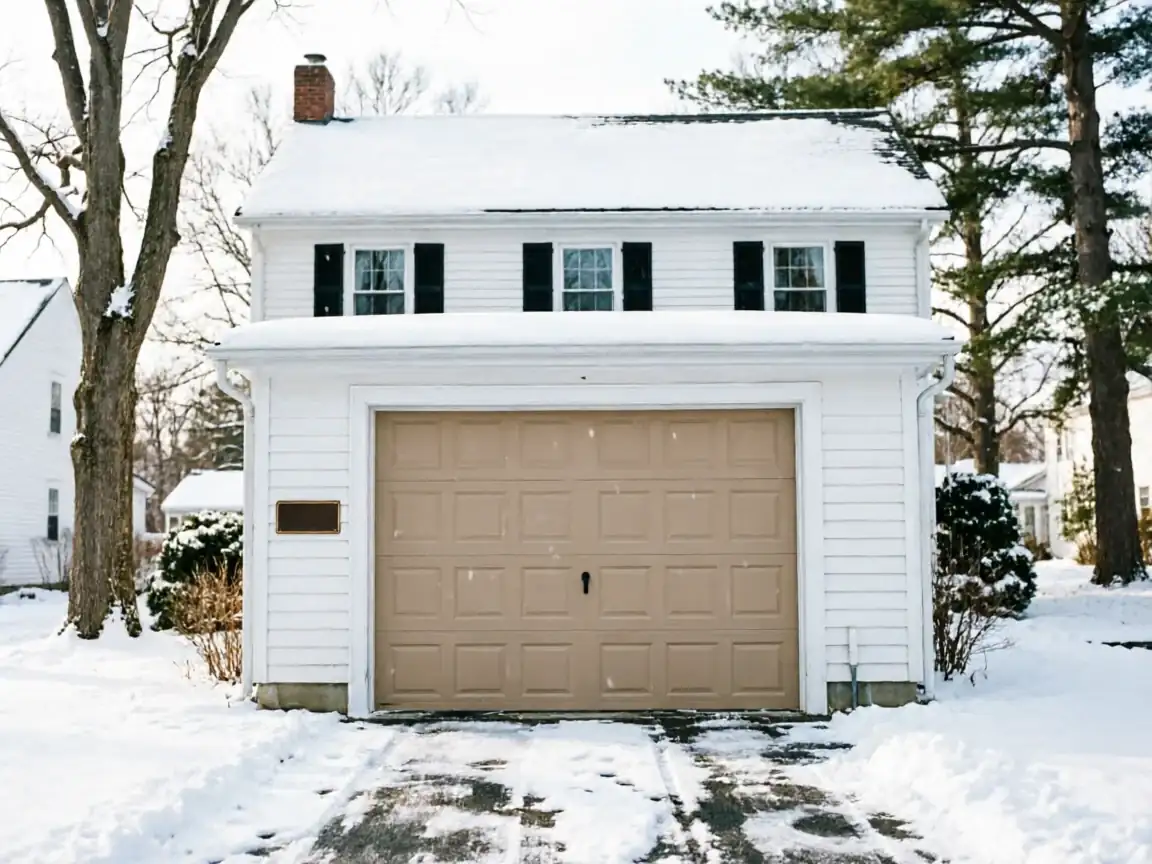
Westmont is tighter than that. The median build year here sits at 1953, almost dead center of the county's post-war building boom, and two miles out from Johnstown proper. That narrow window matters more than the mile count. A town with houses spread across four decades means a truck has to carry parts for four different eras of garage door hardware. A town clustered around one year means the tech can guess the spring size and track width before he's out of the truck, and usually be right.
What we load for a Westmont call
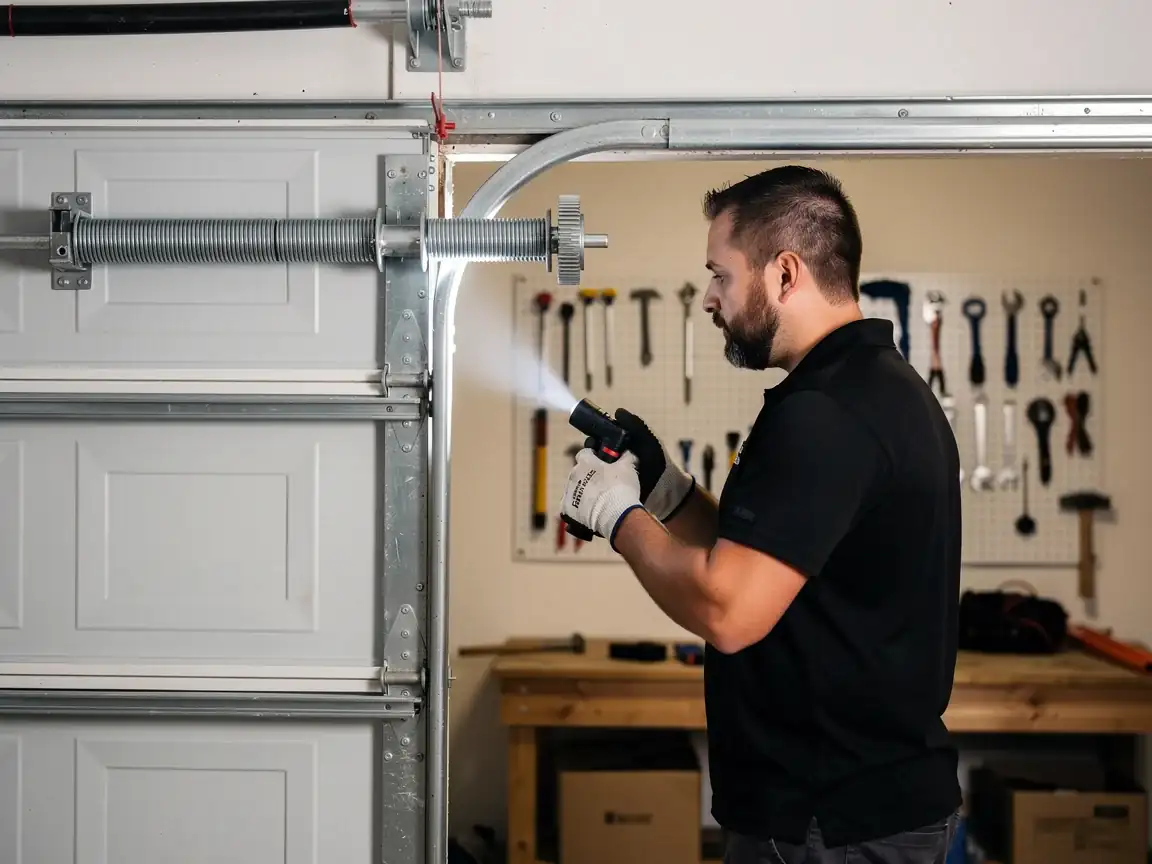
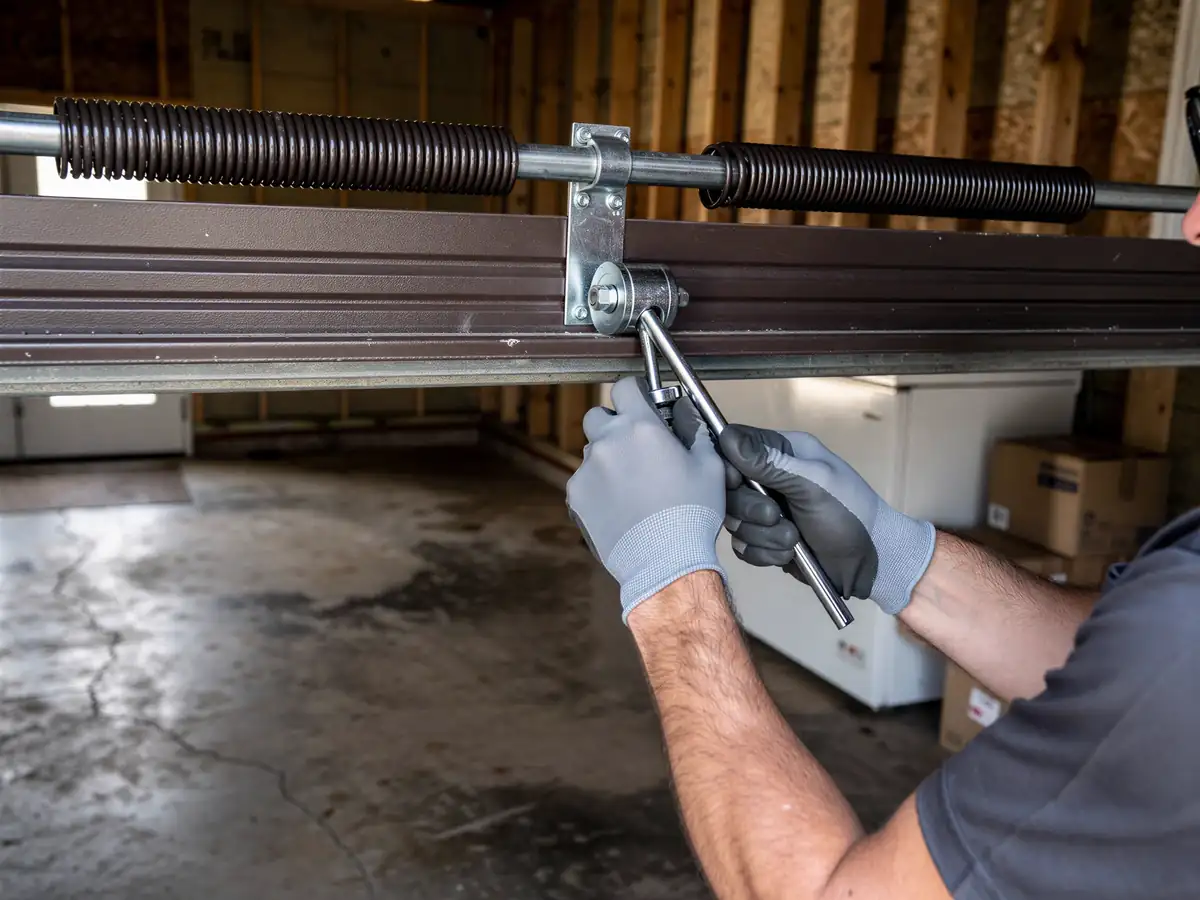
Torsion springs sized for the short, low-clearance headroom common to early-1950s garages, since those houses weren't built with today's taller openers in mind. Steel rollers instead of the newer nylon ones, because the original tracks in houses this age are narrower gauge. Extension spring conversion kits, because a fair number of these garages were retrofitted once torsion setups wore out and nobody matched the original hardware. We don't guess at this - we stock for what 1953 actually built.
How Long You Are Without the Door
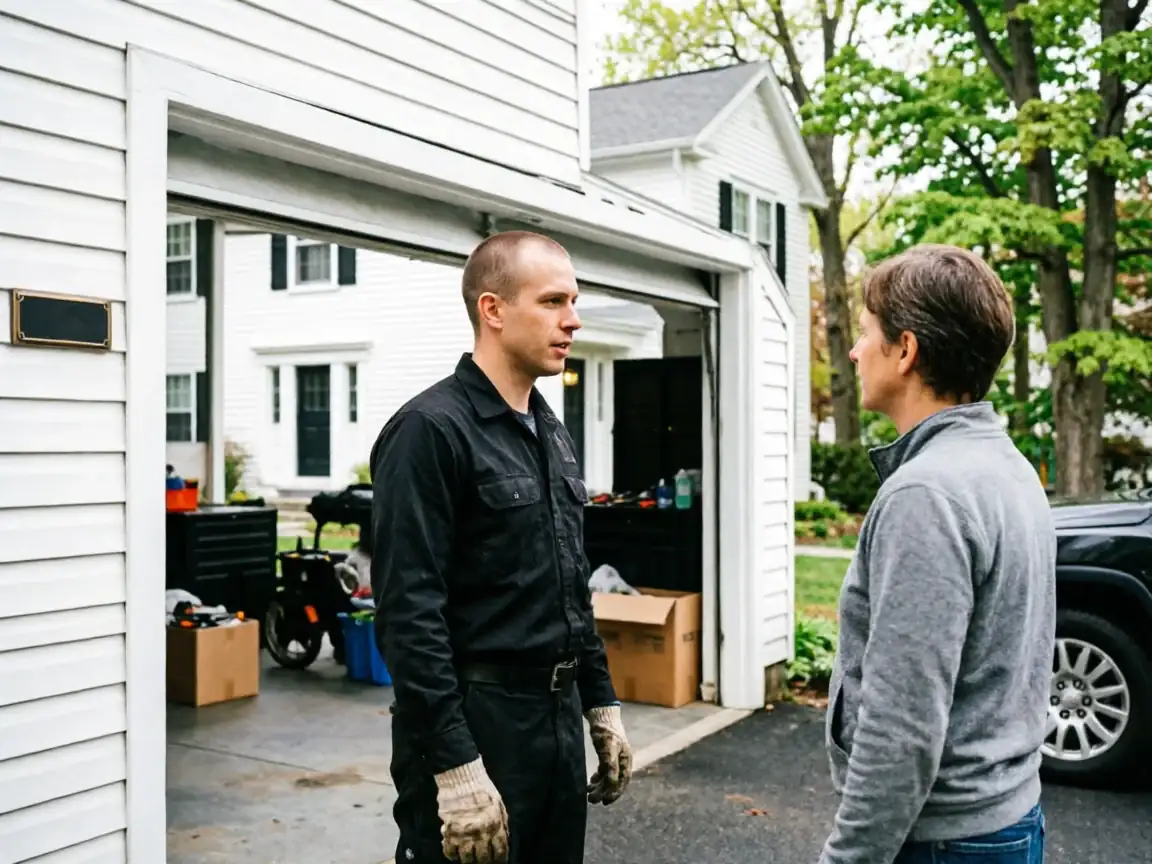
We're honest about this part: we come from Johnstown, two miles away, not from a shop in Westmont itself. There's no local branch here, so the time without a working door is the drive time plus the job time, not a flat number we can promise. What we can tell you is that a tight build era cuts the guesswork out of the job itself, because the tech isn't troubleshooting three possible spring sizes before he can even start.
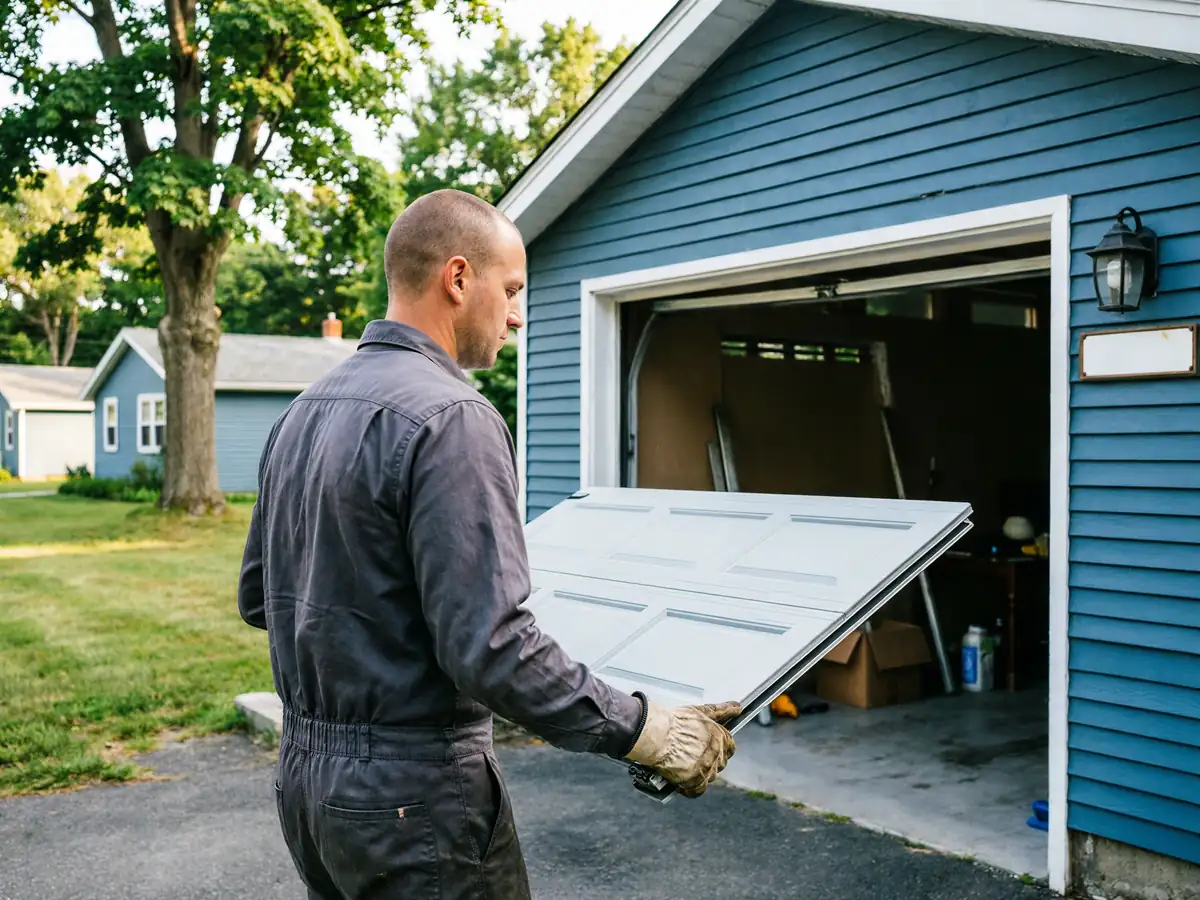
Household income in Westmont runs close to $99,171, well above the roughly $56,795 median across the broader service area. In practice that shows up as a different kind of call - fewer requests to stretch a 1950s extension spring setup another two years, more requests to swap it for a torsion system or a full door replacement outright. We'll tell you straight when a repair isn't worth it against a new door's cost, and in a lot of Westmont houses, given the age of what's already up there, replacement ends up the better math.
How It Shows Up
With 1,969 households in Westmont, the failure pattern repeats itself often enough that it's not really a guessing game anymore. Houses built around 1953 usually came with single torsion springs rated for a lighter, solid-panel wood or early steel door, not the heavier insulated steel doors a lot of owners have upgraded to since. The spring keeps doing the job it was sized for until the door gets swapped for something heavier, and then it fails early - sometimes inside a year or two of the upgrade.
The winters here don't help. This area sits in a cold climate band with real severity, and cold-stiffened steel cable and shrunk rubber seals on a seventy-year-old track system don't flex the way they did when the door was new. The combination of original 1950s hardware carrying a heavier modern door, through winters that stress every moving part, is the single most common call we get from this stretch of houses.
What the Repair Takes
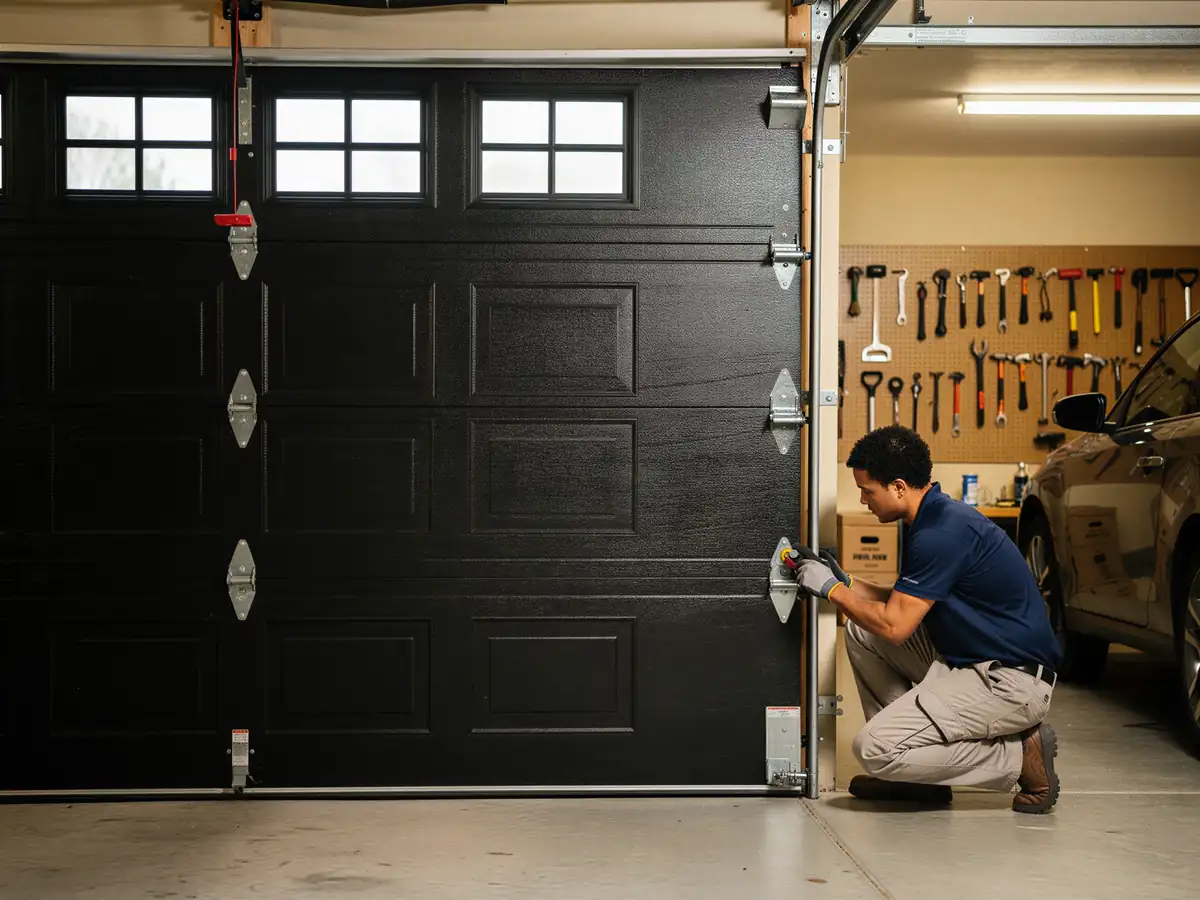
Most Westmont jobs start with pulling the torsion spring and checking it against the door weight that's actually hanging on it now
Not the weight it was rated for in 1953. If someone upgraded to a heavier insulated door at some point without upsizing the spring, that's the fix: a properly sized spring, not just a replacement of the one that broke.
Track alignment is the second check
Houses this age often have the original track brackets, and seventy years of settling shifts them slightly - enough that a new roller binds on an old track even after the spring work is done. We true up the track as part of the job rather than bolt a new spring onto a track that's already fighting it.
One limit worth saying out loud
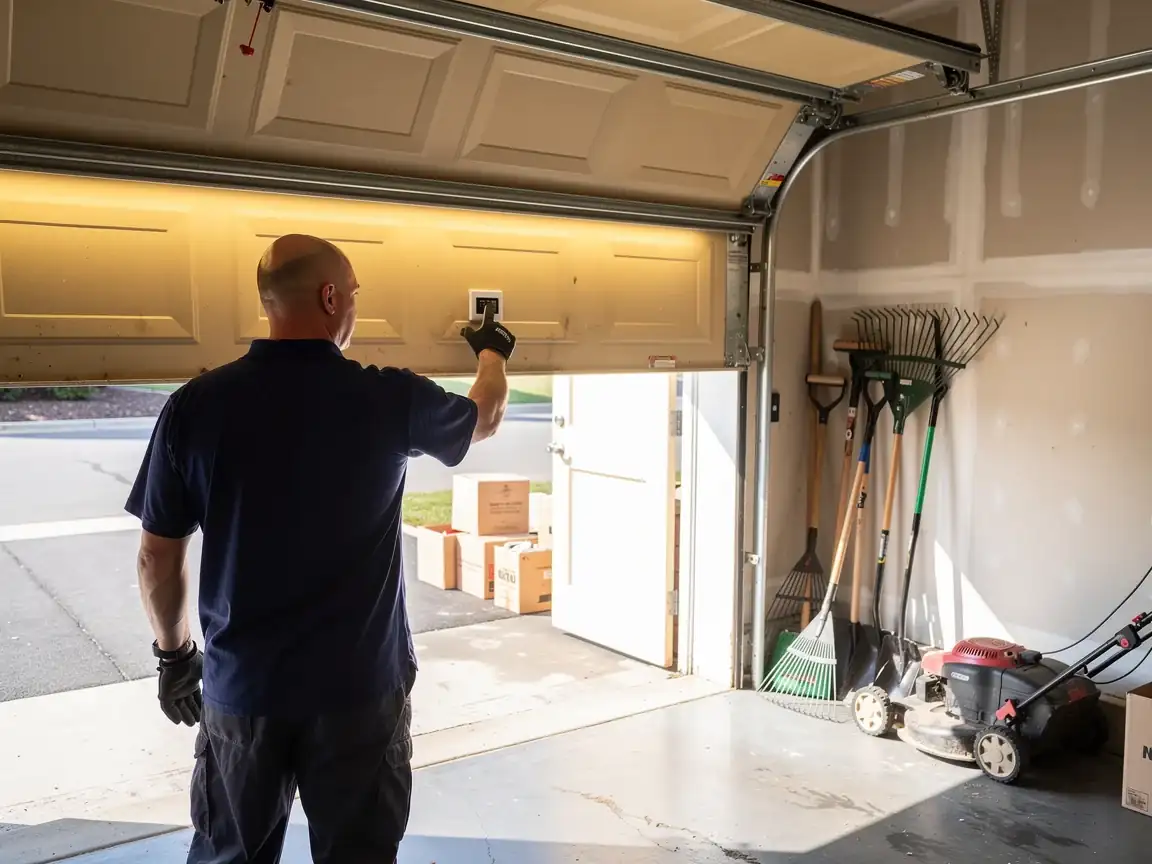
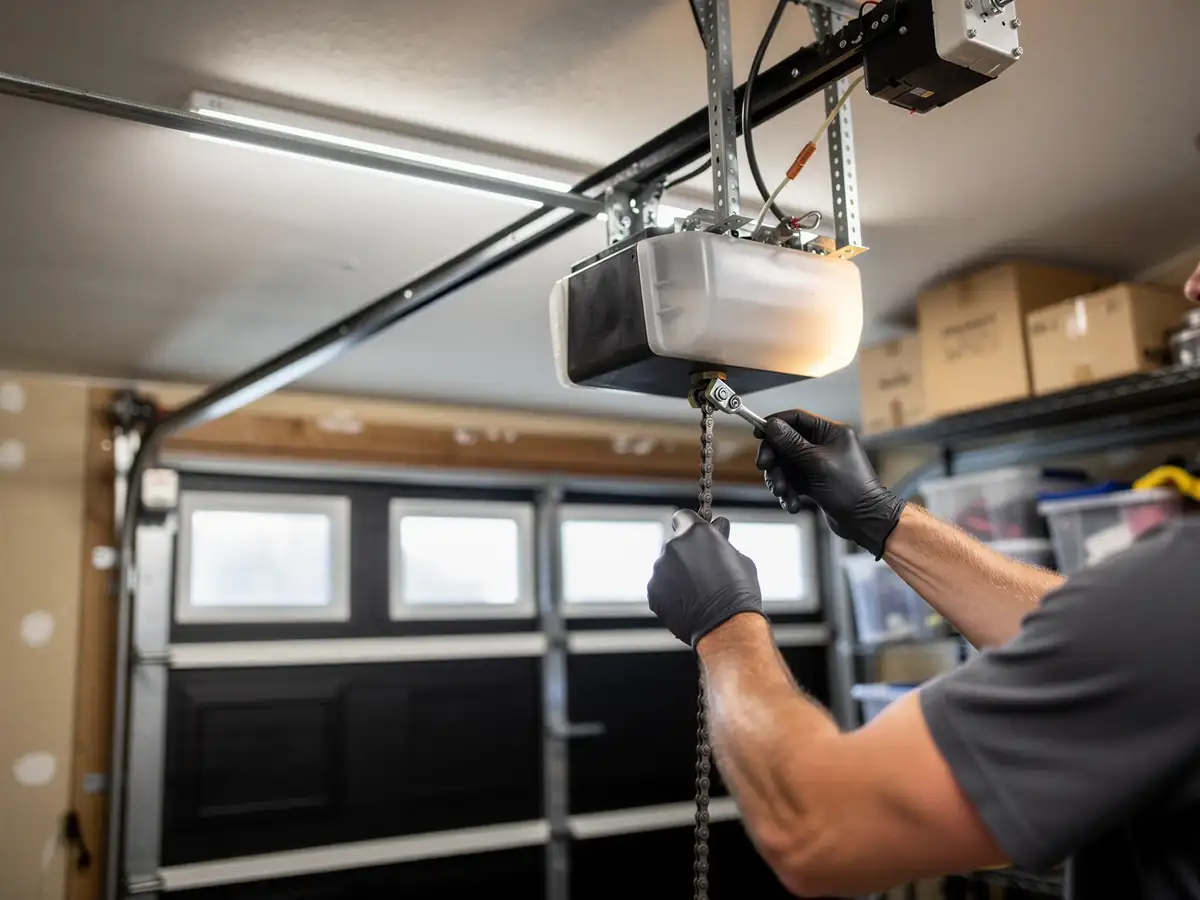
If the opener itself is original to the house, parts for openers that old are often not available anymore, and we'll tell you that rather than hunt for a part that doesn't exist. At that point replacement is the only real option, and we'll say so plainly instead of running up a bill chasing a fix that won't hold.