Panel Replacement for Westmont's 1950s Garage Doors
Westmont homes date to about 1953, old enough that panel widths and seams don't match today's stock parts. Here's what panel replacement actually looks like here.
The drive from Johnstown to Westmont runs about two miles, which matters more than it sounds like it should. A short trip means a crew isn't burning half a morning just getting to the job, so if the panel is one we carry, the swap can happen the same visit. What we carry are the panel widths that fit the doors actually installed around here. Westmont's housing has a median build year of about 1953, right in the stretch of steel sectional doors that used panel heights and seam spacing the big-box aisles don't stock. That means a dented or caved panel from one of those original-era doors usually isn't a grab-and-go part - it has to be matched or ordered. With roughly 1,969 households in this suburb, a lot of garages went up to the same builder spec, so the same panel width and hinge spacing shows up house after house, which at least means we're not guessing blind when we get the call. What we don't carry is every obsolete profile on the shelf; some of the oldest doors need a special order regardless of how close we are.
How Long You Are Without the Door
If your door is a newer sectional with a standard panel size, we can often pull the bent one and set the replacement the same day, since the part is already on the truck and the trip over is short. If your door dates closer to that 1953-era build, plan differently. The panel has to be ordered to match the existing seam spacing and track hardware, and that lead time has nothing to do with how close Westmont sits to Johnstown - it's a parts issue, not a travel issue. In the meantime the door can usually still be secured and operated on the remaining panels if the damage is limited to one section, which buys time without leaving the garage open to the weather. We'll tell you straight whether your door is a same-day swap or a special-order wait before any work starts, not after.
How It Shows Up
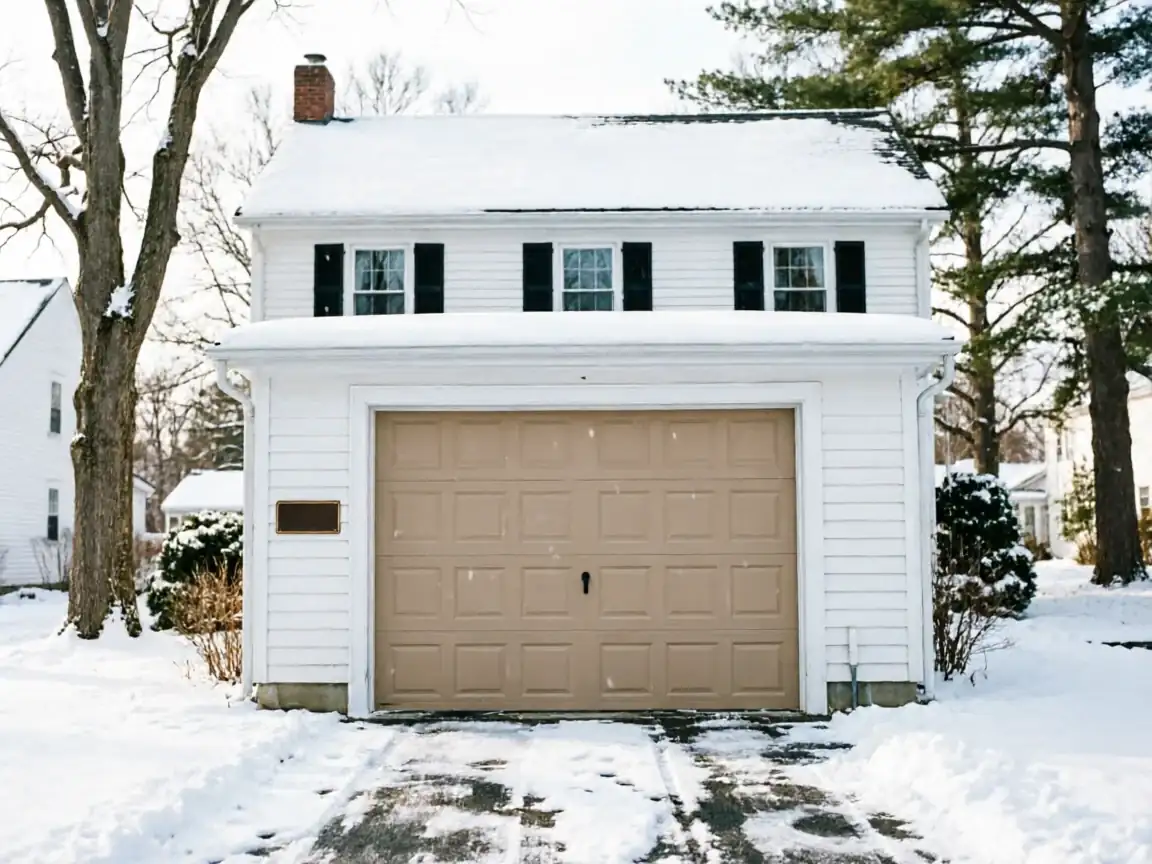
Panel damage here tends to come from the ordinary stuff - a car bumper, a dropped ladder, a winter where road salt and freeze-thaw cycles finally finish off a seam that was already rusting through. The area sits in a cold climate band with real winter severity, and steel panels from the 1950s building run don't have the galvanizing or insulation layering that later doors got, so corrosion along the bottom panel is common even without a single impact. On higher-income streets in Westmont, where median household income runs well above the wider service area's figure, we see more owners choose a full panel replacement with an insulated match rather than live with a dent - it's a choice, not a requirement, and a dented panel that still seals and runs fine doesn't need to come off. We'll always say so if that's the case instead of selling a swap you don't need.
What the Repair Takes
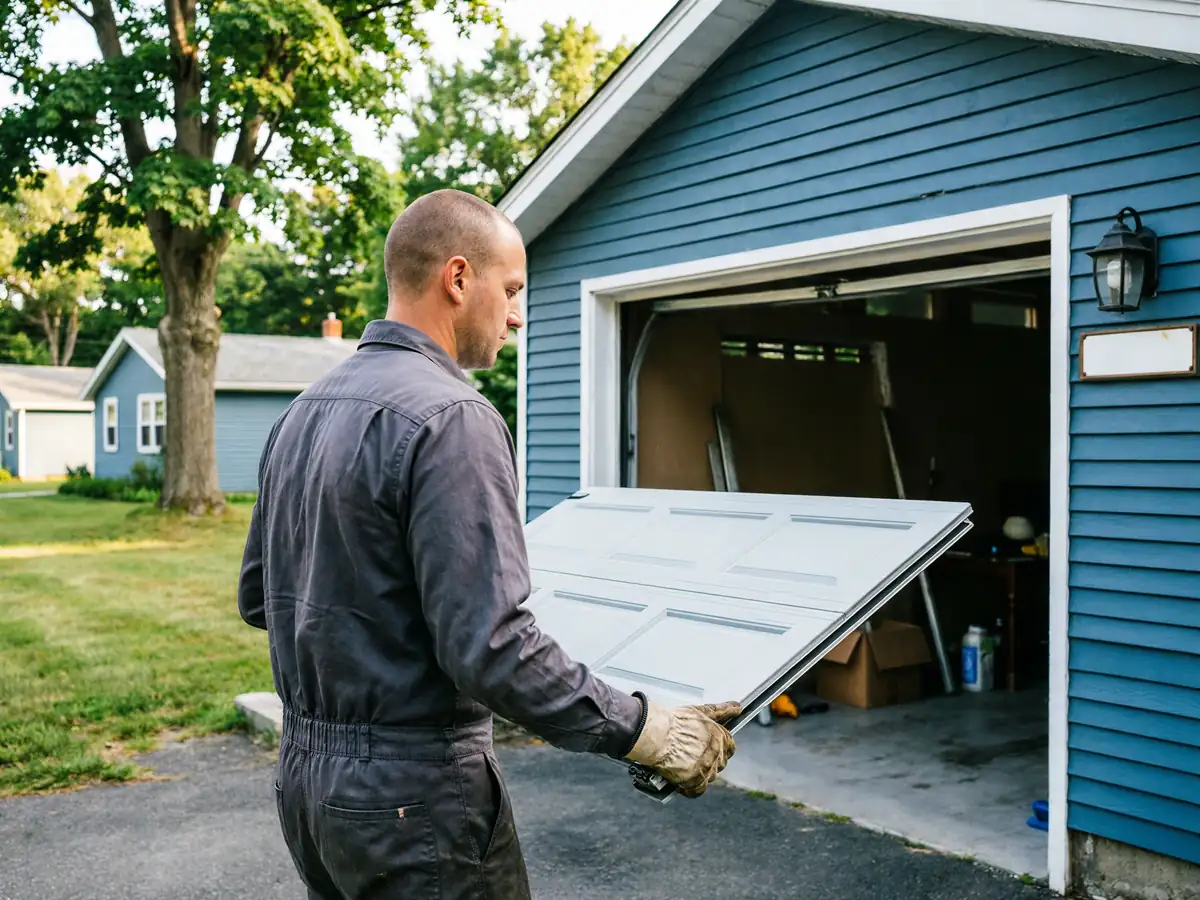
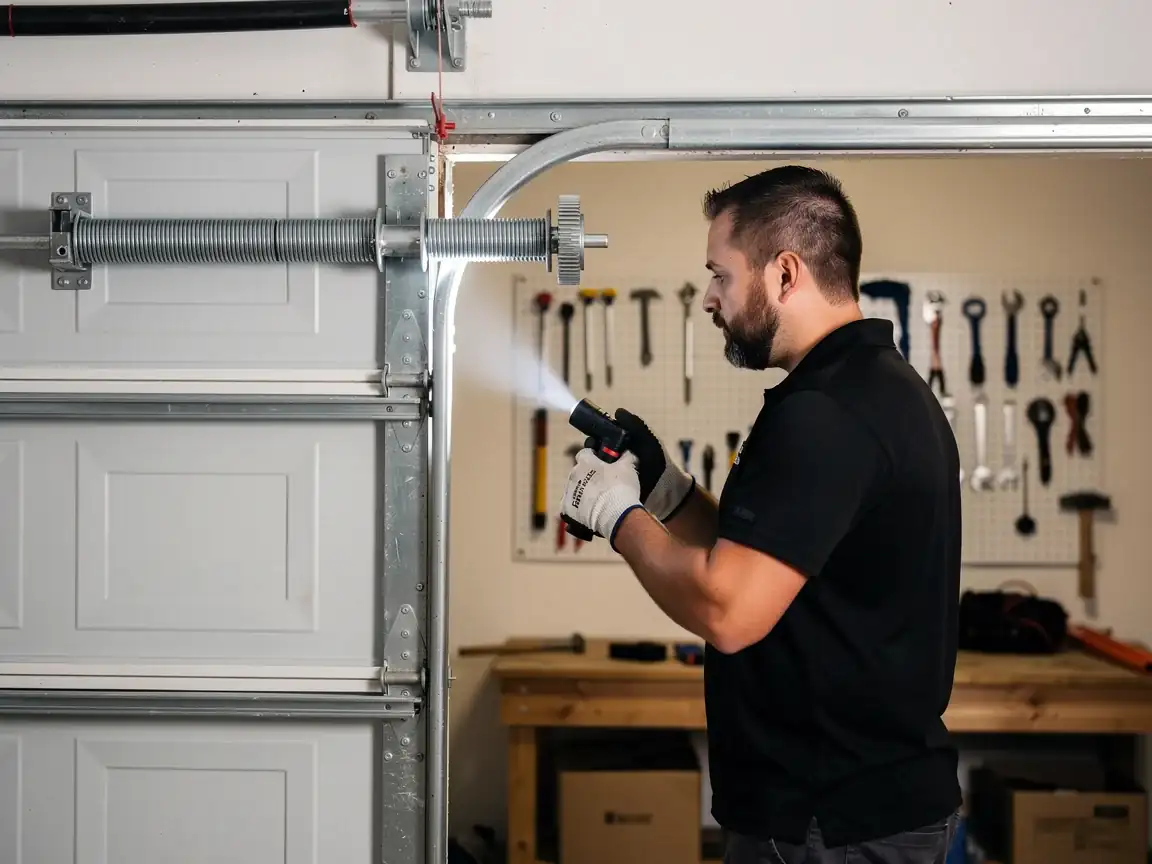
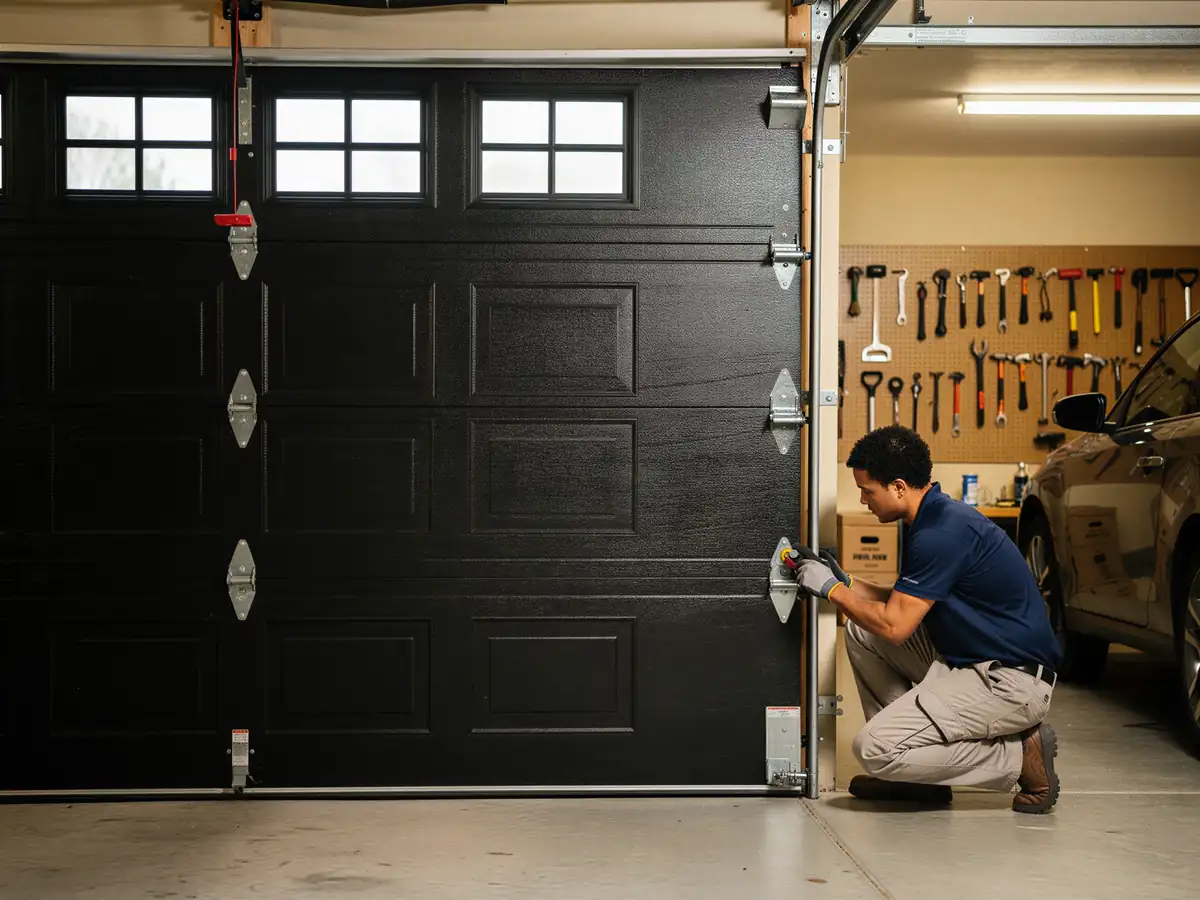
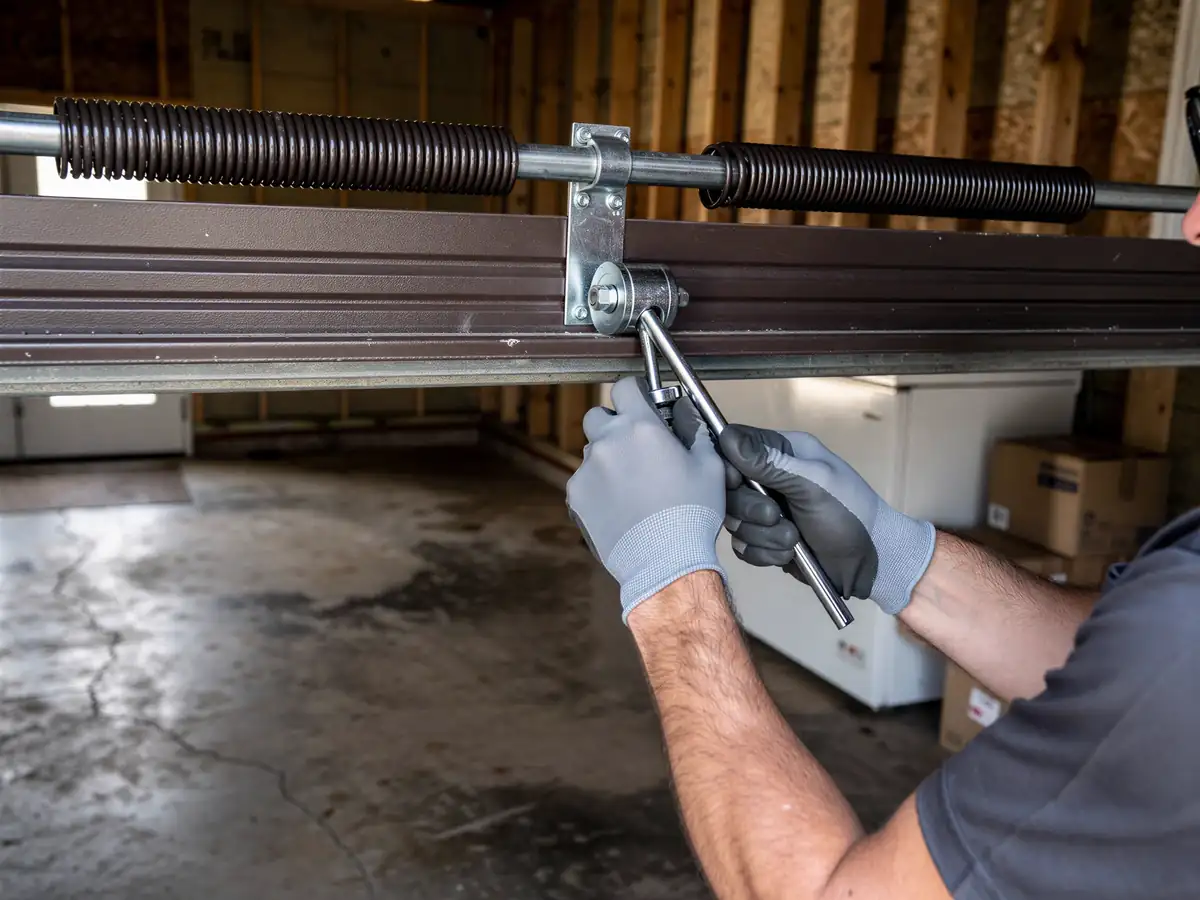
A straightforward panel swap on a newer sectional door is mechanical work: pull the fasteners, disconnect the hinges and rollers from the damaged section, set the new panel, reconnect, and check the track alignment so the door doesn't bind. On the older Westmont stock, the extra step is sourcing a panel that actually matches the existing seam height and hinge pattern - guessing wrong means a visible mismatch or a door that won't track true. We check spring tension and cable wear while we're in there, since a panel job is a reasonable time to catch a cable starting to fray before it becomes its own call. One honest limit: if the door is old enough that panels aren't available in a reasonable timeframe at all, replacing the full door is usually the better use of your money than chasing a one-off part indefinitely.
How it works
From “it’s stuck” to “it’s fixed”
1
Tell us what’s wrong
Describe the symptom - won’t open, loud bang, opener runs but the door won’t move.
2
On-site diagnosis
A technician tests the door under power and by hand and finds what actually failed.
3
Clear, up-front plan
You get the fix that’s needed and what drives the cost - before any work starts.
4
Repaired & tested
The repair is done, the door is set true and tested, and the work area left clean.
Next step
Not sure which repair your door needs in Johnstown, PA? Describe what it’s doing - every job starts with a diagnosis.
Will a replacement panel actually match my door's color and seam line?
On newer standard doors, yes, matching is straightforward. On the older steel doors common around Westmont's 1953-era housing, exact seam spacing and texture can be harder to match perfectly, and we'll show you the closest option before ordering anything.
How fast can someone get to Westmont from Johnstown?
The trip is about two miles, so travel time itself isn't the bottleneck on most jobs. What can add time is whether your panel is a standard size we carry or an older profile that needs to be ordered in.
Is it ever better to replace the whole door instead of one panel?
If the door is old enough that matching panels take a long lead time, or if more than one panel is damaged, a full door often costs less in the long run than chasing individual parts for a door built in the early 1950s.
Why do Westmont doors seem to have more rust along the bottom panel?
The area sits in a severe cold climate band, and a lot of the original steel doors here predate the better galvanizing and insulation used in later manufacturing, so bottom panels take the brunt of freeze-thaw and road salt exposure over the decades.
Ready to get your garage door sorted?
Tell us what it’s doing and where you are in Johnstown - we’ll take it from there.