Westmont, PA homes built around 1953 often run outdated chain-drive openers lacking modern safety reversal; we size and install openers to fit your door.
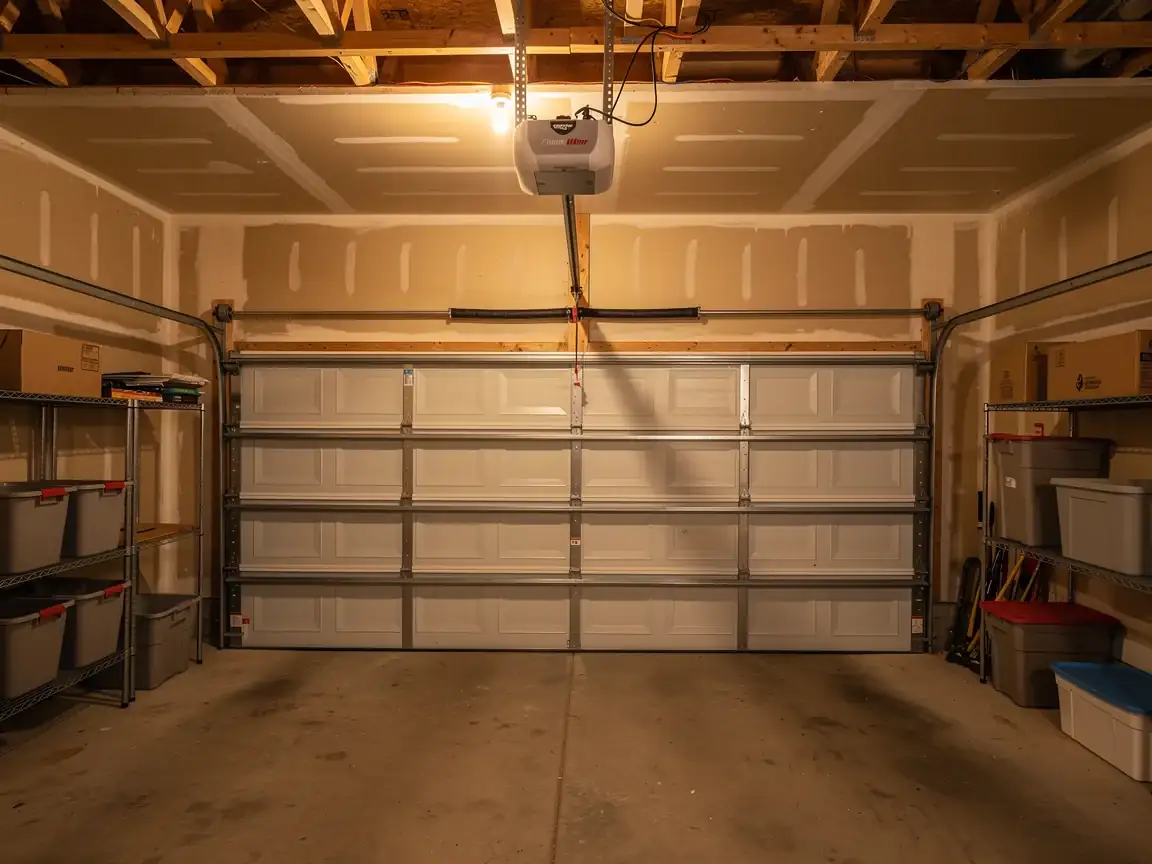
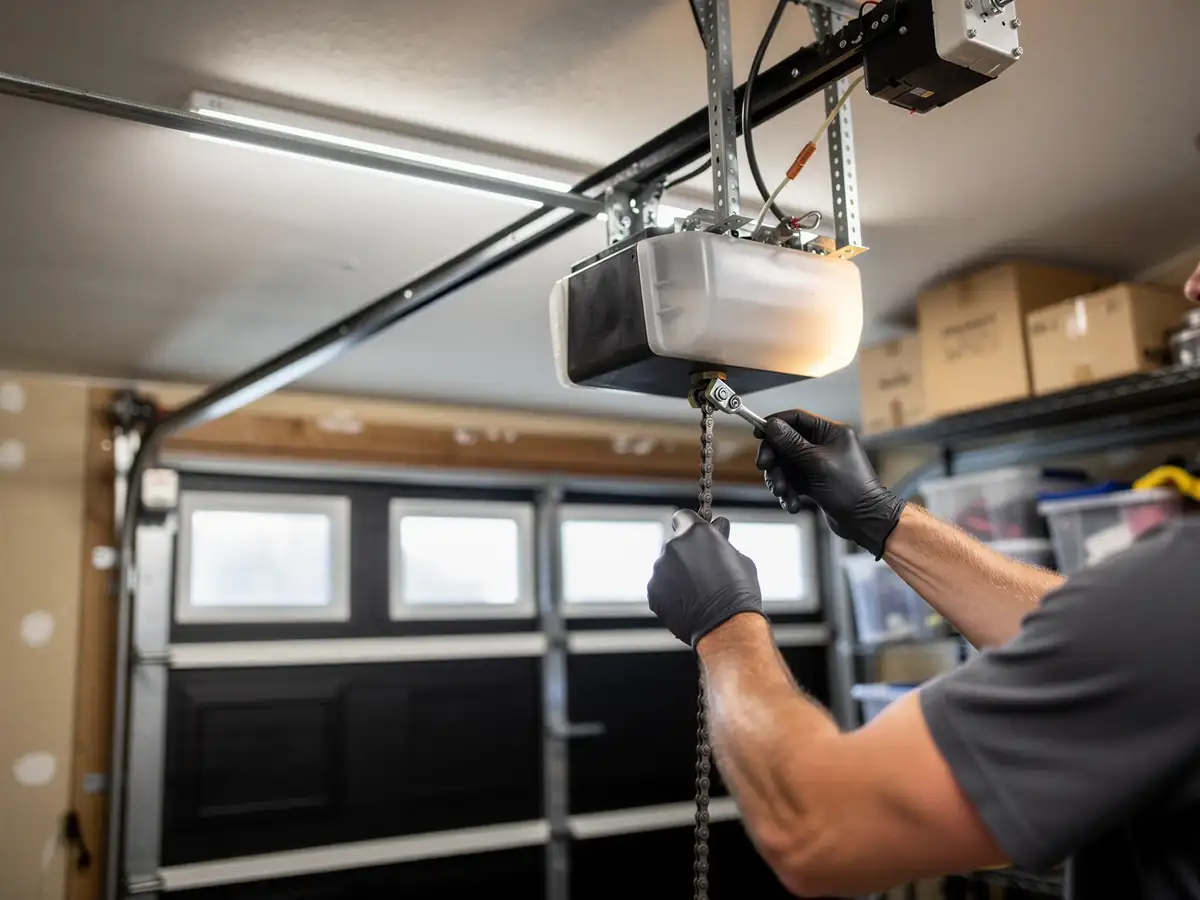
Most garages in Westmont went up around 1953, and the door hanging on that opener bracket is usually from the same build era as the house - a single, uninsulated wood or light-gauge steel panel, heavier per square foot than anything made today in the same size. That matters more than the opener brand. We carry motor units rated for that extra lift weight, not just the lightest unit on the shelf, plus rail kits sized for the lower ceiling clearance common in houses built in this period. With 1,969 households in Westmont and a median income well above the wider Johnstown service area's $56,795, we also carry belt-drive units as a stock option - quieter than chain drive, which matters if the garage sits under a bedroom, a layout you see a lot in houses from the early 1950s. We bring both drive types, several horsepower ratings, and the wiring hardware older houses usually lack: a dedicated circuit was not standard practice when most of this housing stock went in.
How Long You Are Without the Door
We run out of Johnstown, about 2 miles from Westmont, so there's no separate branch sitting closer - the truck is already stocked before it leaves. Once we're on site, the door itself generally stays usable through most of the swap: we disconnect the old opener, leave the door on manual release, and it can still be lifted by hand while the new rail and motor go in. The gap where you genuinely can't use the door is short - mounting the new unit, running the rail, and wiring the safety sensors low enough to clear the floor, which is the part that takes the most care on a 1950s-era slab that was never poured level to modern tolerance. We won't quote a fixed number of hours here because it depends on what the old mounting bracket left behind, but the door isn't sitting disassembled overnight.
How It Shows Up
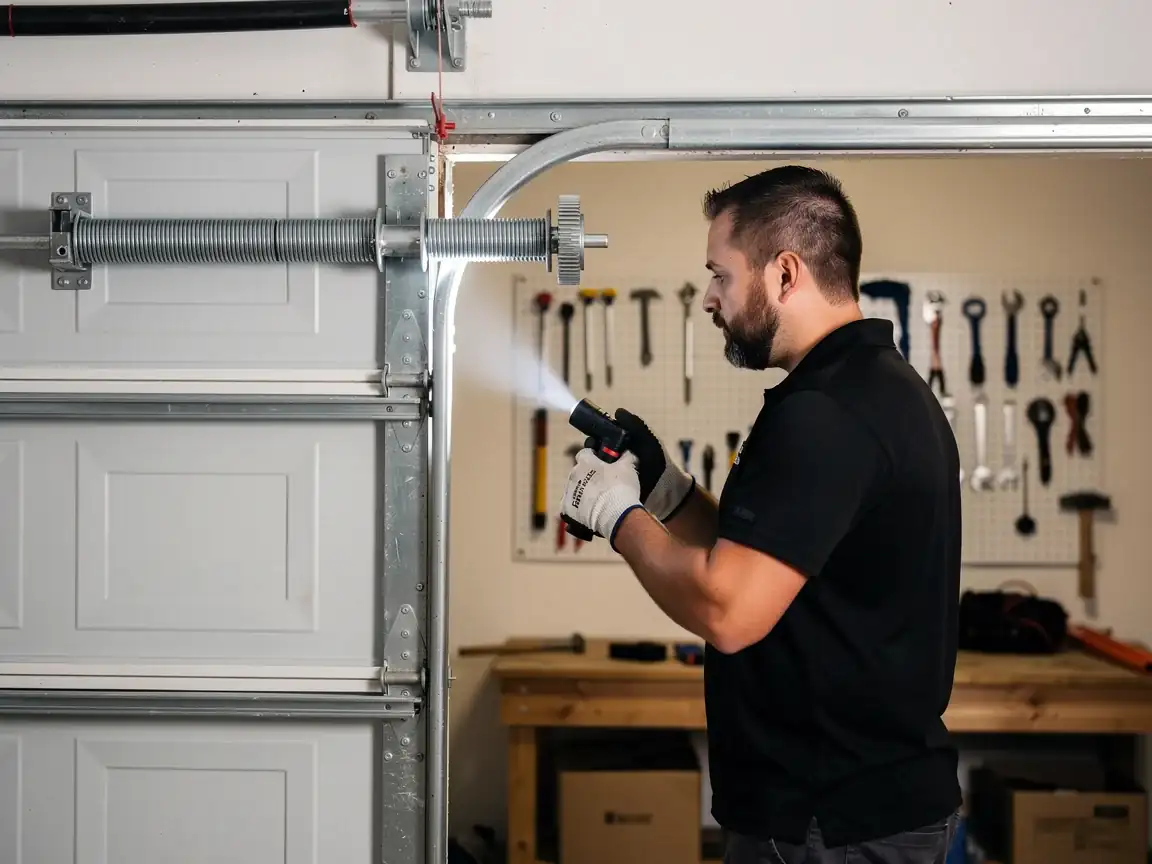
In houses built around 1953, the opener failure usually isn't dramatic - it's a slow list of small things. The motor runs longer than it used to before the door catches. The remote works from the driveway but not from the street. The door reverses for no reason on cold mornings, which in this climate band - classed cold and severe - points to grease inside the unit thickening up rather than anything wrong with the door itself. Older units from any era installed in these houses also predate the safety-reversal standard that's been required on new equipment since the early 1990s, so a door that doesn't stop and reverse when it meets resistance isn't a quirk, it's a unit that needs replacing, not adjusting. We see this pattern often enough in Westmont's older housing stock that it's usually the first thing we check, before touching springs or track.
What the Repair Takes
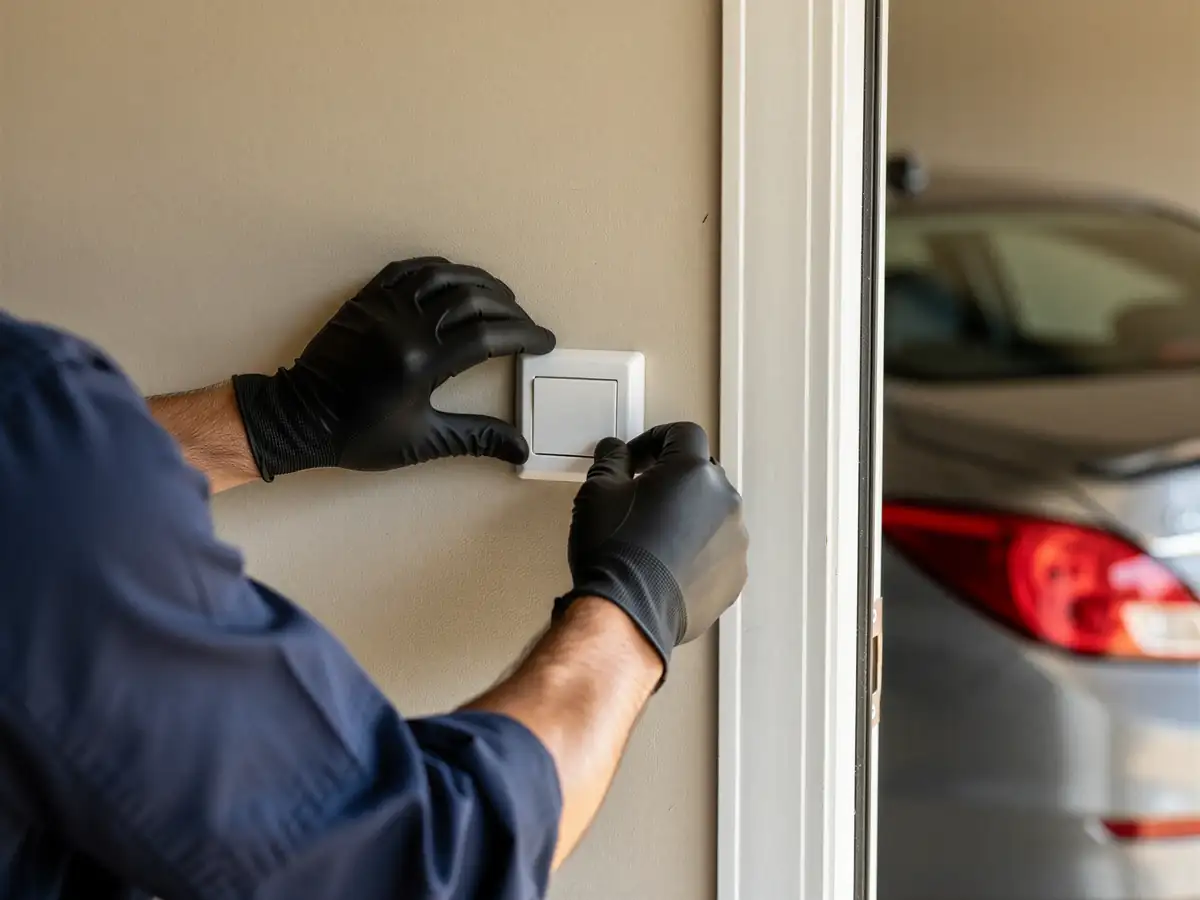
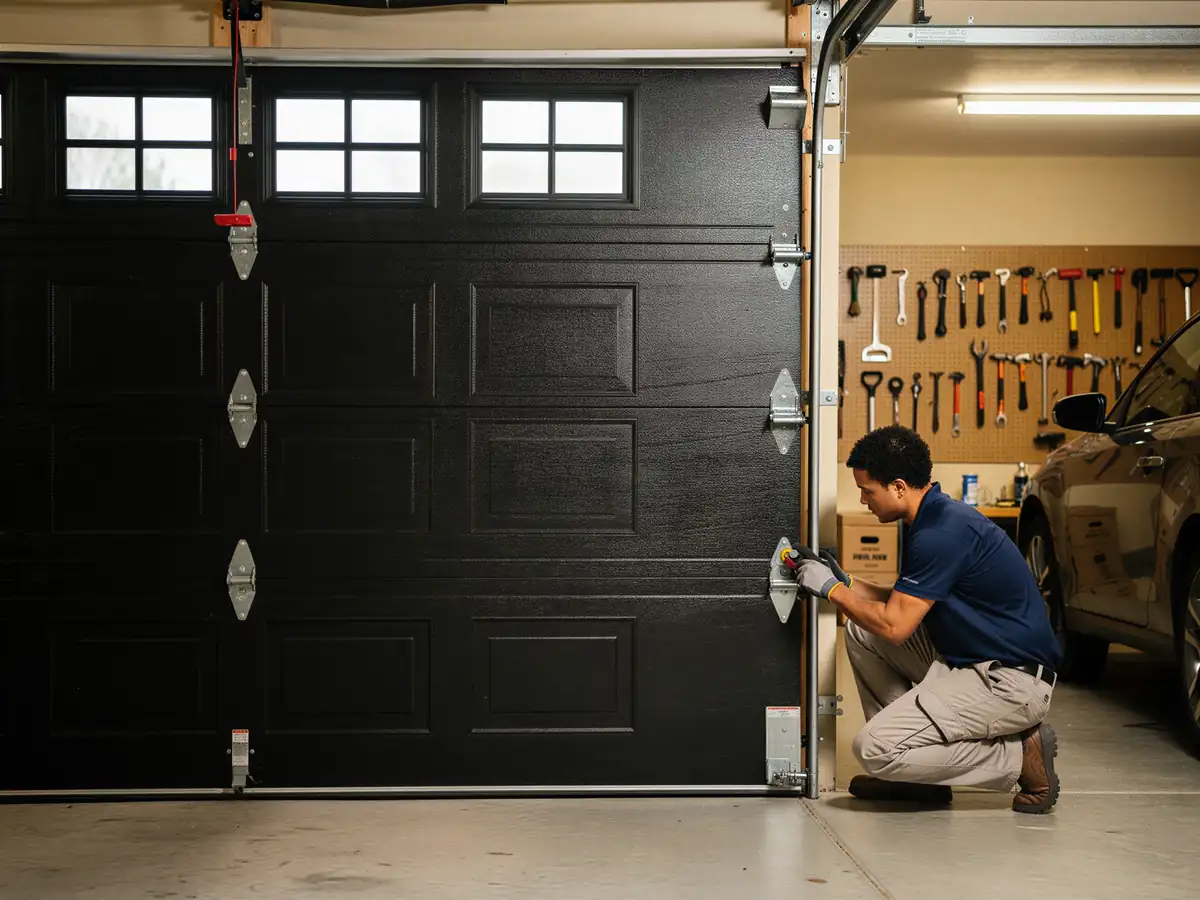
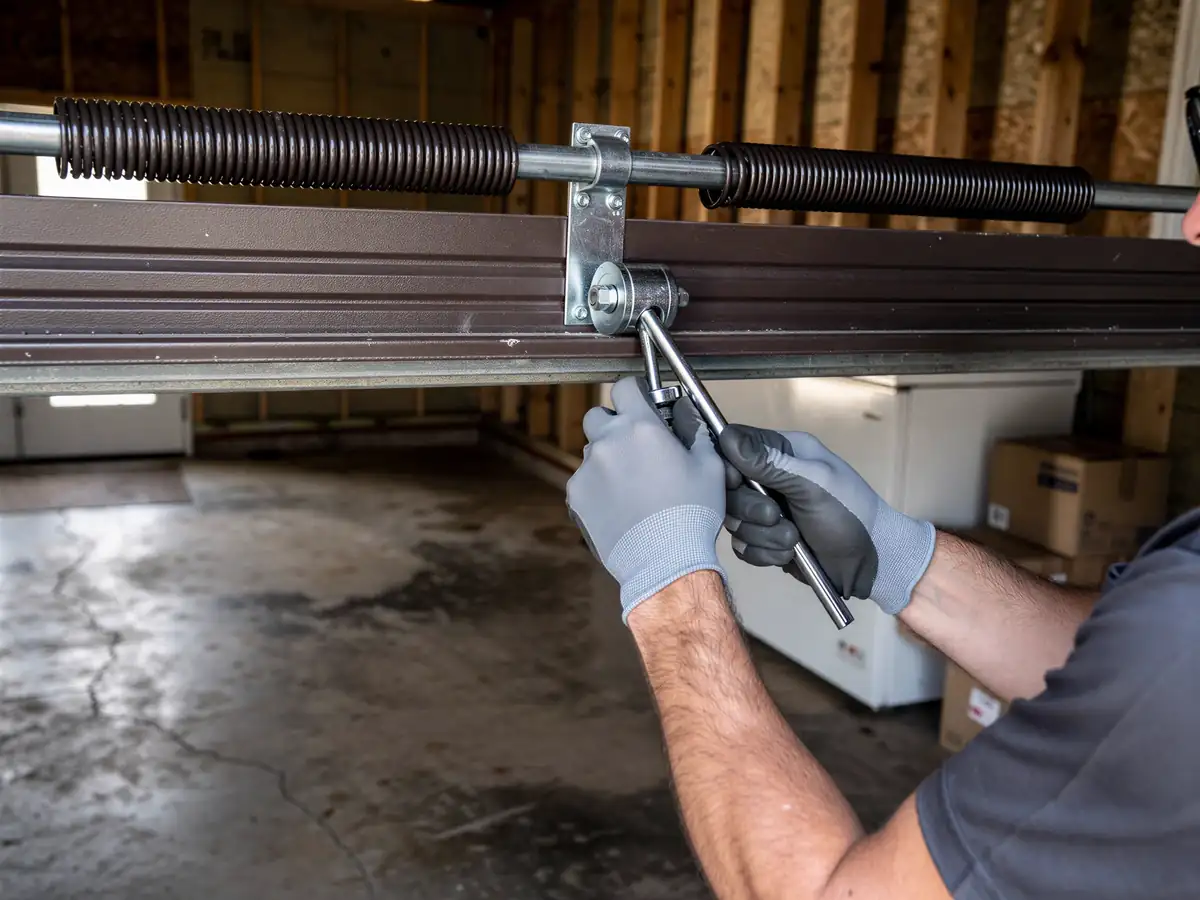
Installing a new opener means pulling the old motor head and rail, remounting to the header - which on a 1953-era frame sometimes needs a new backing plate since the original wood has dried and shrunk - and running a fresh down-force and safety-reversal test before we leave. We size the unit to the door's actual weight, not a guess, which is why we look at the door itself first, as covered on our Westmont door page. One honest limit: if the door's springs or cables are also shot, a new opener won't fix a door that won't balance on its own, and we'll say so rather than install a motor that's just going to strain against bad hardware. For households comparing this against Johnstown's own numbers, the city page covers that side of the service area: opener installation in Johnstown, PA.
How it works
From “it’s stuck” to “it’s fixed”
1
Tell us what’s wrong
Describe the symptom - won’t open, loud bang, opener runs but the door won’t move.
2
On-site diagnosis
A technician tests the door under power and by hand and finds what actually failed.
3
Clear, up-front plan
You get the fix that’s needed and what drives the cost - before any work starts.
4
Repaired & tested
The repair is done, the door is set true and tested, and the work area left clean.
Next step
Not sure which repair your door needs in Johnstown, PA? Describe what it’s doing - every job starts with a diagnosis.
Do you carry openers that fit older, heavier wood doors?
Yes. Houses in Westmont built around 1953 commonly still have solid wood or early steel doors that weigh more than modern equivalents of the same size, so we stock motor units rated for that extra lift weight rather than only the lightest consumer-grade unit.
Is my old opener even safe to keep running?
If it doesn't stop and reverse when it meets resistance, no. That safety-reversal requirement wasn't standard when a lot of Westmont's housing stock was built in the early 1950s, so an older unit may simply predate the rule rather than be malfunctioning.
Do you have a shop in Westmont?
No. We run out of Johnstown, about 2 miles away, and bring the opener, rail, and wiring stock with us on the truck rather than operating a separate branch location in Westmont itself.
Will a new opener fix a door that's hard to lift by hand?
Not on its own. If the door doesn't balance correctly when disconnected from the opener, the problem is the springs or cables, not the motor, and we'll flag that before installing a new opener against bad hardware.
Ready to get your garage door sorted?
Tell us what it’s doing and where you are in Johnstown - we’ll take it from there.