What Is on the Truck
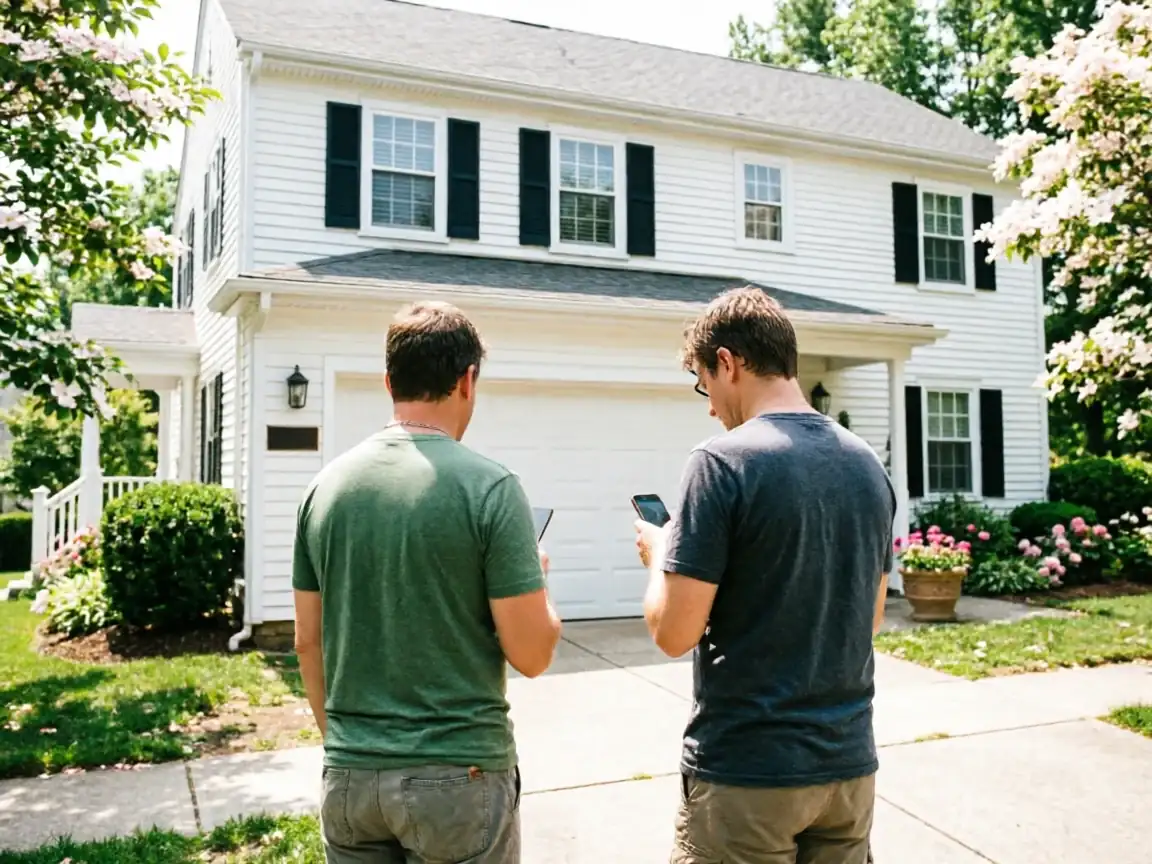
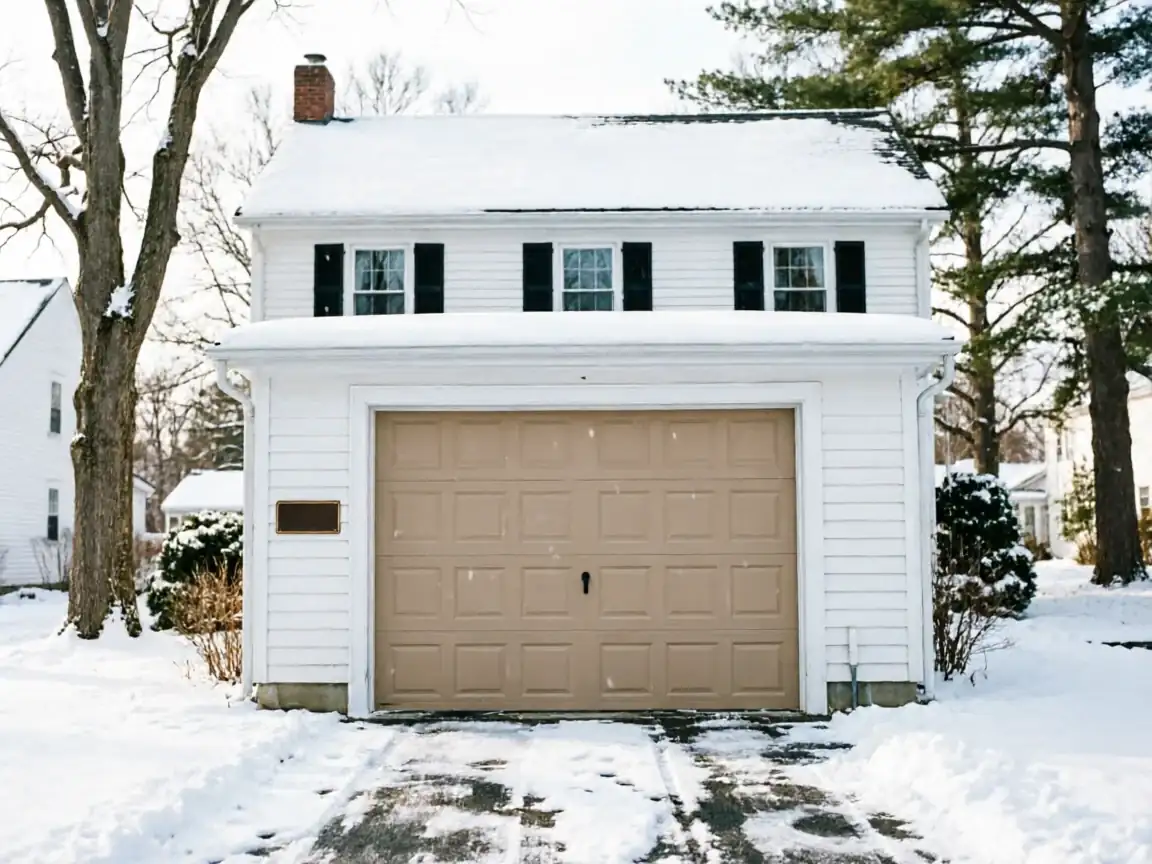
Westmont's median house went up in 1953, back when a garage door opened by hand on extension springs and nobody expected a motor on it
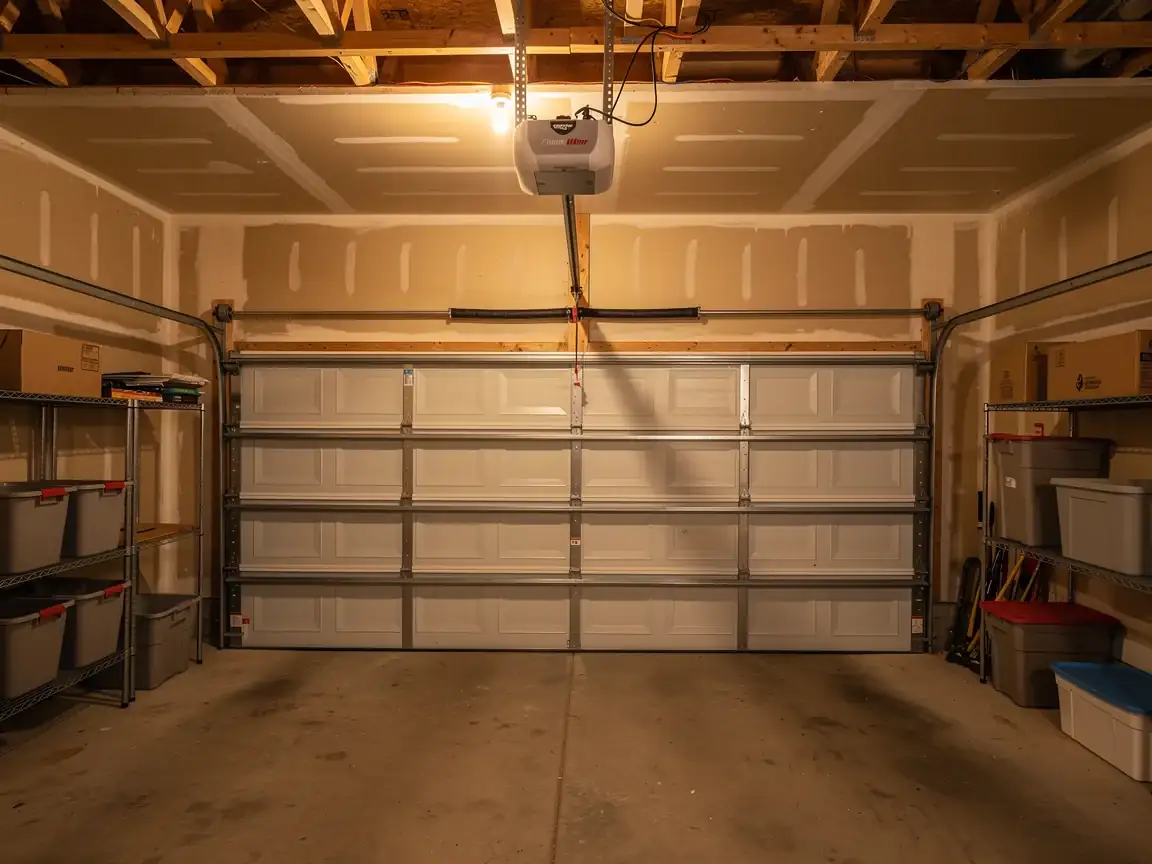
Openers got added later, in waves, which means what's bolted to the header today is rarely original to the house. We see screw-drive units from one decade next to a chain-drive swapped in during another, sometimes on the same street.
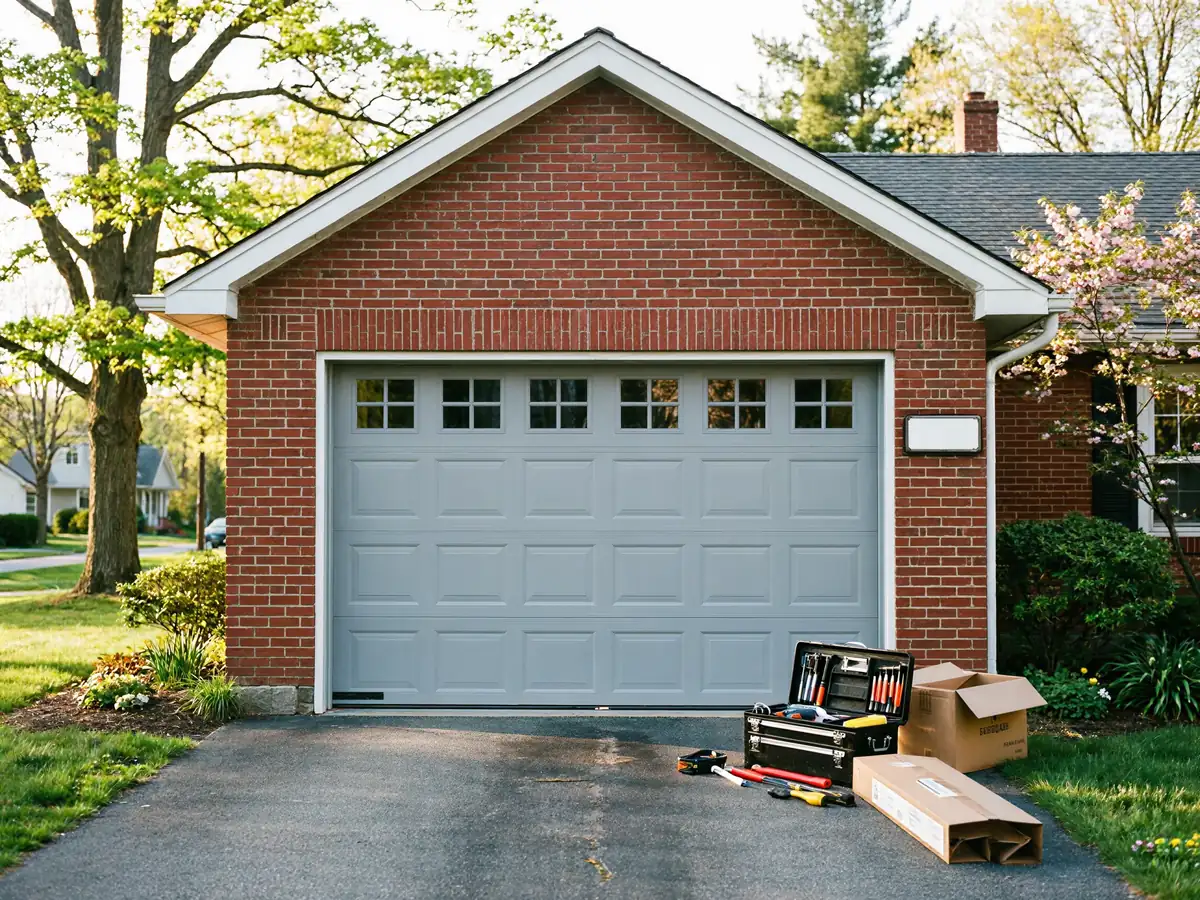
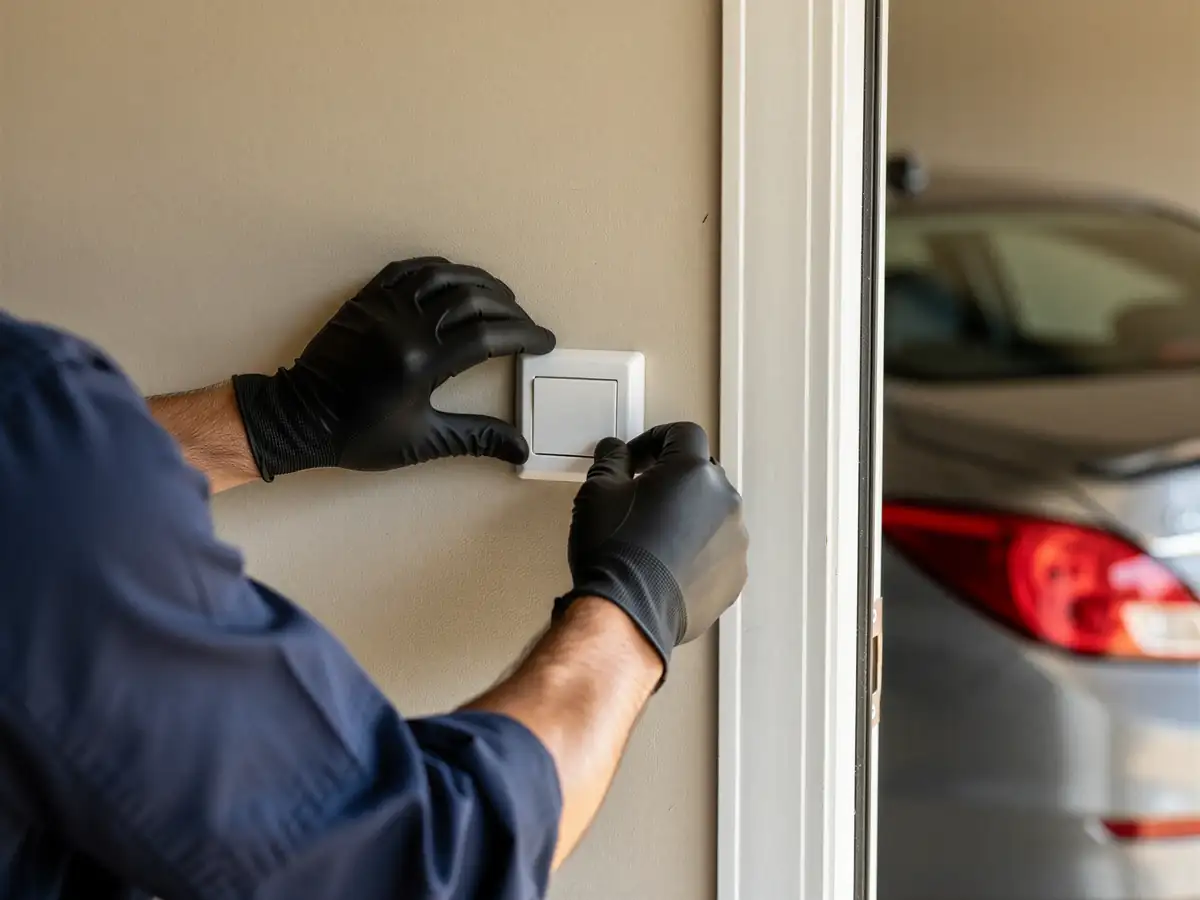
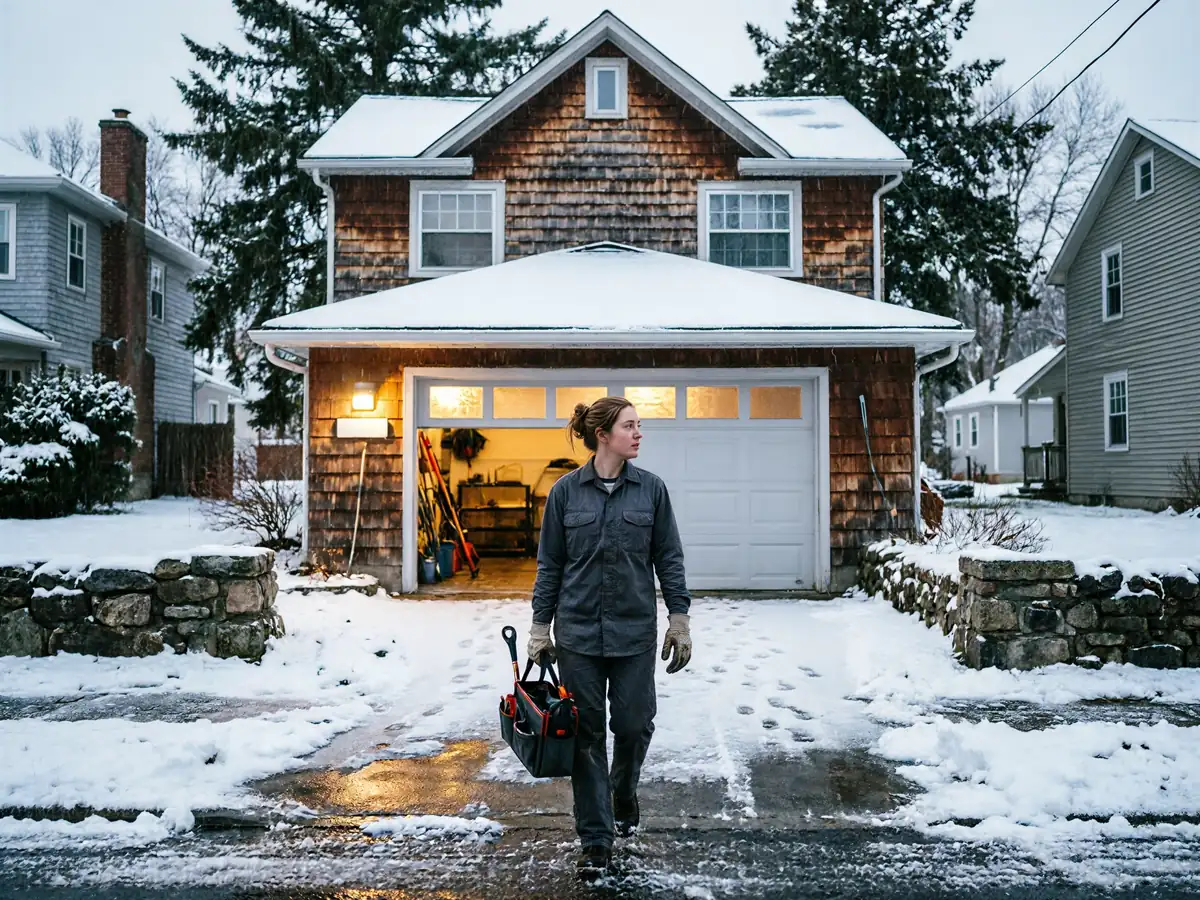
That history is why the truck carries universal logic boards, chain and belt drive kits, drive gears, capacitors, and retrofit safety-sensor kits for doors that got an opener before photo-eyes were standard equipment
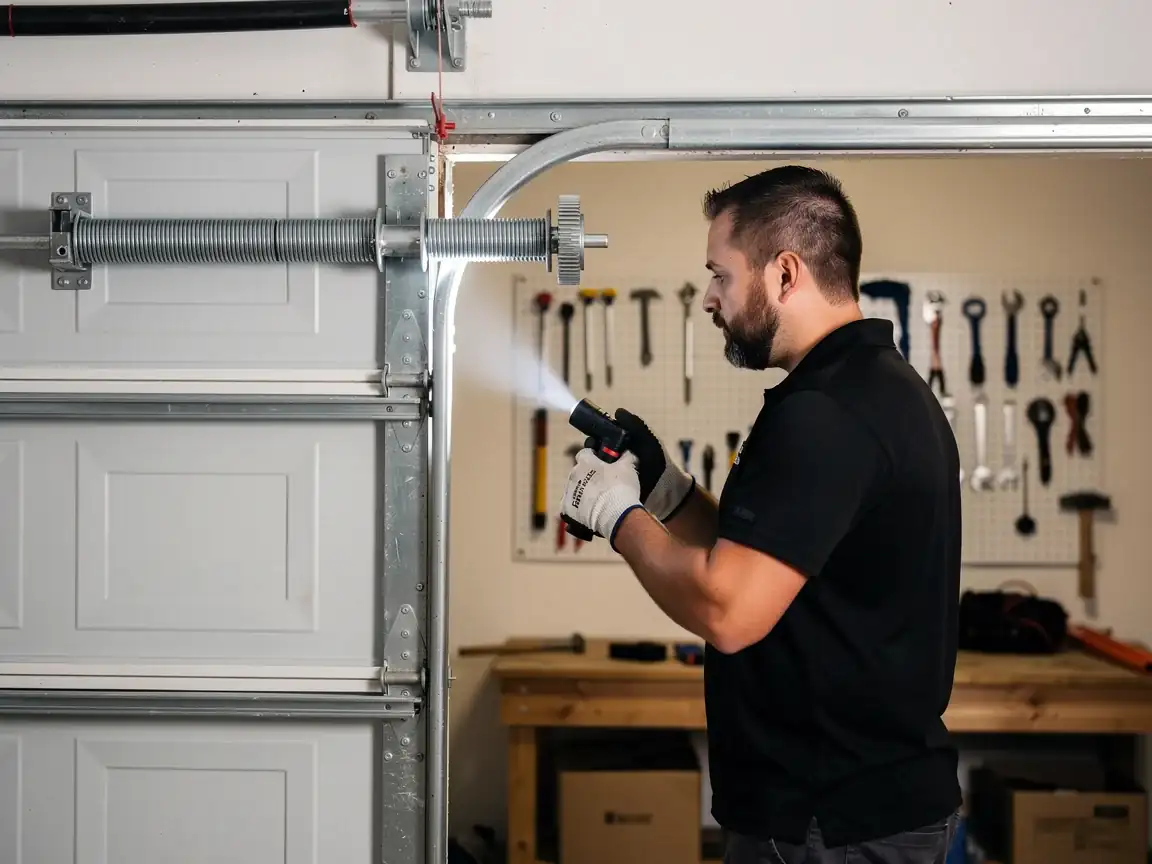
We also carry basic screw-drive lubricant, because dry rail noise is one of the most common calls we get on houses this age.
What we don't carry is every manufacturer's proprietary circuit board
If your opener is a less common brand and the board itself is dead, that part sometimes has to be ordered, and we'll tell you that on the spot instead of pretending otherwise. Most jobs here are mechanical, not electronic, and those we close out same visit. For the door itself, not just the opener, see our Westmont garage door page.
How Long You Are Without the Door
We run out of Johnstown, and Westmont sits about two miles from there, so getting a truck to you isn't the long part of the job. The variable is what's actually wrong once we're looking at it.
A stripped drive gear, a worn sprocket, a dead capacitor, a misaligned safety sensor - those are parts we carry and fix in one visit regardless of which Westmont block you're on. A failed circuit board on an opener brand we don't stock is the exception, and on a house from the early 1950s era that's had two or three openers cycle through it over the decades, you can end up with a brand that's no longer common.
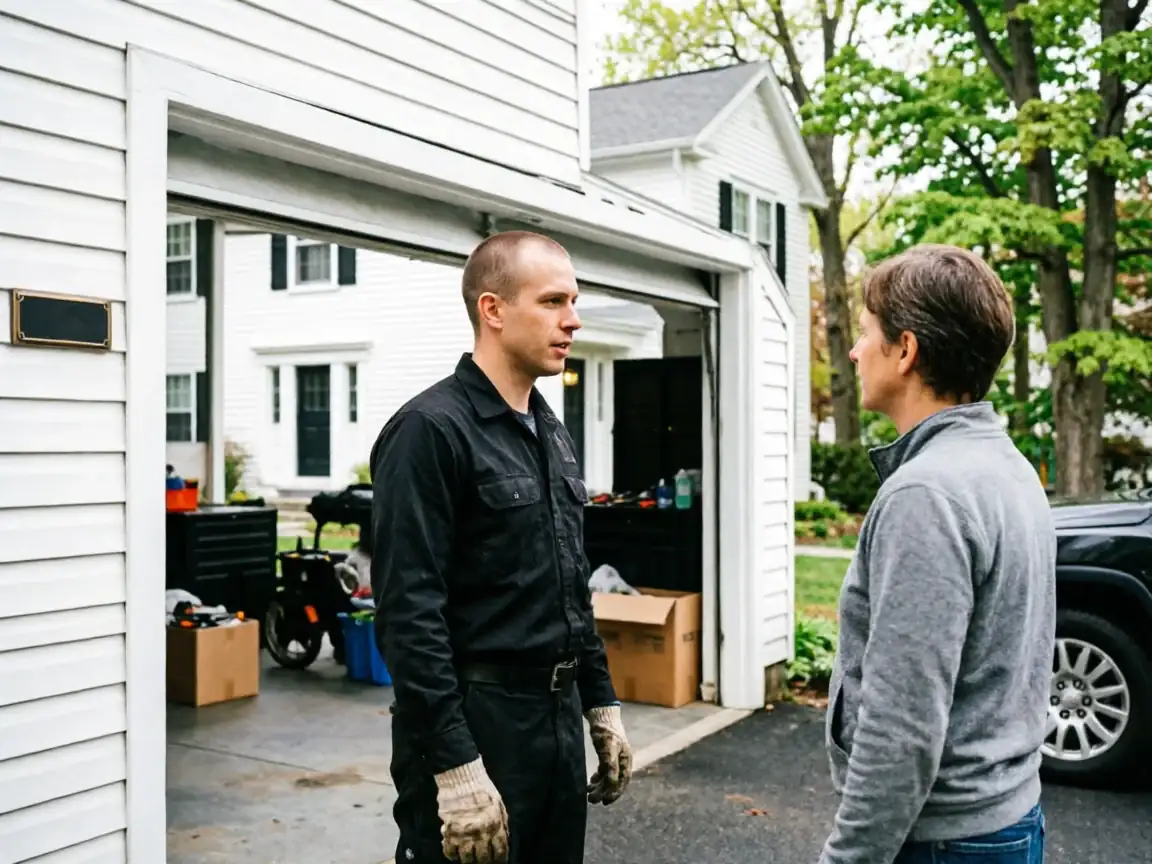
We don't quote a response window here because the two miles from Johnstown isn't what decides the timeline - the part does. What we will do is tell you honestly, at the door, whether you're looking at a same-visit fix or a short wait on a part, instead of guessing out loud.
How It Shows Up
Westmont's median household income runs well above the broader Johnstown-area figure of $56,795, and that shows up in the opener fleet: more houses here have had the opener itself upgraded at some point, rather than running the original unit into the ground. So the failure pattern splits two ways.
On houses where the opener's been replaced more recently, we mostly see electronic faults - a logic board that won't hold a code, a sensor that's drifted out of alignment, remotes that stop syncing. On houses still running an older unit, it's mechanical: a worn drive gear that lets the motor run while the door sits still, a stripped sprocket, a chain or belt that's gone slack enough to skip.
Cold is the other variable. This area sits in a severe cold climate band, and screw-drive units especially will squeal and bind as grease stiffens in winter, which owners often mistake for a dying motor when it's really just lubrication. We check that before we touch anything electrical.
What the Repair Takes
First visit is diagnosis before parts
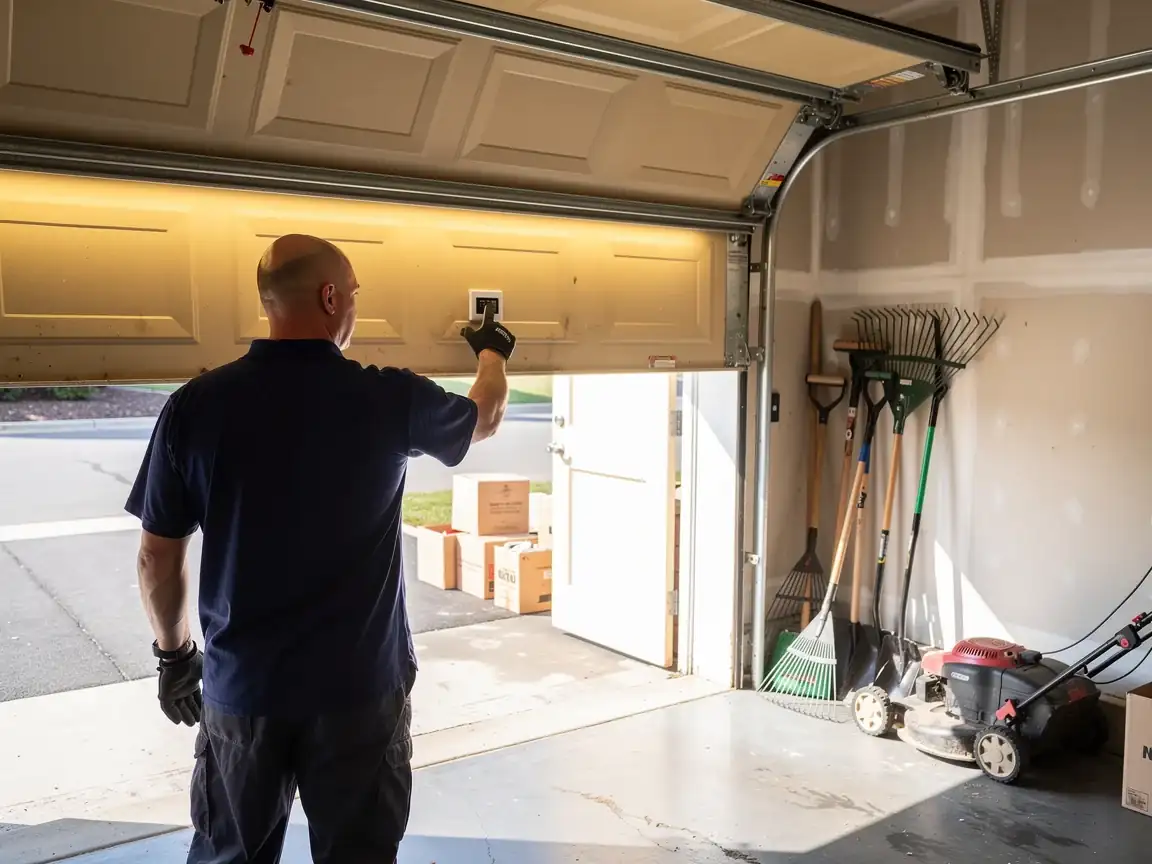
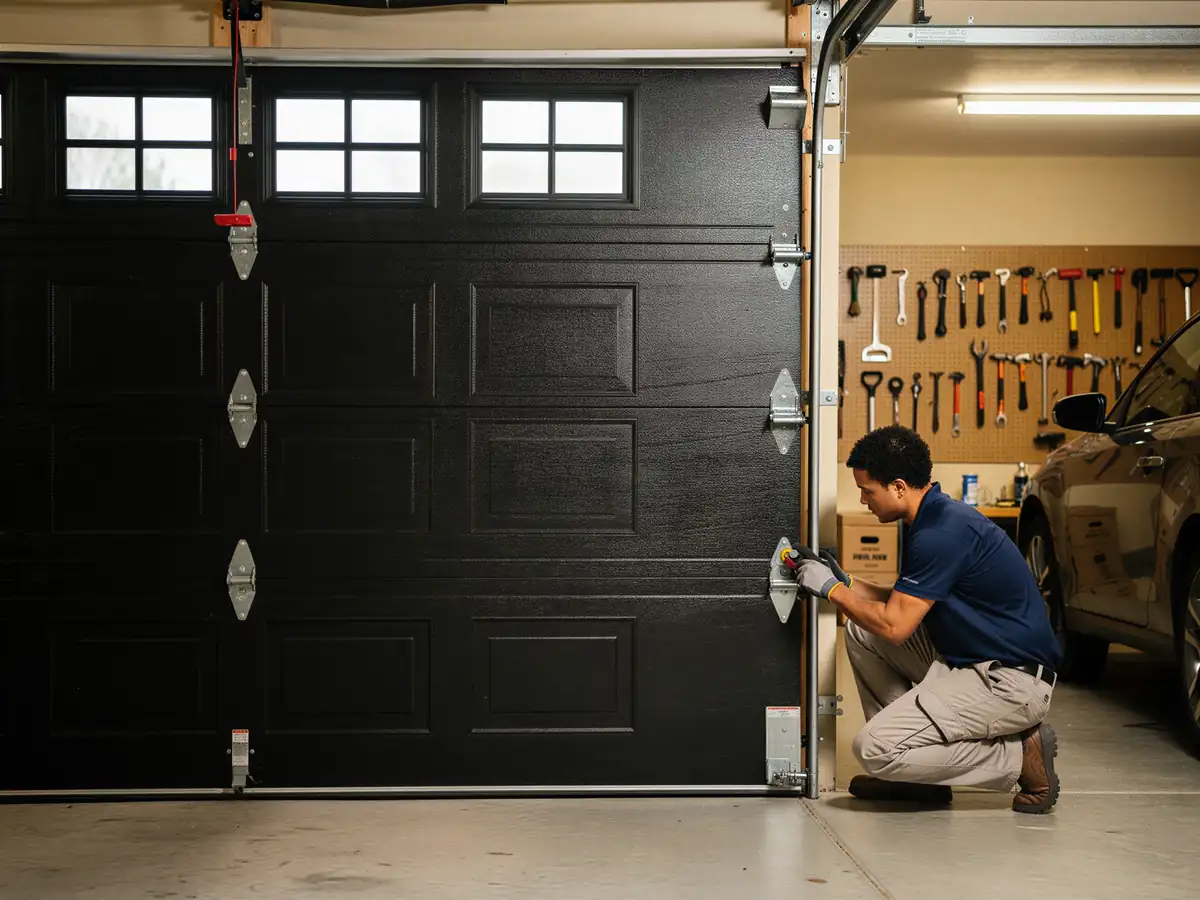
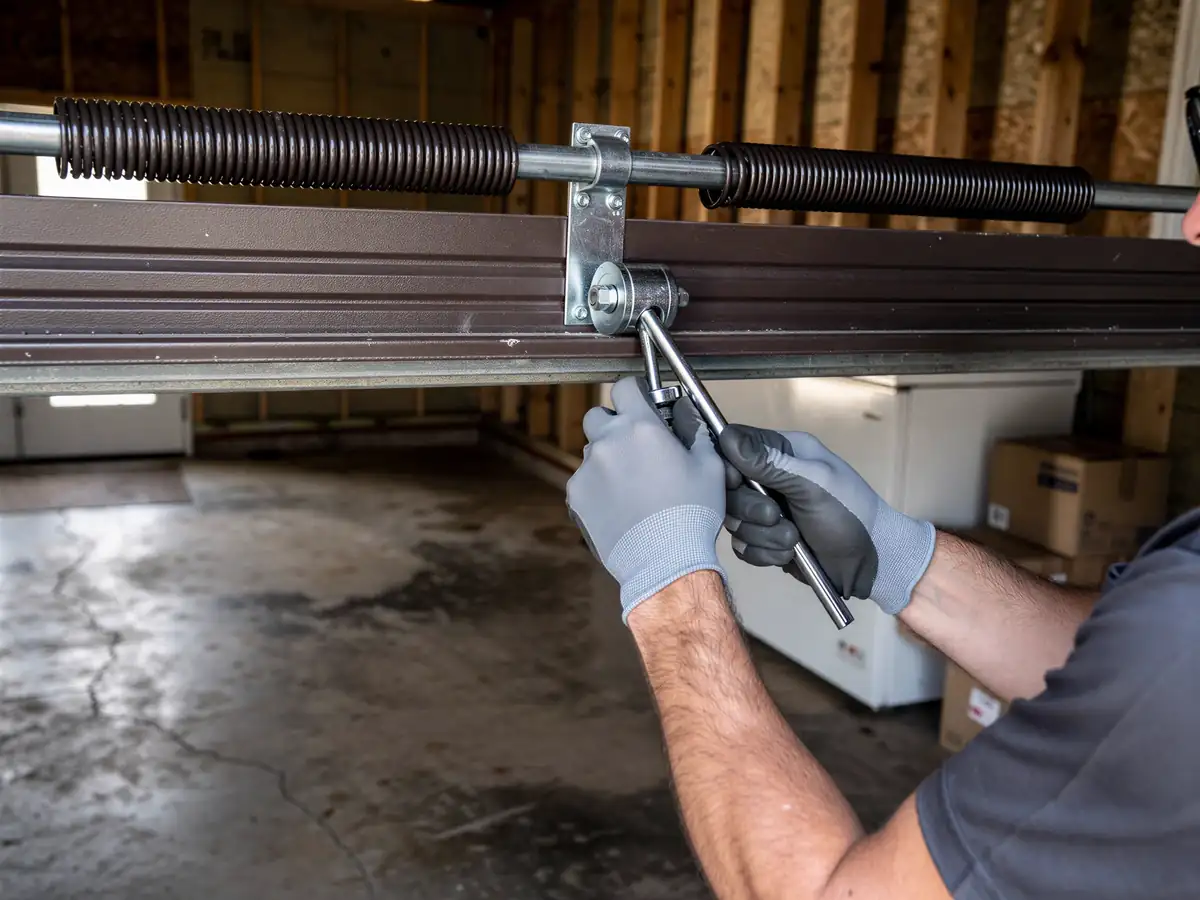
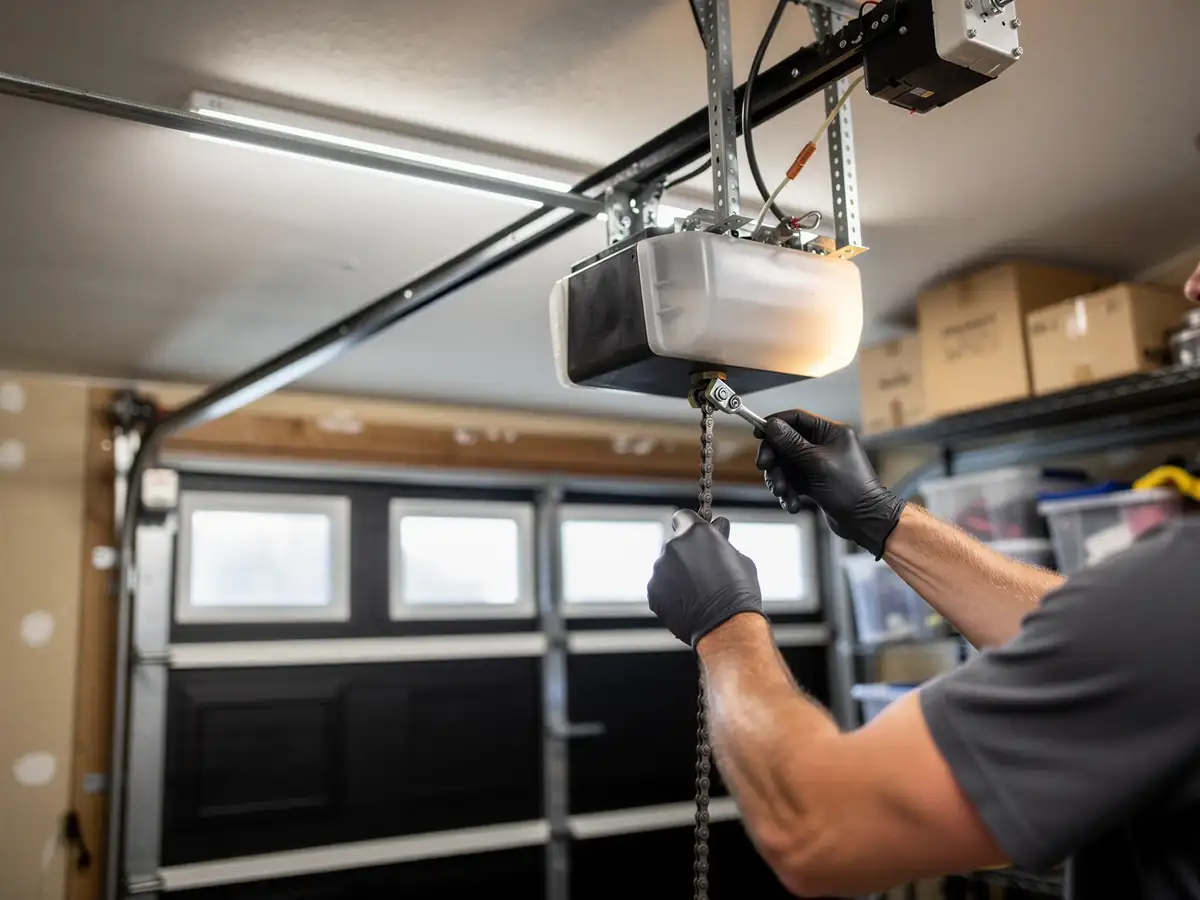
We run the opener through its cycle, listen for where the sound changes, and check whether the fault is in the motor, the drive mechanism, or the safety circuit. On a house with 1953-era bones, we're also checking whether the opener was ever matched properly to the door's spring weight - an opener strains and fails early if it's fighting springs sized for a heavier or lighter door than the one it's lifting now.
Most repairs are a drive component swap
Gear, sprocket, belt, or chain - plus a sensor realignment and a lubrication pass, all done in one visit. Capacitor and board failures get diagnosed the same day even when the part has to be ordered.
The honest limit: if the opener is old enough that its safety circuit can't be brought up to a working standard, or the motor itself has gone
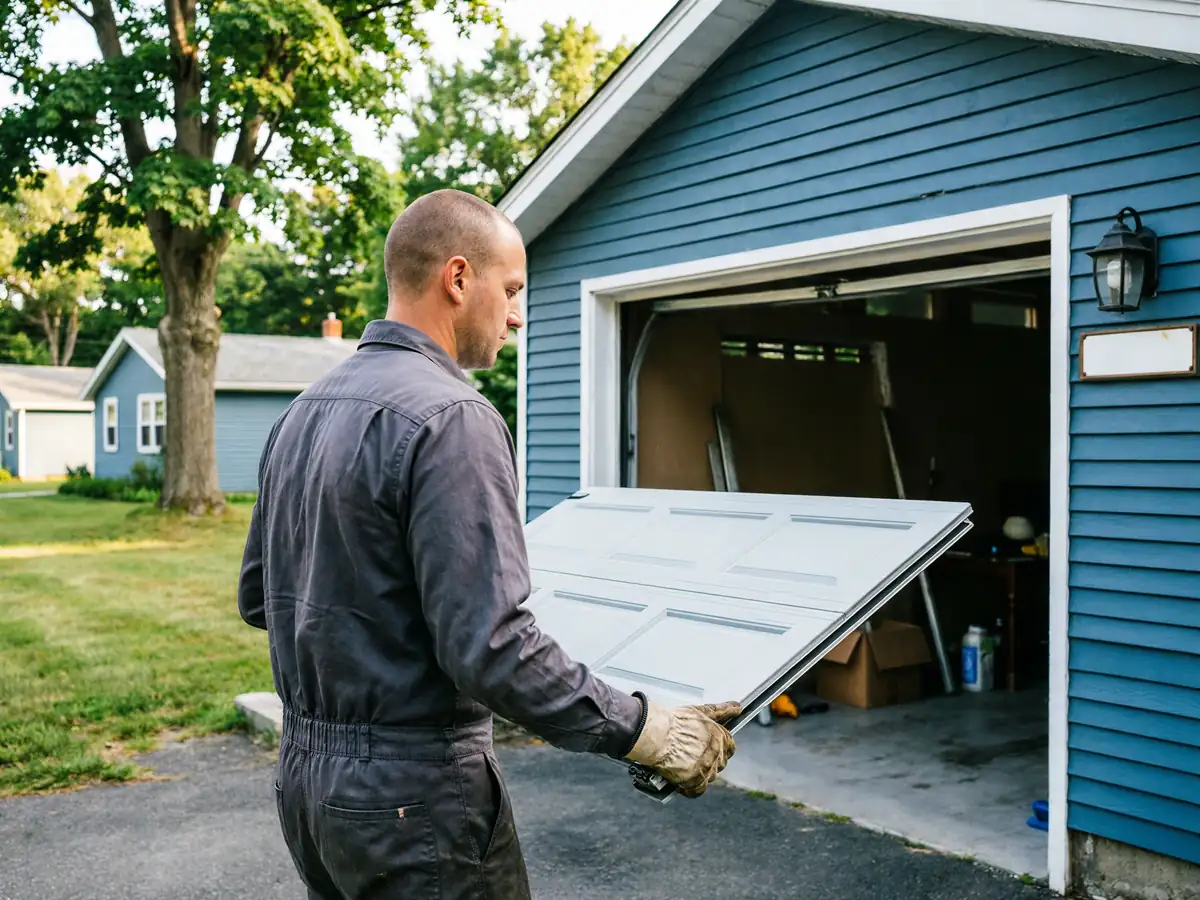
Replacement is the better call over another round of patch repairs. We'll say so rather than keep billing small fixes to a unit on its way out. For broader work on the door and track, our Westmont page covers that; for the opener side of things in Johnstown proper, that's a separate page too.