What You Pay
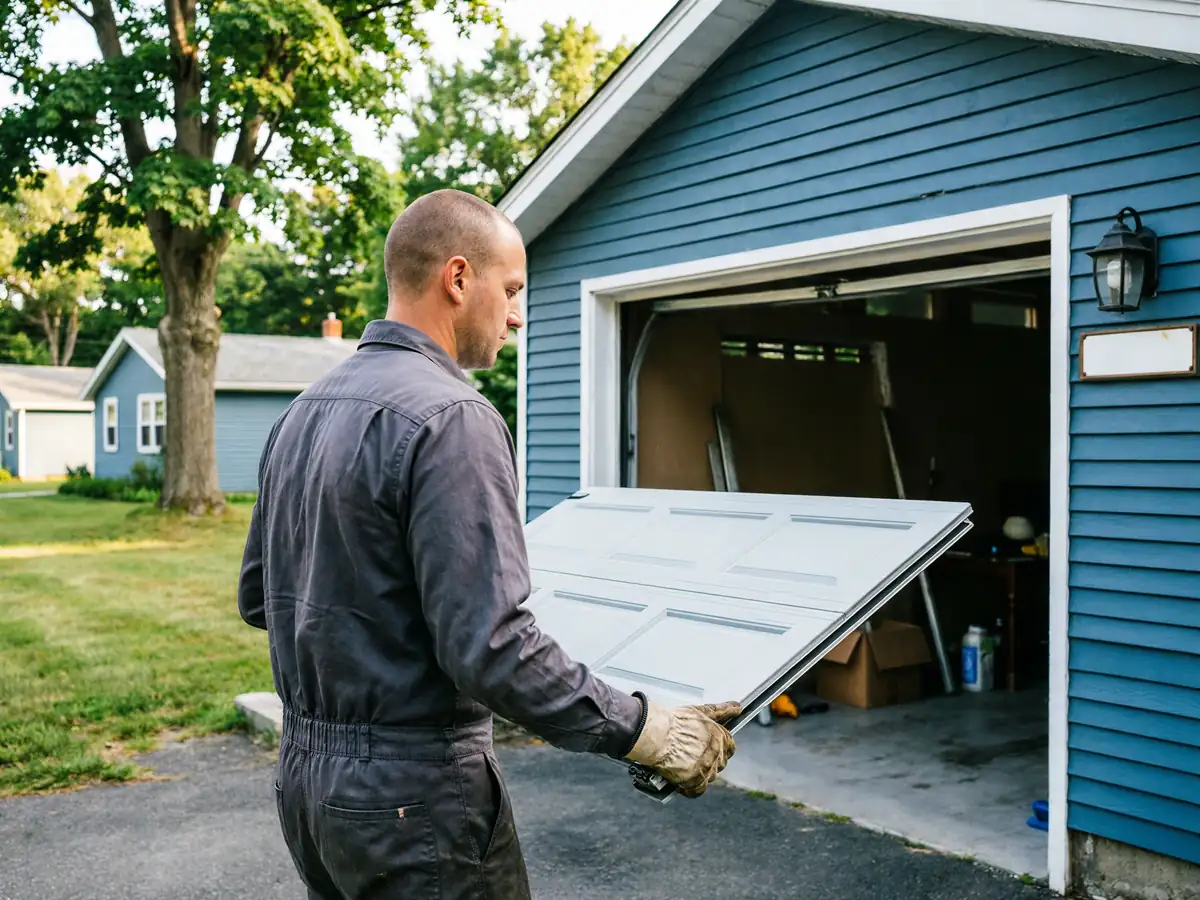
We don't publish a flat number for spring repair because the price depends on the spring type, the door weight, and whether one spring failed or both need replacing on a matched pair - and we're not going to quote one on a page you're reading before anyone's looked at your door. What we can tell you is that in a household income band like Elim's, where the median runs $64,597, most folks want the repair priced straight: parts and labor, no mystery add-ons, no upsell to a full door replacement unless the torsion tube or the drums are actually damaged too. If your opener and track are sound, spring repair is usually the whole job. We'll tell you on site if we see something else going on - a bent track or a worn cable that's close to failing - before we touch it, not after.
How to Book
Since Elim doesn't have its own branch, every job here runs out of the Johnstown shop, which is part of why the two-mile distance keeps things simple on scheduling. Call and describe what the door's doing - whether it's stuck down, stuck up, or just making noise - and we'll get a truck routed out. If you want to see the rest of what we handle in Elim beyond springs, that's on our Elim garage doors page. If you're comparing spring repair pricing or process across the wider area, the main Johnstown spring repair page covers that in more depth.
Can You Do This Yourself
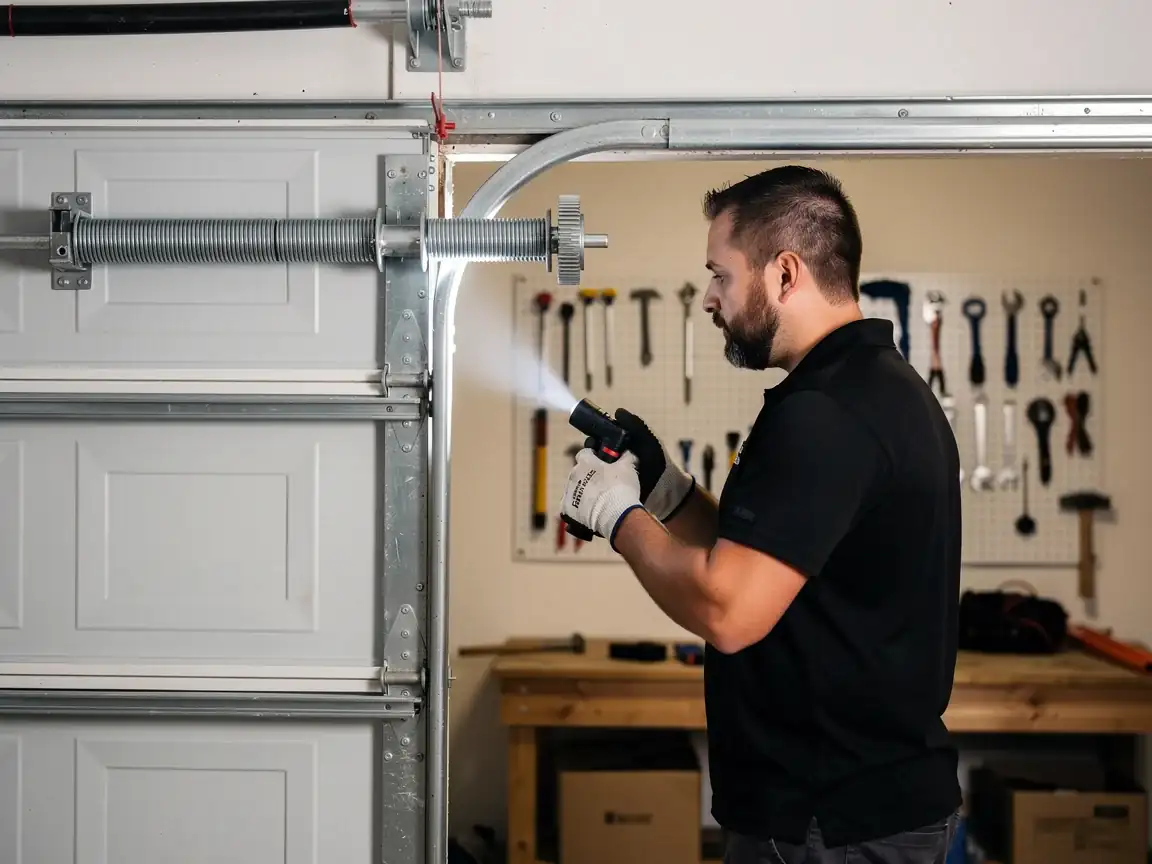
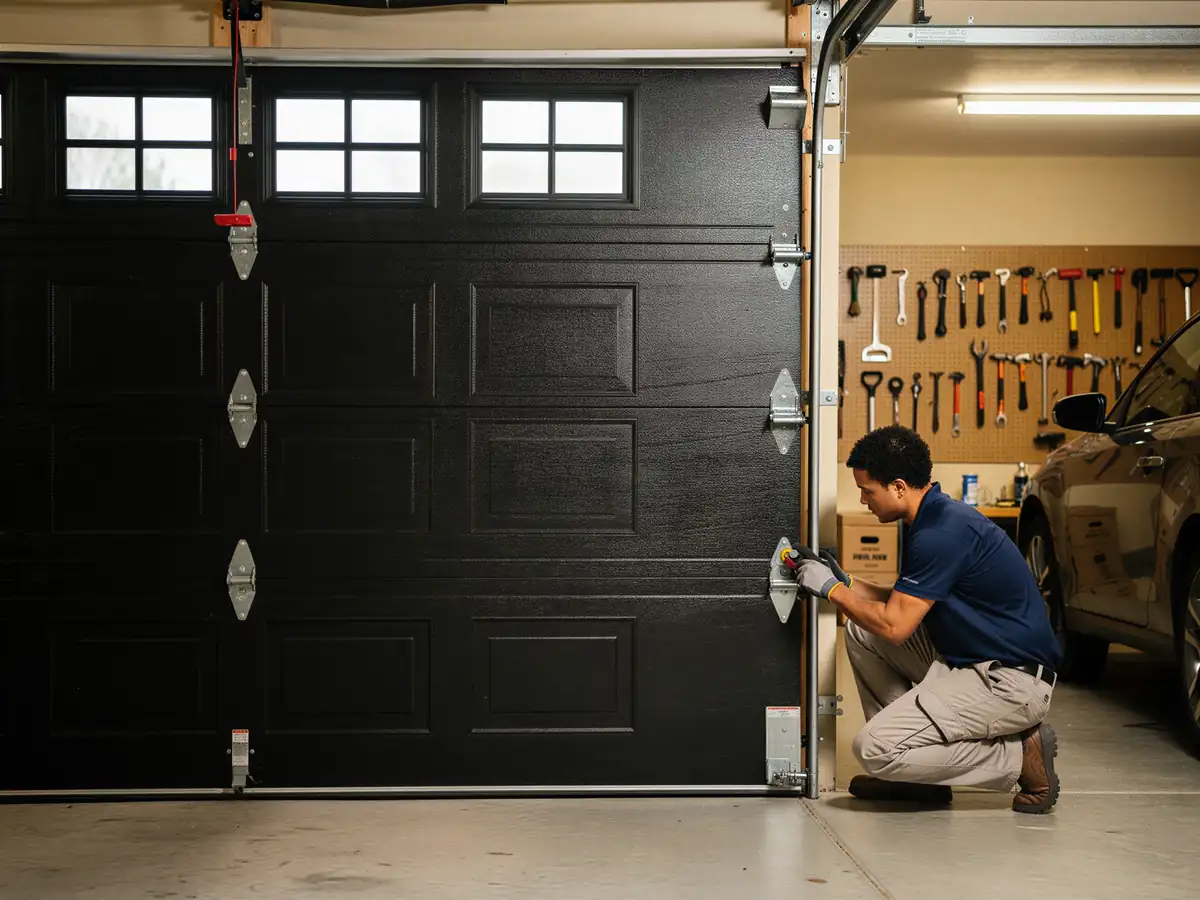
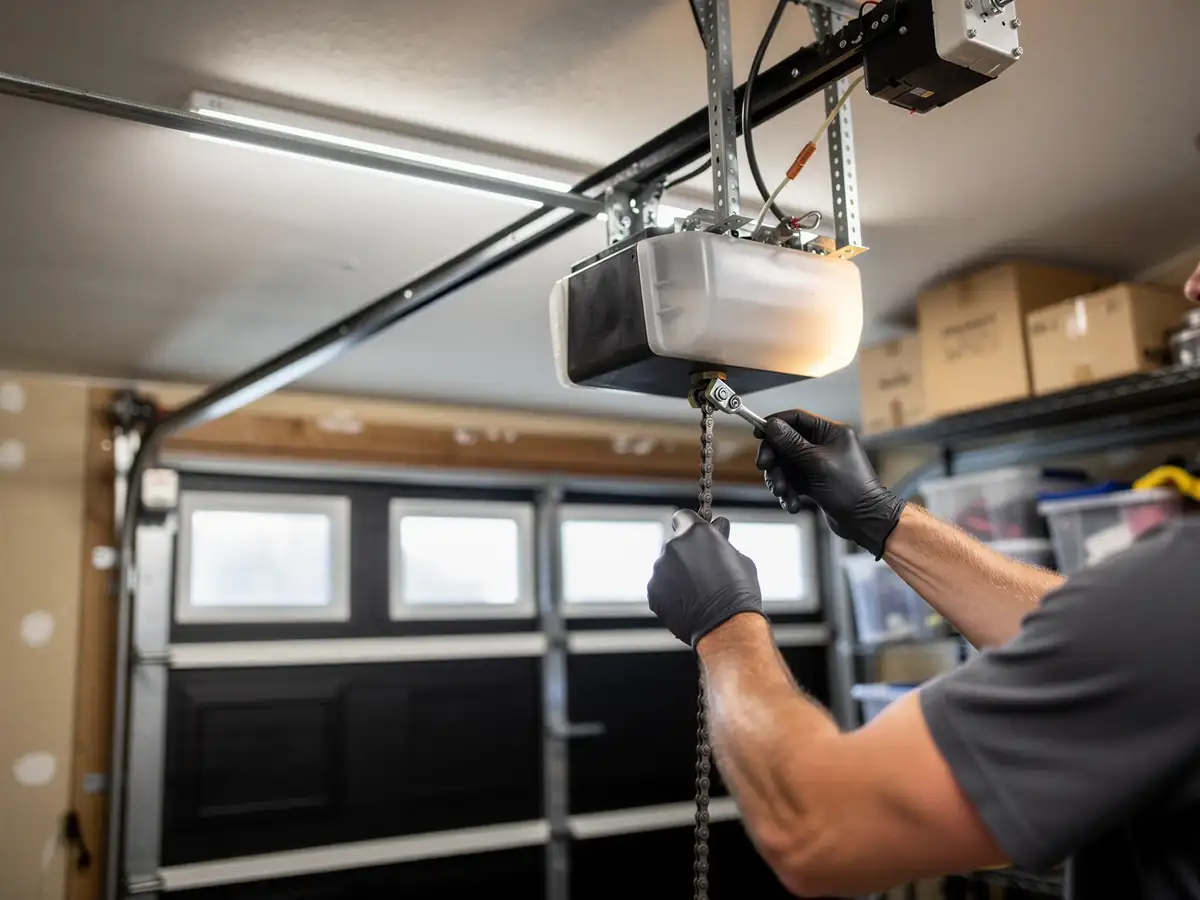
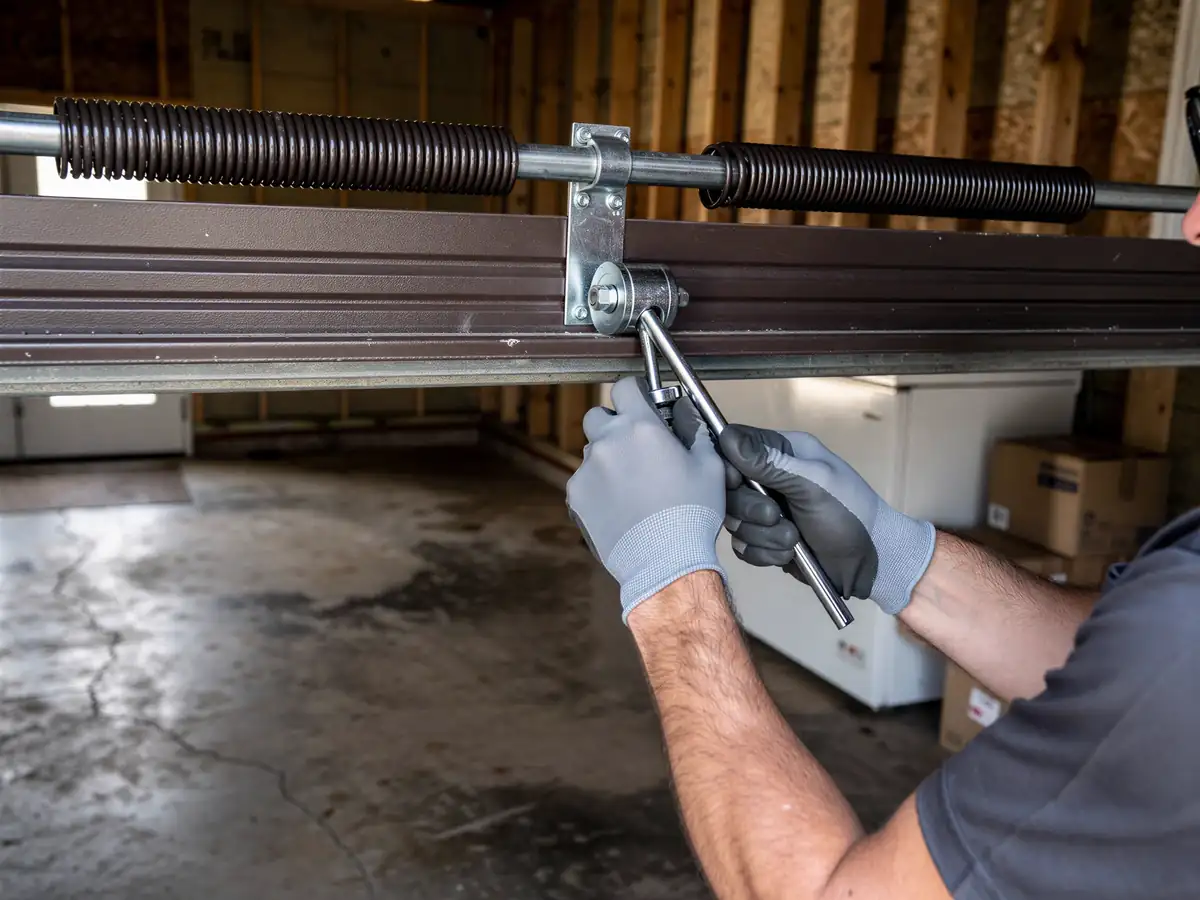
We'll say this plainly: don't replace your own torsion spring. The spring is wound under enough tension to break a bone or worse if the winding bars slip, and that's true whether you've watched ten videos or none. Where a homeowner can save a call is diagnosis - if the door won't open and the opener motor is straining, that's almost always the spring, not the opener, so you can skip paying for an opener diagnostic. Beyond that, leave the winding and the cable work to someone doing it with the right tools. It's one of the few repairs in this trade where the risk genuinely isn't worth the money saved.
Why It Happens Here
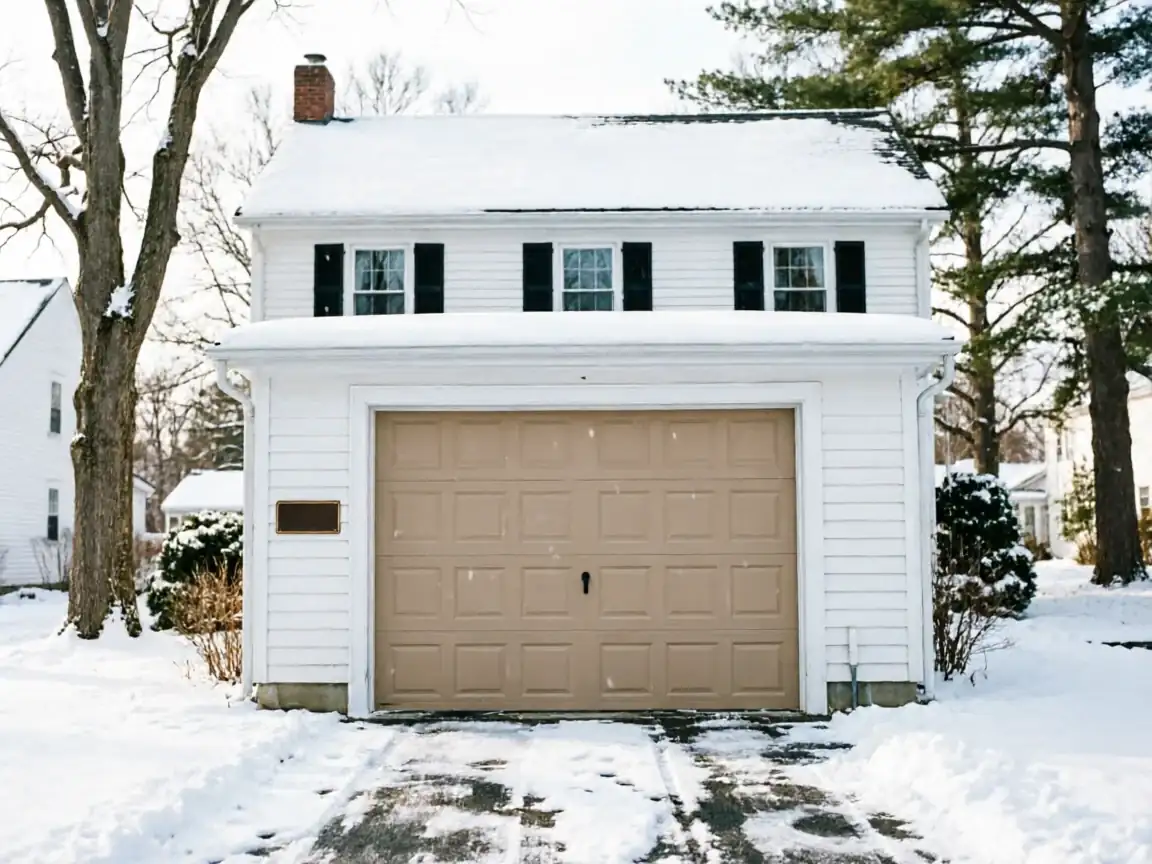
Elim's housing mostly went up around 1958, which puts it squarely in the pre-1960 construction wave that covers most of this part of the service area. Doors and hardware from that era, or replacements sized to match those original openings, tend to run torsion springs that have been through decades of winters in a climate zone the federal data flags as severe cold. Cold tightens steel and makes a spring that's already near the end of its cycle life more likely to snap on a cold morning than a mild one - it's not that cold breaks springs outright, it's that it's usually the final push on a spring that was already due. With 1,525 households in Elim, most on original or first-generation replacement door hardware, spring failure here tends to track housing age more than anything else.