How It Shows Up
The call we get most from Elim is a door that won't move at all
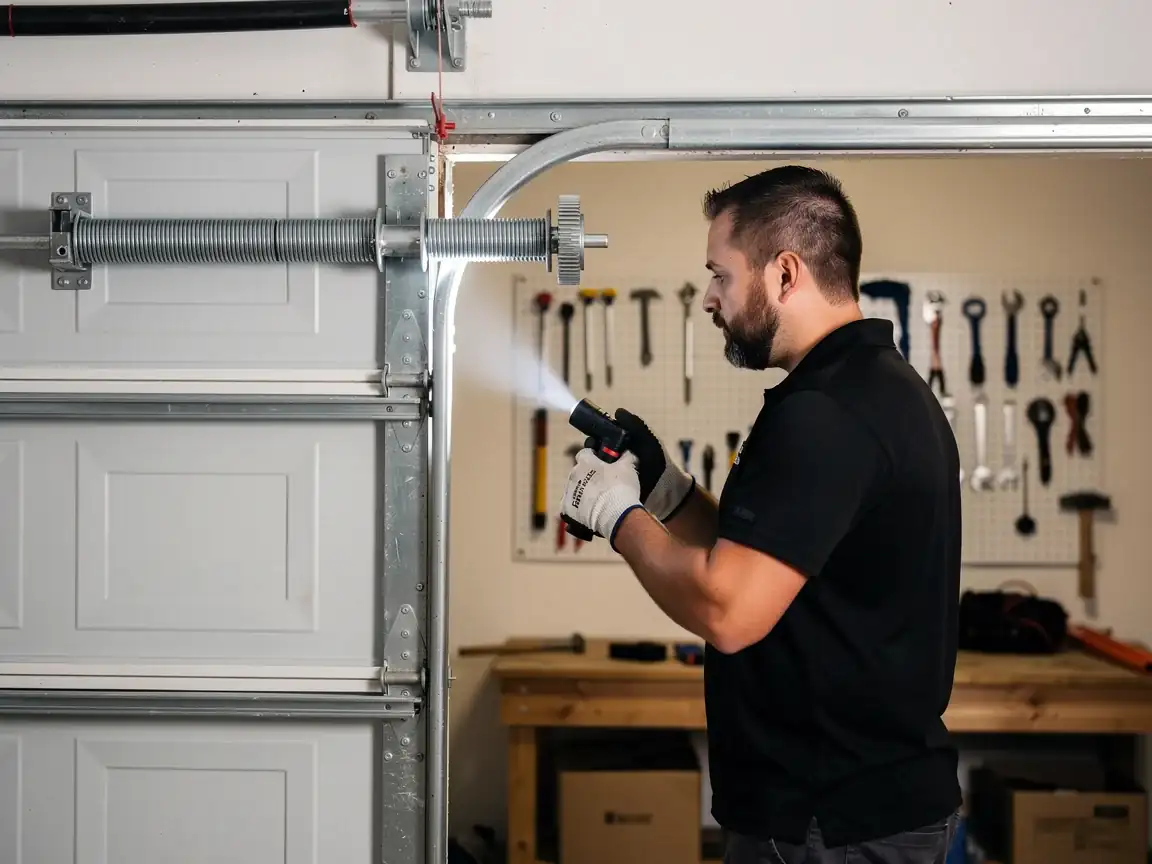
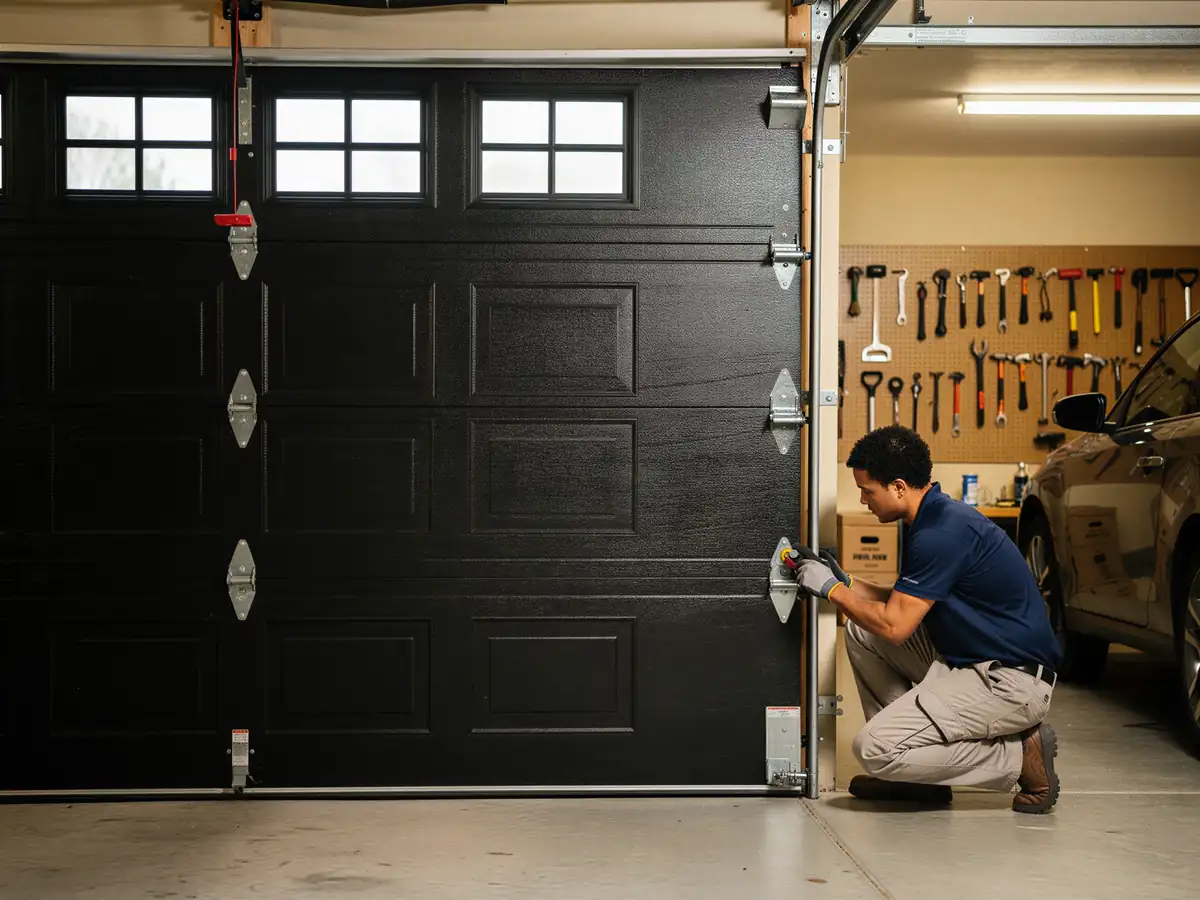
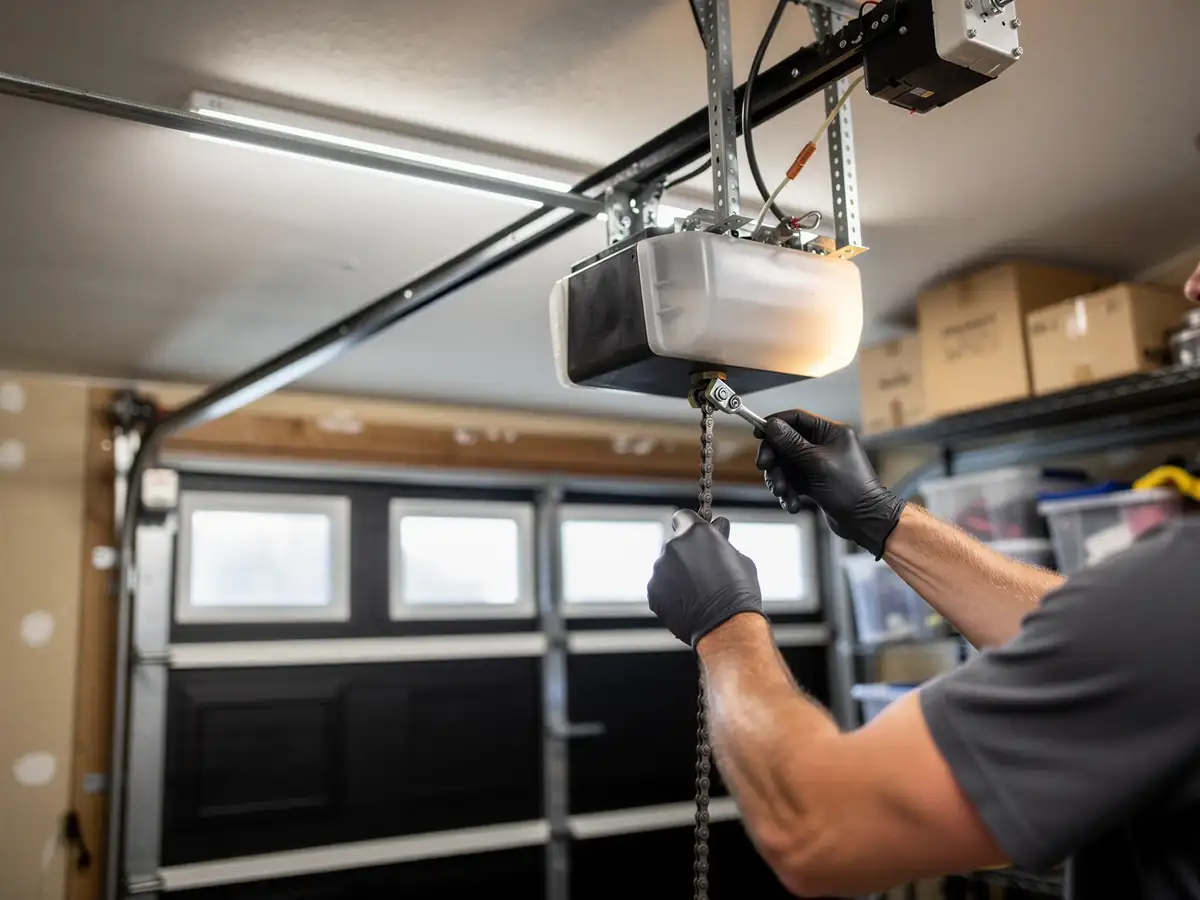
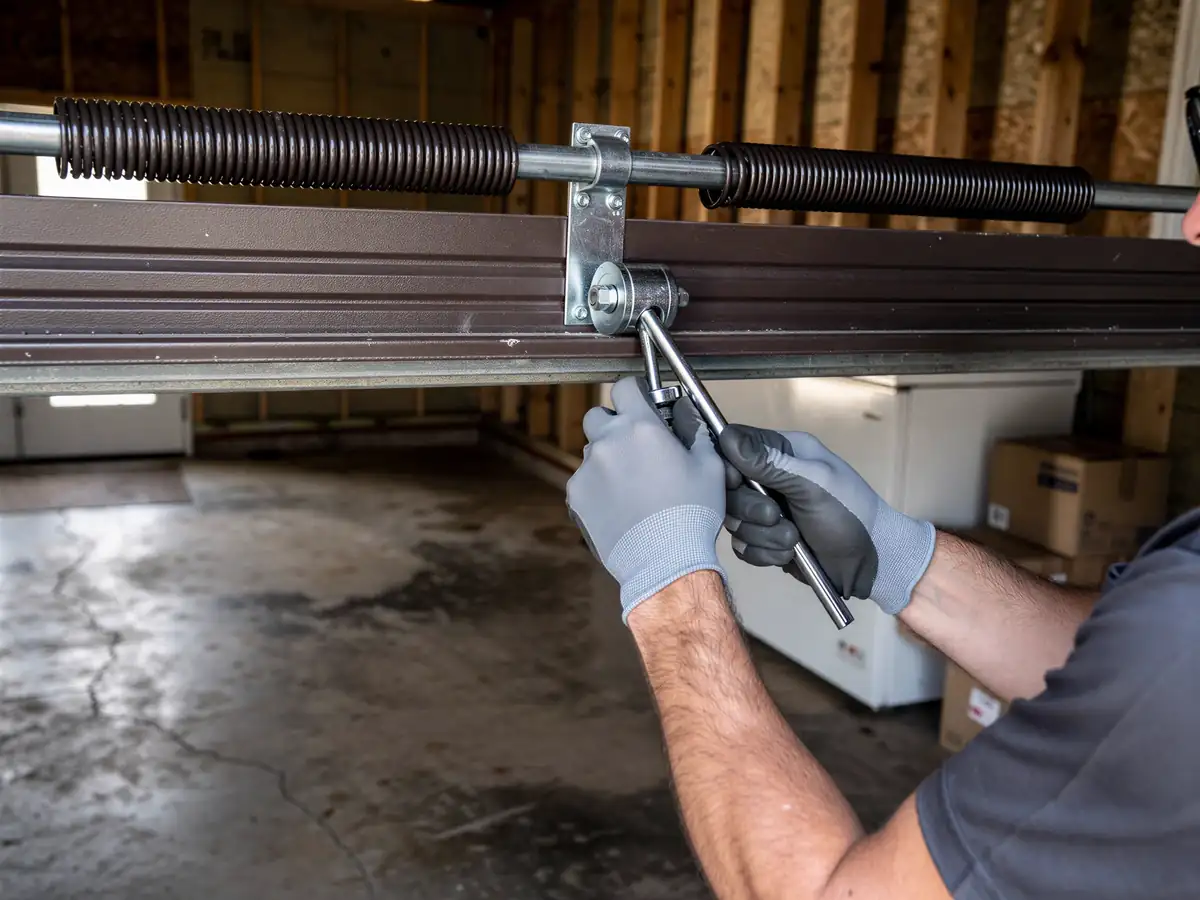
Or one that lurches up a few inches and stops. Nine times out of ten that's a broken torsion spring - the door feels like it weighs five hundred pounds because, without that spring, it does. The second most common call is an opener that runs but the door doesn't follow, which usually means a snapped cable or a stripped gear inside the opener head.
Elim's housing stock matters here
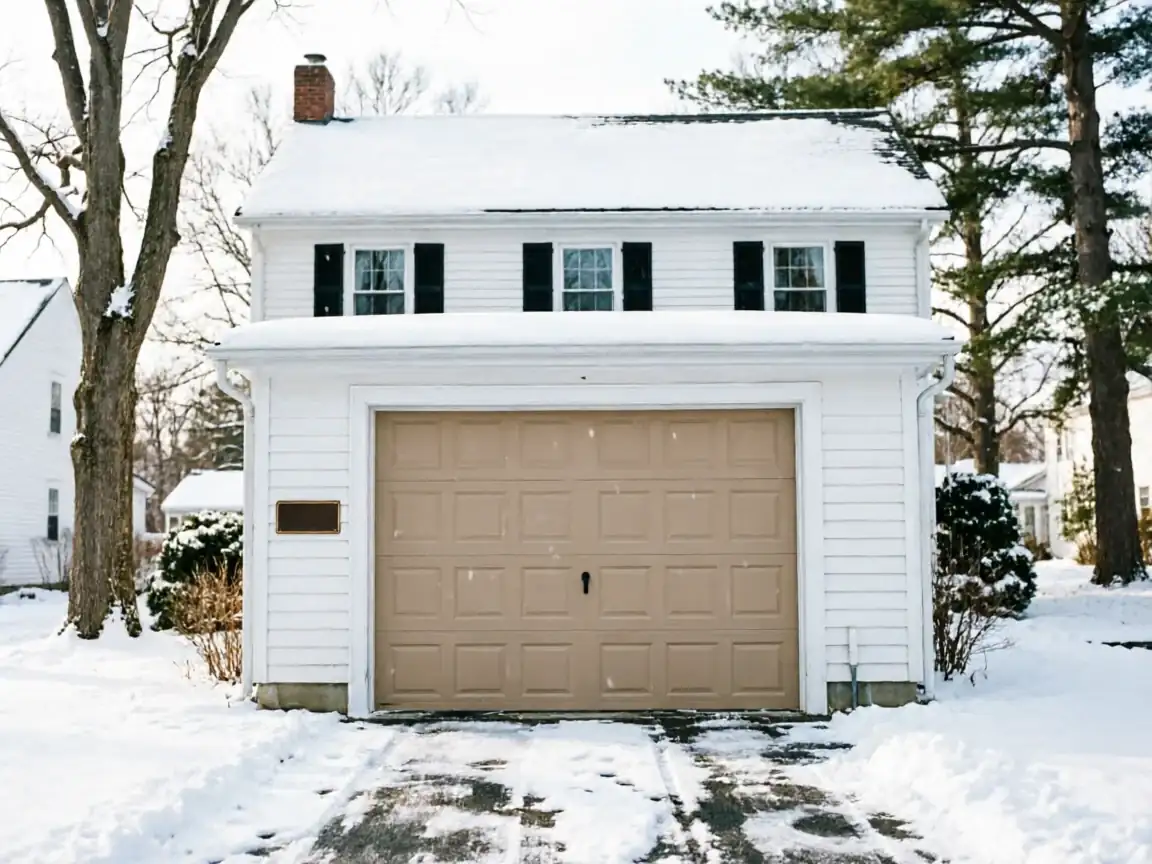
Most of the homes in this pocket of the service area went up around 1958, which puts a lot of original garages on older torsion or extension spring setups that were never upgraded. That hardware was built for a lighter door and for fewer open-close cycles per day than a modern household runs. When it fails, it tends to fail suddenly, usually on a cold morning when the steel is stiff and under more load than it was at install.
We also see track misalignment on these older single-car openings
The stall width wasn't always generous, and decades of minor bumps add up. If your door is binding on one side before it jams, that's what's happening.
What You Pay
We don't post a flat number for emergency work because the cost swings on what actually broke - a single torsion spring on a standard door costs a lot less than a cable, drum, and track realignment on the same call. What we can tell you is what drives the number up: after-hours timing, a double door versus a single, and whether the opener itself needs parts versus just the door hardware.
Elim's households sit at a median income of $64,597, noticeably higher than the wider Johnstown service area average, and we price the same job the same way regardless of which town it's in - we're not adding a premium for a two-mile drive. Ask for the number before we start, not after. If a repair isn't worth doing - say, an opener that's failing alongside a door shell that's rusted through - we'll say so instead of running up a bill on a door that should be replaced.
How to Book
Call and tell us what the door is doing: moving but noisy, stuck halfway, opener running without the door, or dead silent. That tells us what to load on the truck before we're two miles down the road from Johnstown. Have the make of your opener handy if you know it, and clear the area in front of the door so we're not working around a parked car in a tight driveway.
If the door is stuck open overnight, don't force it shut by hand if a spring has gone - a broken torsion spring can let the door drop fast with no warning. Block the opening as best you can and wait for the call.
What the Repair Takes
Most single-spring jobs on a standard garage door run under an hour once we're on site, parts included
Since torsion springs are common stock on the truck. A full two-spring replacement on a double door, or a job that turns up a bent track on top of the original complaint, takes longer - we'll tell you before we start what we're seeing and what it adds.
Opener repairs vary more
A logic board or a stripped gear we carry on the truck; a specific circuit board for an older unit from the 1958-era build wave sometimes isn't something we stock, since manufacturers don't keep parts for discontinued models in long supply. In that case we'll tell you straight whether it's worth sourcing the part or whether a new opener is the better call for the money.
Can You Do This Yourself
Don't touch the springs. A torsion spring under load has enough stored energy to break a wrist or worse, and that's true whether it's a $40 spring or a $200 one. That's not a scare line, it's why we charge for the call.
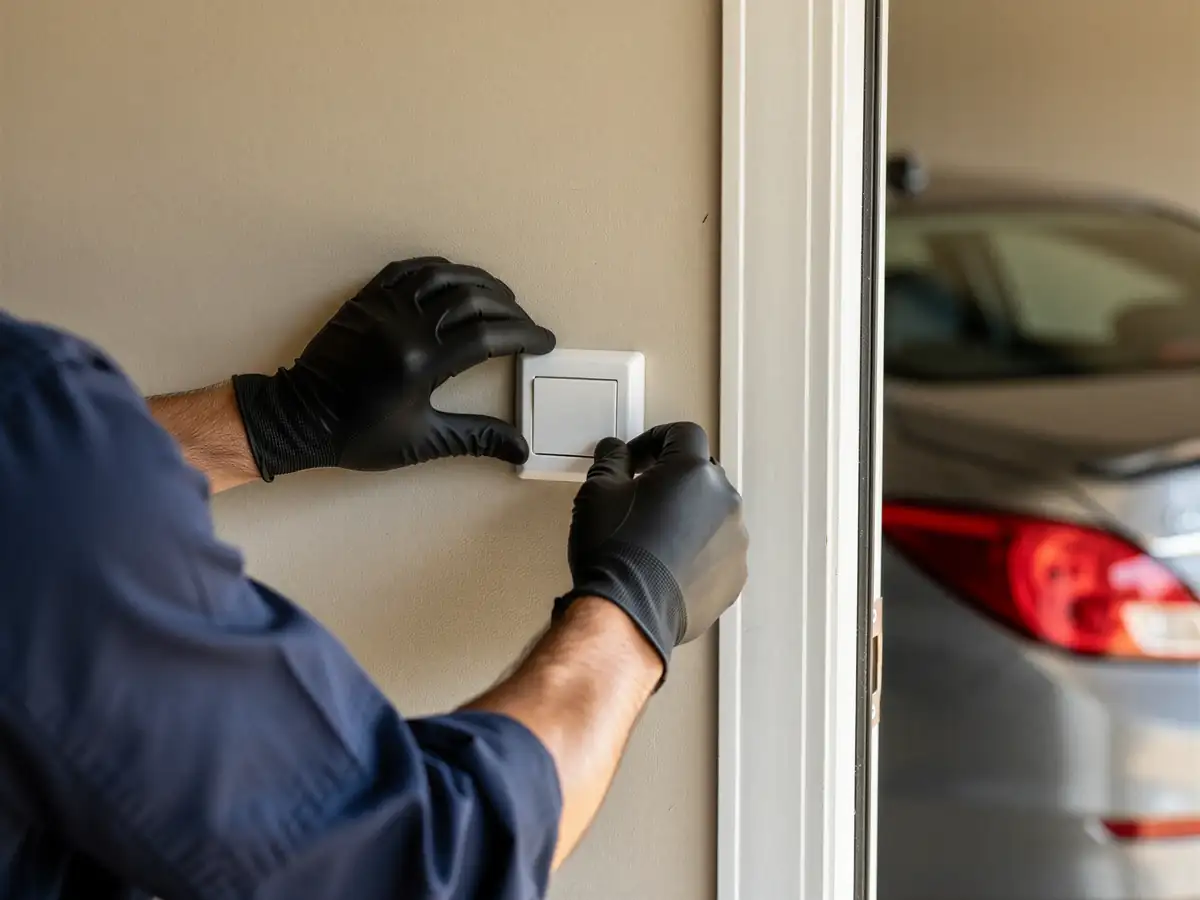
Things you can safely check yourself: the photo-eye sensors near the floor track (a spider web or dust buildup there will stop a modern opener cold), whether the wall switch has power, and whether the door is binding on a visibly bent track section. If any of those fix it, good - call us for the stuff that actually needs a torsion bar wound or a cable re-threaded through a drum.
Why It Happens Here
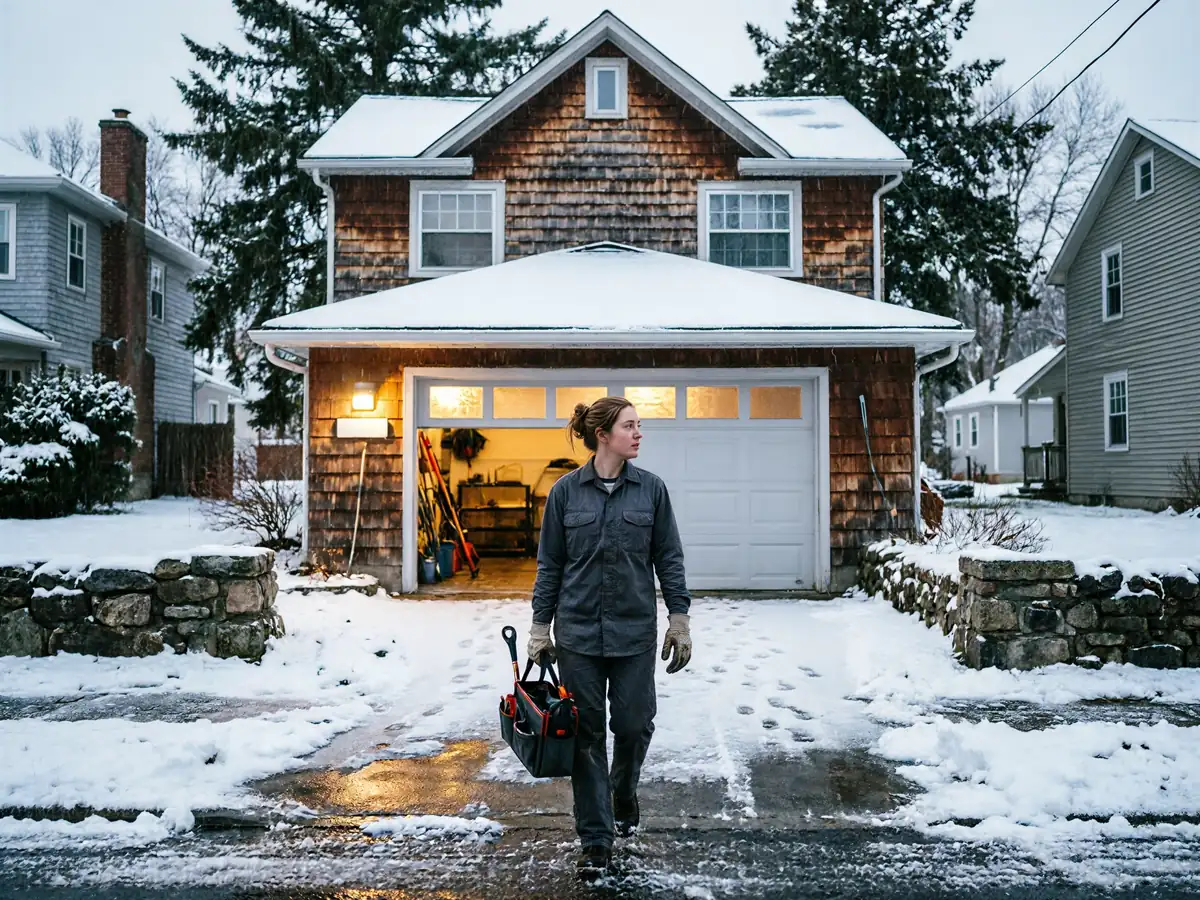
The climate band this area sits in is classified cold and severe, and that matters more for older hardware than people expect. Steel springs lose a measurable amount of tension in sustained cold, and a spring that was already near the end of its cycle count is more likely to let go on a frigid morning than a mild afternoon. That's not unique to Elim, but combined with the 1958 median build year for homes in this pocket, it means a lot of original hardware is aging out right around now, decades after install.
The service area overall runs mostly pre-1960 stock across its named sections, and Elim's own housing fits that pattern tightly rather than sitting at the newer edge of it. Fewer households here than in the bigger towns nearby means less daily traffic for us, but the failure pattern itself - old spring, cold snap, sudden break - is the same mechanism we see across that older housing band.