Can You Do This Yourself
At a median household income of $56,951, a lot of Ferndale owners do the math themselves before calling anyone
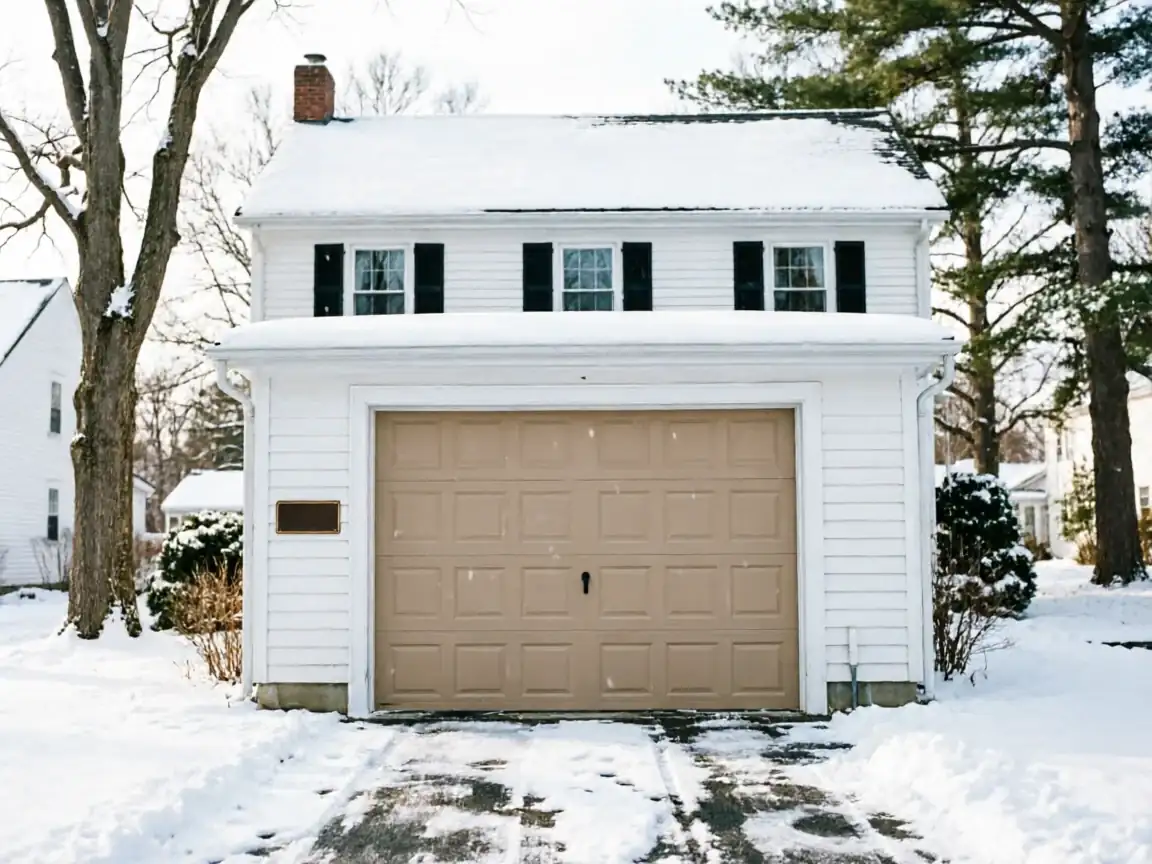
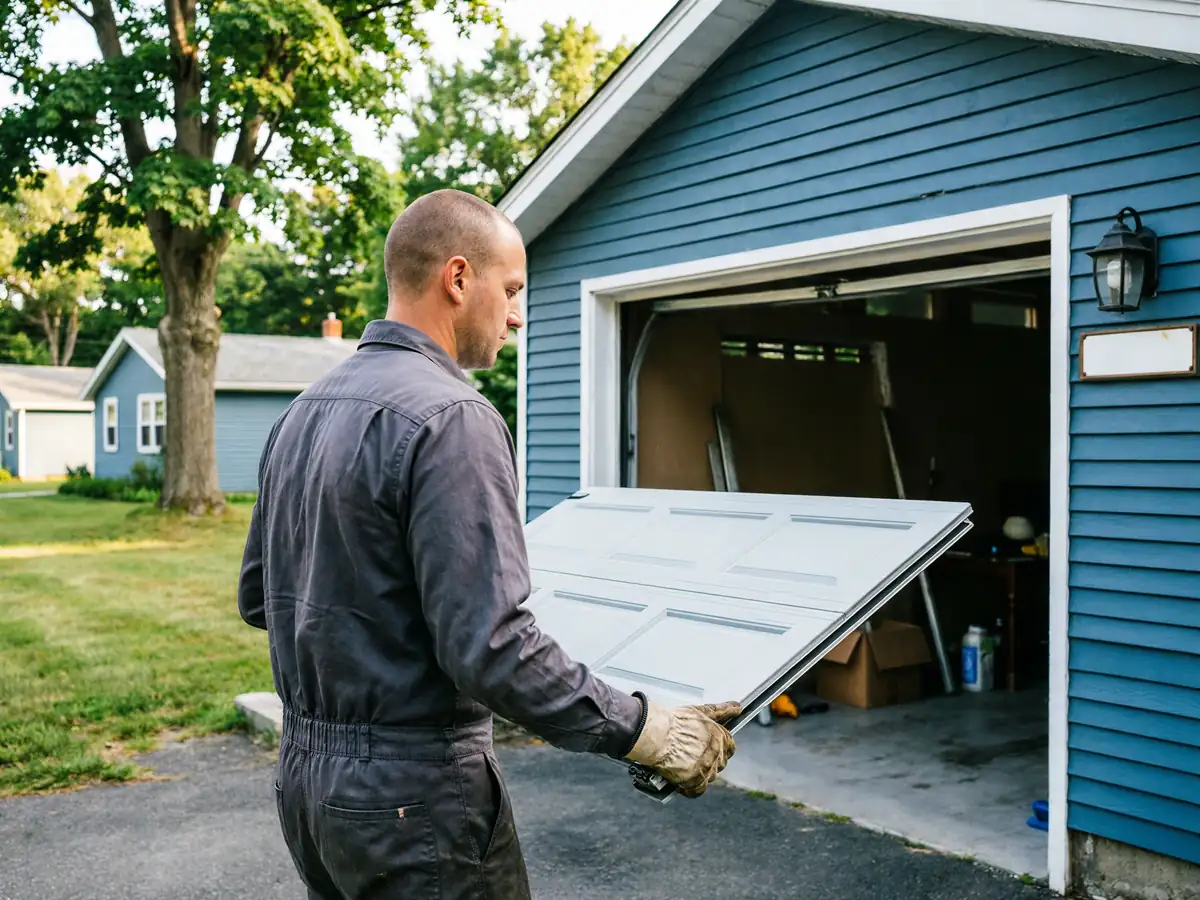
Is a new panel worth it, or should the whole door go. On a door that's otherwise sound, swapping one dented or rusted-through panel is usually the cheaper path and it's within reach for a patient homeowner with the right clamps and a second set of hands. Where it stops being a DIY job is matching the panel to a door built around 1947 - Ferndale sits in a pocket of housing from that era, and the groove profile, panel height, and hinge spacing on those original sections don't match what's sold off the shelf today.
- $56,951 median household income
We won't pretend every panel swap is simple
If the track or the end stile has rusted or bent along with the panel, you're often better served replacing the section or the door rather than forcing a mismatched piece into place. That's not a sales pitch - it's the same call we'd make looking at the door ourselves. If you want a second opinion before you buy a panel that won't fit, that's a fair use of a visit.
Why It Happens Here
Housing across this service area runs 1938 to 1980, with the median built around 1952, and most of the stock leans pre-1960. Ferndale's own median sits closer to 1947, which puts a lot of its doors a decade or more older than the area average - and that decade matters. Doors from that stretch were built with heavier gauge steel and simpler ribbing patterns, and the finish on them doesn't hold up the same way modern coatings do.
The climate here is classed cold and severe, and that's the other half of the story. Steel panels on houses this old take decades of freeze-thaw cycling, road salt kicked up off the apron, and condensation trapped between the panel skin and the insulation backer if there is one. The result is rust blooming from the inside out, usually starting at the bottom panel where splash and standing moisture hit hardest. By the time it shows on the surface, the steel underneath is often already thin enough to dent with a light bump from a bumper or a stray basketball.
What the Repair Takes
The first step on any panel job here is figuring out whether the section is still made, and for a door built around 1947 it often isn't. We measure the groove width, panel height, and hinge stile spacing before ordering anything, because a panel that's close but not exact will bind the rollers or throw the door out of square. Sometimes the closest match comes from a panel one size off that we trim and re-drill to fit - that's a real part of this job on older stock, not a shortcut.
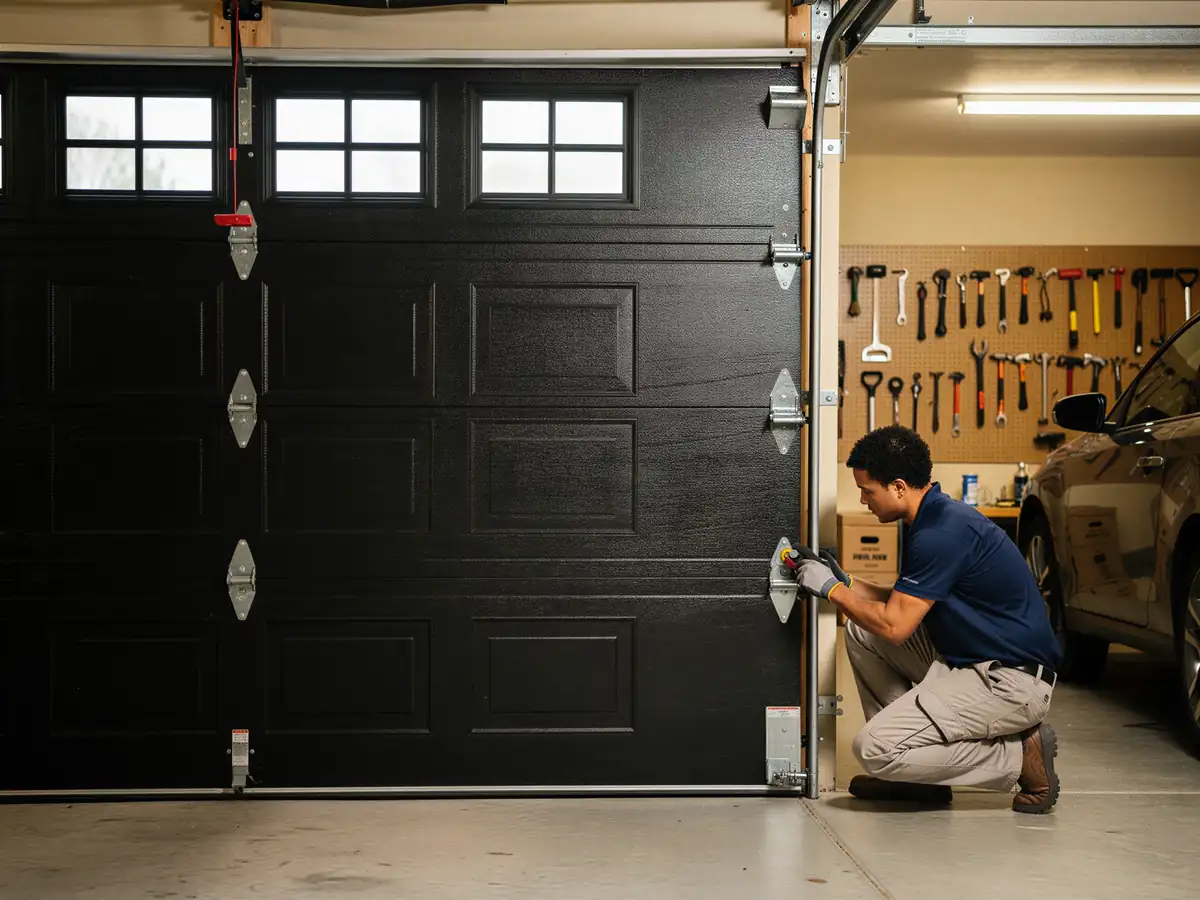
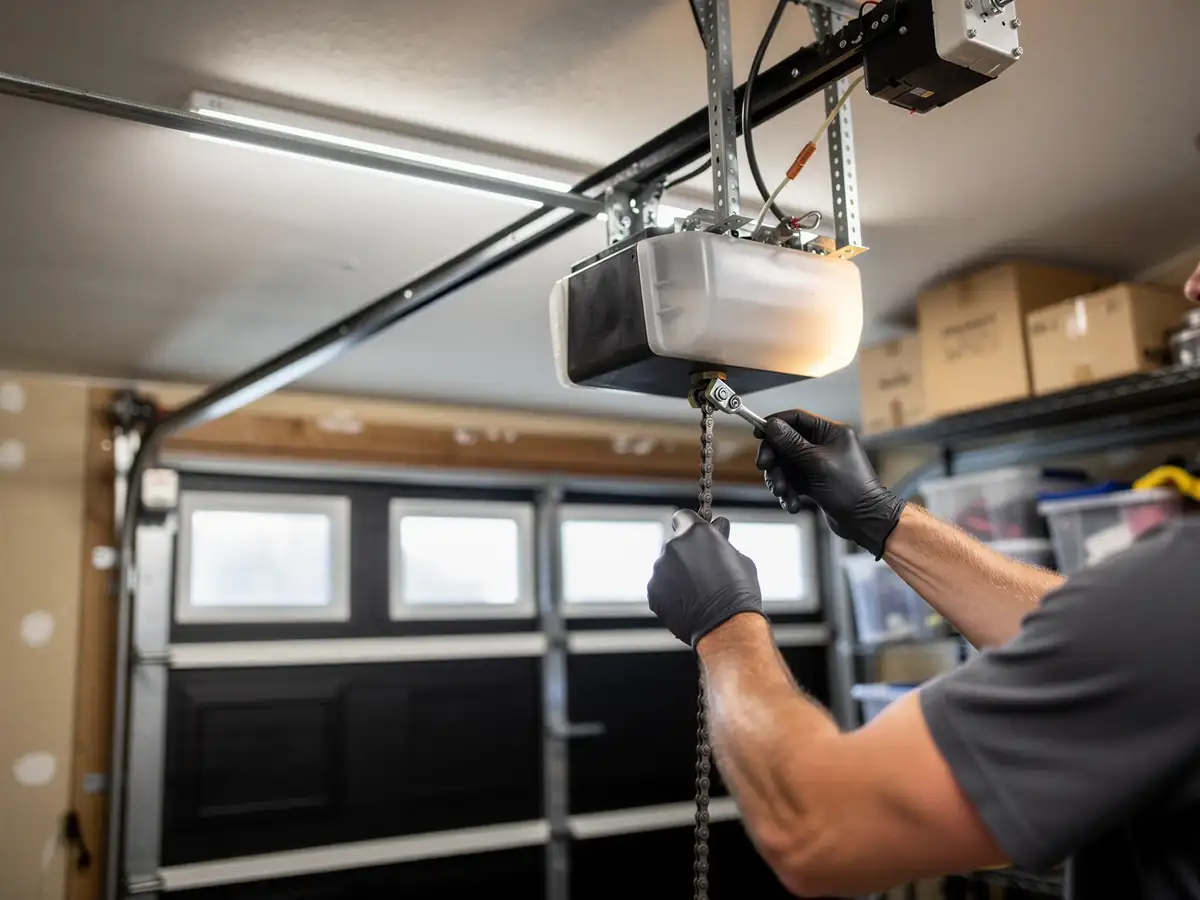
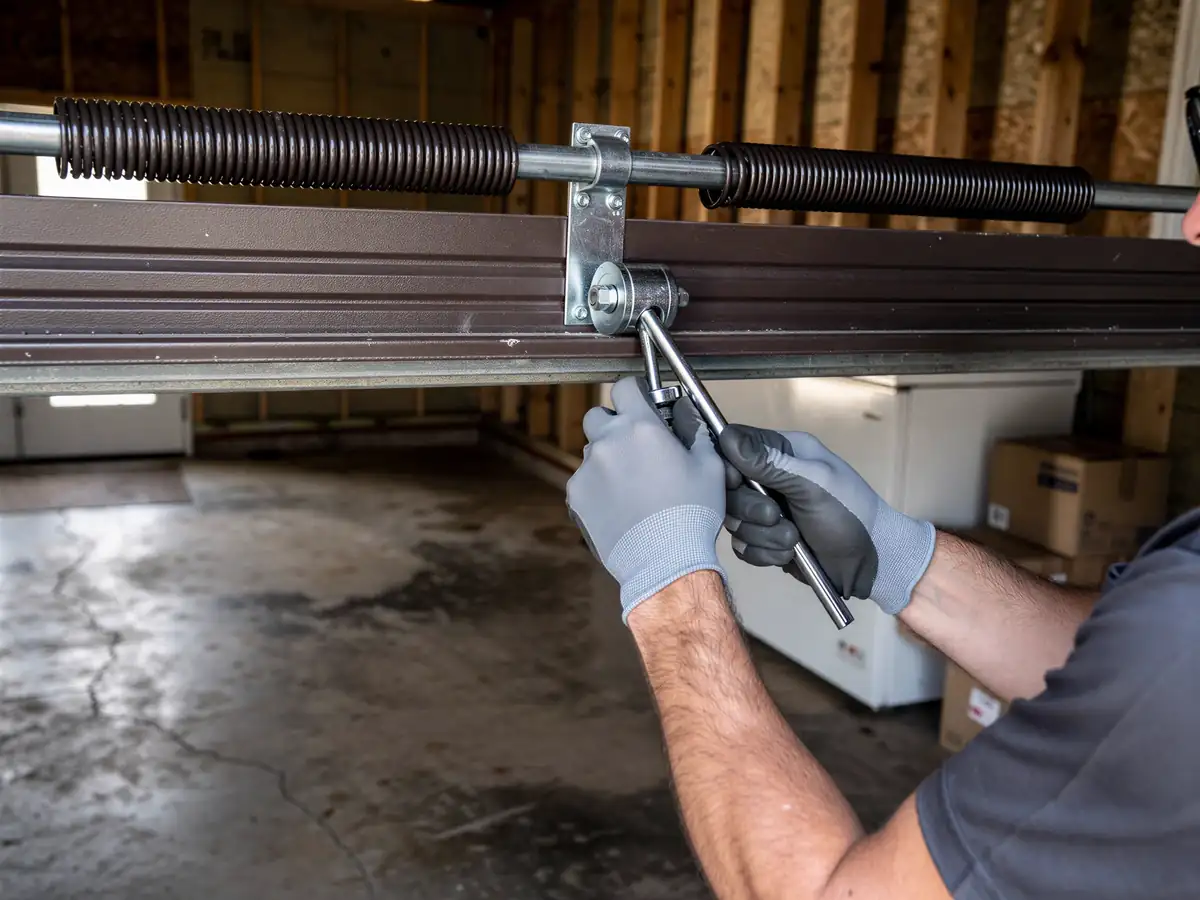
Once the panel's in hand, the swap itself is a few hours: pull the hinges and rollers off the damaged section, lift it out of the track, set the new one, and re-hang the hardware. If the hinges or rollers on a door this age are worn or pitted, we'll flag replacing those too, since reusing tired hardware on a new panel just moves the next failure down the road a year or two.
How Long You Are Without the Door
If the panel is a standard size we stock, the door is back together the same visit
The honest limitation is the older, non-standard profiles common on 1940s-era doors - those sometimes have to be special-ordered, and that can mean the door sits with a temporary brace or a single working panel for a stretch while the part comes in. We'll tell you up front if your door falls into that category rather than guess and leave you waiting without warning.
Ferndale is about 2 miles from our Johnstown base
So travel time isn't the bottleneck here - parts availability is. We'd rather give you a real timeline on the part than a quick one on the drive.
- 2 miles
How to Book
We work out of Johnstown and cover Ferndale as a regular part of that service area, about 2 miles out. If you've got a dented, rusted, or cracked panel and want it looked at, see our Ferndale garage door page for what else we handle in the area, or go straight to the panel replacement details for the Johnstown service area to see how pricing and process work before you call. Either way, bring a photo of the damaged panel and, if you can find it, the age of the door - on a house from the late 1940s that one detail saves a wasted trip measuring a part we already know won't be on the shelf.