What Is on the Truck
Most of the opener work we do across the wider Johnstown area is on homes built in the 1940s and 50s
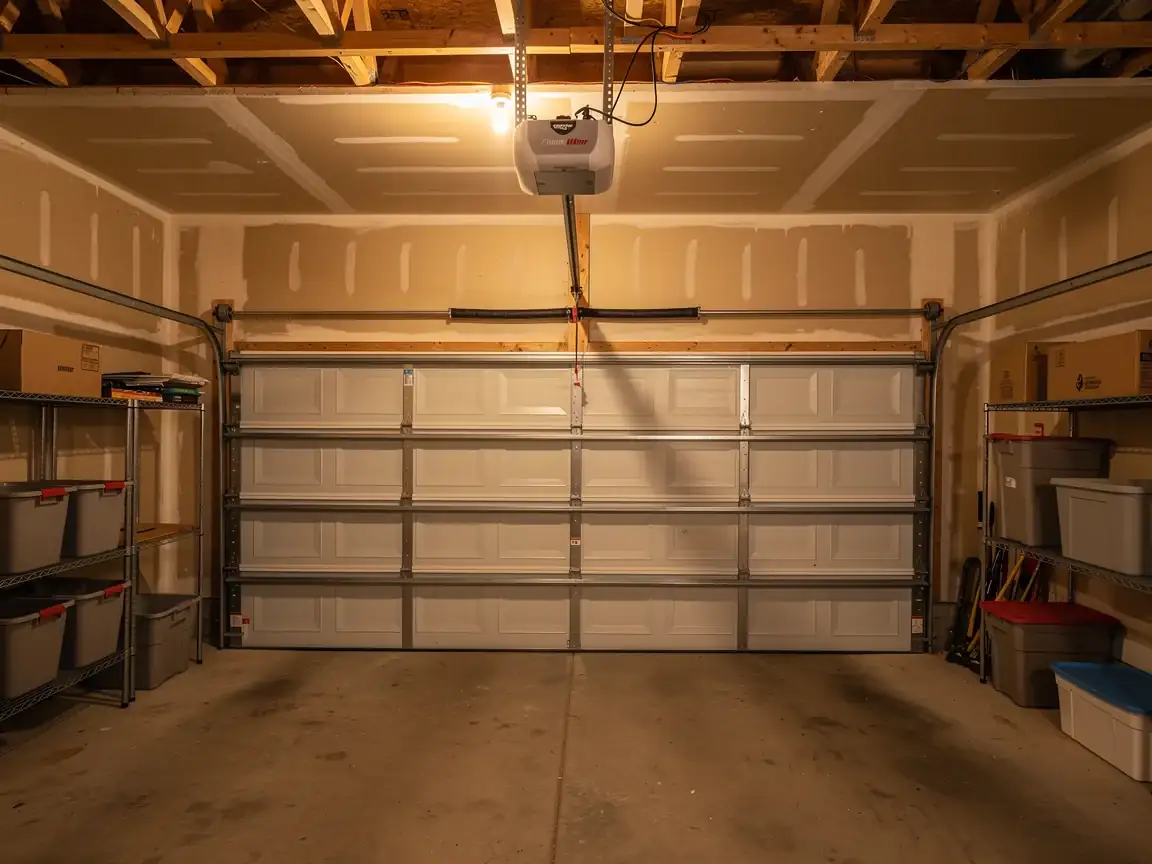
Where you still find original chain hoists and manual lift hardware nobody makes parts for anymore. Fairfield is different. With a median build year of 1973, the openers here are a generation newer - chain-drive and early belt-drive units from Chamberlain, Genie, and Liftmaster lines that were common through the 70s and 80s, later retrofitted with photo-eye safety sensors once those became standard.
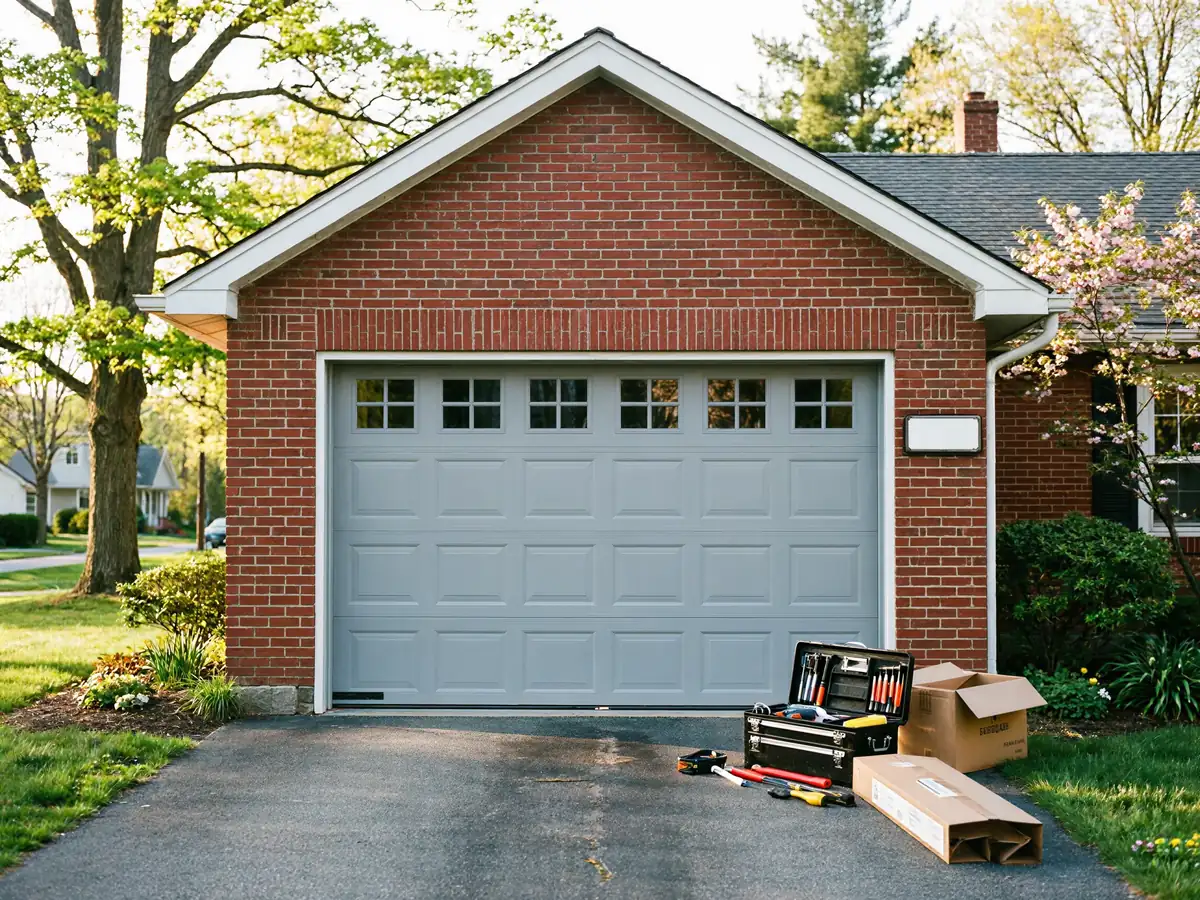
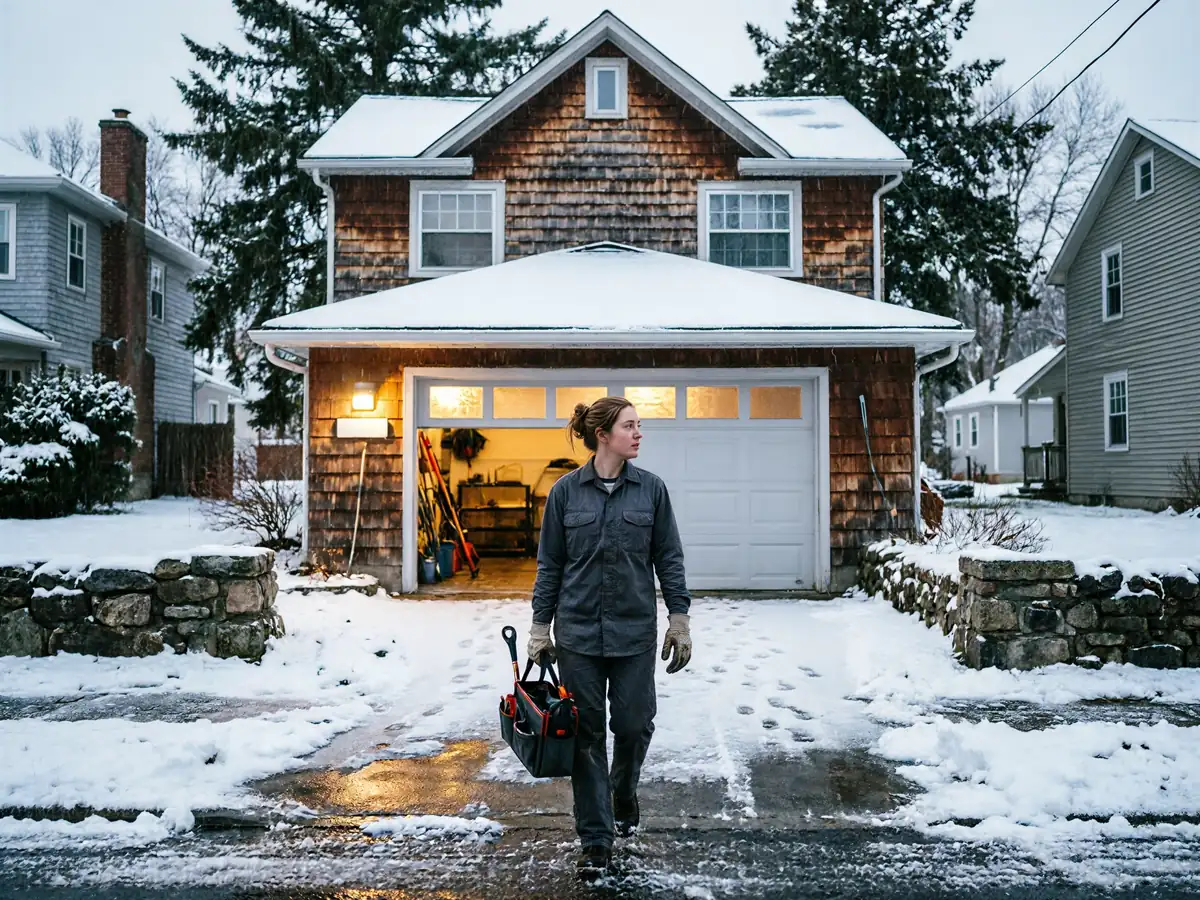
So the truck for a Fairfield call carries logic boards and capacitors sized for those mid-era motors
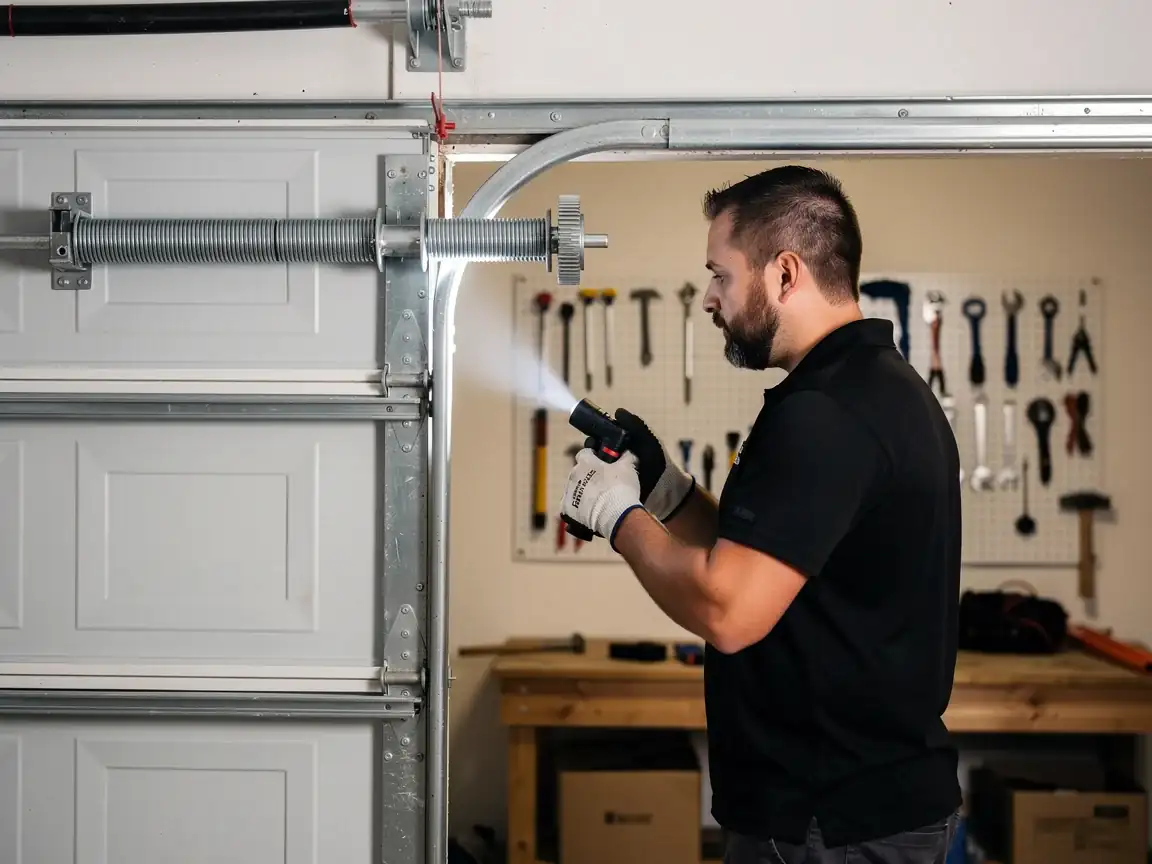
Nylon drive gears and sprockets that wear out on chain units of that vintage, wall consoles and receiver boards compatible with 1970s-80s drive systems, and photo-eye sensor pairs since most of these homes had sensors added rather than built in from day one. We also carry spare remotes and keypads, since a dead opener call is as often a dead remote battery or a burned-out receiver as it is a motor problem.
We don't stock every obsolete board on the truck
Some older logic boards for discontinued models have to be ordered, and we'll tell you that on the spot rather than pretend otherwise.
What Can Go Wrong
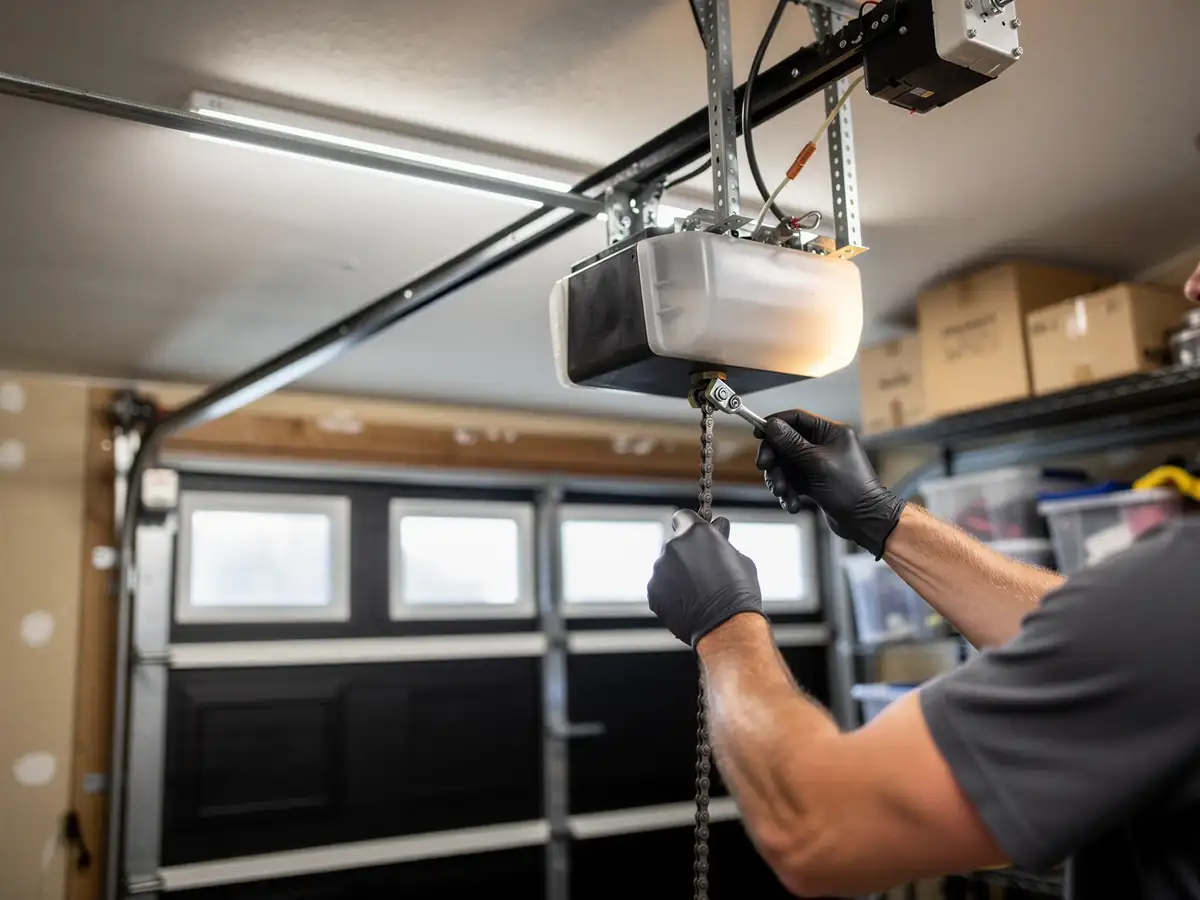
On a chain-drive opener from the 1970s or 80s, the most common failure is a stripped nylon drive gear inside the motor housing - the gear wears out long before the motor itself does, and when it goes, the opener runs but the door doesn't move. Circuit boards on units of this age fail from age and moisture rather than any single event, and when they go the opener either won't respond to the remote at all or runs erratically, reversing partway through a cycle.
Photo-eye sensors added on later - common in Fairfield's retrofit era - drift out of alignment over time and throw a blinking light with no clear cause unless you know to check them first. Chains stretch and go slack, which throws the travel limits off and makes the door stop short or slam. Capacitors on older single-phase motors weaken, so the opener hums but the door doesn't lift, especially on a cold morning when the motor is already working harder to turn over.
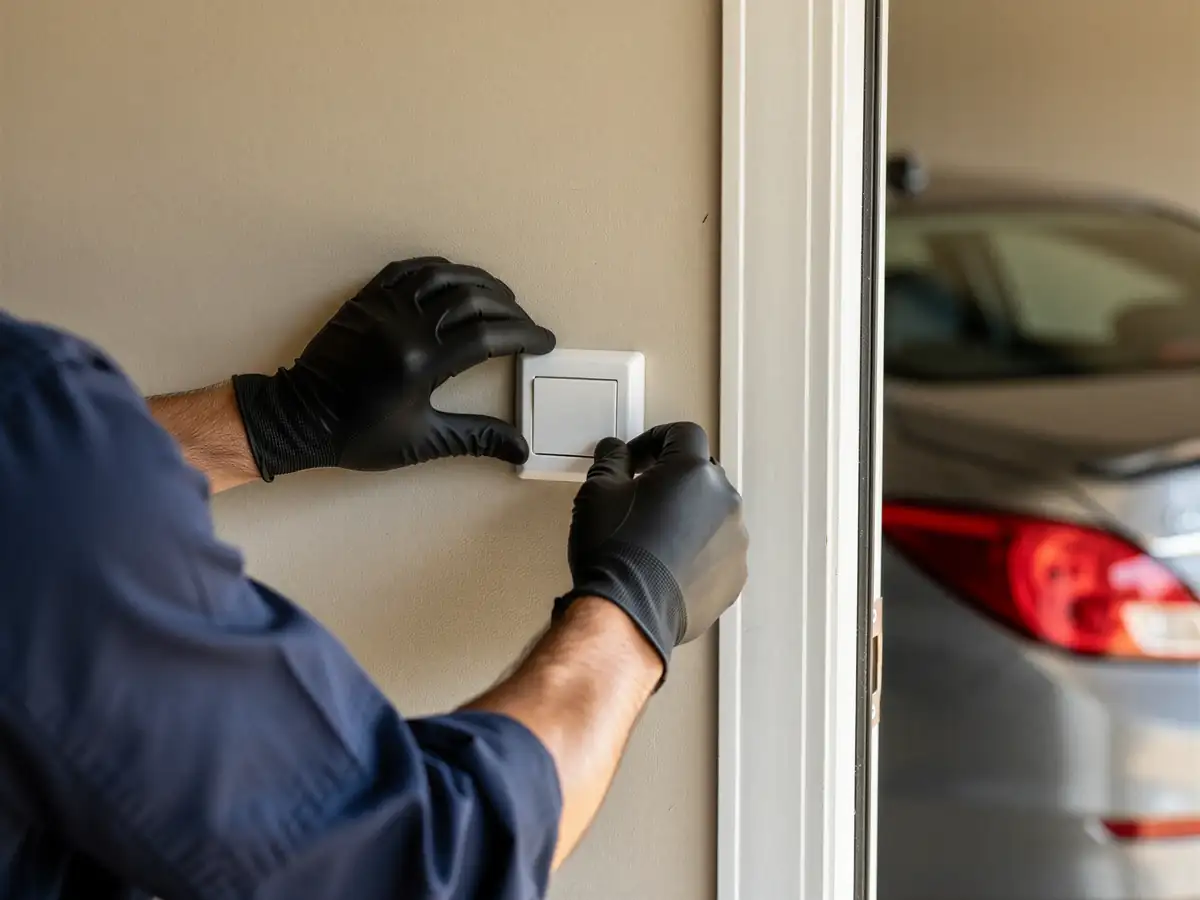
Wall consoles and remotes fail more often than people expect - a dead button or a corroded contact reads to a homeowner as 'the opener is broken' when it's a ten-dollar part.
Why It Happens Here
Fairfield sits in the same cold-severe climate band as the rest of this service area, and that matters more for openers than people think. Cold thickens the grease in an aging gear set, which is exactly what makes a marginal nylon gear strip under load on a January morning rather than a June afternoon. Frost heave under a slab can shift a door's travel just enough that a photo-eye pair that was aligned in the fall throws a fault by midwinter.
The building stock angle matters too. Because Fairfield's homes mostly went up around 1973, rather than the 1950s stock common elsewhere in the service area, the openers failing now are mostly the chain-drive and early belt units from that build-out, now 40 to 50 years old and past any manufacturer support. With a median household income of $69,091 in this area, a fair number of homeowners choose to replace an opener at that age rather than keep feeding it parts, and that's often the right call - we'll say so plainly when a repair isn't worth it.
We don't have data on how many of these units have already been swapped for newer belt-drive models, so we can't promise what you'll find when we show up - only that we carry parts for both eras.
How Long You Are Without the Door
We run this call from Johnstown, about 12 miles out
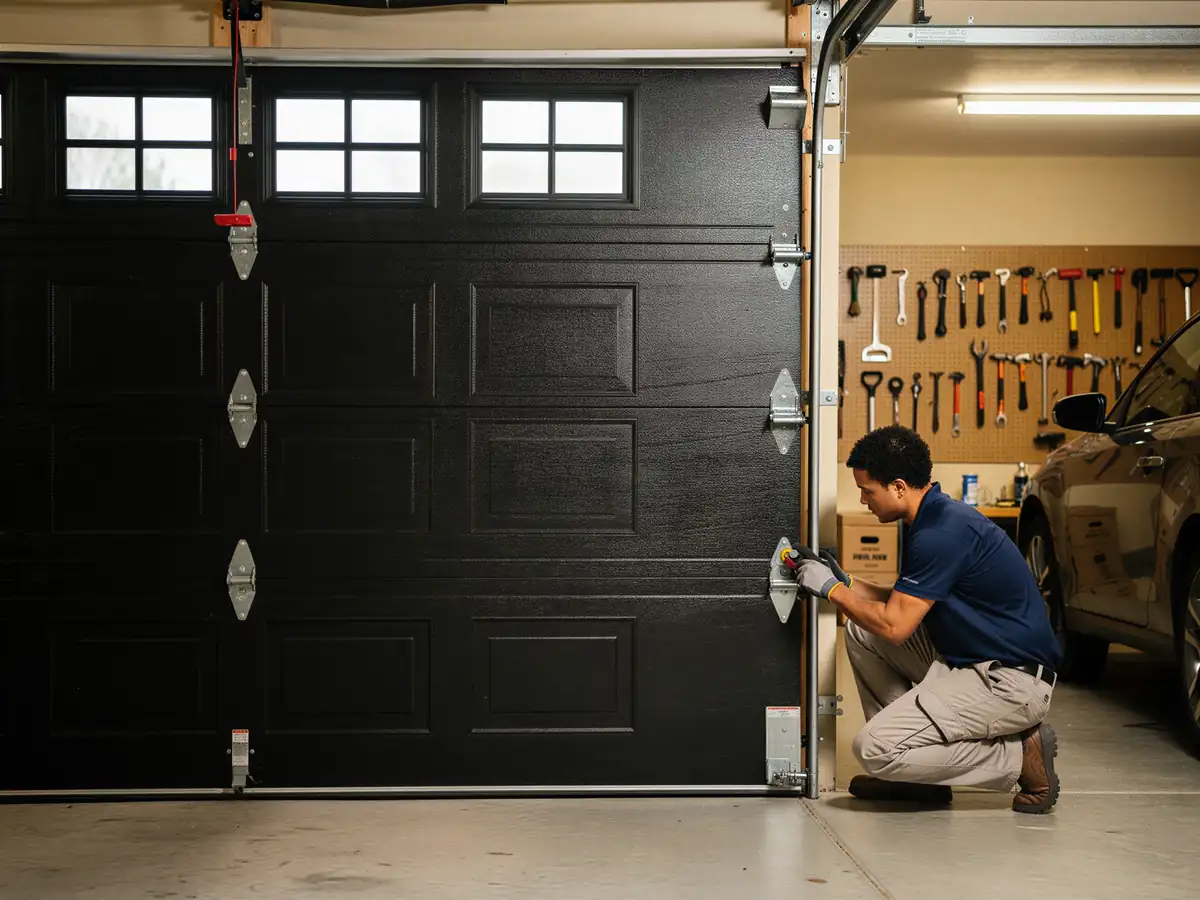
So factor that drive time into how soon we're at your door compared to a job closer to the shop. Most opener repairs - a gear, a capacitor, a sensor realignment, a board swap from stock - are a same-visit fix once we're there.
- 12 miles
The honest limitation
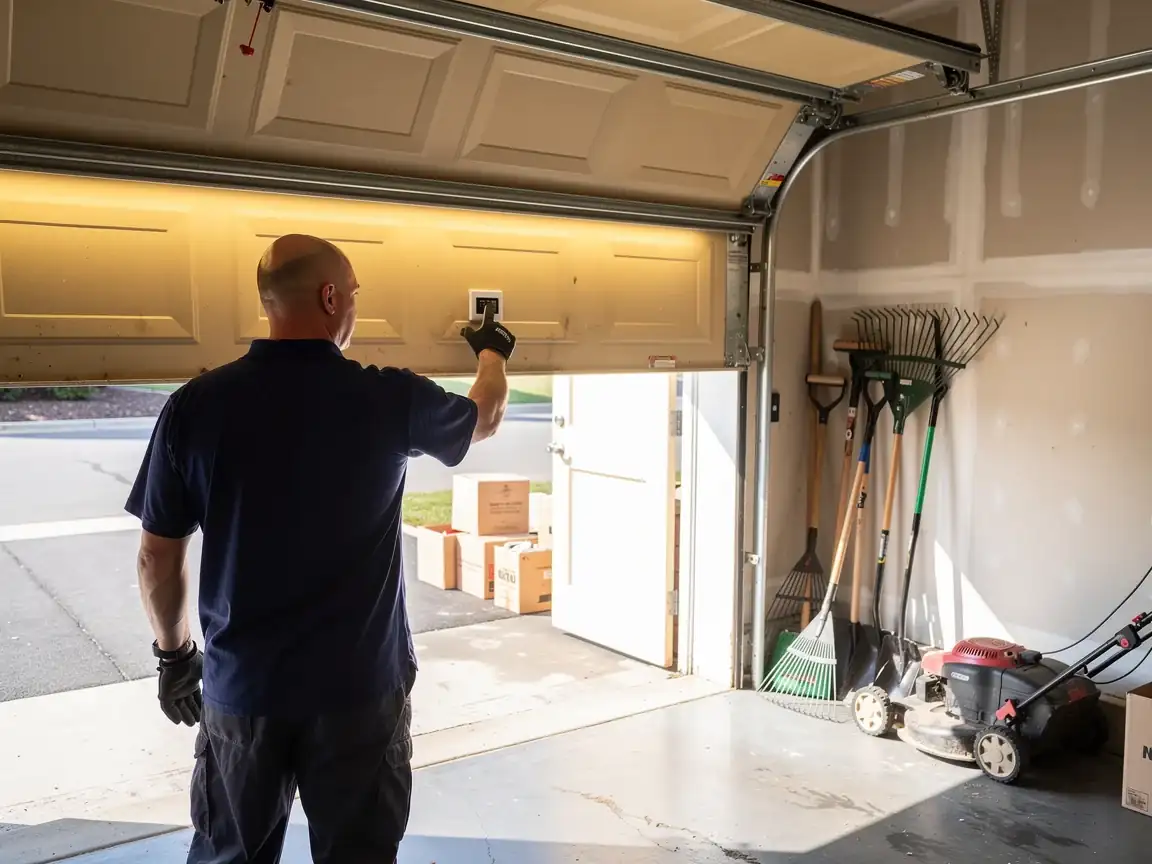
If your opener is old enough that the logic board is discontinued, we may need to order the part, and that can mean a wait of a few days rather than a same-day fix. In the meantime, every opener has a manual release cord - we'll show you how to use it so the door still opens and closes by hand while you wait on the part, rather than leaving the car stuck inside.
If the motor itself is the problem and the unit is past the point where parts are worth buying
Replacement usually costs less over time than chasing failures on a 45-year-old drive system one at a time. We'll tell you straight which side of that line your opener is on before we start charging for parts.