What Is on the Truck
Fairfield sits at a median household income of $69,091
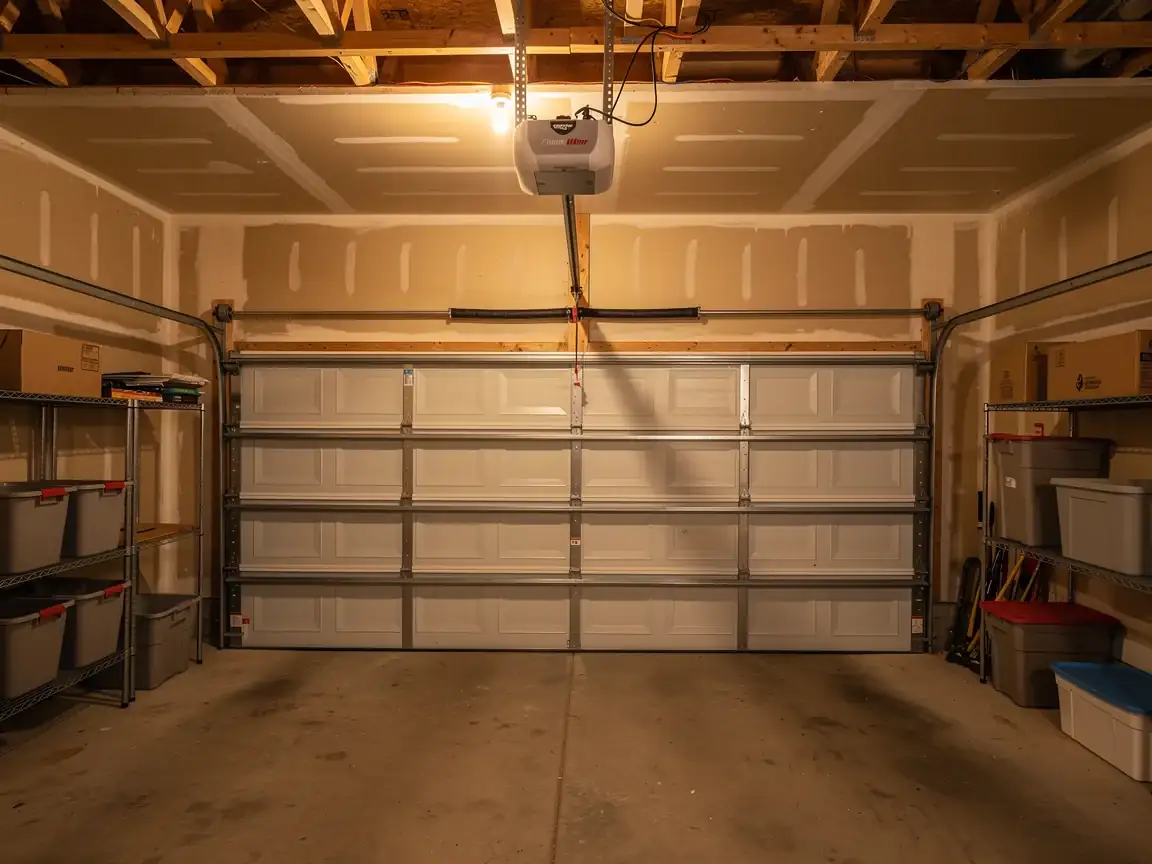
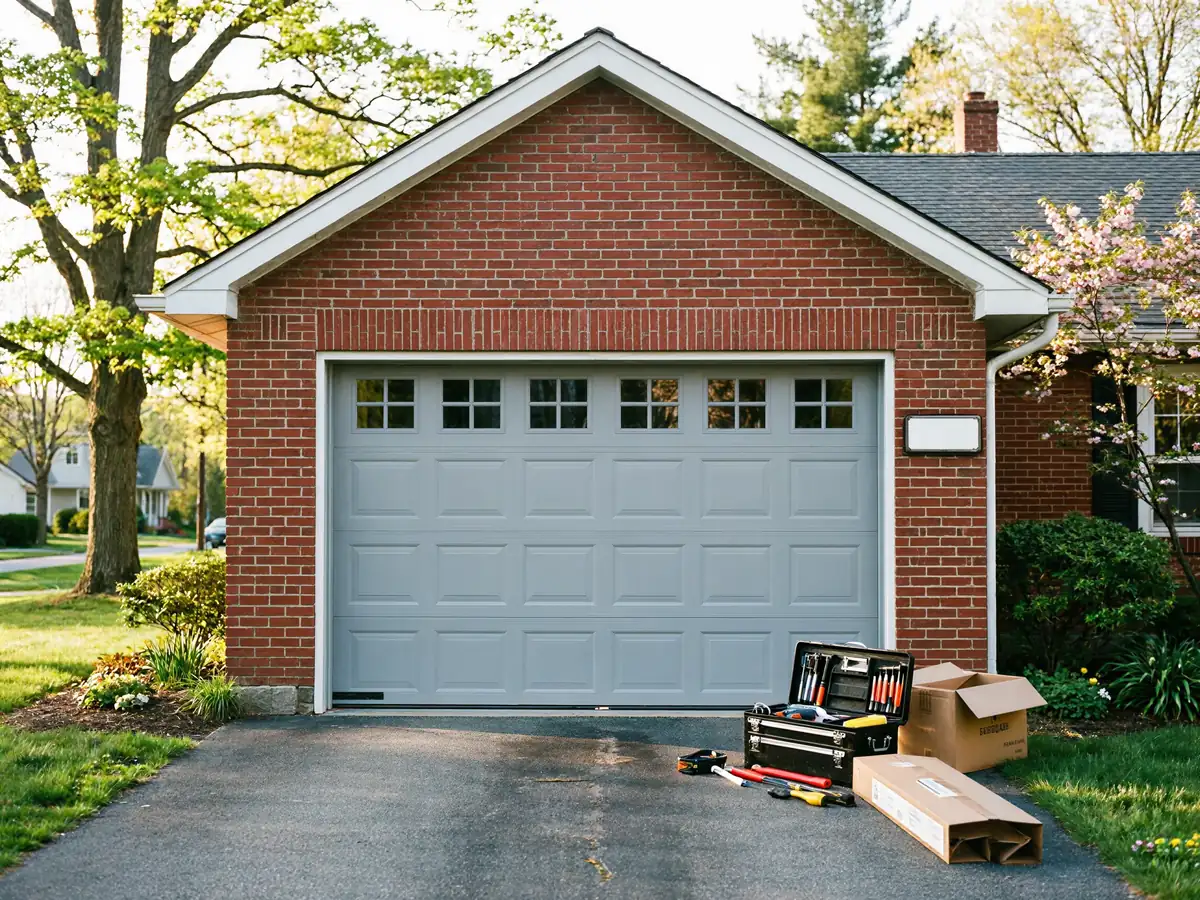
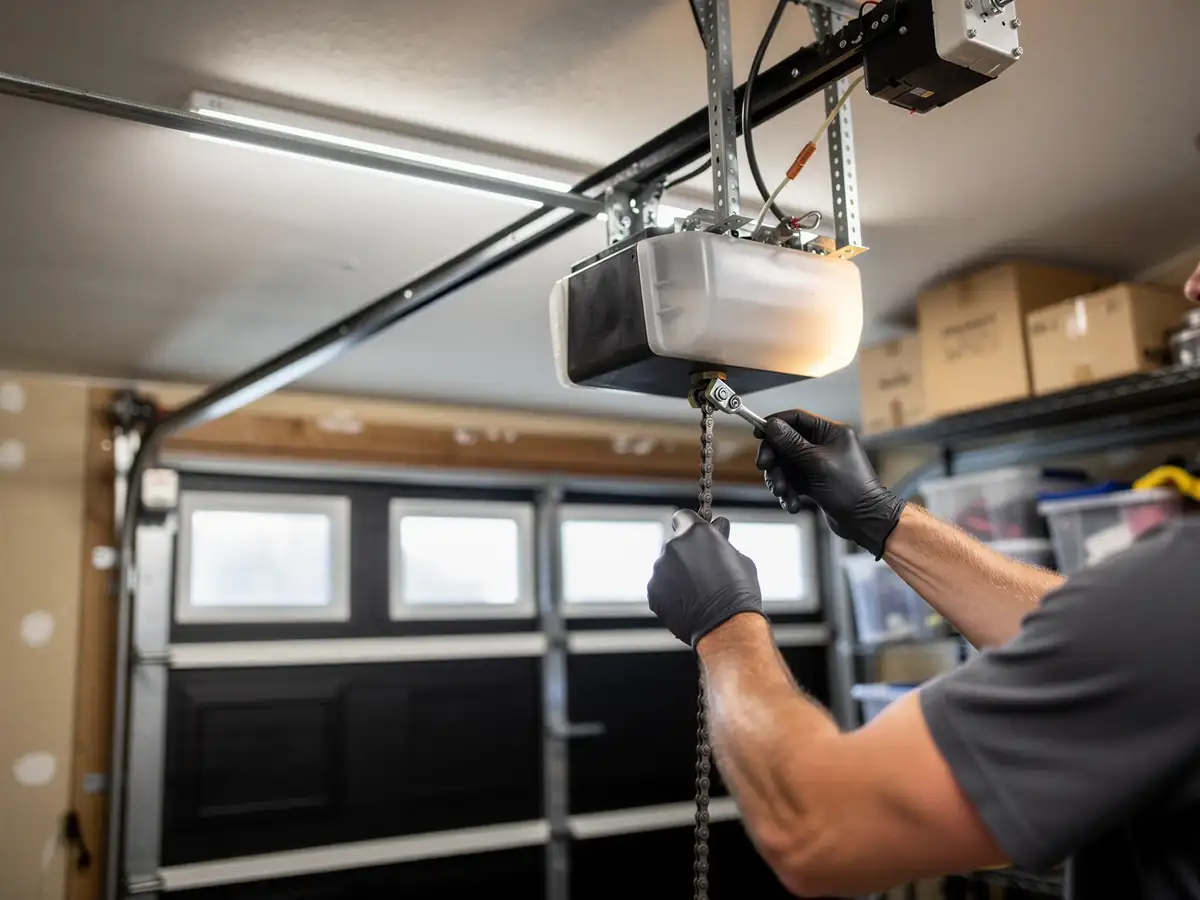
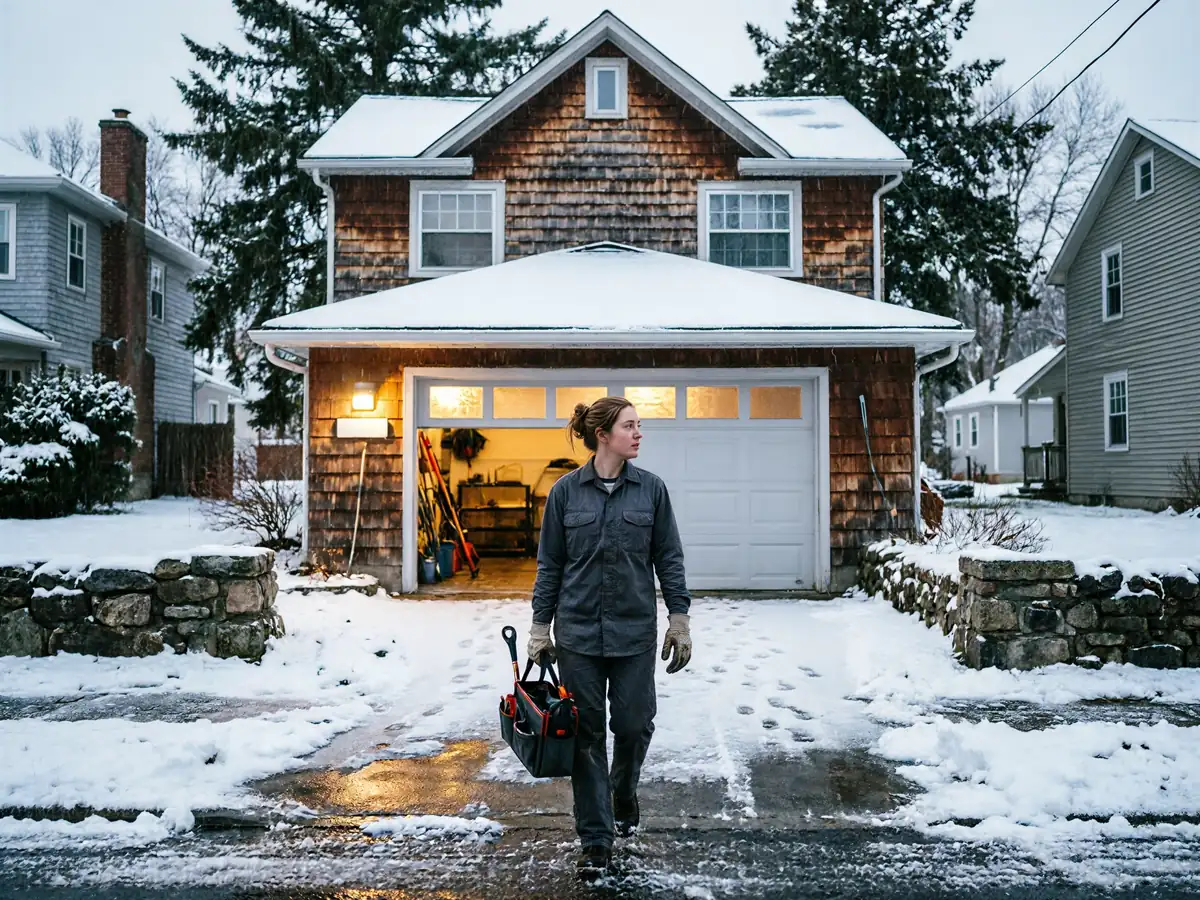
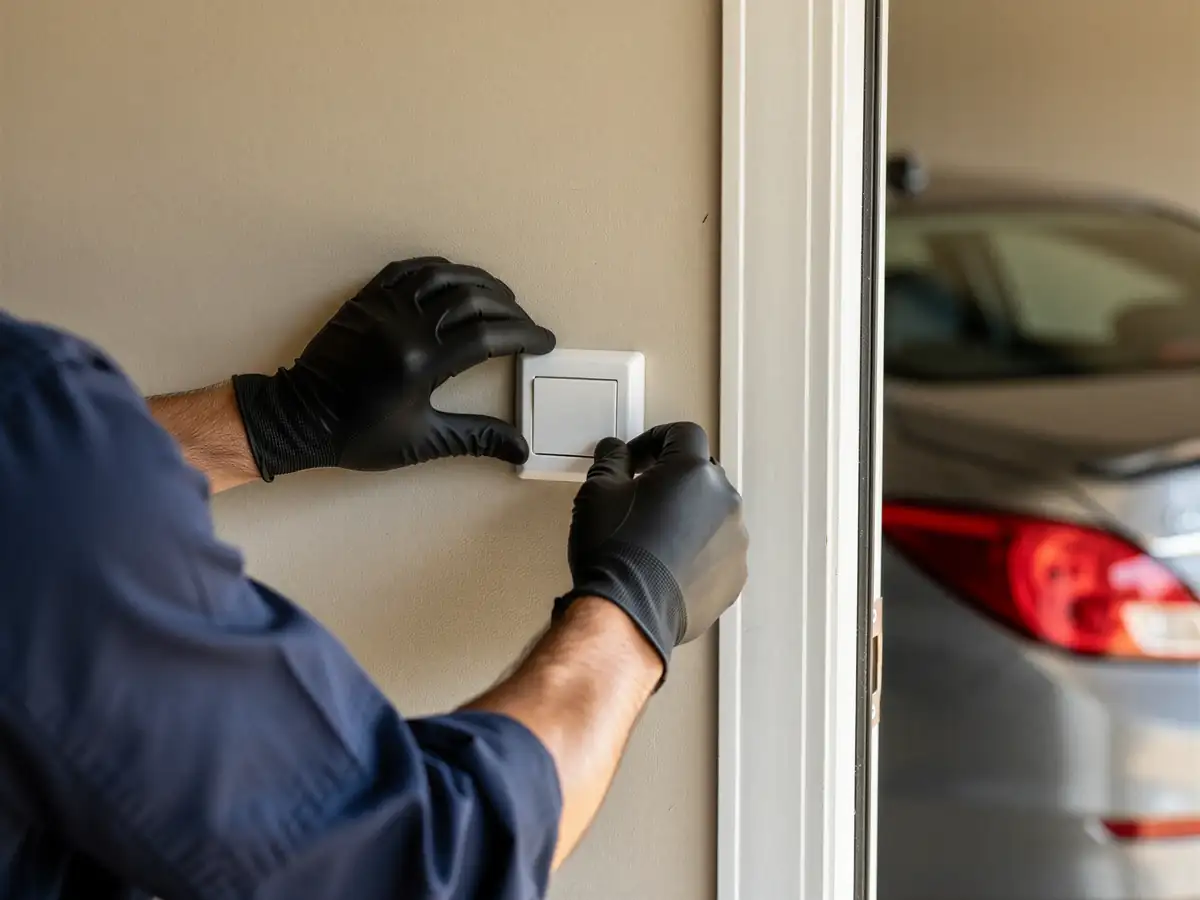
Well above the $56,795 median across the wider service area. That number matters here because it changes the math on repair versus replace. At that income level, a homeowner isn't stretching to justify a new opener with a battery backup or a quieter belt drive when the old chain-drive unit finally gives out - the monthly difference is small enough that most people here just replace rather than nurse along a unit that's already failed twice. The truck carries both belt and chain-drive openers, standard 1/2 hp and 3/4 hp units for wider doors, and the wall controls and safety sensor kits that go with them. What doesn't ride along as a matter of course are specialty commercial-grade operators - those get ordered ahead once we've seen the door and the headroom. For a town where houses were mostly built around 1973, that's a smaller issue than it is in the older pockets of the area, since newer framing usually gives a cleaner mounting surface for the rail and bracket.
We also bring the hardware to convert an old two-button setup to a rolling-code remote and keypad
Since a fair number of openers out this way are still running on fixed-code systems that are easy to clone.
What Can Go Wrong
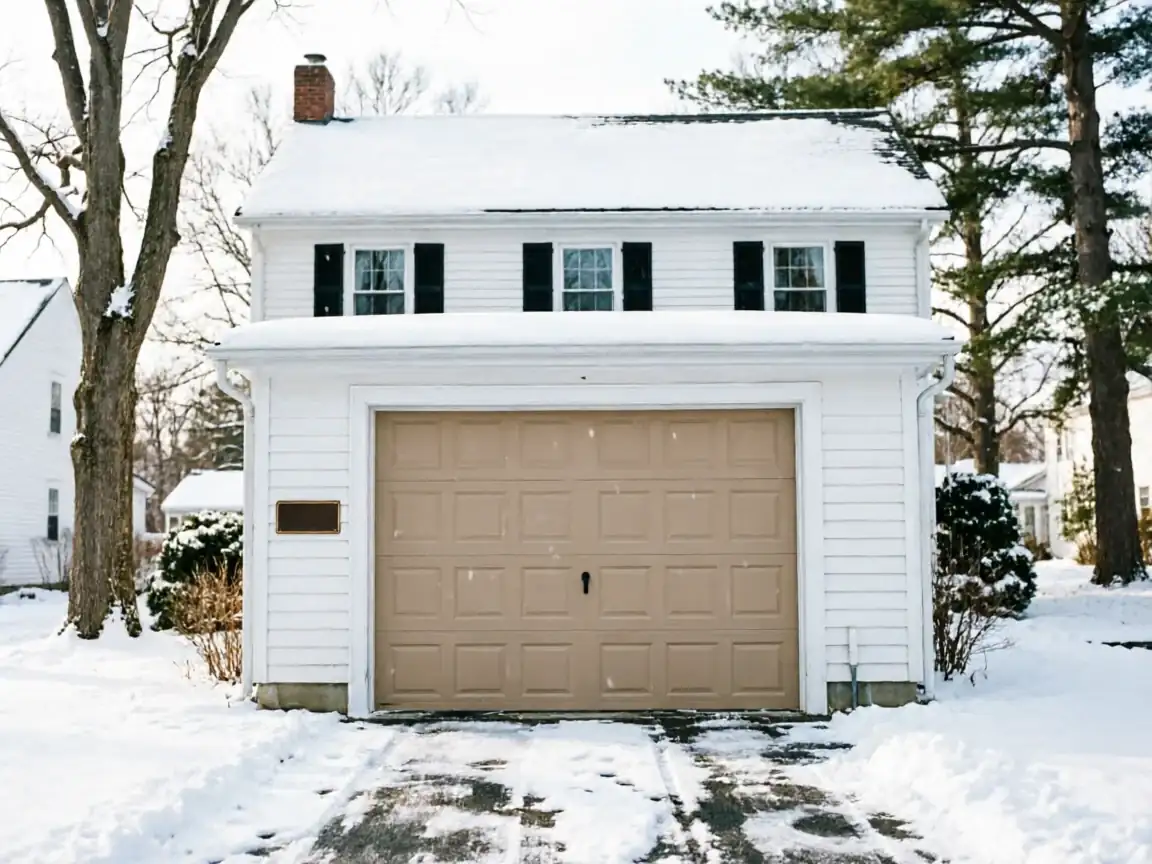
With a median build year of 1973, Fairfield's garage structures are younger than the 1952 median across the 34 named areas this company covers, and that cuts both ways. The framing is usually square enough that a new opener mounts without shimming, but a lot of these openers are now 20 to 30 years into service themselves - second or third unit on the same bracket - and the wiring behind the wall button is often original. Stripped gears on the drive unit, a worn trolley that won't release the carriage, and a logic board that no longer talks to the remote are the common calls. On the safety side, older installs sometimes predate the photo-eye sensor requirement, so part of the job is bringing the sensor beam up to current standard, not just swapping the motor head.
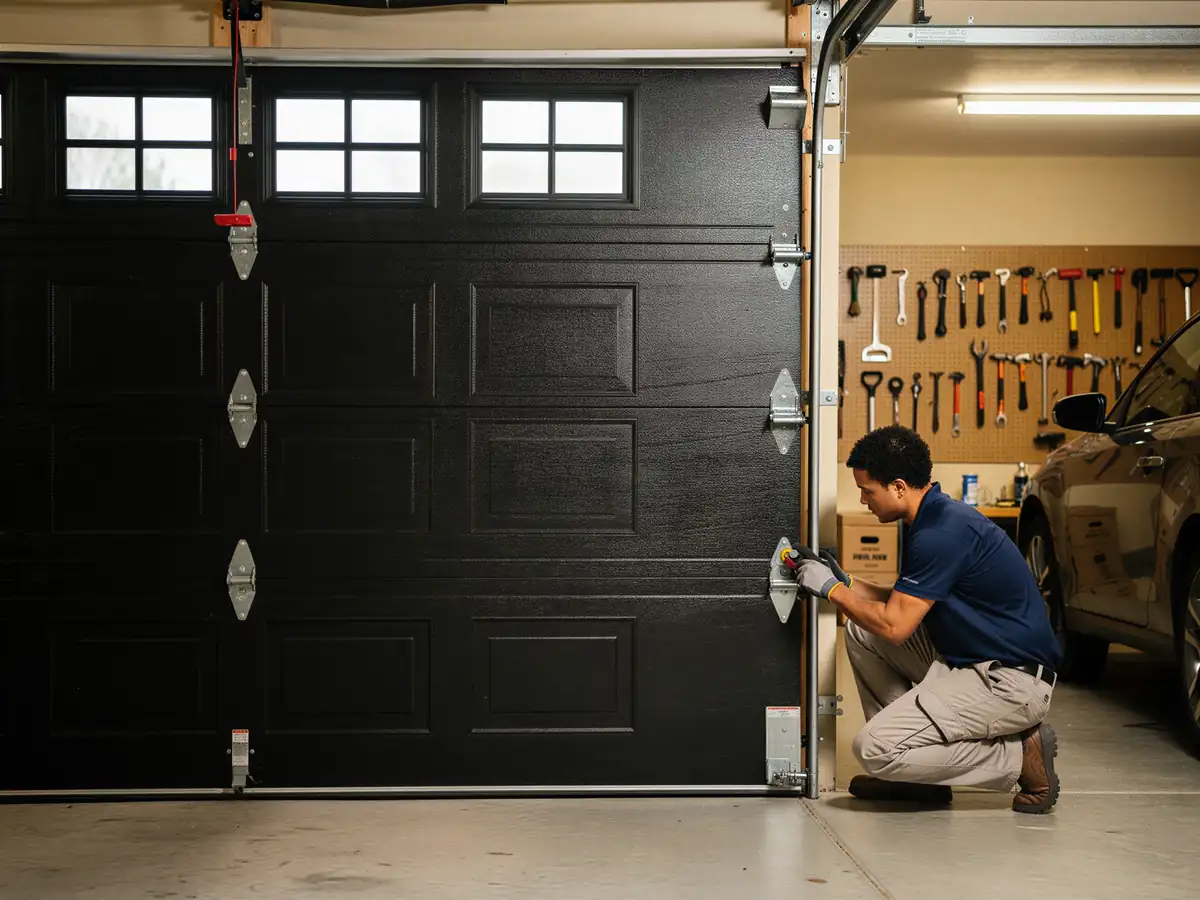
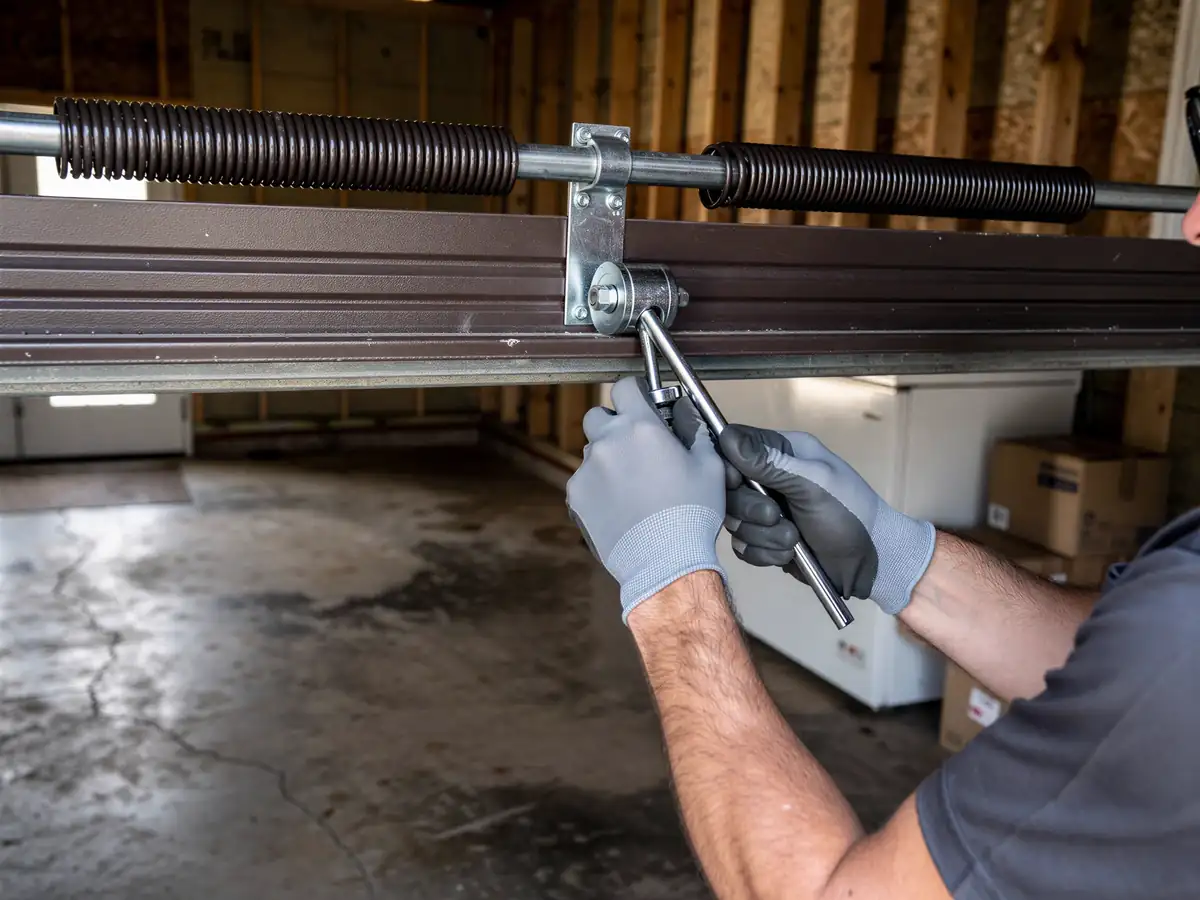
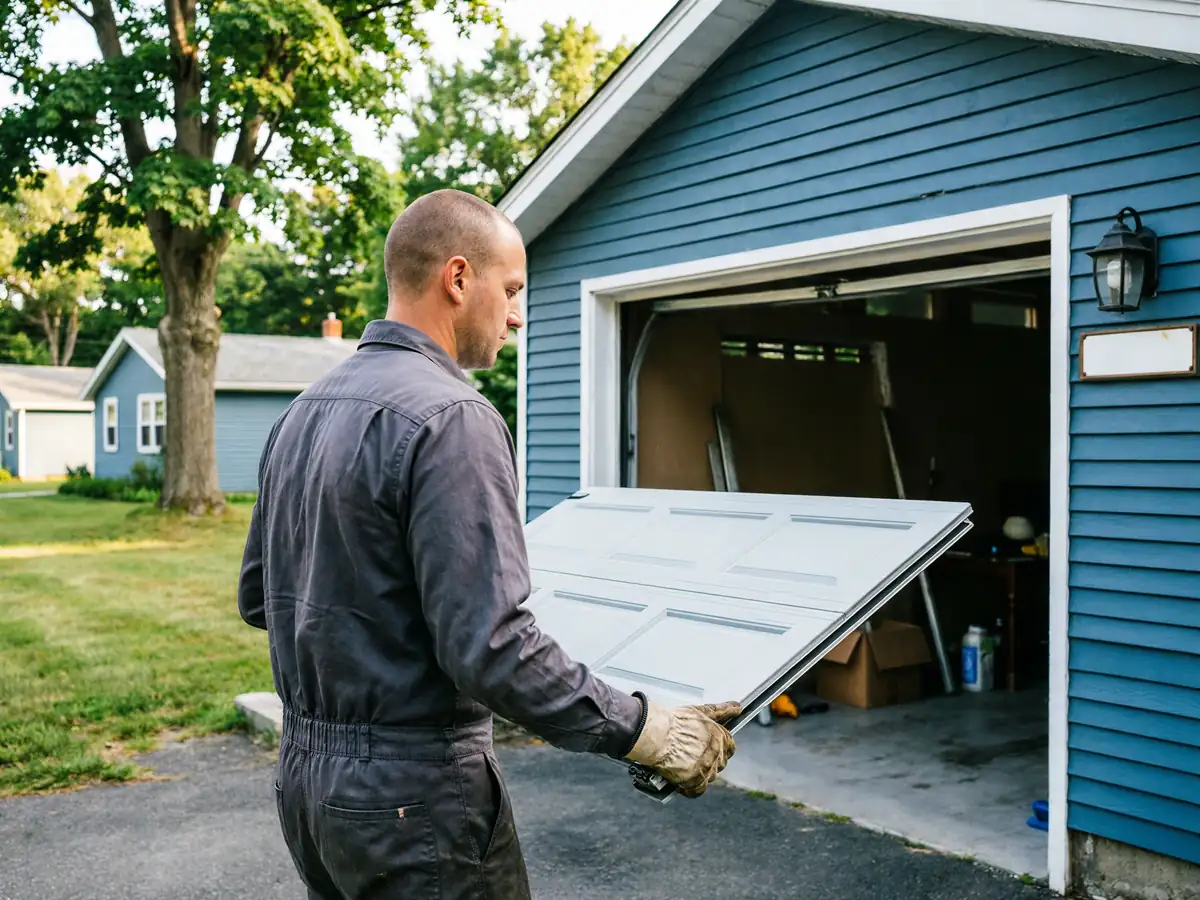
One thing we won't do is install a new opener on a door and track that are themselves shot. If the springs are tired or the track is bent, a new motor just exposes that problem faster and louder. We'll say so before we hang anything.
Why It Happens Here
Fairfield sits in a cold-climate band with real winter swings, and that affects openers more than people expect. Cold makes garage door springs stiffer and slower to return, which means the opener's motor and gears take more load pulling a door that isn't moving as freely as it did in July. Over a few winters that extra strain wears down gears and belts faster than in a mild climate, especially on units already a decade or more old. With 872 households in Fairfield, this isn't a huge area, but the opener failures we see out here track closely with the rest of the cold-climate service territory - more winter calls, more gear and sprocket failures, fewer pure electronics failures than you'd see somewhere warmer. It's less about anything unique to this specific stretch of road and more about the weather doing what cold weather does to moving parts under tension.