How It Shows Up
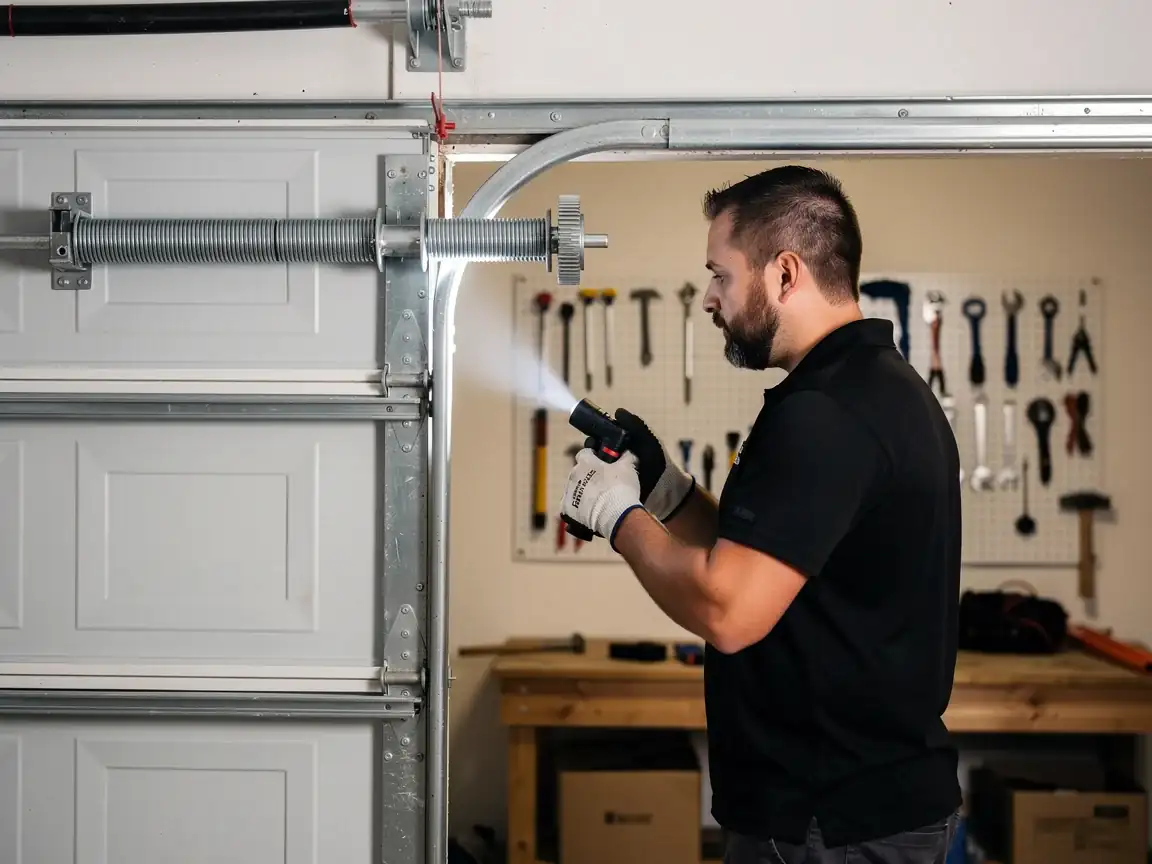
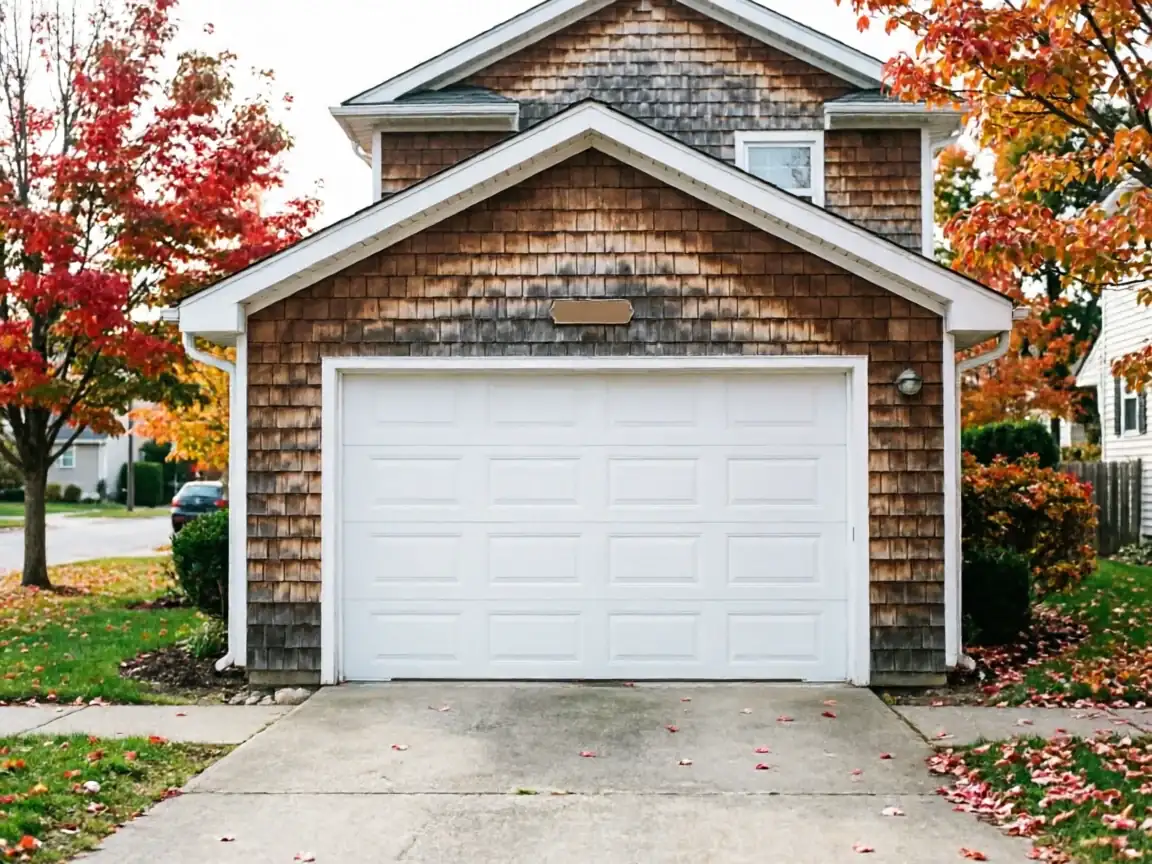
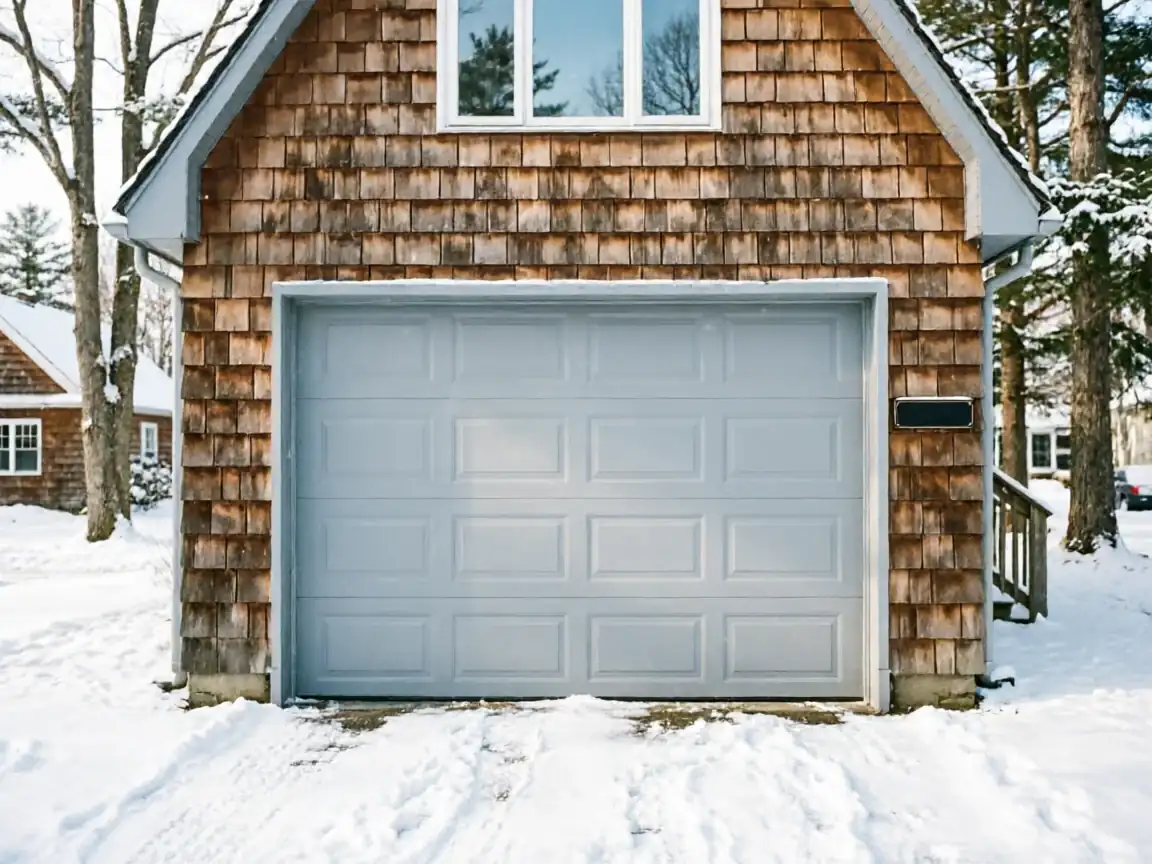
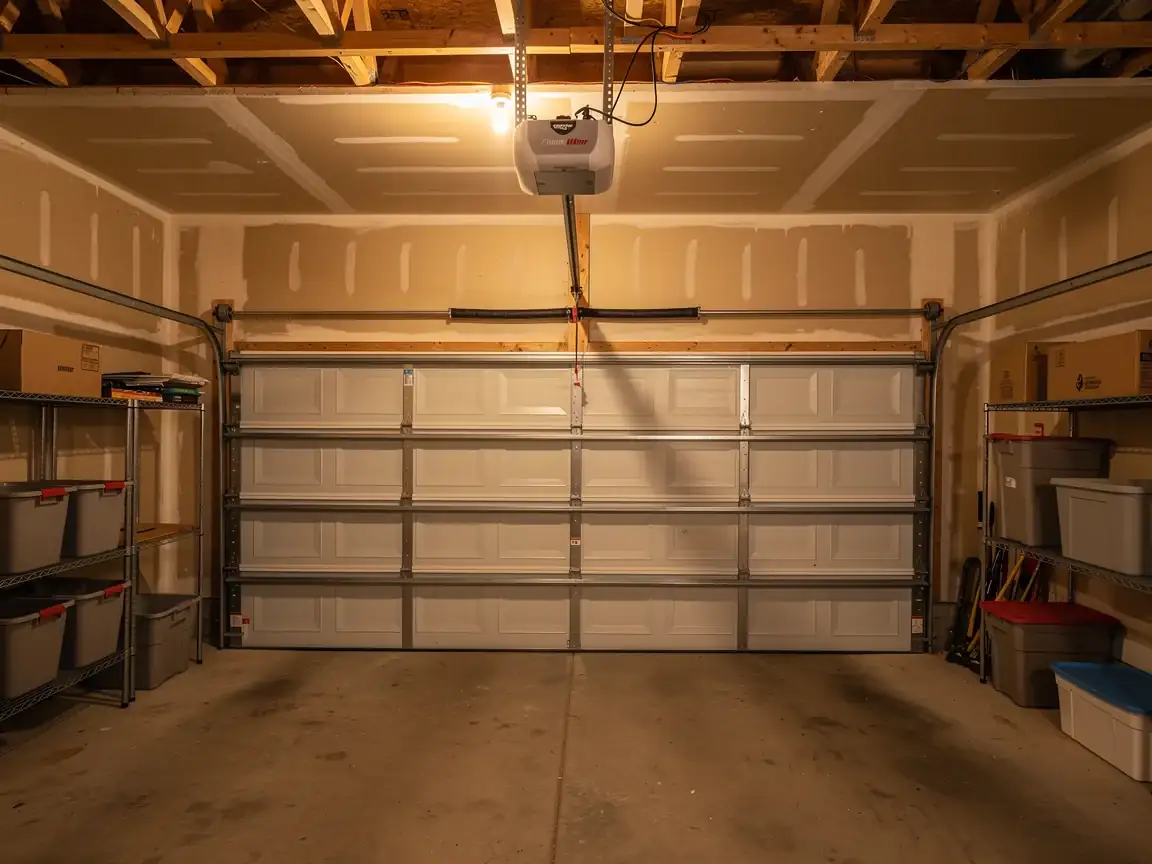
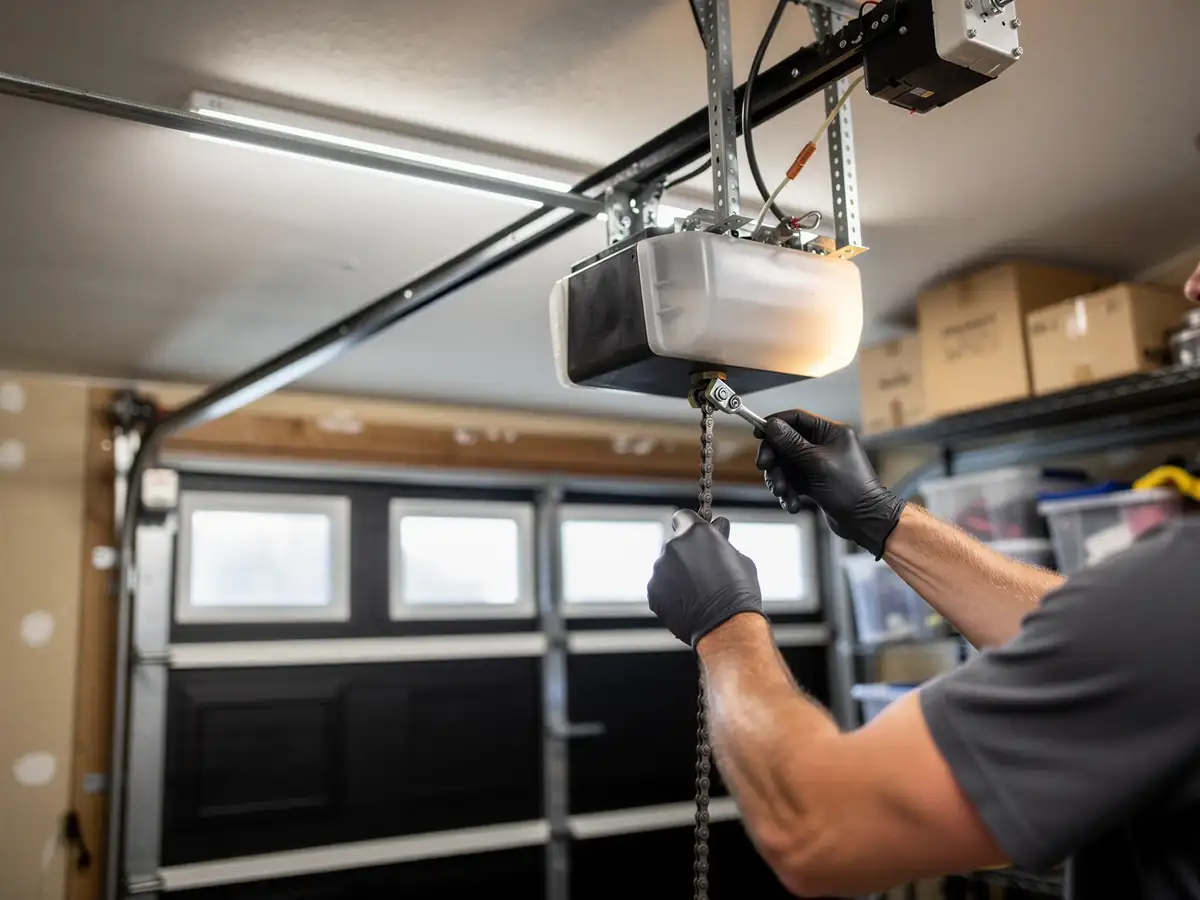
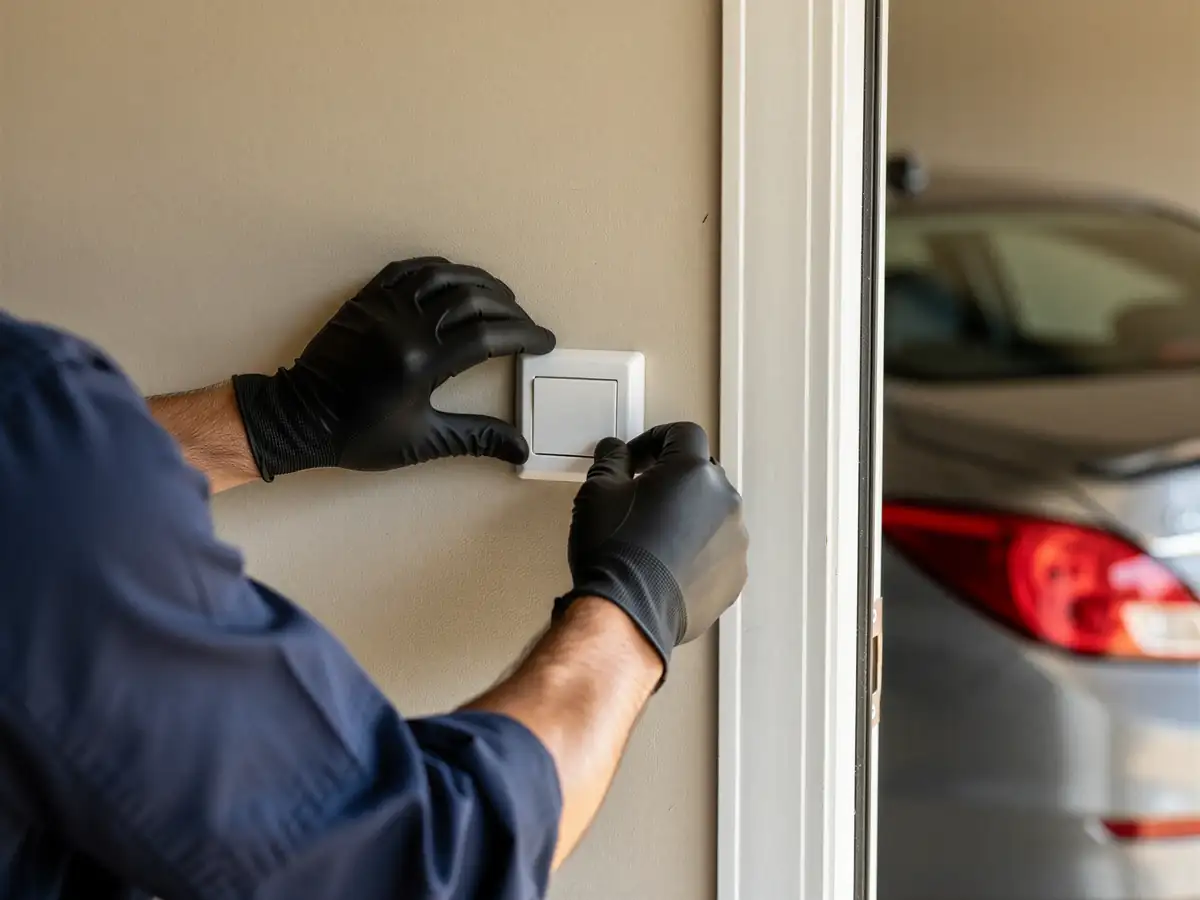
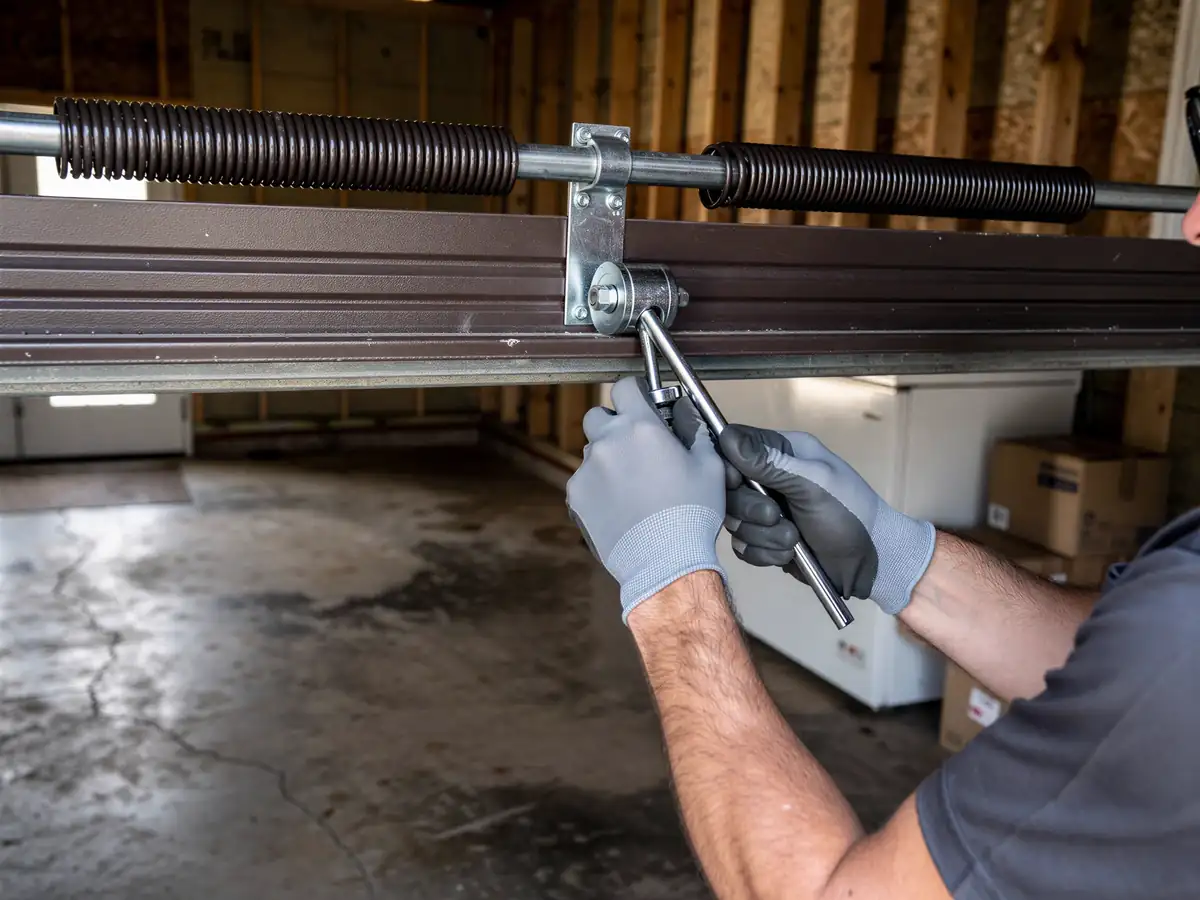
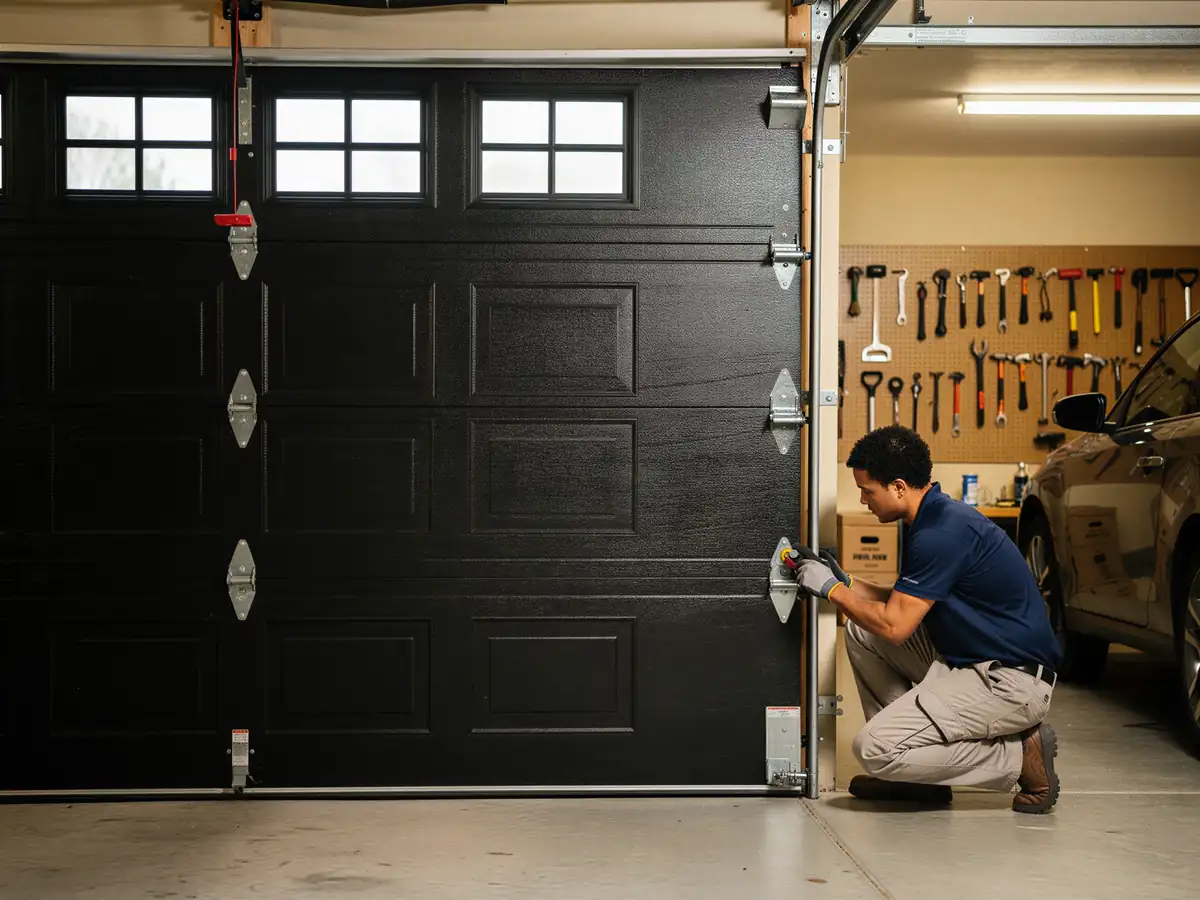
Homes around Indian Lake cluster near a 1976 build year, noticeably later than the 1952 median that defines most of the service area's pre-1960 stock. That matters for what breaks. You're less likely to have the original one-piece doors and side-mounted torsion hardware we see on older streets, and more likely dealing with extension-spring setups and early chain-drive openers that have been swapped once or twice since the house went up. The failure pattern is familiar either way: a spring that's done its last cycle, a roller that's seized, a sensor knocked out of alignment. The cold here does the same work it does everywhere in this part of the state - steel springs lose temper faster in sustained cold, and nylon rollers crack instead of just wearing. With only 177 households around the lake, there's no single production run of identical doors to point to; each job starts with us actually looking at the unit rather than assuming what's behind the panel.
What You Pay
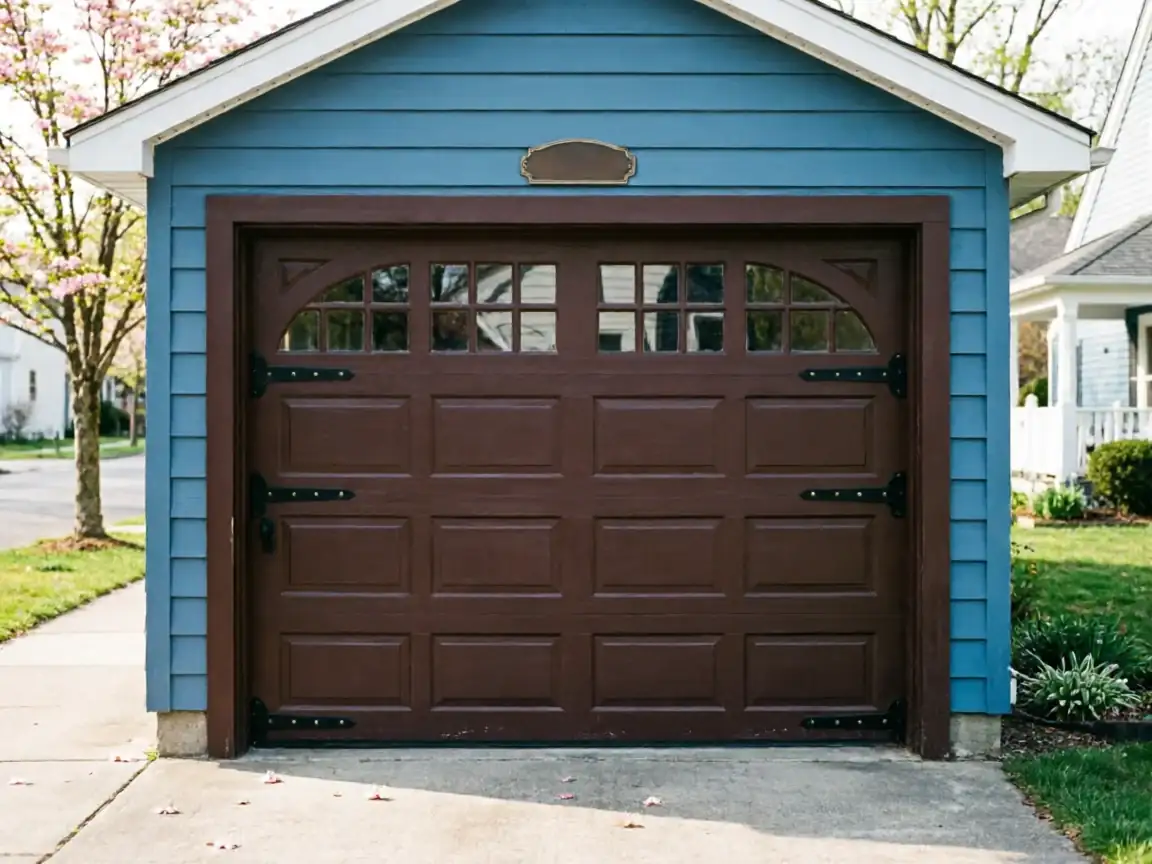
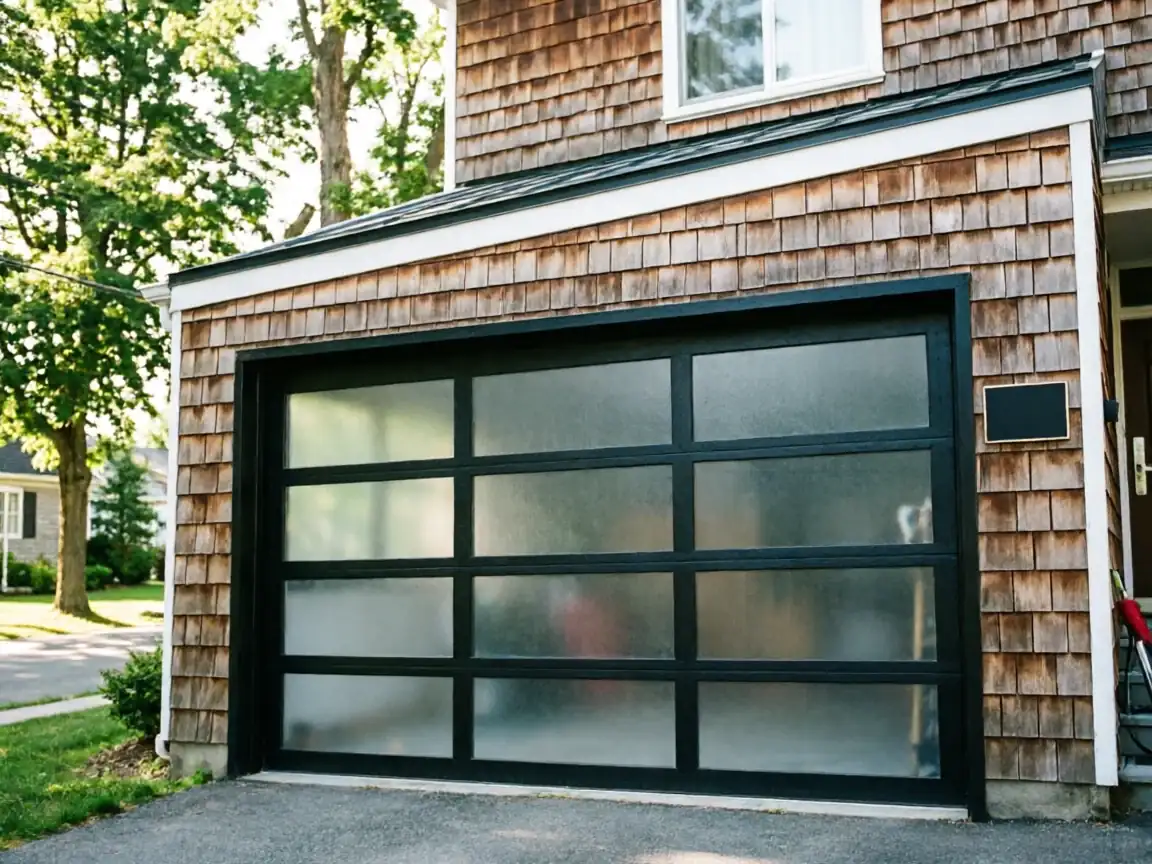
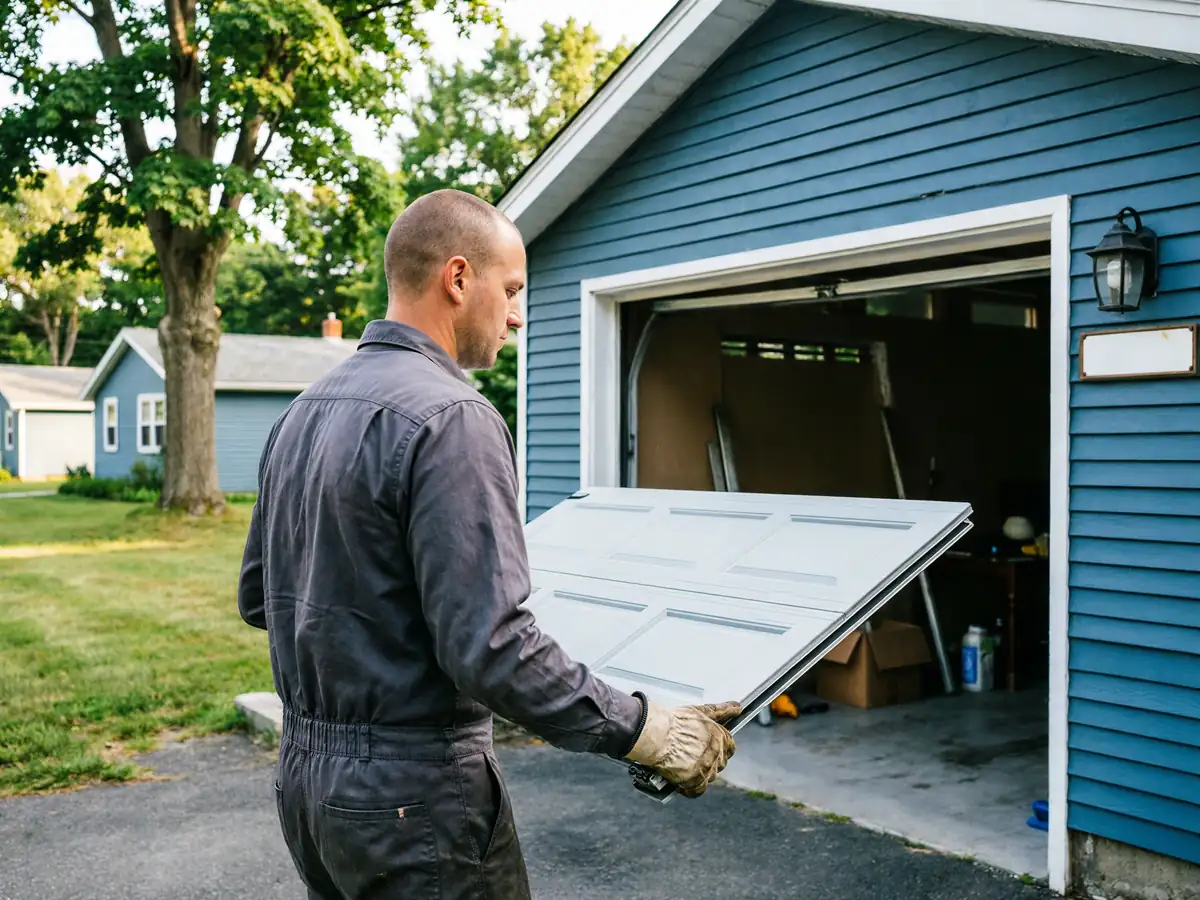
The number that changes things here is income, not weather. Median household income around Indian Lake runs about $113,125, well above the $56,795 median across the rest of the service area. That gap shows up directly in how the repair-or-replace conversation goes. On a lower-income street, we'll often push hard to fix what's there - new springs, a new opener board, keep the door another decade. Out here, when a door is pushing fifty years old or an opener is on its second motor, more owners decide the repair bill and the replacement bill are close enough that they'd rather stop patching. We're not going to talk anyone into a full replacement who just needs a spring, but we also won't talk someone out of one if the numbers make it the better move for them. Either way, the diagnosis is the same visit and the same honest answer, whether the fix is a twenty-minute roller swap or a conversation about a new door.